The Trophy Shelf
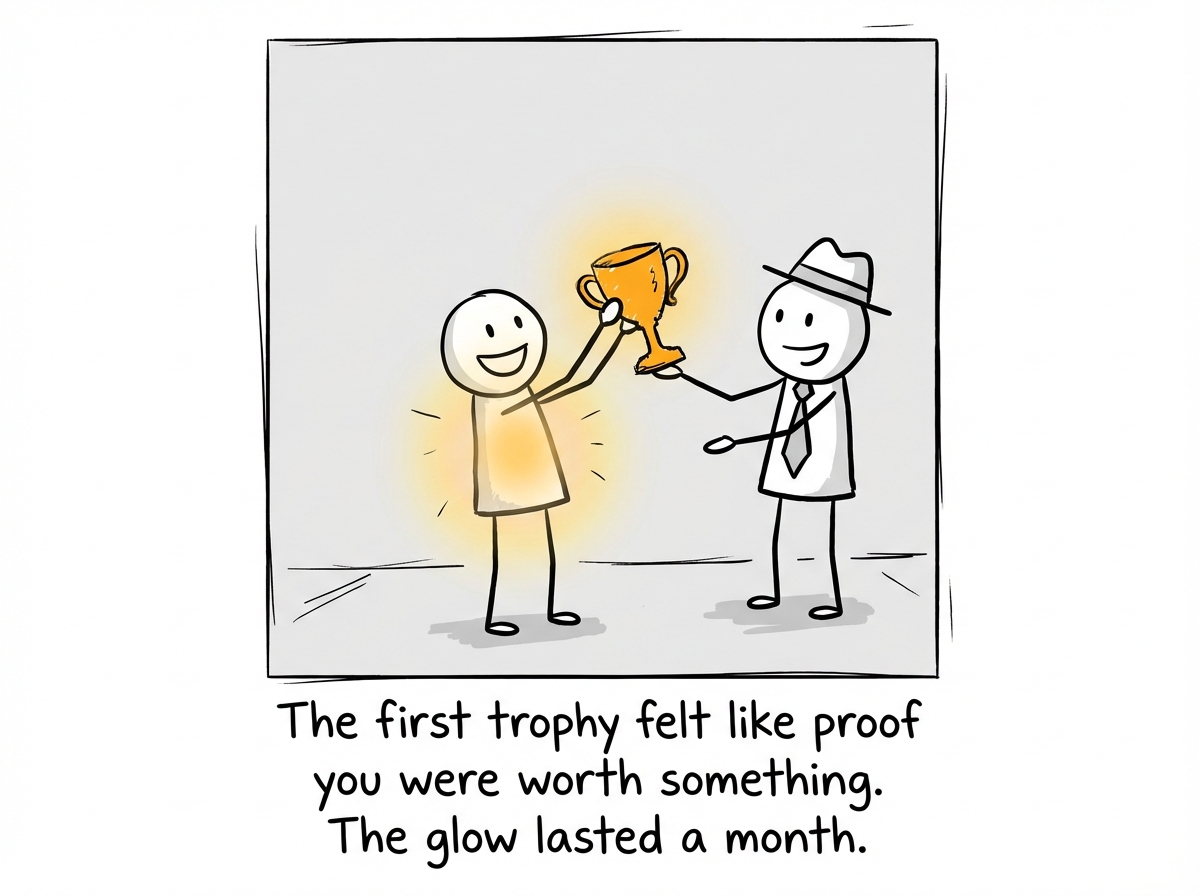
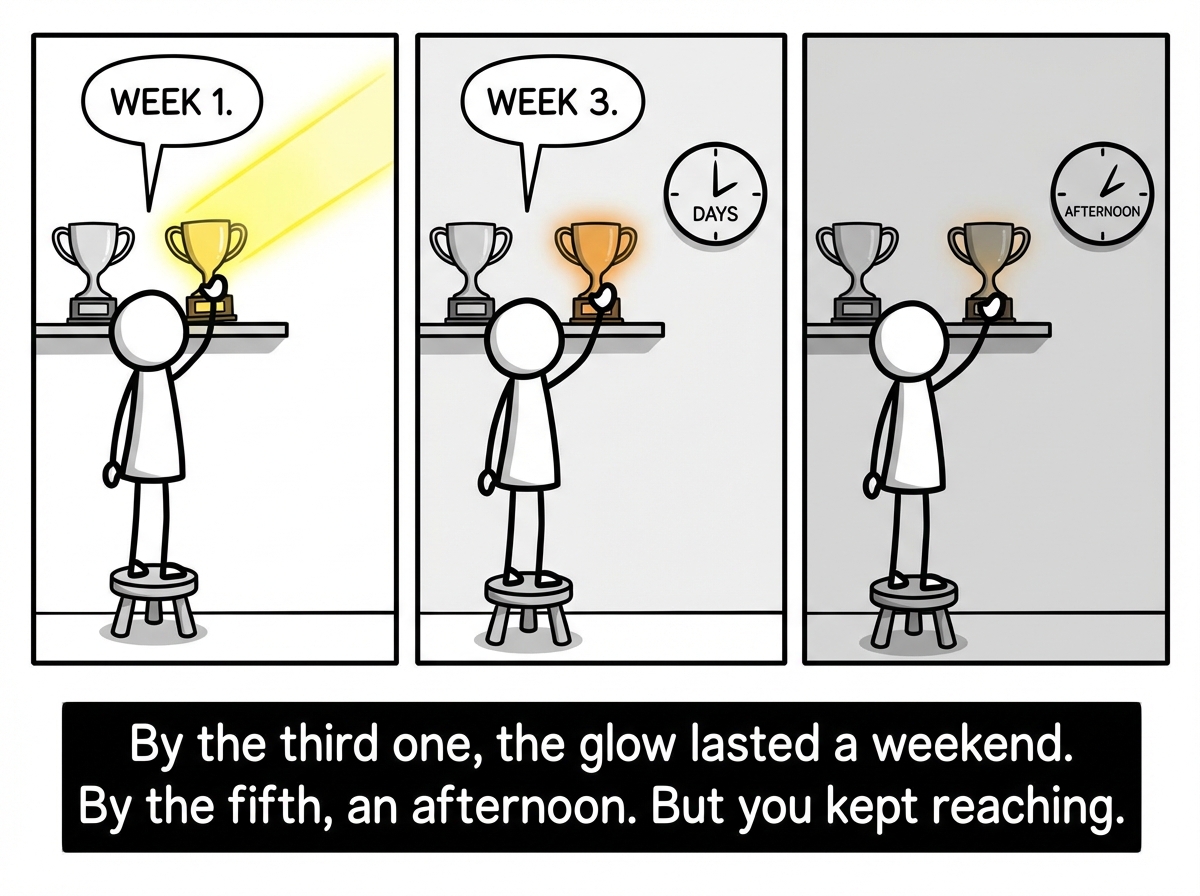
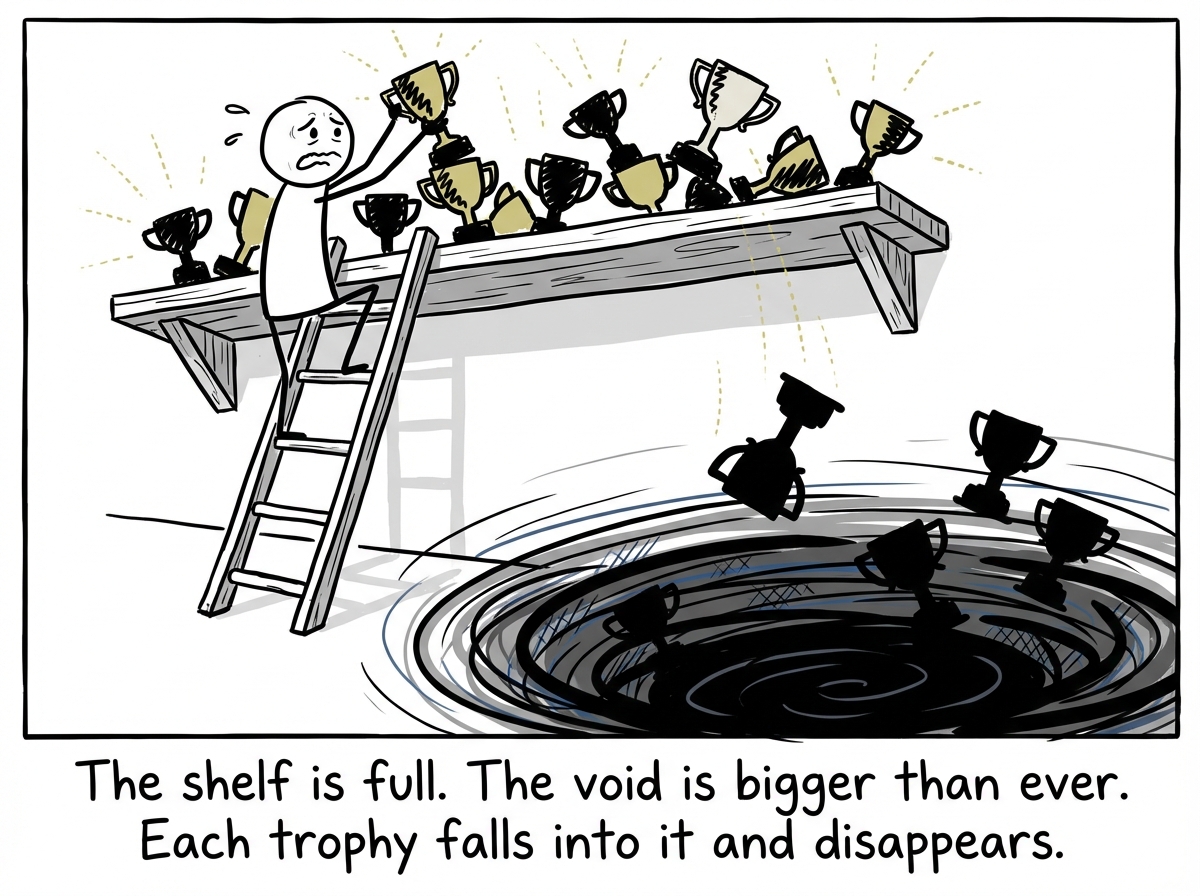
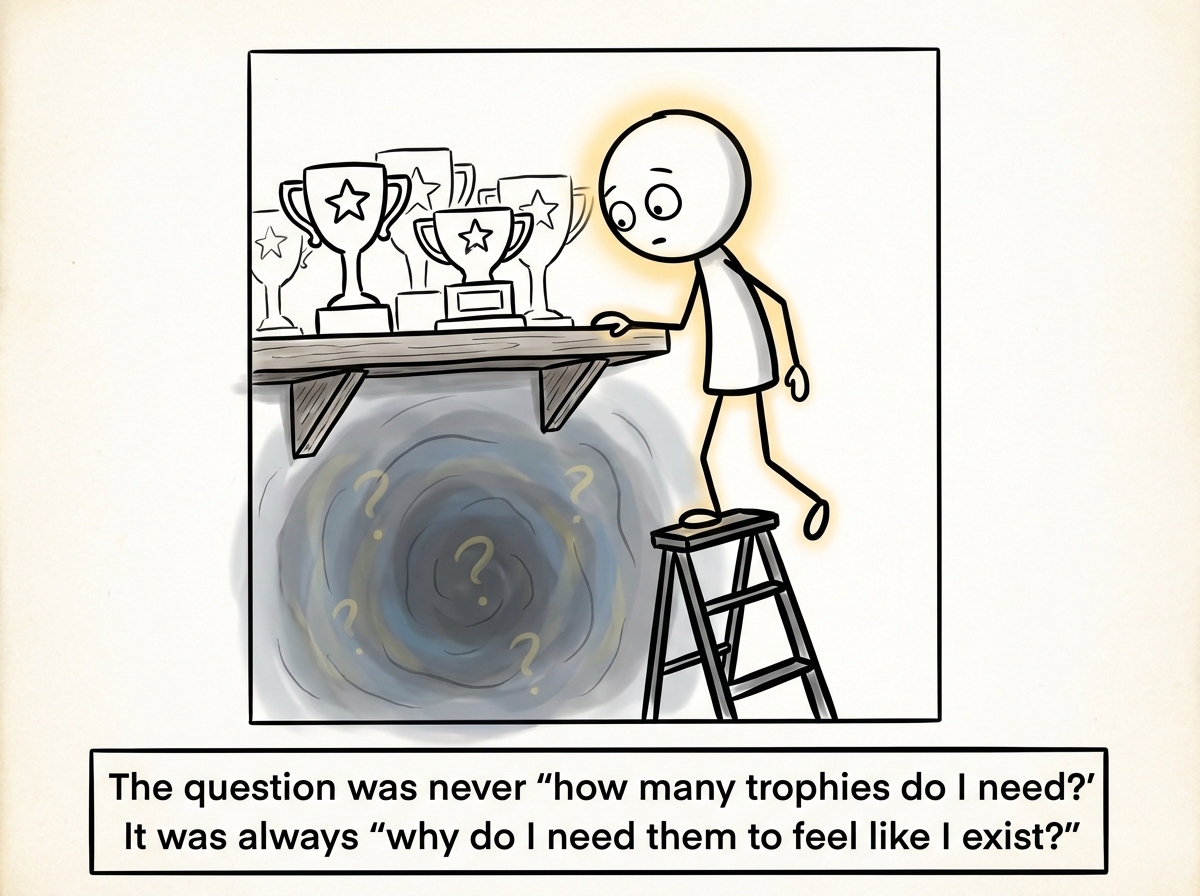
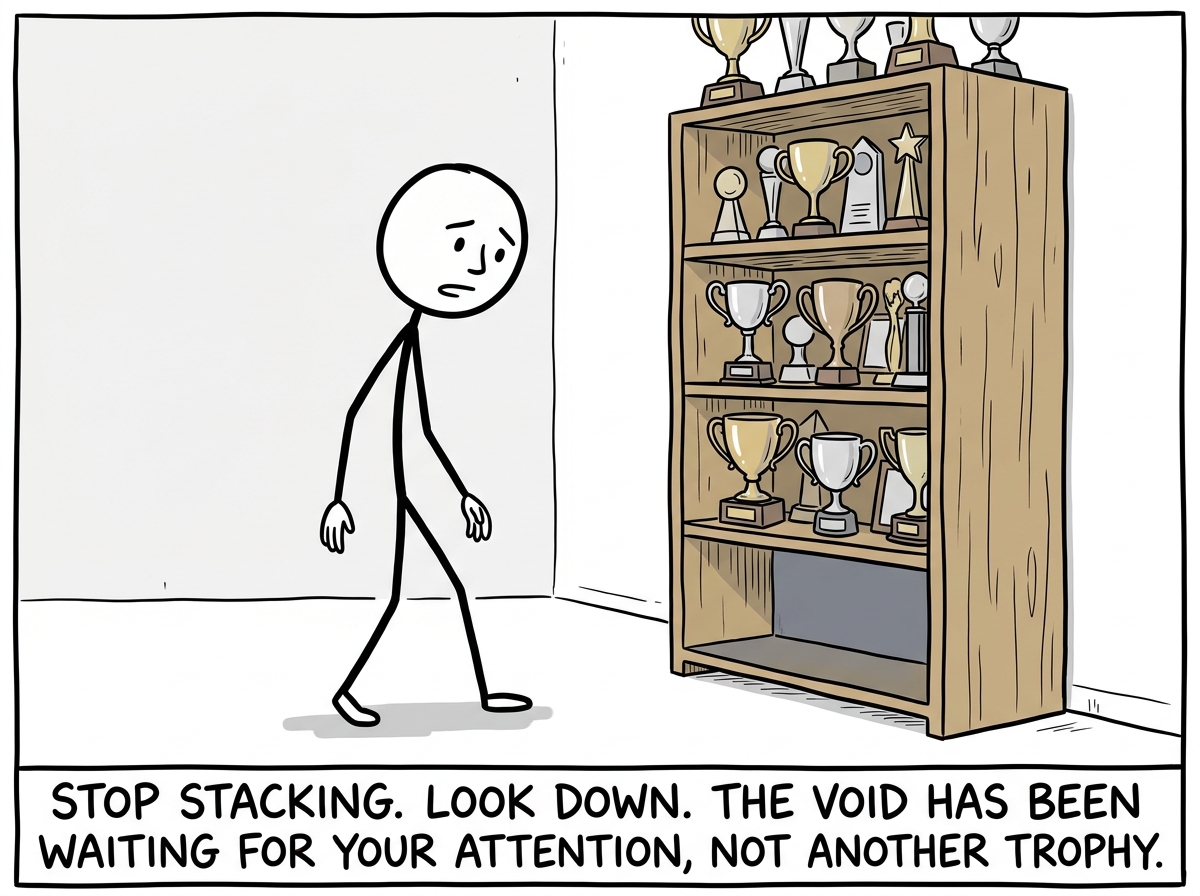
A person keeps adding trophies to an endless shelf, each one providing a shorter burst of satisfaction than the last, while a growing void underneath the shelf gets larger with every achievement.
Explanation
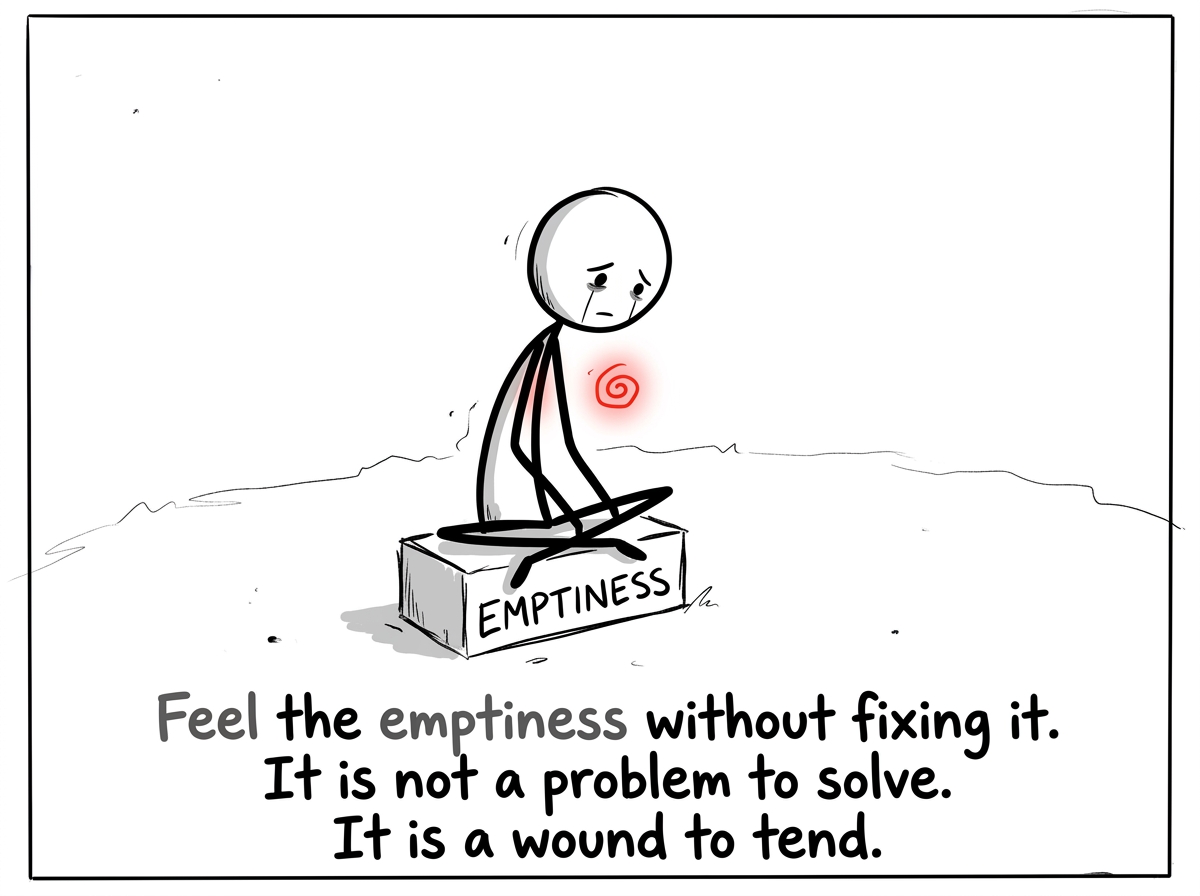
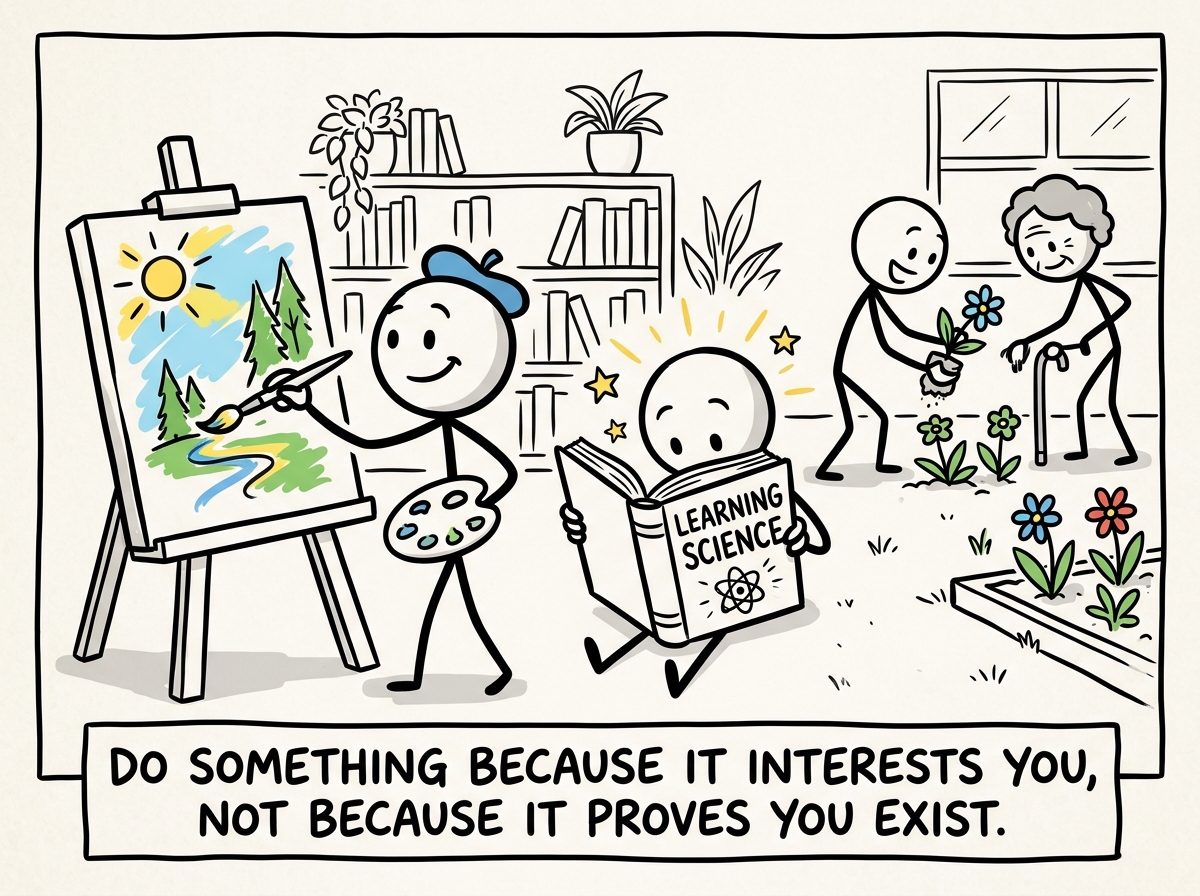
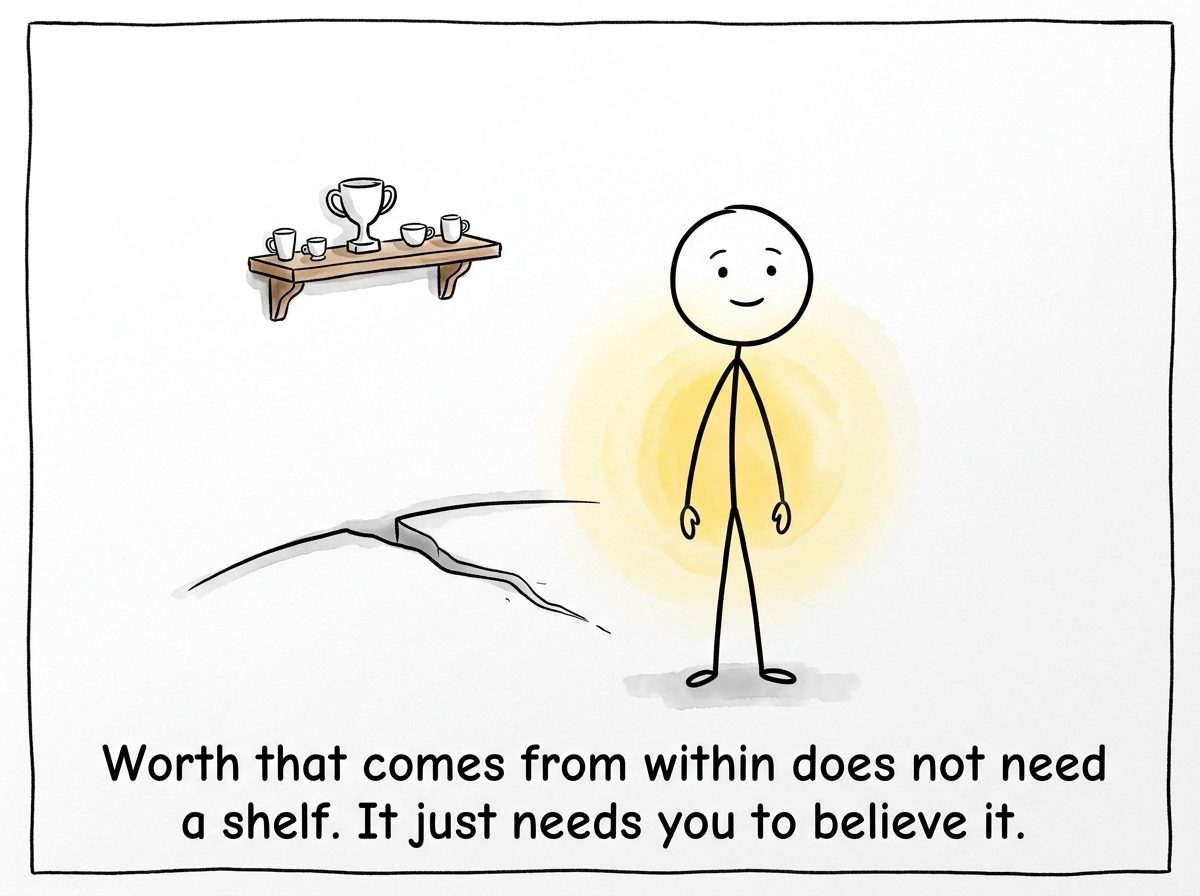
You got the degree. Then the job. Then the promotion. Then the award. Each one was supposed to be the final piece -- the achievement that would make the internal discomfort stop, the one that would prove once and for all that you are enough. And each one worked, briefly. The glow of accomplishment lasted a week, then three days, then hours. Now you are reaching for the next trophy before the applause for the last one has even stopped, because the silence between achievements is where the void lives, and you will do anything not to sit in it. Karen Horney described this pattern as the 'tyranny of the should' -- an internal compulsion to meet idealized standards not for genuine growth but as a defense against feelings of worthlessness. Achievement addiction mirrors substance tolerance precisely: the same dose stops working, requiring escalation. Tim Kasser's research on extrinsic goals demonstrates that success metrics driven by external validation -- money, status, recognition -- produce diminishing psychological returns even when achieved, because they never address the underlying deficit. You cannot fill a hole in your self-worth with trophies. The hole just gets bigger and the trophies get smaller. The recovery from achievement addiction is not about stopping achievement. It is about changing the relationship to it. Healthy achievement comes from curiosity, mastery, and contribution. Addictive achievement comes from terror -- the fear of finding out what you are without the gold star. The work is not to stop winning. It is to discover that you are still someone worth being when you are not winning at all.
Key Takeaway
If the emptiness returns every time the applause stops, the problem was never the achievement -- it was what you were using it to avoid.