The Firefighter Who Uses Ice Cream
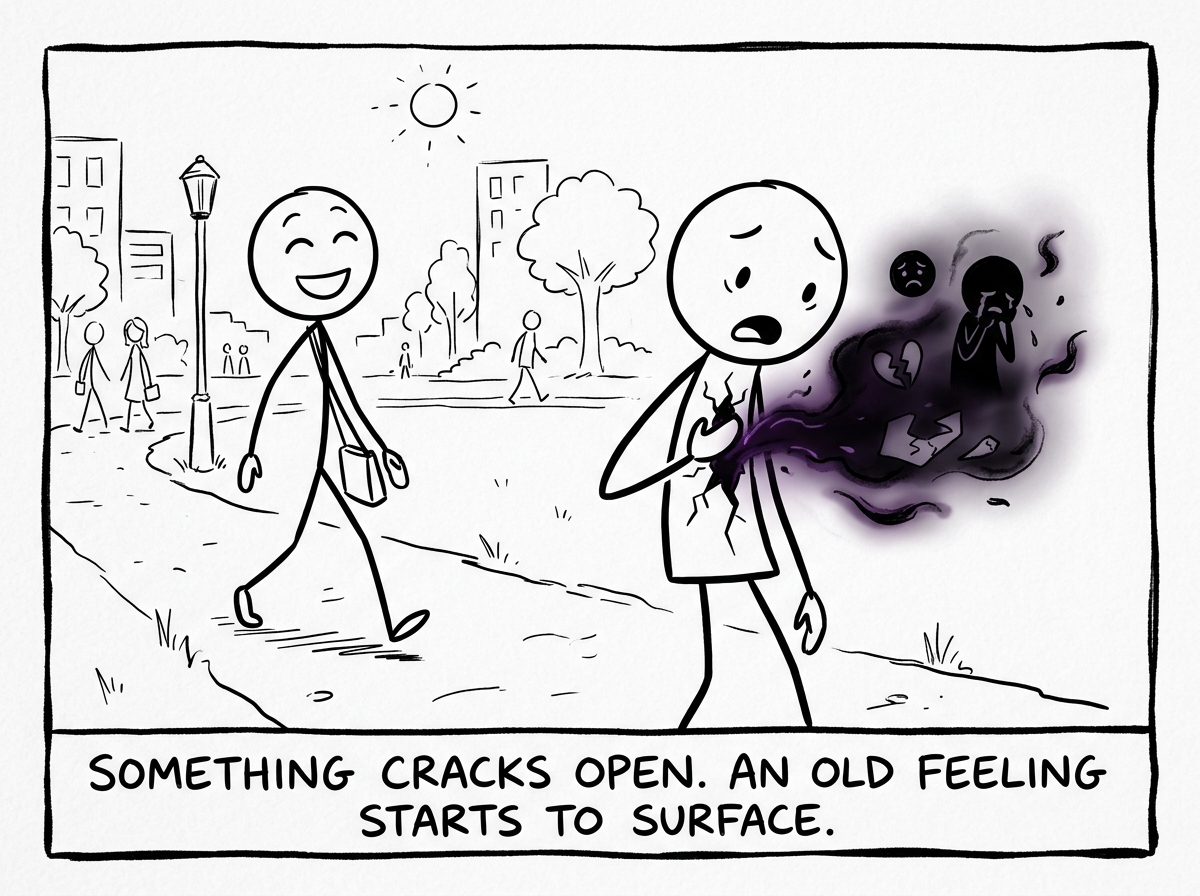
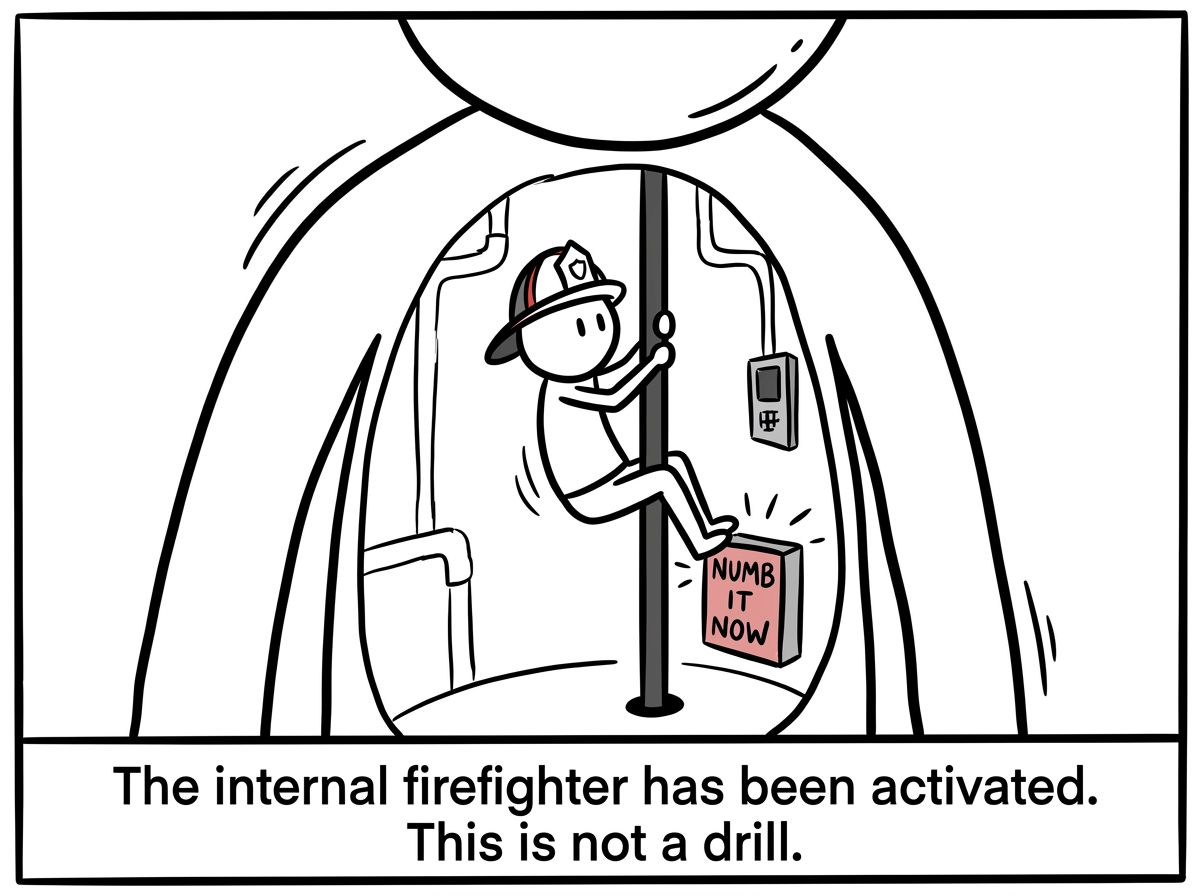
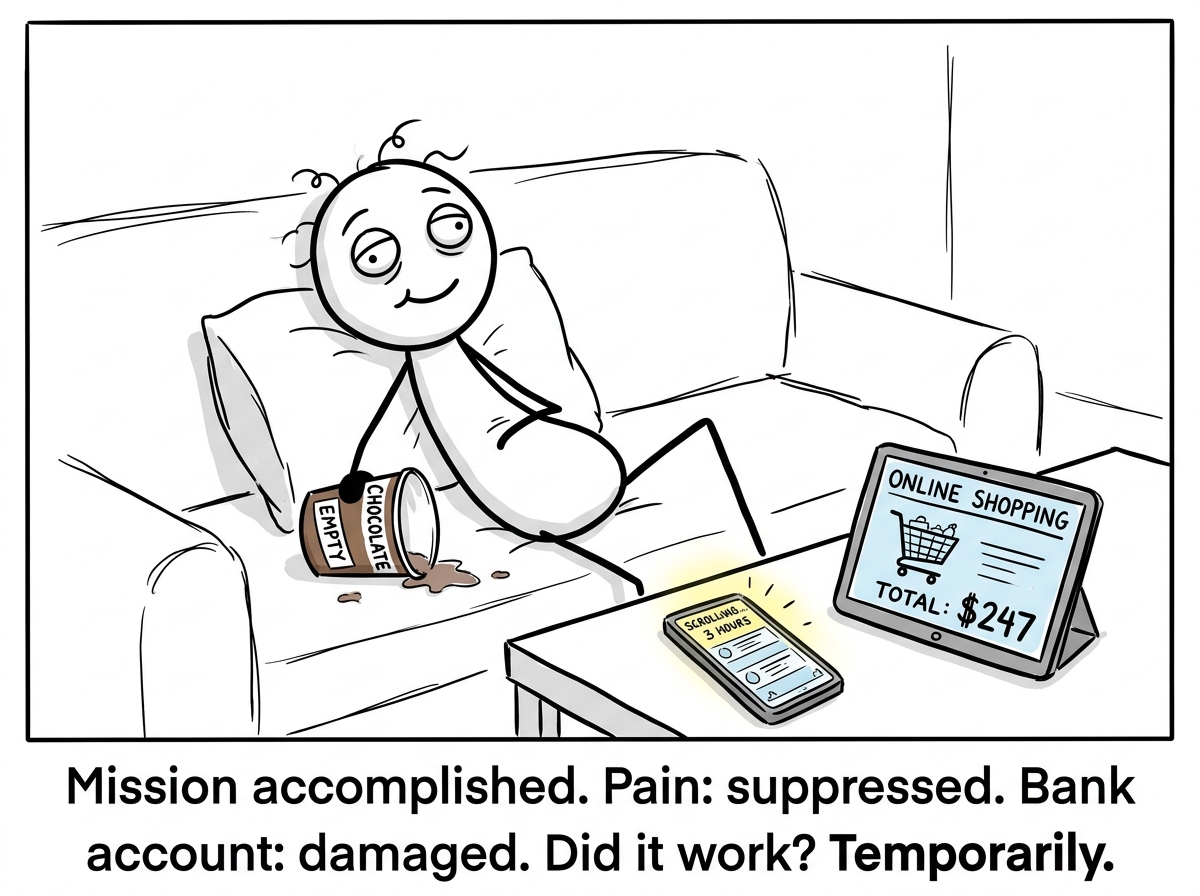
When painful emotions break through the surface, a person's internal firefighter part rushes in to numb the pain -- with a pint of ice cream, online shopping, and three hours of scrolling.
Explanation
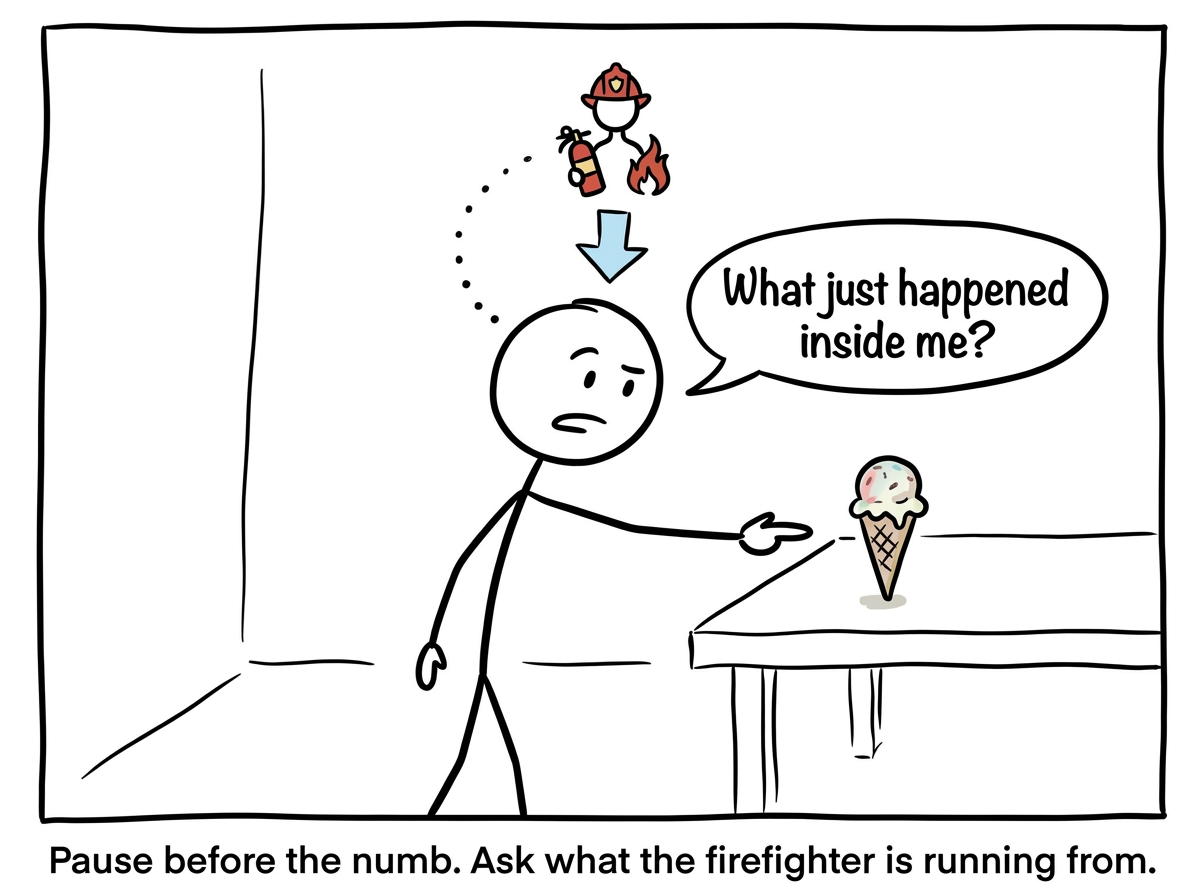
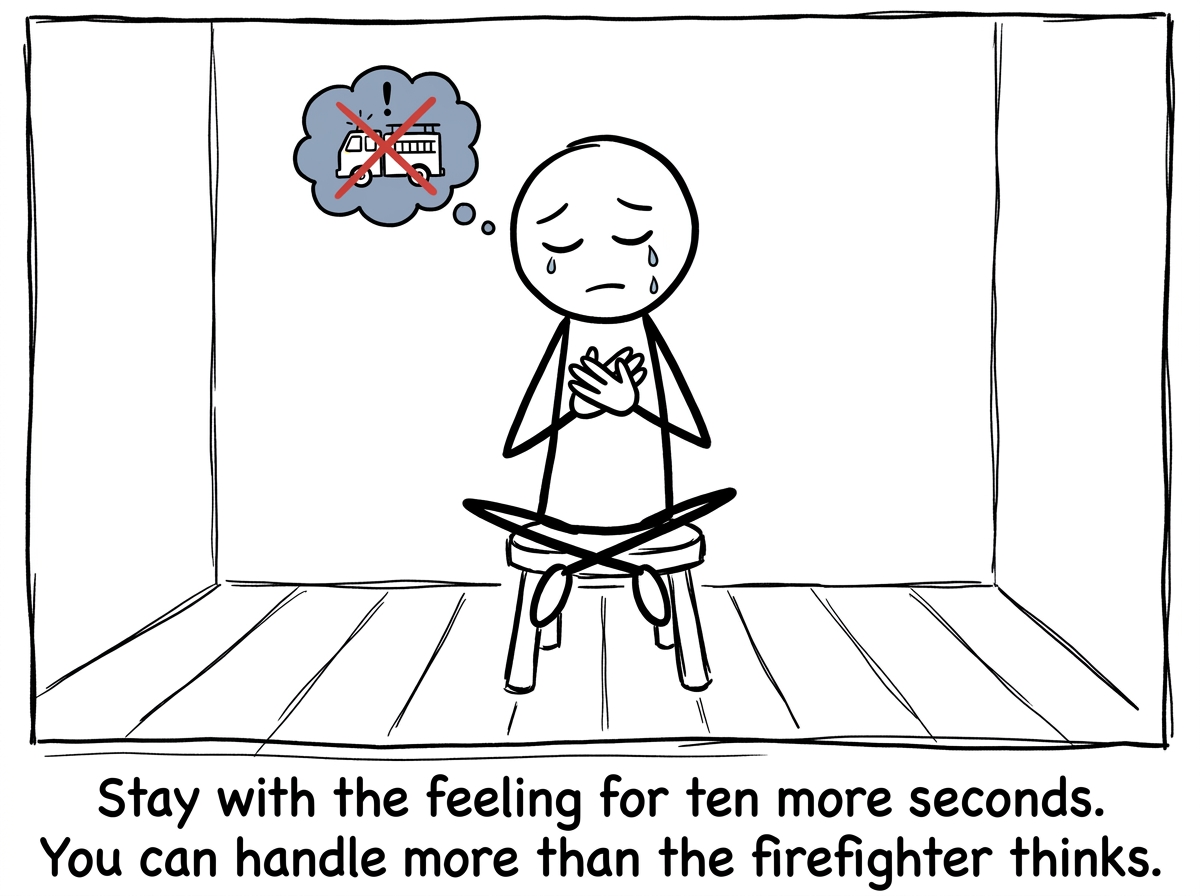
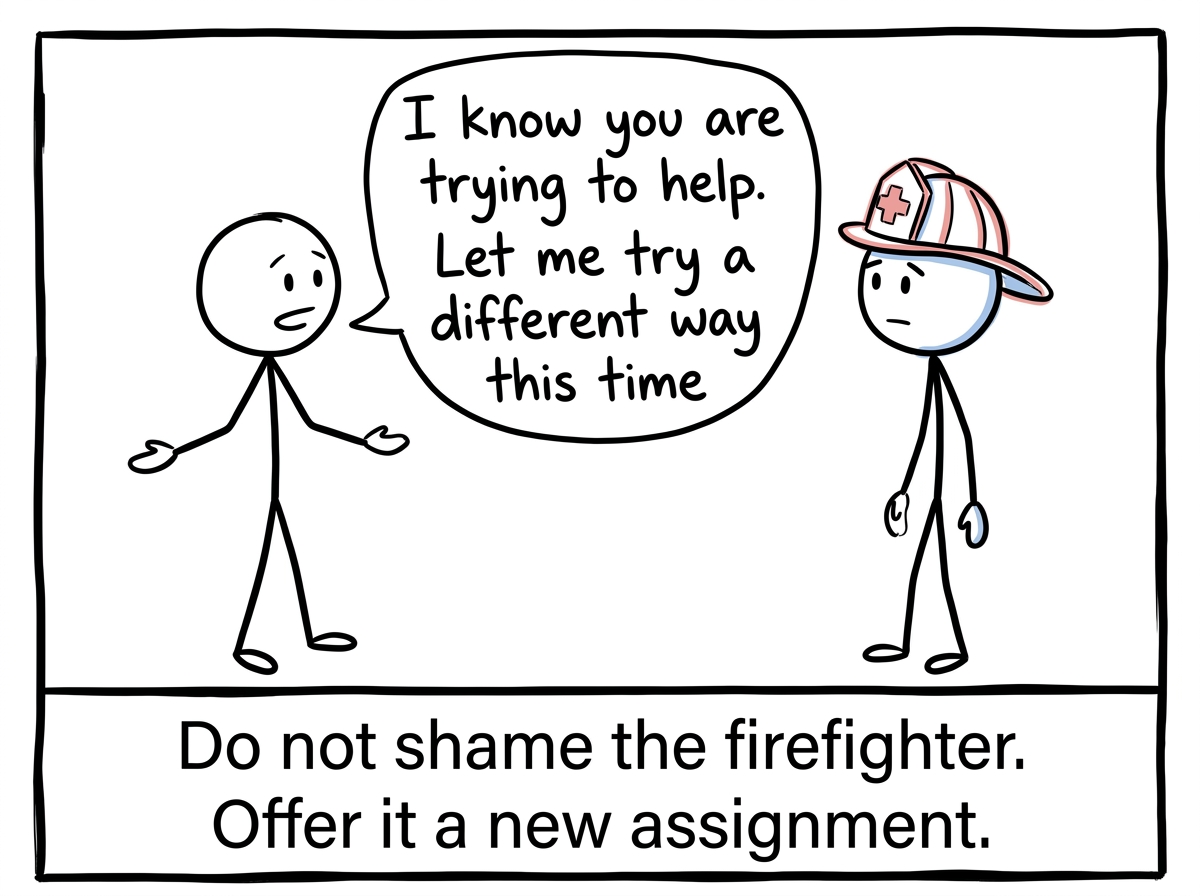
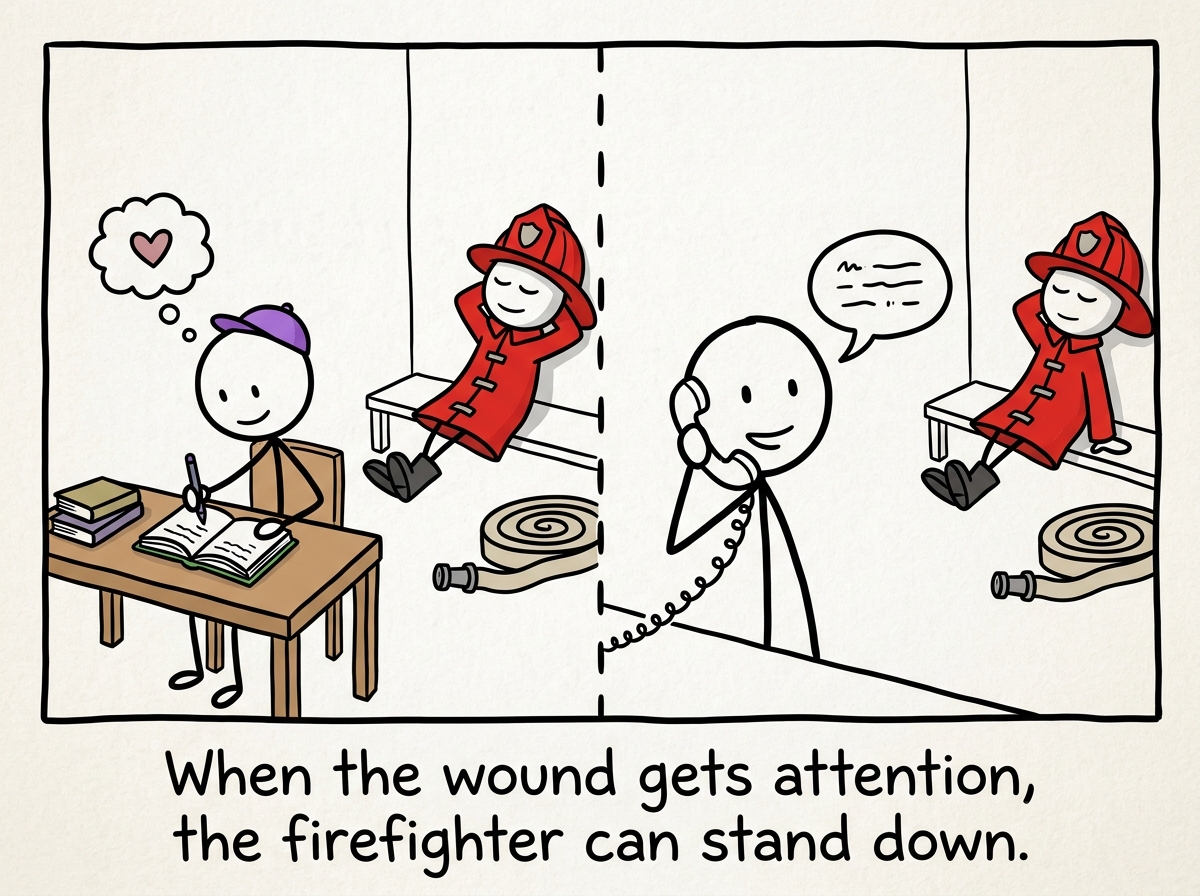
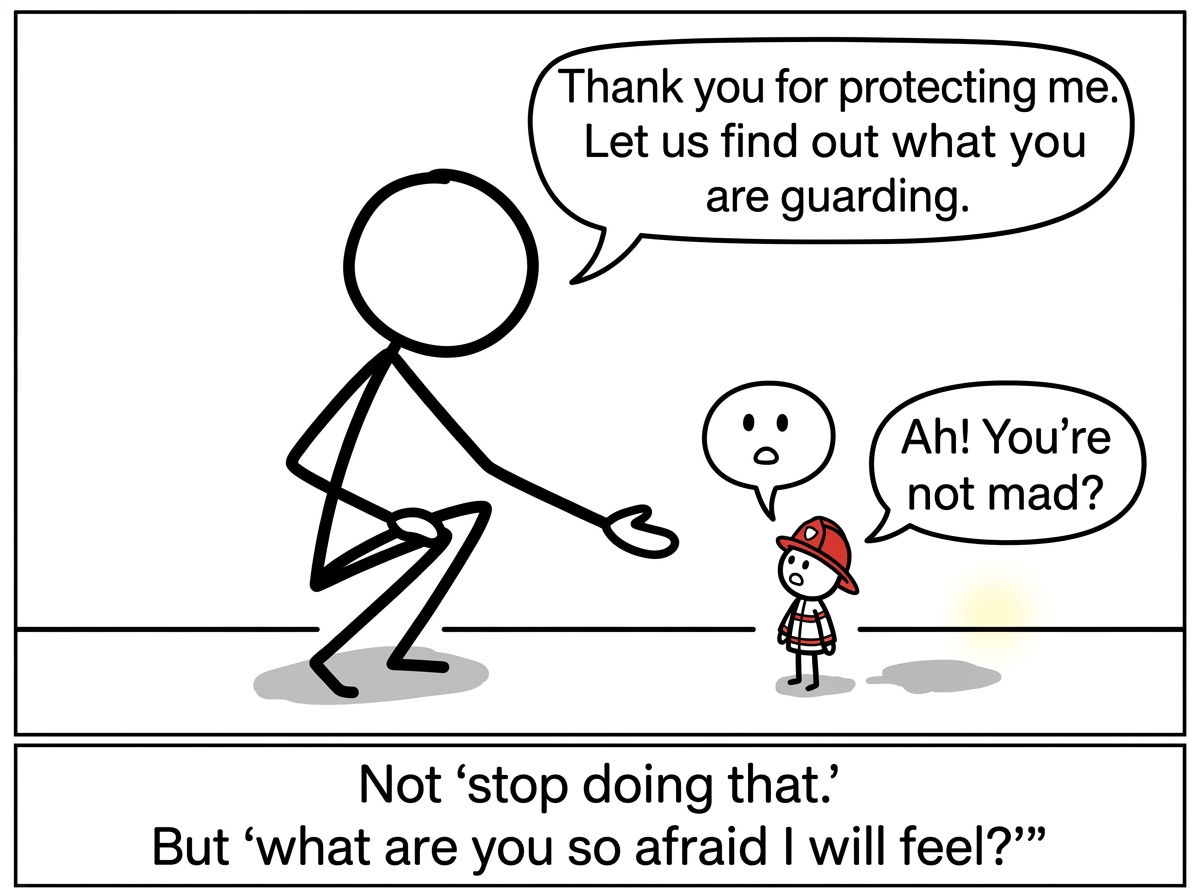
You had a hard day. Something triggered an old wound -- maybe a rejection, maybe a memory, maybe just a feeling you could not name. For a moment, the pain surfaces. And then, like clockwork, something inside you takes over. Before you know it, you are on the couch with a pint of ice cream, your phone in one hand, a shopping cart full of things you do not need in the other. You did not decide to do this. Something decided for you. In IFS terms, your firefighter just arrived on the scene. Firefighters are the parts of your internal system that activate when exiled emotions -- the deep pain, shame, or terror you carry -- threaten to break through the surface. Unlike managers, which try to prevent pain proactively through control and planning, firefighters are reactive. They do not care about consequences. They care about making the pain stop right now. Their tools are whatever works fastest: binge eating, scrolling, shopping, drinking, overworking, or dissociating. They are not trying to destroy your life. They are trying to save it -- at least, that is how it feels to the system in that moment. The IFS approach does not shame the firefighter for doing its job. Instead, it asks: what pain is so unbearable that this part feels the need to go to such extreme lengths to keep it away? Usually, the answer is an exiled part carrying childhood pain -- abandonment, worthlessness, terror. When you can safely access and heal the exile, the firefighter no longer needs to work so hard. It is not about willpower. It is about healing the wound that the binge was trying to cover.
Key Takeaway
The binge, the scroll, the impulse buy -- they are not the problem. They are a firefighter part desperately trying to keep unbearable pain at bay.