The Trophy Kid

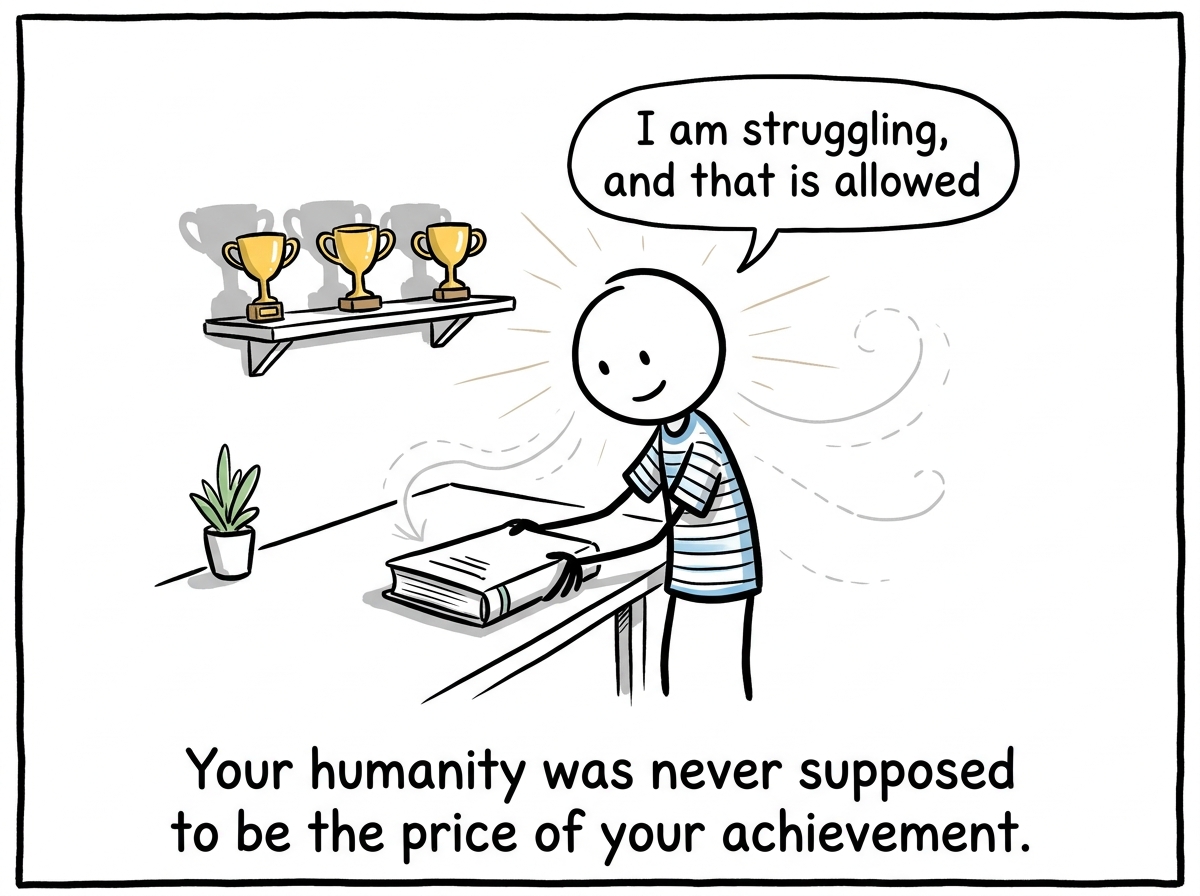
A high-achieving student from a model minority background collapses under the pressure of perfection while everyone around them sees only success.
Explanation
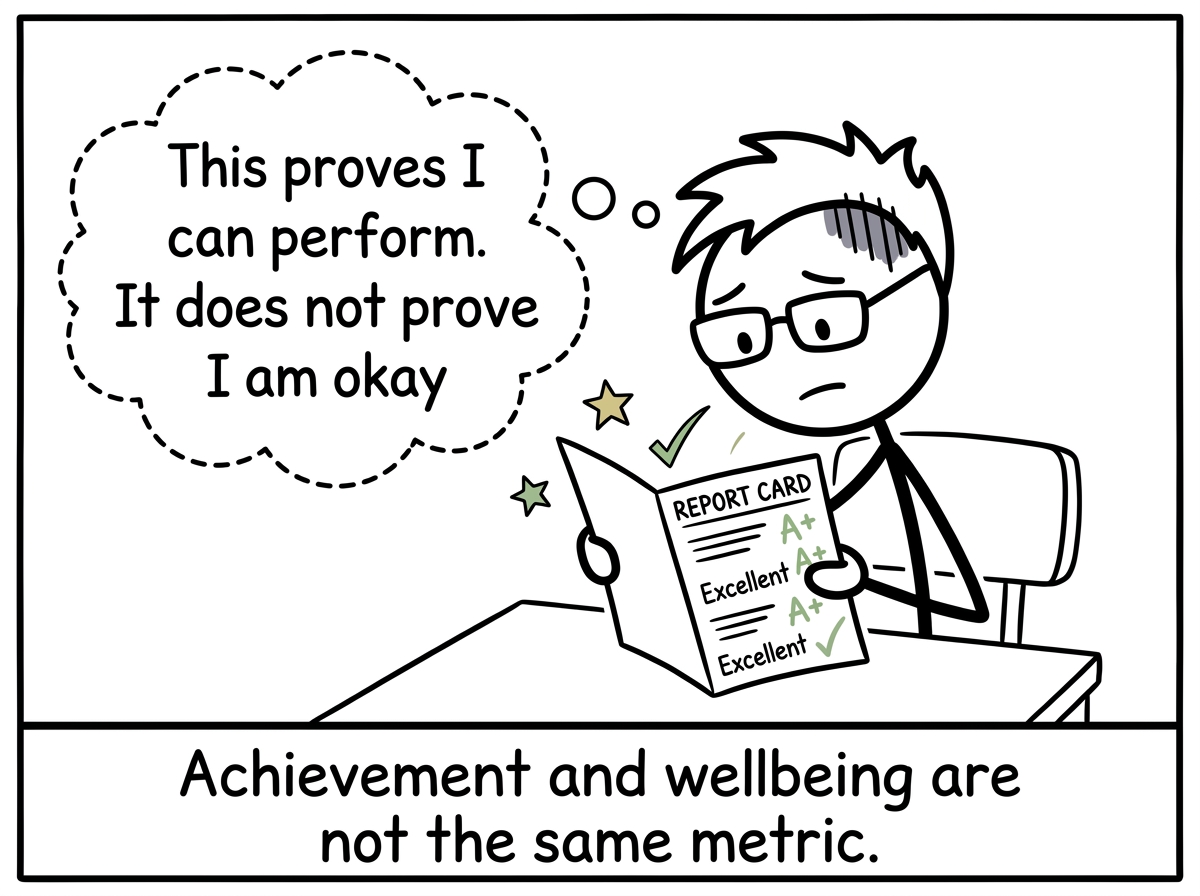
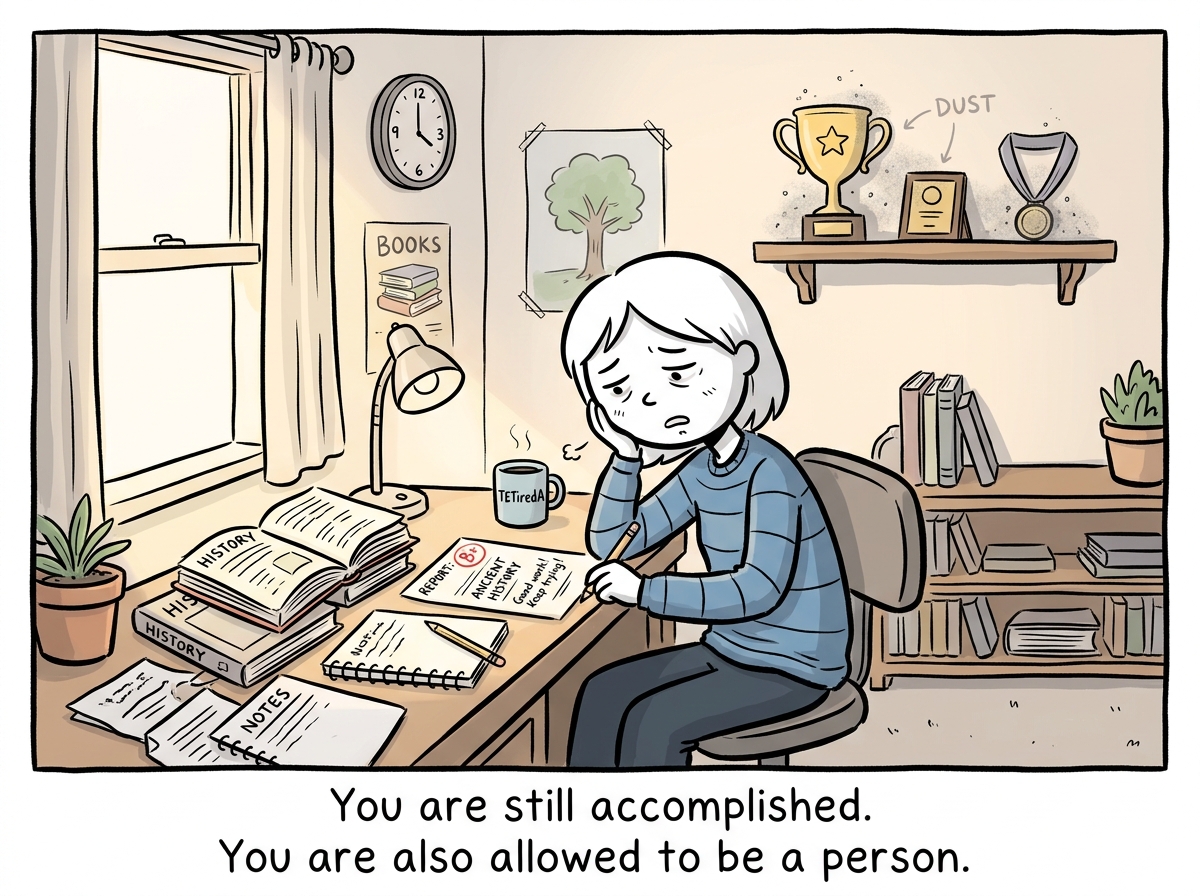
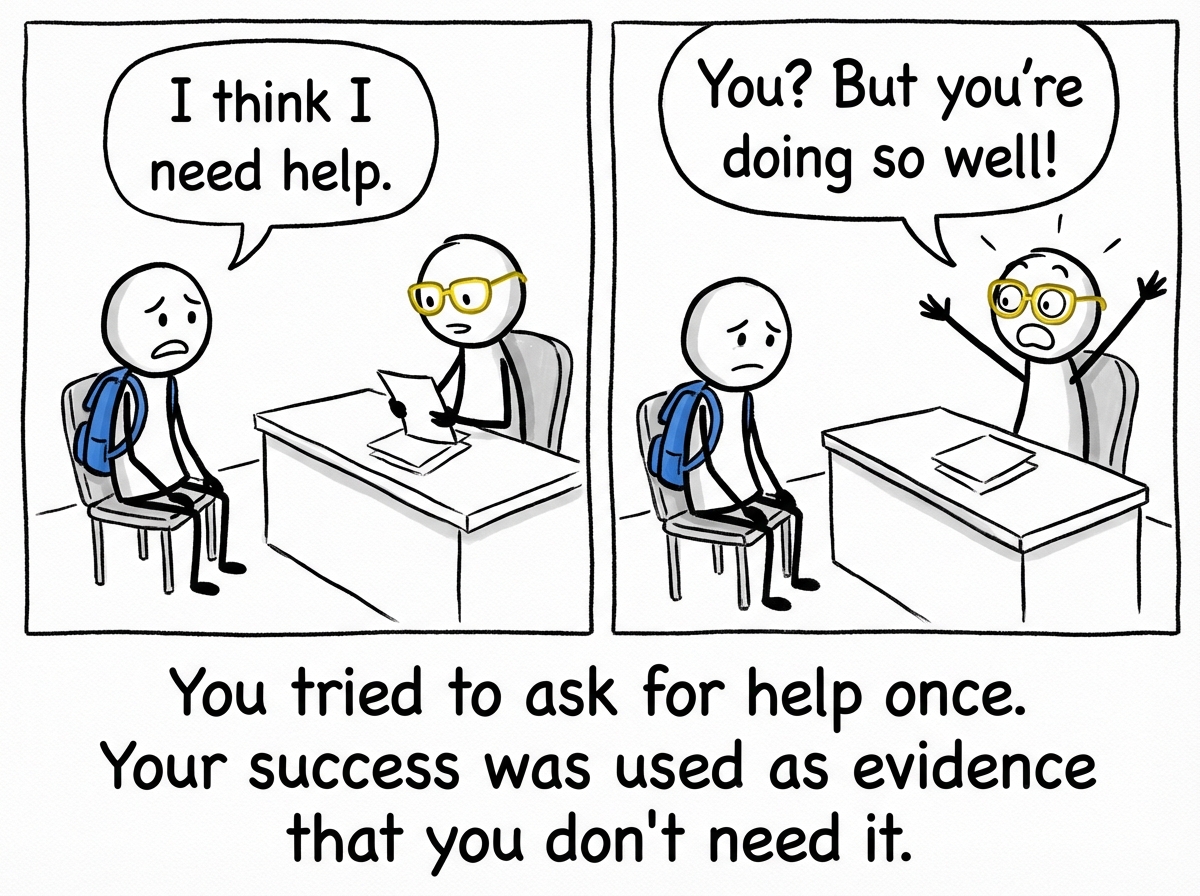
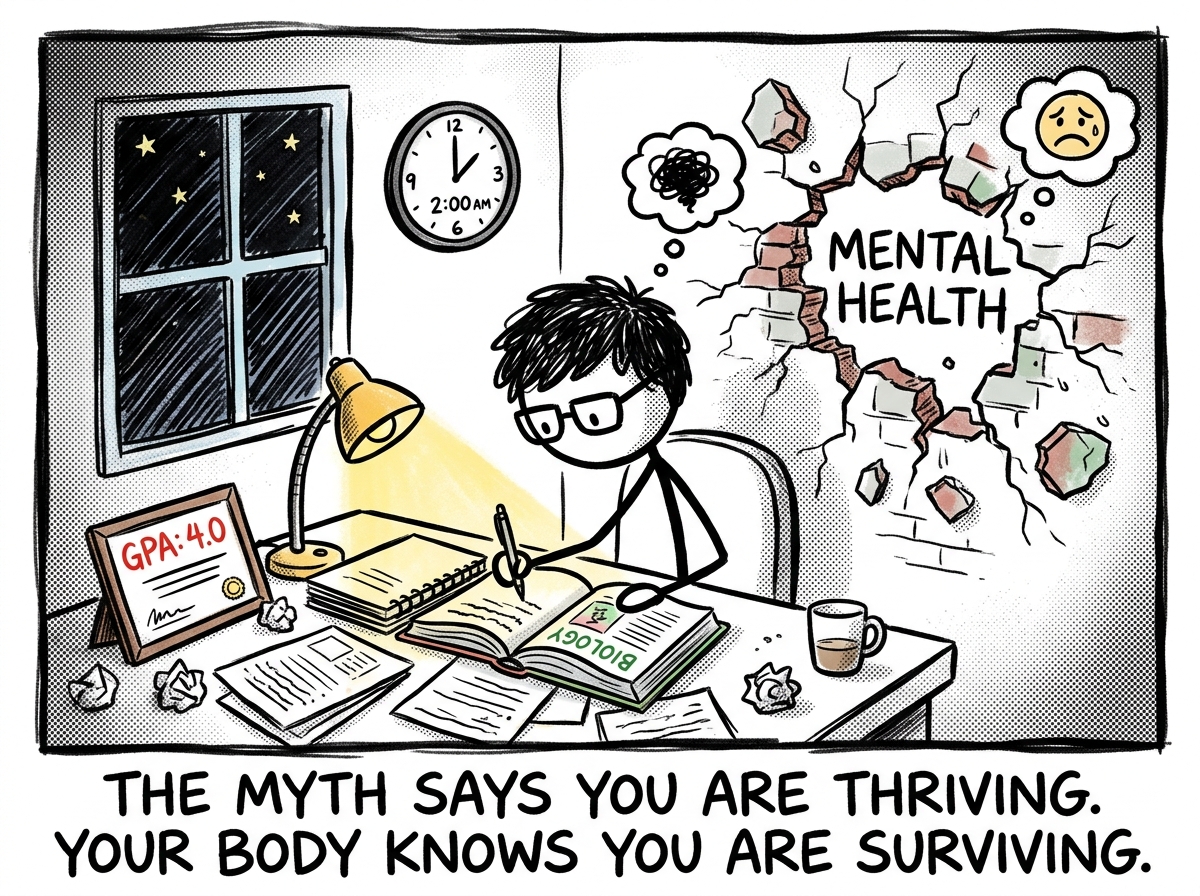
You have a 4.0 GPA, three extracurriculars, and a part-time job. Your teachers call you a role model. Your parents' friends point to you as proof that hard work pays off. What nobody sees is that you have not slept properly in two years, you have panic attacks before every exam, and you are terrified that one B-plus will unravel the entire identity everyone has built for you. You are not thriving. You are performing. This is the psychological weight of the model minority myth. The stereotype does not just set expectations -- it eliminates the possibility of struggle. Research by psychologist Sumie Okazaki found that Asian American students report high levels of psychological distress but are the least likely to seek mental health services. The myth creates a double bind: you must excel to confirm the narrative, but you cannot admit the cost of that excellence without contradicting it. Asking for help feels like a failure not just of yourself but of your entire community's reputation. Breaking free from the trophy kid role means recognizing that your worth was never supposed to be conditional on your performance. It means giving yourself permission to be average at something, to struggle visibly, and to need help without treating it as a moral failing. The myth told you that your pain does not exist. Healing begins when you say it does -- out loud, without apology, and without waiting for the grade to drop before you are allowed to be human.
Key Takeaway
If the only version of you that is accepted is the perfect one, you have not been accepted at all.