The Parking Lot Translator
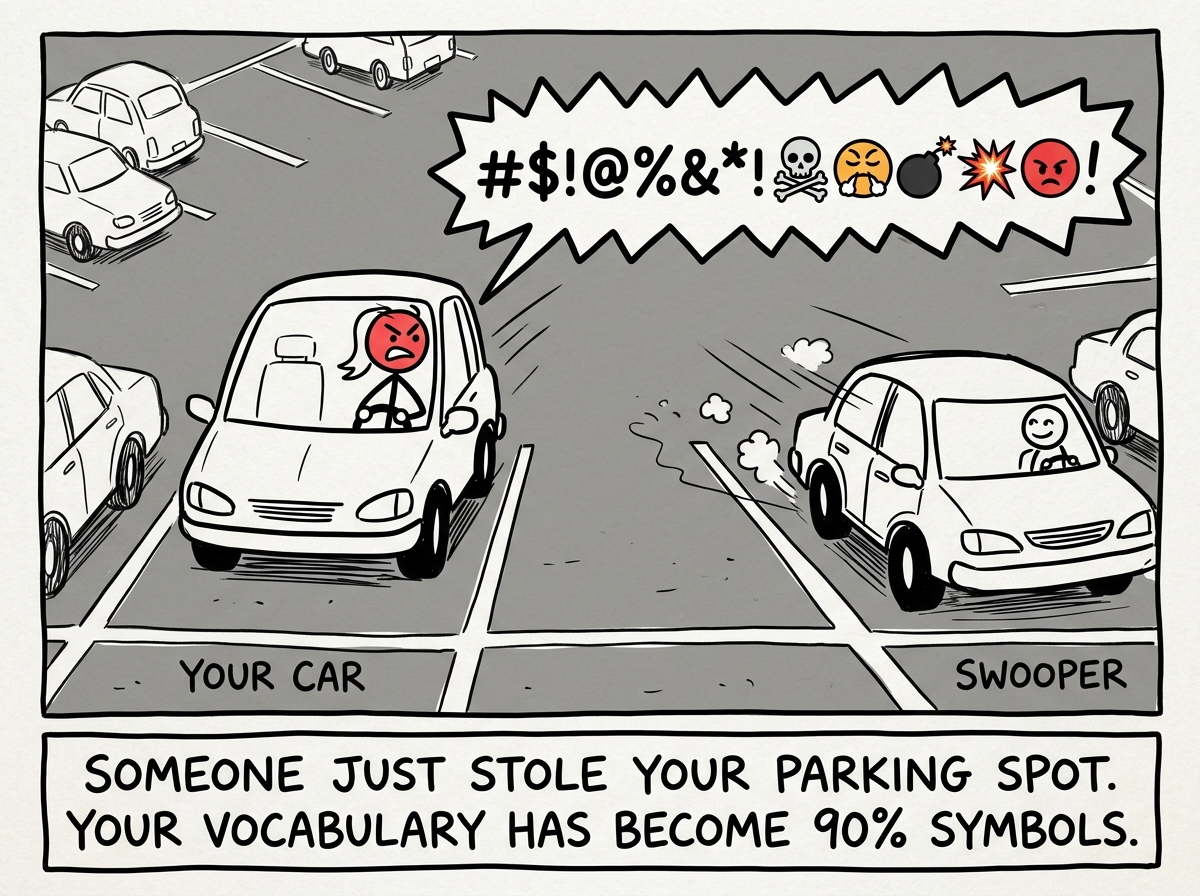
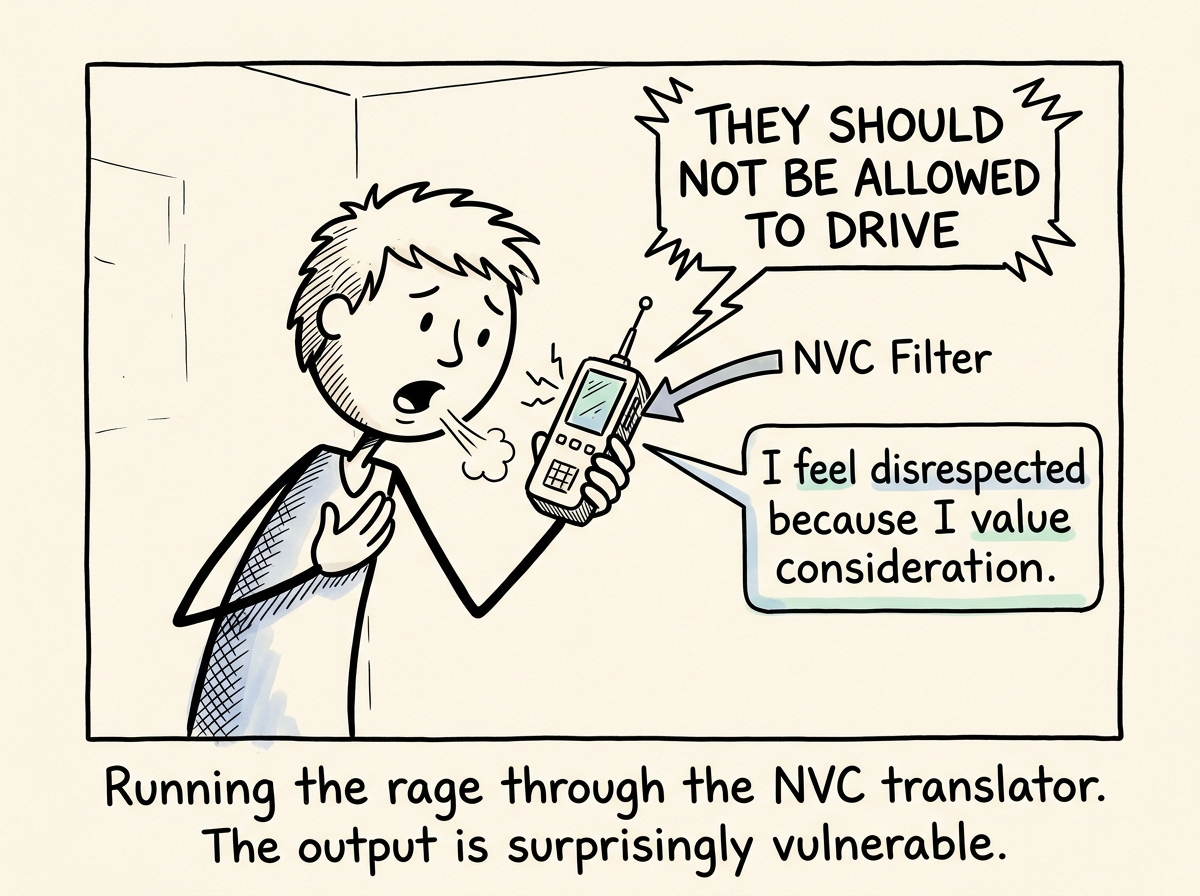
A driver's internal road rage gets translated through an NVC filter, revealing that underneath every angry outburst is an unmet need trying to be heard.
Explanation
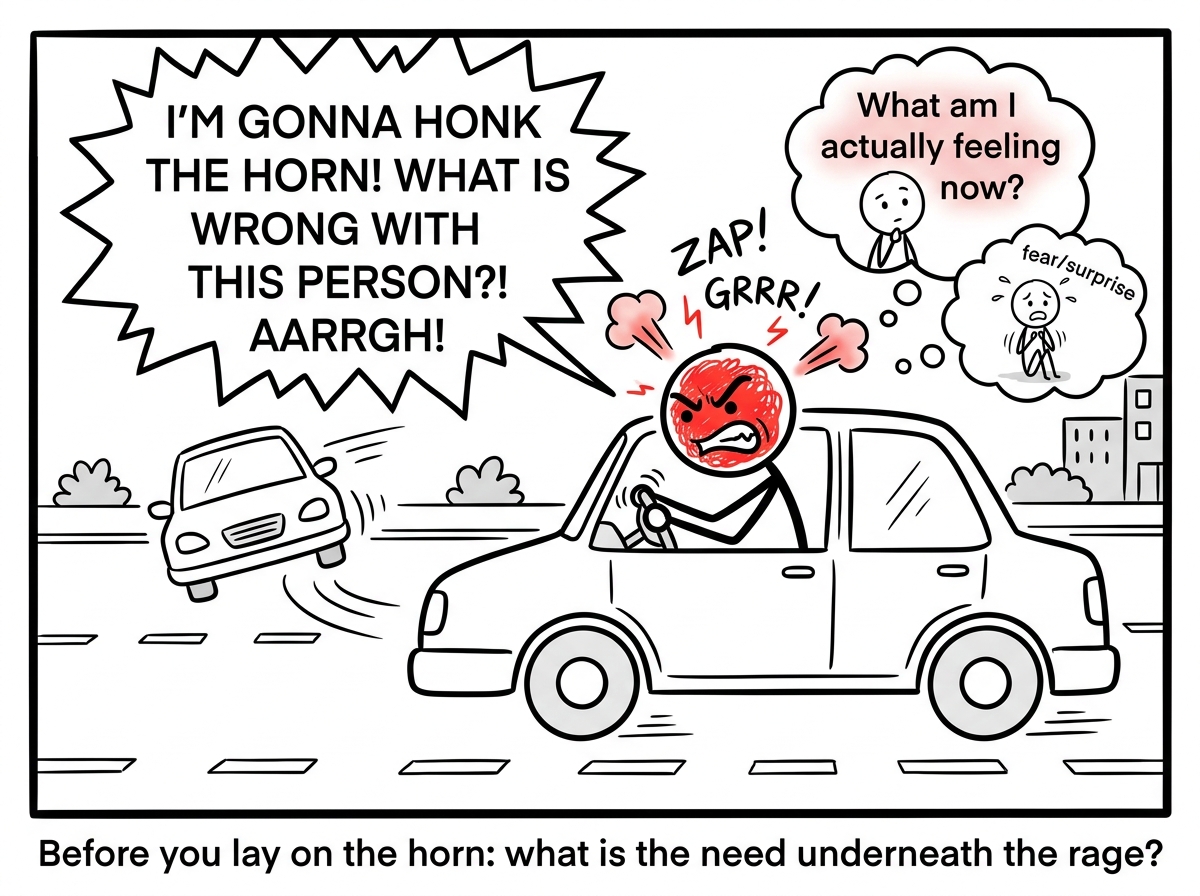
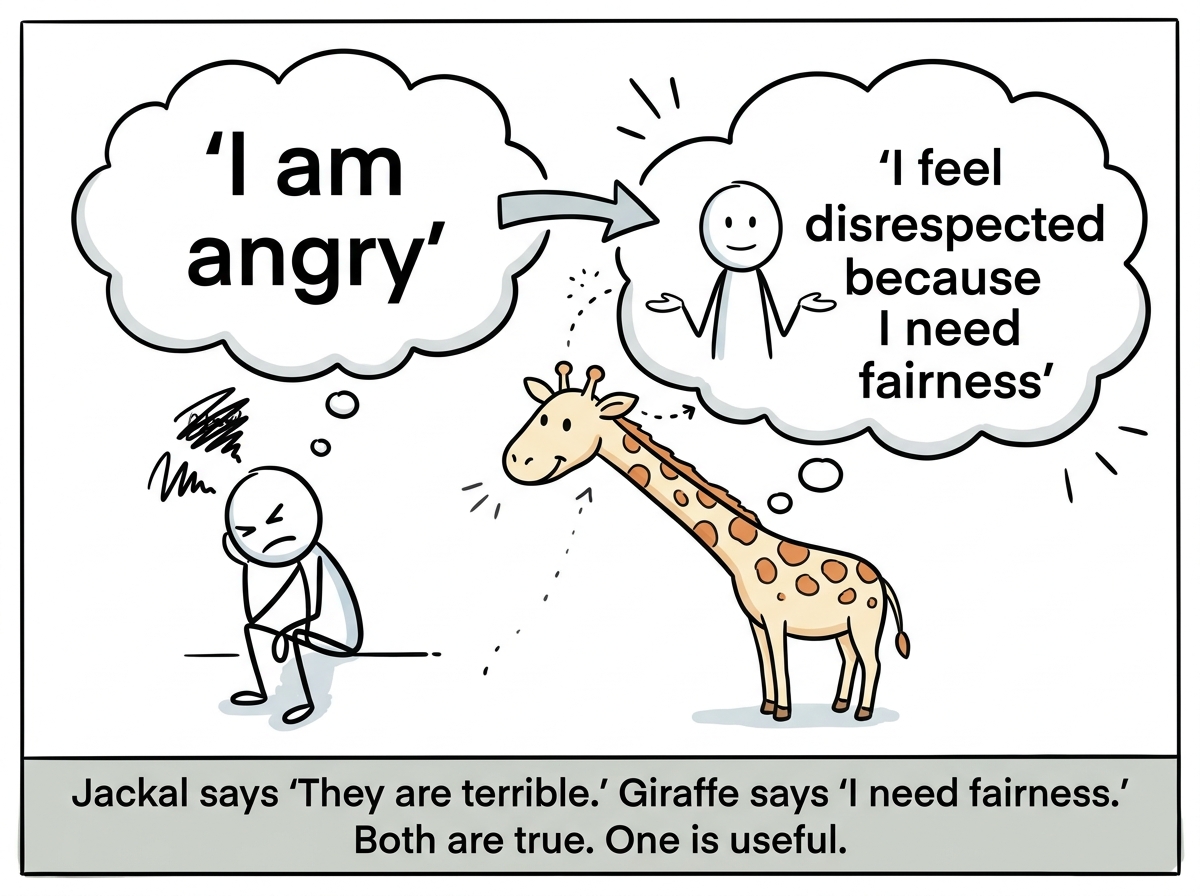
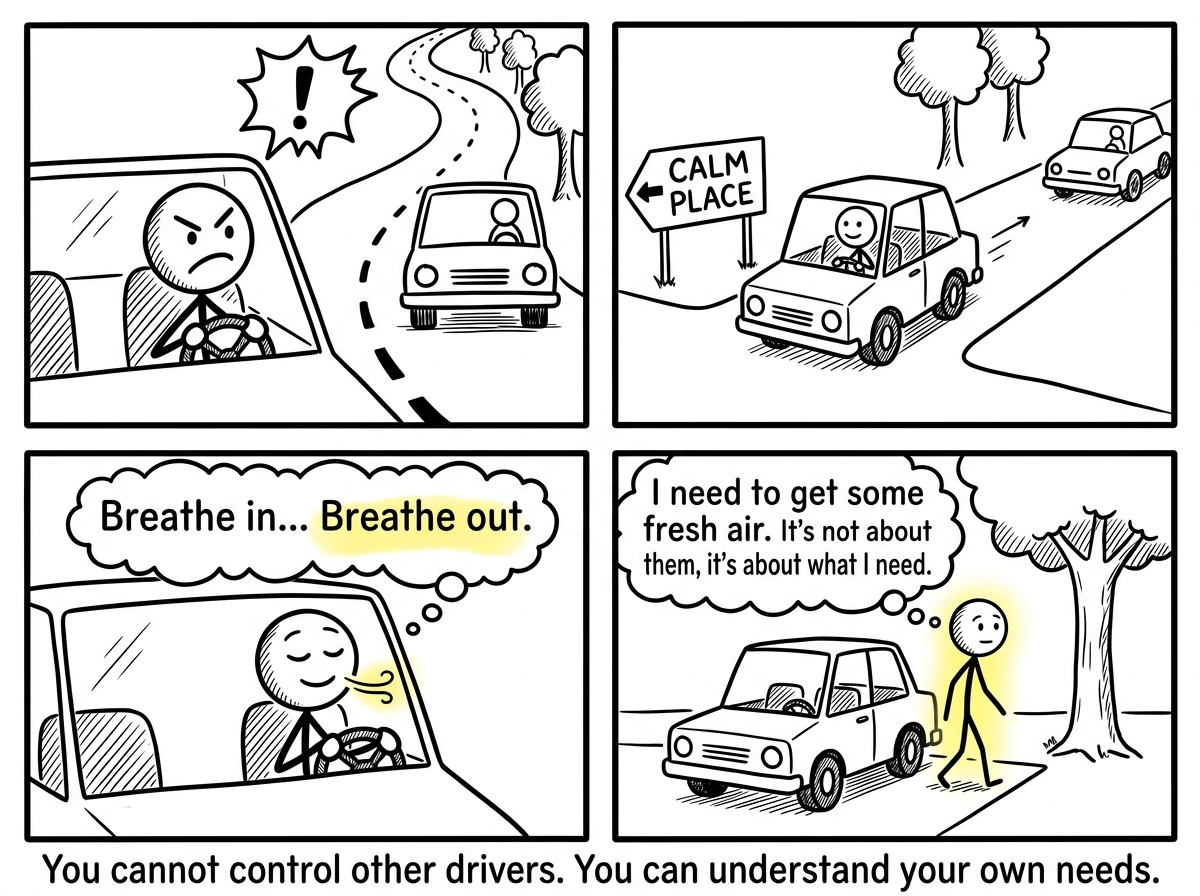
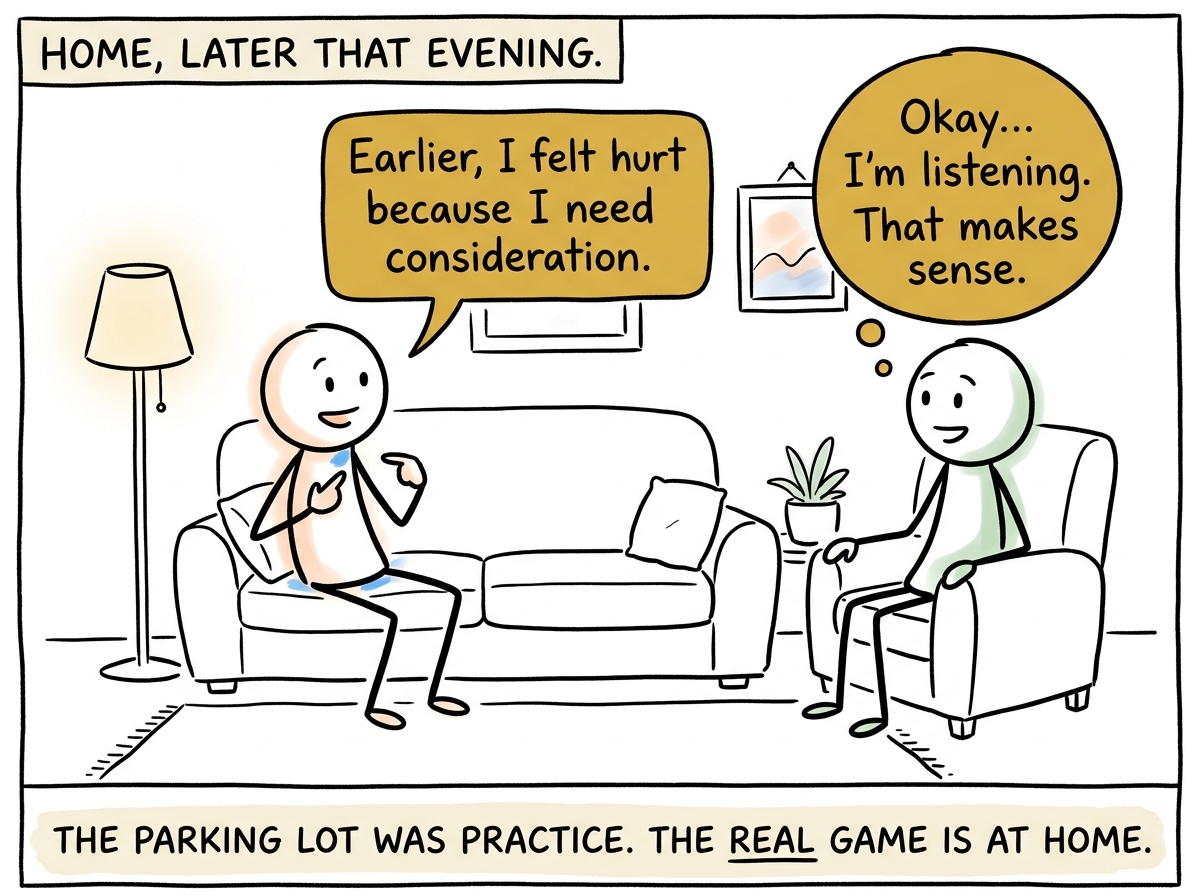
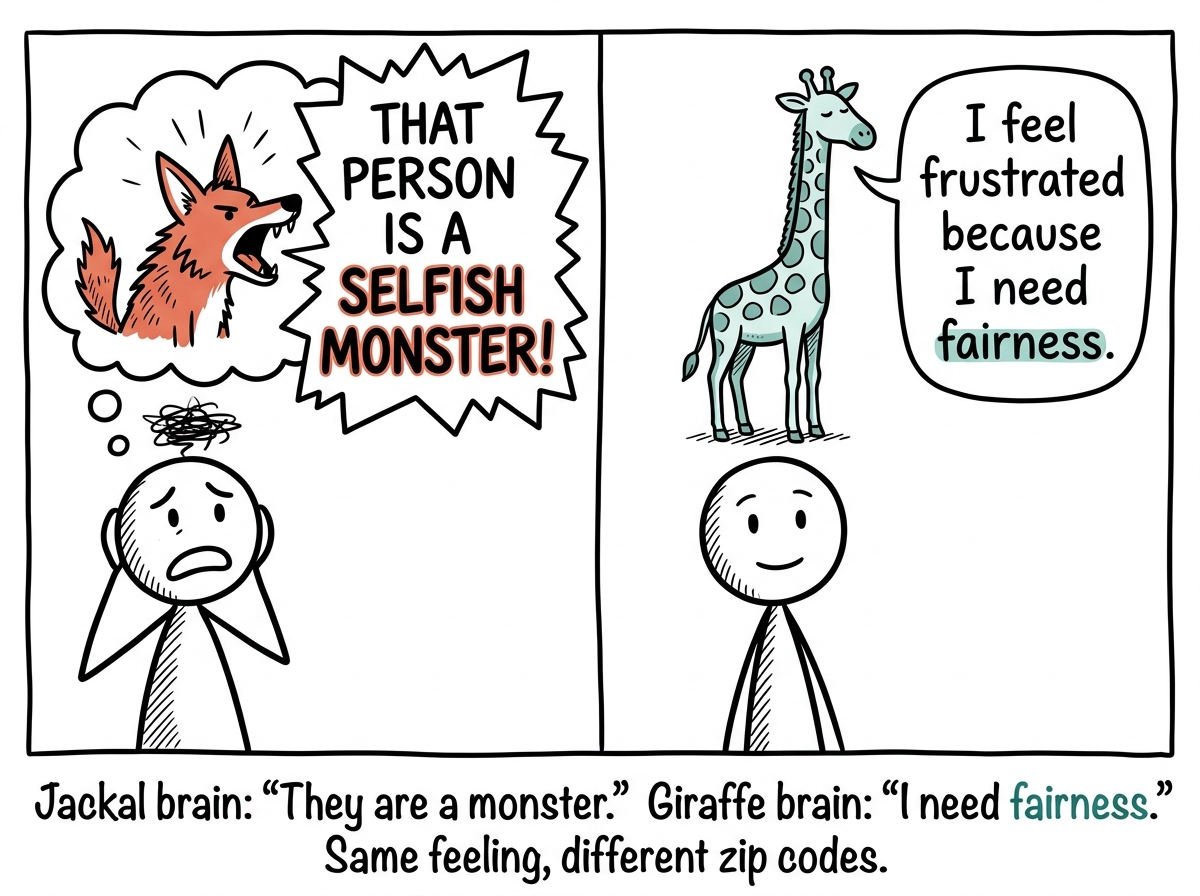
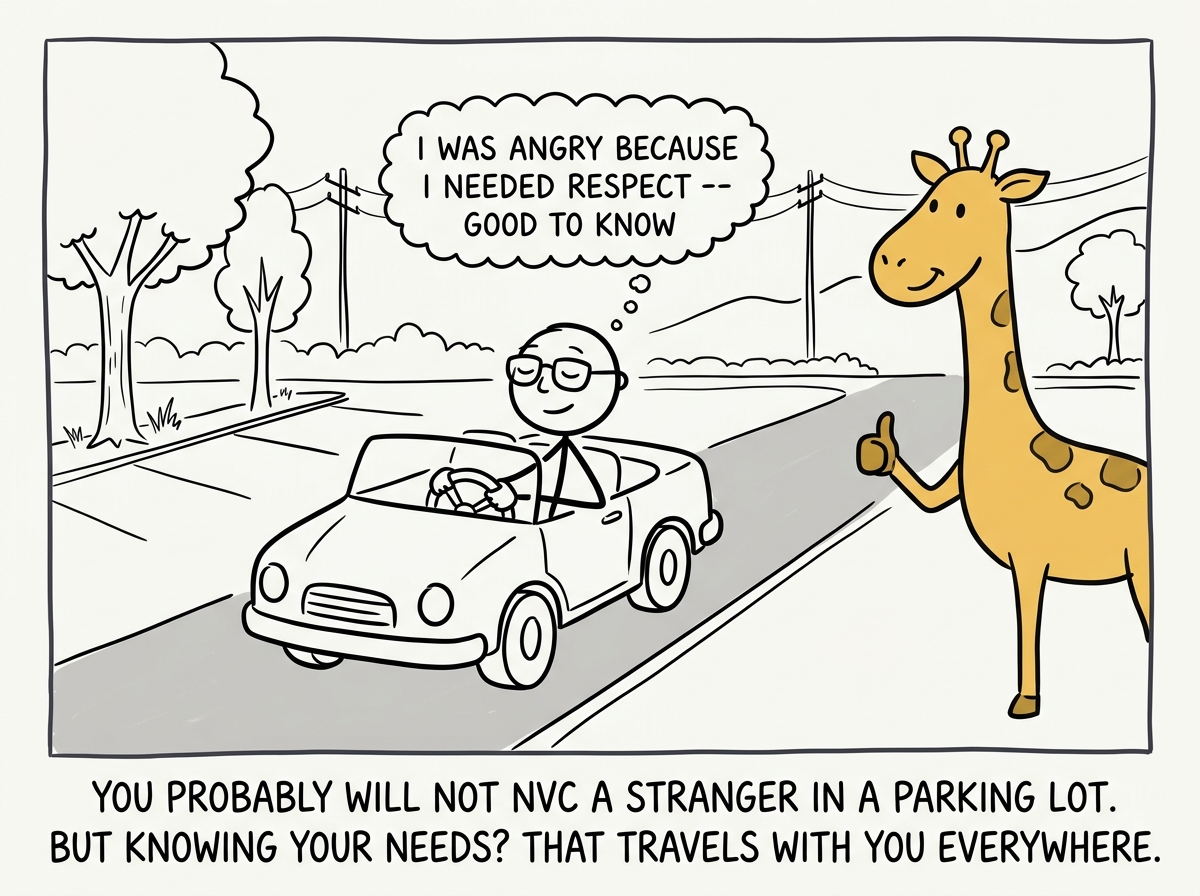
Someone just cut you off in a parking lot and stole the spot you were clearly waiting for. Your internal monologue is unprintable. You want to lay on the horn, yell something out the window, and question their entire upbringing. This is the moment most of us are operating from pure jackal energy -- Rosenberg's term for the communication style driven by judgment, blame, and punishment. What would it look like to translate that rage through the NVC framework instead? Marshall Rosenberg used the metaphor of the jackal and the giraffe to describe two modes of communication. The jackal speaks in judgments: 'That person is a selfish idiot.' The giraffe -- with its big heart and long neck giving perspective -- speaks in feelings and needs: 'I am frustrated because I need fairness and respect.' This does not mean you suppress your anger or pretend the parking spot theft was acceptable. It means you learn to decode your anger and find the need underneath it. Anger is almost always a surface emotion protecting something more vulnerable: a need for respect, fairness, consideration, or control. You will probably never use formal NVC on a stranger in a parking lot, and that is fine. The real value of the exercise is internal. When you can translate 'That person is terrible' into 'I am frustrated because I need fairness,' you shift from a state of helpless rage into one where you understand yourself better. And that self-understanding is what you carry into the relationships that actually matter -- the ones where communication is not a one-time parking lot encounter but an ongoing practice.
Key Takeaway
Underneath every angry judgment about someone else is an unmet need of your own trying to be heard.