The Empathy Void
Part of the Narcissism Unmasked series (Part 2)
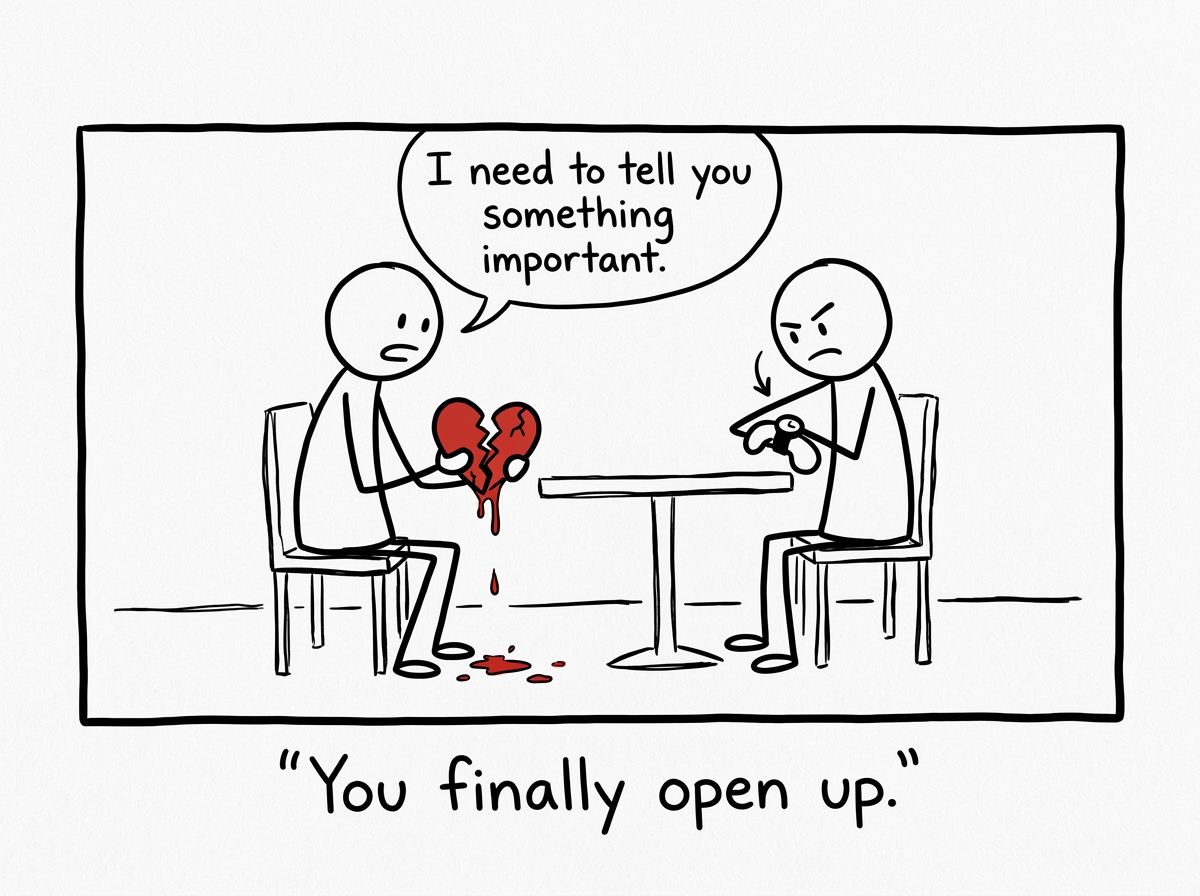
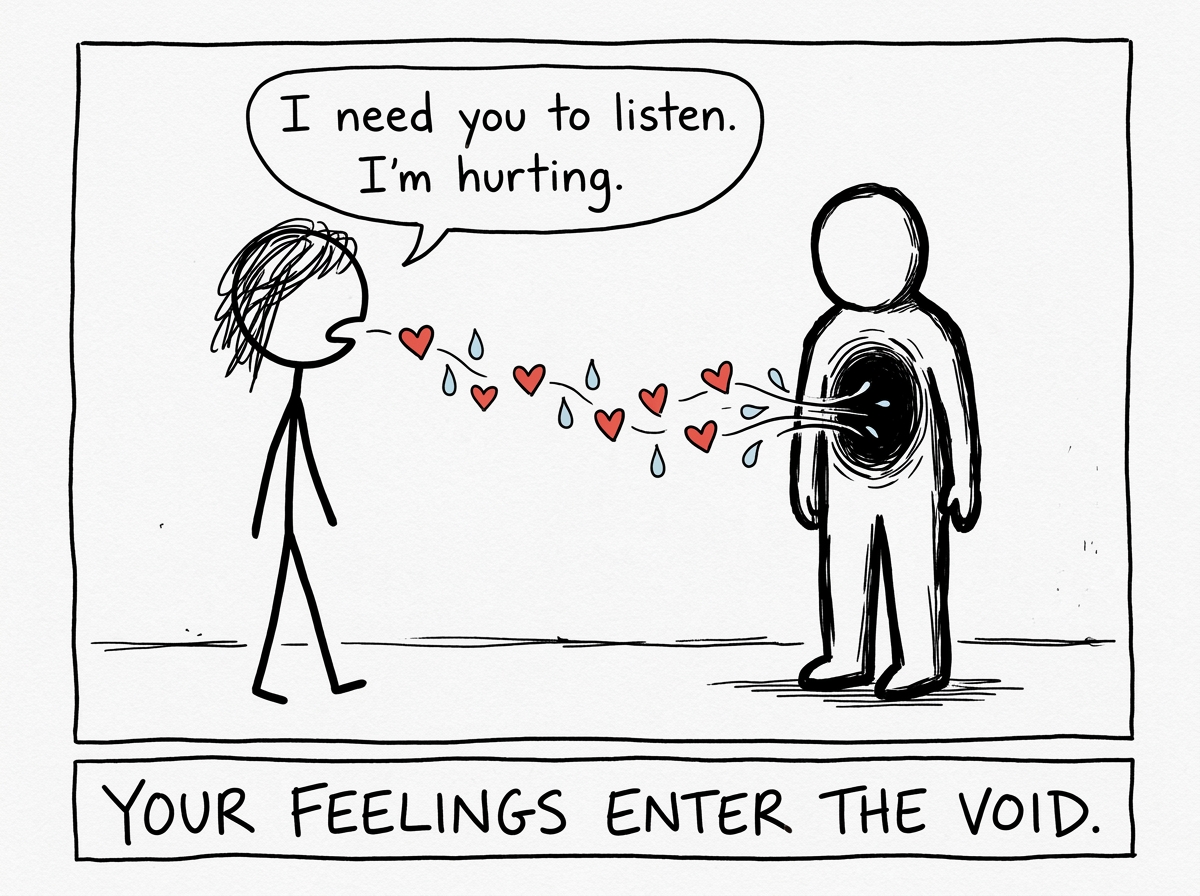

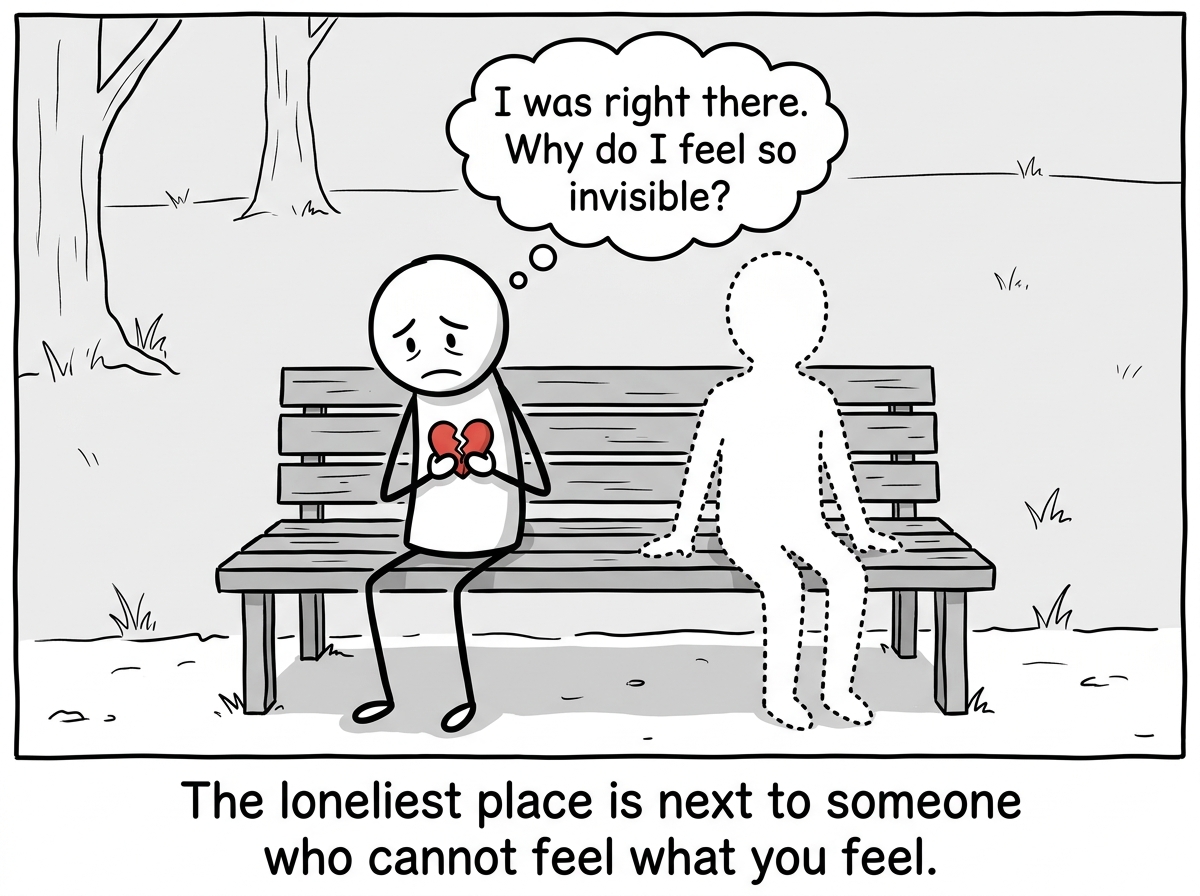
When you share your pain with a narcissist and watch it disappear into a void — unacknowledged, minimized, and redirected back to them.
Explanation
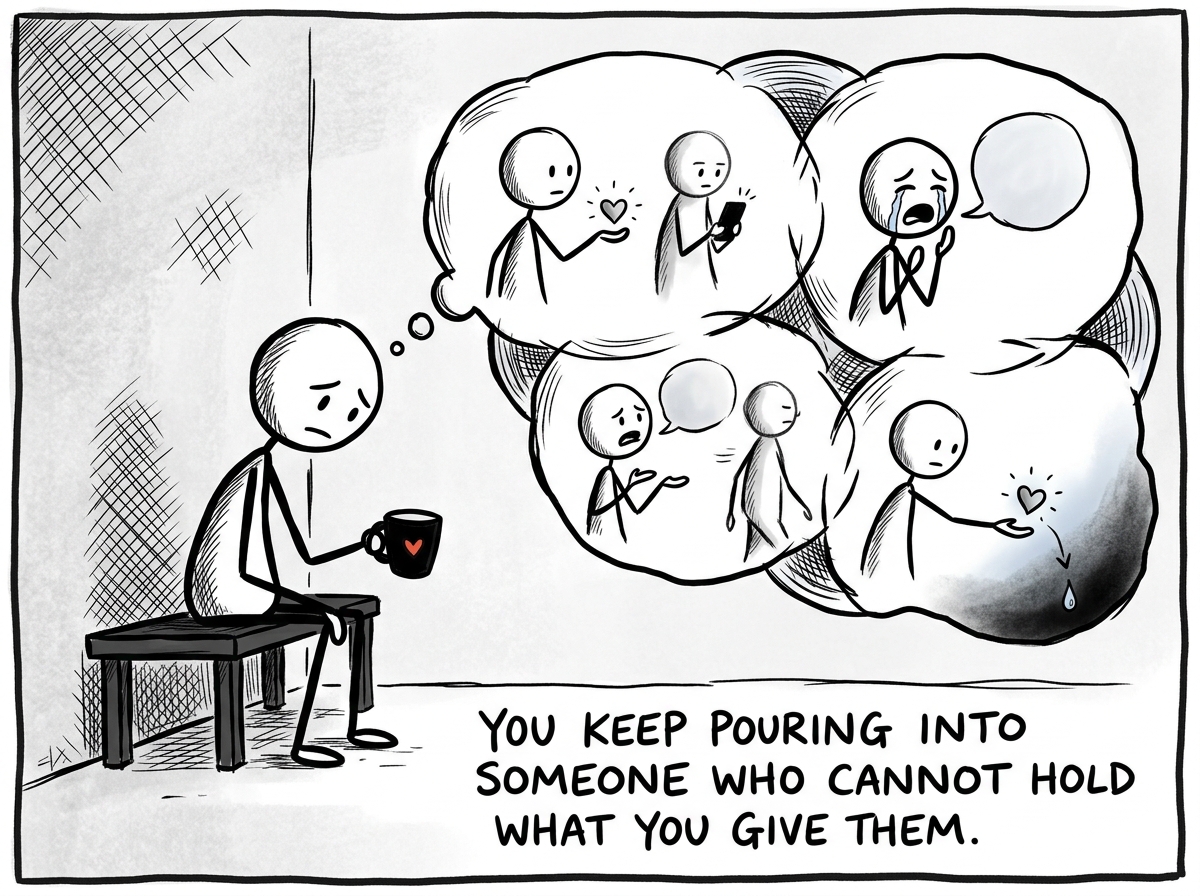
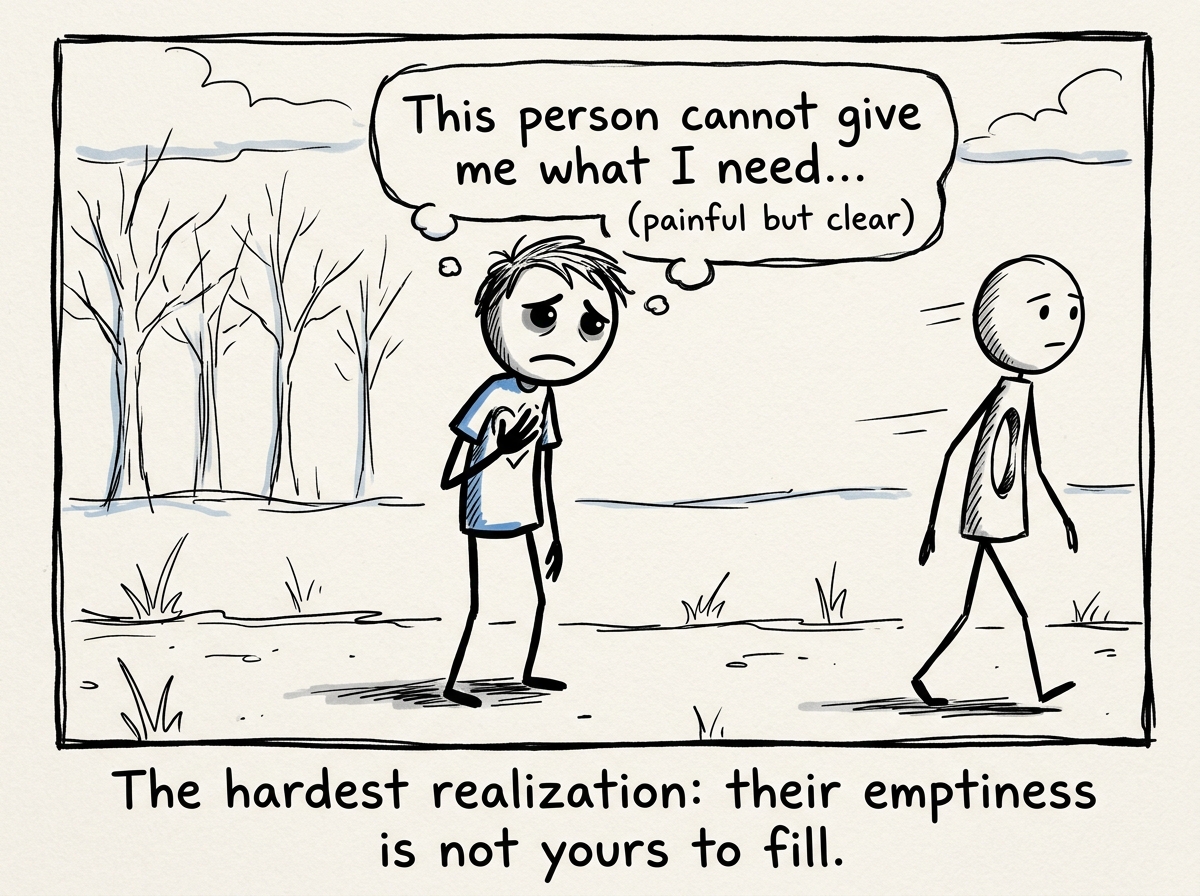
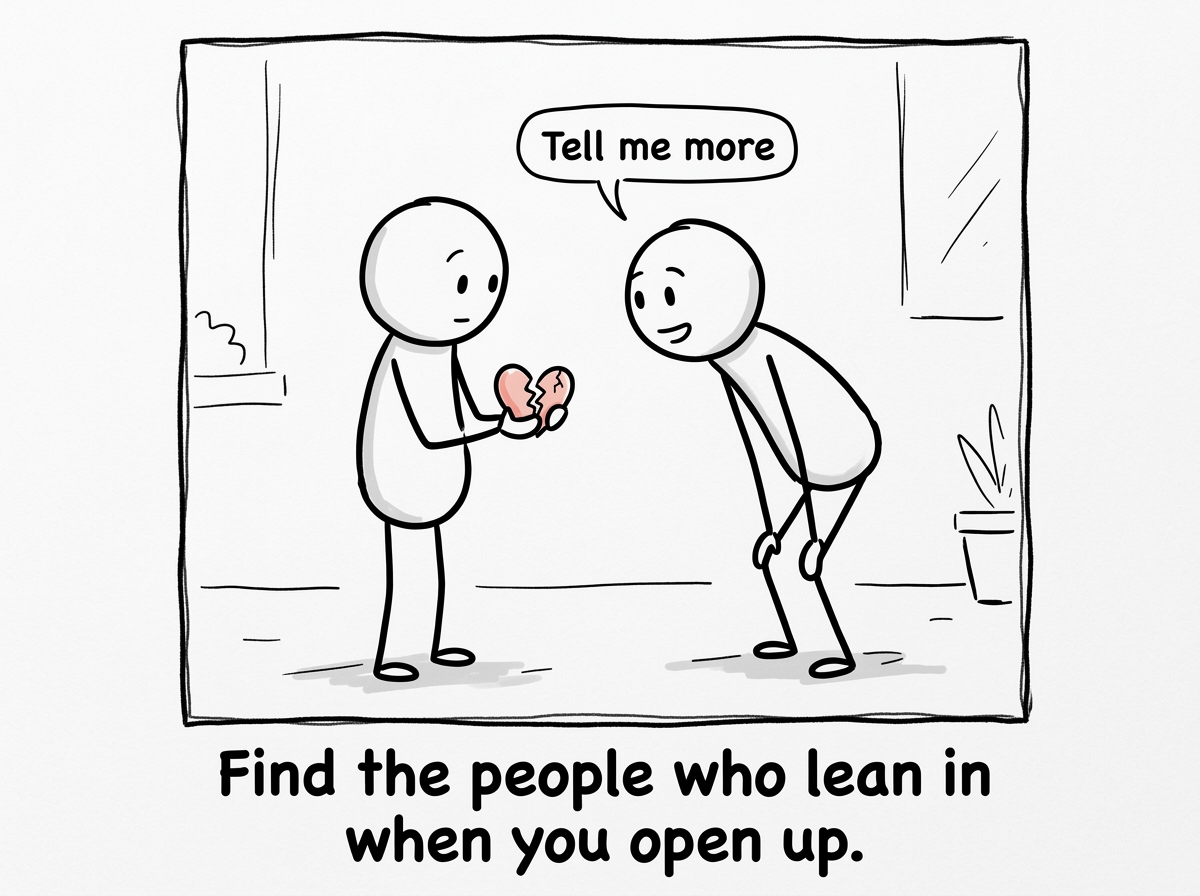
You finally gather the courage to tell someone how you feel. You are hurting. Something happened and you need someone to just listen, to acknowledge your pain, to say 'that sounds really hard.' Instead, you get a blank stare, a subject change, or — worst of all — a pivot to their own problems. 'You think that is bad? Let me tell you what happened to me.' This is the empathy void at the center of narcissistic personality. It is not that narcissists cannot intellectually understand that you are in pain. Many of them can identify emotions in others quite accurately — it is a skill that serves them well in manipulation. What is missing is the felt response, the emotional resonance that makes another person's pain matter to them the way it matters to you. Empathy requires temporarily stepping outside yourself to inhabit someone else's experience. For the narcissist, there is no outside — everything circles back to their own needs, their own narrative, their own emotional state. Your tears are inconvenient. Your needs are competing with theirs. Your pain is a problem they did not cause and therefore do not need to address. The result is a particular kind of loneliness: being with someone who is physically present but emotionally unreachable.
Key Takeaway
The most isolating experience is not being alone — it is being with someone who cannot feel what you feel.