The Trophy and the Shadow
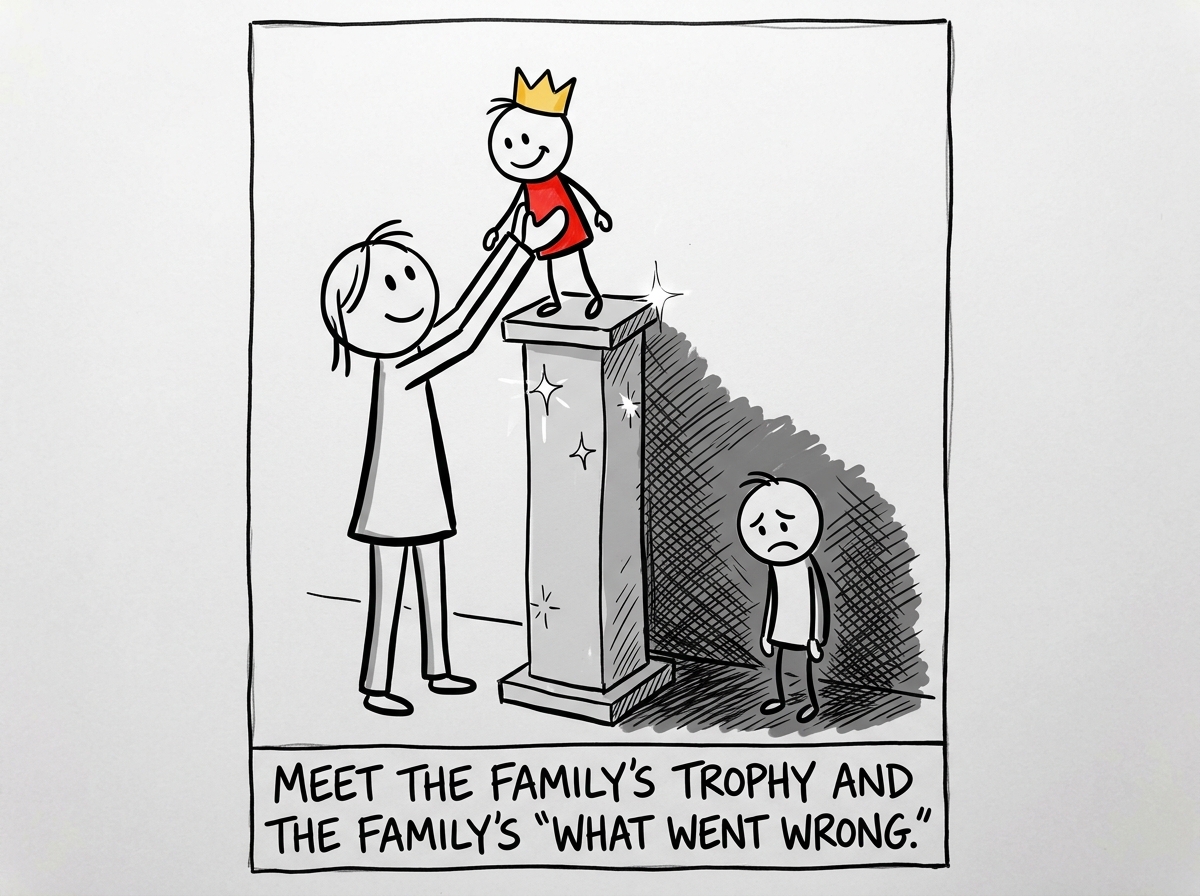
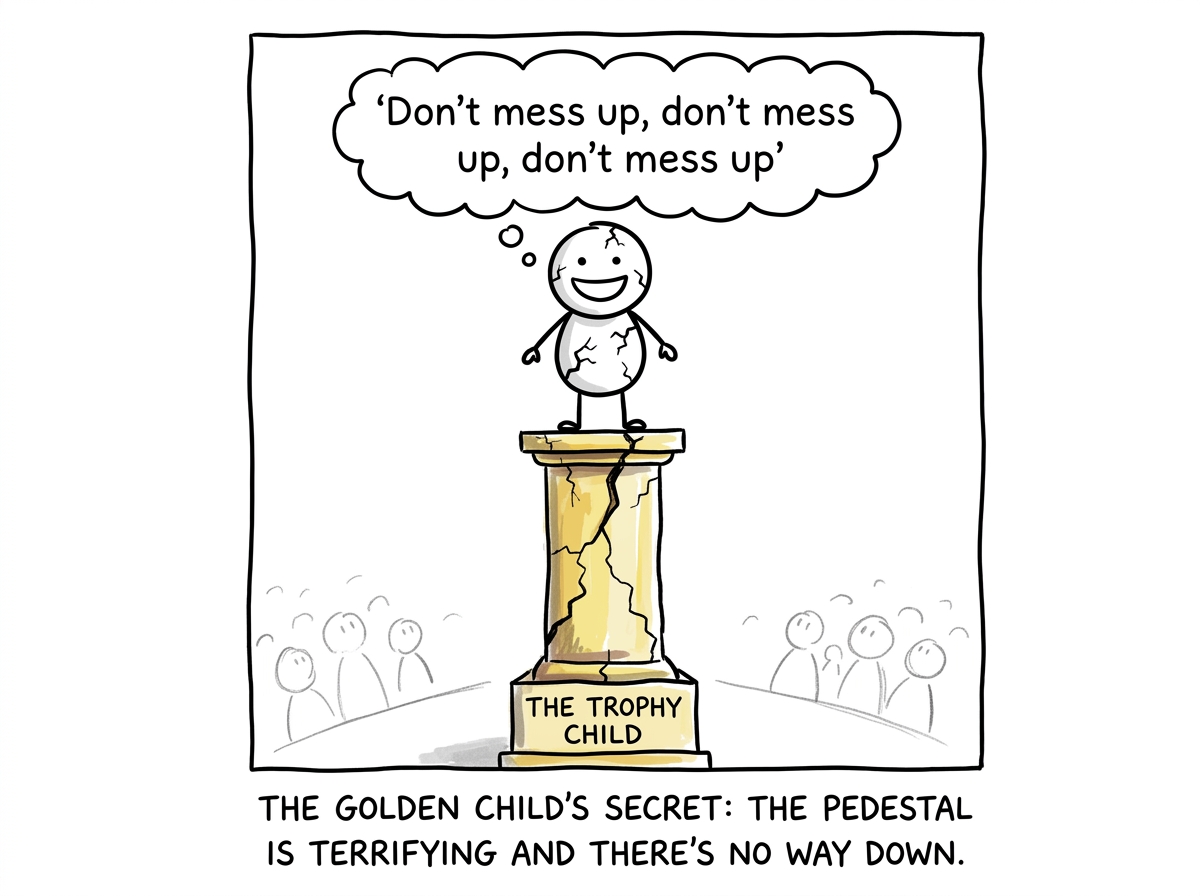
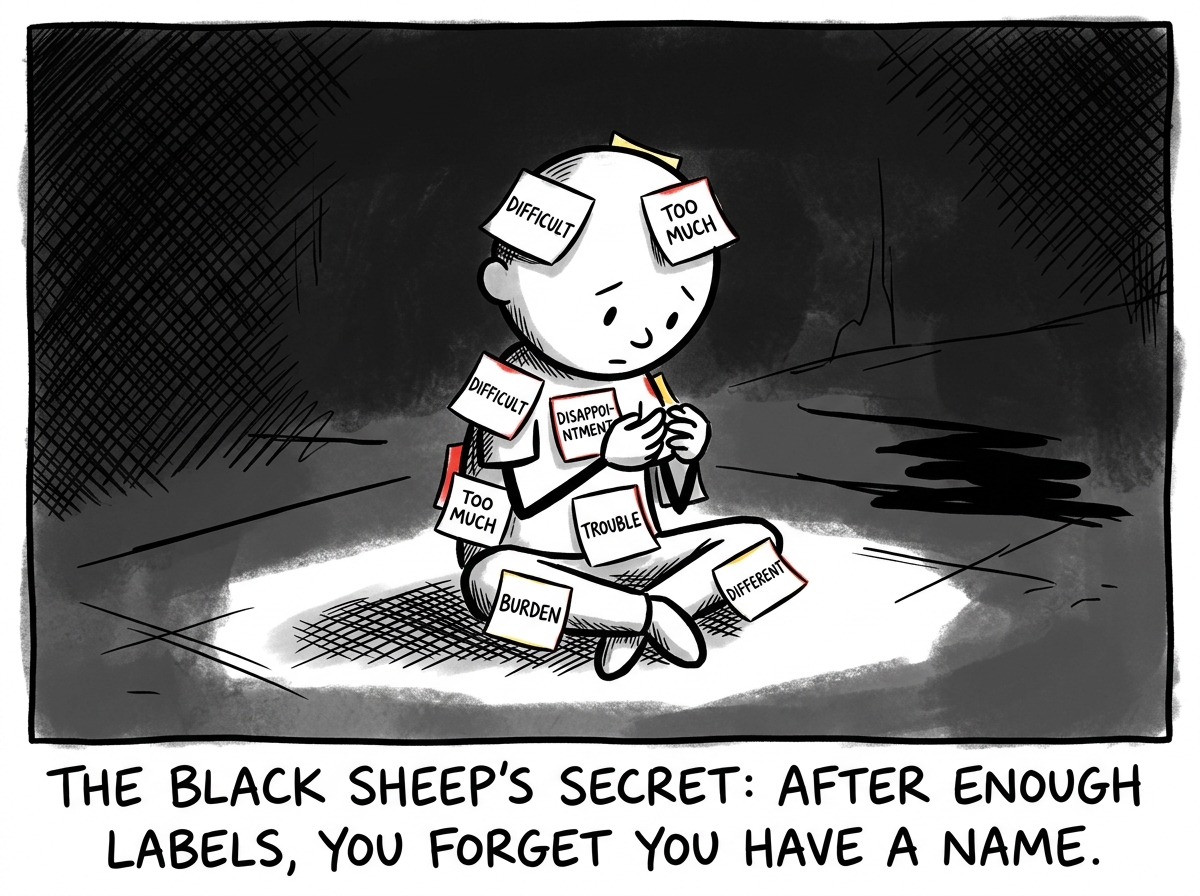
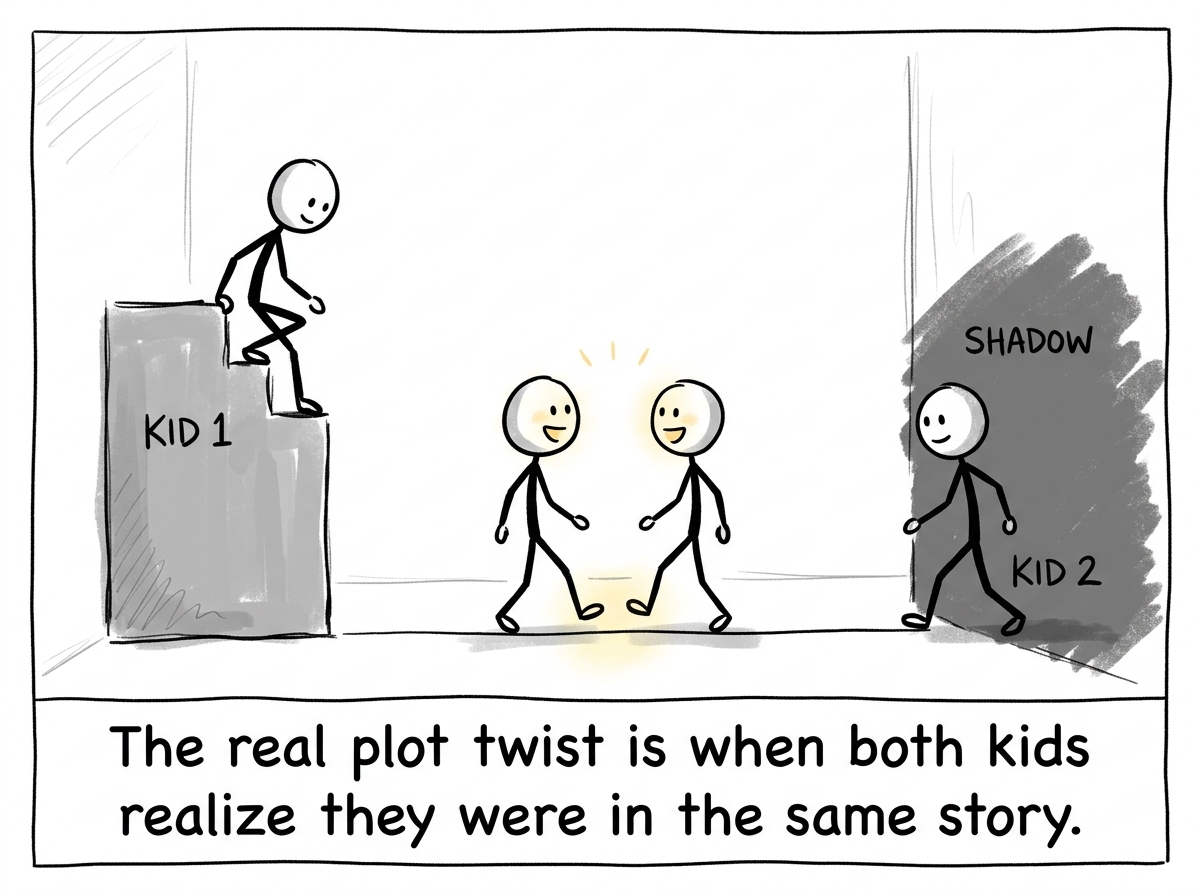
One sibling is displayed on a pedestal as a gleaming trophy while the other stands in their shadow -- but a closer look reveals that both are equally trapped in roles they never chose.
Explanation
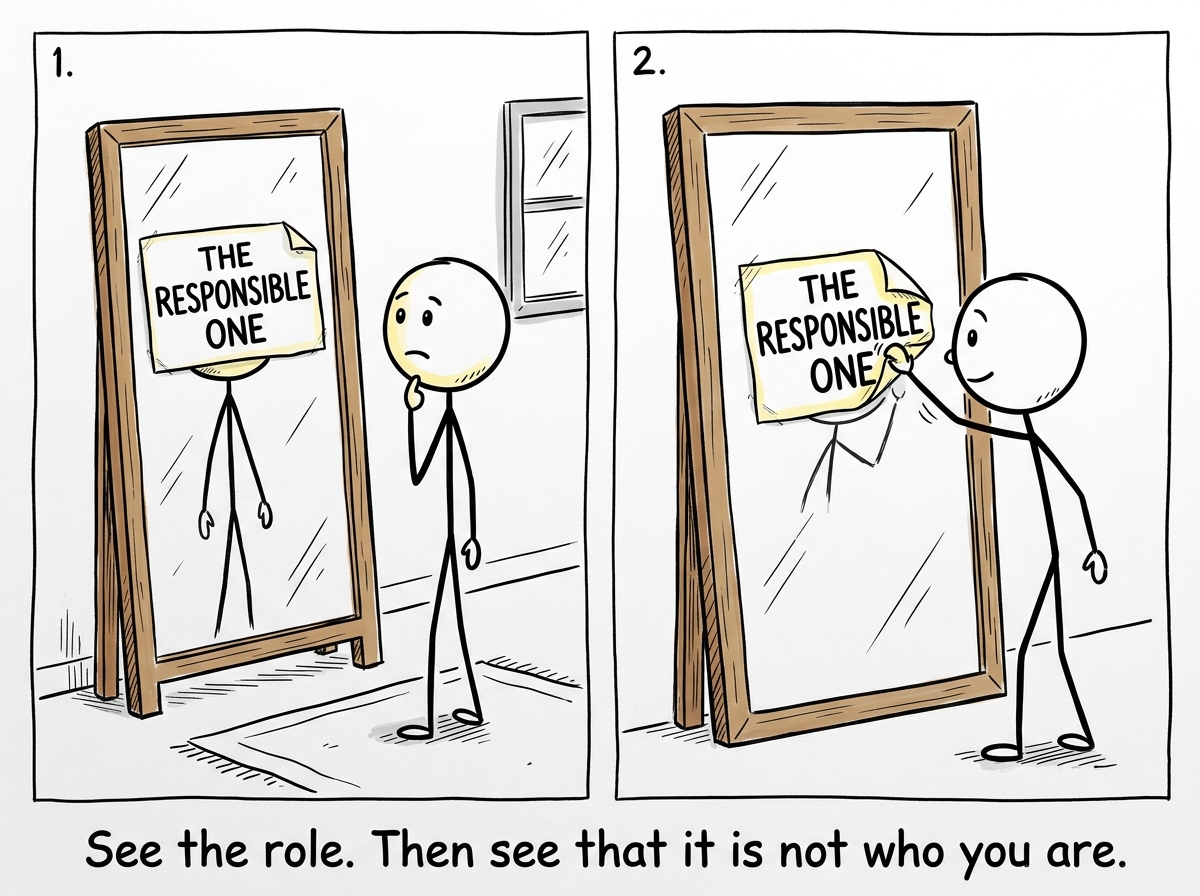
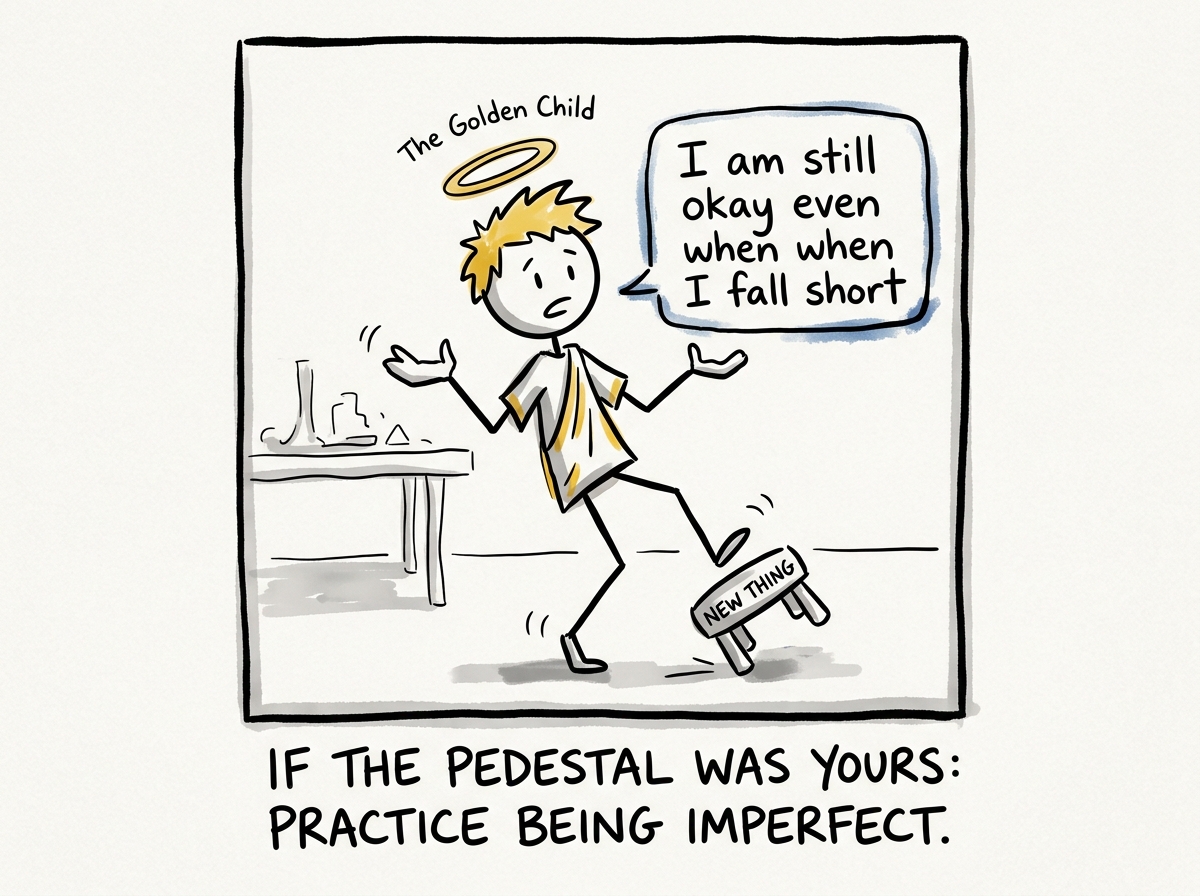
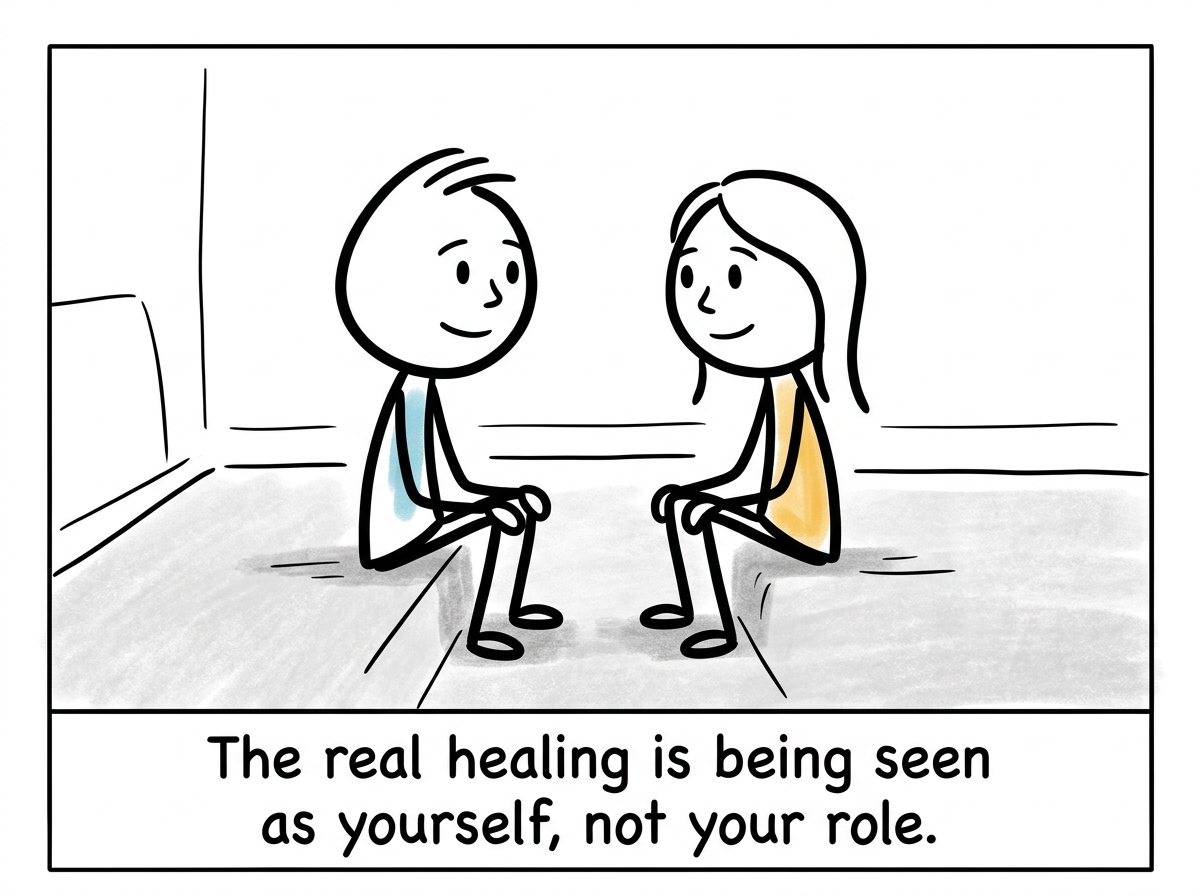
From the outside, it looks like one sibling got everything and the other got nothing. The golden child gets the praise, the attention, the photo on the mantel. The black sheep gets the criticism, the distance, the 'why can't you be more like your sibling.' But here's what people miss: neither kid is actually free. The golden child is performing a role just as rigid as the one the black sheep is trapped in -- they just get applause instead of blame. Both are locked into positions that serve the family, not themselves. Virginia Satir and other family therapists have long observed that rigid role assignments in families are symptoms of an anxious system trying to maintain balance. The golden child becomes the family's evidence that everything is fine -- their achievements are the family's achievements, their image is the family's image. The black sheep becomes the repository for everything the family wants to disown. These roles create a false binary that prevents both siblings from developing full, authentic identities. The golden child can't fail without catastrophe; the black sheep can't succeed without suspicion. Healing from either role requires the same thing: learning to separate who you are from who your family needed you to be. The golden child has to discover they're valuable beyond their achievements. The black sheep has to discover they were never as broken as they were told. And sometimes -- in the best cases -- the two siblings look at each other and realize they were both just kids trying to survive the same system.
Key Takeaway
The pedestal and the shadow are two sides of the same trap -- neither child was seen for who they actually were.