Toxic Boss: The Public Humiliation
Part of the Surviving the Toxic Workplace series (Part 1)
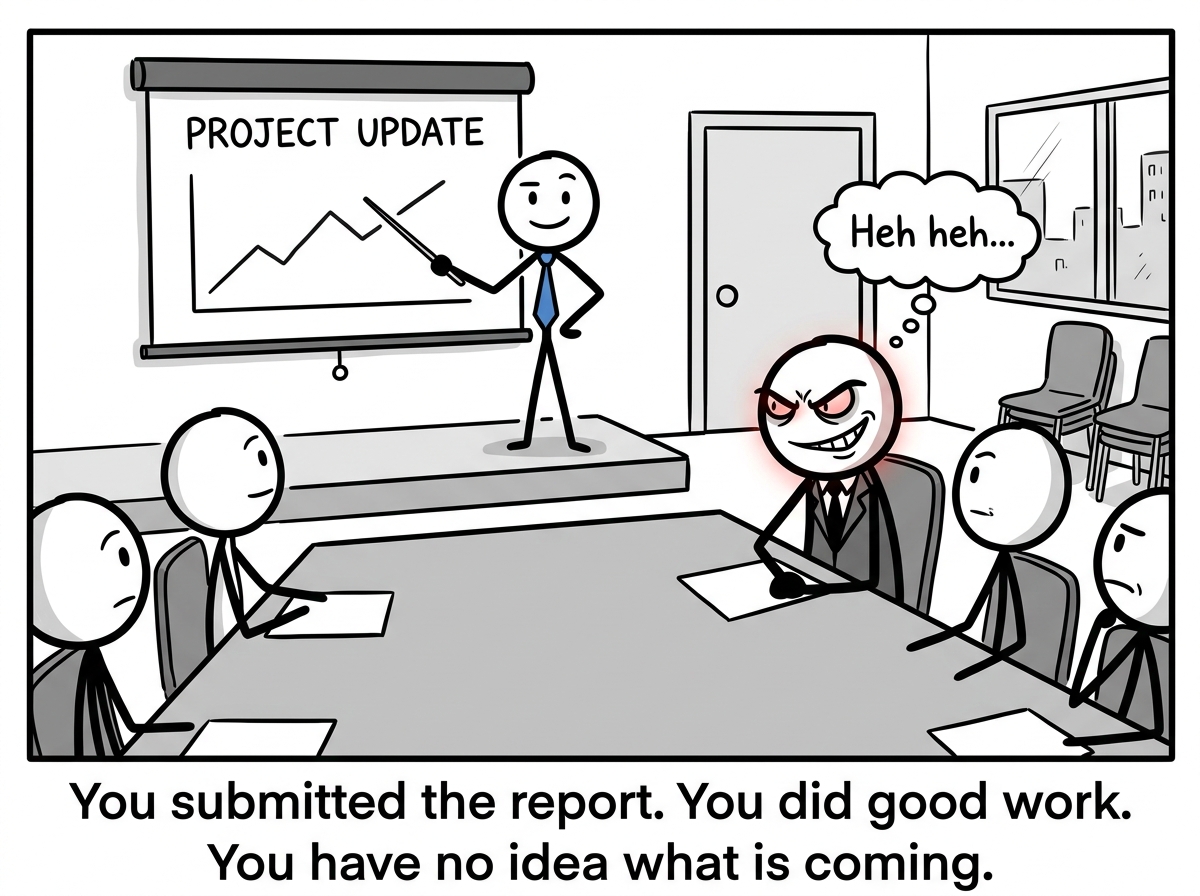
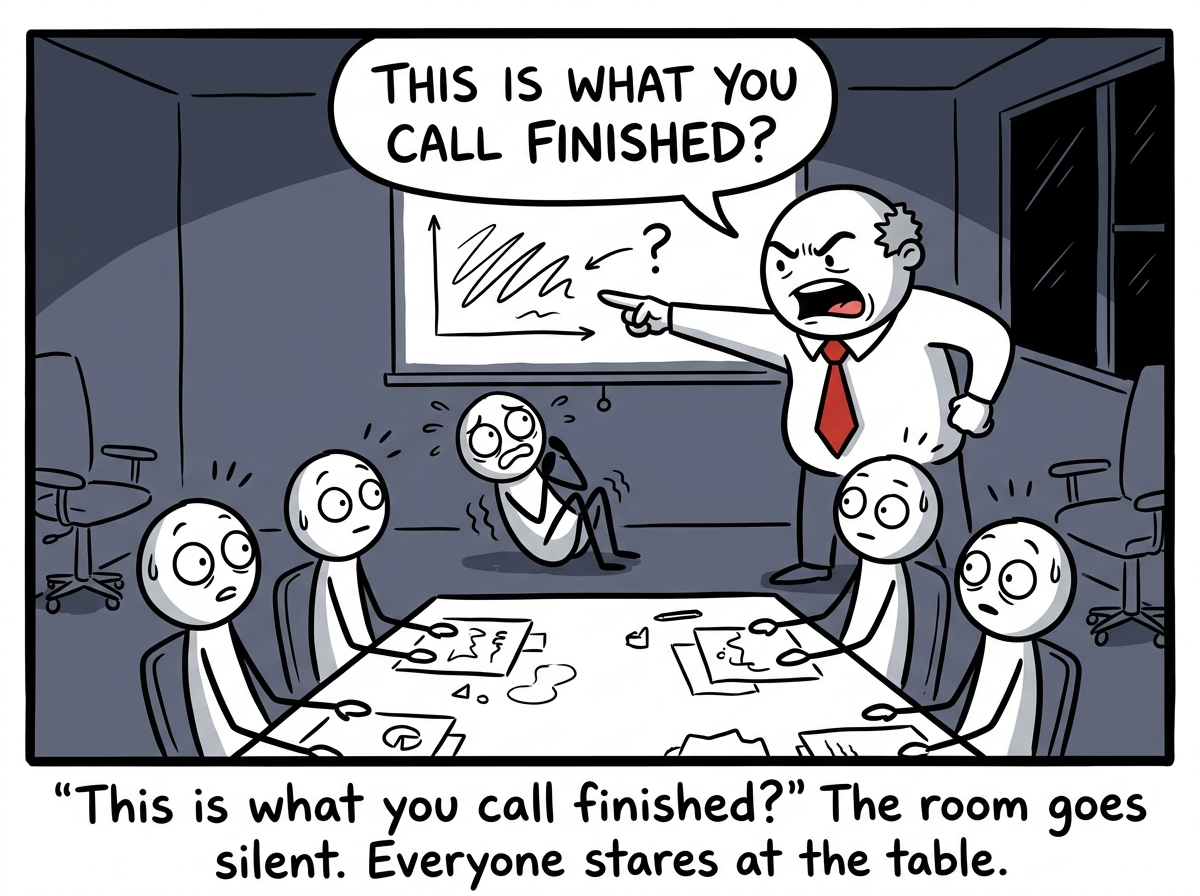
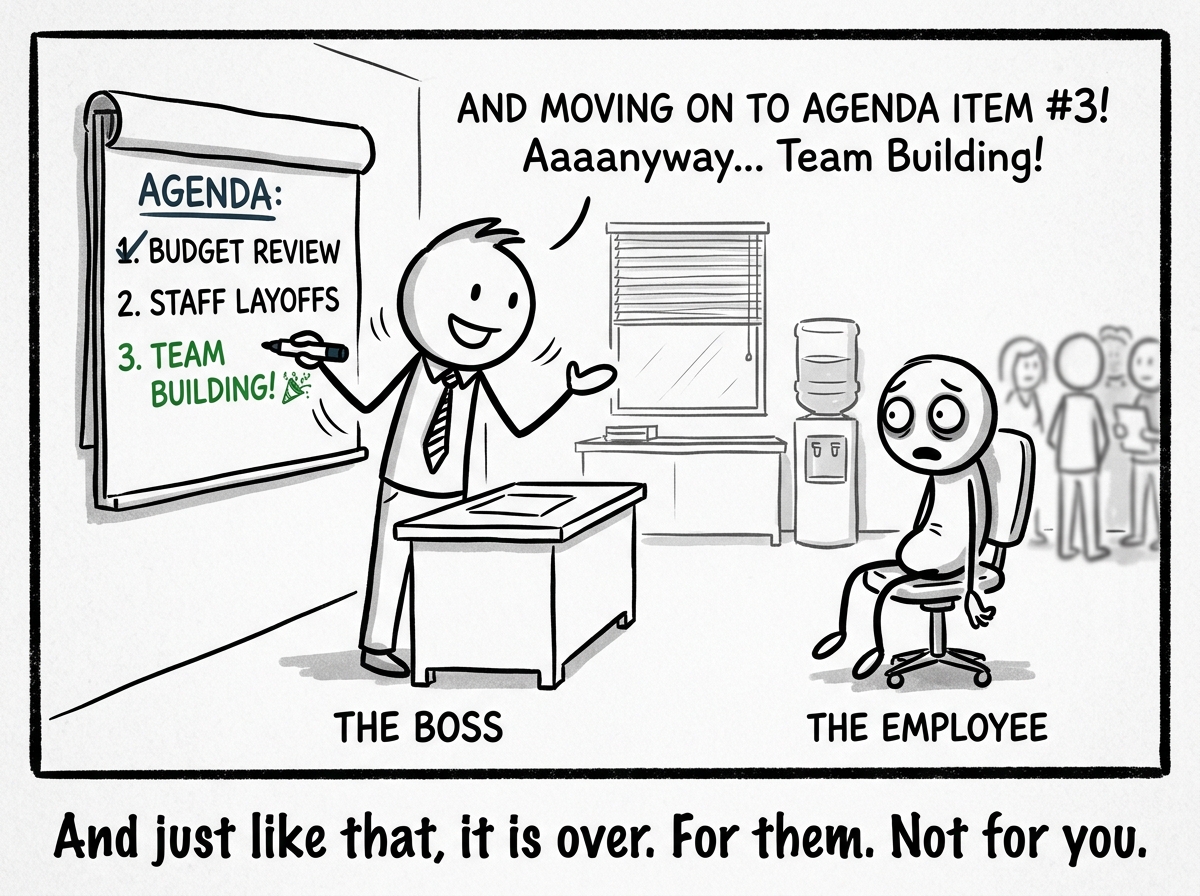
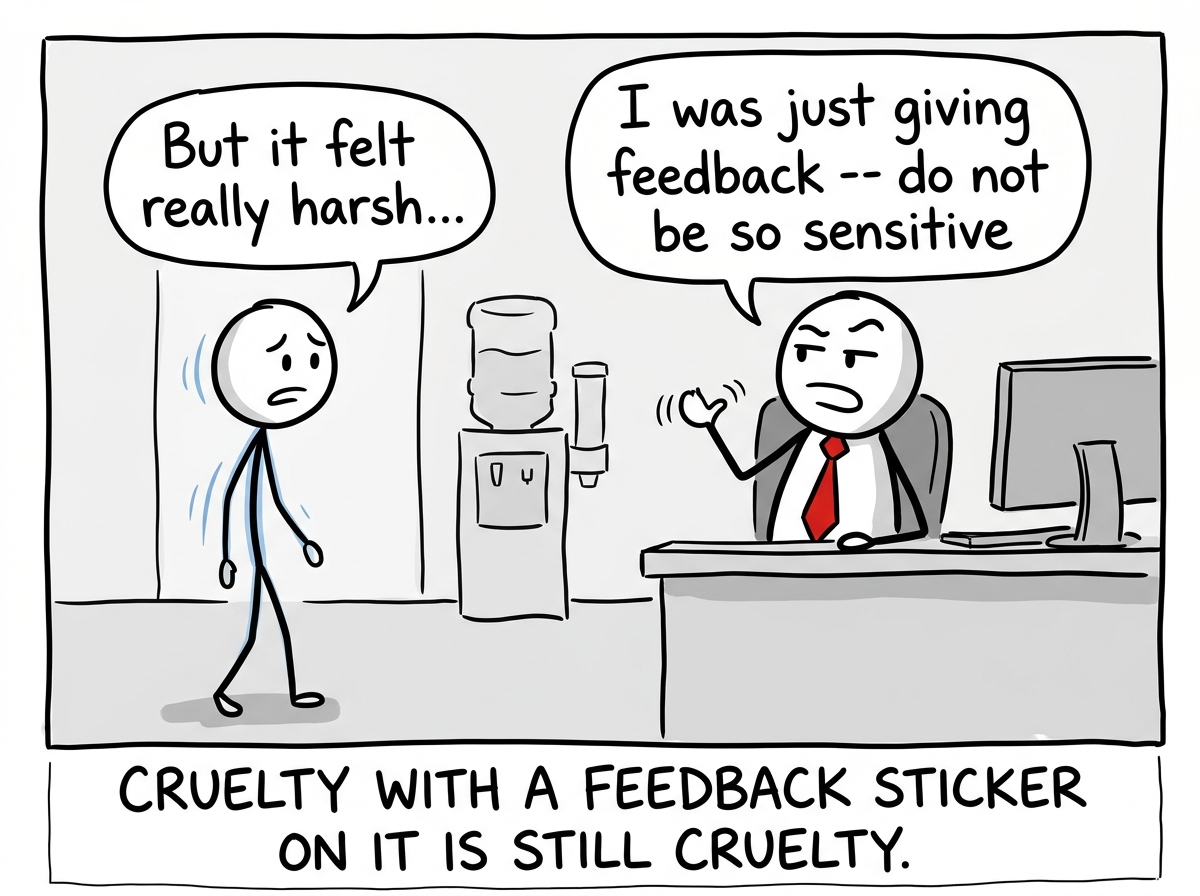
A boss singles out an employee in a meeting to criticize their work in front of everyone, then acts like it was constructive feedback.
Explanation
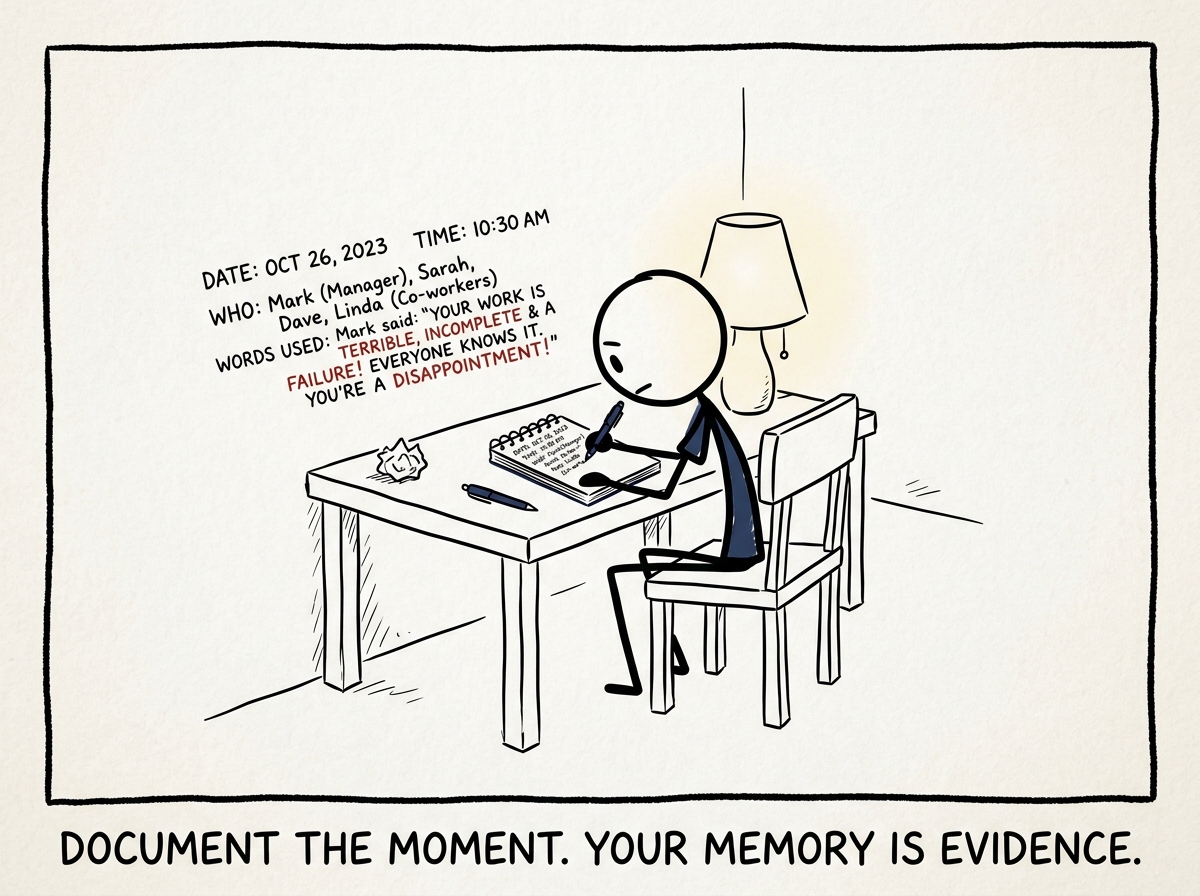
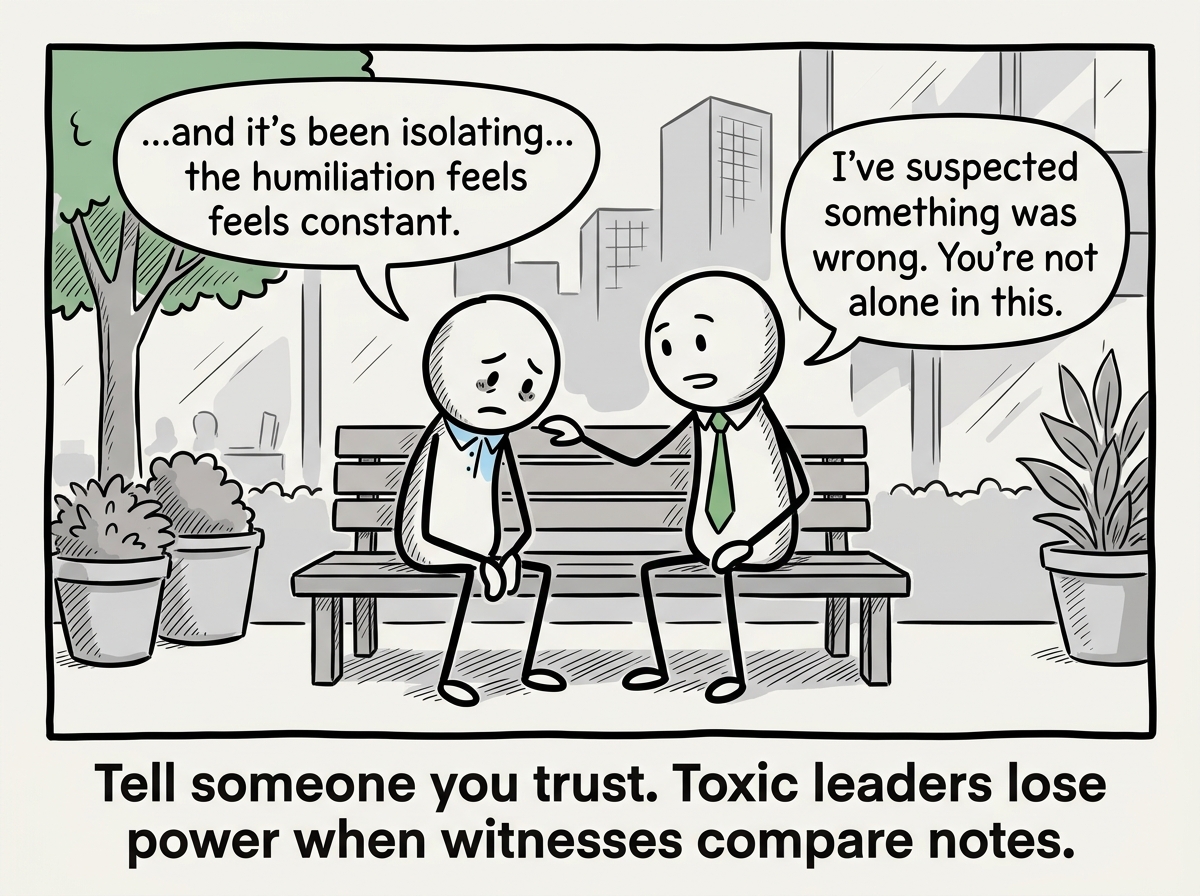
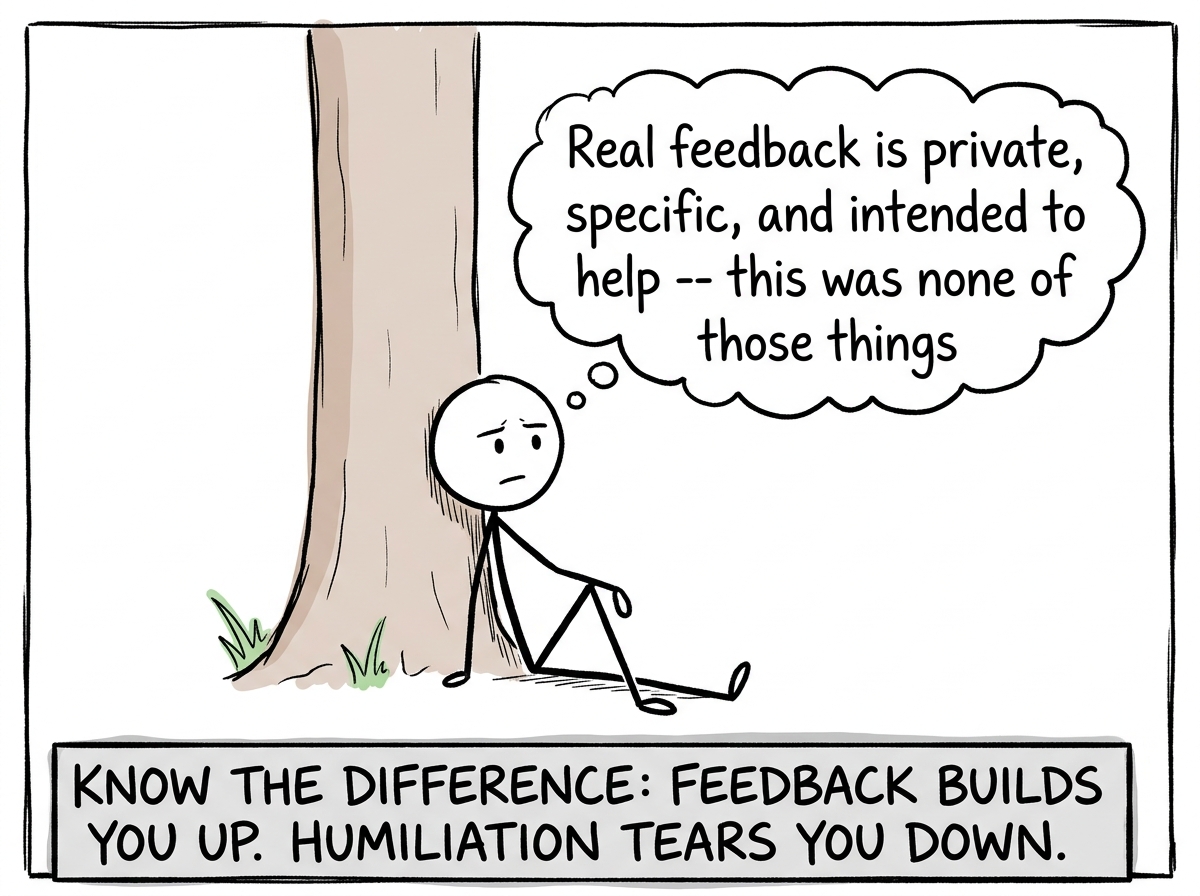
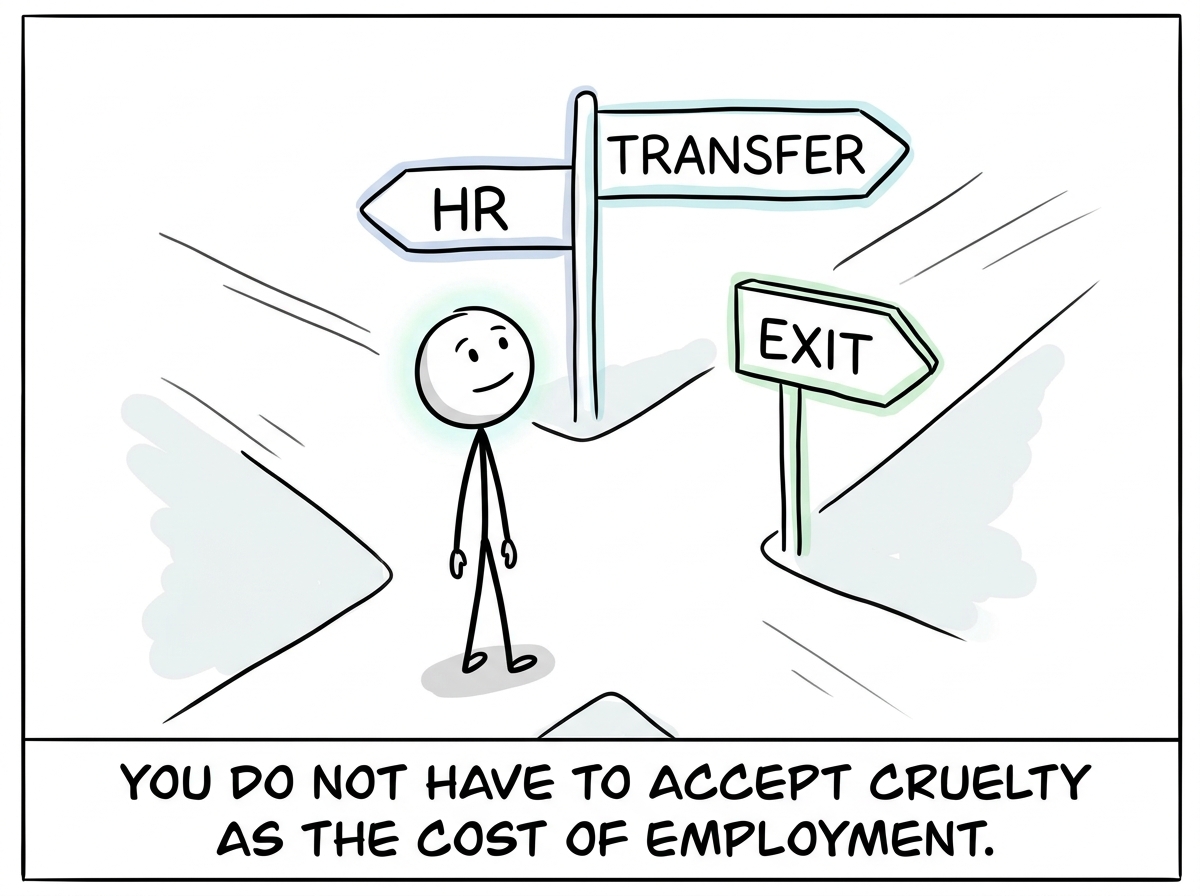
You are in a team meeting. Everything is normal until your boss turns to you and, in front of everyone, tears apart the report you submitted. Not with a question. Not with a suggestion. With a tone that makes the room go silent. Your colleagues stare at the table. Your face burns. When it is over, your boss moves on cheerfully, as if what just happened was a routine agenda item. Later, when you try to address it, they say: 'I was just giving you feedback. You need to be less sensitive.' Public humiliation disguised as feedback is one of the most common tools in the toxic leader's playbook. It serves multiple purposes: it establishes dominance, it controls the group through fear, and it shifts the narrative so that the victim becomes the problem -- too sensitive, too defensive, unable to handle criticism. Research on abusive supervision by Bennett Tepper shows that this kind of treatment leads to emotional exhaustion, lower job satisfaction, and even depression, and that the witnesses are nearly as affected as the target because they learn that anyone could be next. The healthy response is to recognize that real feedback is delivered privately, respectfully, and with the intent to help you improve -- not to humiliate you in front of an audience. If your boss routinely uses public settings to tear people down, the problem is their leadership, not your sensitivity. Document what happens, seek support, and understand that no performance improvement plan can fix a boss who needs an audience for their cruelty.
Key Takeaway
If your boss needs an audience to give you feedback, it is not feedback -- it is a performance of power.