Boss Has Dad Energy
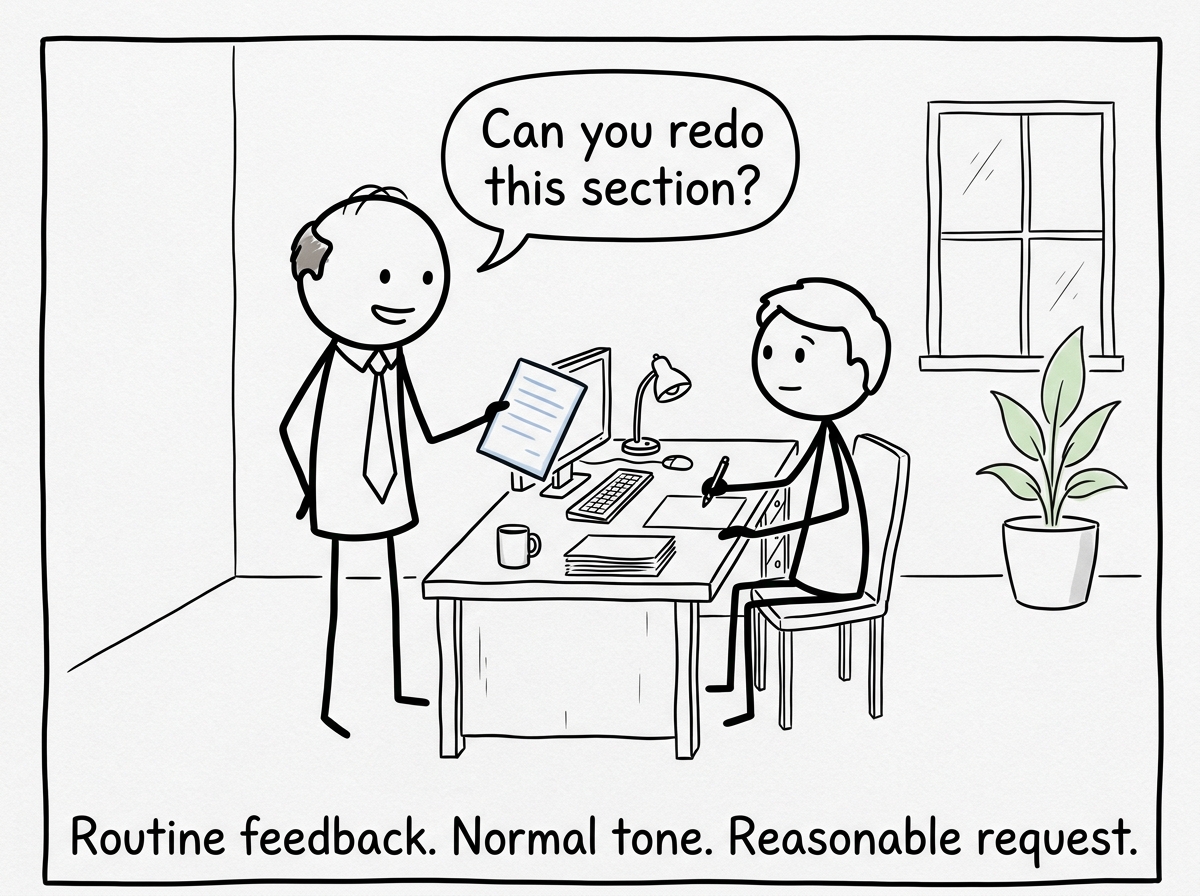
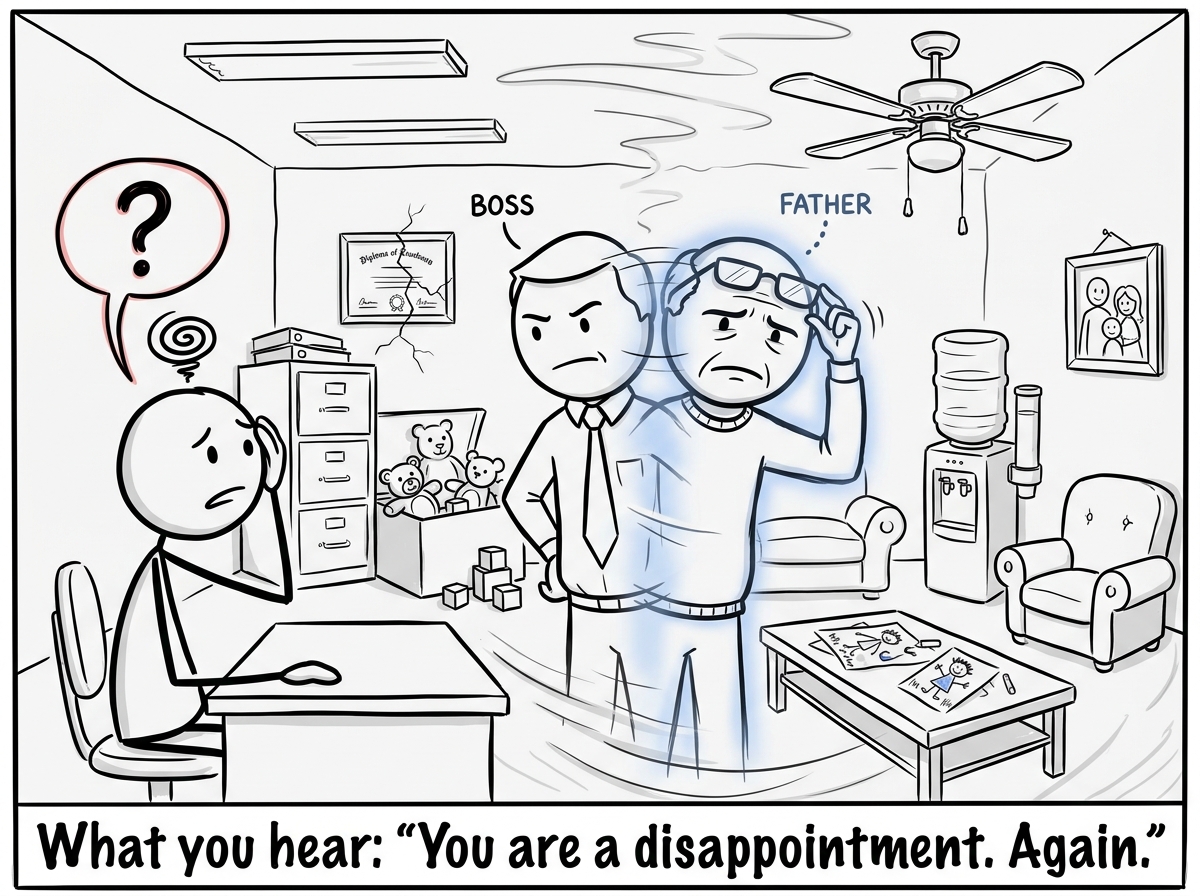
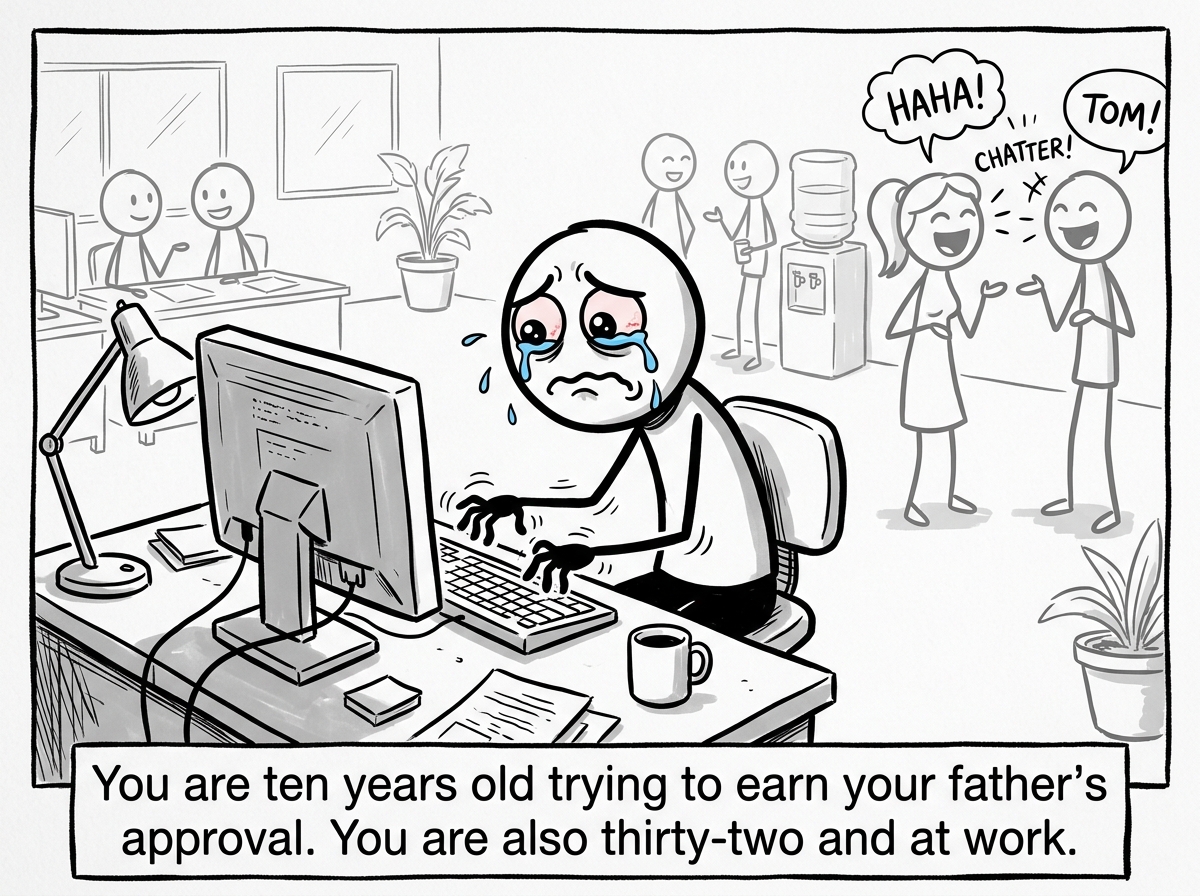
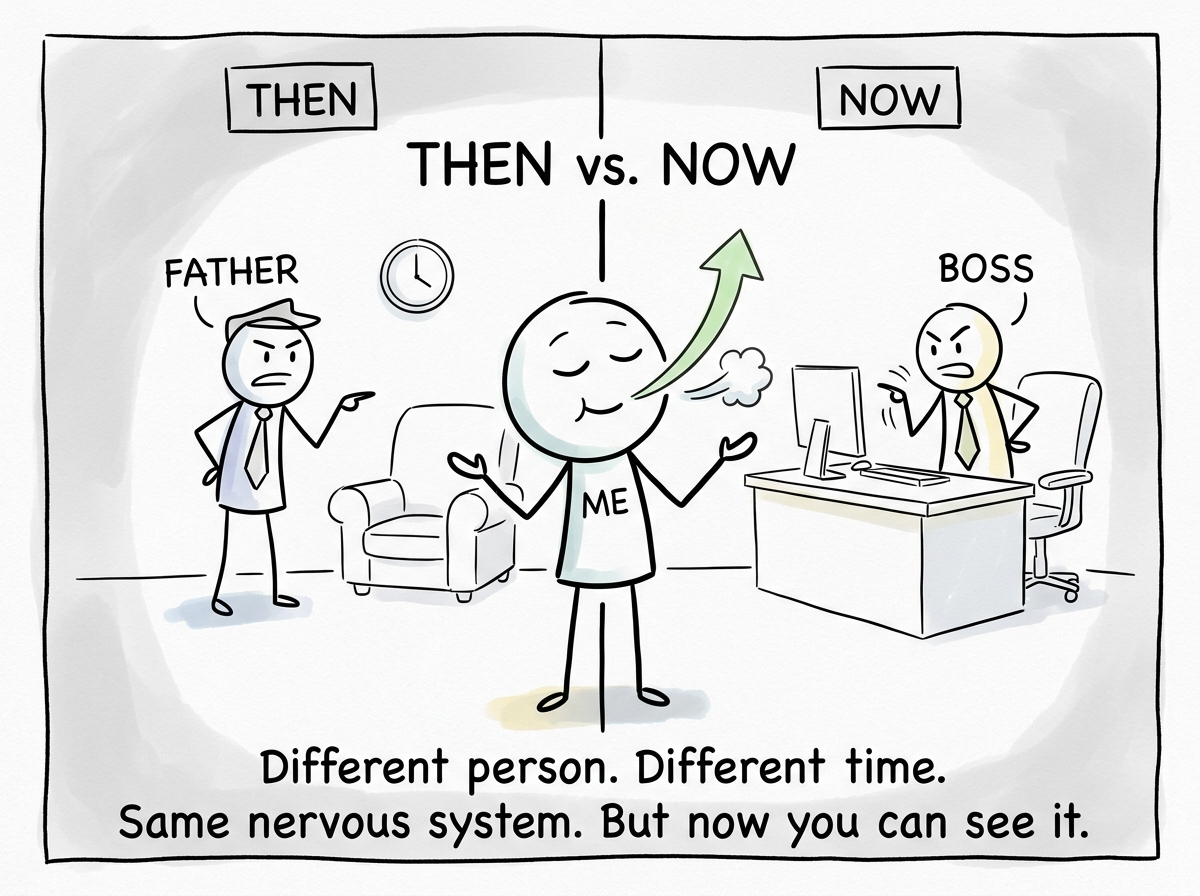
A person reacts to their boss's mild feedback with the same terror they felt as a child when their father was disappointed in them.
Explanation
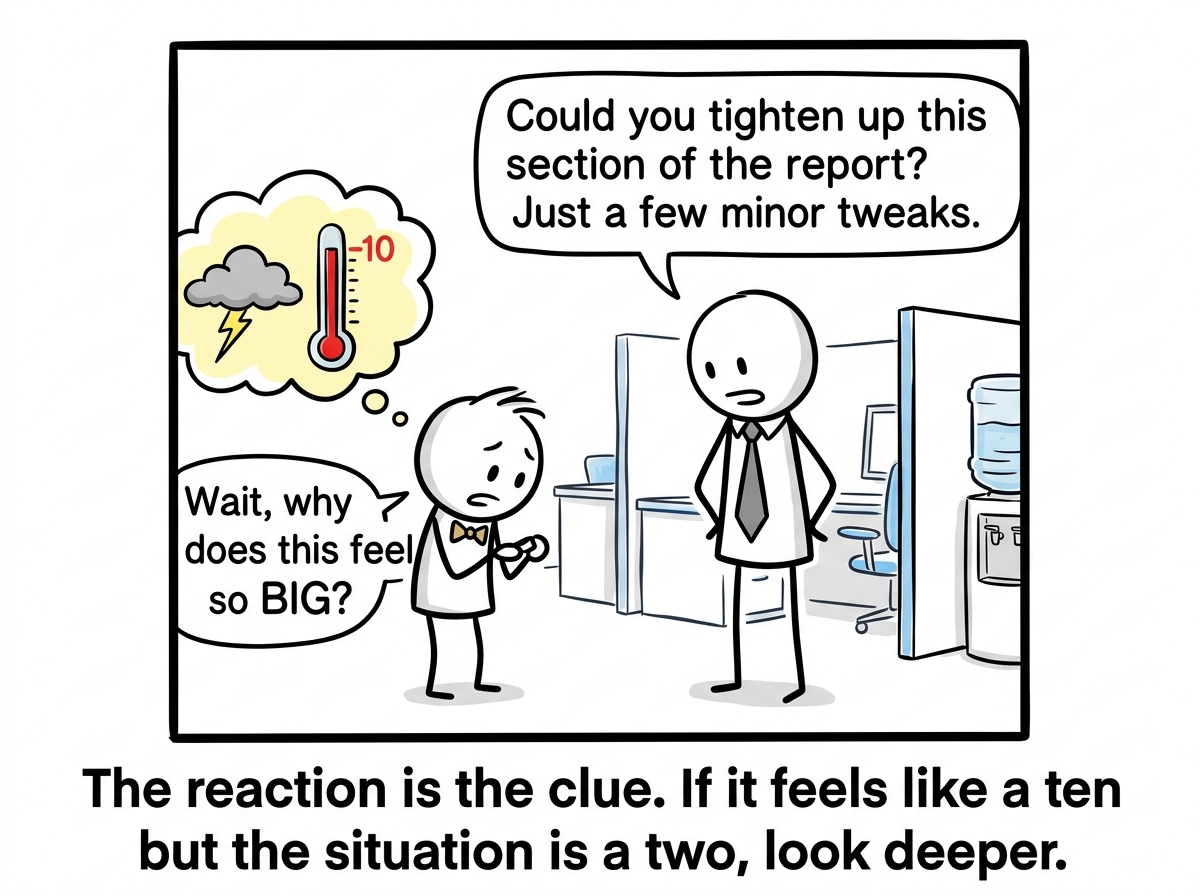
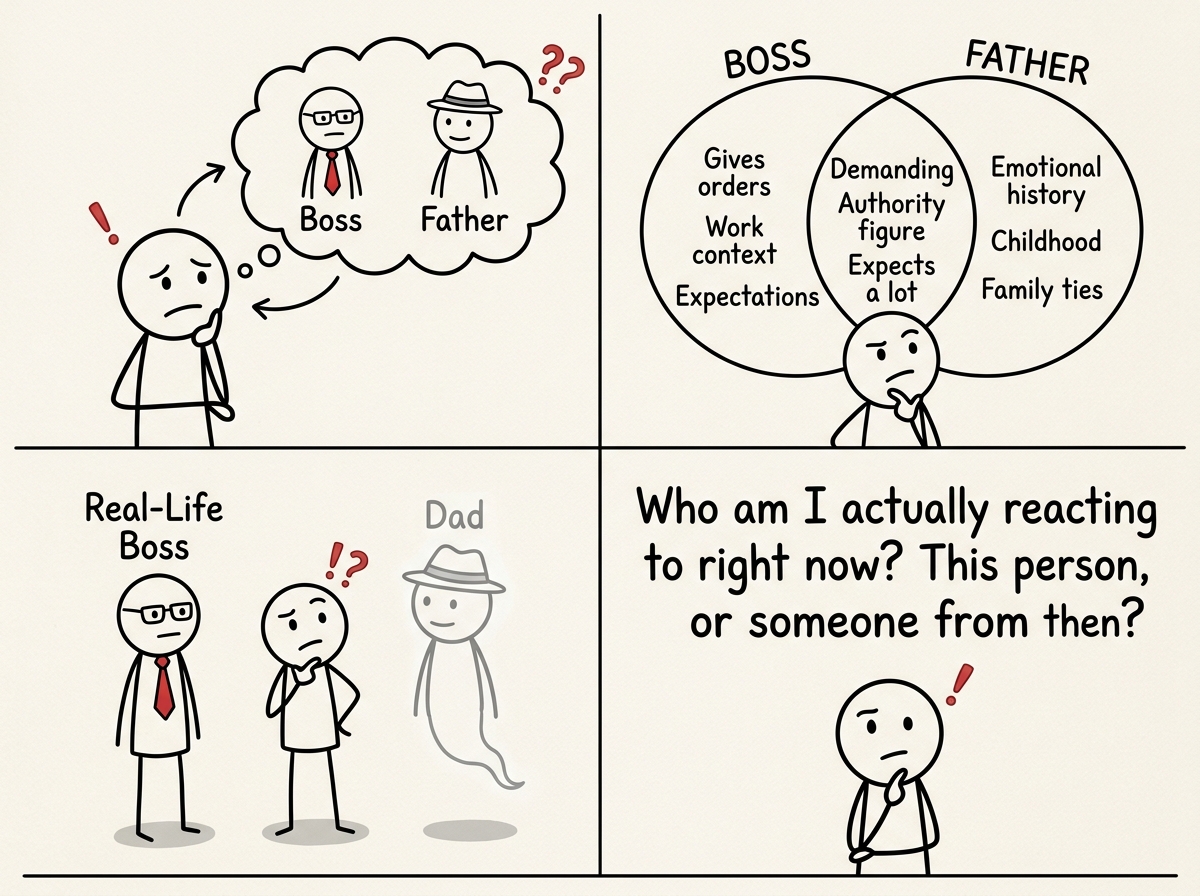
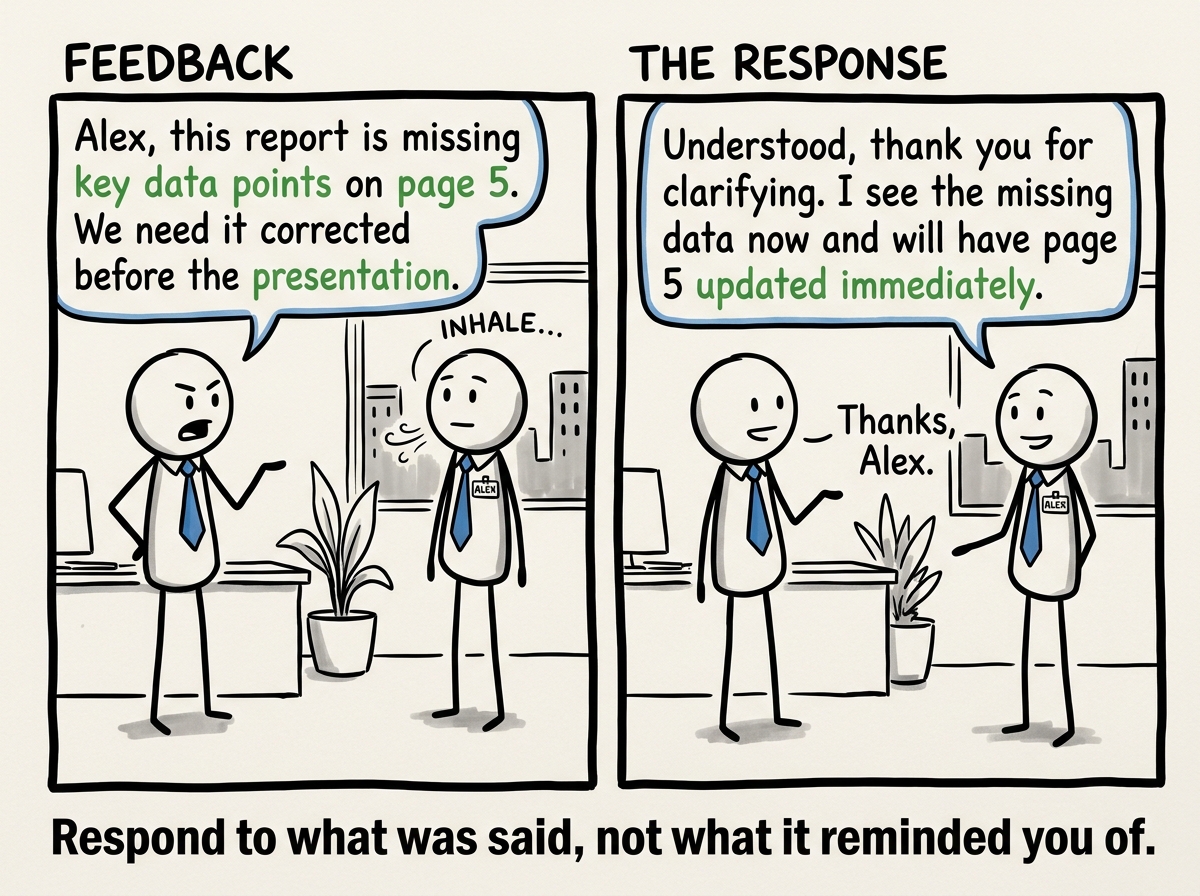
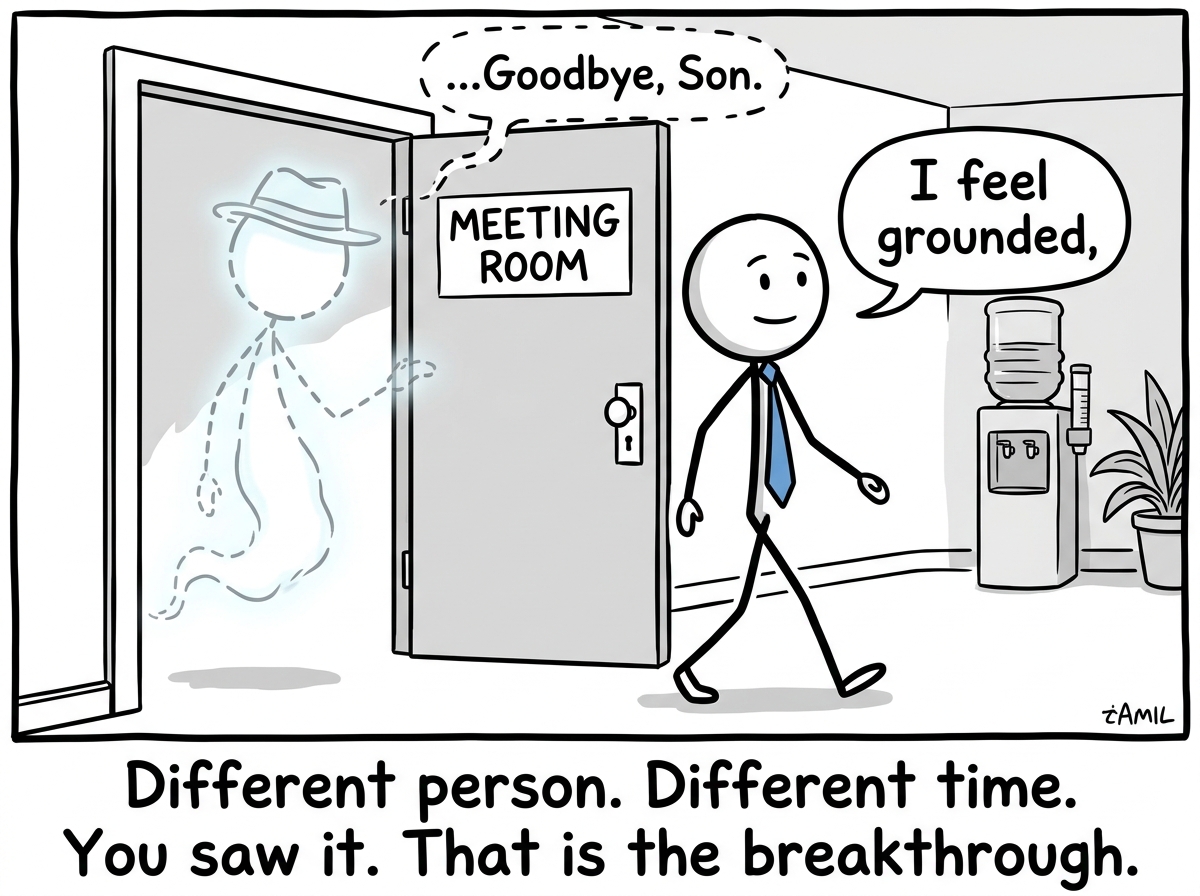
Your boss says 'can you redo this section?' and your entire body responds as though you have been told you are a failure as a human being. Your chest tightens. Your eyes sting. You fight the urge to either apologize profusely or quit on the spot. Later, when you calm down, you realize the feedback was perfectly reasonable -- even kind. So why did it feel like a knife? Because in that moment, you were not hearing your boss. You were hearing your father. And the criticism was not about a report section. It was about never being good enough. Transference works like emotional time travel. Freud first observed it in the therapy room, but it happens everywhere. When someone in a position of authority -- a boss, teacher, mentor, or even older friend -- shares certain qualities with a formative figure from your past, your brain can unconsciously swap the two. Suddenly you are not a competent adult receiving routine feedback. You are a ten-year-old bracing for your parent's disappointment. The emotional intensity is the giveaway: if your reaction is significantly bigger than the situation warrants, transference is likely at play. The first step is noticing the disproportion. 'Why am I this upset about a normal request?' is the question that breaks the spell. From there, you can begin separating then from now: your boss is not your dad, this feedback is not rejection, and you are no longer a child who depends on this person's approval for survival. It sounds simple. Emotionally, it is one of the hardest distinctions you will ever learn to make.
Key Takeaway
If your reaction to someone is wildly disproportionate to what they actually did, you are probably reacting to someone from your past.