How to Set and Maintain Healthy Boundaries
Learn to identify where you need boundaries, communicate them clearly, and hold them even when it feels uncomfortable.
Before You Begin
If you grew up in a family where your limits were ignored, dismissed, or punished, boundary-setting probably feels foreign and maybe even selfish. It is neither. A boundary is simply a clear statement about what you will and will not accept -- and it is one of the most loving things you can do for yourself and for your relationships. People without boundaries tend to burn out, build resentment, and eventually blow up or shut down. This guide gives you a concrete process for recognizing when a boundary is needed, putting it into words, delivering it, and -- the part no one talks about -- maintaining it when people push back. Boundaries are not a one-time conversation. They are a practice.
-
Recognize When a Boundary Is Needed
Your body often knows you need a boundary before your mind does. Resentment, exhaustion, dread, and the feeling of being taken advantage of are all signals that a limit has been crossed -- or that one was never set in the first place.
- Pay attention to your body: a tight jaw, clenched stomach, shallow breathing, or the urge to avoid someone are all boundary signals.
- Notice when you say yes but internally feel angry or trapped. That gap between your words and your feelings is where a boundary belongs.
- Resentment is the most reliable indicator. If you are keeping a mental scorecard of everything you do for someone, a boundary is overdue.
- You do not need to be in crisis to set a boundary. The best time to set one is before you reach your breaking point.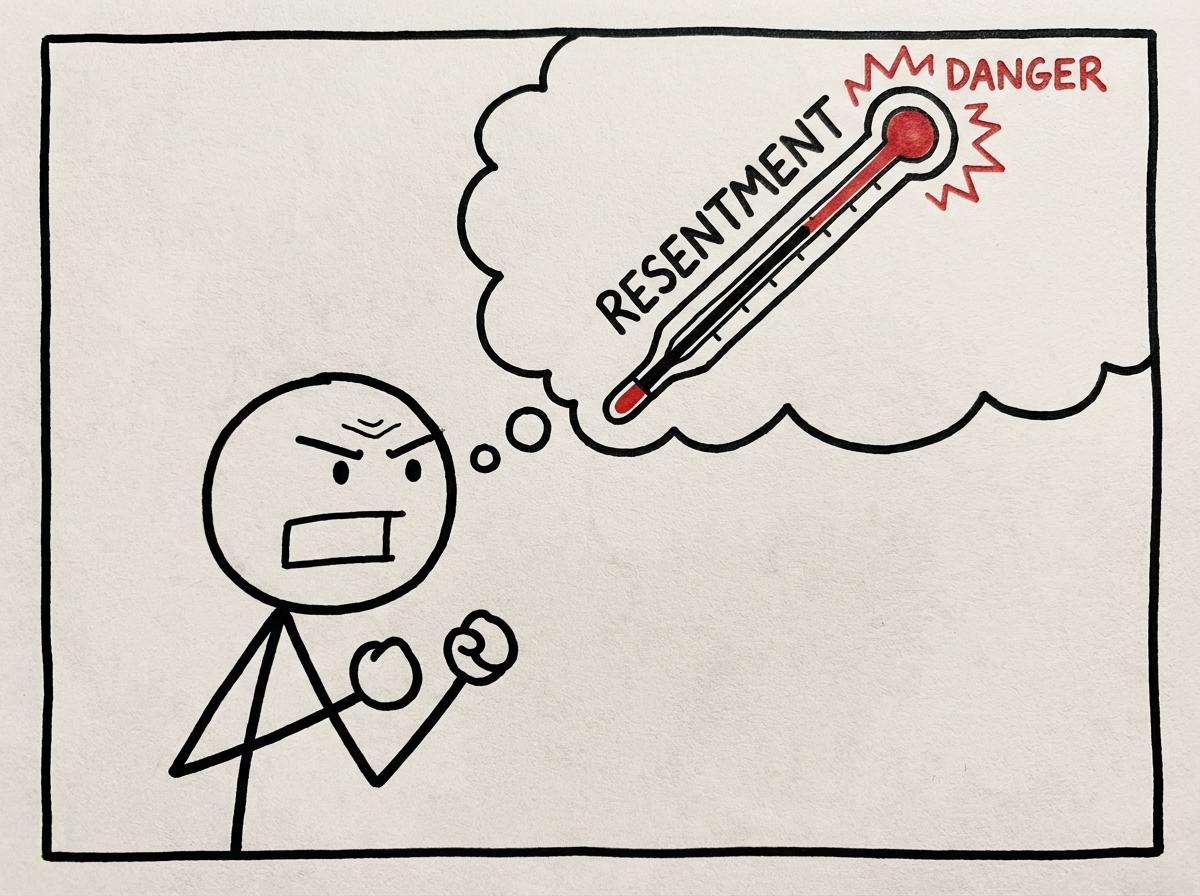
-
Identify the Specific Boundary
Vague boundaries are impossible to maintain. Instead of thinking 'I need people to respect me more,' get specific about exactly what behavior you need to change and what you will do differently in response.
- Ask yourself: What specific behavior is crossing my limit? Be concrete -- not 'they are inconsiderate' but 'they call me after 10pm expecting emotional support when I have said I need to sleep.'
- Decide what you are asking for: Is this a request for a behavior change, or is this about what you will do differently regardless of their behavior?
- The strongest boundaries are about your own actions, not controlling someone else. 'I will not answer calls after 10pm' is enforceable. 'Stop calling me late' depends on them.
- Write it down in one clear sentence. If you cannot state it simply, you have not defined it yet.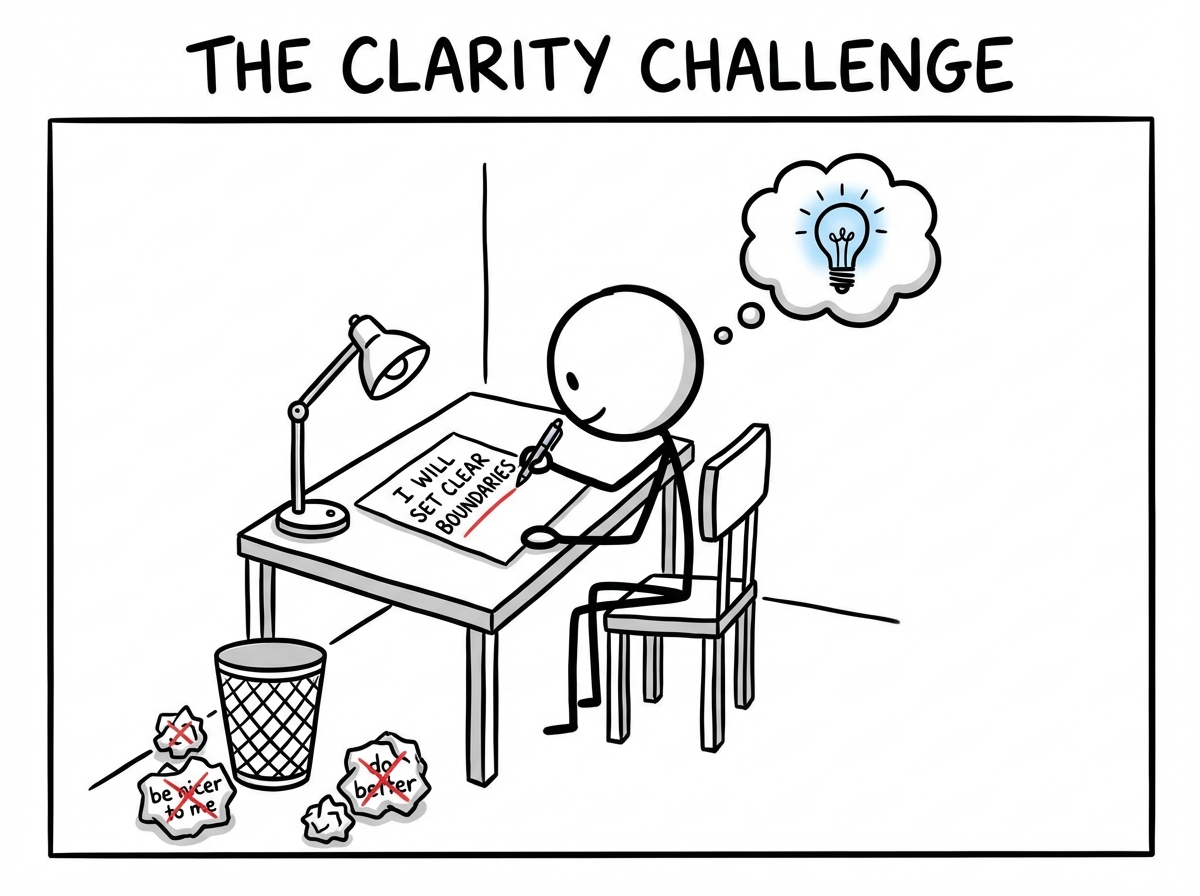
-
Script the Language
Having the words ready before the conversation makes it far more likely you will actually say them. You are not writing a speech -- you are preparing a few calm, clear sentences so you do not get derailed by anxiety or guilt in the moment.
- Use this structure: 'I need [specific boundary]. Going forward, I will [your action].'
- Example: 'I need our conversations to stay respectful. If voices start being raised, I am going to step out of the room and we can continue when things are calm.'
- Keep it short. Long explanations invite debate. You are informing, not negotiating.
- You do not owe anyone a justification for your boundary. 'This is what I need' is a complete reason.
- Practice saying it out loud once or twice before the real conversation. Hearing your own voice say the words makes them feel less terrifying.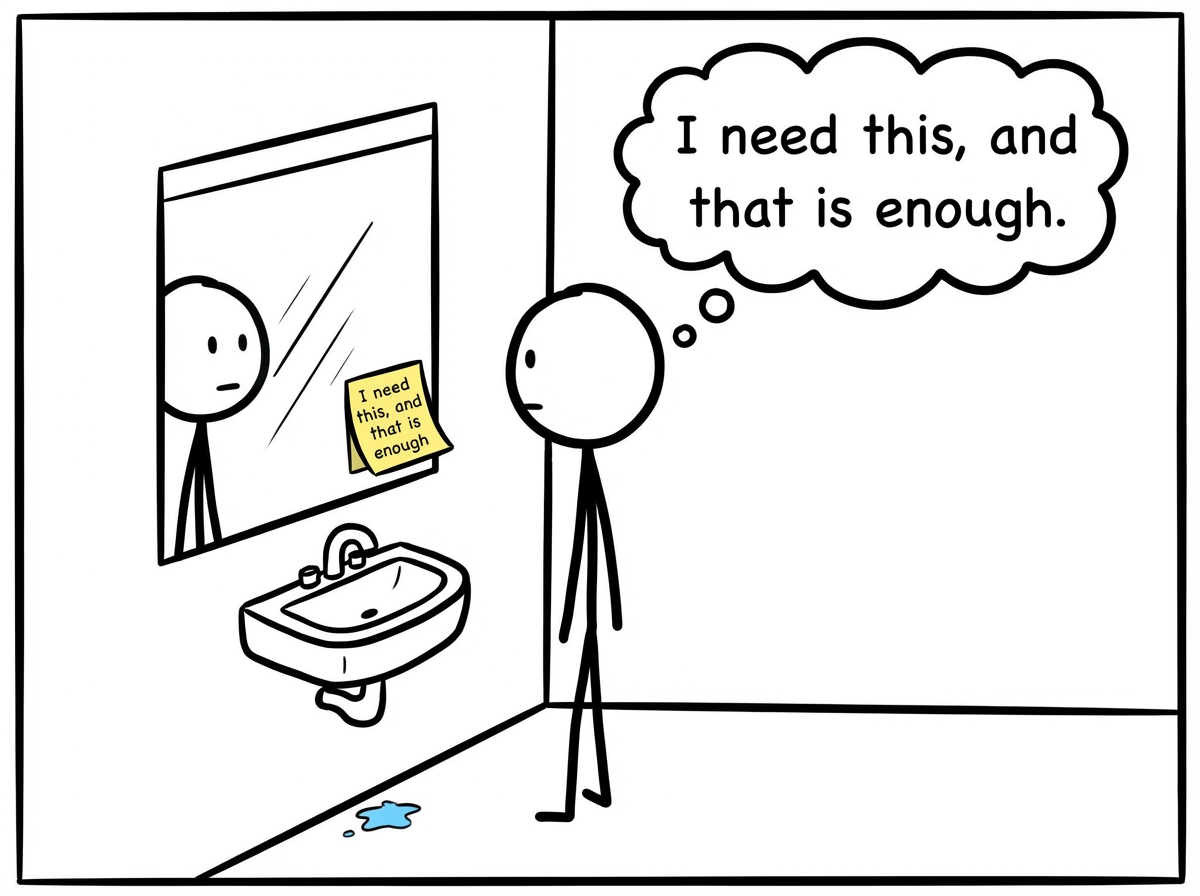
-
Deliver It Calmly
The way you deliver a boundary matters almost as much as the boundary itself. If you set a boundary while yelling, the other person hears the anger, not the limit. If you set it while apologizing, they hear the apology and assume the boundary is negotiable.
- Choose a calm moment, not the heat of an argument. Boundaries set reactively tend to come out as threats rather than statements.
- Use a steady, matter-of-fact tone. You are not asking for permission, and you are not punishing anyone. You are stating a fact about what you need.
- Make eye contact if you can. It communicates that you mean what you are saying.
- After you say it, stop talking. Silence is uncomfortable, but filling the gap with backpedaling or over-explaining weakens the boundary.
- Their reaction is not your responsibility to manage. You can be compassionate about their feelings without abandoning your limit.
-
Handle Pushback Without Caving
People who benefited from your lack of boundaries will not celebrate when you start setting them. Expect pushback -- guilt trips, anger, withdrawal, accusations that you have changed or that you are being selfish. This does not mean your boundary is wrong. It means it is working.
- Repeat the boundary calmly without escalating. 'I understand this is hard, and I still need this.' You can say this as many times as necessary.
- Do not JADE -- Justify, Argue, Defend, or Explain. Each of these invites the other person to find a loophole.
- If someone repeatedly ignores your stated boundary, that is critical information about the relationship, not a sign that you need a better argument.
- Some relationships will improve dramatically once boundaries are in place. Others will not survive them. Both outcomes are telling you the truth about what those relationships were built on.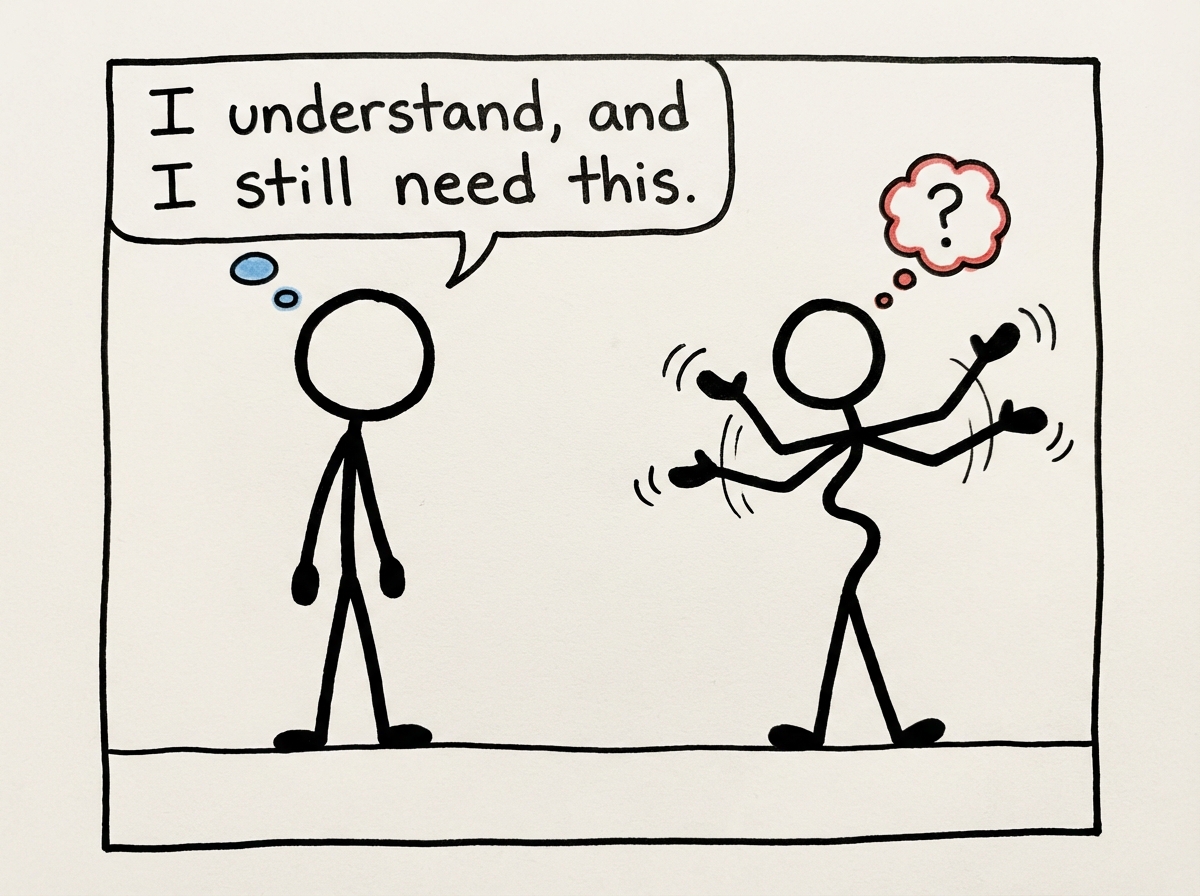
-
Maintain the Boundary Over Time
Setting a boundary once is the beginning, not the end. Boundaries require ongoing maintenance, especially early on when the people around you are still testing whether you really mean it. The most dangerous moment is when things feel better and you start to relax the limit before the new pattern is truly established.
- Follow through every single time, especially in the beginning. Inconsistency teaches people that your boundaries are suggestions.
- Check in with yourself regularly: Is this boundary still serving me? Boundaries can be adjusted as circumstances change -- but adjust them intentionally, not because someone pressured you.
- Notice the guilt. It will show up, especially if you were raised to believe that having needs makes you difficult. Guilt after setting a boundary is a sign of old conditioning, not a sign that you did something wrong.
- Celebrate the small wins. Each time you hold a boundary, you are rebuilding your relationship with yourself.