How to Break Codependent Patterns
Recognize codependent habits, understand what drives them, and start building a life where you are connected to others without losing yourself.
Before You Begin
Codependency is not just being helpful or caring -- it is an identity built around being needed. When you are codependent, other people's problems become your problems, their emotions become your responsibility, and your own needs get shoved so far down that you may have forgotten what they are. This pattern often starts in childhood, when you learned that the way to stay safe or loved was to anticipate and manage other people's feelings. It worked then. It is exhausting now. Breaking codependency does not mean becoming cold or disconnected. It means learning to care about people without disappearing into them. This guide will walk you through that process, one uncomfortable step at a time.
-
Recognize the Codependent Pattern
Codependency is sneaky because it disguises itself as love, loyalty, and selflessness. The first step is seeing it for what it actually is: a compulsive need to manage other people's lives and emotions, often at the expense of your own well-being.
- You feel responsible for other people's feelings, choices, and consequences -- even when they are adults capable of handling their own lives.
- You have difficulty identifying what you want, need, or feel unless it is in relation to someone else.
- You feel anxious or empty when you are not actively helping, fixing, or rescuing someone.
- Your self-worth is tied to being indispensable. The thought of someone not needing you feels like a threat to your identity.
- If several of these hit close to home, you are not broken. You learned a survival strategy, and now you are going to learn a new one.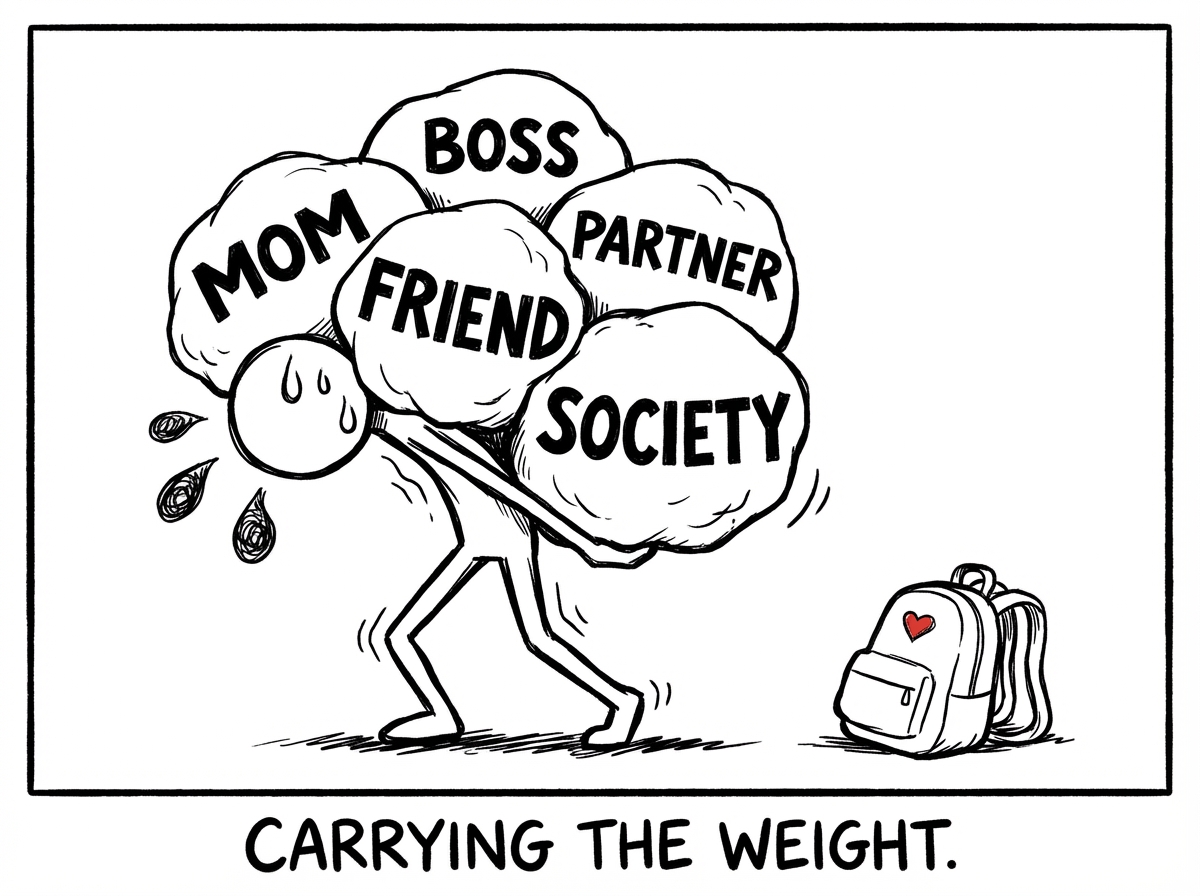
-
Identify What You Are Avoiding
Codependent behavior is not just about the other person. It is also a very effective way to avoid your own pain. When you are busy managing someone else's crisis, you do not have to sit with your own fear, loneliness, grief, or feeling of inadequacy. The fixing is the avoidance.
- Ask yourself honestly: What would I have to feel if I stopped focusing on this person's problems?
- Common answers include: emptiness, worthlessness, terror of abandonment, or the grief of acknowledging that a relationship is not healthy.
- Notice if you feel a rush of purpose or importance when someone comes to you with a problem. That rush is the avoidance mechanism activating.
- This is not about blame. Avoidance is a human survival instinct. But you cannot change a pattern you refuse to see.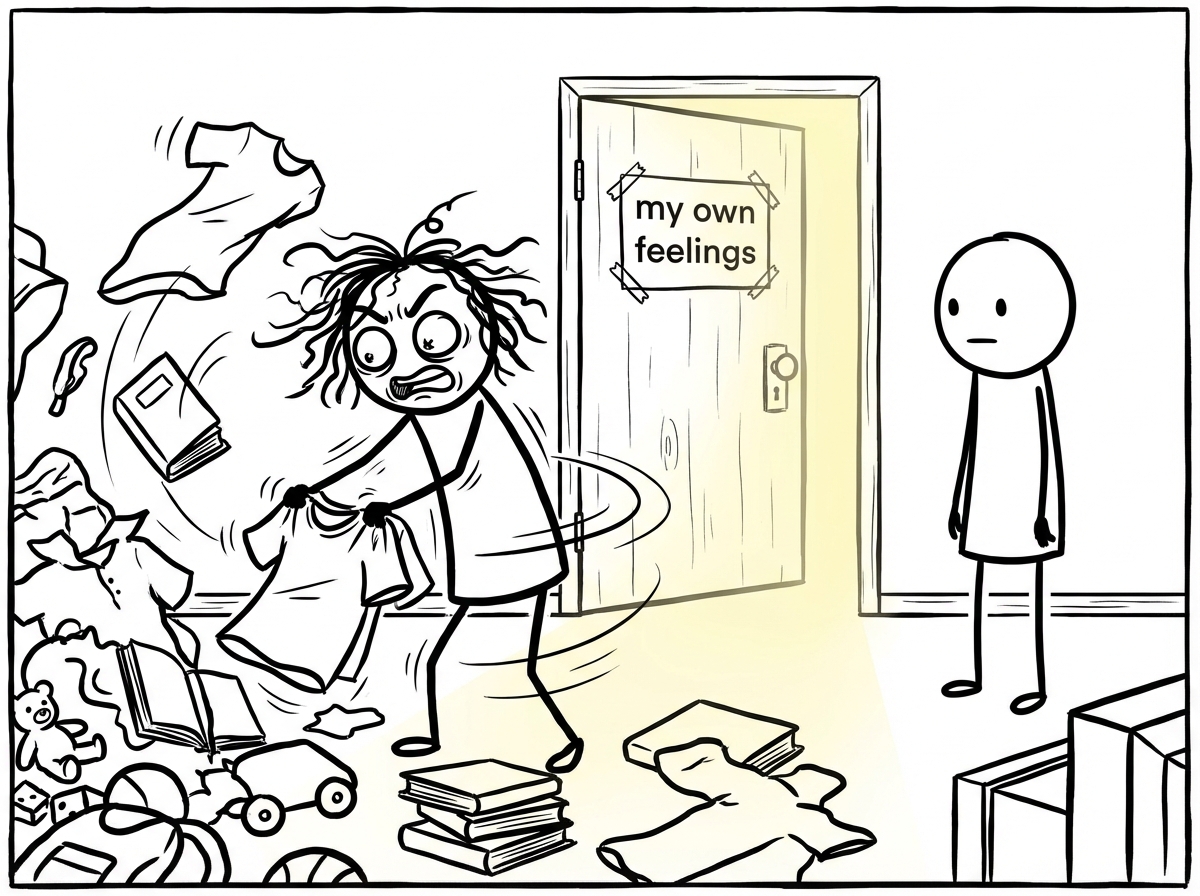
-
Practice Not Fixing
This is where it gets physically uncomfortable. When someone you care about is struggling and every cell in your body is screaming to jump in and fix it, you are going to practice doing nothing. Not nothing forever -- just long enough to break the automatic response.
- The next time someone shares a problem, try responding with 'That sounds really hard' instead of immediately offering solutions, taking over, or making plans to fix it for them.
- Sit with the discomfort of watching someone struggle without intervening. Notice what happens in your body -- the anxiety, the restlessness, the guilt.
- Remind yourself: Allowing someone to face their own problems is not cruelty. It is respect for their ability to handle their own life.
- Start small. You do not need to stop helping everyone all at once. Pick one situation this week where you let someone handle something themselves.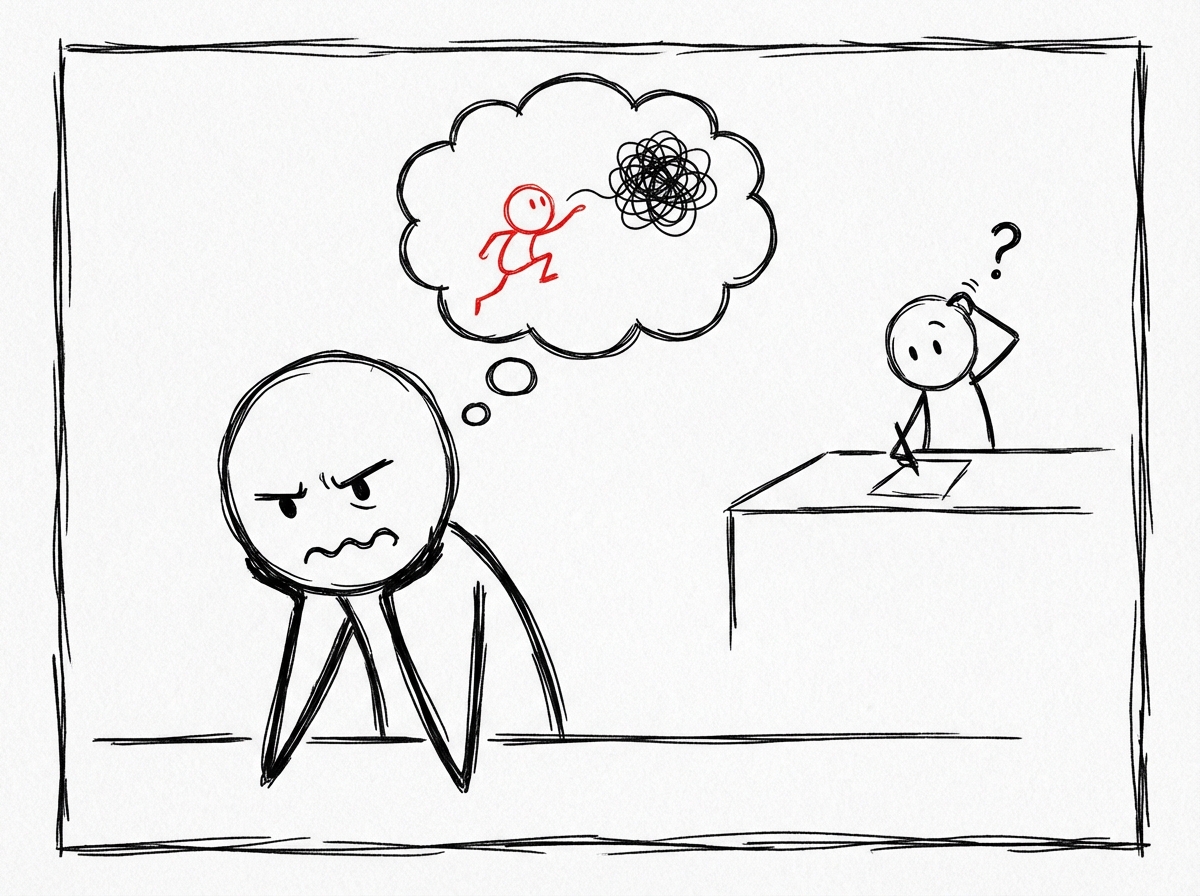
-
Reconnect With Your Own Needs
If you have spent years focused on everyone else, your own needs may feel unfamiliar or even threatening. Many codependent people genuinely do not know what they want because they have spent so long defining themselves through what others need.
- Start with the basics: Are you hungry? Tired? Do you need to be alone? These are needs you may have been overriding for years.
- Set aside fifteen minutes a day with no task and no one to help. Just be with yourself. If this feels unbearable, that is information worth paying attention to.
- Begin asking yourself 'What do I want?' in small situations -- what to eat, what to watch, how to spend a free hour. Rebuild the muscle of having preferences.
- Notice if guilt shows up when you attend to your own needs. That guilt was installed by circumstances that required you to put yourself last. It is not a moral compass -- it is an old alarm system.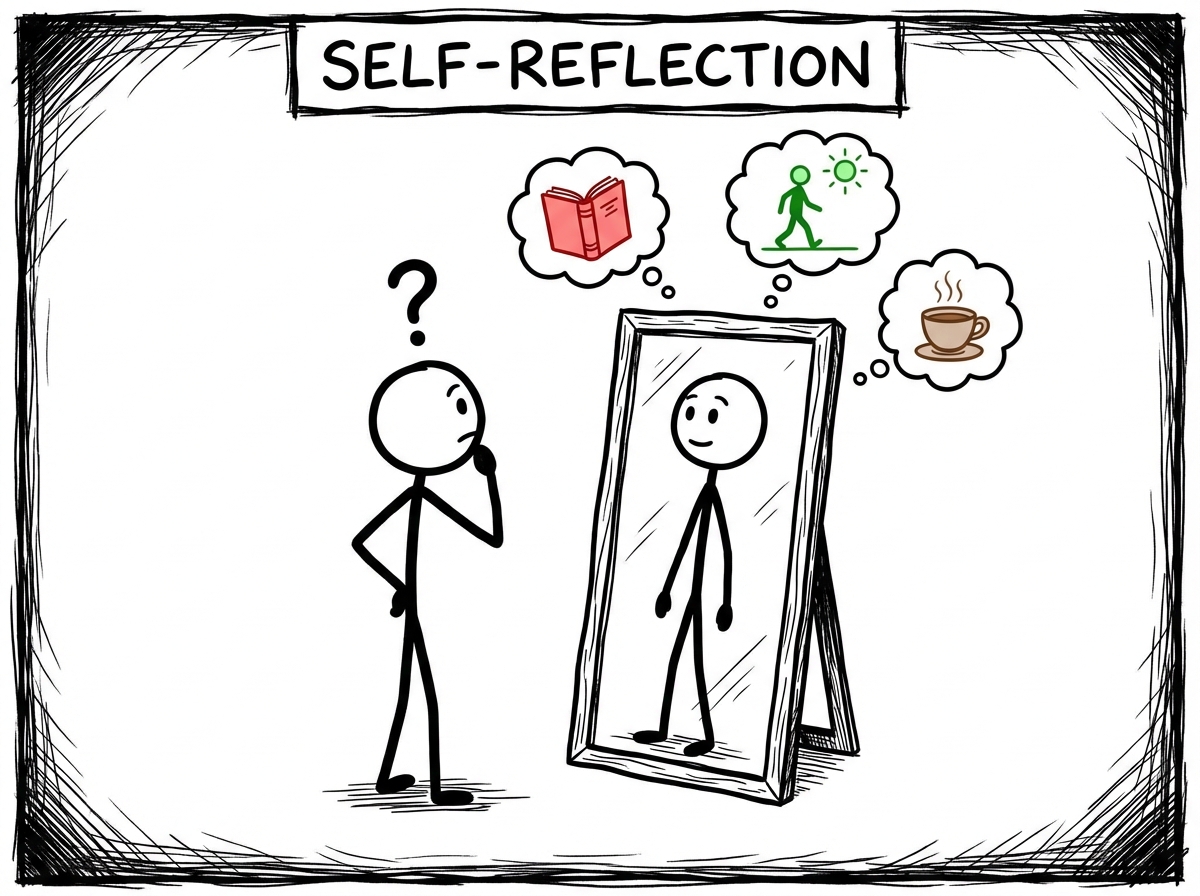
-
Tolerate the Discomfort of Change
When you stop performing codependent behaviors, you will feel worse before you feel better. The people around you may be confused, angry, or accusatory. You may feel selfish, guilty, and terrified. This is normal and temporary. It is the emotional withdrawal of giving up a coping mechanism.
- Name what you are feeling without trying to fix it. 'I feel guilty right now because I did not volunteer to help. That is my codependency talking, not reality.'
- Expect some relationships to shift or get rocky. People who relied on your codependency will not welcome the change. Their discomfort is not proof that you are wrong.
- Find support from people who understand this process -- a therapist, a Codependents Anonymous group, or a friend who has done this work.
- Remind yourself regularly: discomfort is not the same as danger. You can feel guilty and still be doing the right thing.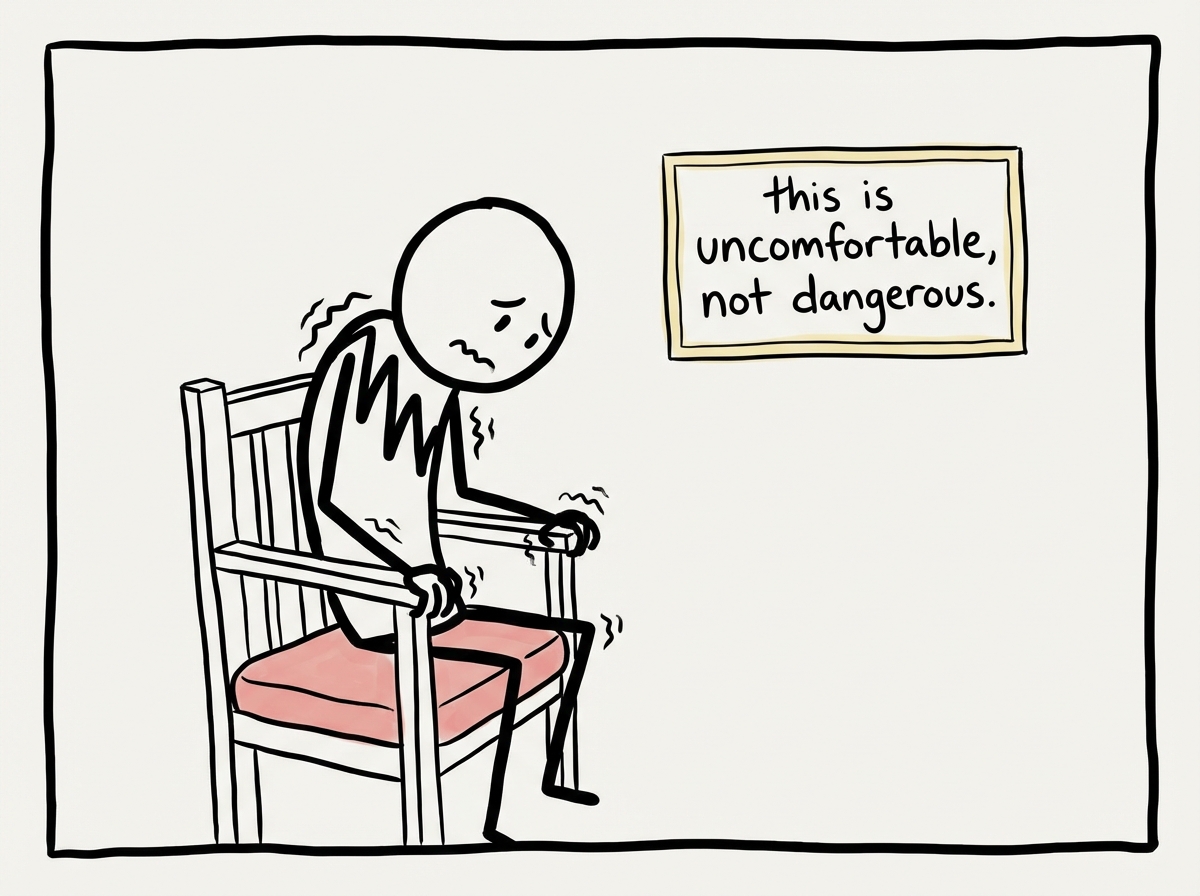
-
Build an Independent Identity
The final step is the longest one: building a sense of self that does not depend on being needed. This means discovering who you are when you are not in crisis mode, when no one needs saving, and when you have to fill your own time and tend to your own life.
- Explore interests that have nothing to do with anyone else. Take a class, start a project, revisit something you loved before you became someone's caretaker.
- Practice making decisions based on what you want, not what will make someone else happy or keep the peace.
- Notice when you start to feel pulled back into old patterns -- a new person in crisis, a familiar urge to over-give. Awareness is the guardrail.
- Celebrate the moments when you choose yourself without catastrophe following. Each one is evidence that your old belief -- 'If I stop giving, I will be abandoned' -- is not as true as it once felt.
- Building an independent identity is not a betrayal of the people you love. It is what allows you to love them without losing yourself.