How to Recognize and Dissolve Covert Contracts
Learn to spot the unspoken deals you're making and replace them with honest, direct communication.
Before You Begin
A covert contract is an unspoken agreement you've made entirely inside your own head. You do something for someone — expecting a specific return — but you never actually tell them the deal. When the payoff doesn't come, resentment builds, and the other person has no idea why you're upset. This guide will help you catch yourself in the act, understand what you're really asking for, and start making your needs visible instead of burying them under silent expectations.
-
Identify Your Covert Contracts
Start paying attention to moments when you feel resentful, unappreciated, or silently furious. These feelings are almost always a sign that a covert contract has been violated. Ask yourself: What did I expect to get back here? What did I think the deal was?
- Notice when you think "After everything I've done for them..."
- Watch for the word "should" — as in "They should know by now that..."
- Track situations where you feel like you gave generously but are keeping a mental tally
- Write down three recent moments of resentment and look for the hidden expectation underneath each one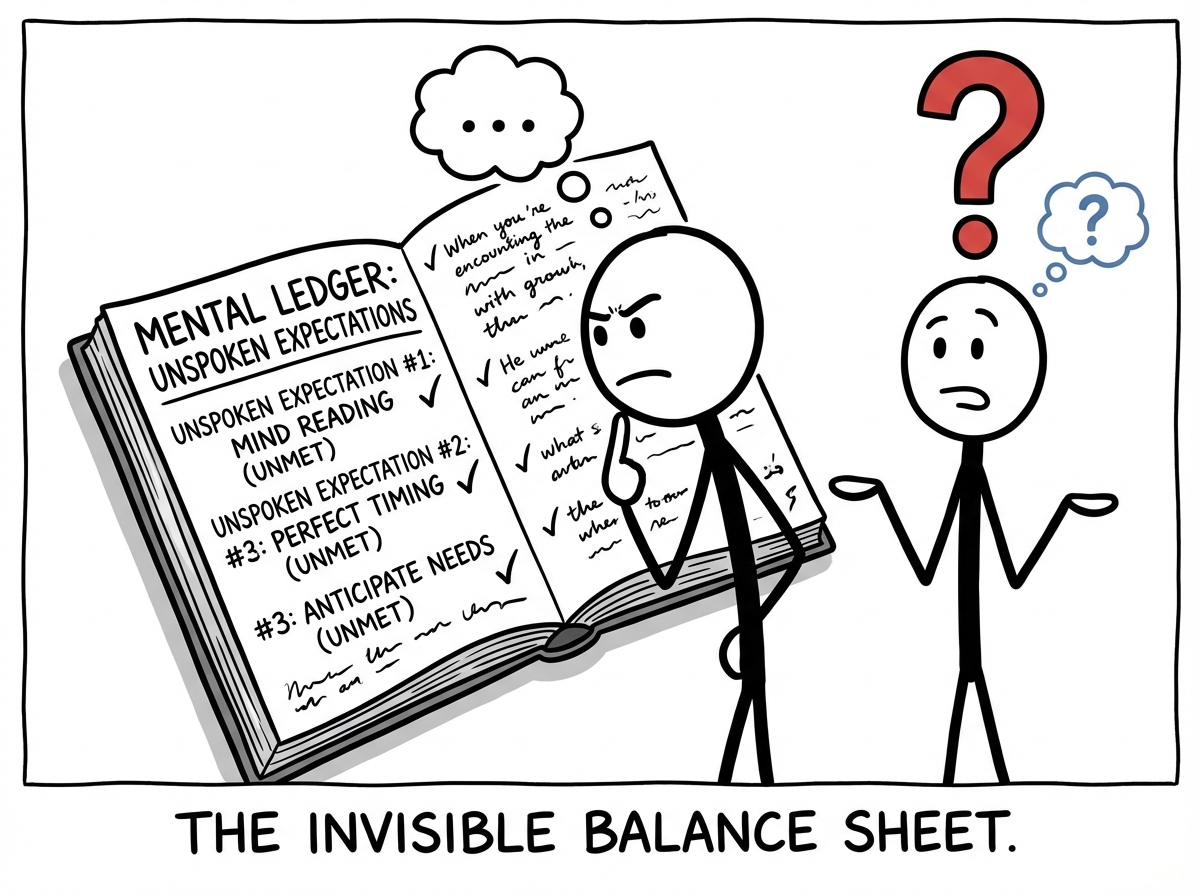
-
Examine the Hidden Expectations
Once you've identified a covert contract, dig into what you were actually hoping to receive. Often it's not really about the dishes or the favor — it's about feeling valued, loved, or respected. The surface-level expectation is just the vehicle for a deeper need.
- Ask yourself: If they had done what I wanted, what feeling would that have given me?
- Consider whether the expectation is reasonable, or whether you're asking someone to read your mind
- Notice if the same hidden expectation keeps showing up across different relationships — that pattern is telling you something important
- Be honest about whether you were genuinely giving, or whether it was a transaction disguised as generosity
-
Make the Contract Explicit
This is the hardest step and the most important one. Take one of your covert contracts and turn it into an actual spoken request. This feels vulnerable because it is — you're admitting you have needs instead of engineering situations where those needs get met without you having to ask.
- Replace "They should just know" with "I need to tell them"
- Practice saying: "When I do X, I'm hoping you'll do Y — can we talk about that?"
- Accept that making a request means the other person might say no, and that's their right
- Remember: an honest "no" is more respectful than a covert contract that was never agreed to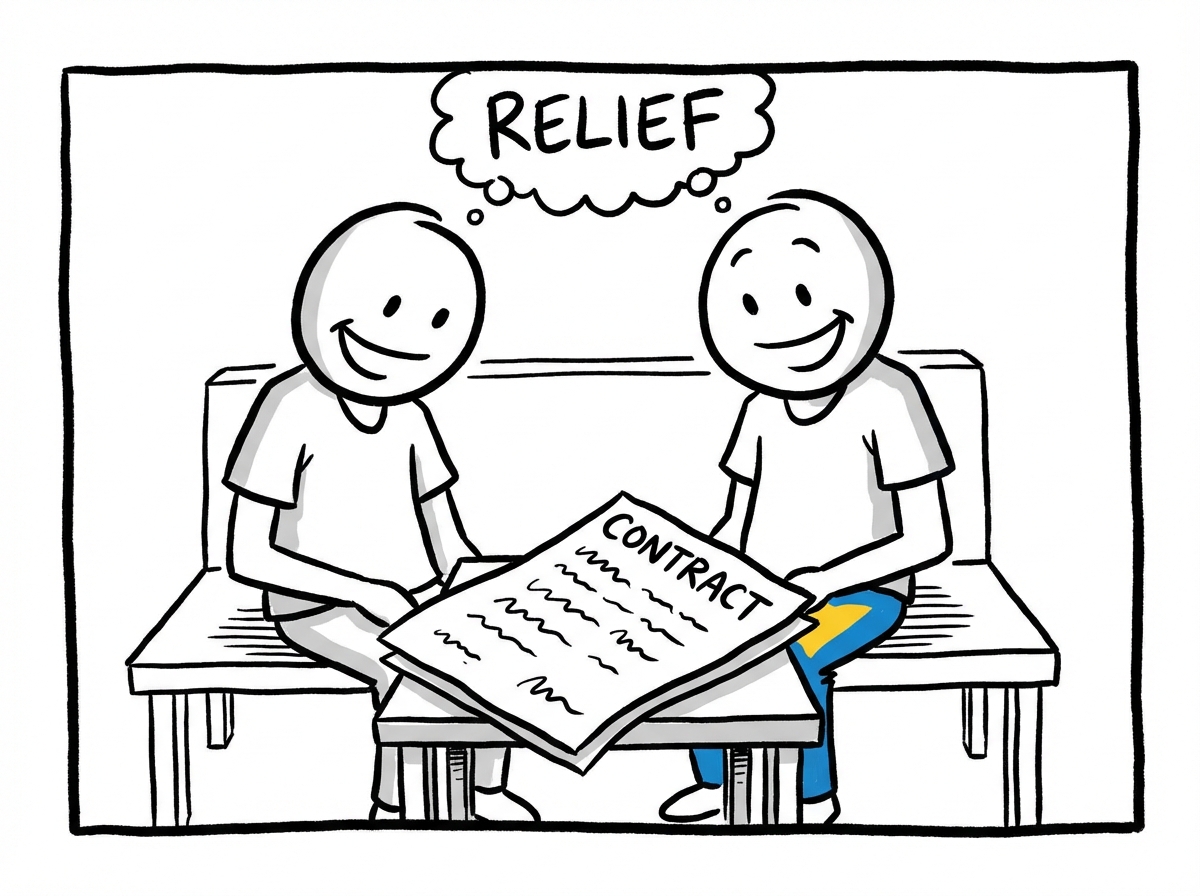
-
Practice Asking Directly for What You Need
Direct asking is a skill, and like any skill it feels awkward at first. You've probably spent years hinting, performing, and then resenting. Switching to clear requests will feel uncomfortably blunt, but most people actually appreciate knowing what you want rather than having to guess.
- Start small: ask for something low-stakes and specific, like "Can you take out the trash tonight?"
- Use "I" statements: "I'd really appreciate it if..." rather than "You never..."
- Let go of the belief that having to ask means it doesn't count — that belief is the engine of covert contracts
- Notice how it feels to ask directly, even if it's uncomfortable — that discomfort is the old pattern losing its grip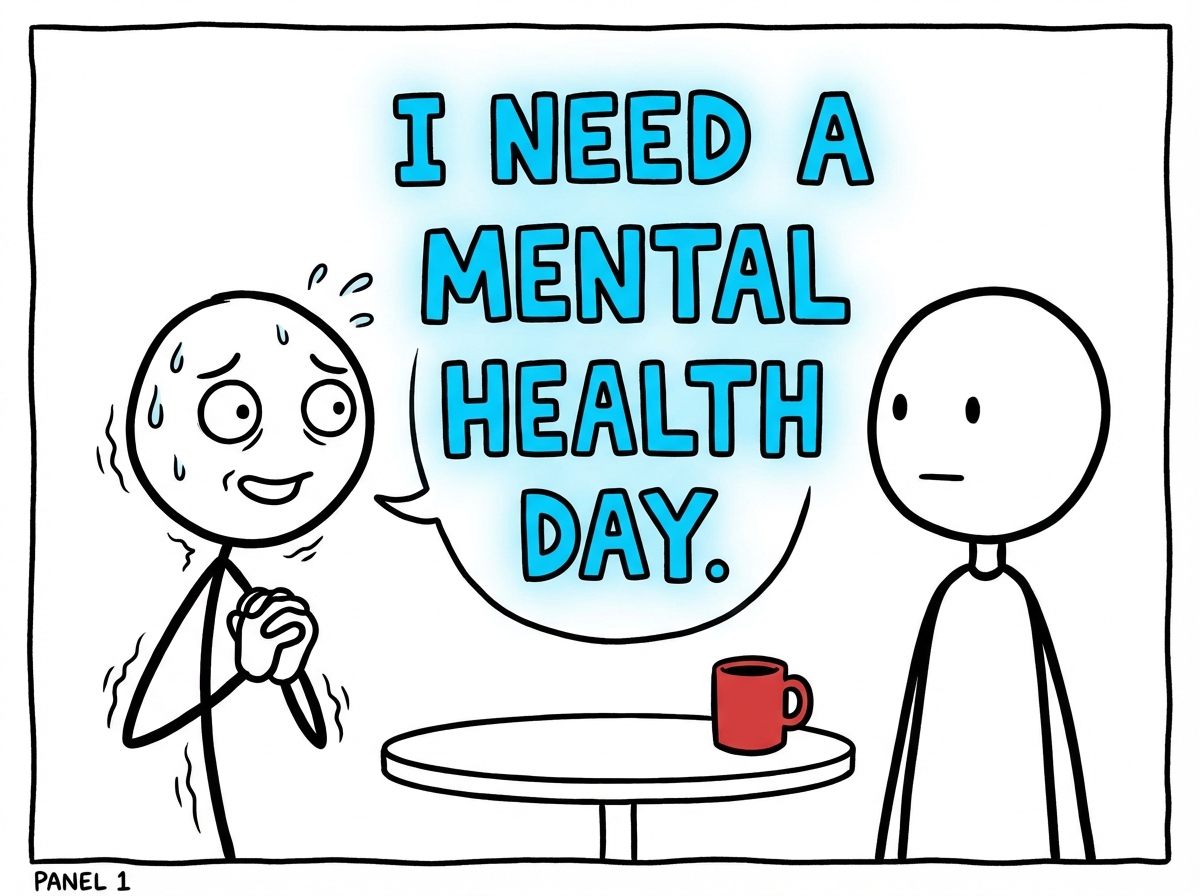
-
Let Go of the Scorekeeping
Covert contracts thrive on an internal ledger — a running tally of what you've given and what you're owed. This scorekeeping poisons generosity because every kind act comes with invisible strings attached. Real giving doesn't keep score.
- Before doing something for someone, check your motivation: Am I doing this freely, or am I loading the transaction?
- If you catch yourself keeping score, pause and ask what you actually need right now
- Practice doing one kind thing this week with zero expectation of return — notice how different it feels
- When you feel the ledger creeping back, that's a signal to make a direct request instead of adding another silent entry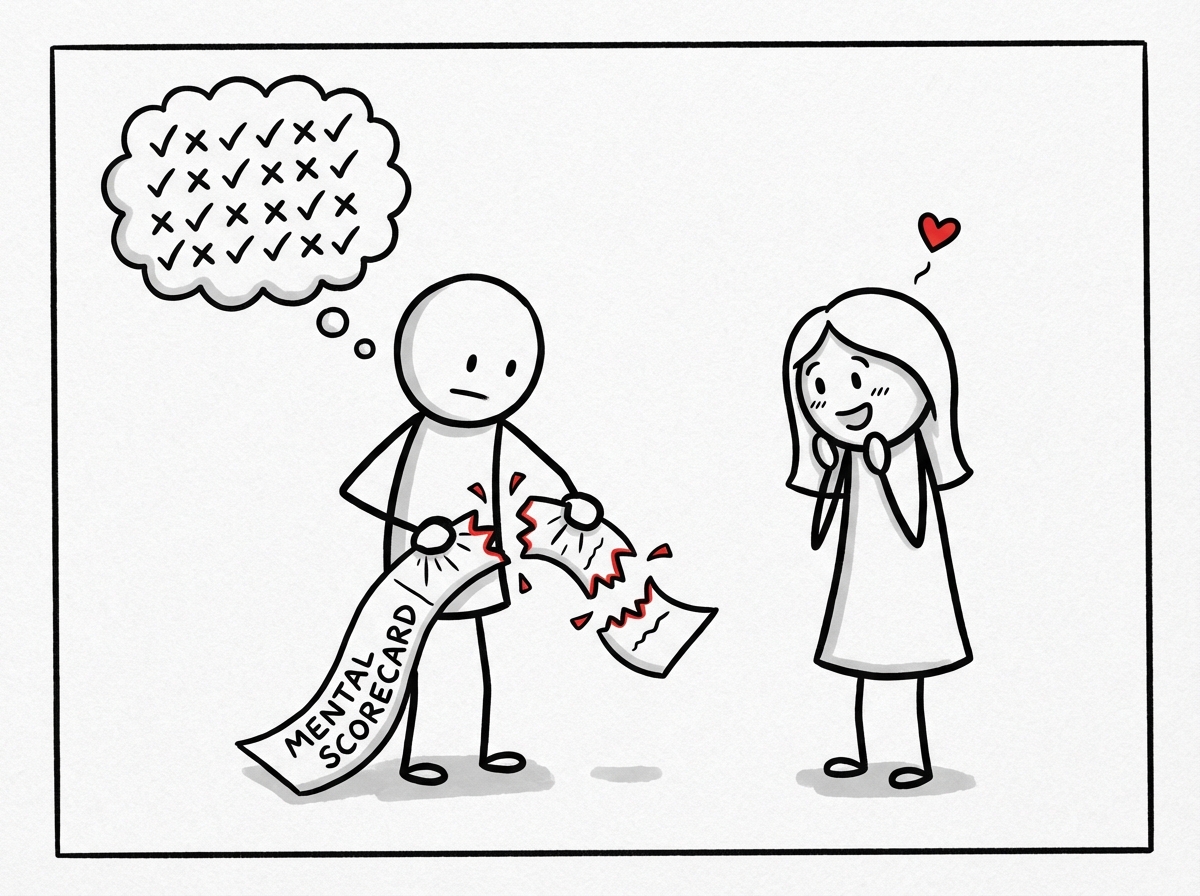
-
Build Genuine Generosity
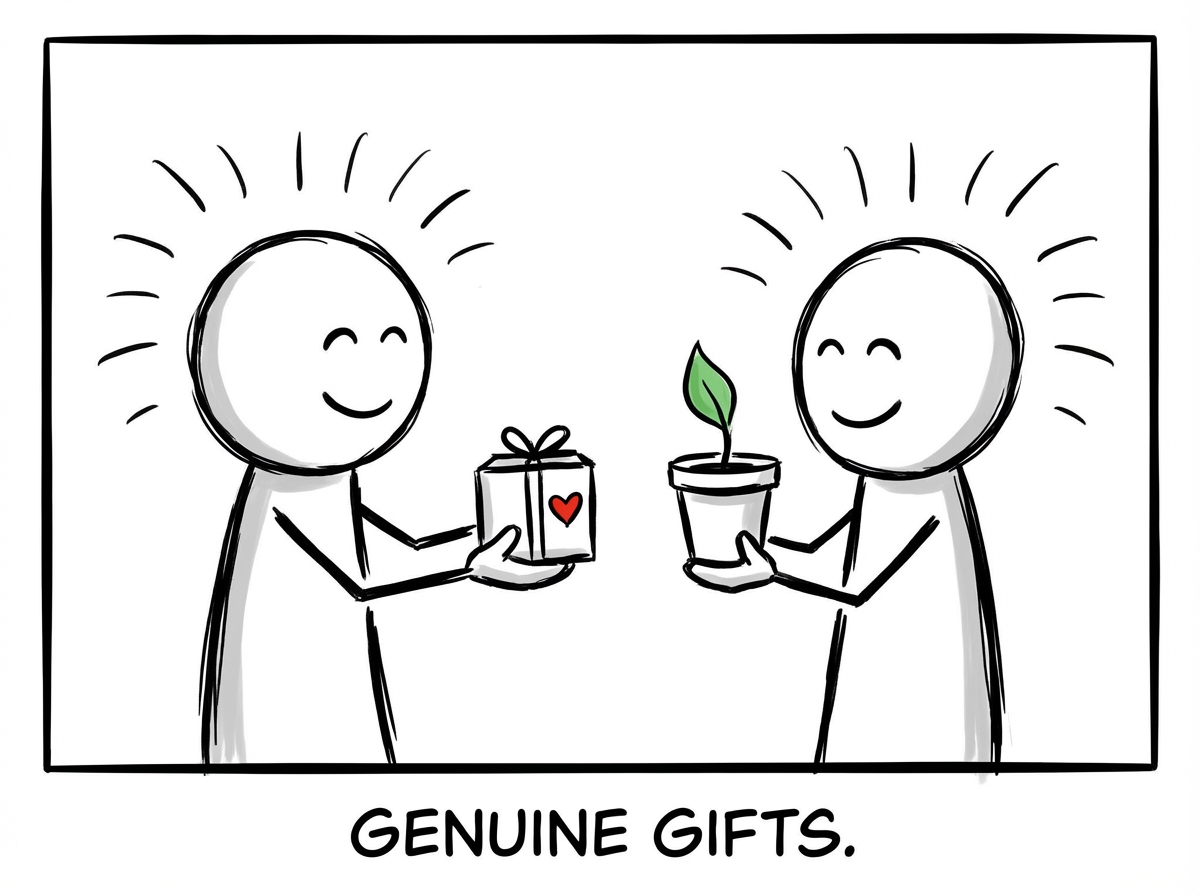
Once you've cleared out the covert contracts, there's room for something better: generosity that's actually generous. This means giving because you want to, not because you're setting up a future payoff. It also means receiving without guilt and letting others give to you on their own terms.
- Give only what you can give freely — if you'll resent it later, it's not a gift
- Let other people show up for you in their own way, even if it's not the way you scripted
- Celebrate moments of honest exchange, where both people's needs are on the table
- Remember that the goal isn't to stop having needs — it's to stop hiding them behind performances of selflessness