How to Heal from Emotional Invalidation
Learn to honor your own feelings and build relationships where your emotions are respected.
Before You Begin
Emotional invalidation is what happens when the people around you — often the ones closest to you — consistently dismiss, minimize, or punish your feelings. Maybe you grew up hearing "you're too sensitive," "stop crying," or "it's not a big deal." Maybe a partner rolls their eyes when you try to express hurt. Over time, you learn the lesson: your feelings are wrong, excessive, or inconvenient. The truth is that your feelings were never the problem. The problem was an environment that couldn't hold them. This guide will help you unlearn that old lesson and start treating your emotional life with the respect it deserves.
-
Recognize Invalidation Patterns
You can't heal what you can't see. The first step is learning to identify the specific ways your feelings have been dismissed, so you can stop absorbing those messages unconsciously.
- Minimizing: "It's not that bad" or "other people have it worse" — this teaches you that your pain doesn't count unless it's extreme.
- Dismissing: "You're overreacting" or "you're too sensitive" — this makes your emotional response the problem instead of the situation that caused it.
- Intellectualizing: "Let's be rational about this" when you need empathy — this treats emotions as failures of logic.
- Punishing: Silent treatment, anger, or withdrawal when you express a feeling — this teaches you that honesty is dangerous.
- Correcting: "You shouldn't feel that way" — as if feelings are math problems with right and wrong answers.
Start noticing which patterns show up most in your life, both past and present.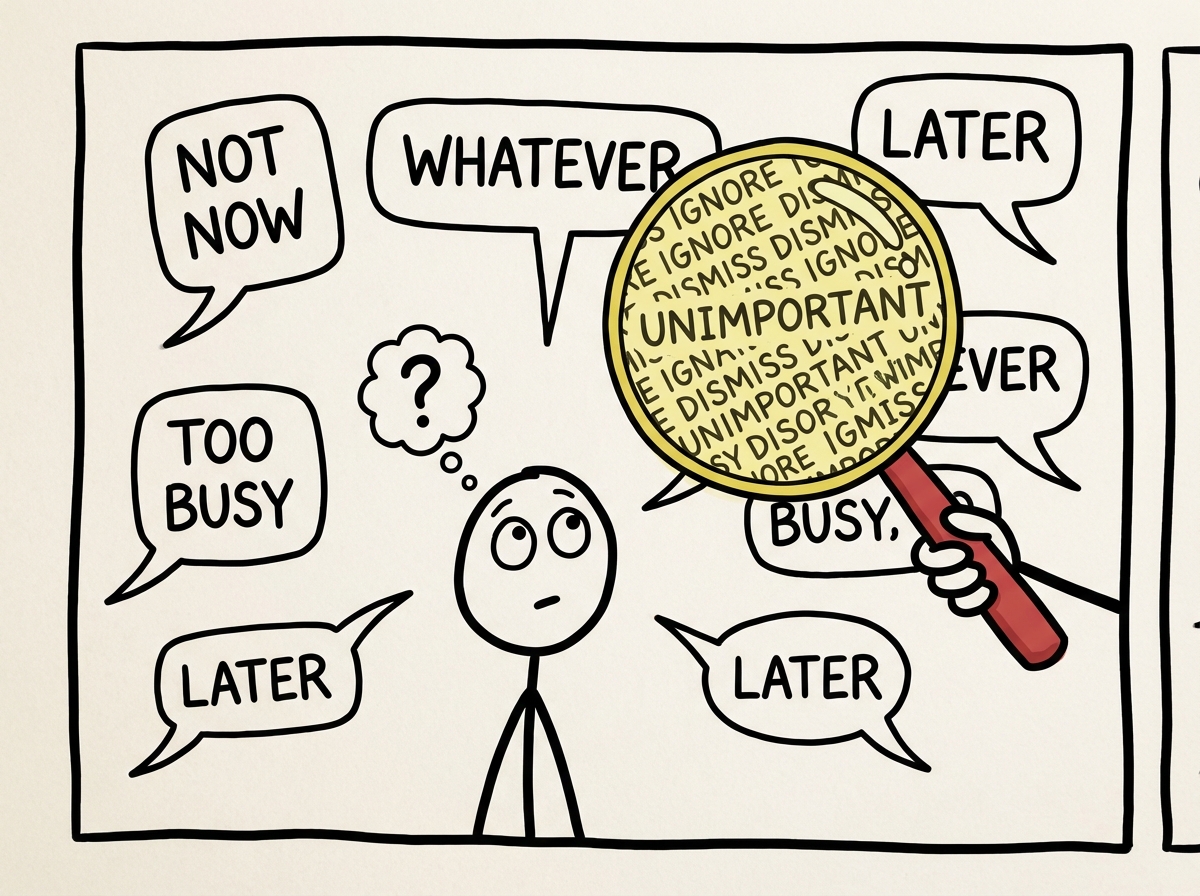
-
Validate Your Own Feelings First
If you've been invalidated for years, you probably have a strong inner critic that does the invalidating for others before they even get the chance. Your first and most important task is to become the person who believes your feelings. When an emotion arises, practice pausing before judging it. Instead of asking "should I feel this way?" try asking "what is this feeling telling me?" All emotions carry information — anger says a boundary was crossed, sadness says something was lost, anxiety says something feels unsafe. None of these are wrong. They are signals. You don't need to act on every feeling, but you do need to let each one exist without immediately arguing against it. This is the foundation everything else builds on.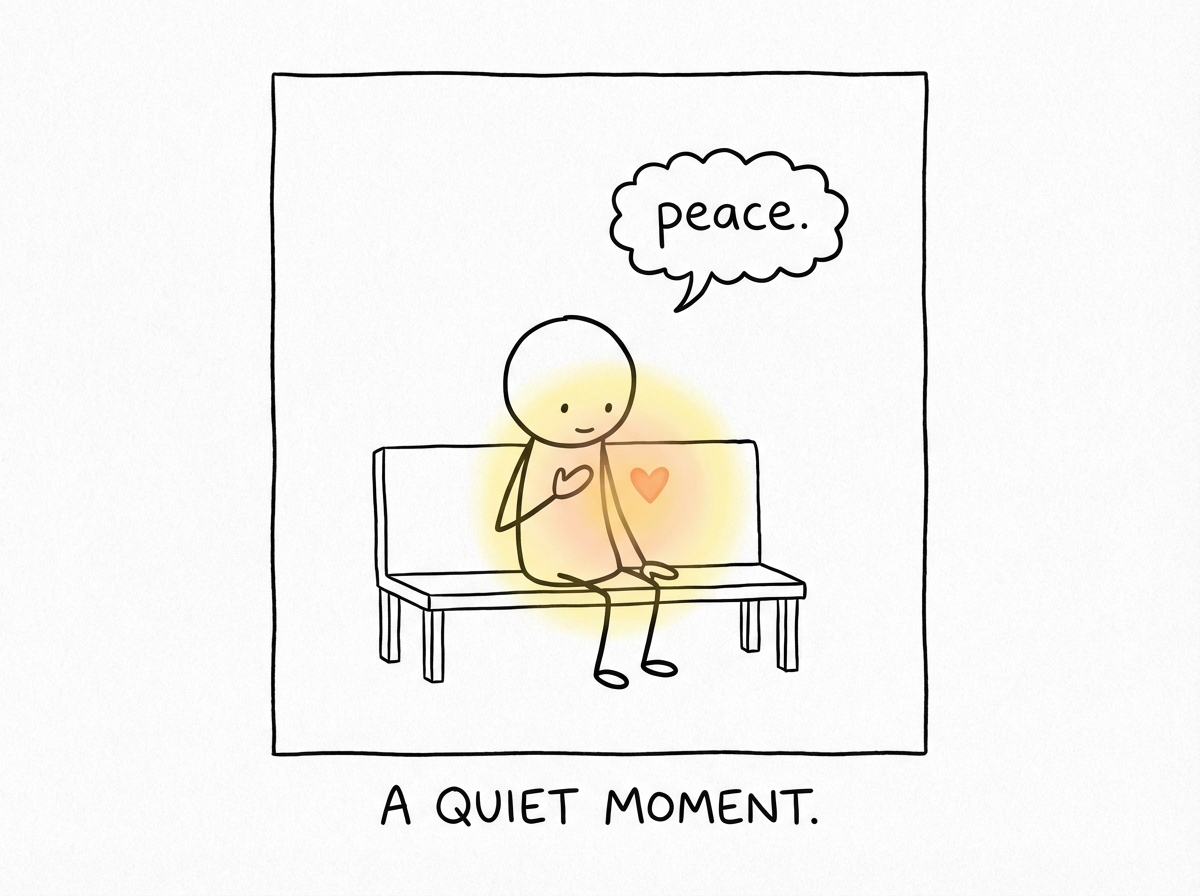
-
Learn the Language of Self-Validation
Self-validation is a skill, and like any skill, it gets easier with practice. It helps to have specific phrases ready for the moments when your inner critic fires up.
- "It makes sense that I feel this way, given what happened."
- "I'm allowed to be upset about this, even if someone else wouldn't be."
- "My feelings don't need to be justified to be real."
- "I can feel hurt and still handle this situation — those aren't contradictions."
- "The fact that I'm feeling this strongly means this matters to me, and that's okay."
Say these out loud when you can. There's something powerful about hearing your own voice take your side. You're not being self-indulgent — you're giving yourself what should have been given to you all along.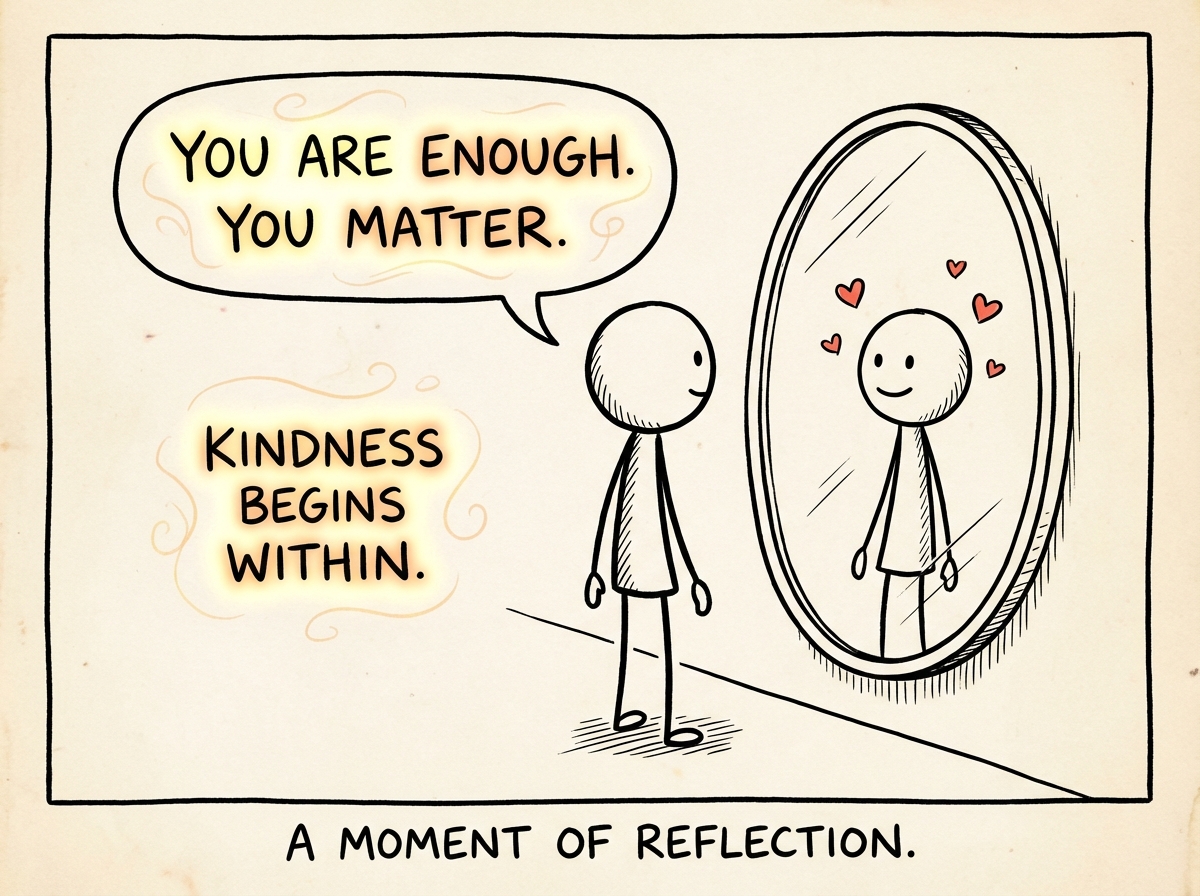
-
Set Boundaries Around Invalidation
Once you can recognize invalidation and validate yourself, the next step is stopping the cycle in your current relationships. This doesn't require a dramatic confrontation — it requires clarity and consistency. When someone dismisses your feelings, try a calm redirect: "I'm not asking you to fix this. I'm asking you to hear me." If someone says you're overreacting, you can respond: "That might be your perspective, but this is how I feel, and I need that to be okay." If someone repeatedly cannot respect your emotions after you've clearly communicated your need, that's important information about the relationship. You get to decide how much access to your inner life you give to people who handle it carelessly.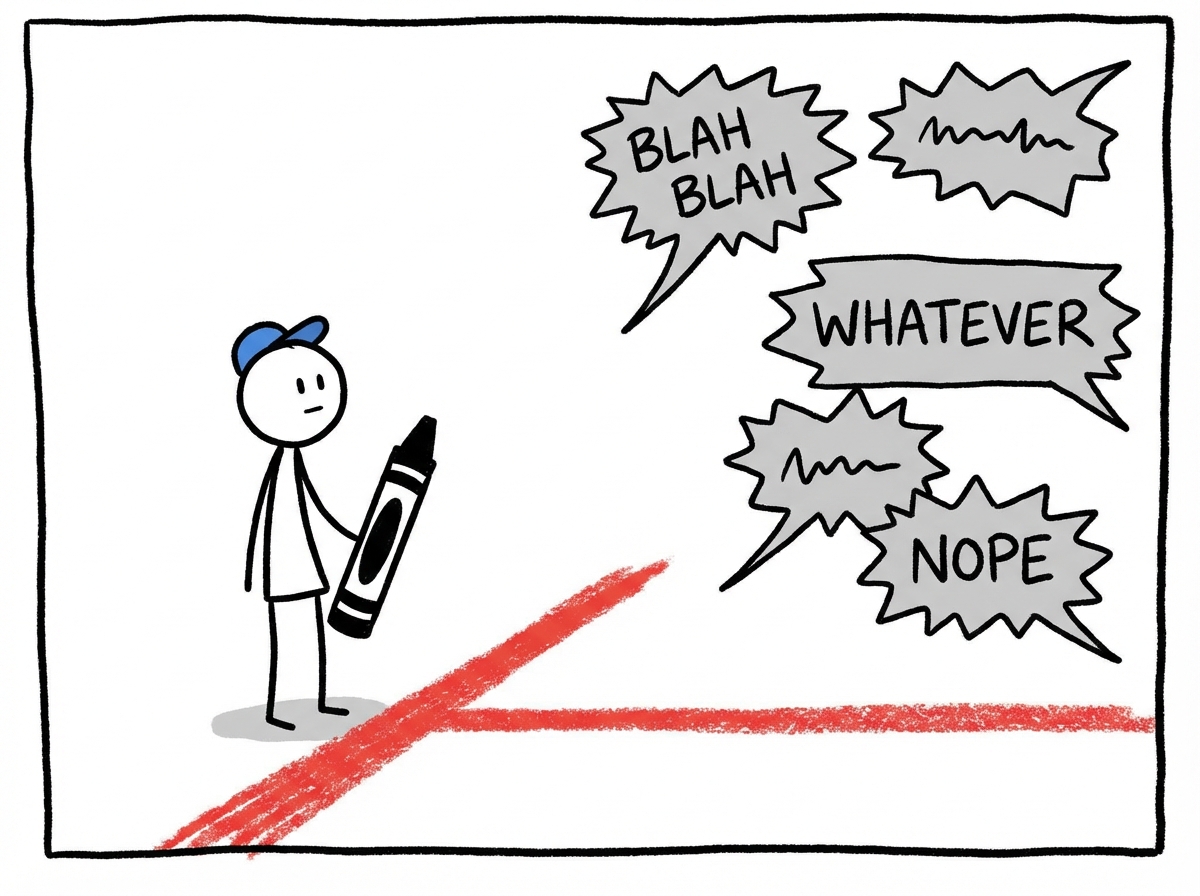
-
Find Validating Relationships
Healing doesn't happen in a vacuum. You need at least some relationships where your feelings are met with warmth and understanding — where you can say "I'm hurting" and hear "that makes sense" instead of "get over it."
- Look for people who ask follow-up questions when you share something difficult, rather than rushing to fix or dismiss.
- Notice who remembers what you've told them and checks back in later.
- Pay attention to how you feel after spending time with someone — drained and doubting, or seen and settled?
- A good therapist can be a powerful source of consistent validation while you build this skill in other relationships.
- Be willing to slowly open up to people who have earned your trust, even though it feels risky.
You've spent a long time around people who made your feelings feel like a burden. Validating relationships will feel unfamiliar at first. That's not a sign they're wrong — it's a sign they're new.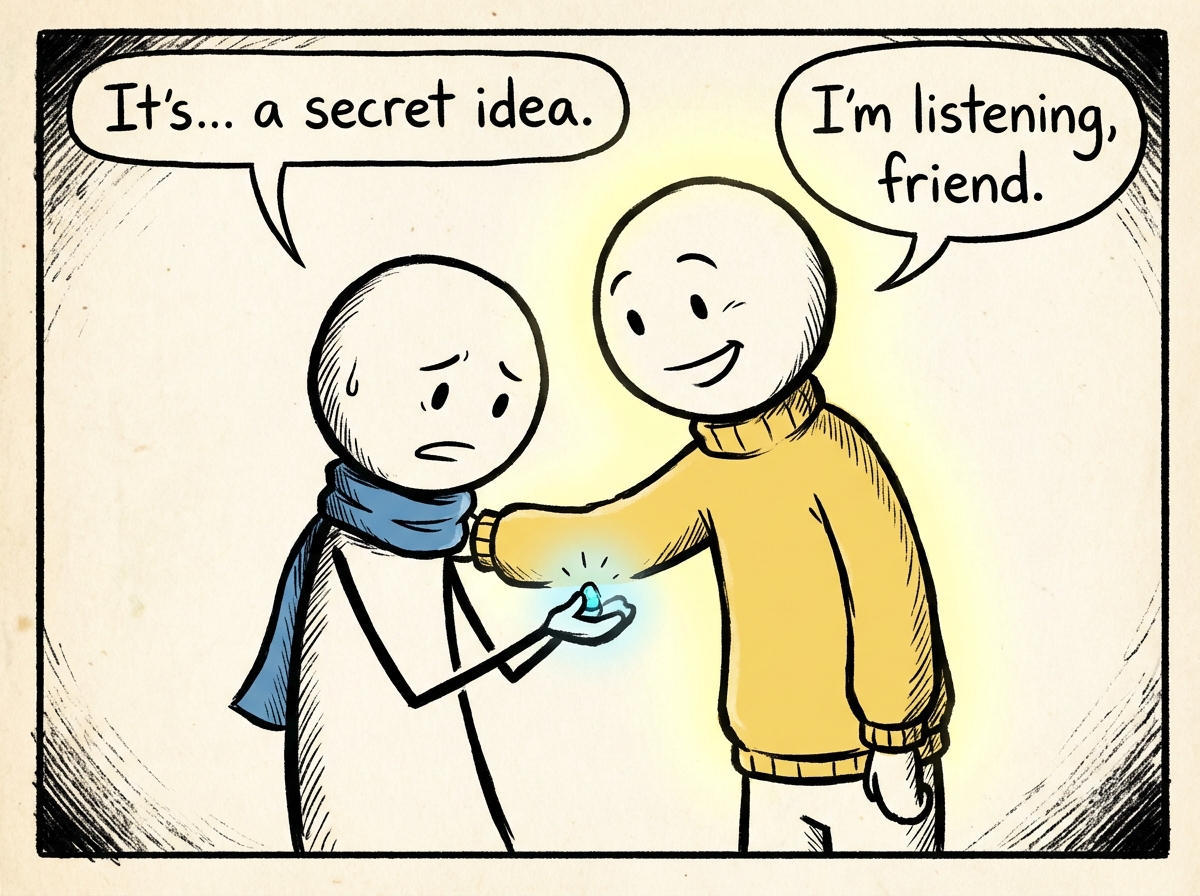
-
Reparent Your Emotional Self
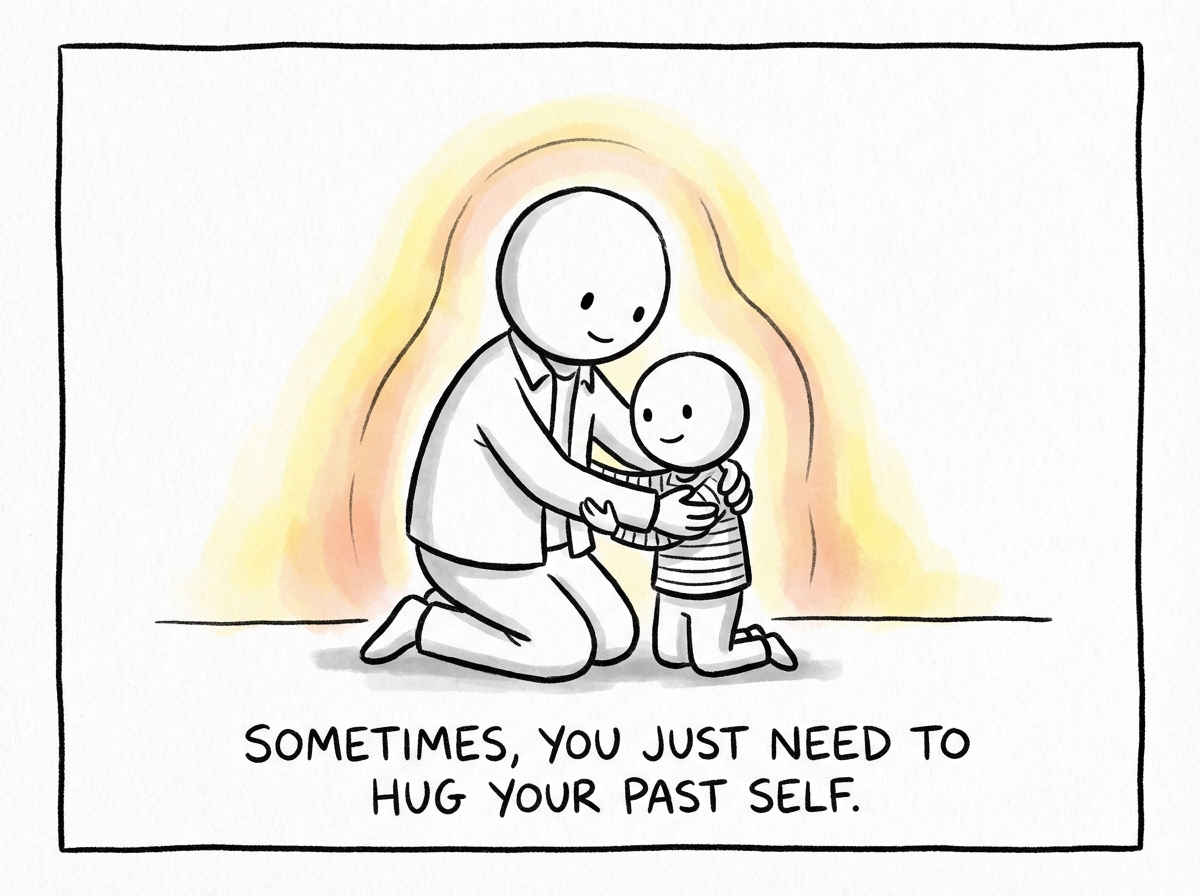
Many people who struggle with emotional invalidation learned to suppress their feelings in childhood. The adults who should have helped them navigate emotions instead taught them to hide. Reparenting means becoming the caring adult your younger self needed. When you notice a strong emotion, imagine you're responding to a child who feels that way — you wouldn't tell a scared child "stop being ridiculous." You'd kneel down and say "I can see you're scared. That's okay. I'm here." Offer yourself that same gentleness. This isn't about being fragile or avoiding hard truths. It's about building an internal relationship where your emotions are welcomed rather than punished. Over time, this practice rewires the deep belief that your feelings are too much. They were never too much. They were just in a space that was too small.