How to Rebalance Emotional Labor in Your Relationship
Make the invisible work visible, redistribute it fairly, and build a partnership where both people carry the mental and emotional load.
Before You Begin
Emotional labor is the invisible work of running a relationship and a household — remembering the appointments, noticing when someone's upset, planning the meals, managing the social calendar, keeping track of what's running low. When one person carries most of this load, it doesn't just create practical imbalance; it creates emotional exhaustion and a slow-burning resentment that can erode even strong relationships. This guide will help you see the work that's been invisible, talk about it without blame, and build systems that share the load more fairly.
-
Make the Invisible Visible
The first challenge with emotional labor is that most of it is invisible — even to the person doing it. Before you can rebalance anything, both partners need to see the full scope of what's being carried. This isn't about proving a point; it's about creating shared awareness.
- Spend one week writing down every invisible task you handle: the planning, remembering, noticing, anticipating, and managing
- Include mental tasks, not just physical ones — knowing when the dog needs their vet appointment counts as much as actually going
- Ask your partner to do the same exercise — their list will be revealing, and so will the gaps
- Present your lists to each other without commentary at first — just let the information sit between you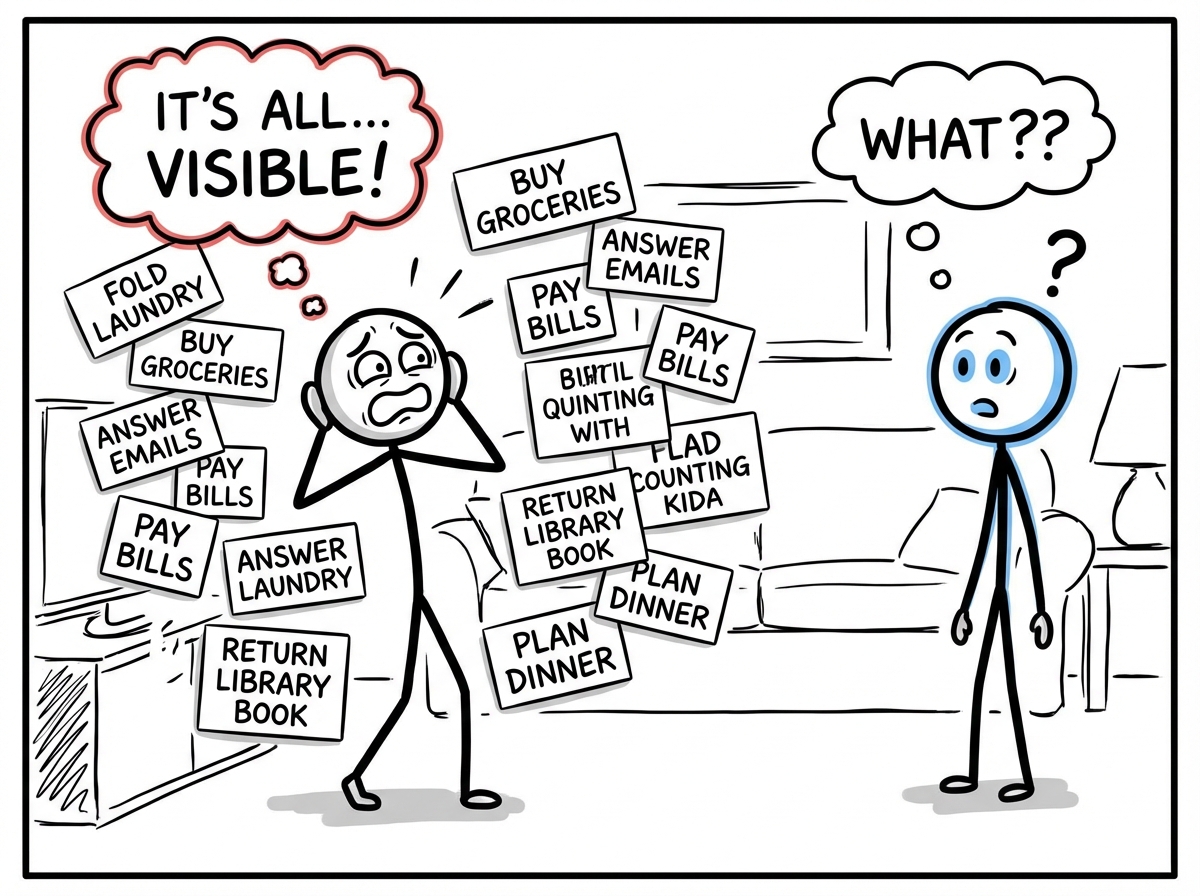
-
Audit Who Does What
Once the invisible work is visible, do an honest audit. This is not a weapon — it's a diagnostic tool. Most couples find that the distribution is far more uneven than either person realized, and the imbalance often runs along gendered or personality lines that were never consciously chosen.
- Sort all tasks into categories: household logistics, emotional caretaking, social planning, child-related, financial management, relationship maintenance
- Mark who currently owns each task — not who occasionally helps, but who holds it in their head
- Look for the "manager vs. helper" dynamic: one person delegates while the other tracks everything and tells them what to do
- Notice which tasks carry the heaviest cognitive load — these are often the most exhausting and the least visible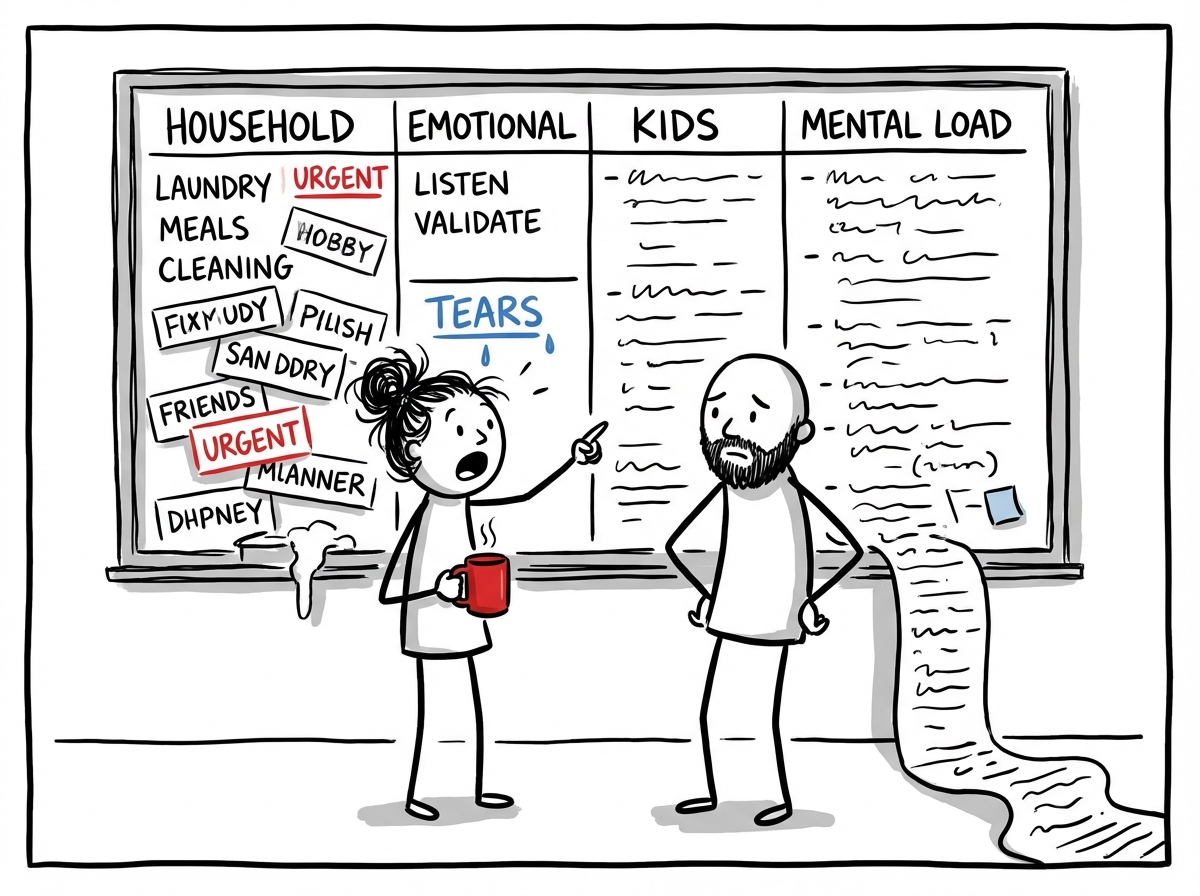
-
Have the Conversation Without Blame
This conversation can easily derail into accusation and defensiveness. The goal is not to assign fault for how things got this way — it's to decide together how you want things to be going forward. Frame it as a team problem, not a character indictment.
- Start with: "I want us to build something that works better for both of us" rather than "You never do anything"
- Share how the imbalance makes you feel — exhausted, invisible, resentful — without attaching those feelings to your partner's worth as a person
- Listen if your partner feels their contributions have been overlooked — they may carry invisible work you haven't noticed either
- Agree on one principle: this is about partnership, not scorekeeping, and both people's capacity and wellbeing matter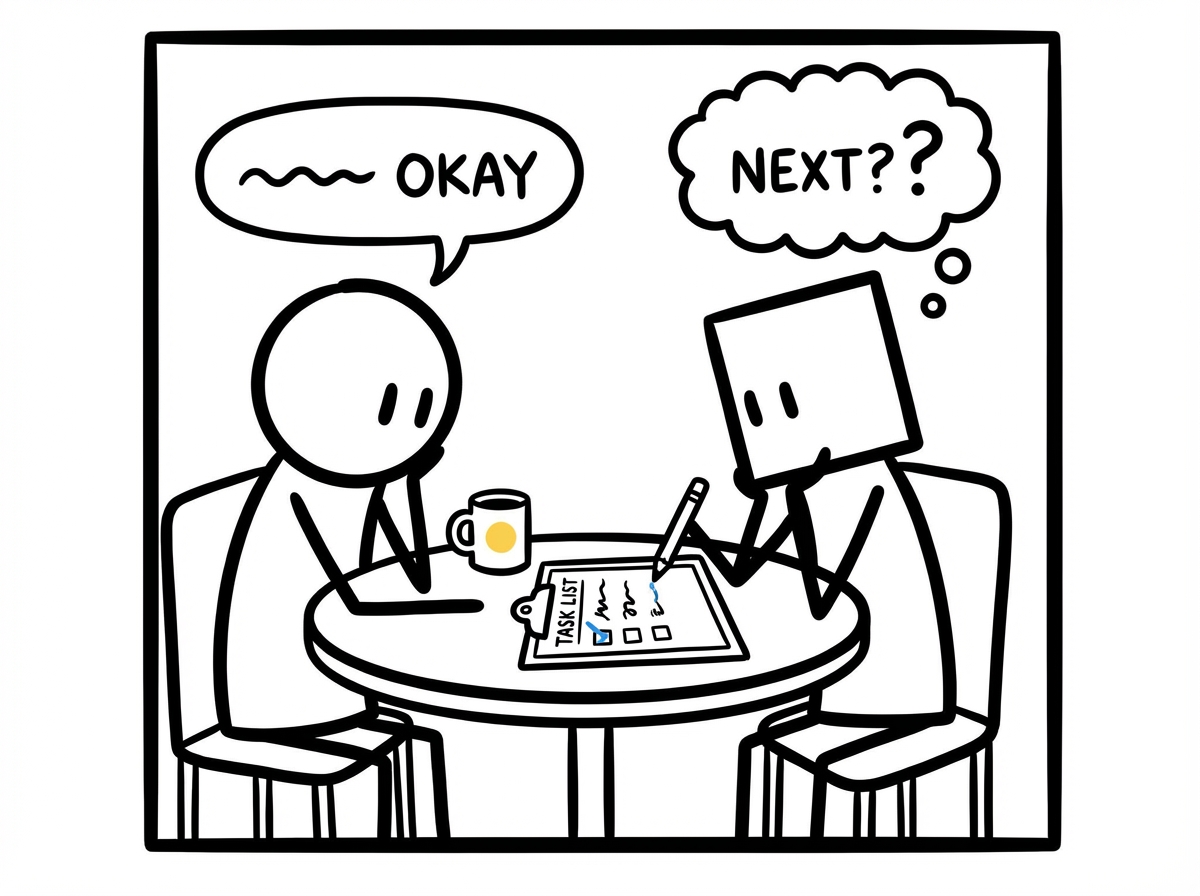
-
Create Shared Systems
Good intentions aren't enough — you need systems that make the new distribution stick. The person who's been carrying the load can't just delegate tasks and then manage whether they're being done correctly. True rebalancing means the other person fully owns their responsibilities, including the thinking and planning.
- Divide tasks based on full ownership, not "helping" — if someone owns grocery shopping, they own the meal planning, the list, and the trip
- Use shared tools: a family calendar, a grocery list app, a task board — whatever externalizes the mental load
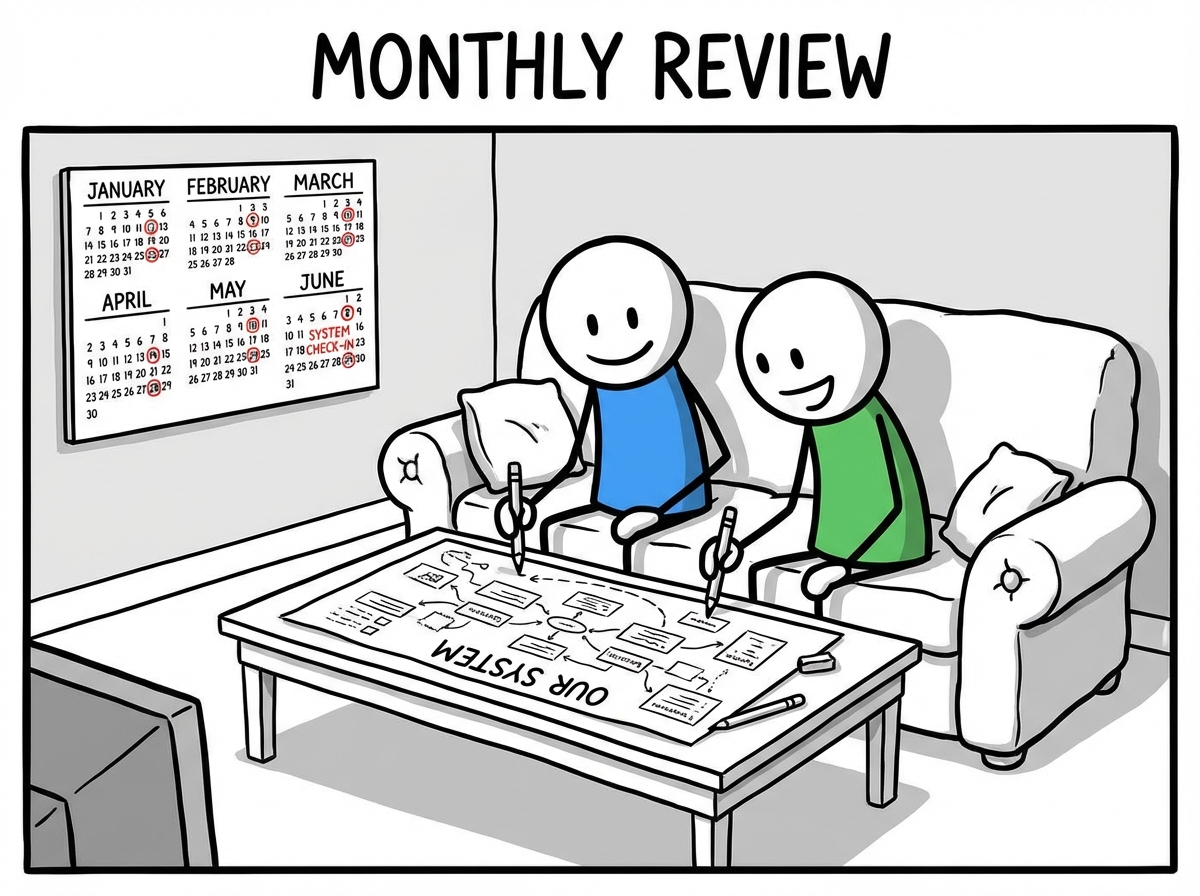
- Set up regular rhythms: Sunday planning sessions, monthly calendar reviews, weekly check-ins
- Accept that the transition period will be messy — the new owner of a task may do it differently, and that has to be okay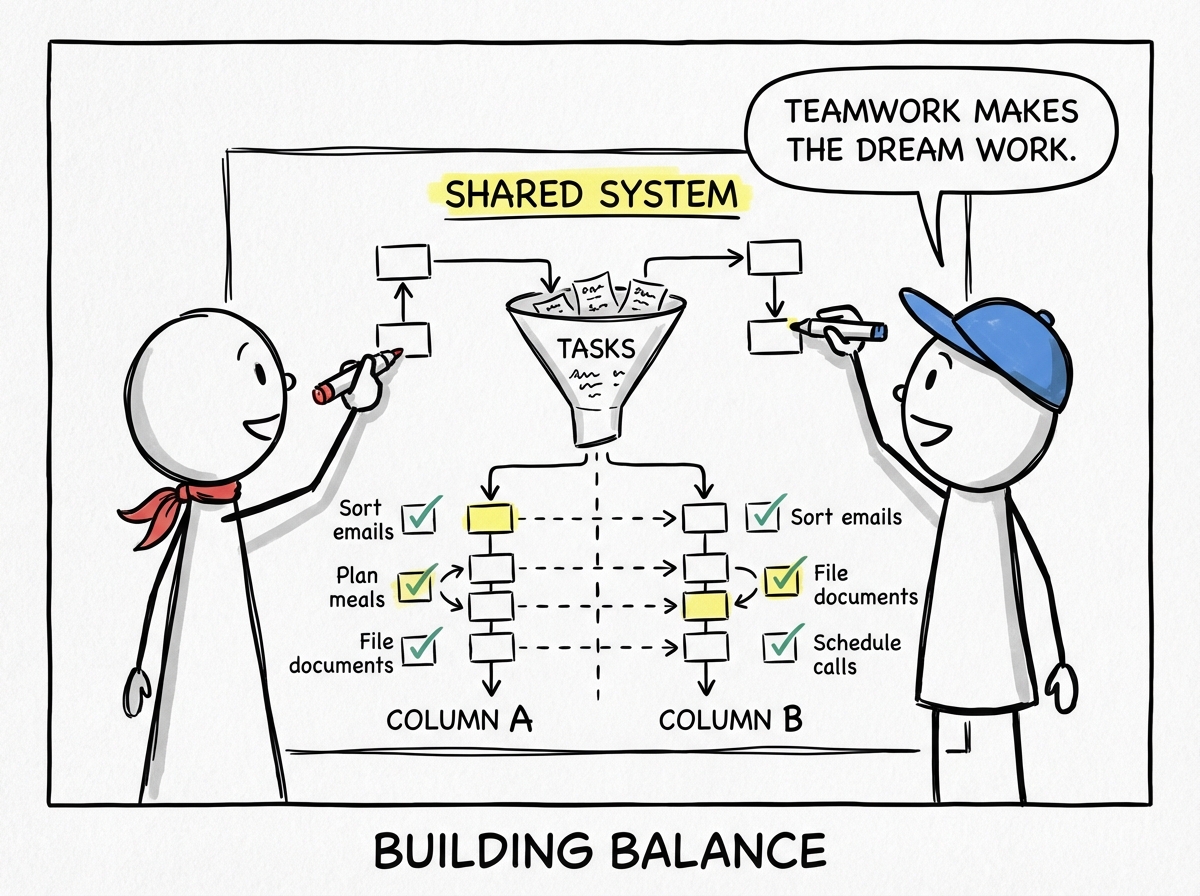
-
Let Go of Doing It Your Way
If you've been carrying most of the emotional labor, this step is specifically for you — and it's harder than it sounds. When your partner takes on a task and does it differently (or less perfectly) than you would, you have to let it go. Micromanaging their execution defeats the entire purpose and puts you right back in the manager role.
- Remind yourself: done imperfectly by them is better than done perfectly by you while you burn out
- Resist the urge to redo, correct, or hover — this communicates that you don't trust them to handle it
- Define the outcome that matters, not the method — if the kids are fed and happy, does it matter that dinner wasn't what you would have made?
- Notice when your perfectionism is actually a control pattern that keeps you in the overworked position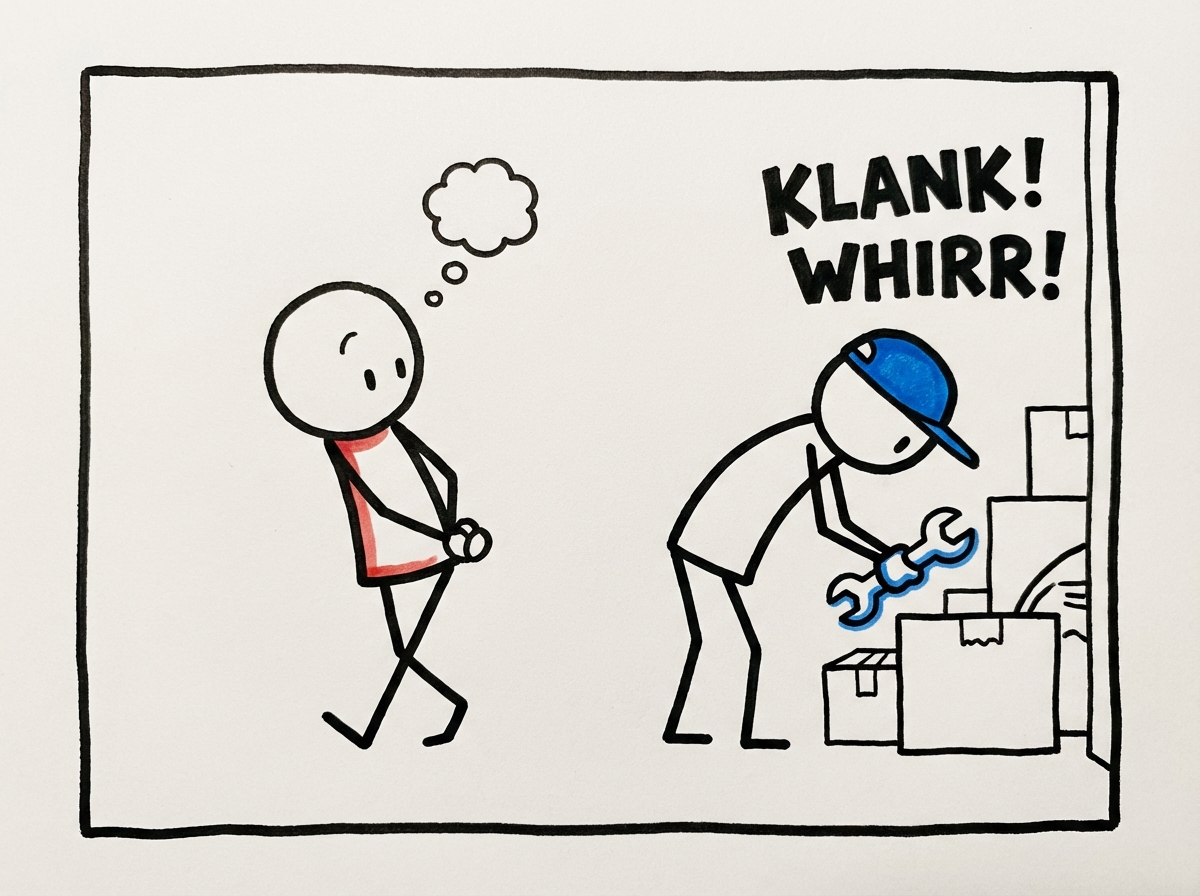
-
Check In and Adjust Regularly
Rebalancing emotional labor is not a one-time conversation — it's an ongoing negotiation that shifts with life changes, stress levels, and evolving needs. Build in regular check-ins so resentment doesn't have room to grow back quietly.
- Schedule a monthly or biweekly partnership check-in — even 15 minutes works
- Ask each other: What's feeling heavy right now? What's working? What needs to shift?
- Be willing to renegotiate when life changes — new jobs, new babies, illness, and stress all shift what's possible
- Celebrate progress together — acknowledging that both people are trying builds goodwill and momentum