
How to Manage Fear of Abandonment
Understand where your fear of abandonment comes from and develop practical skills to stop it from running your relationships.
Before You Begin
Fear of abandonment is one of the most painful emotional experiences a person can carry. It is that deep, visceral dread that the people you love will leave -- and that when they do, it will confirm what you have always suspected about yourself: that you are not enough. This fear often has roots in early experiences -- a parent who left, a caregiver who was emotionally unavailable, or an environment where love felt unreliable. The problem is not the fear itself. The problem is what the fear makes you do: cling too tightly, push people away before they can leave, test relationships to the breaking point, or tolerate treatment you should never accept. This guide will help you understand your fear, separate it from present reality, and build the internal security that no external person can give you.
-
Name the Fear Directly
Abandonment fear operates most powerfully when it stays unnamed. It disguises itself as anger, jealousy, neediness, or controlling behavior. When you can name it plainly -- 'I am afraid this person will leave me' -- you take away some of its power.
- Practice saying it to yourself without judgment: 'I am afraid of being left. I am afraid of being alone. I am afraid that if people really know me, they will go.'
- Notice when the fear is driving your behavior. If you are checking someone's social media obsessively, picking fights to test loyalty, or agreeing to things you do not want in order to keep someone close -- that is the fear at the wheel.
- Write down the specific abandonment scenario you fear most. Getting it out of your head and onto paper makes it concrete and therefore more manageable.
- Naming the fear is not giving in to it. It is the first step in taking it apart.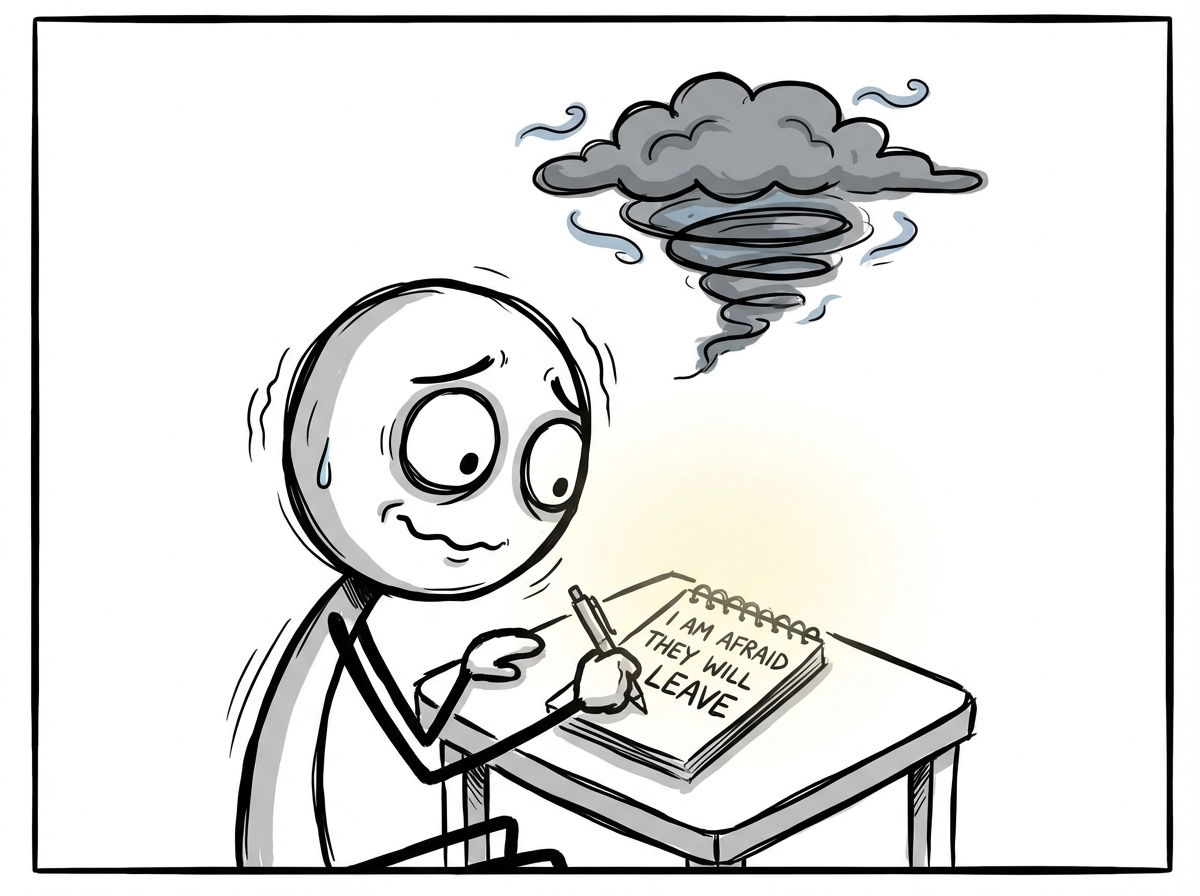
-
Trace It Back to Its Origin
Your fear of abandonment did not appear from nowhere. It was installed by experience -- usually early experience. Understanding where it started does not erase it, but it helps you see that the fear belongs to a specific time and context, not to every relationship you will ever have.
- Ask yourself: When was the first time I felt this way? Who left, disappeared, was emotionally unavailable, or made their love feel conditional?
- Common origins include: a parent who physically left, a caregiver who was present but emotionally absent, a childhood experience of being the one who had to earn love, or an early relationship where someone disappeared without explanation.
- Notice if there is grief underneath the fear. Often, abandonment fear is unprocessed grief from a loss that was never acknowledged or mourned.
- You do not need to resolve your entire childhood in this step. You just need to connect the dots between then and now so you can start separating the two.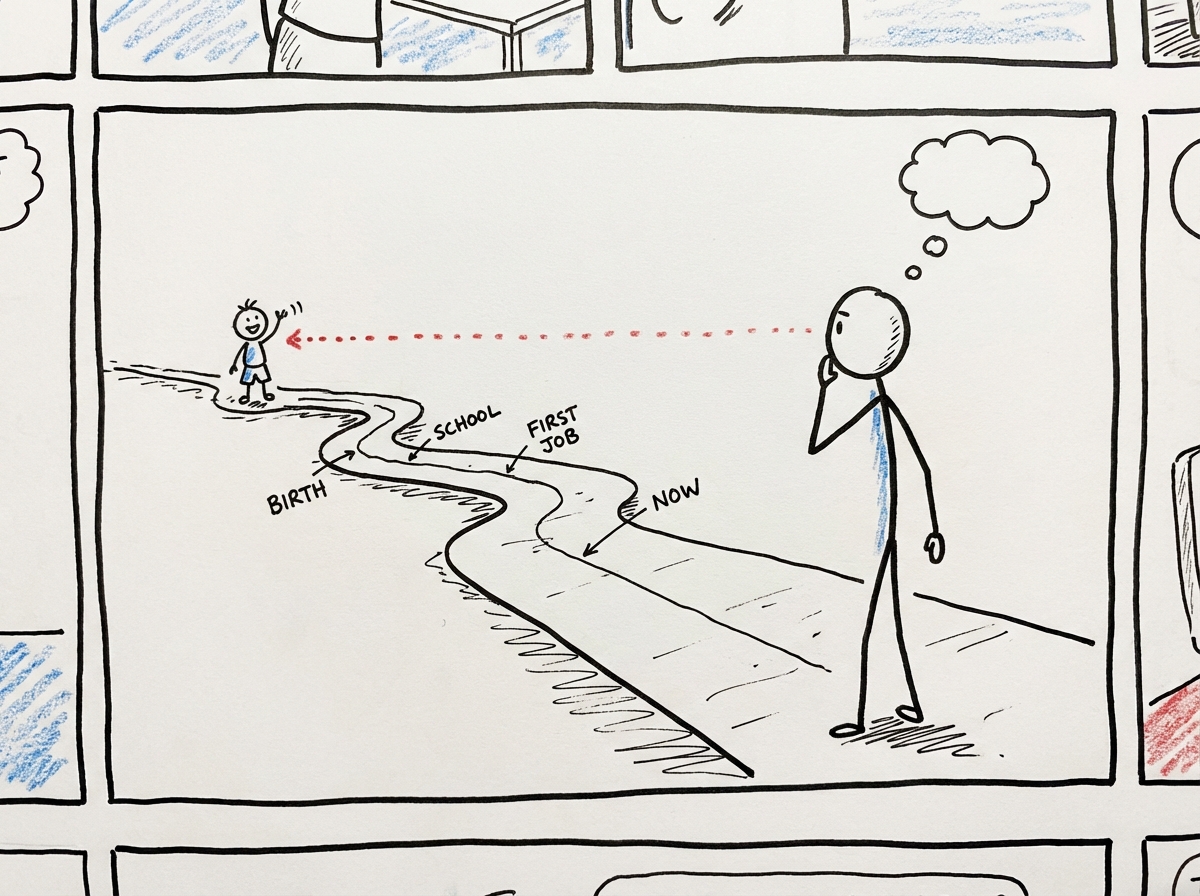
-
Separate Past From Present
The most destructive thing about abandonment fear is that it collapses time. A partner being late to dinner triggers the same panic as a parent walking out when you were five. Your nervous system cannot tell the difference between a real threat and an echo of an old one. Learning to separate the two is essential.
- When the fear spikes, ask yourself: Is this about what is actually happening right now, or is this an old feeling being triggered by a surface-level similarity?
- Practice reality-testing: What is the actual evidence that this person is leaving? Not the feeling -- the evidence. A delayed text is not evidence of abandonment. A busy week is not evidence of abandonment.
- Create a grounding statement you can repeat: 'I am an adult. This is not then. I can handle this moment.'
- Notice the age you feel when the fear hits. If you feel like a helpless child, that is a signal that you have been pulled into the past. Gently bring yourself back to the present.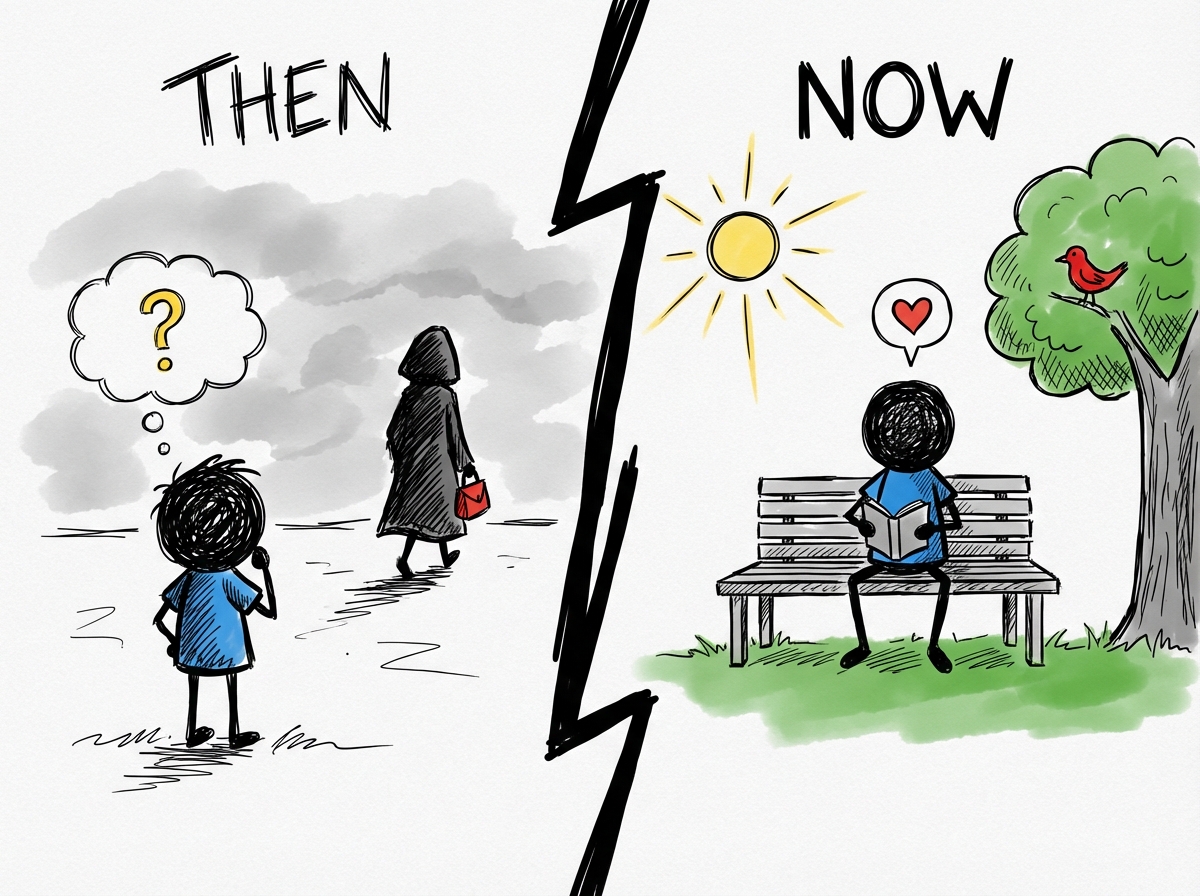
-
Build Self-Soothing Skills
When abandonment fear is running the show, every instinct tells you that the only thing that will make you feel better is reassurance from the other person -- a text back, a promise they are not leaving, proof that they still care. This creates a dependency loop where your emotional regulation lives entirely outside of yourself. You need to bring some of it back inside.
- Develop a self-soothing toolkit: deep breathing, grounding exercises (name five things you can see, four you can hear), physical movement, journaling, or placing a hand on your chest and speaking to yourself the way you would speak to a frightened child.
- When the urge to seek reassurance hits, try soothing yourself first for ten minutes before reaching out. You are not banning yourself from connection -- you are building the capacity to tolerate distress on your own.
- Write a letter from your adult self to the scared part of you. Tell that part what it needs to hear: 'I am here. I am not leaving you. We are safe.'
- The goal is not to never need people. It is to be able to survive the gap between needing someone and them being available.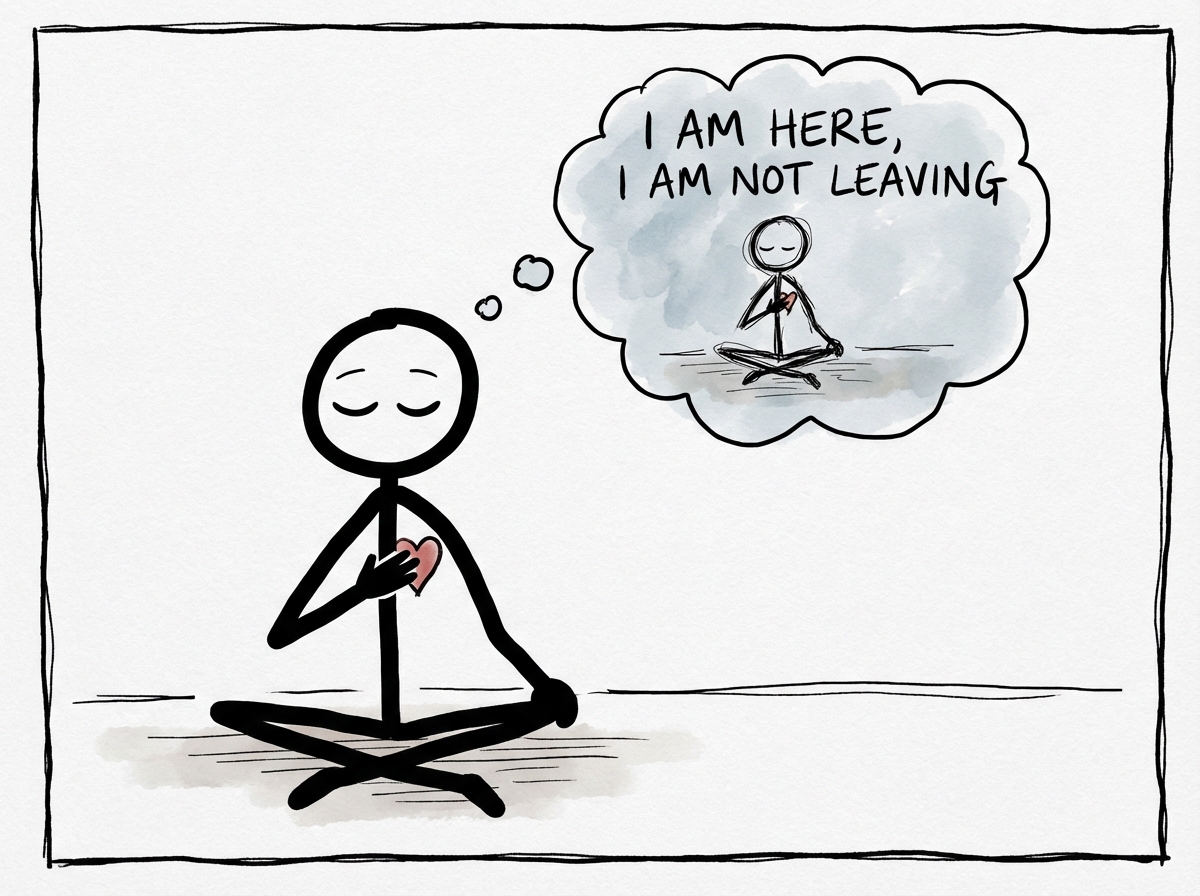
-
Stop Testing Relationships
Abandonment fear often leads to unconscious tests: picking fights to see if someone will stay, withdrawing to see if they will chase, creating drama to provoke a declaration of commitment, or threatening to leave to see if they will beg you to stay. These tests destroy the very security you are trying to create.
- Recognize your testing patterns. Common ones include: threatening to end the relationship during arguments, monitoring how quickly someone responds to messages, withdrawing affection to gauge the reaction, or setting up impossible scenarios where the other person cannot win.
- Understand that no amount of passed tests will cure the fear. There will always be one more test, and eventually the other person will be too exhausted to keep proving themselves.
- When you feel the urge to test, name it: 'I want to create a situation that forces them to prove they care. That is my fear talking, not my wisdom.'
- Replace the test with a direct statement: 'I am feeling insecure right now and I could use some reassurance.' Vulnerability without manipulation is infinitely more effective than any test.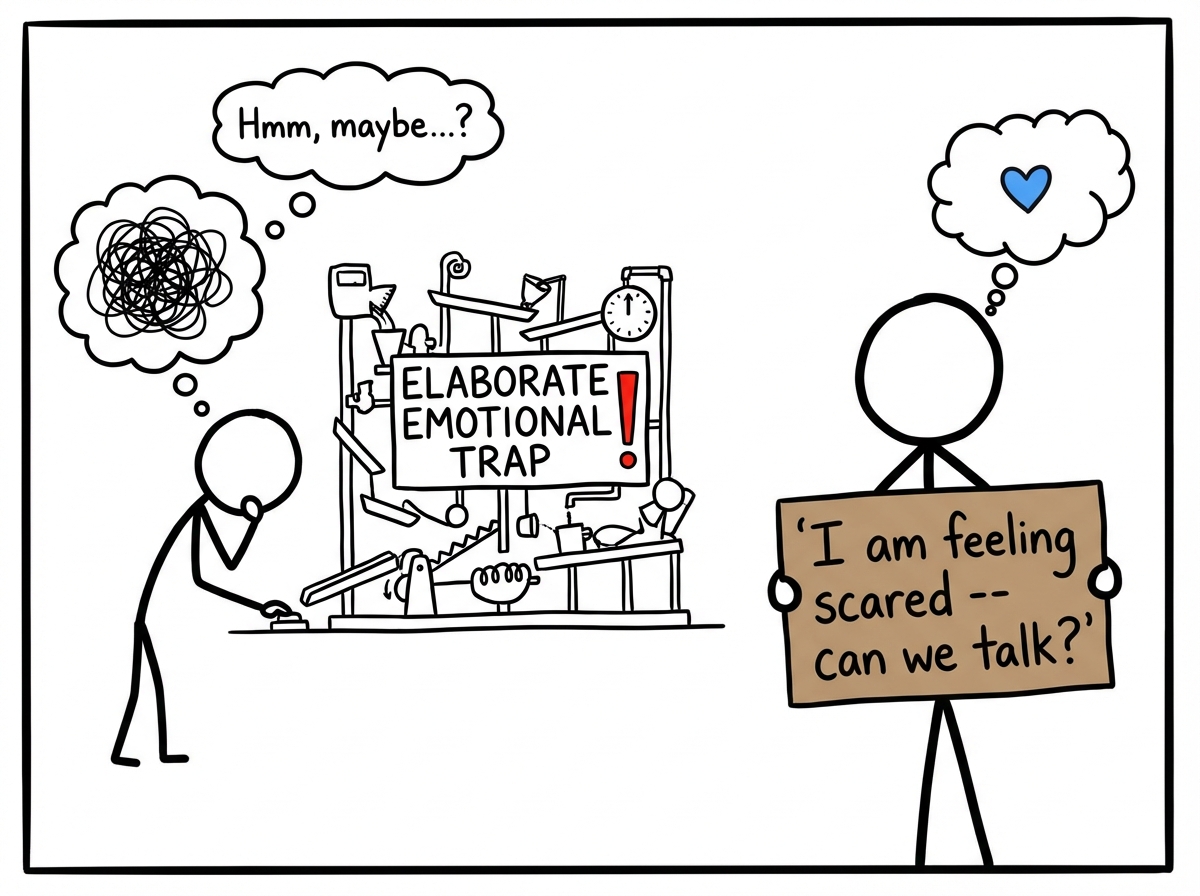
-
Develop a Secure Internal Base
Ultimately, the antidote to abandonment fear is not finding someone who will never leave. People will come and go throughout your life -- that is the nature of being human. The antidote is building an internal sense of security that does not depend entirely on another person's presence.
- Invest in your relationship with yourself. What do you value? What are you capable of? What have you survived? These are the foundations of an internal secure base.
- Build a life that would still be meaningful if a specific person left. This is not pessimism -- it is resilience. Hobbies, friendships, work you care about, and a sense of purpose all contribute to a self that can withstand loss.
- Practice tolerating aloneness in small doses. Spend time by yourself without distracting yourself. Learn that solitude and abandonment are not the same thing.
- Work with a therapist if you can. The therapeutic relationship is specifically designed to be a secure base you can practice with -- someone who shows up consistently, holds boundaries, and does not leave when things get hard.
- Remember: the goal is not to stop needing people. It is to need them from a place of choice rather than desperation.