
How to Recover from Gaslighting
Rebuild your trust in your own perception and reclaim your sense of reality after gaslighting.
Before You Begin
Gaslighting is a form of manipulation that makes you doubt your own memory, feelings, and sanity. If someone has repeatedly told you that things didn't happen the way you remember, that you're overreacting, or that you're the problem — your confusion is not a sign of weakness. It's the predictable result of sustained psychological manipulation. Recovery is possible, but it requires patience. You're essentially rebuilding a foundation that someone deliberately cracked. This guide walks you through that process, one step at a time.
-
Recognize the Signs
Before you can recover, you need to name what happened. Gaslighting often hides behind phrases that sound reasonable on the surface but leave you feeling crazy underneath. Look for these patterns in your experience:
- Someone repeatedly denied events you clearly remember happening.
- You were told your emotional reactions were "too much" or "insane" when they were proportional to the situation.
- You started apologizing for things that weren't your fault, just to keep the peace.
- You felt like you were walking on eggshells, constantly editing yourself to avoid conflict.
- You began checking with others to confirm basic facts about your own life.
Recognizing these patterns is not about assigning blame — it's about giving yourself permission to trust what you experienced.
-
Start a Reality Journal
One of the most powerful recovery tools is deceptively simple: write things down as they happen. Gaslighting works by making you distrust your memory, so creating a written record gives you something solid to hold onto. Each day, jot down conversations that felt off, promises that were made, and how situations actually unfolded. Include dates, direct quotes when you can remember them, and how you felt in the moment. Over time, this journal becomes your anchor. When doubt creeps in and you start wondering if maybe you really are the problem, you can open it and see the pattern in black and white. You're not building a legal case — you're rebuilding your relationship with your own mind.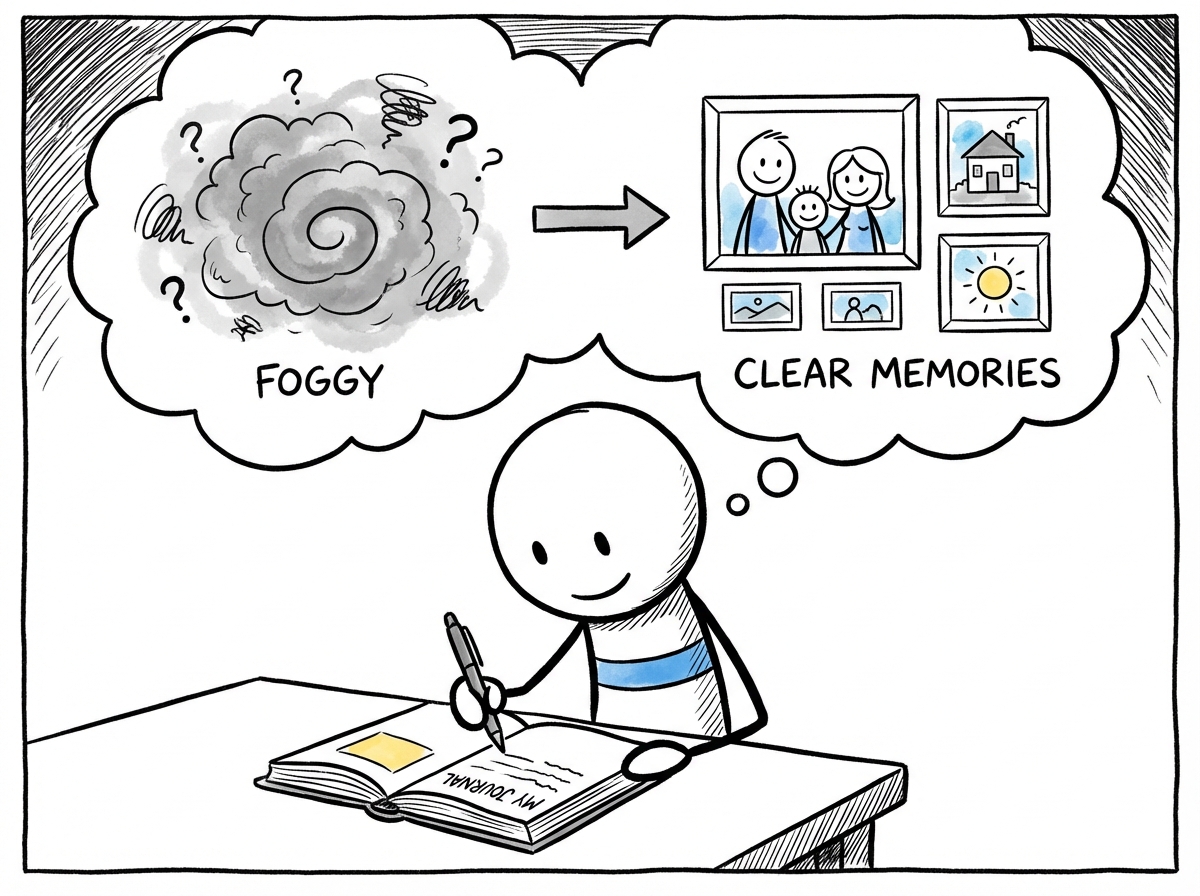
-
Rebuild Trust in Your Perception
Gaslighting teaches you to override your own instincts. Recovery means learning to listen to them again. Start with small, low-stakes observations and practice trusting them without seeking external confirmation.
- Notice when something feels wrong in a conversation, and resist the urge to immediately dismiss the feeling.
- When you remember something clearly, hold onto that memory even if someone offers a different version.
- Pay attention to the gap between what people say and what they do — your perception of that gap is usually accurate.
- Practice saying, even just to yourself, "I know what I saw" or "My feelings make sense given what happened."
This step takes time because you're literally rewiring a habit of self-doubt. Be patient with yourself. Every time you choose to trust your own experience, you're healing.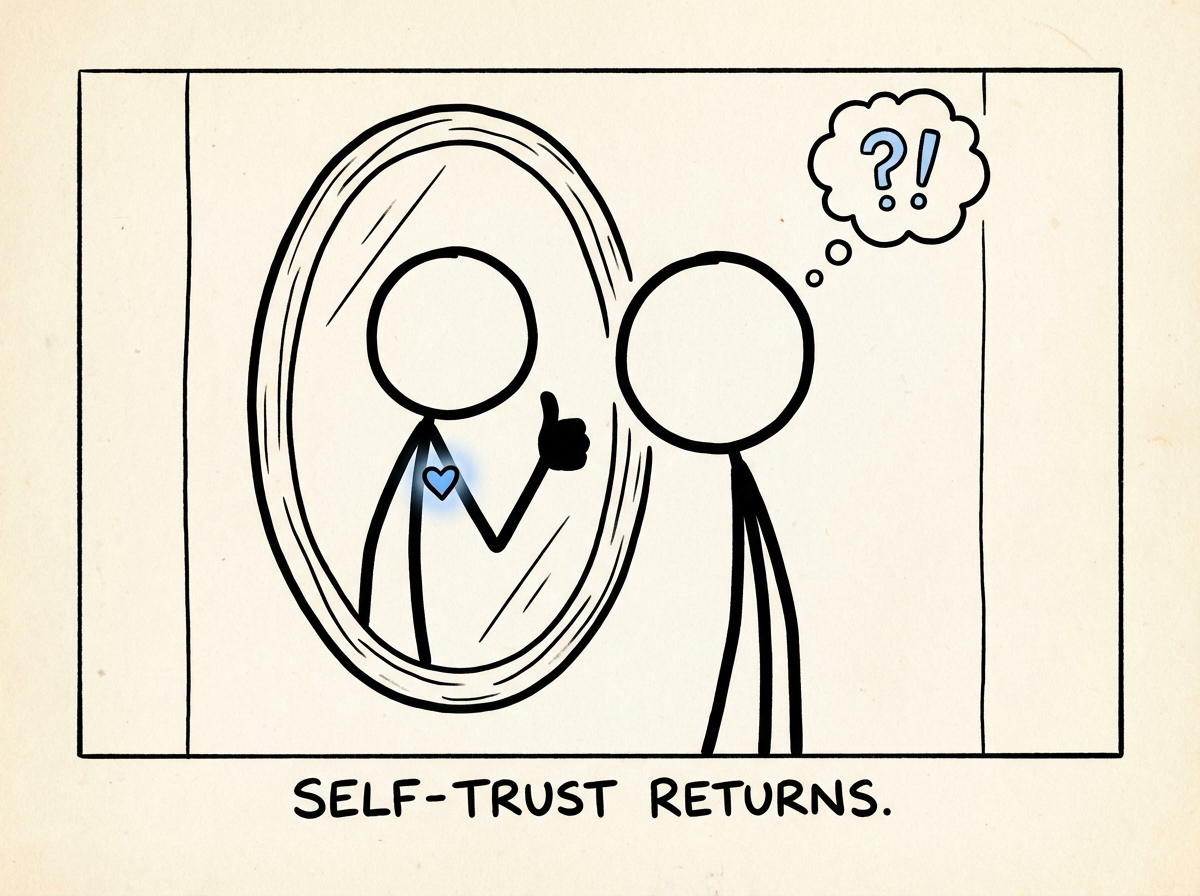
-
Set Boundaries with the Gaslighter
If the person who gaslighted you is still in your life, boundaries aren't optional — they're essential. This doesn't necessarily mean cutting them off, though sometimes it does. It means changing how you engage. Stop explaining yourself when they deny your reality — you don't need their agreement to know what happened. Limit conversations to practical topics when possible, and disengage when you feel the familiar pull of self-doubt creeping in. A useful script: "I remember it differently, and I'm not going to debate it." If going low-contact or no-contact is an option, consider it seriously. You cannot heal in the same environment that made you sick. Boundaries protect the new trust you're building with yourself.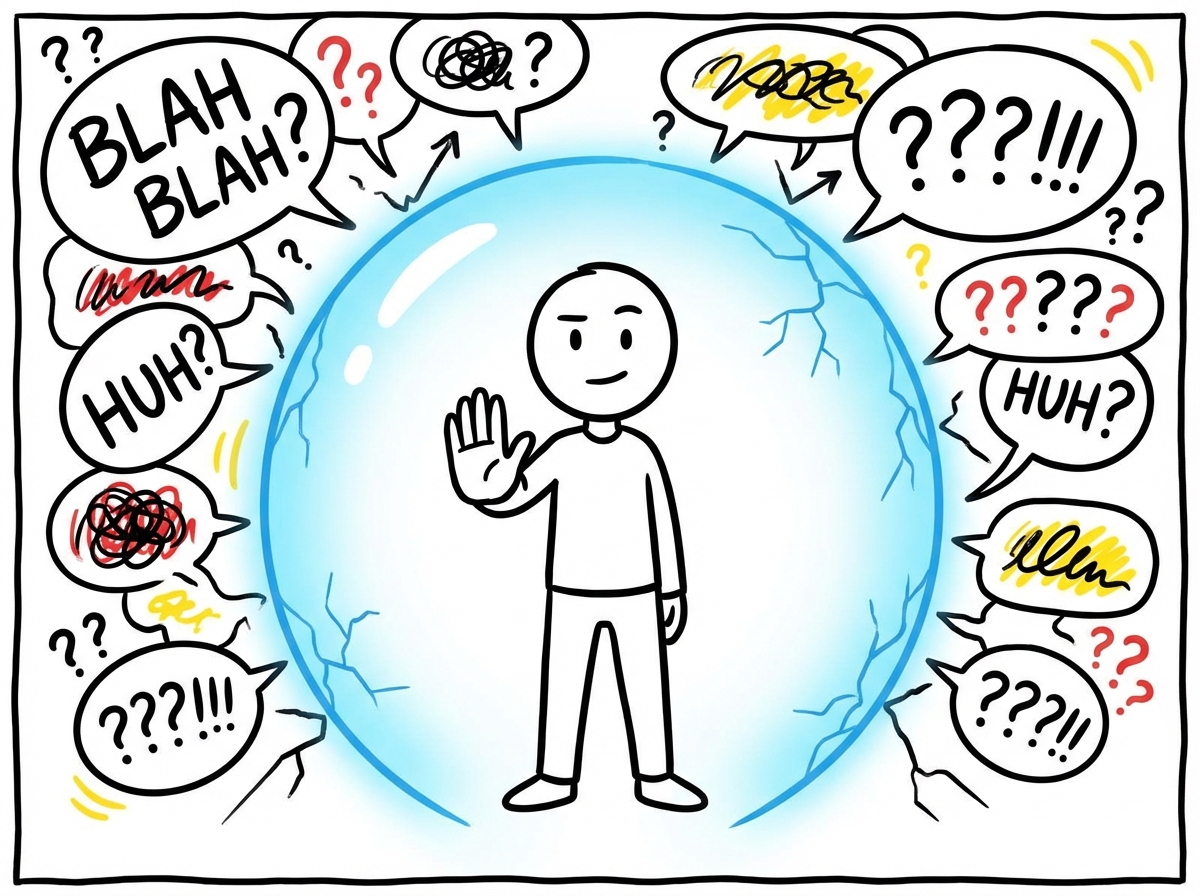
-
Build a Support Network
Gaslighting thrives in isolation. The manipulator often works to cut you off from people who might validate your experience, so reconnecting with trustworthy others is a critical part of recovery.
- Identify one or two people who have consistently shown you they believe you and respect your feelings.
- Share specific experiences with them — not to get them to take sides, but to hear yourself say the truth out loud.
- Consider working with a therapist who understands coercive control and psychological manipulation.
- Join a support group, online or in person, where others have been through similar experiences.
- Let people help you reality-check when you need it, while also practicing trusting yourself first.
You deserve relationships where your experience is treated as real. Surround yourself with people who remind you of that.
-
Reclaim Your Narrative
The final step is the most empowering: you get to tell your own story. Gaslighting steals your narrative by making someone else the authority on your experience. Reclaiming it means deciding for yourself what happened, what it meant, and who you are because of it. Write about your experience in your own words, without hedging or minimizing. Say "this happened to me" without adding "but maybe I'm wrong." Notice the strengths you developed through this — your ability to read people, your hard-won self-awareness, your refusal to give up on yourself. You are not defined by what was done to you. You are defined by the courage it takes to come back to yourself. That process is already underway, and you're further along than you think.