How to Recover From People-Pleasing
Learn to notice your automatic people-pleasing responses, understand what fuels them, and start making choices based on what you actually want.
Before You Begin
People-pleasing is not the same as being kind. Kindness is a choice. People-pleasing is a compulsion -- an automatic, anxiety-driven need to make sure everyone around you is happy, comfortable, and not upset with you. It often develops in childhood when love felt conditional: you learned that the safest way to stay connected was to become whatever the people around you needed. The cost is enormous. You lose track of your own preferences, your own opinions, and eventually your own identity. Recovery does not mean becoming selfish or uncaring. It means learning that your needs matter just as much as everyone else's -- and that the people worth keeping in your life will not leave when you stop performing.
-
Notice the Automatic Yes
The first step is simply catching yourself in the act. People-pleasing is so automatic that you often do not realize you have agreed to something until you are already resentful about it. The goal right now is not to change the behavior -- just to see it.
- Pay attention to the moment someone asks you for something. Notice how quickly your mouth says 'yes' or 'of course' before your brain has even processed the request.
- Start tracking: How many times this week did you agree to something you did not actually want to do? Write them down.
- Notice the physical sensation that accompanies the automatic yes -- it often feels like a small flinch, a tightening in the chest, or a fleeting thought of 'I do not want to, but I have to.'
- You are not trying to stop saying yes yet. You are just building awareness of how often it happens and how little choice is actually involved.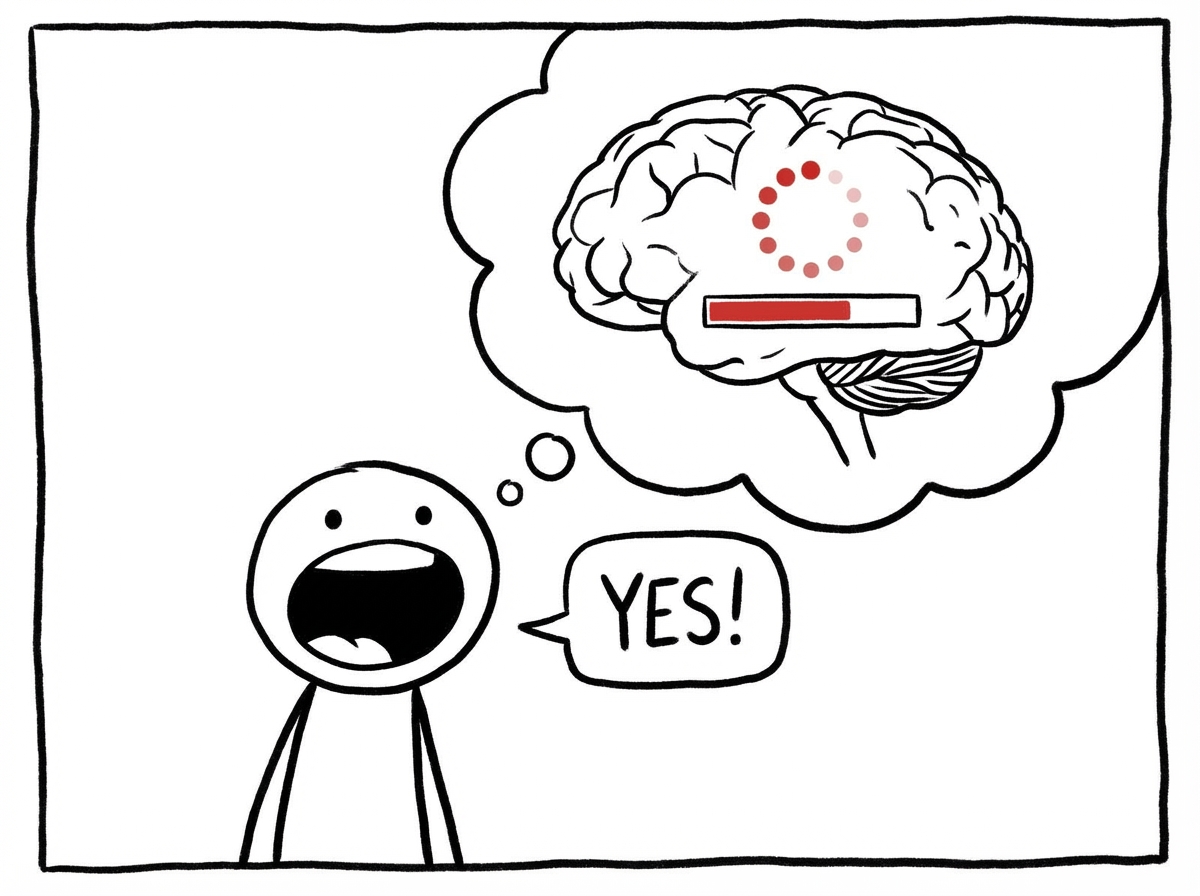
-
Check Your Motivation
Not every yes is people-pleasing. Sometimes you genuinely want to help. The difference is in the motivation. People-pleasing is driven by fear -- fear of rejection, anger, disappointment, or abandonment. Genuine generosity feels light. People-pleasing feels heavy.
- Before you agree to something, pause and ask: Am I saying yes because I want to, or because I am afraid of what happens if I say no?
- Notice if your mind immediately jumps to worst-case scenarios: they will be angry, they will leave, they will think I am selfish, they will not love me anymore.
- Check for the scorecard: Are you keeping a mental tally of everything you do for this person, hoping they will eventually reciprocate? That is not generosity -- it is a covert contract.
- If your honest answer is 'I am doing this out of fear,' that does not make you a bad person. It makes you someone who learned to survive through appeasement. And now you are learning a different way.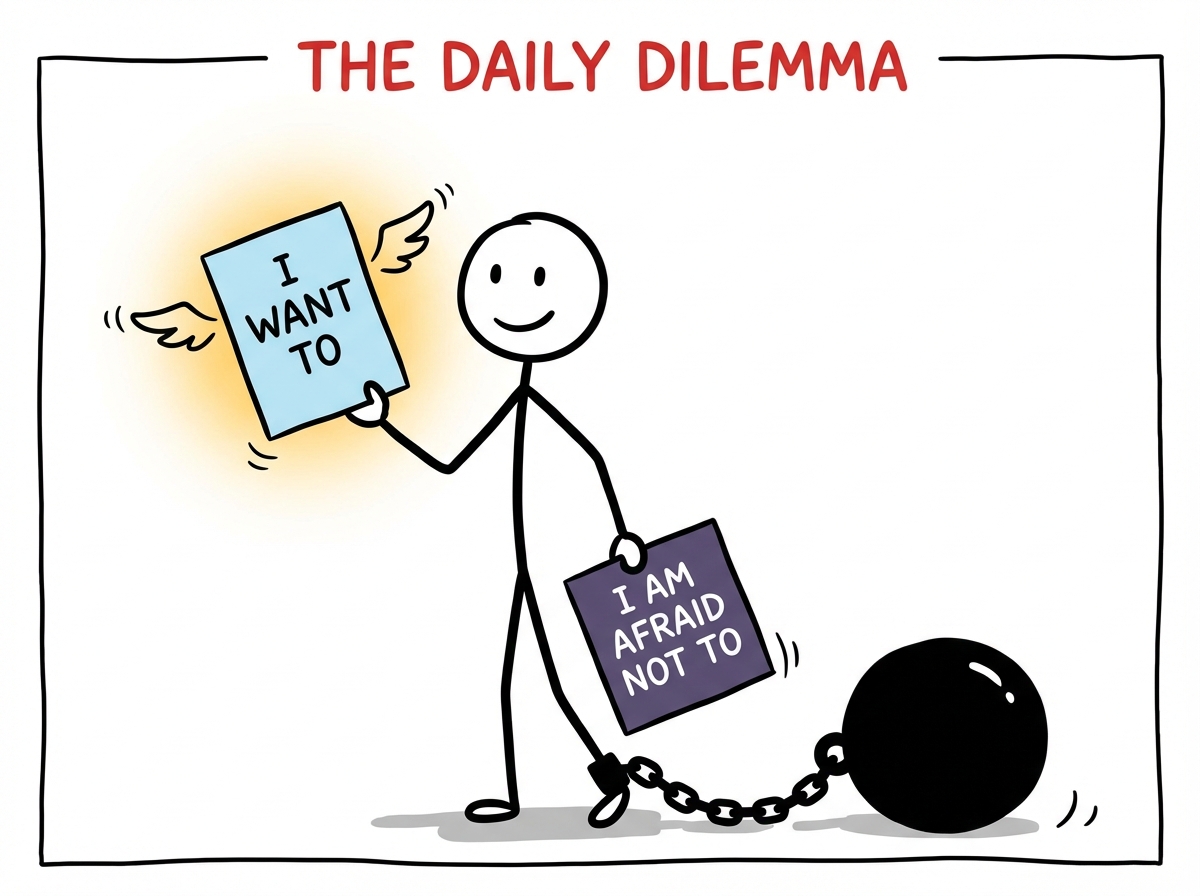
-
Practice Small No's
You do not start by saying no to your boss or your mother. You start with the smallest, lowest-stakes situations you can find. The goal is to build the muscle of declining without the world ending.
- Say no to a restaurant suggestion when you would prefer somewhere else. Decline an invitation you do not want to attend. Tell a salesperson you need time to think.
- Use simple, complete sentences: 'No, thank you.' 'I cannot make it.' 'That does not work for me.' You do not need to provide a reason, an excuse, or an apology.
- Notice what happens after you say no. In most cases, absolutely nothing bad happens. The other person moves on. This is corrective data for your nervous system.
- If you cannot say no directly yet, start with 'Let me think about it' or 'I will get back to you.' Buying time breaks the automatic yes and gives you space to check in with yourself.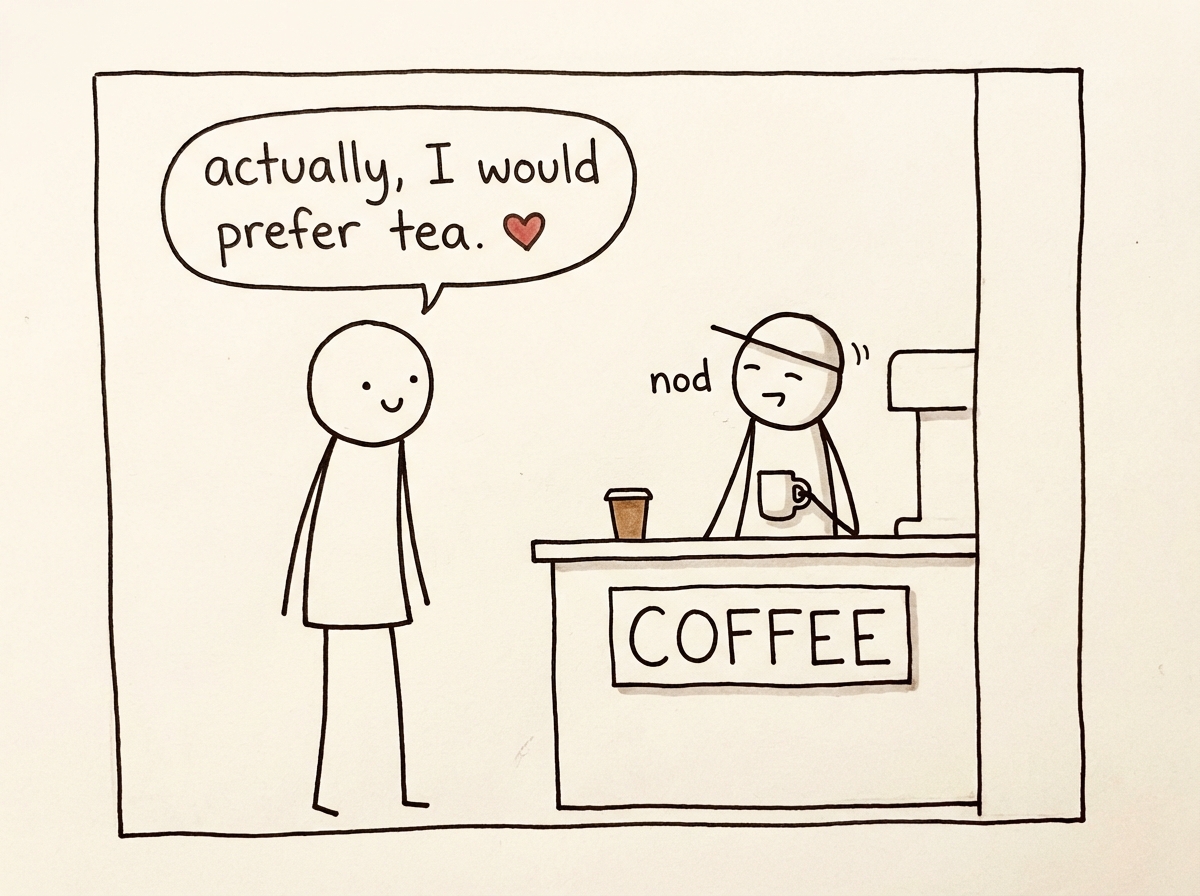
-
Sit With the Discomfort
After you say no or express a preference, your body will probably flood with anxiety, guilt, or the urgent need to take it back. This is the withdrawal phase. Your nervous system is used to the temporary relief that people-pleasing provides, and it does not like losing that fix.
- Name the feeling: 'I feel guilty right now. I feel like they are going to be angry. I feel like I need to apologize.' Naming it creates a small distance between you and the sensation.
- Do not act on the urge to fix, backpedal, or over-explain. Just let the discomfort be there. It will peak and then it will pass. It always passes.
- Remind yourself: this discomfort is not a sign that you did something wrong. It is the feeling of an old survival pattern losing its grip.
- Each time you sit through the discomfort without caving, you are teaching your nervous system that saying no is survivable.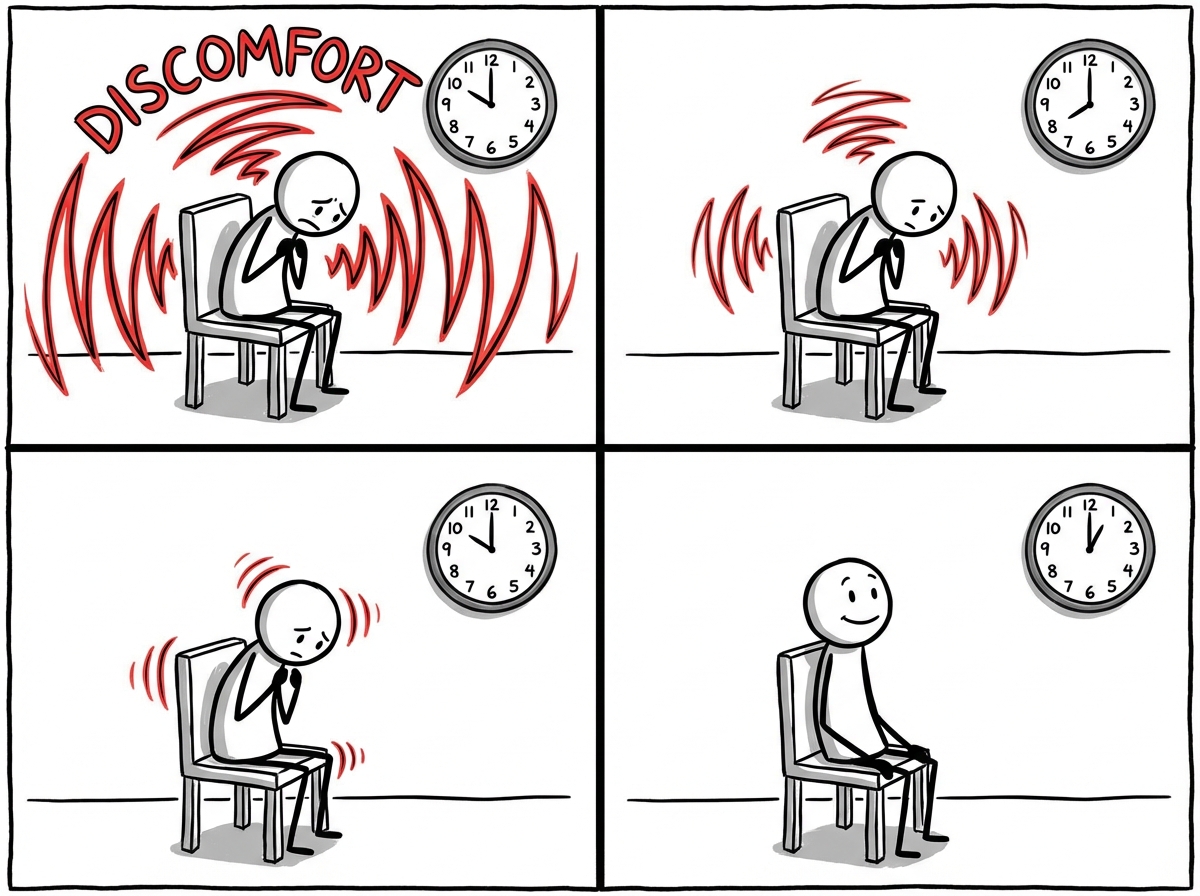
-
Let People Be Disappointed
This is the hardest step for most people-pleasers. Somewhere along the way, you learned that other people's disappointment is dangerous -- that it means loss of love, connection, or safety. In reality, disappointment is a normal human emotion that healthy people can handle on their own.
- The next time someone expresses disappointment at your boundary or your no, resist the urge to fix their feelings. You can say 'I understand that is disappointing' without changing your answer.
- Remind yourself: You are not responsible for other people's emotional reactions. You are responsible for being honest and respectful, and that is it.
- Notice which specific people's disappointment feels most unbearable. This often points back to the original relationship where you learned people-pleasing -- a parent, a caregiver, or an early authority figure.
- Other people's disappointment is not an emergency. It is evidence that you are finally being honest about your limits.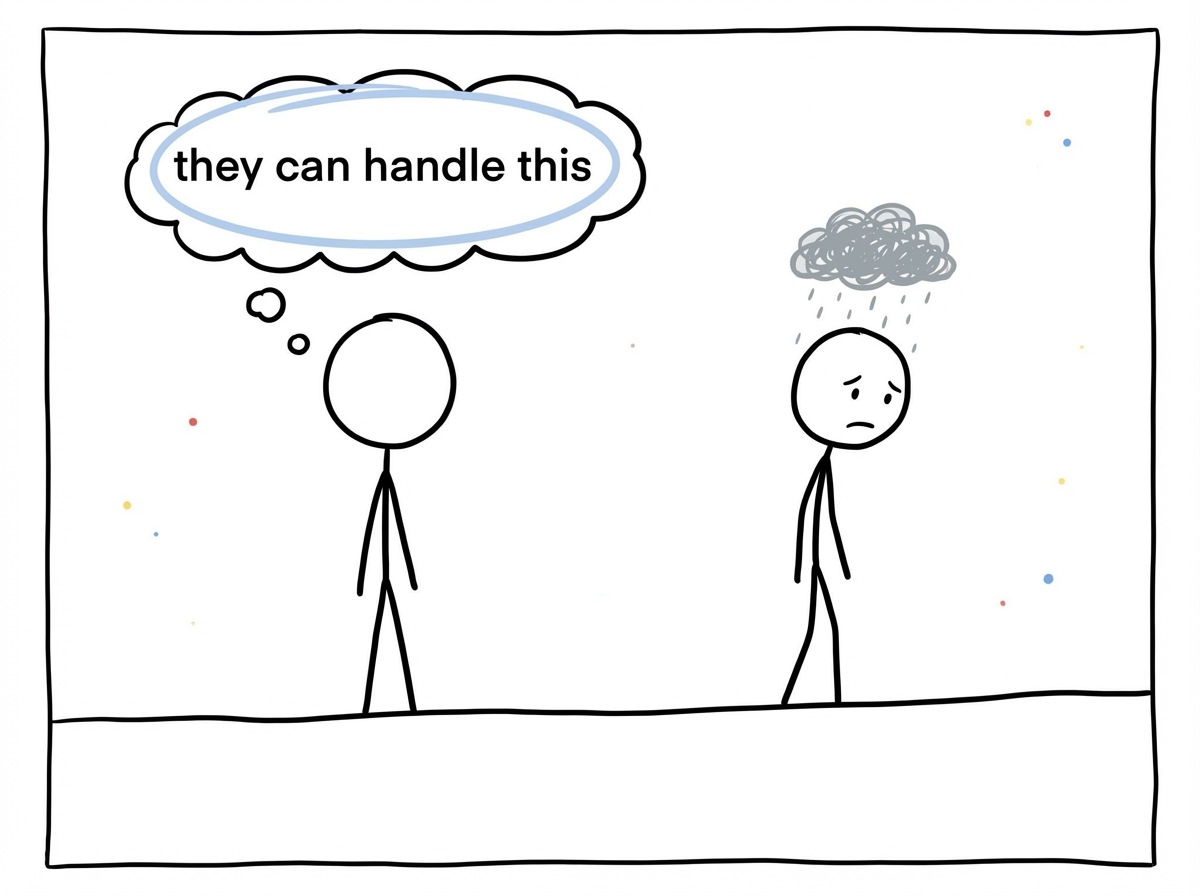
-
Rebuild Authentic Connections
As you stop performing, some relationships will deepen and some will fall away. The ones that fall away were built on your compliance, not on genuine connection. The ones that remain -- and the new ones you build -- will be based on who you actually are, not who you pretended to be.
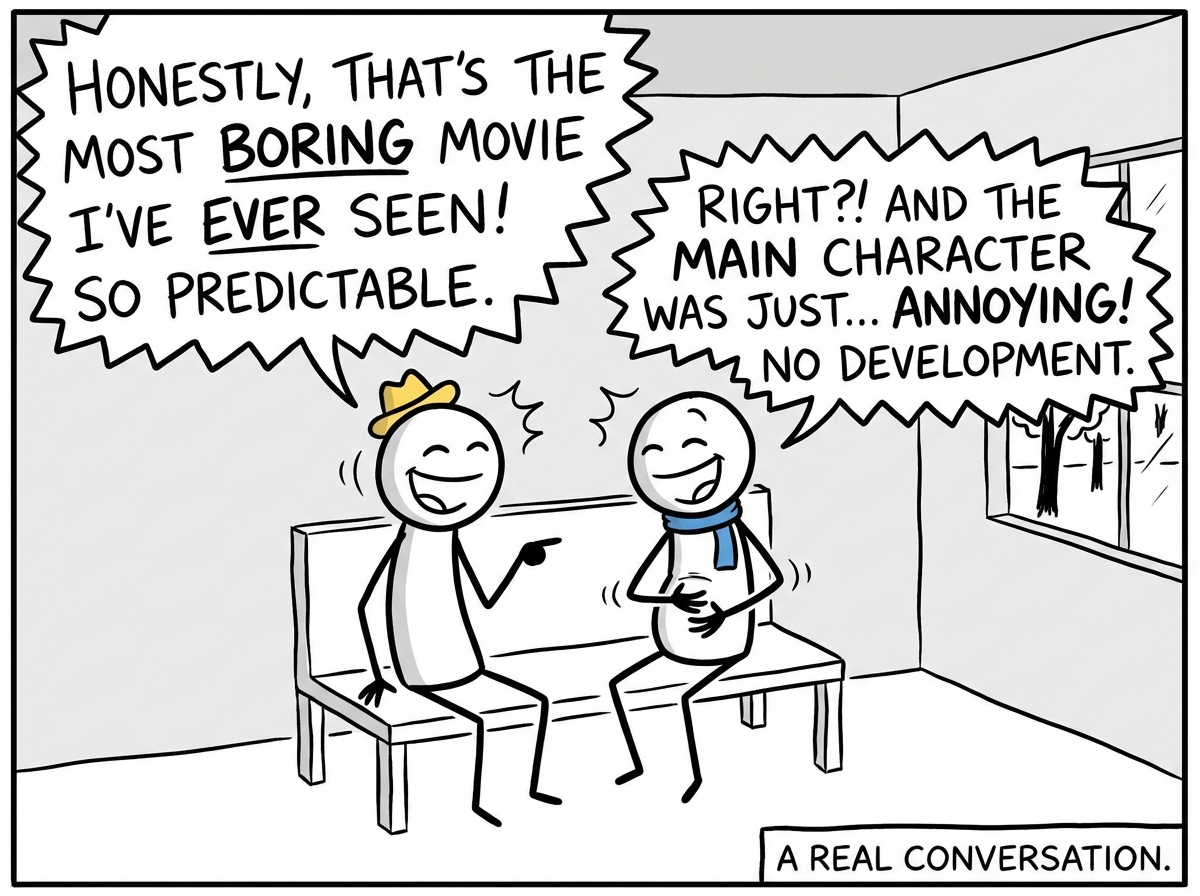
- Start sharing real opinions, even small ones. Tell people what music you actually like, what you honestly think about the movie, where you really want to eat. Let yourself be known.
- Notice who stays when you stop being endlessly accommodating. These are your people.
- Allow yourself to receive help, not just give it. People-pleasers are often terrible at accepting support because it disrupts the dynamic of being the giver. Practice saying 'yes, I would love that' when someone offers.
- Expect an identity crisis. When you stop defining yourself through what you do for others, there will be a disorienting period of not knowing who you are. This is not a setback -- it is the beginning of actually finding out.