How to Rebuild Trust in a Relationship
Repair broken trust through honest assessment, consistent action, and mutual commitment to the relationship.
Before You Begin
When trust breaks in a relationship, it doesn't shatter all at once — it fractures along lines of expectation, vulnerability, and hope. Whether the breach was infidelity, dishonesty, broken promises, or a pattern of letdowns, the aftermath is the same: the person you counted on became the source of your pain. Rebuilding trust is one of the hardest things two people can do together. It's slow, uncomfortable, and there are no shortcuts. But if both people are willing to do the work — genuinely willing, not just saying the words — repair is possible. This guide gives you a realistic roadmap for that process.
-
Assess the Damage Honestly
Before you can rebuild, you need to understand exactly what broke. This means both people sitting with the full truth, without minimizing or catastrophizing. The person who broke trust needs to disclose completely — trickle truth, where new details emerge over weeks or months, causes as much damage as the original betrayal. The person who was hurt needs space to express the full impact without being told they're dwelling on it. Together, get honest about what specifically was lost: Was it safety? Predictability? The belief that you were prioritized? Name it clearly. Rebuilding trust in general doesn't work. You need to know which specific trusts need repair. This step is painful, but skipping it means building on a cracked foundation.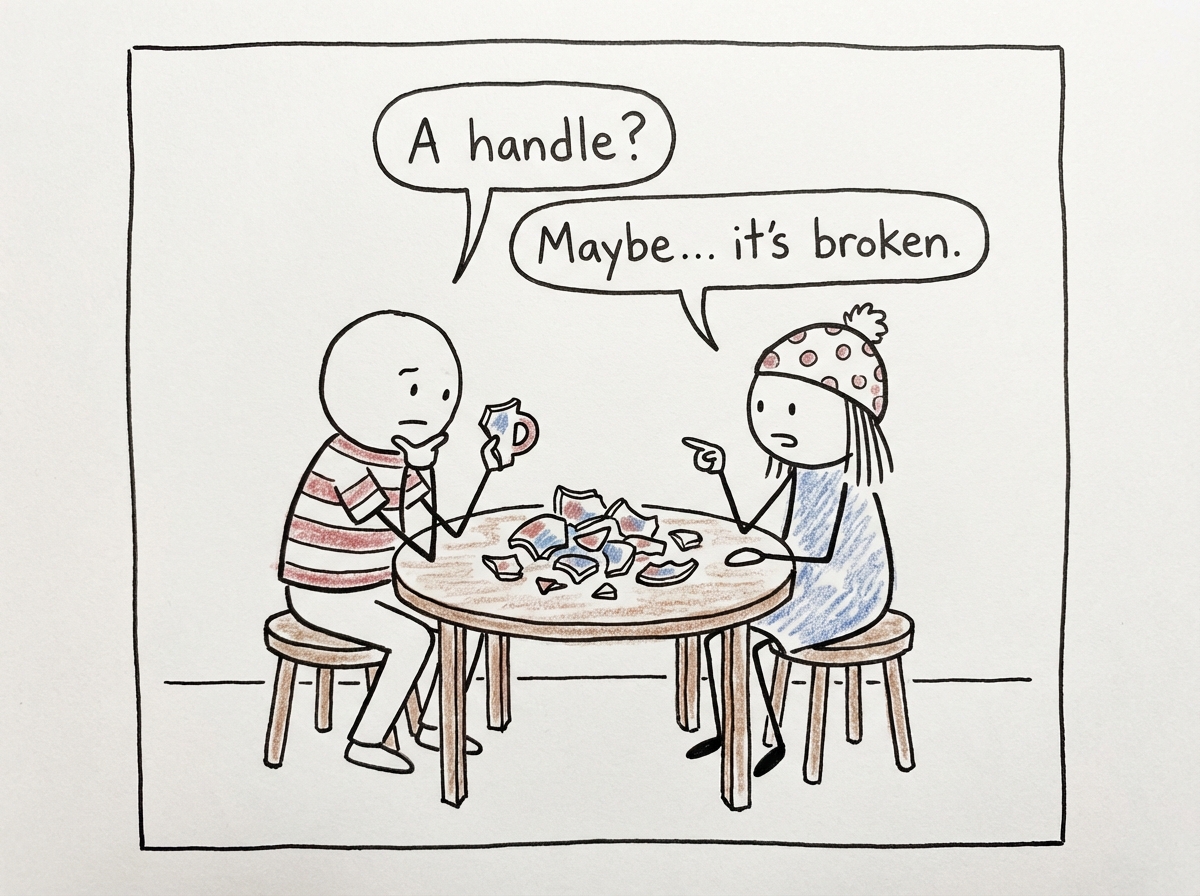
-
Decide If Repair Is Possible
Not every broken trust can or should be repaired, and being honest about that is an act of respect for both people. Repair requires specific conditions to be viable.
- The person who caused the harm must take full responsibility without deflecting blame.
- They must be willing to tolerate your pain and distrust for as long as it takes, without getting impatient or resentful.
- You must be genuinely open to the possibility of trusting again — not certain, but open.
- The harmful behavior must have actually stopped, not just been hidden better.
- Both of you must want the relationship enough to endure the discomfort of the repair process.
If any of these conditions aren't met, repair will stall. That doesn't mean you've failed — it means the situation isn't ready. Sometimes the most courageous thing is acknowledging that.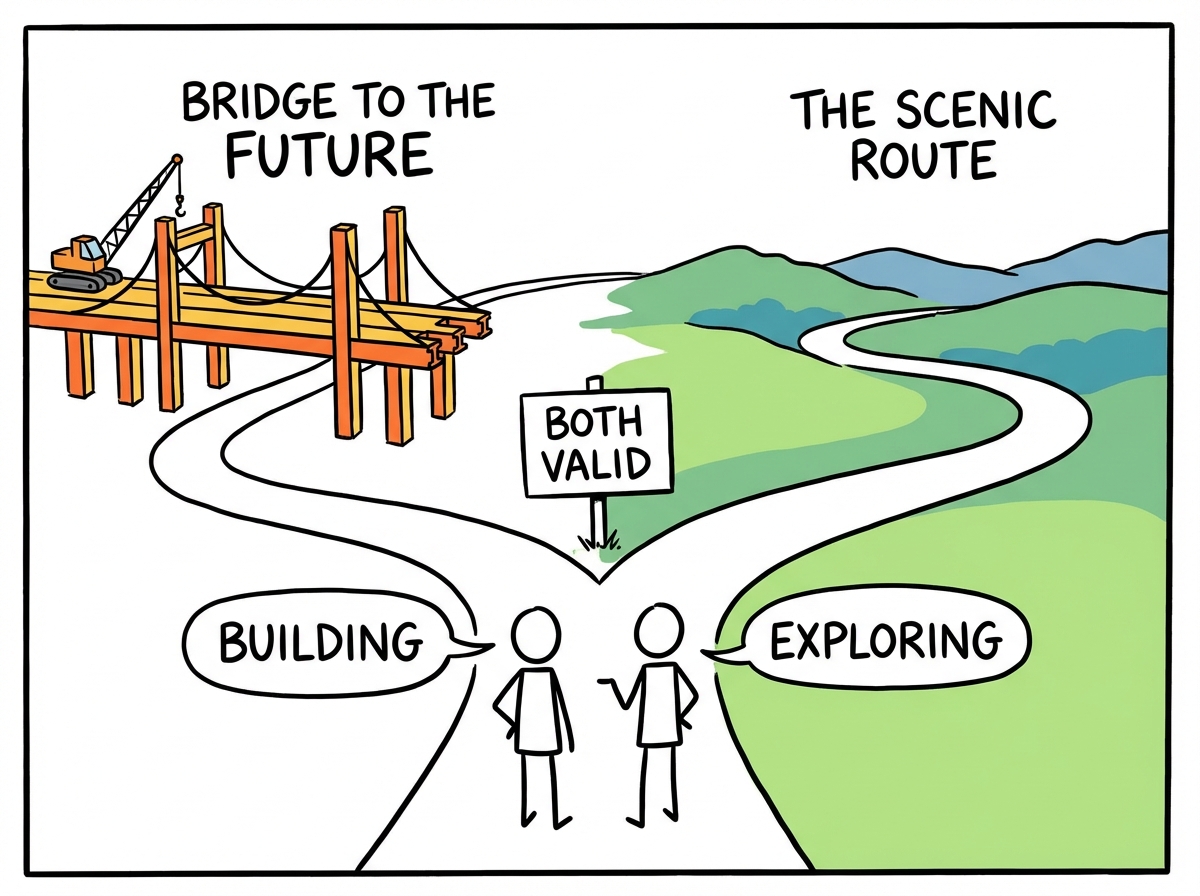
-
Establish Transparency Agreements
Trust is rebuilt through verified consistency, not promises. In the early stages of repair, the person who broke trust needs to accept a temporary increase in accountability. This might mean sharing phone access, being more communicative about whereabouts, or proactively offering information that used to be asked for. These aren't punishments — they're scaffolding that supports the rebuild until the structure can hold its own weight. Both people should agree on specific, concrete transparency measures and a timeline for revisiting them. The key word is agreement. These should be discussed and negotiated, not imposed unilaterally. The person rebuilding trust should volunteer transparency generously, and the person extending trust should avoid weaponizing access or using it for constant surveillance.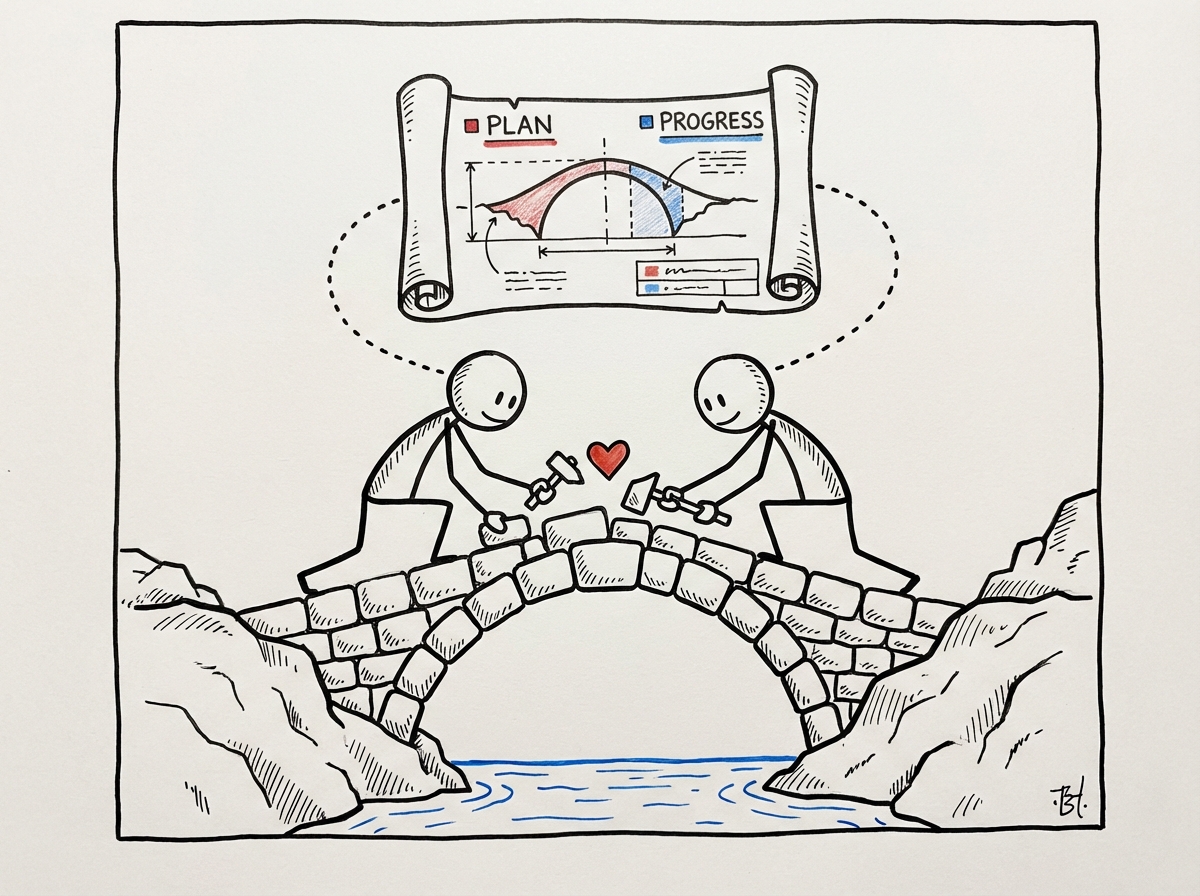
-
Rebuild Through Consistent Small Actions
Grand gestures don't rebuild trust. Consistency does. Trust is a slow accumulation of evidence that someone will do what they say, show up when they promise, and tell the truth even when it's inconvenient.
- Follow through on small commitments: if you say you'll call at 7, call at 7.
- Be where you say you'll be, and communicate proactively if plans change.
- Tell the truth about small things — people who are honest about inconvenient little truths can be trusted with big ones.
- Show up emotionally when it's hard, not just when it's easy.
- Accept that the other person will have bad days where trust feels impossible, and don't take it as a personal attack.
This phase is a marathon, not a sprint. Expect it to take months, sometimes longer. Each kept promise is a brick. You're building something that will eventually be strong enough to hold weight again.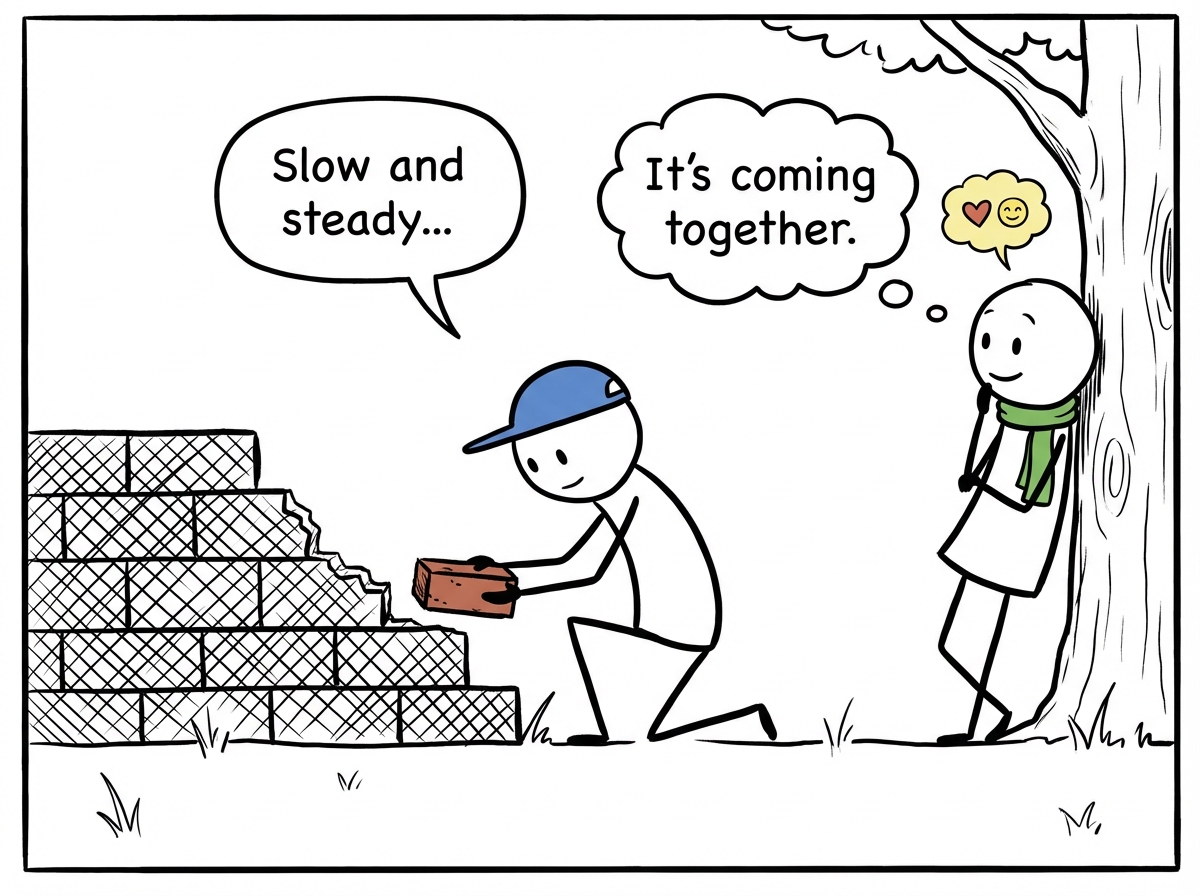
-
Process the Grief
This is the step most people skip, and it's the one that derails recovery. When trust breaks, you lose something real — your sense of safety, your image of the person, the innocence of the relationship before the breach. That loss needs to be grieved, not just managed. The person who was hurt will cycle through sadness, anger, and confusion, sometimes all in the same day. This is normal. Trying to fast-forward past the grief to "get back to normal" only buries it where it will resurface later. The person who caused the harm needs to sit with their partner's grief without becoming defensive. "I'm sorry this is still painful" is more healing than "I thought we were past this." Consider couple's therapy during this phase — a skilled therapist can help both people navigate grief without drowning in it.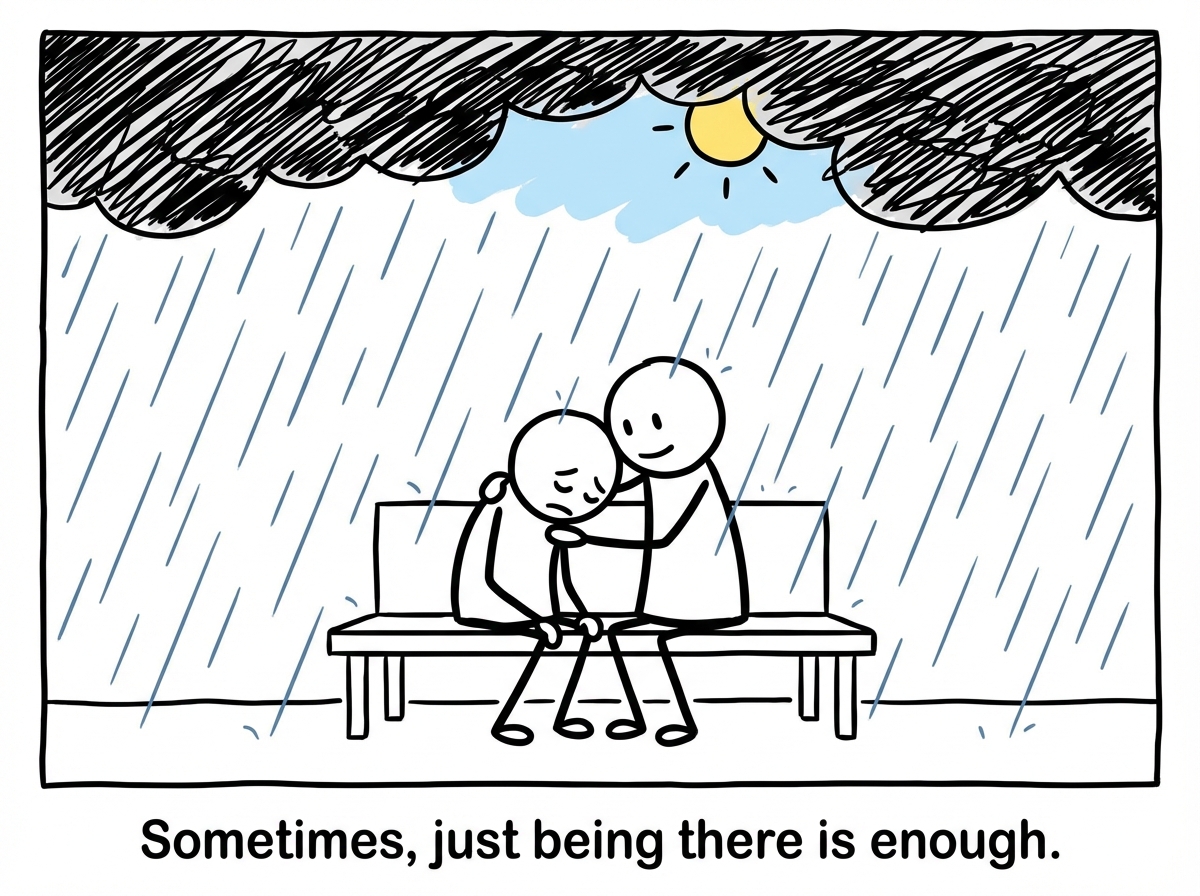
-
Learn to Trust Your Own Judgment Again
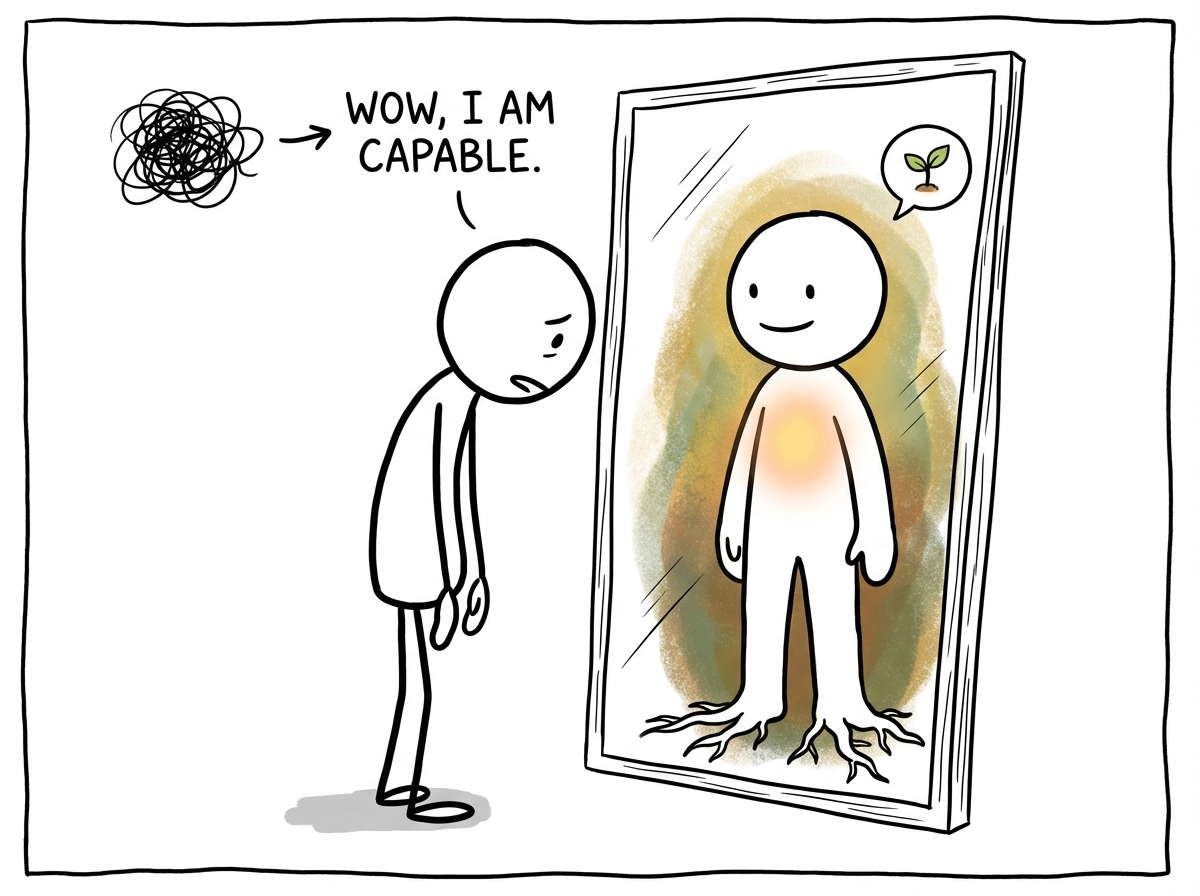
When someone you trusted deceived you, the betrayal isn't just about them — it's about you, too. You trusted your ability to read this person, and that confidence took a hit. Recovery means rebuilding faith in your own judgment, not just faith in your partner. Start by acknowledging that being deceived doesn't mean you're naive or foolish — it means someone chose to exploit your trust, and that reflects on them. Pay attention to your gut feelings going forward without either ignoring them or letting them run unchecked. Notice when your instincts are confirmed. Over time, you'll learn to distinguish between anxiety-driven hypervigilance and genuine intuition. Trust in yourself is actually the foundation that makes trust in others possible. When you know you can detect problems and protect yourself, extending trust to someone else becomes a choice rather than a leap of blind faith.