How to Practice Healthy Vulnerability
Build the capacity to be emotionally open and honest in your relationships without losing yourself.
Before You Begin
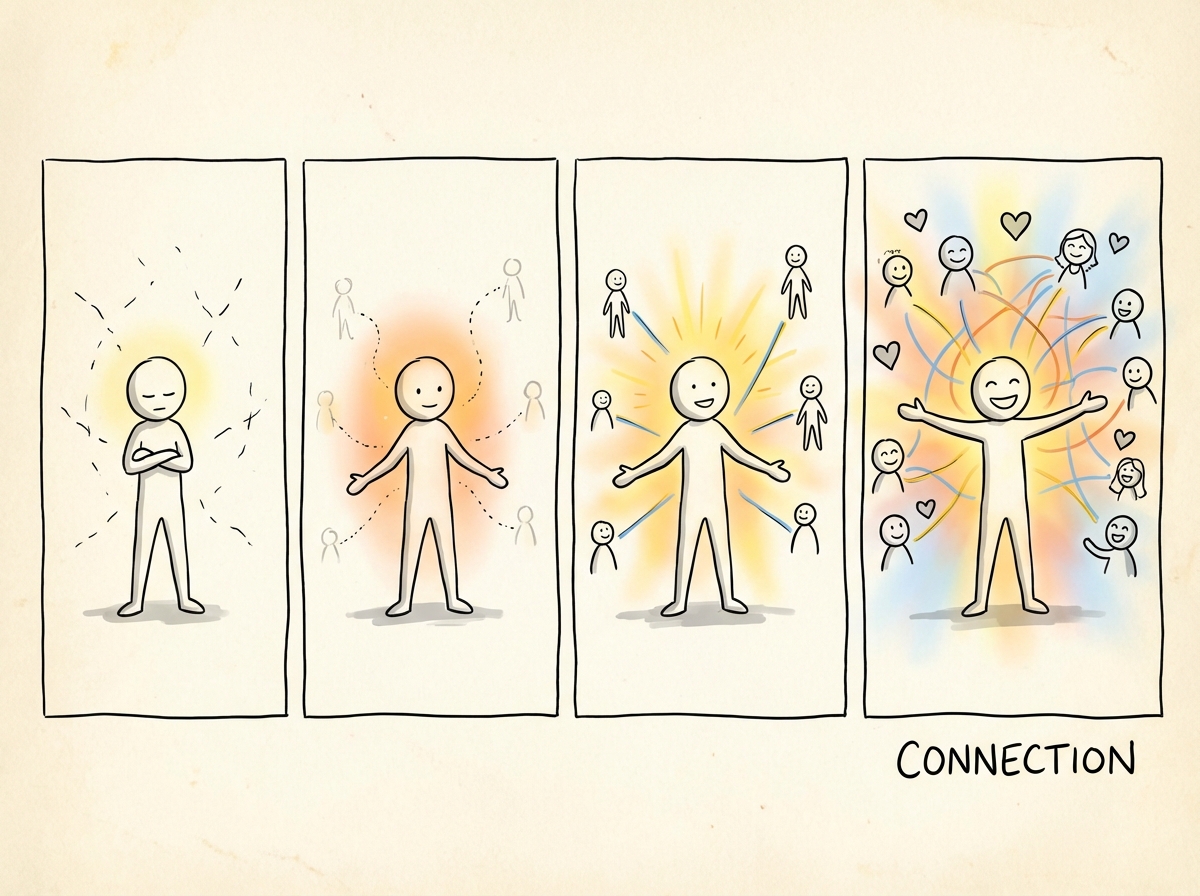
Vulnerability gets a lot of positive press these days, but knowing it's important and actually doing it are very different things. If you grew up learning that showing your feelings was dangerous — that it led to rejection, ridicule, or being used against you — then vulnerability doesn't feel like courage. It feels like handing someone a loaded weapon. The thing is, genuine connection requires it. You can't be truly known by someone while hiding the parts of you that feel risky to share. This guide won't ask you to blow the doors open overnight. Instead, it gives you a graduated approach to opening up — safely, intentionally, and at a pace you control.
-
Understand Why Vulnerability Feels Dangerous
Your resistance to vulnerability isn't a character flaw — it's a protection strategy you developed for good reasons. Before pushing yourself to open up, take time to understand what you're protecting against.
- Think about the earliest times you shared something real and it went badly. What happened? Who was involved?
- Notice what you fear most: rejection, being seen as weak, giving someone power over you, or being abandoned?
- Recognize that your nervous system learned "openness = danger," and that equation made sense in the original context.
- Understand that unlearning this will feel physically uncomfortable — your body will resist before your mind catches up.
This isn't therapy-lite. This is genuine self-knowledge that will inform every step that follows. You're not broken for being guarded. You're smart. Now you get to decide if the old rules still serve you.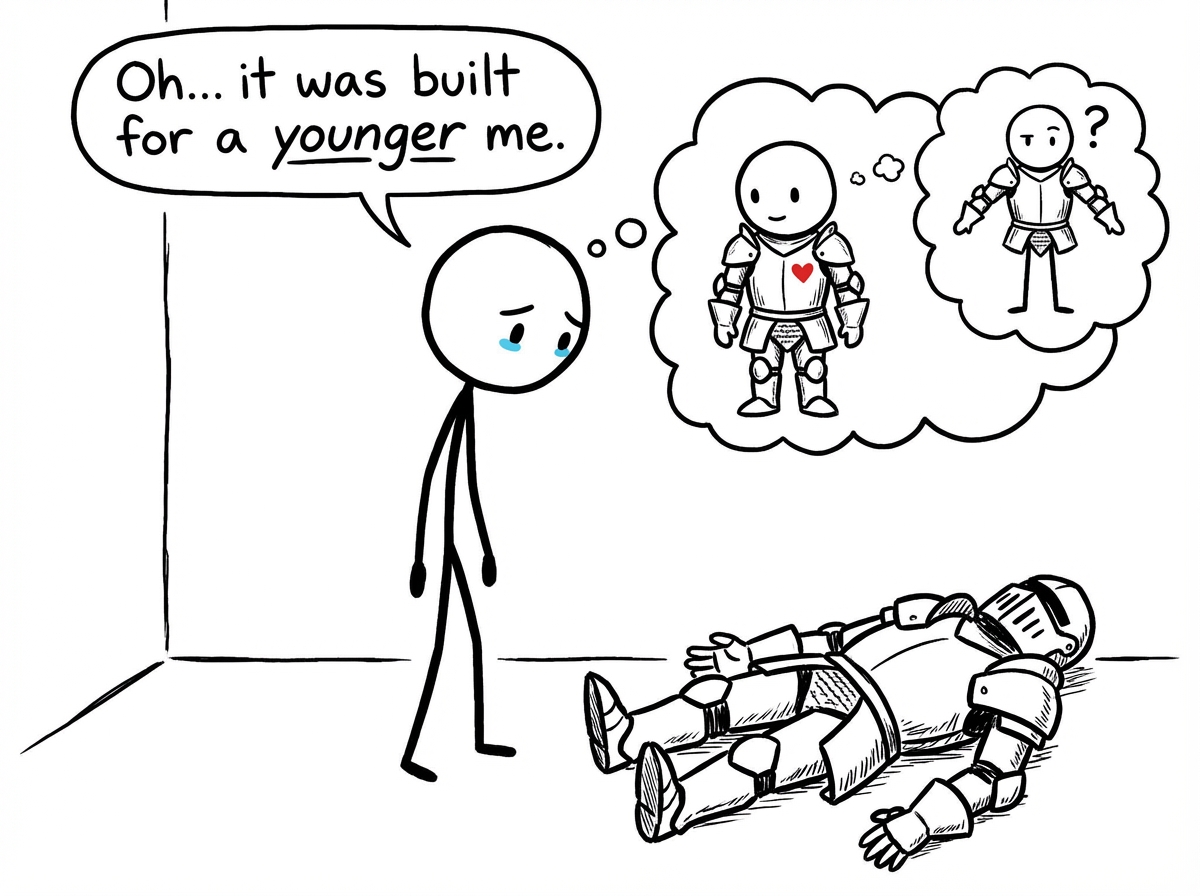
-
Start with Low-Stakes Sharing
Vulnerability is a muscle, and like any muscle, you don't start by lifting the heaviest weight in the room. Begin with disclosures that feel slightly uncomfortable but not terrifying. Tell a coworker you're having a rough day instead of saying "I'm fine." Admit to a friend that a movie made you cry. Share an opinion you usually keep to yourself in a casual conversation. The point is to practice the physical and emotional experience of being seen — the quickened heartbeat, the urge to backtrack, the relief when nothing bad happens. Each small act of openness sends your nervous system new data: this time, it was safe. You're not trying to be radically honest with everyone. You're building a track record of evidence that sharing doesn't always end in pain.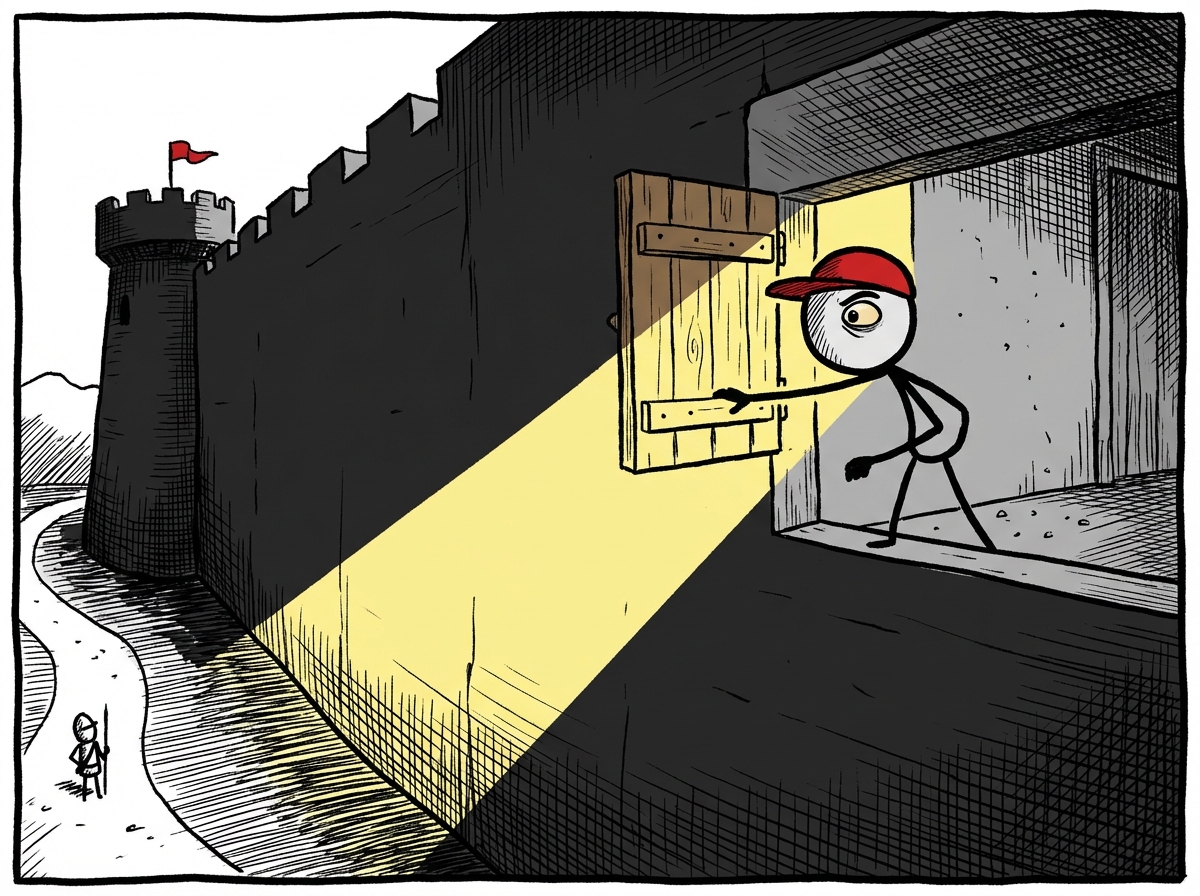
-
Choose Safe People to Practice With
Vulnerability isn't about being open with everyone — it's about being open with the right people. Indiscriminate sharing isn't brave; it's unprotected. Learning to choose well is part of the skill.
- Safe people respond to your feelings with curiosity, not judgment. They ask "tell me more" instead of changing the subject.
- They hold what you share with care — they don't gossip about it, bring it up to win arguments, or use it against you later.
- They reciprocate with their own openness, creating a two-way street rather than a one-way confessional.
- They can tolerate your difficult emotions without needing to fix, dismiss, or flee from them.
- They respect your pace and don't push you to share more than you're ready for.
If you're not sure someone is safe, share something small and see what they do with it. Trust is built in increments, not leaps.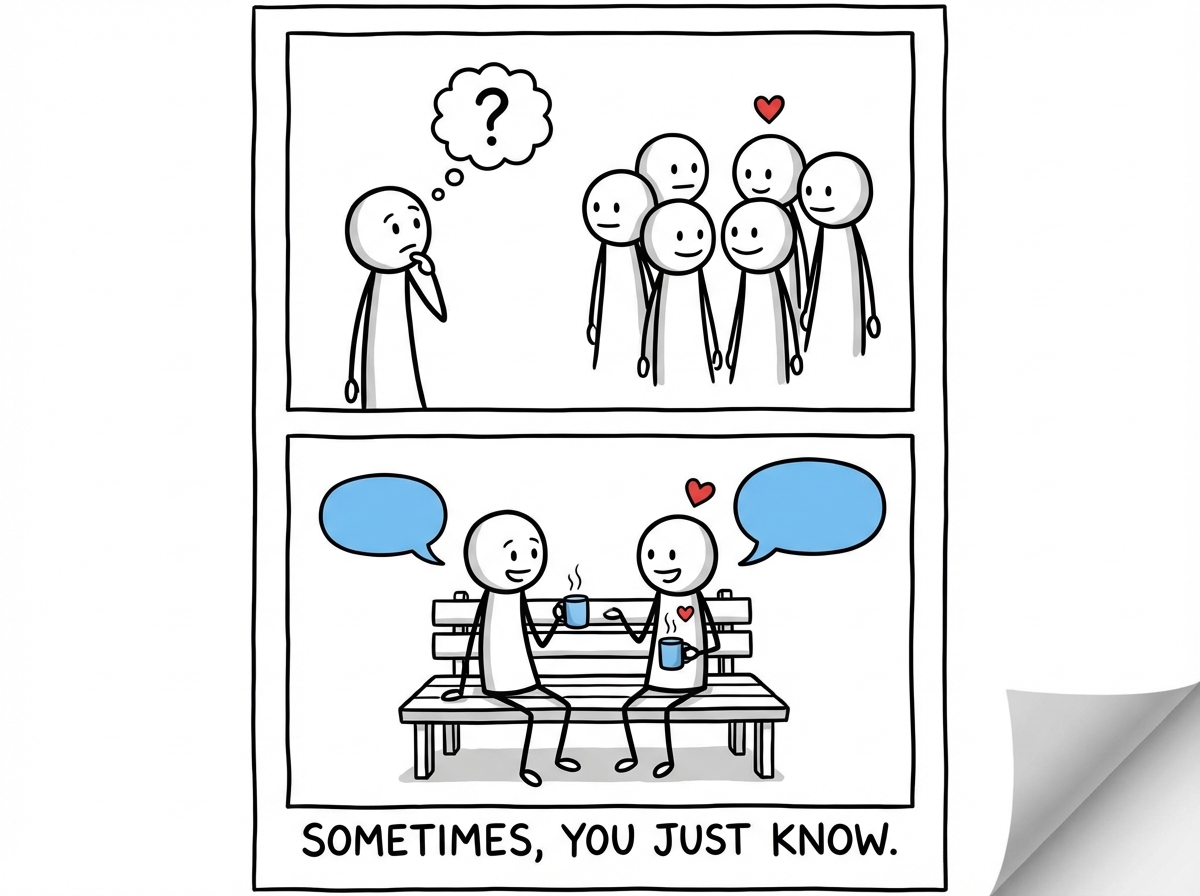
-
Name What You're Feeling in Real Time
One of the most powerful forms of vulnerability is simple emotional honesty in the moment. Instead of performing calm when you're anxious, or pretending you don't care when you're hurt, practice naming what's actually happening inside you. "I'm nervous bringing this up." "That comment stung a little." "I'm not sure why, but I'm feeling really sad right now." This kind of real-time disclosure does two things: it lets the other person actually know you, and it breaks the exhausting habit of emotional performance. You don't have to have a polished explanation for your feelings. "I'm feeling something and I'm not sure what it is yet" is a perfectly valid thing to say. The goal isn't eloquence — it's honesty. Most people will respond with more warmth than you expect, because your honesty gives them permission to be honest too.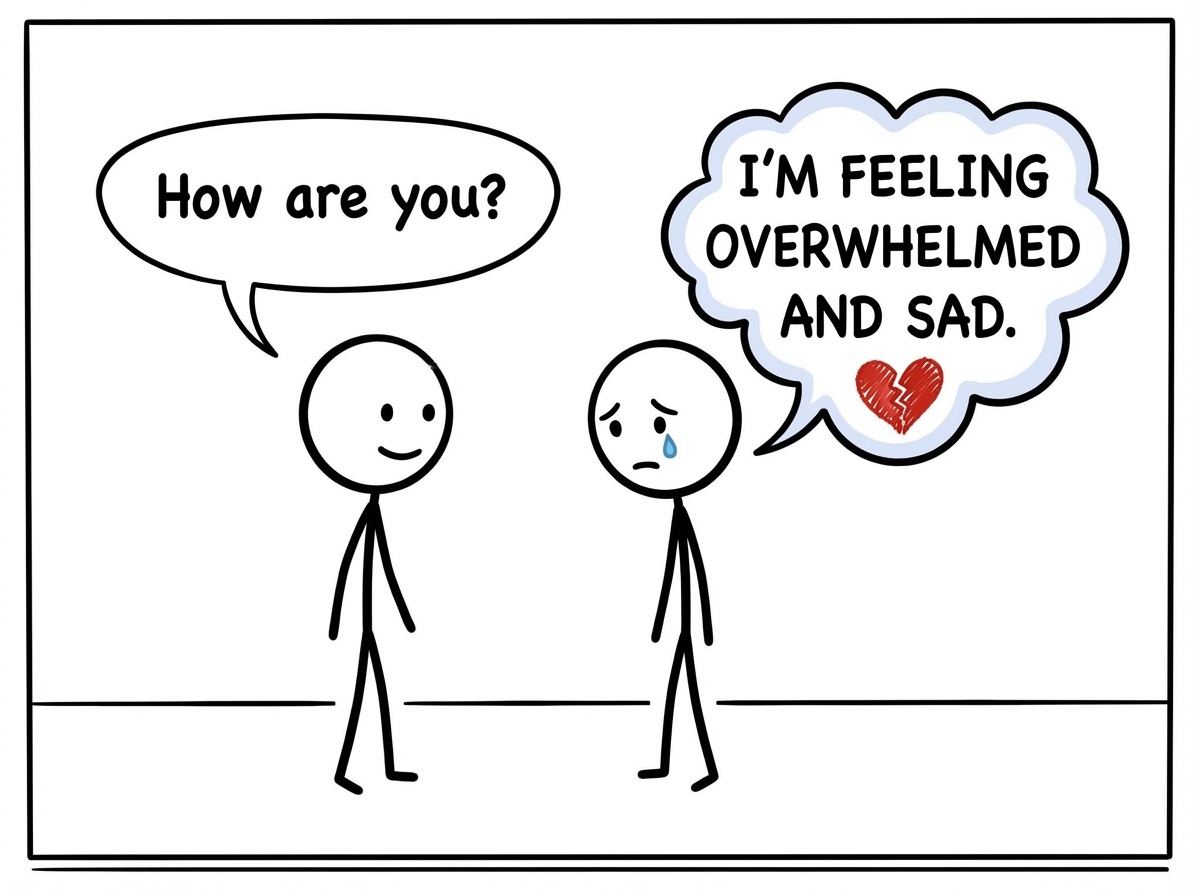
-
Tolerate Imperfect Responses
Here's a hard truth: even safe people will sometimes respond to your vulnerability imperfectly. They'll change the subject because they're uncomfortable. They'll try to fix when you need them to listen. They'll say something clumsy when you needed something tender. If you wait for a perfect response every time, you'll use imperfection as evidence that vulnerability doesn't work, and you'll close back up. Instead, learn to distinguish between people who respond imperfectly because they're human and people who respond harmfully because they don't respect your feelings. The first group deserves patience and gentle feedback: "I appreciate you trying to help, but what I really need right now is just to be heard." The second group deserves boundaries. Not every disappointing response is a betrayal. Sometimes people need coaching on how to hold your heart well.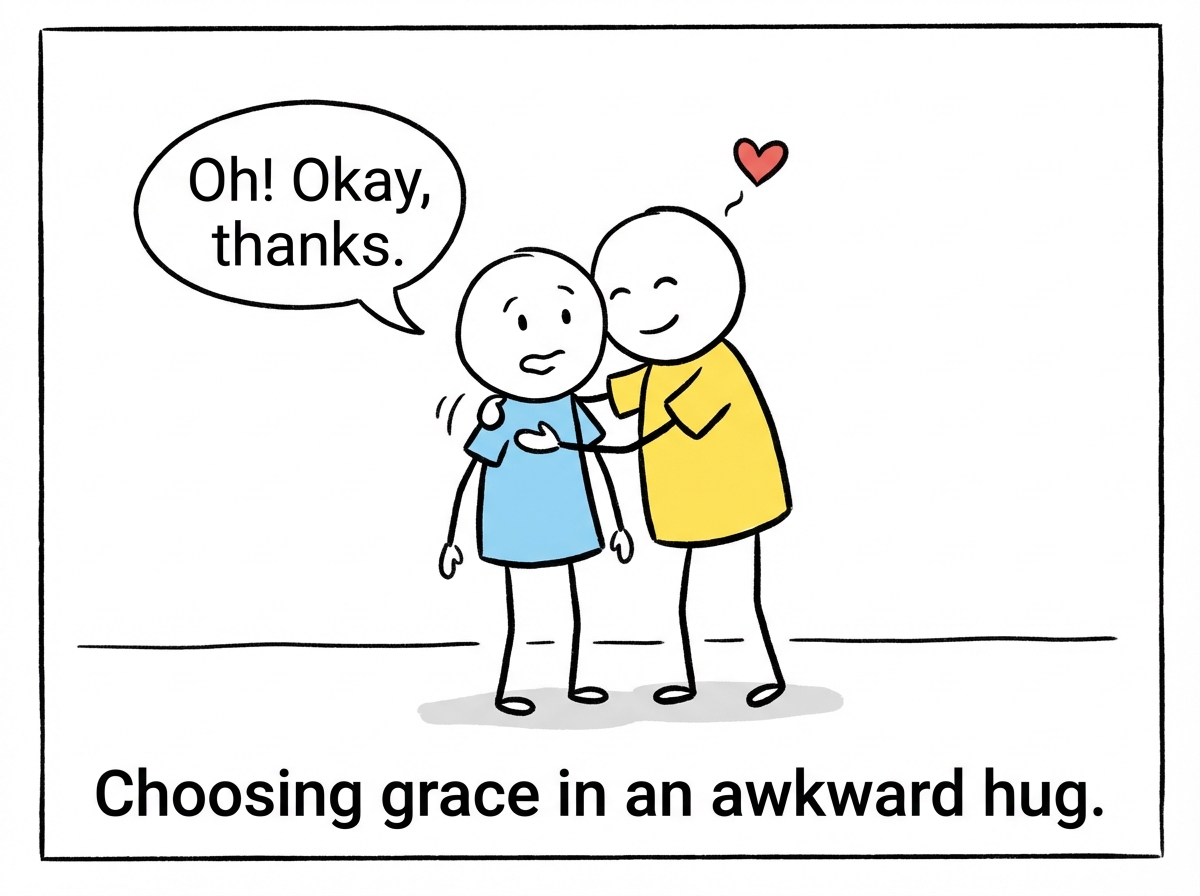
-
Build Your Vulnerability Muscle Gradually
Vulnerability isn't a single breakthrough moment — it's a practice that deepens over time. As you accumulate positive experiences of being seen and accepted, your tolerance for emotional exposure naturally grows. Share something a little deeper than last time. Bring up a topic you've been avoiding. Let someone see you when you're not at your best. Notice that the world doesn't end. Notice that some people move closer, not further away. Keep a mental note of the moments when vulnerability led to connection — these are your evidence that the old rules have changed. There will be setbacks. You'll share something and regret it, or someone will let you down. When that happens, don't take it as proof that openness was a mistake. Take it as one data point in a much larger pattern. The trajectory matters more than any single moment. You're learning that the risk of being known is worth it, and that learning happens slowly, imperfectly, and beautifully.