The Life You Were Supposed to Have
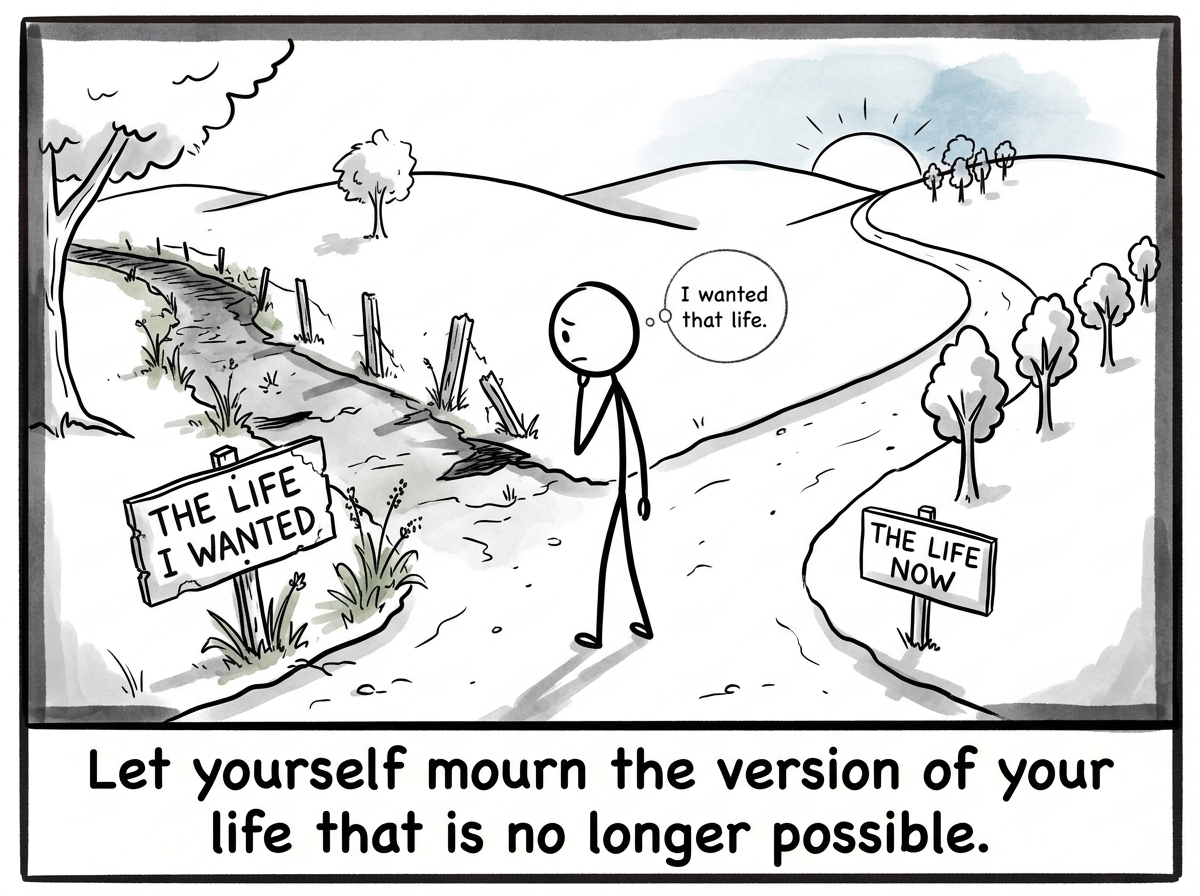
A person stands at a fork in the road, watching a ghost version of themselves walk down the path they can no longer take -- mourning the future that was supposed to be theirs.

Losing the life you thought you would have.
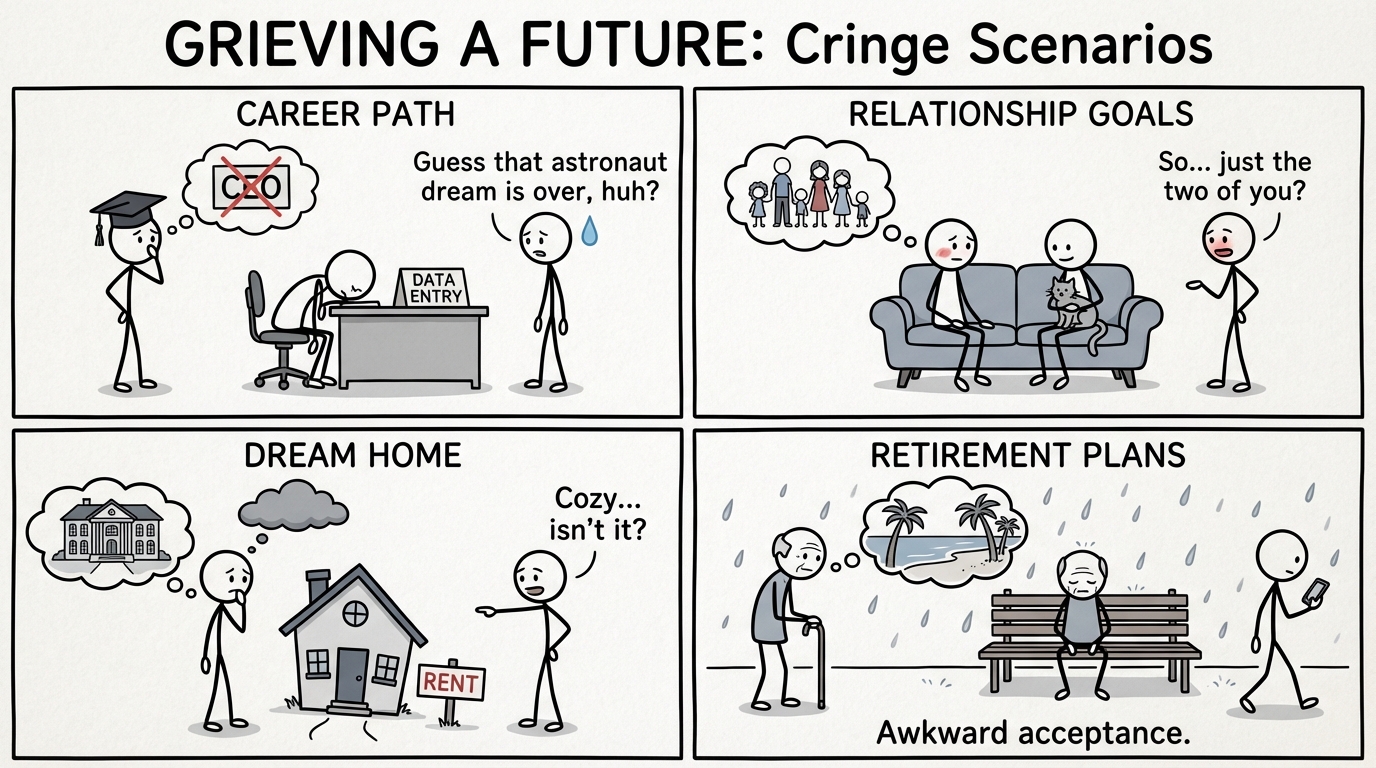
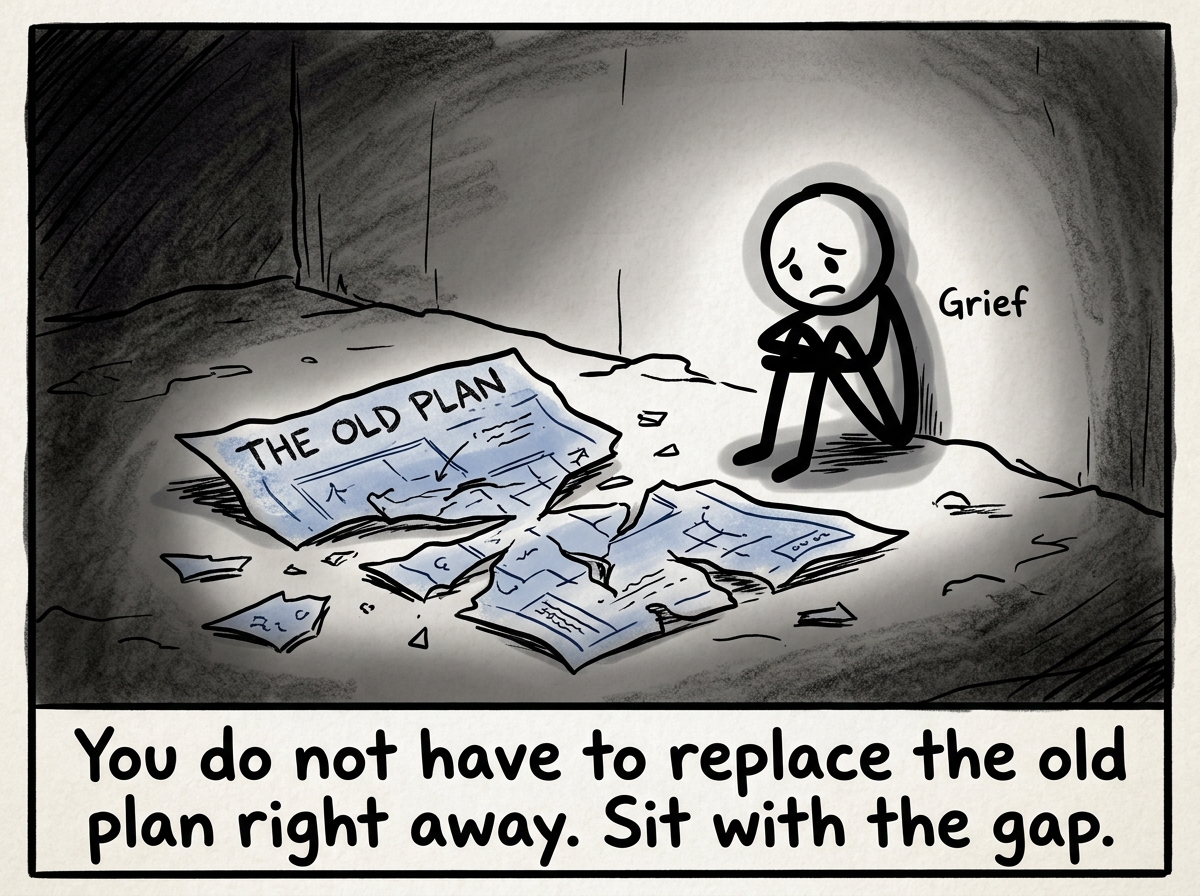
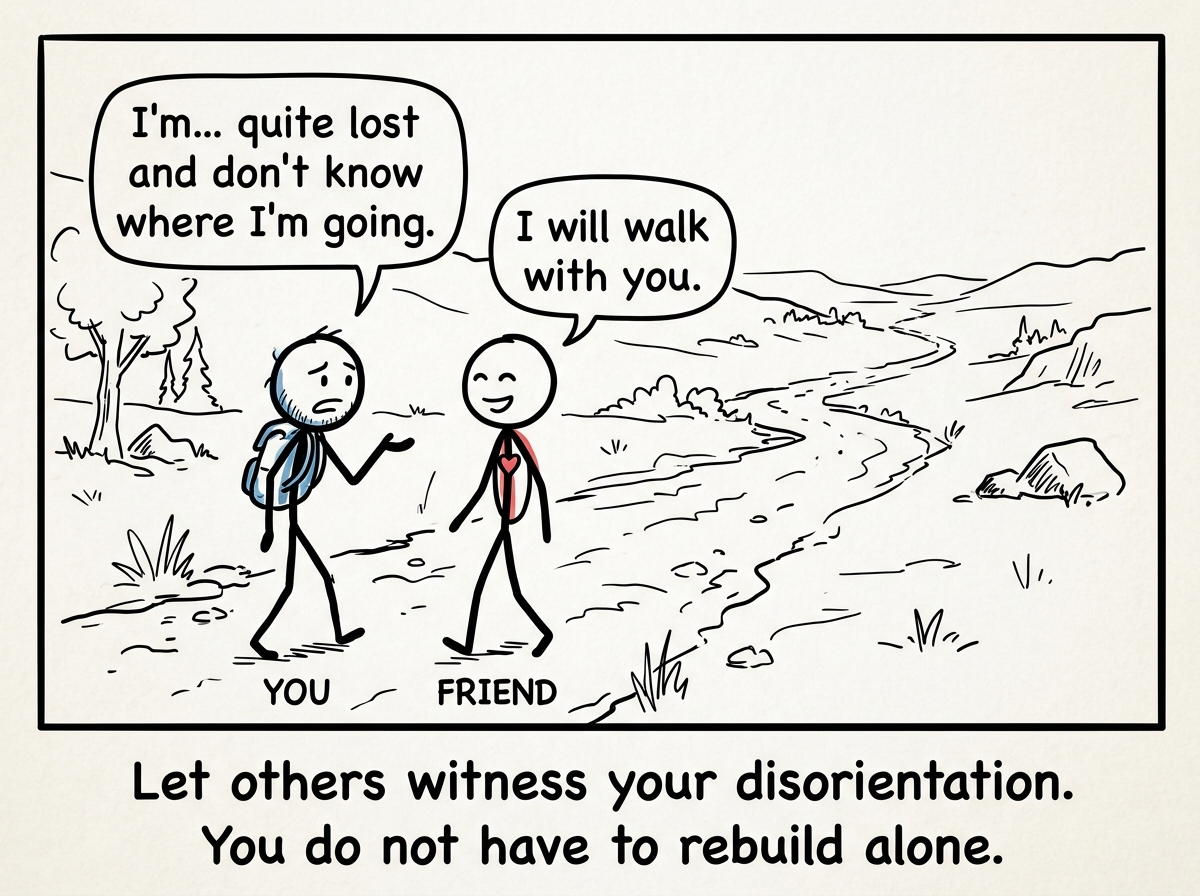
Sometimes the most painful thing you lose is something you never actually had -- a future you imagined, planned for, and emotionally invested in. Grieving a future is the process of mourning a life trajectory that is no longer possible. Maybe a diagnosis changed everything. Maybe a relationship ended and took with it the shared vision of a house, a family, a growing-old-together story. Maybe career plans collapsed, fertility did not cooperate, or the world itself shifted in ways that made your original blueprint obsolete. This type of grief is disorienting because there is no tangible thing to point to and say, 'This is what I lost.' You are mourning a possibility -- a version of yourself who got to live a different story. Psychologists sometimes frame this through the lens of shattered assumptions, a concept explored by Ronnie Janoff-Bulman, which describes how traumatic or disruptive events break our core beliefs about how the world is supposed to work. When your assumed future shatters, it does not just hurt -- it destabilizes your identity. You have to rebuild not just your plans but your sense of who you are without that story. The work of grieving a future is not about replacing the old vision with a new one right away. It is about sitting with the gap, acknowledging what the lost future meant to you, and slowly -- painfully, honestly -- learning that you can author a meaningful life even when the first draft was torn up.
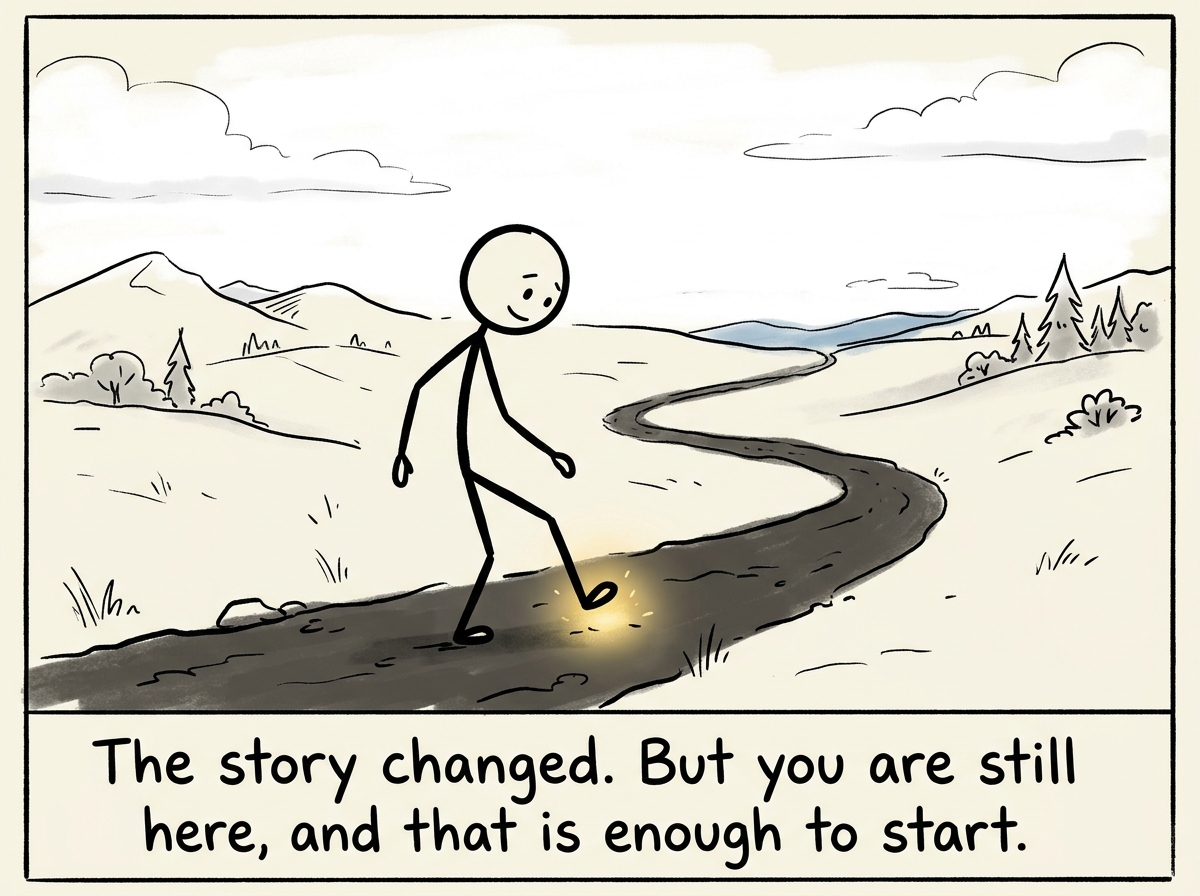
You are allowed to grieve a future that never happened -- and you can begin again without pretending the lost version did not matter.