Autistic Masking: The Person You Are When No One Is Watching
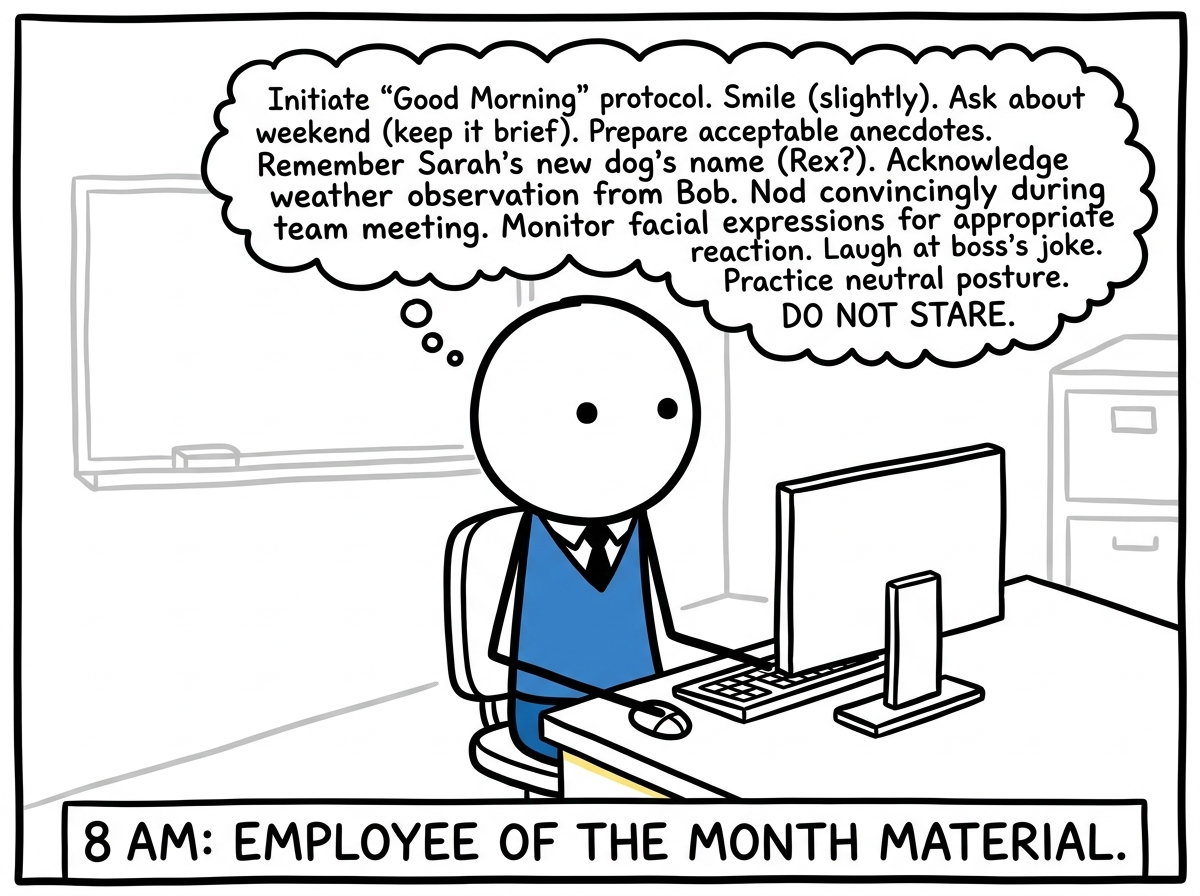
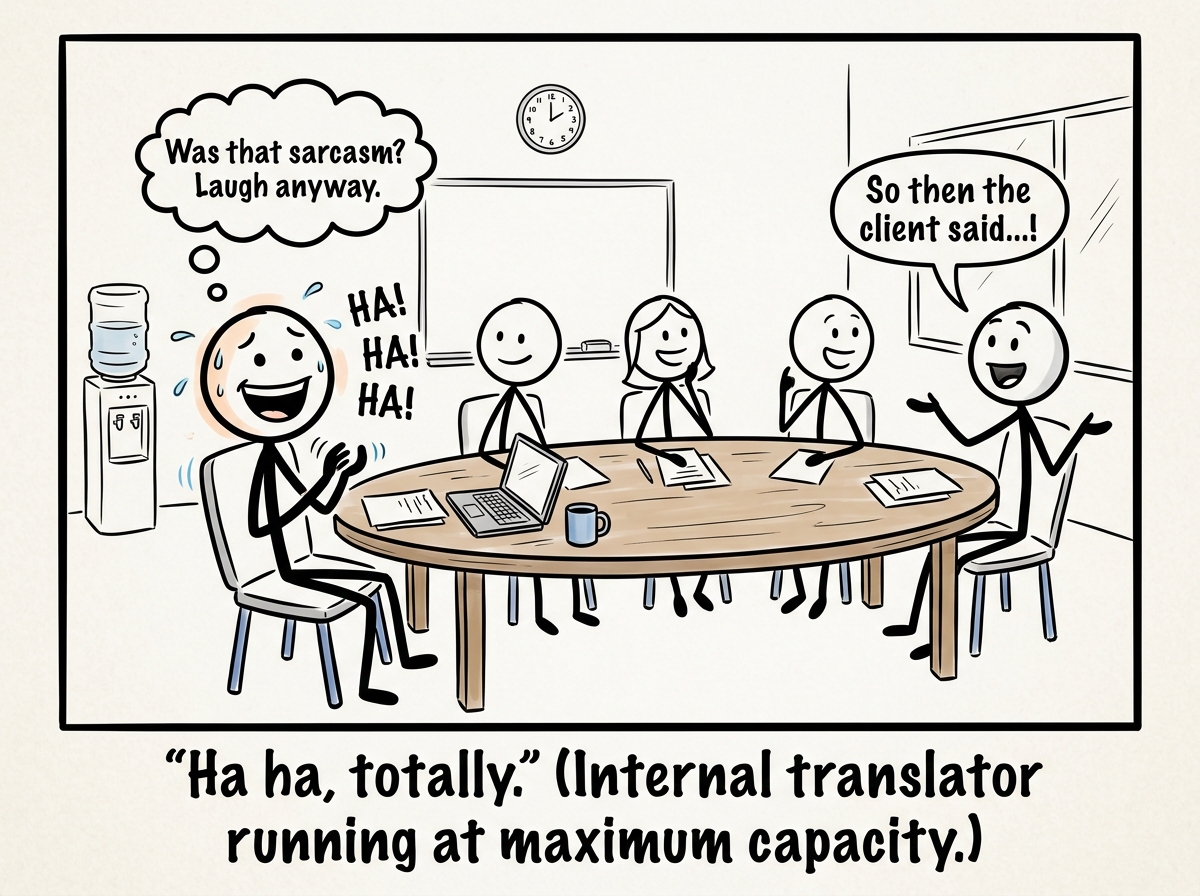
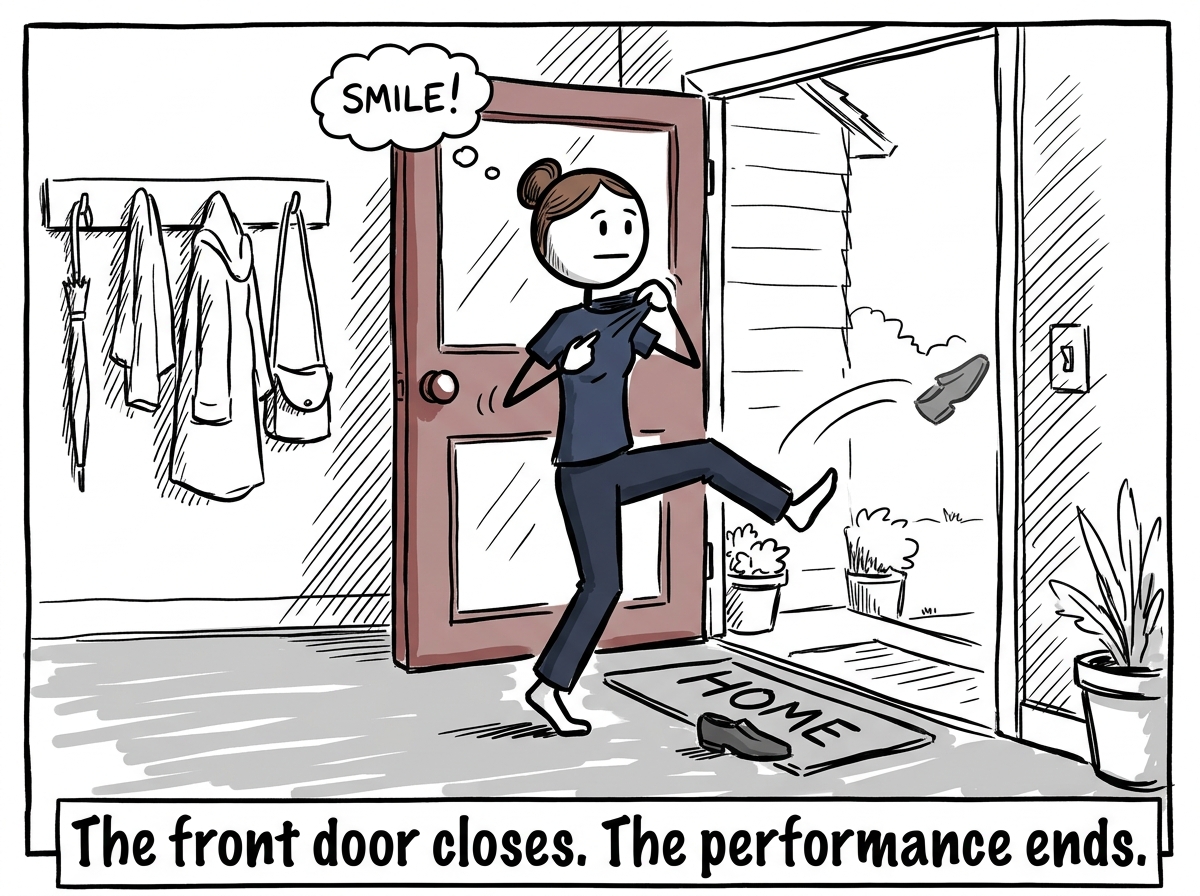
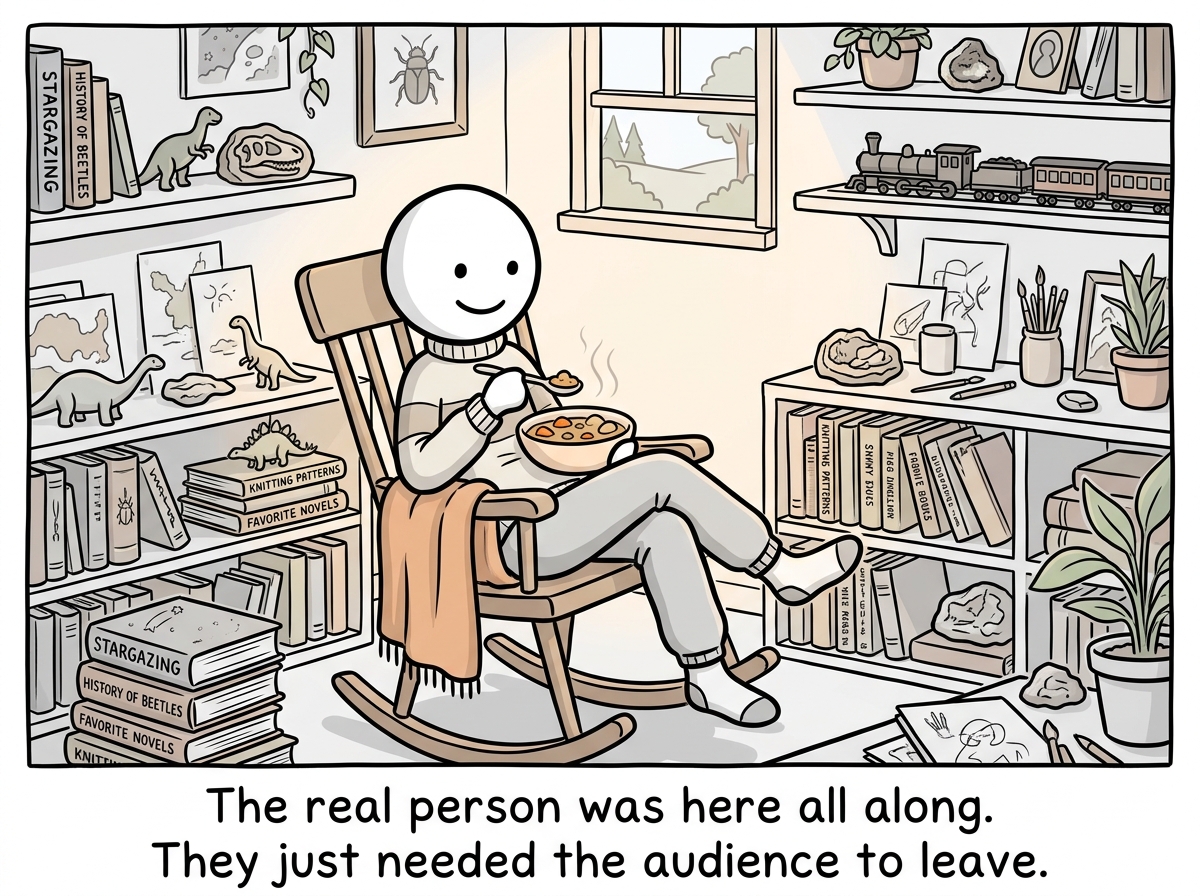
The stark contrast between an autistic person's public masked persona and who they actually are when they finally get home and can drop the performance.
Explanation
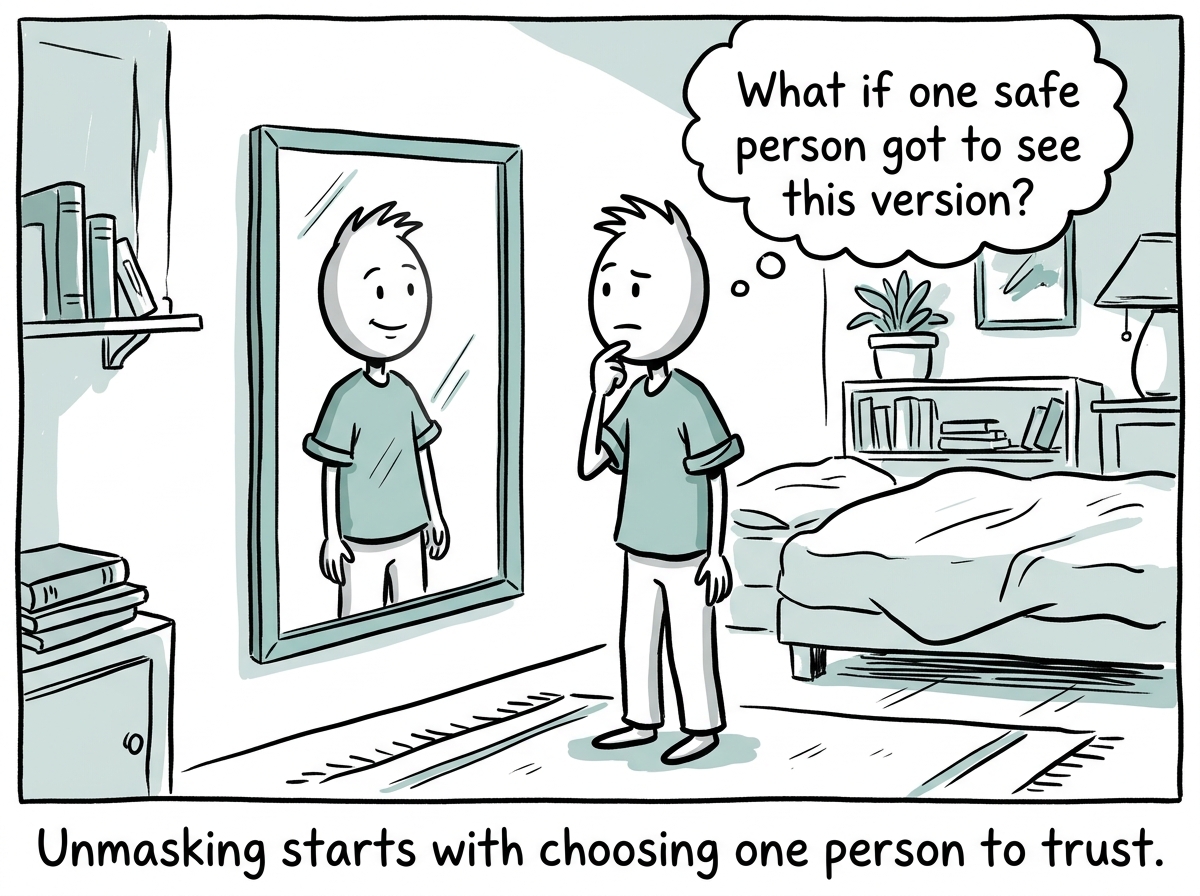
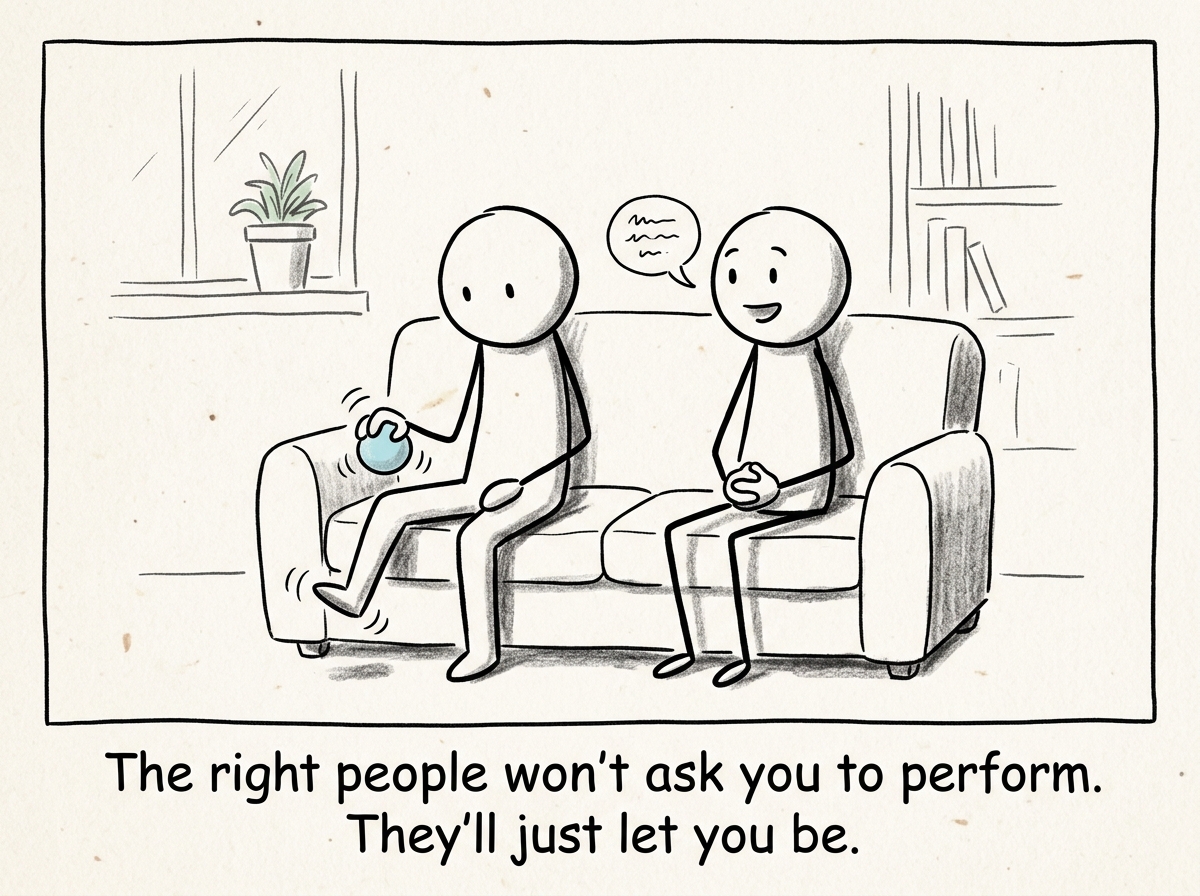
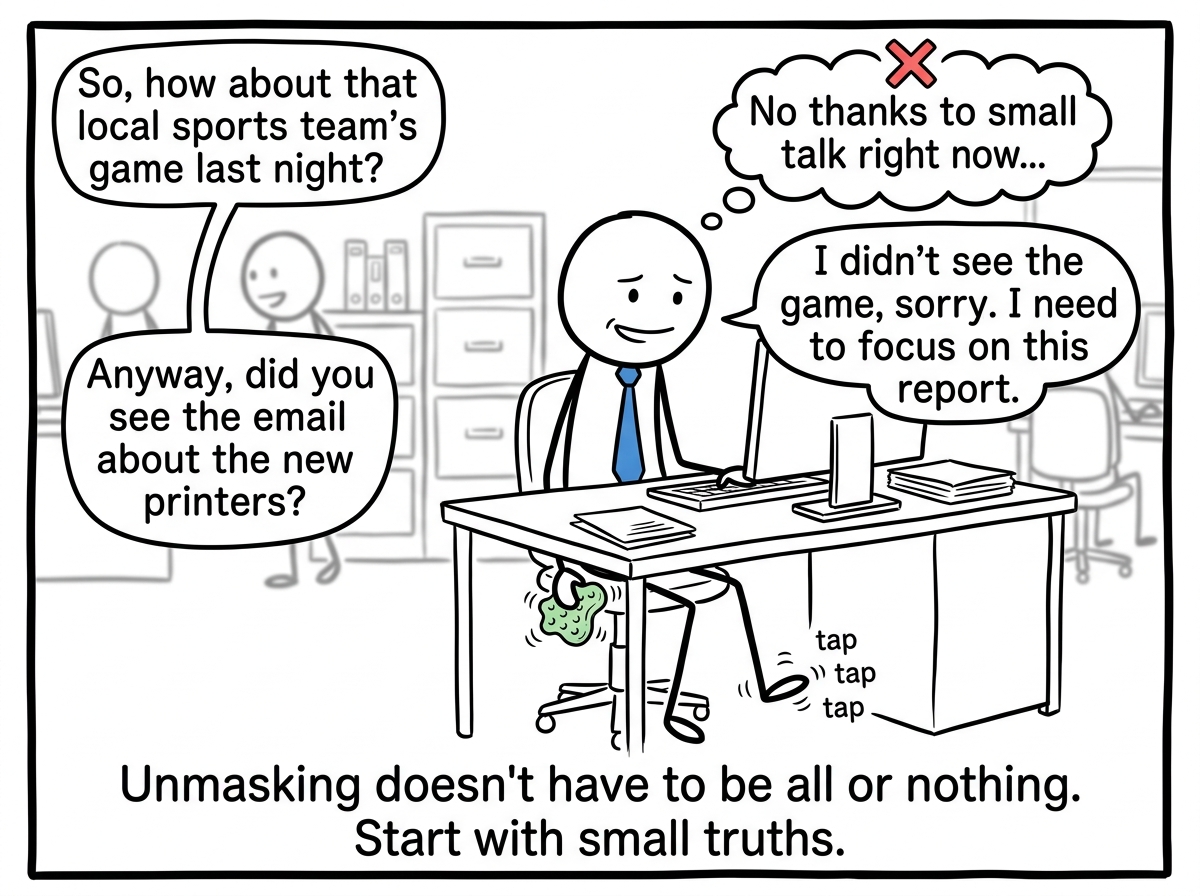
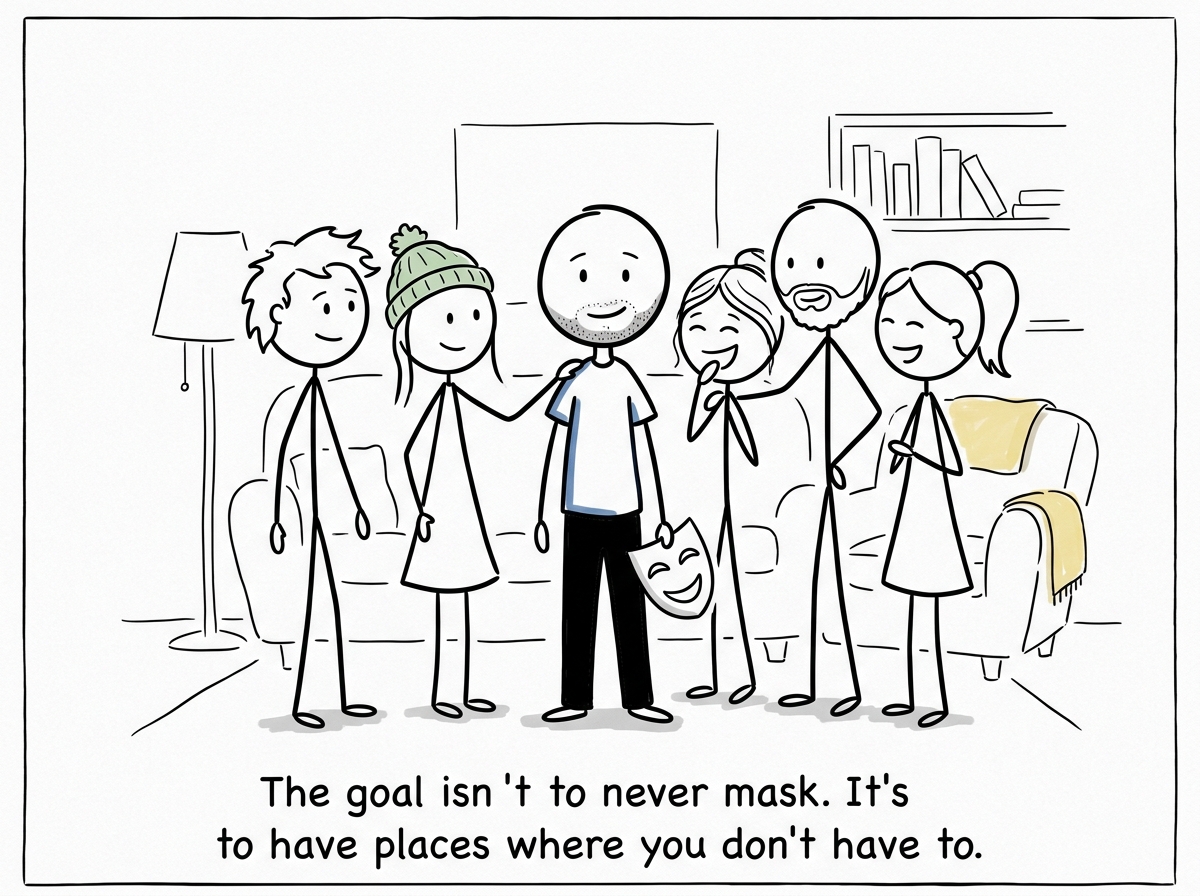
At work, you are the person who always knows the right thing to say. You greet your coworkers with the exact appropriate level of enthusiasm. You navigate small talk about weekend plans with practiced ease. You sit through meetings maintaining the correct posture, facial expression, and engagement signals. No one would ever guess that every single one of these behaviors is a conscious, deliberate choice executed from an exhaustively rehearsed internal script. Then you get home, close the door, and the mask falls off like a physical weight being lifted. The gap between the masked and unmasked self is one of the most disorienting aspects of the autistic experience. At home, you might not speak for hours. You stim freely -- rocking, flapping, fidgeting -- in ways you would never allow yourself to do in public. You might eat the same comfort food for the fifth day in a row, wear the one outfit that does not assault your skin, and spend the evening absorbed in a special interest that fills you with a joy your masked self is not permitted to show. The unmasked version is not the 'lesser' version. It is the real one. But years of performing the masked version can create an identity crisis: if everyone knows and likes the mask, does anyone actually know you? Unmasking is a gradual, often frightening process. It means allowing safe people to see the real version -- the version that needs subtitles for sarcasm, that rocks when thinking, that cannot make phone calls without a script. It means accepting that some people will not understand, and that the ones worth keeping will. The goal is not to never mask again -- sometimes masking is a practical necessity -- but to have spaces and relationships where masking is optional, not mandatory.
Key Takeaway
The person everyone likes at work and the person you are at home are not two different people -- one is just performing and the other is finally resting.