
When the Avoidant Disappears After Getting Close
Part of the Attachment Styles in Dating Scenarios series (Part 2)
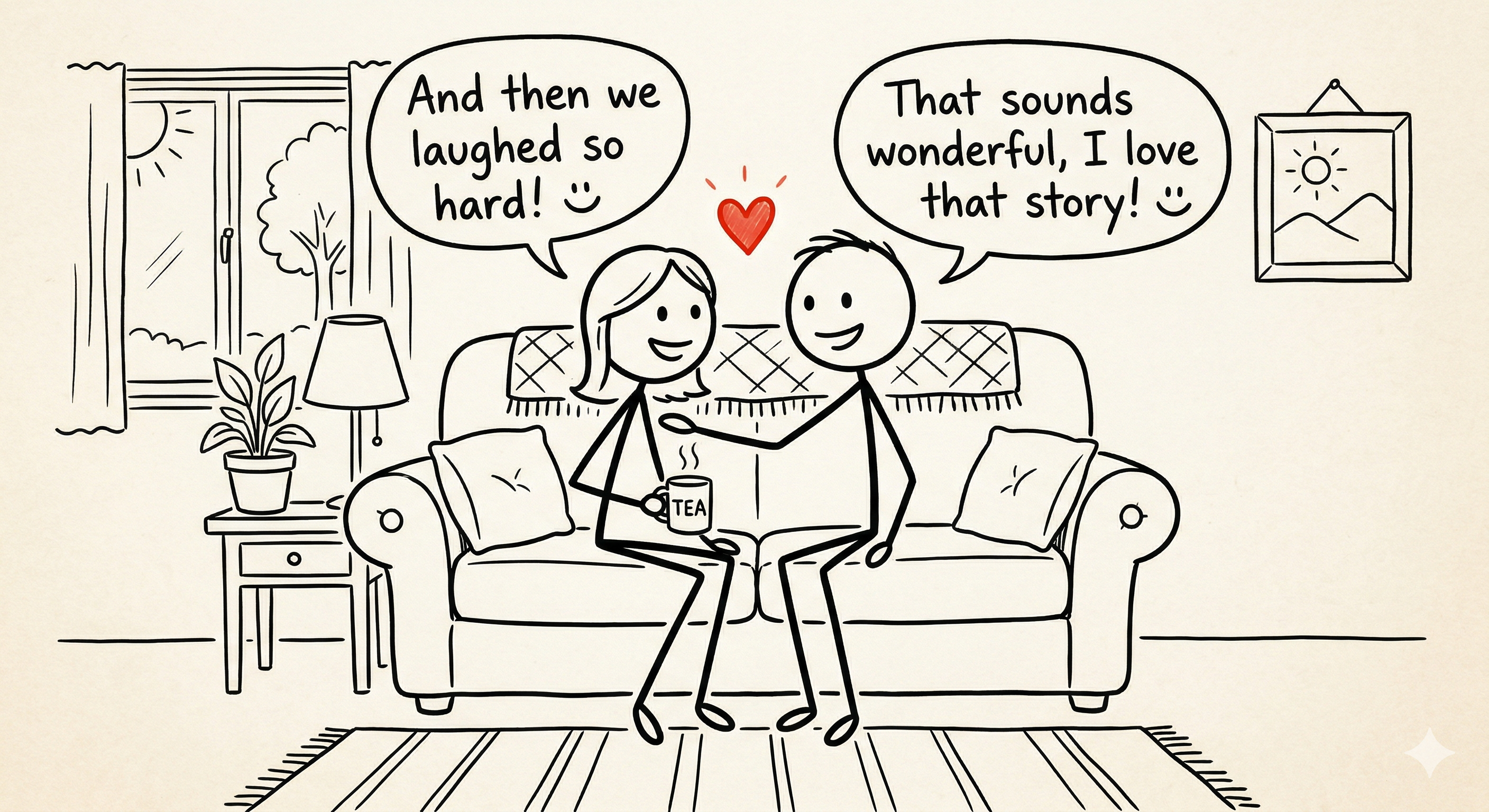
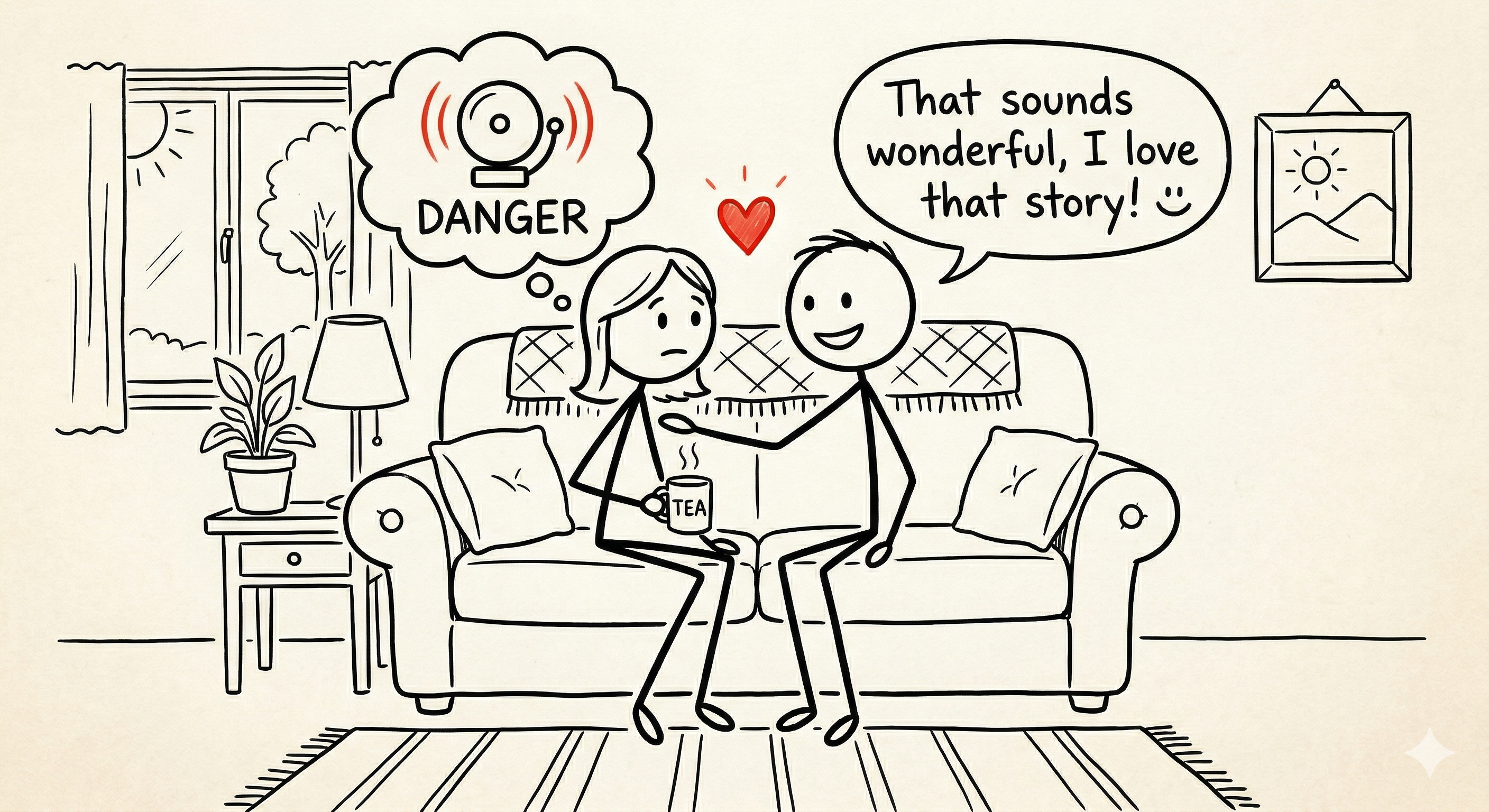
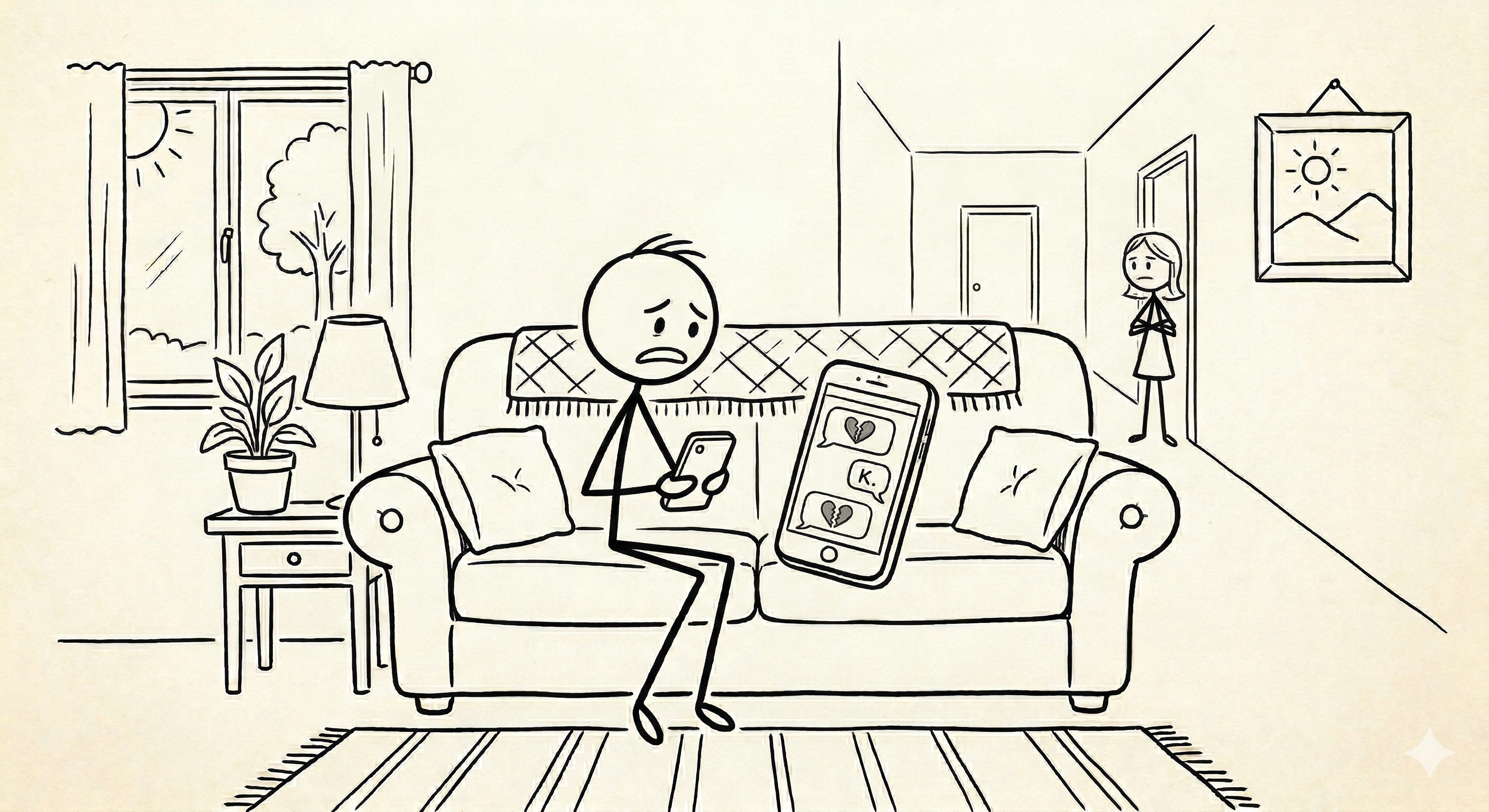
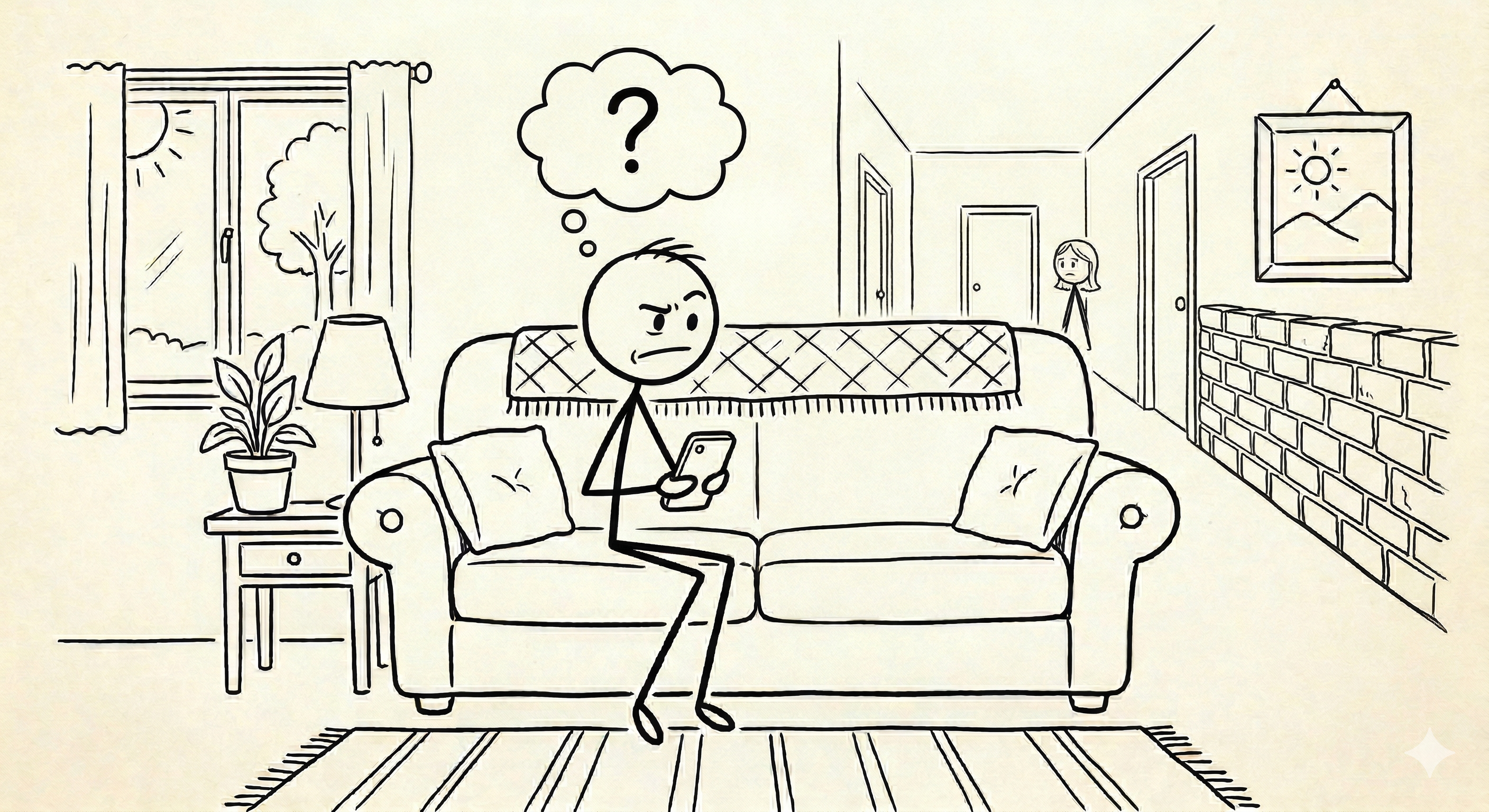
A person with avoidant attachment pulls away after a moment of genuine emotional closeness, leaving their partner confused about what went wrong.
Explanation
You had an incredible evening. Real conversation, genuine vulnerability, maybe even a moment where you felt truly seen. And then... silence. They pull away. Shorter texts. Sudden busyness. If you have been on the receiving end of this, it is bewildering. If you are the one doing it, you might not even realize why you suddenly need space. This is the avoidant attachment pattern in action. Avoidant attachment typically develops when caregivers were emotionally unavailable or dismissive. The child learned that expressing needs led to disappointment, so they adapted by becoming self-reliant and suppressing emotional needs. In adulthood, this shows up as discomfort with closeness. Intimacy triggers an unconscious alarm that says 'too close means too vulnerable, and too vulnerable means getting hurt.' So you pull away -- not because you do not care, but because caring feels dangerous. The tragic irony is that avoidant individuals often deeply want connection. They just have a nervous system that interprets closeness as a threat. The withdrawal is not a conscious decision to hurt someone -- it is an automatic protective response. Recovery involves slowly learning that vulnerability does not have to lead to pain, and that staying present during emotional closeness is safe.
Key Takeaway
Pulling away after intimacy is not a lack of interest -- it is a nervous system that learned closeness equals danger.
A stick figure noticing the urge to withdraw after a close moment, with a thought bubble reading 'My alarm is going off, but I am not in danger'
The figure sending an honest text: 'Last night was really nice. I am feeling a little overwhelmed and need a moment, but I am not going anywhere'
The figure sitting with the discomfort of closeness, hands slightly shaking but staying present in the room
Both figures together the next day, the avoidant one saying 'I almost ran. I am glad I did not' with a small, genuine smile