The Fawn Who Forgot Their Own Name

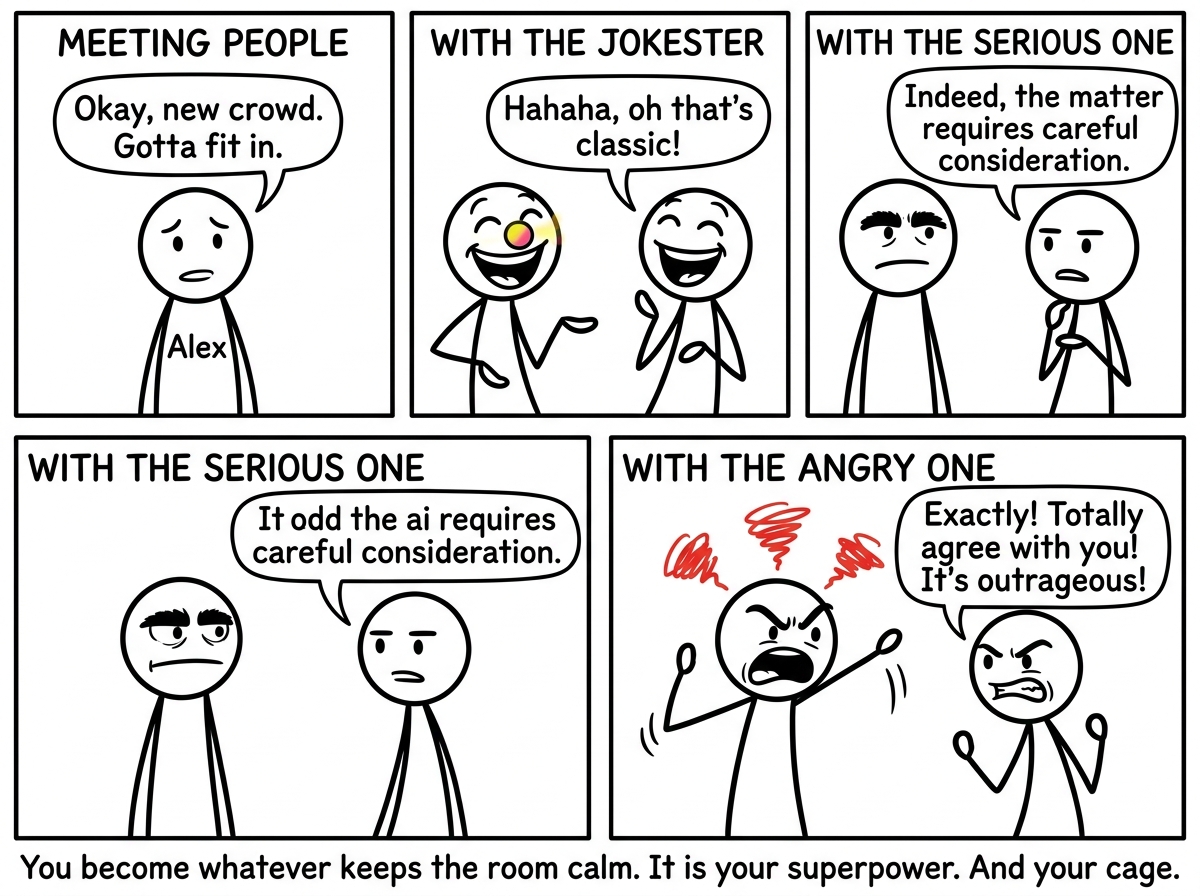
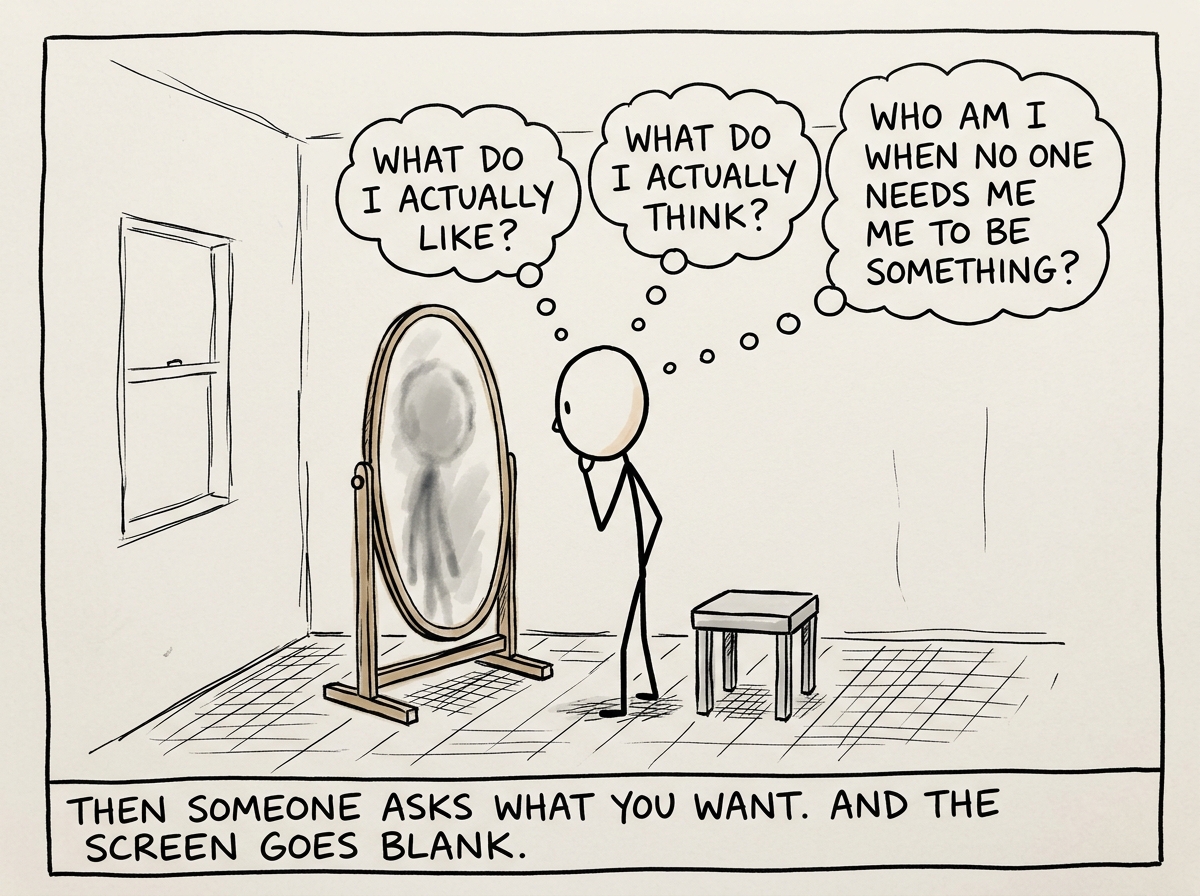
A person with C-PTSD automatically morphs into whatever version of themselves will keep everyone around them calm, until they realize they have no idea who they actually are.
Explanation
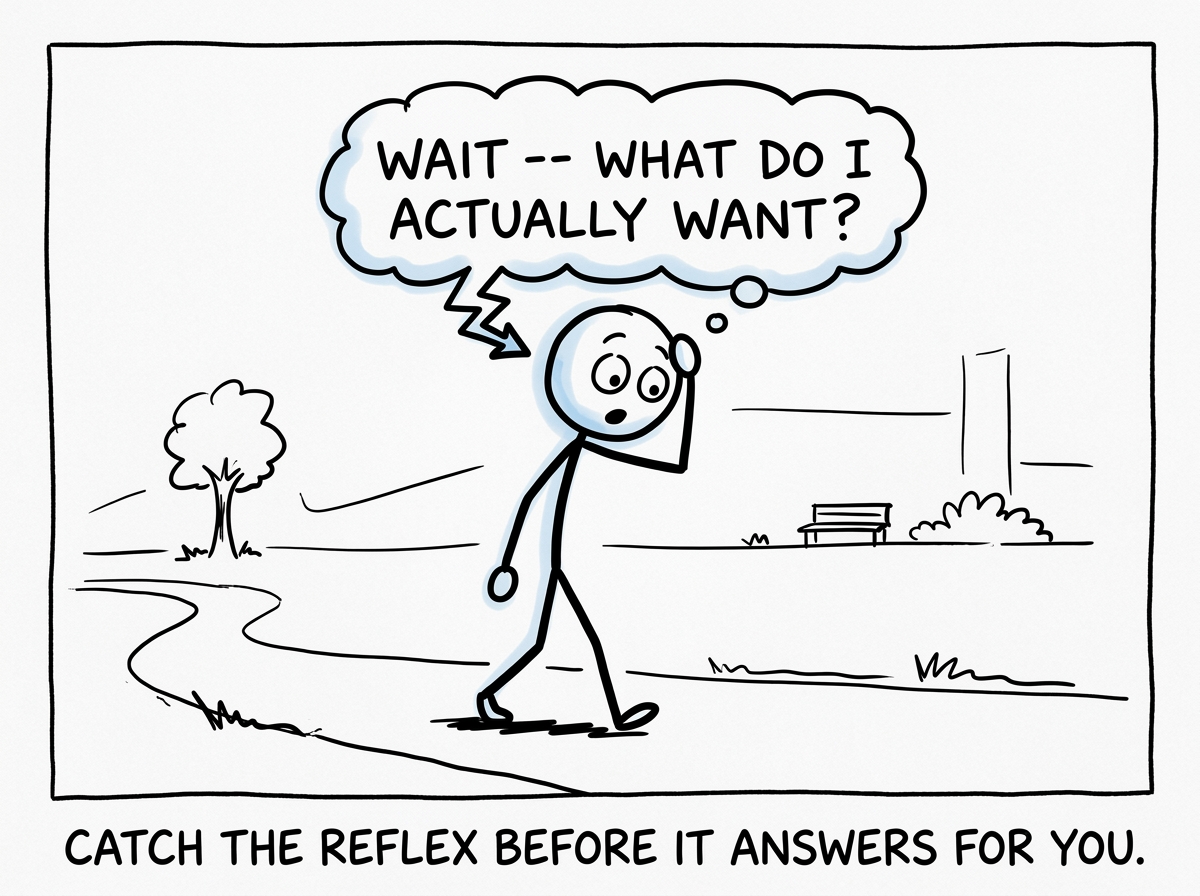
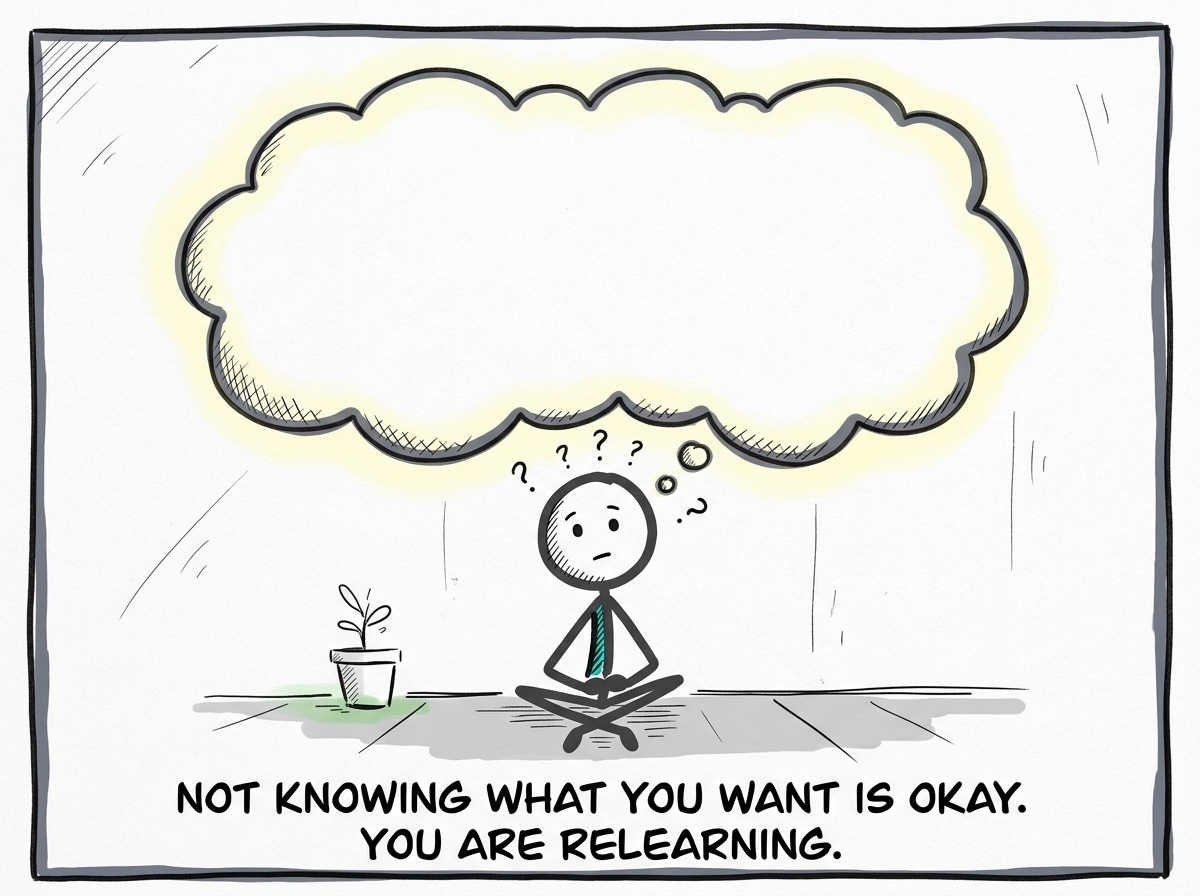
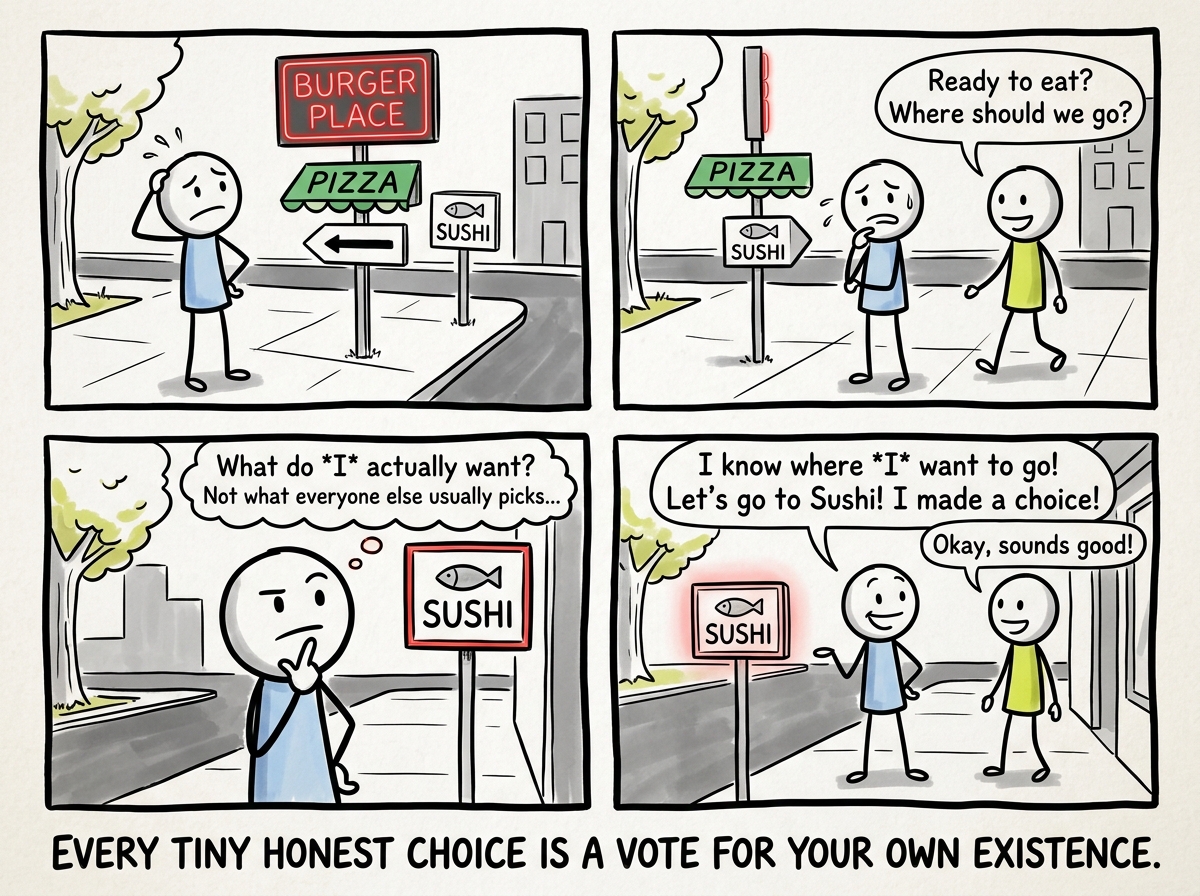
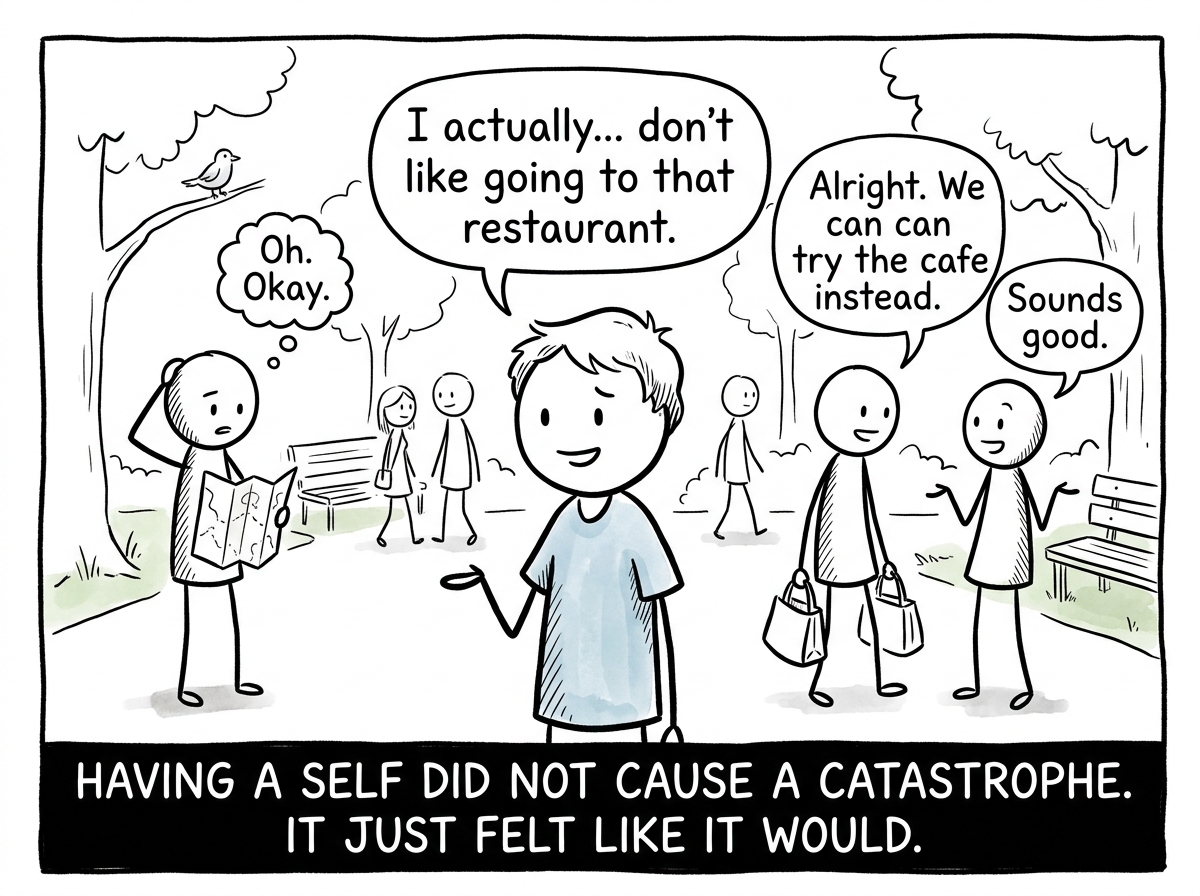
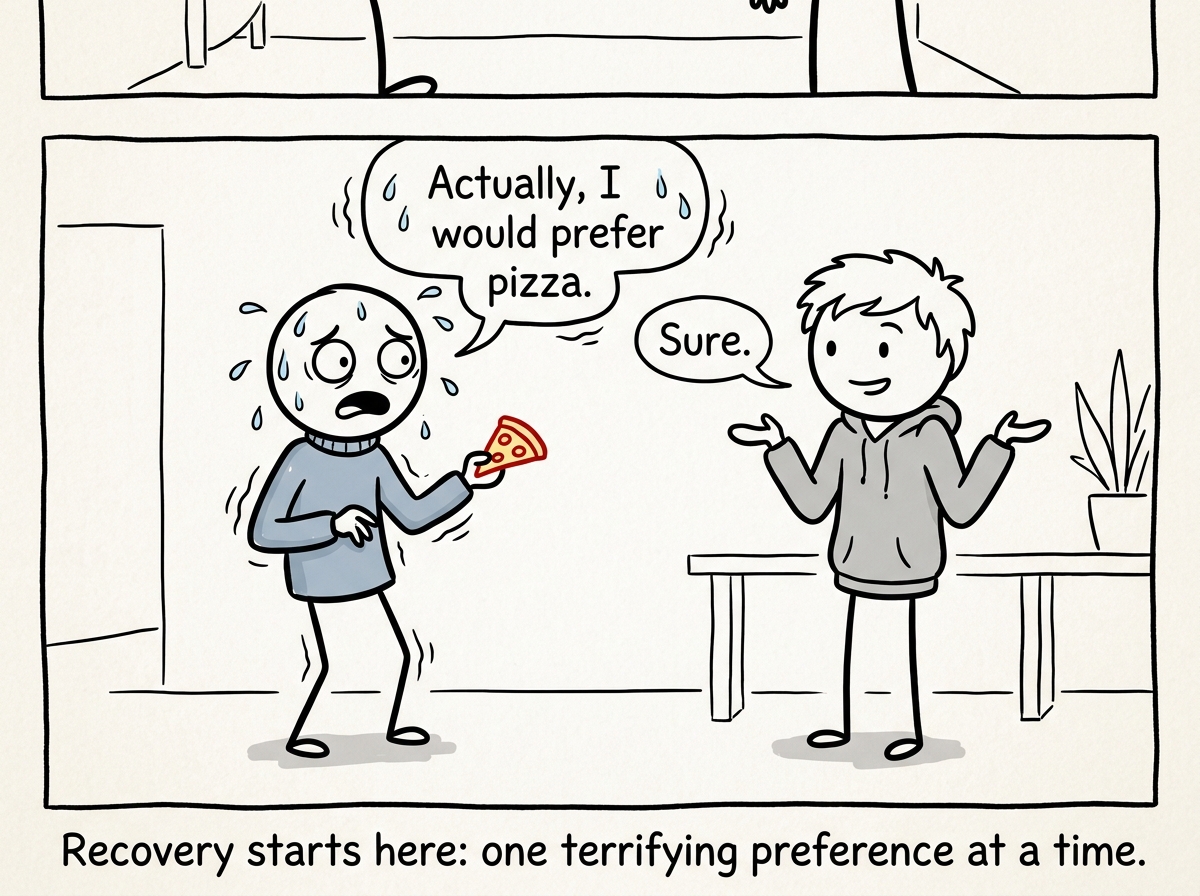
Someone asks what you want for dinner and your first thought is not about food -- it is about what they want you to say. A friend shares an opinion and you immediately agree, not because you do, but because disagreeing feels physically dangerous. Your boss makes an unreasonable request and you smile and say 'of course,' while something inside you quietly dies. This is the fawn response -- the C-PTSD survival strategy of becoming whatever the other person needs you to be in order to stay safe. The fawn response develops in environments where the child learned that having needs, opinions, or boundaries provoked punishment or abandonment. The adaptive solution was brilliant: become a mirror. Reflect back whatever keeps the dangerous person calm. Agree. Accommodate. Anticipate. Disappear into their preferences. Pete Walker identifies fawning as the fourth F in the trauma response repertoire, and it is the one most likely to be invisible -- because it looks like being nice, agreeable, and easy to be around. But underneath the agreeableness is a person who has no idea what they actually think, feel, want, or need. Recovery from the fawn response starts with the smallest acts of self-assertion. Choosing what you want to eat without polling the room. Saying 'I need a minute to think about that' instead of instantly agreeing. Noticing the moment your authentic reaction gets overwritten by the accommodation reflex. It is slow, uncomfortable work, because every genuine preference feels like a risk. But each time you choose yourself without catastrophe following, your nervous system gets a new data point: having a self is survivable.
Key Takeaway
The fawn response keeps everyone else comfortable at the cost of erasing the person doing the fawning.