Office Politics: The Credit Thief
Part of the Surviving the Toxic Workplace series (Part 3)
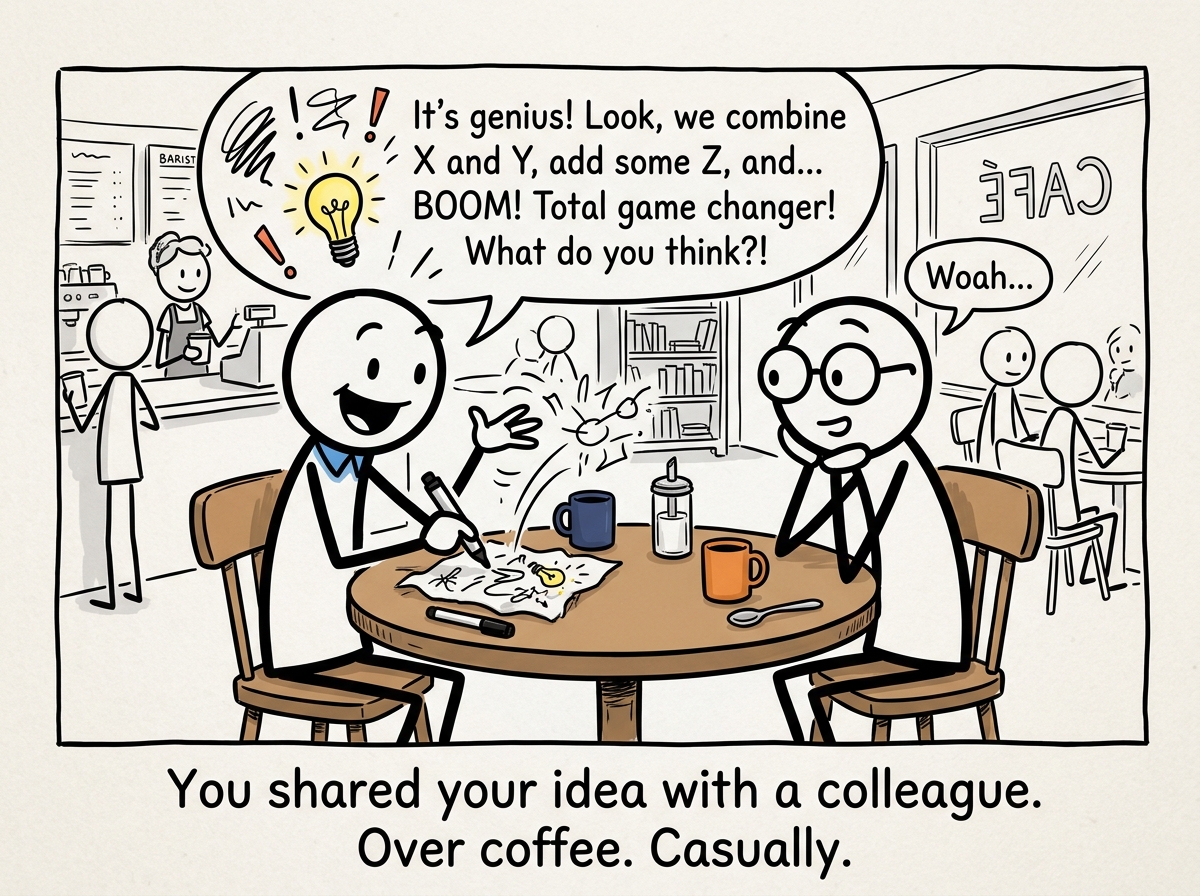
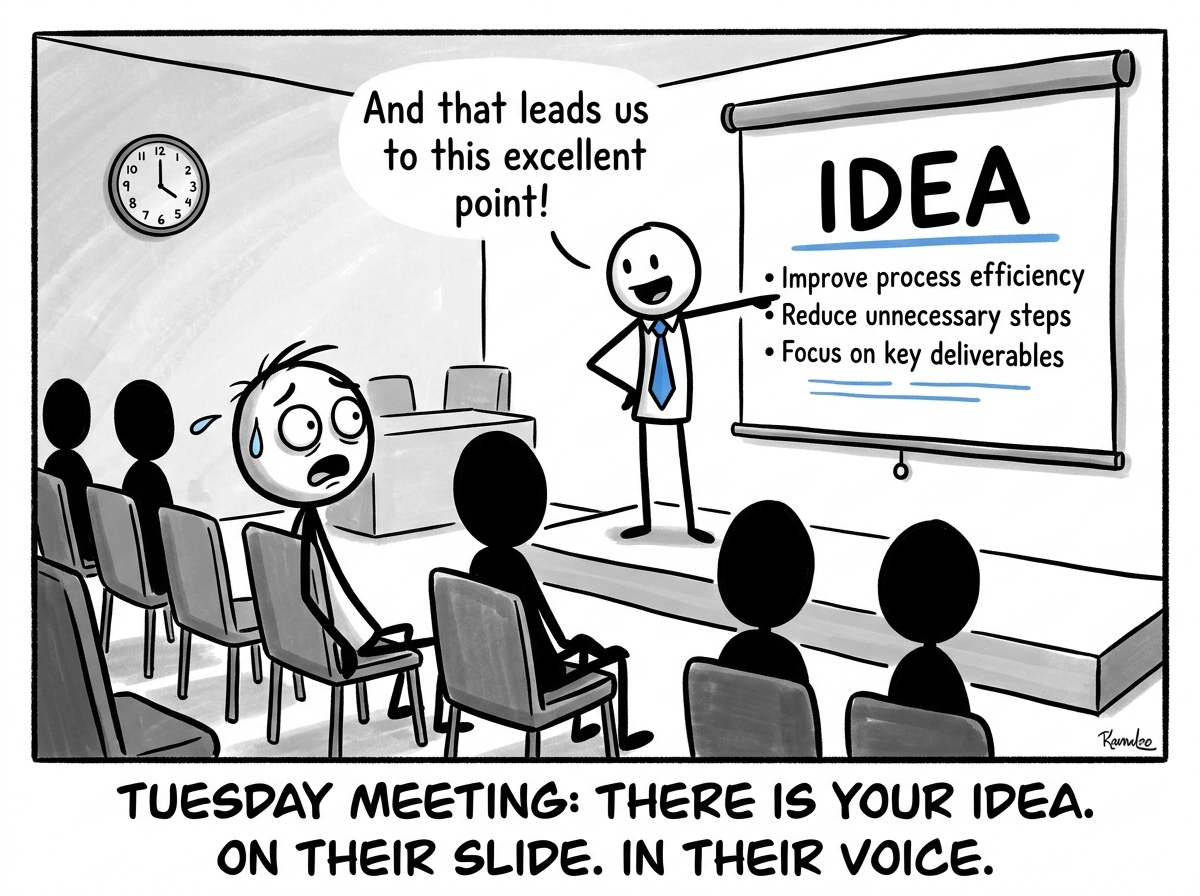
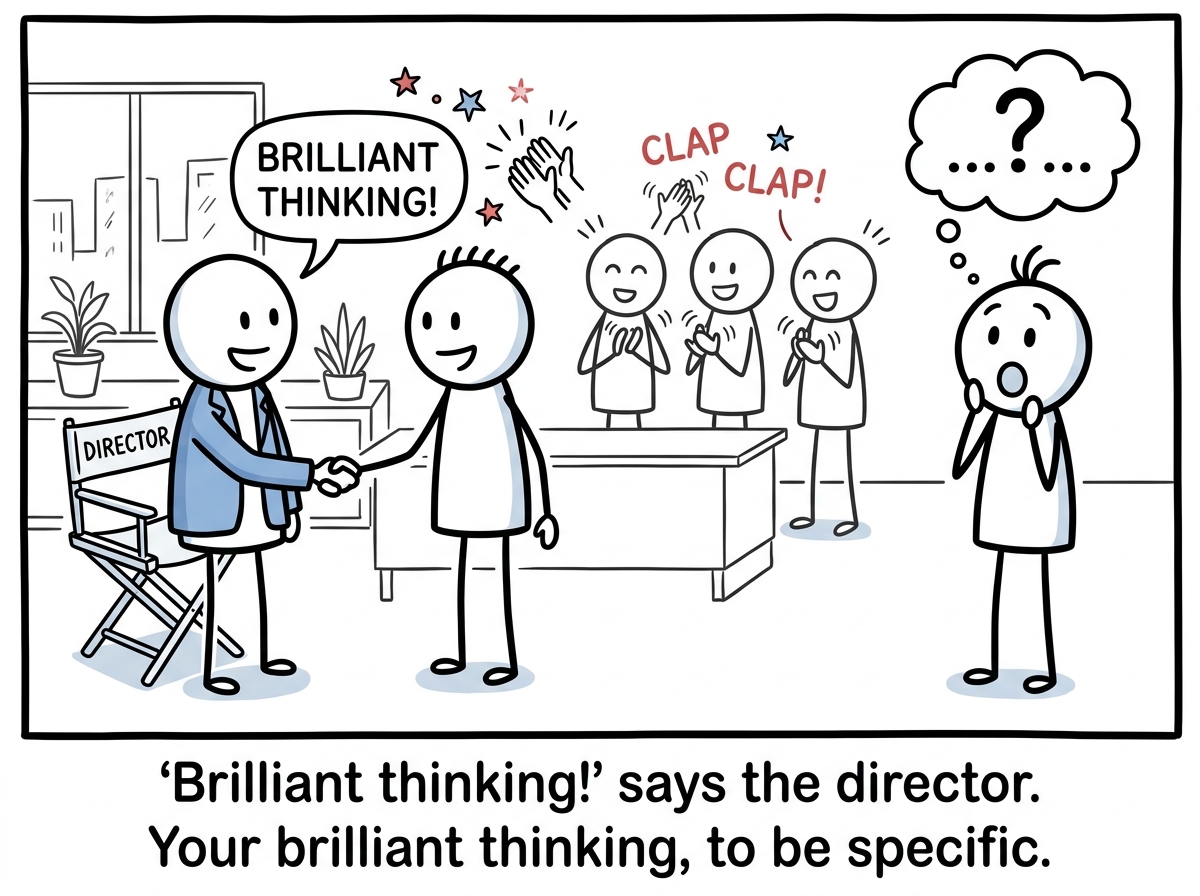
A colleague presents your idea in a meeting as their own, and the room rewards them with praise while you sit in disbelief.
Explanation
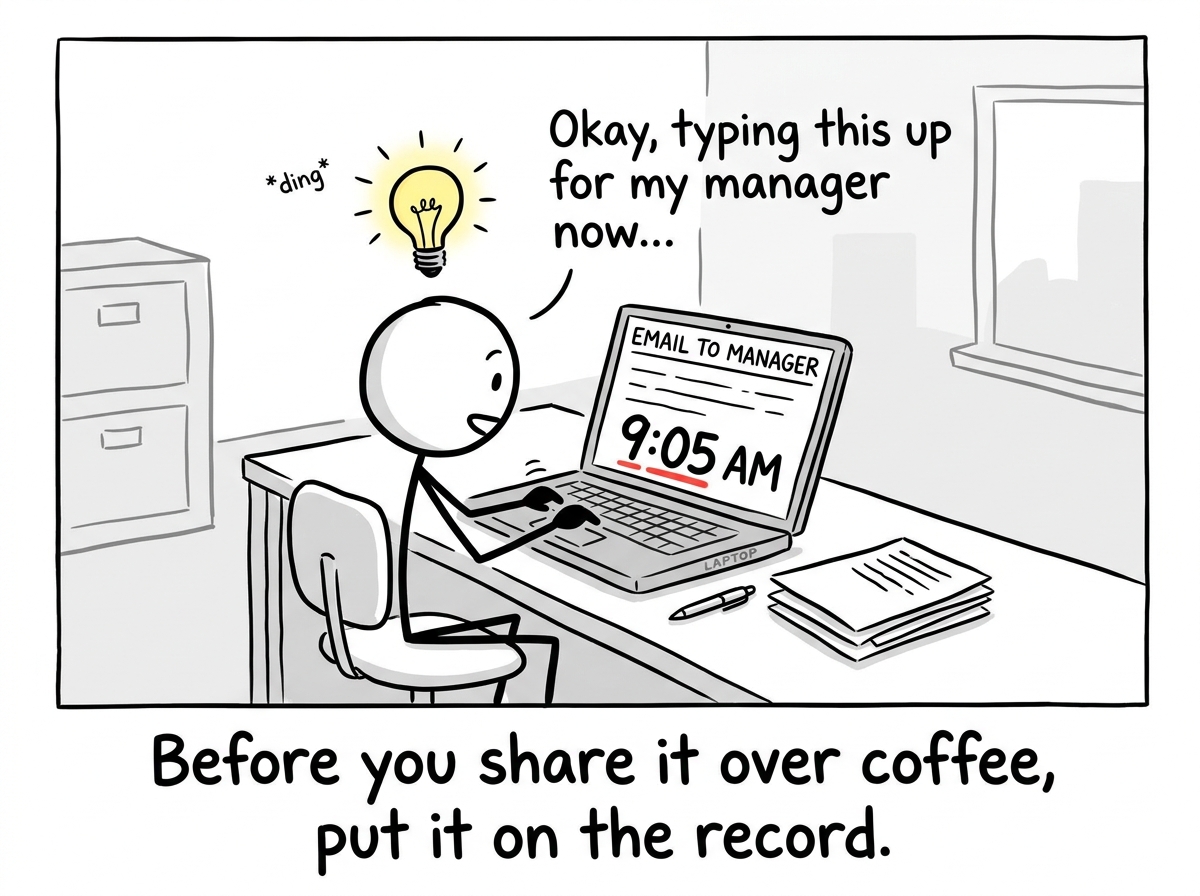
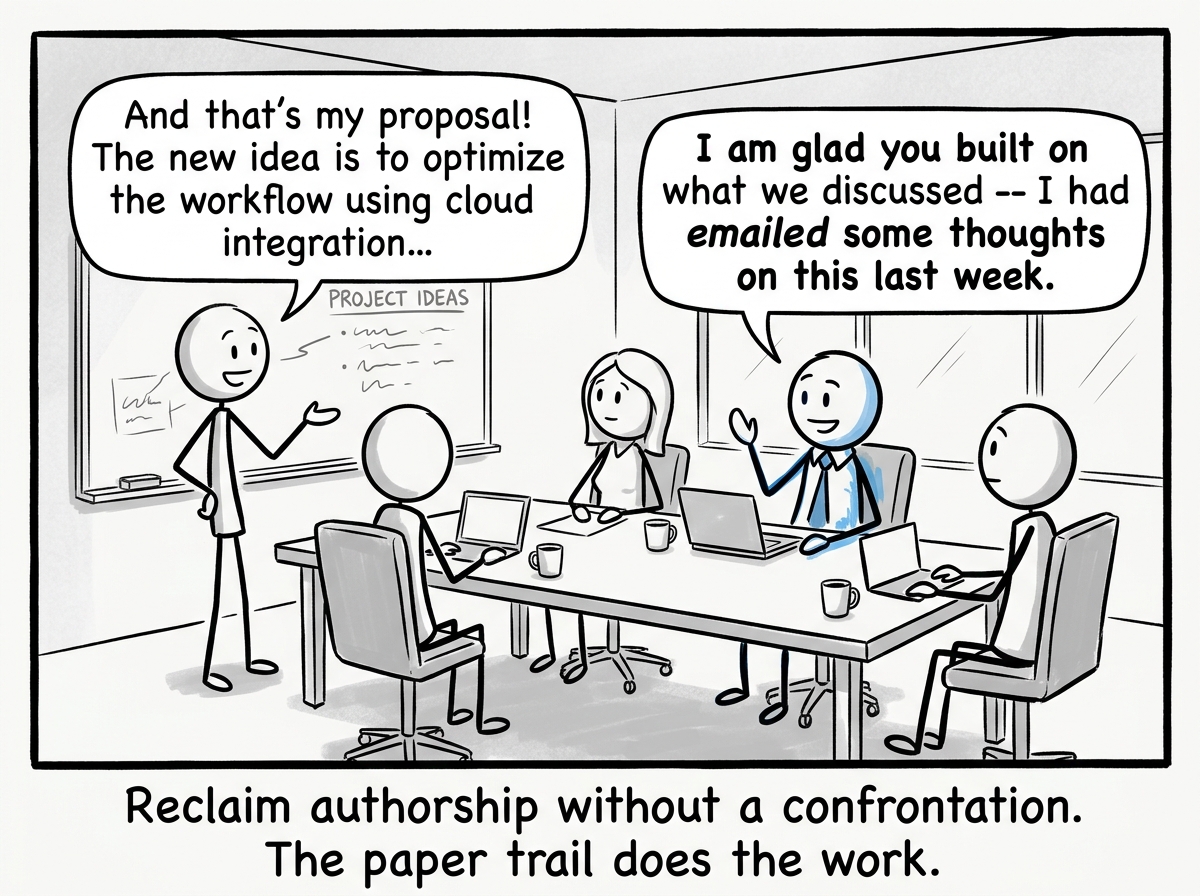
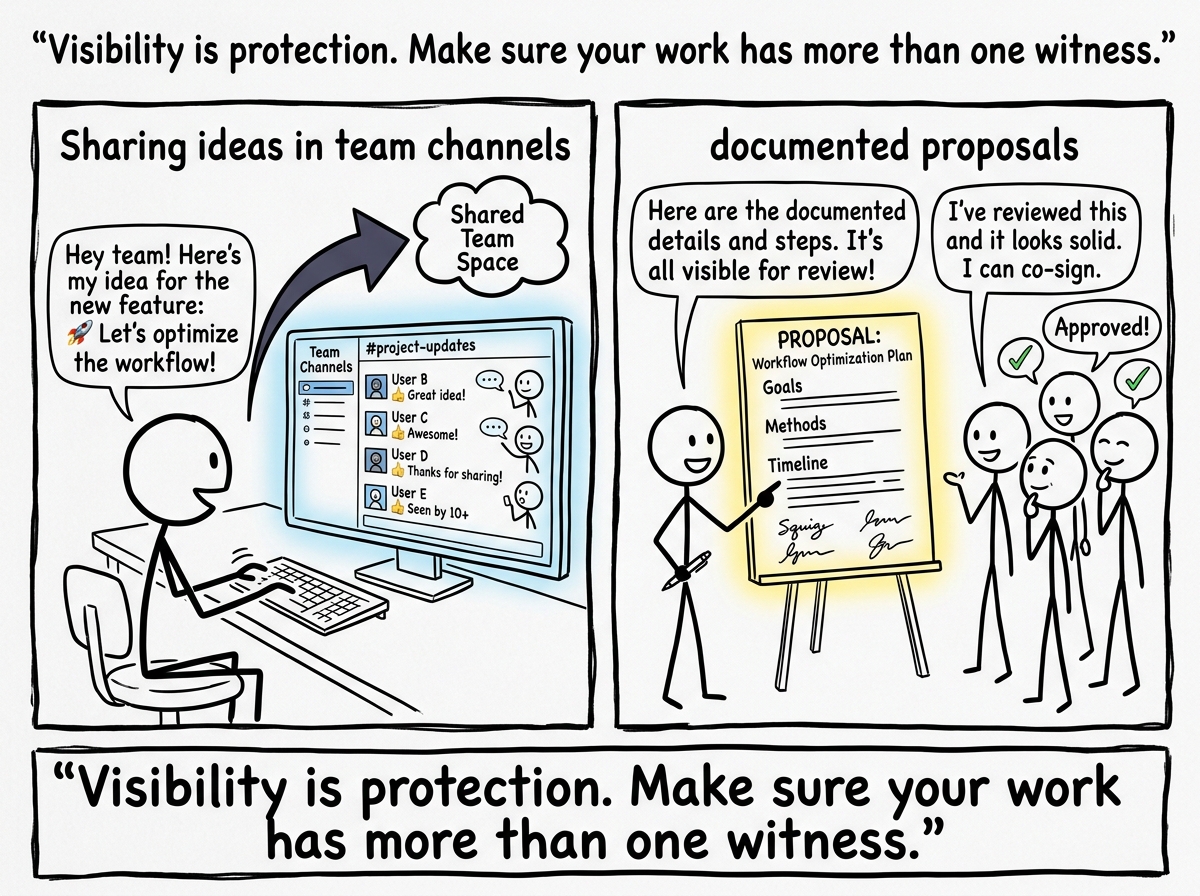
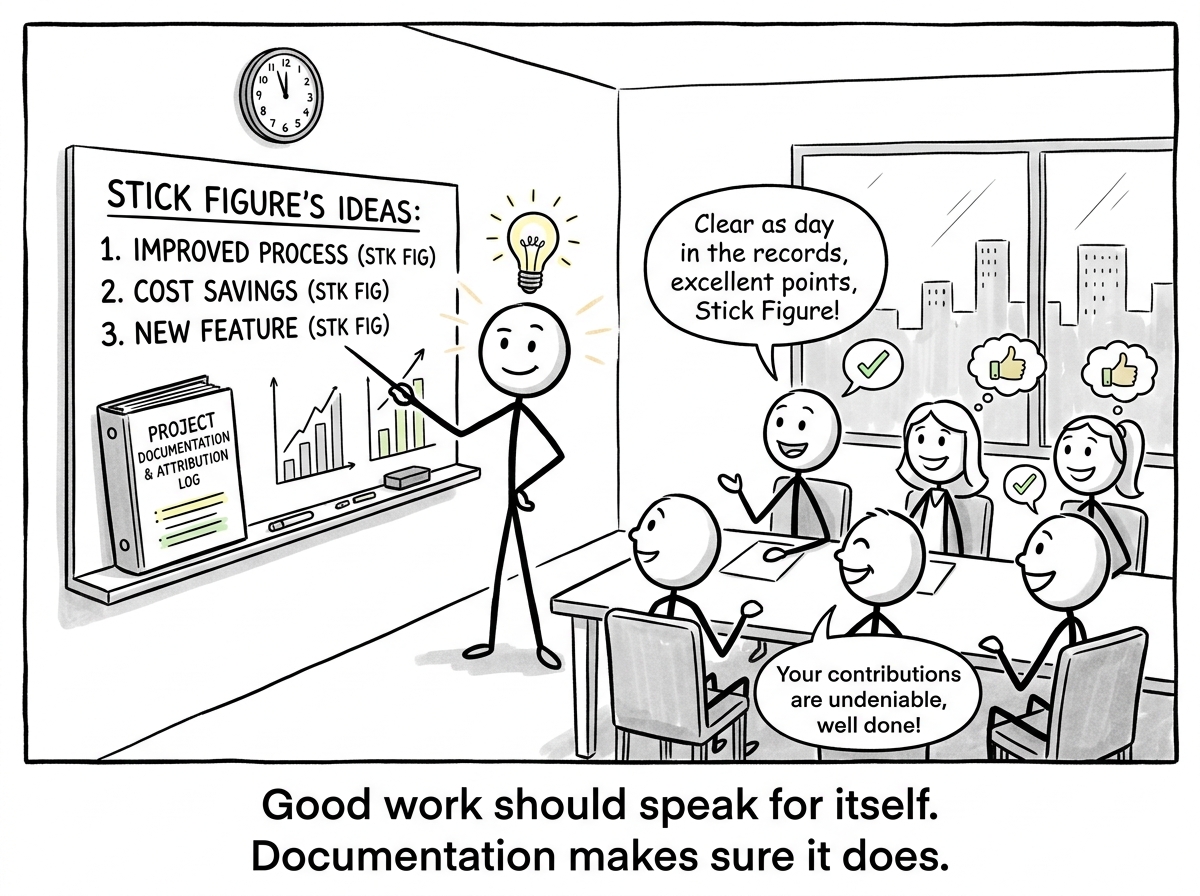
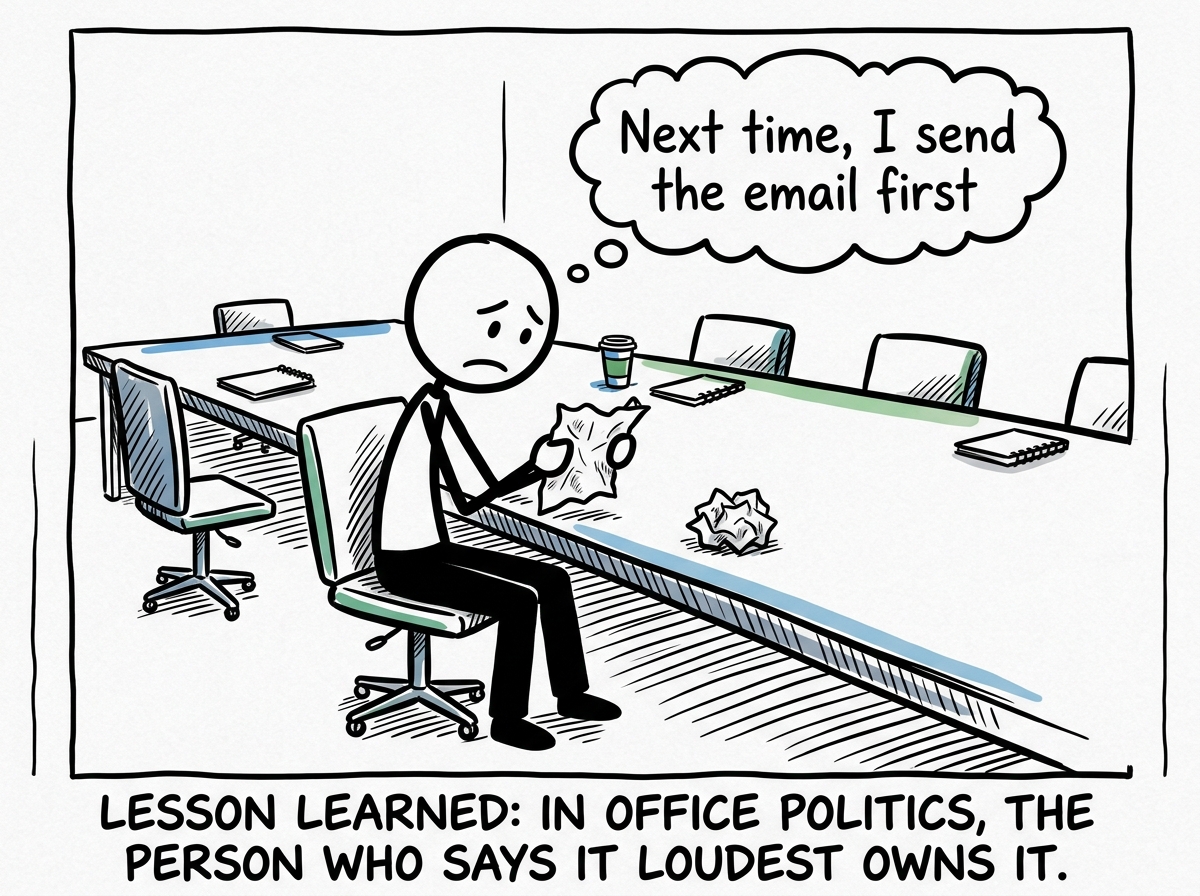
You shared an idea with a colleague over coffee last week. It was a rough sketch, a thought you were still developing. Then Tuesday's meeting arrives and there it is -- your idea, polished up and presented by someone else as their original thinking. The director loves it. The team nods along. Your colleague receives the praise with a humble smile. You sit frozen, trying to decide if you are overreacting, if maybe it is a coincidence, if you should say something. You do not say anything. The moment passes. The credit is gone. Credit theft is one of the most corrosive forms of office politics because it attacks the fundamental link between effort and recognition. Research on procedural justice shows that people can tolerate difficult work conditions and even low pay, but perceived unfairness -- especially around recognition and attribution -- is one of the strongest predictors of workplace resentment and disengagement. When someone steals your idea, they are not just taking credit for a thought. They are demonstrating that in this environment, access matters more than authorship, and positioning matters more than contribution. The healthier response involves both prevention and recovery. Preventively, get your ideas on the record before sharing them -- an email to your manager, a message in the team channel, a documented proposal. After the fact, it is worth addressing it directly but strategically: 'I am glad you developed the idea we discussed last week -- I had been thinking about it too and would love to collaborate on the execution.' This reclaims authorship without creating a confrontation. And if it keeps happening, recognize the pattern: some people build careers on other people's thinking, and the fix is not working harder. It is protecting your work.
Key Takeaway
When someone presents your idea as theirs, they are not just stealing credit -- they are showing you how power works in that room.