The Compliment That Does Not Compute
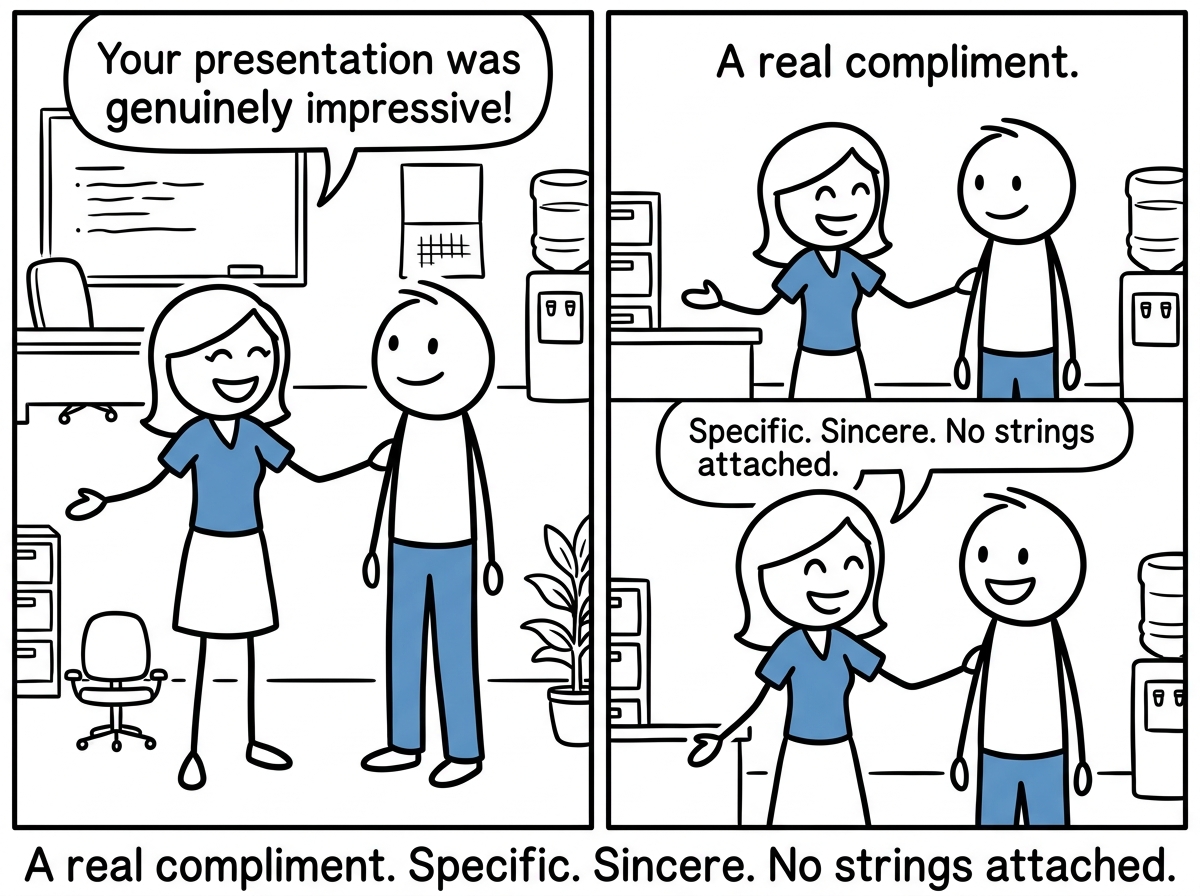
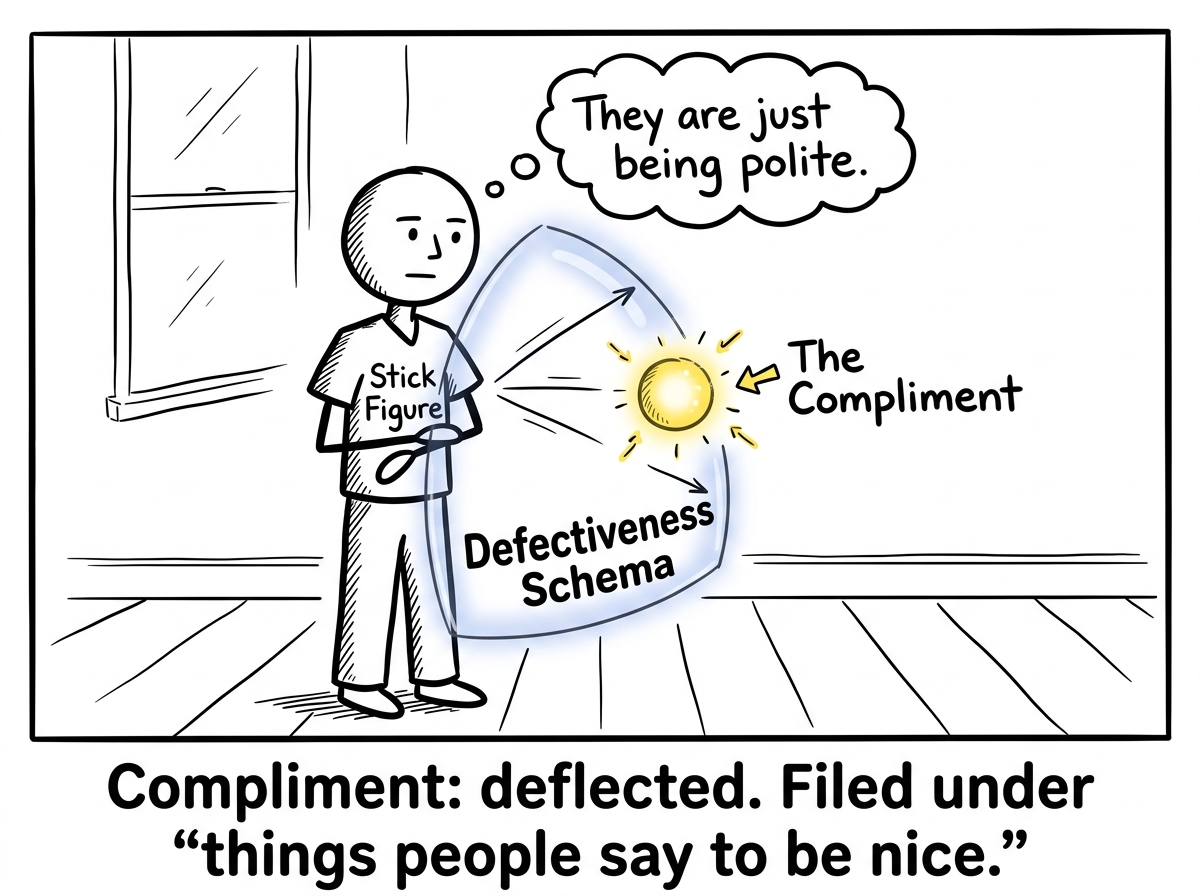
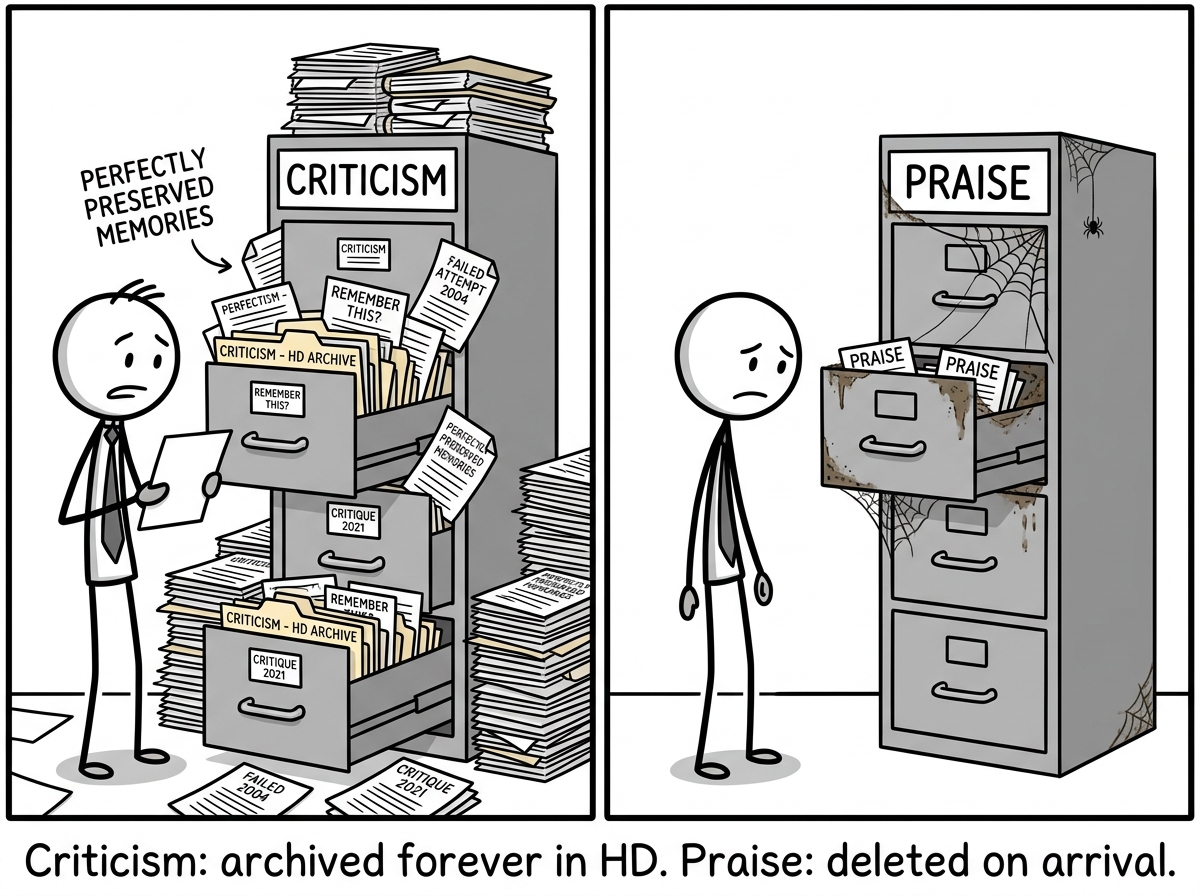
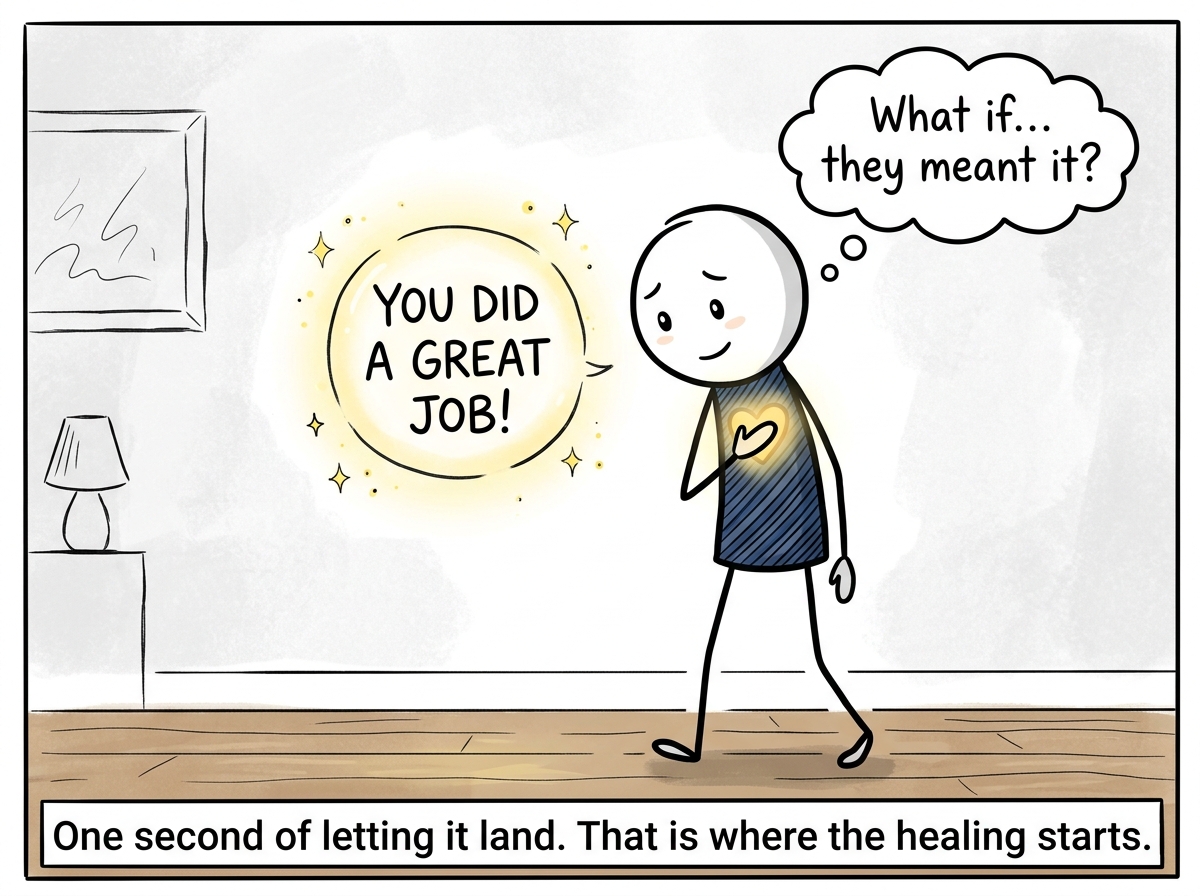
A person receives a genuine compliment but their defectiveness schema immediately rejects it, twists it, and files it under 'things people say to be polite.'
Explanation
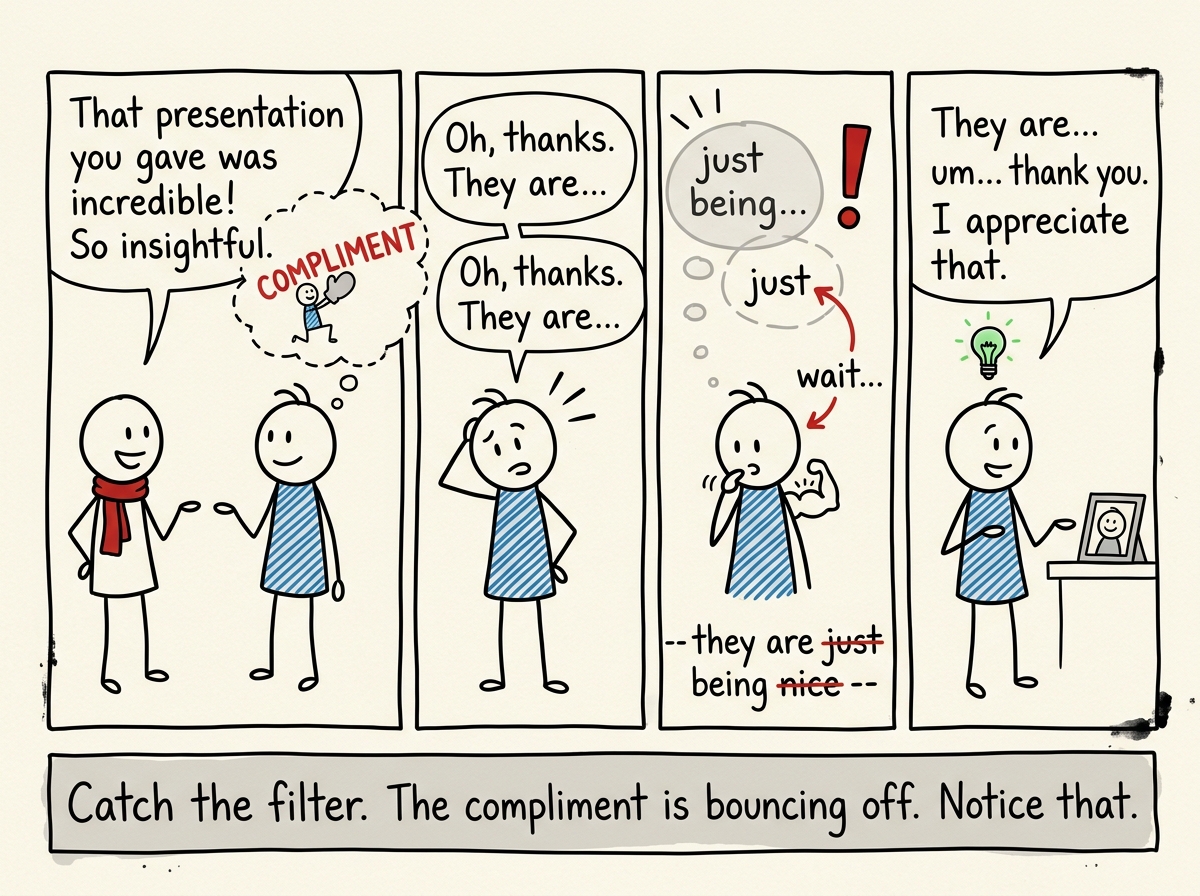
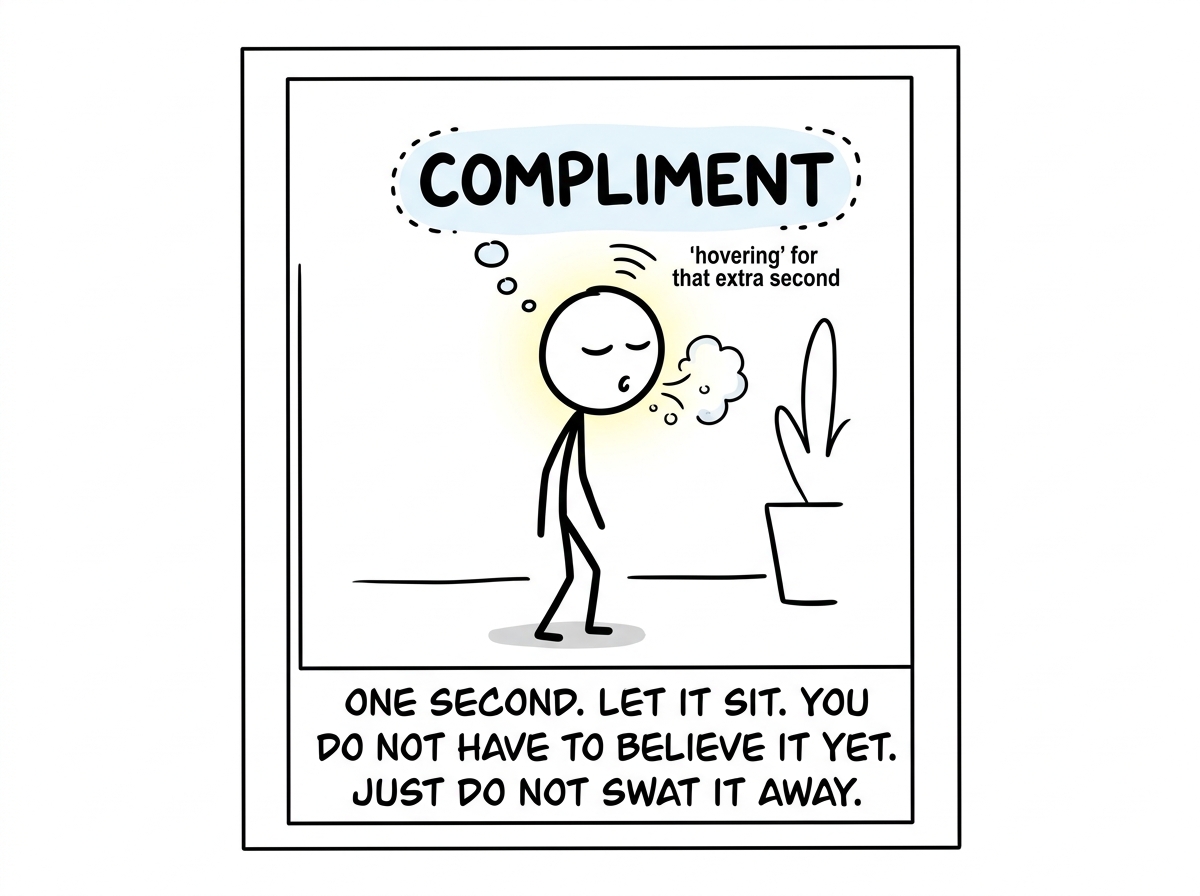
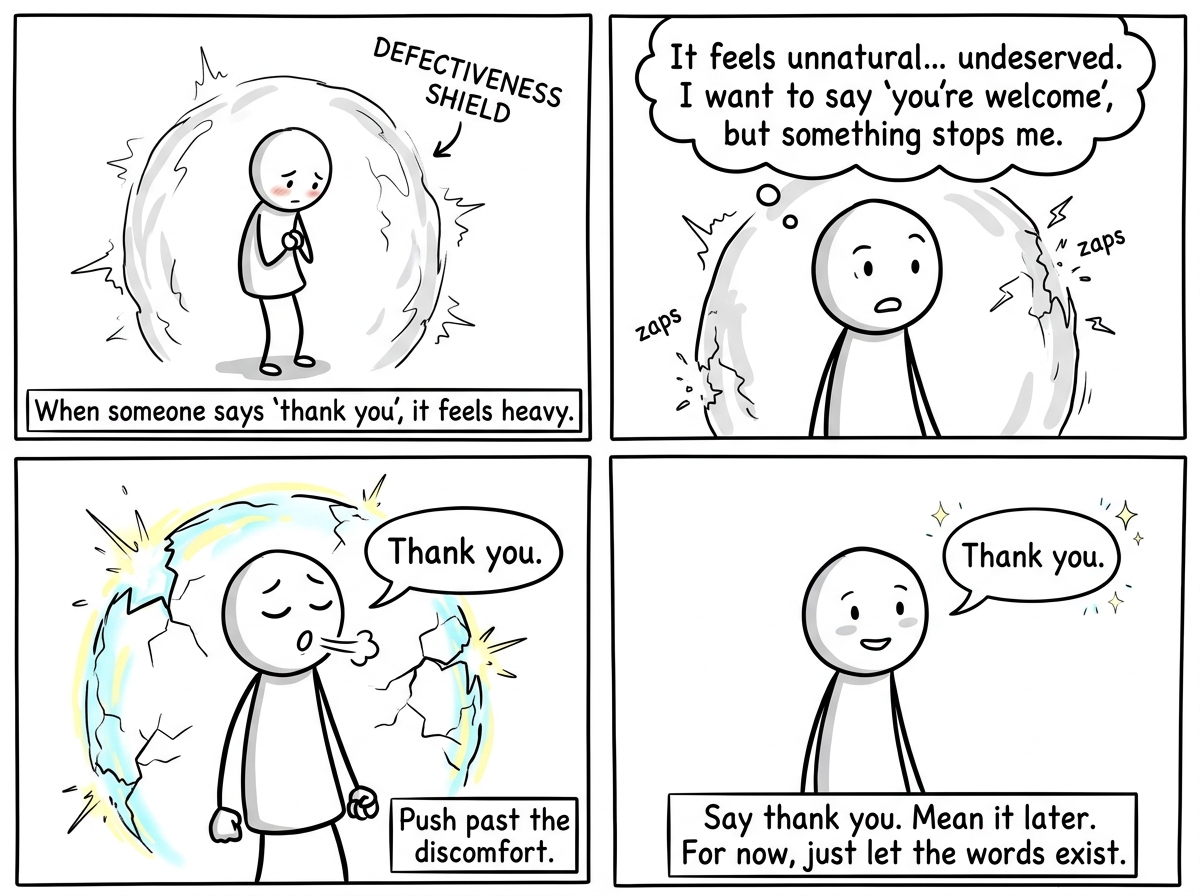
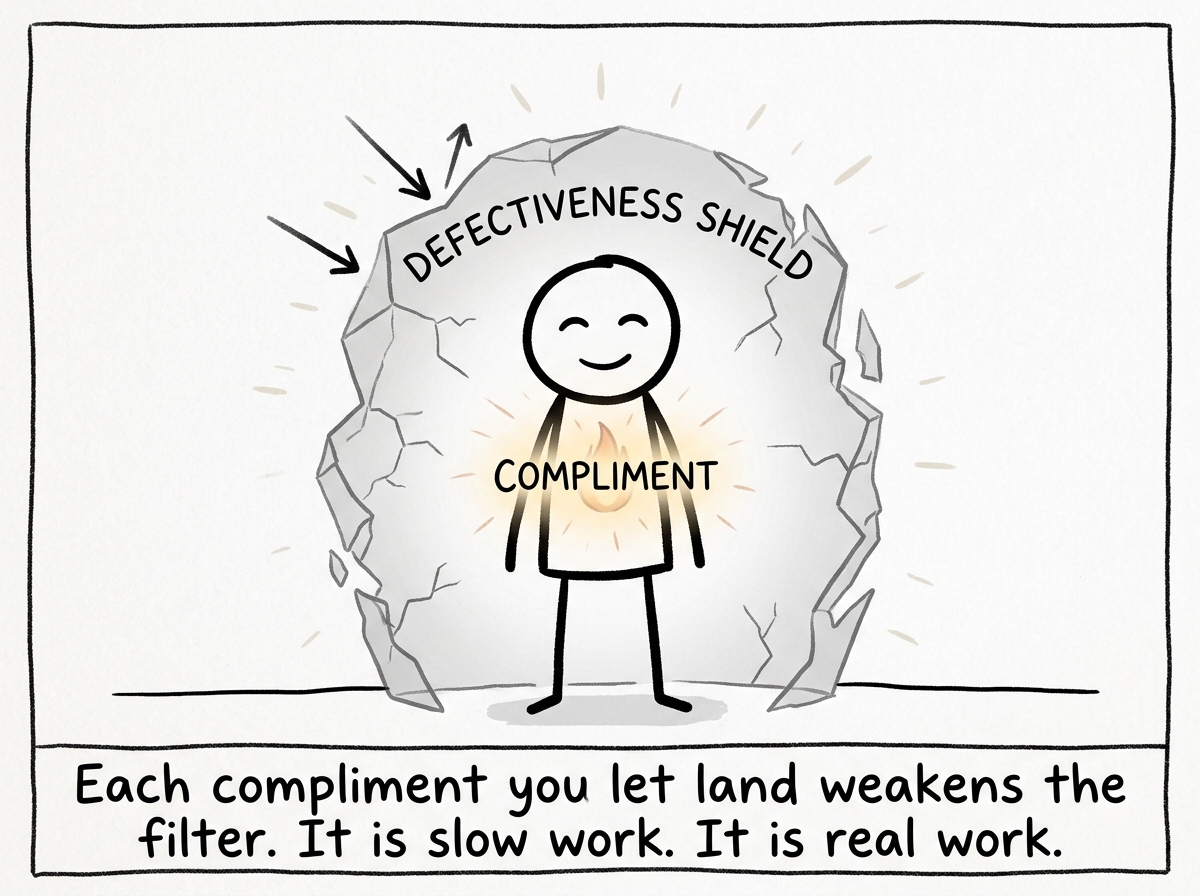
Someone tells you they admire your work. A genuine, specific, thoughtful compliment. And your brain does something fascinating: it rejects it instantly. 'They are just being nice.' 'They do not know the real me.' 'If they saw how I actually work, they would take it back.' The compliment bounces off you like a tennis ball off a brick wall. Meanwhile, a piece of criticism from two years ago lives rent-free in your head with perfect clarity. This is not humility. This is the defectiveness schema at work. Jeffrey Young's defectiveness schema is a core belief that you are fundamentally flawed, broken, or unworthy of love and respect. It forms in childhood when you receive consistent messages -- through criticism, neglect, abuse, or comparison -- that who you are is not acceptable. The schema operates like a biased filter: it lets in everything that confirms 'I am not enough' and blocks everything that contradicts it. Compliments get rejected. Achievements get minimized. Criticism gets amplified and stored permanently. Your brain is not processing information objectively. It is running it through a filter installed decades ago by people who did not know how to love you properly. The work of schema therapy here is not about forcing yourself to accept compliments with a smile. It is about noticing the filter. When someone says something kind and your first instinct is to dismiss it, that is the schema talking, not reality. Over time, you practice letting the compliment land for just one second longer before the filter kicks in. Then two seconds. Then five. You are not changing the truth about yourself. You are finally letting the truth get through.
Key Takeaway
A defectiveness schema does not just make you feel bad about yourself -- it actively blocks evidence that you are worthy of good things.