The Favor Bank
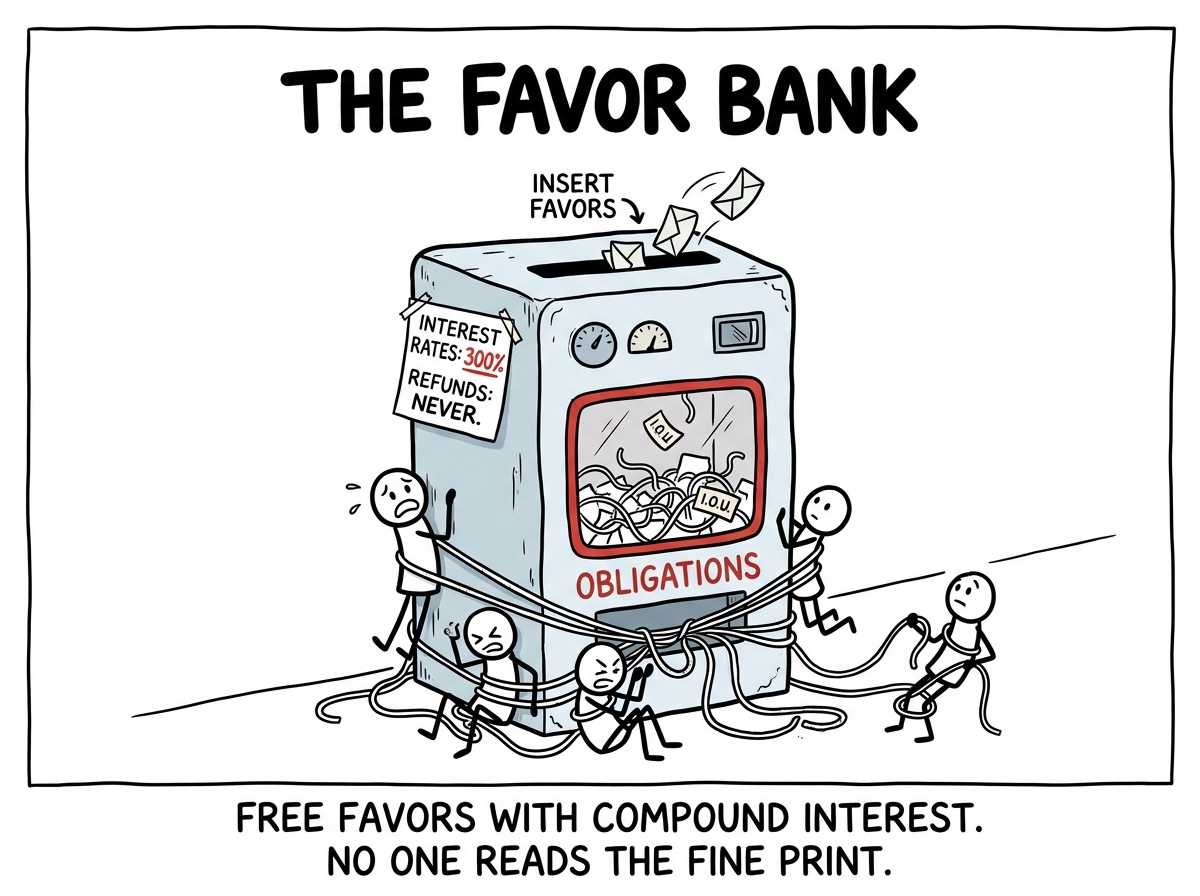
A Machiavellian person strategically accumulates favors, creates debts of gratitude, and withdraws at the perfect moment to get exactly what they want.
Explanation
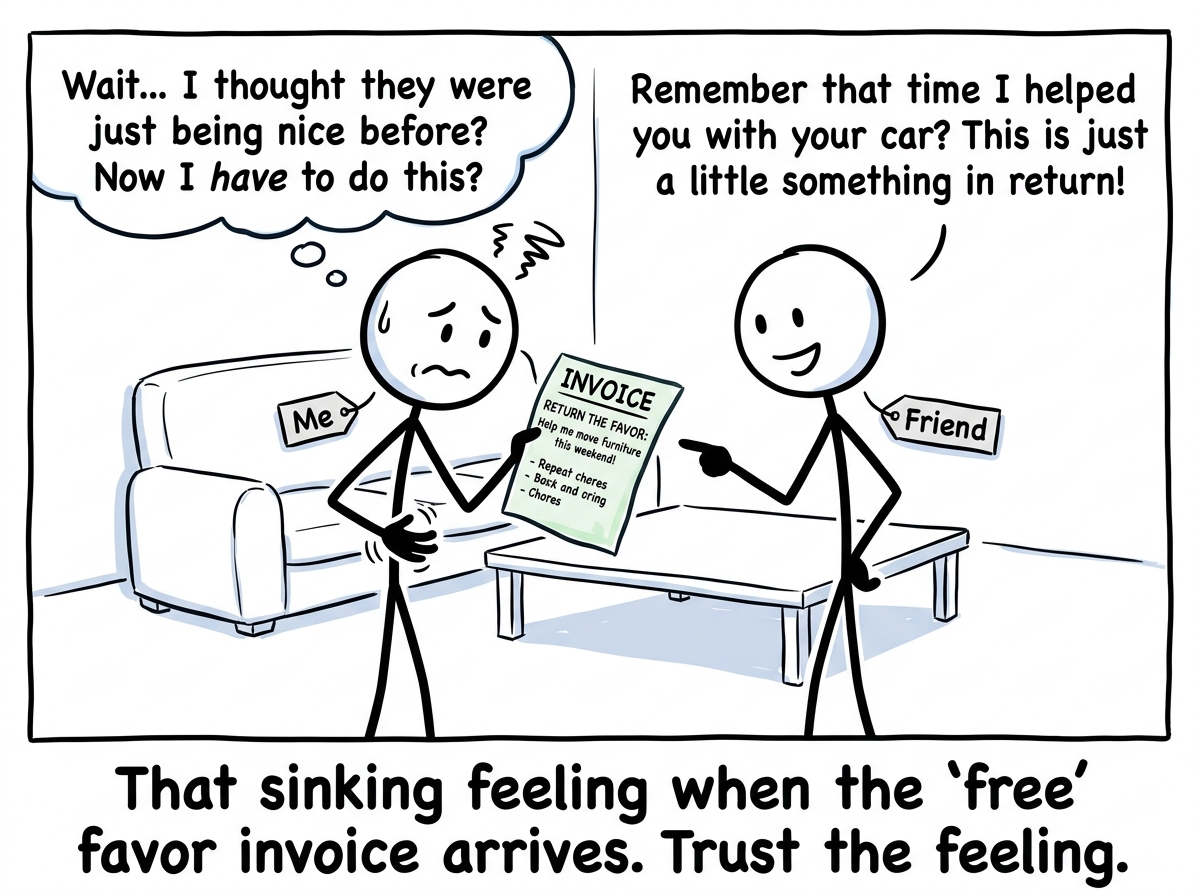
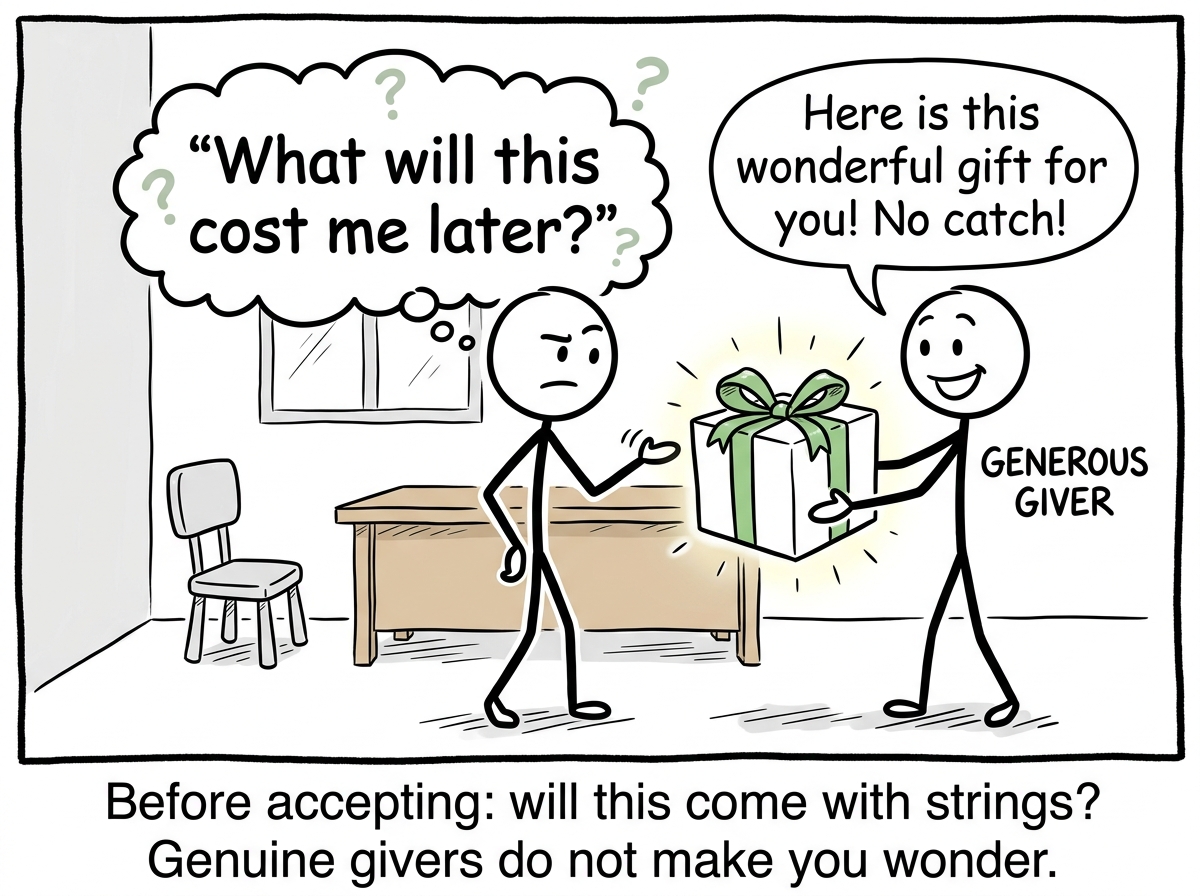
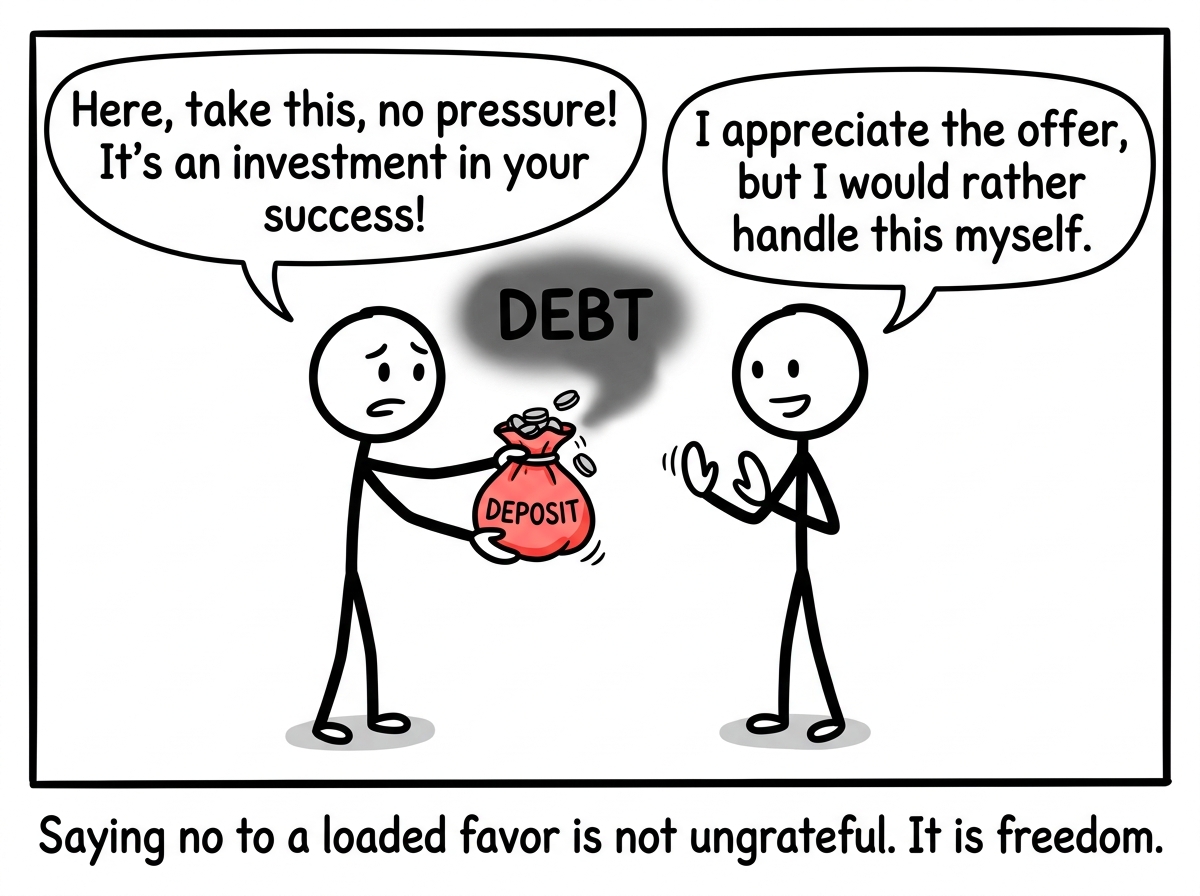
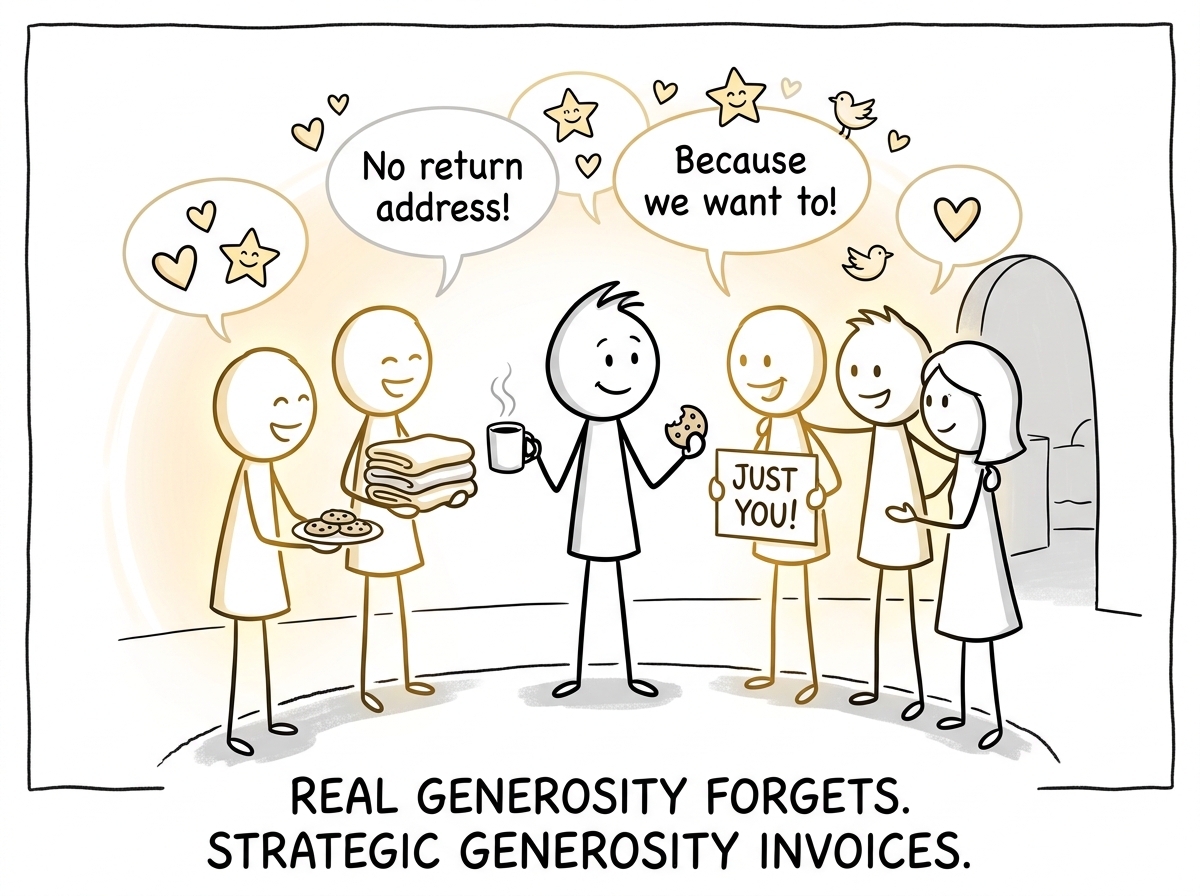
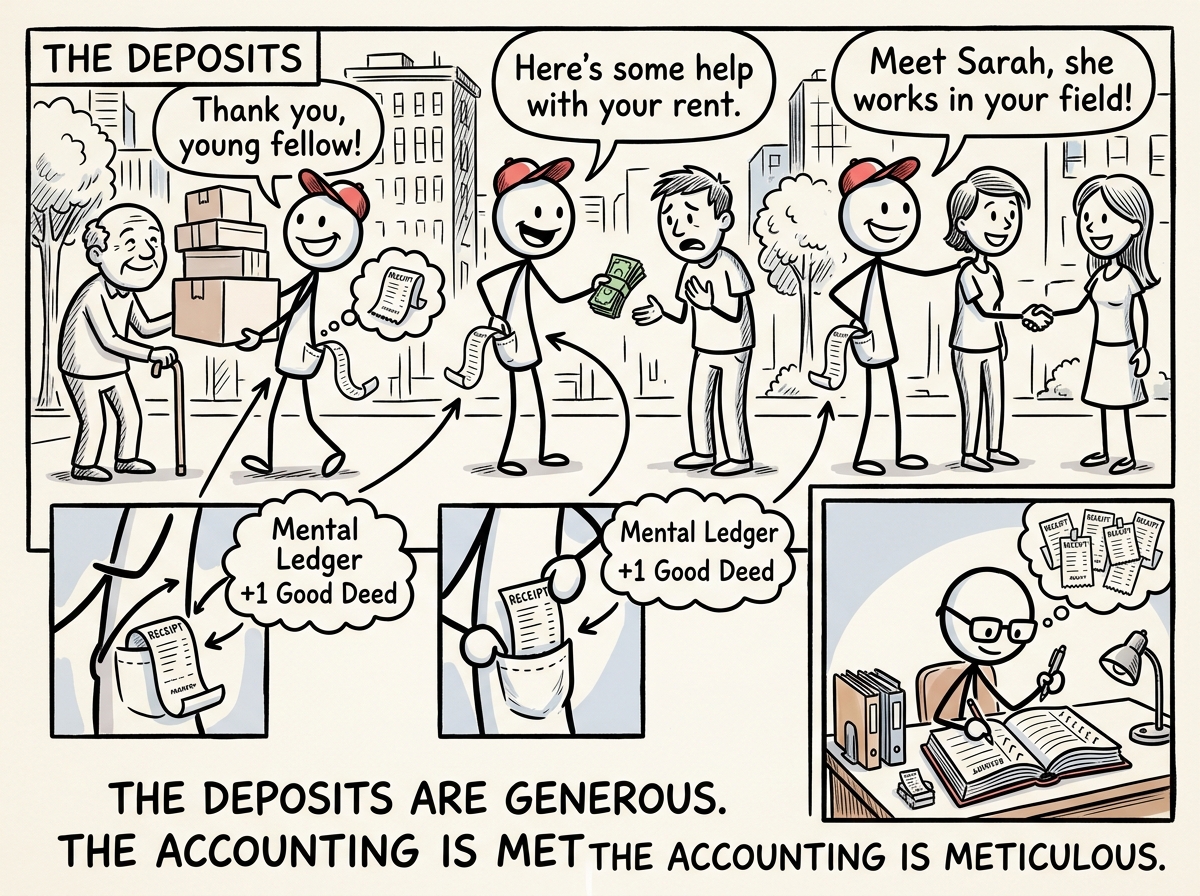
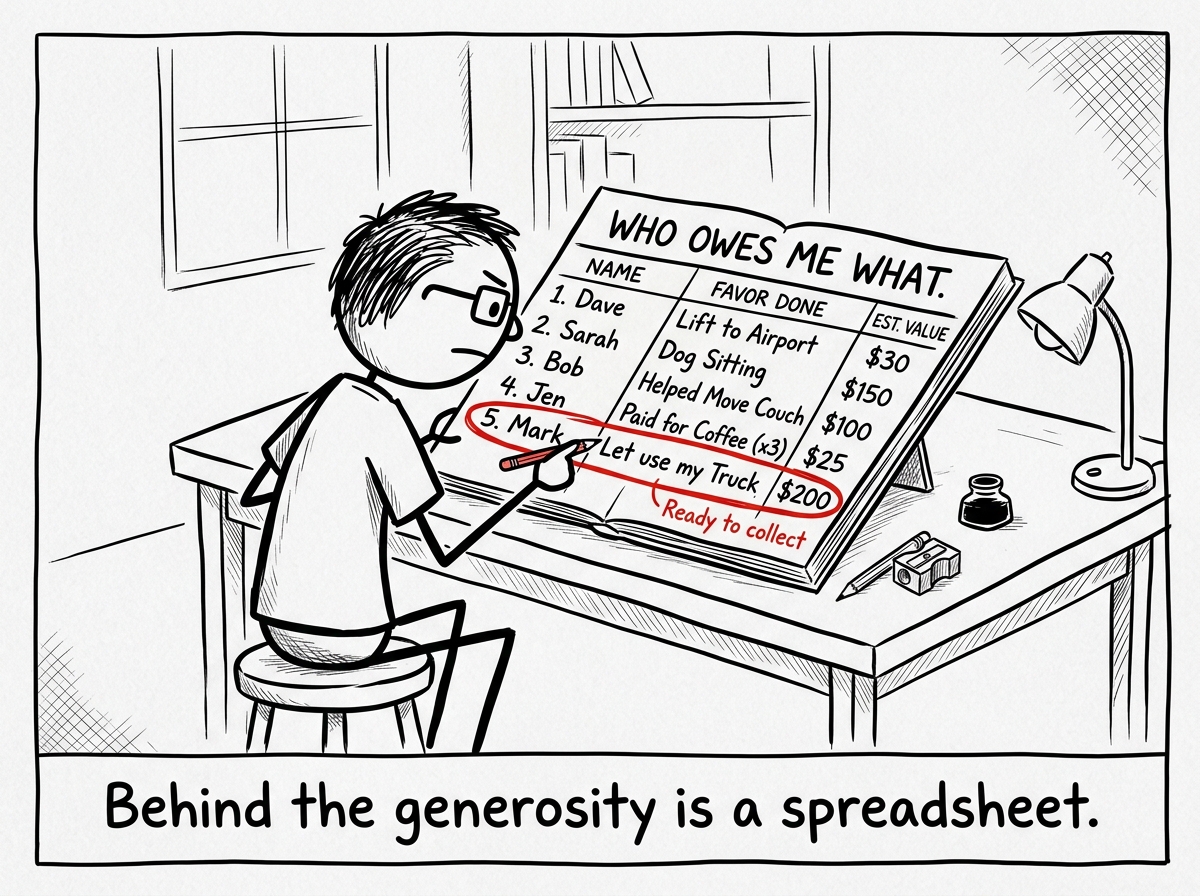
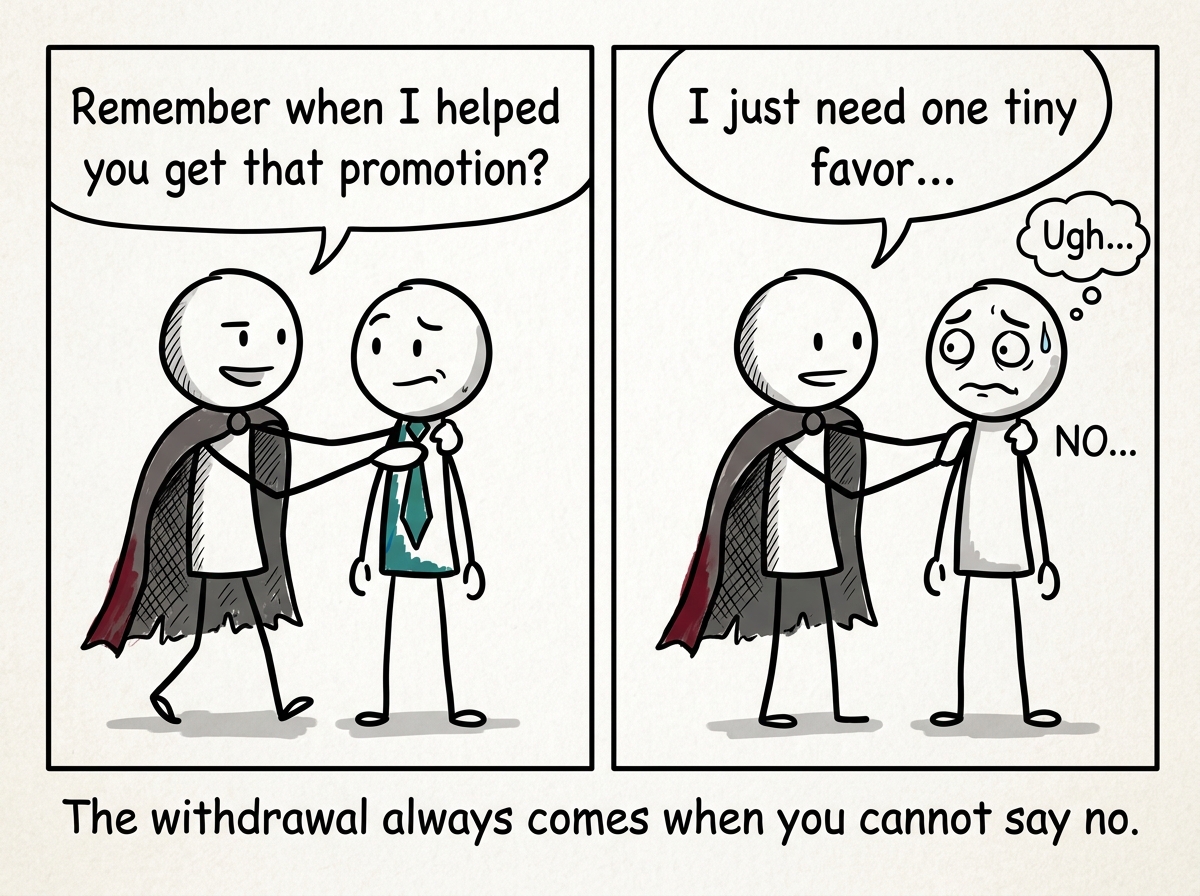
They helped you move apartments. They introduced you to someone who got you a job. They loaned you money that one time and insisted it was no big deal. They never asked for anything in return — until now. The favor bank is one of the most effective Machiavellian tools because it exploits a deeply wired social instinct: reciprocity. When someone does something generous for us, we feel obligated to return the favor. Most people experience this naturally and informally. The Machiavellian weaponizes it. Every favor they do is a deposit. Every act of generosity is carefully logged. And the withdrawal always comes at a moment when refusing would make you look ungrateful, disloyal, or petty. 'Remember when I helped you with that? I just need one small thing.' The 'small thing' is never small. It might be covering for them at work, taking their side in a conflict, sharing confidential information, or compromising your own values. The genius of the favor bank is that it makes manipulation feel like fairness. You owe them, right? They did so much for you. How can you say no? This is why Machiavellian generosity feels different from genuine generosity — even if you cannot always articulate why. Real generosity does not keep a ledger. Real generosity does not make you feel trapped.
Key Takeaway
If someone's generosity always makes you feel like you owe them, the favor was never free — it was an investment with a planned withdrawal.