The Chess Player
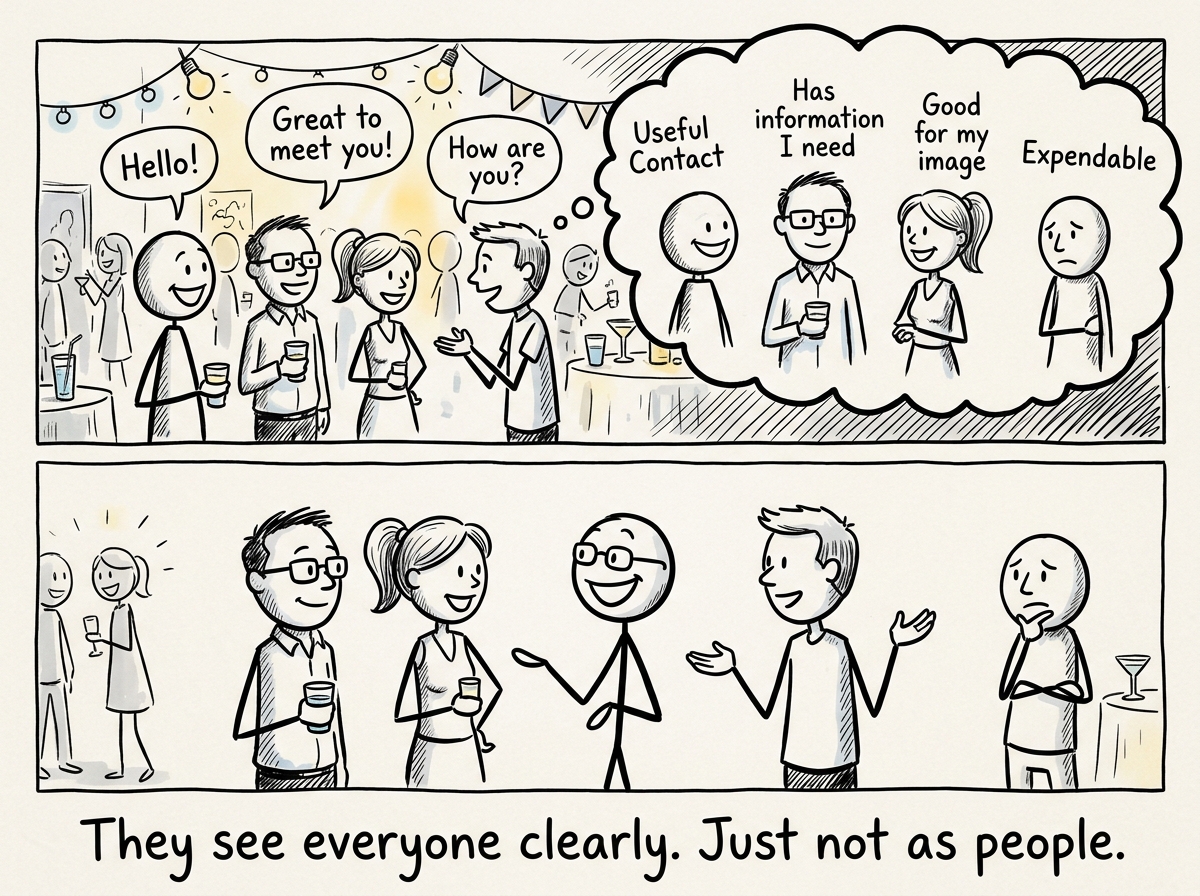
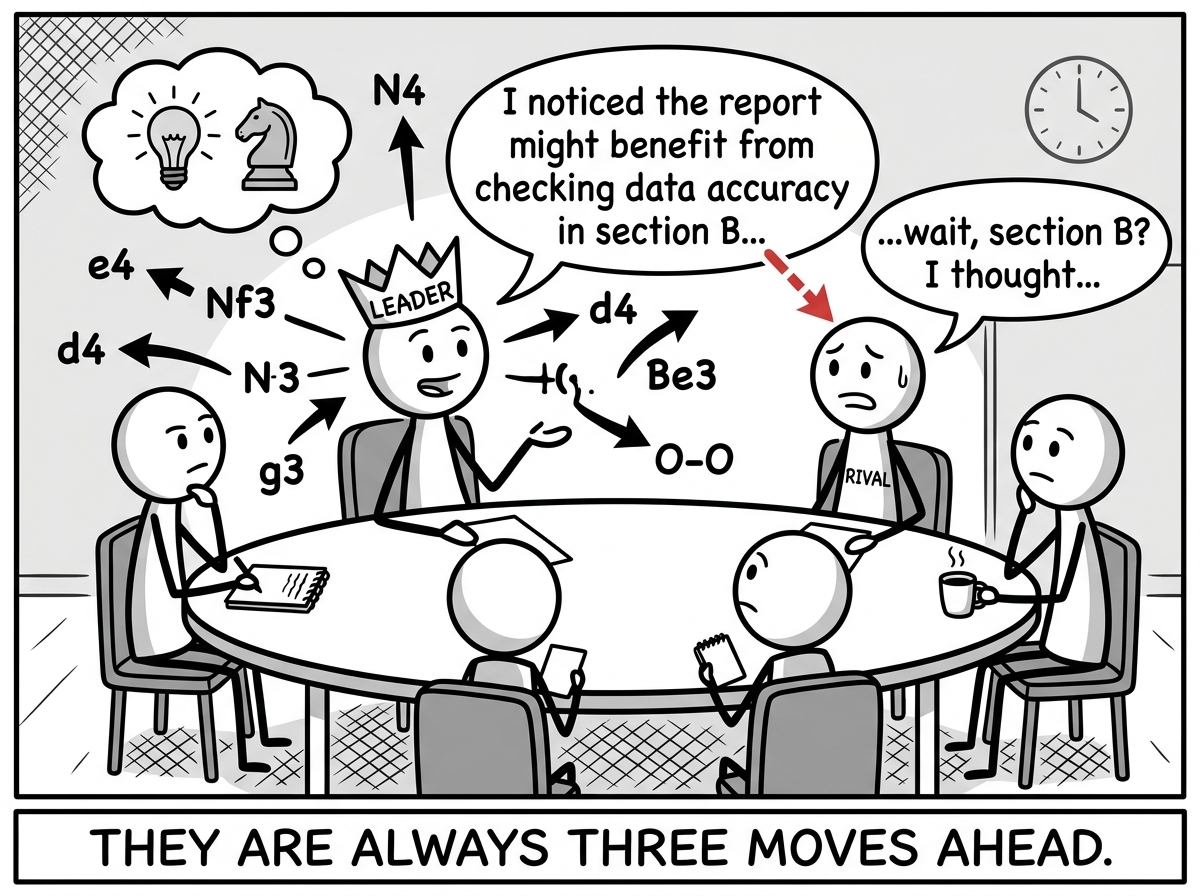
A Machiavellian person views every relationship as a chess game — reading people not to understand them but to position them for maximum personal advantage.
Explanation
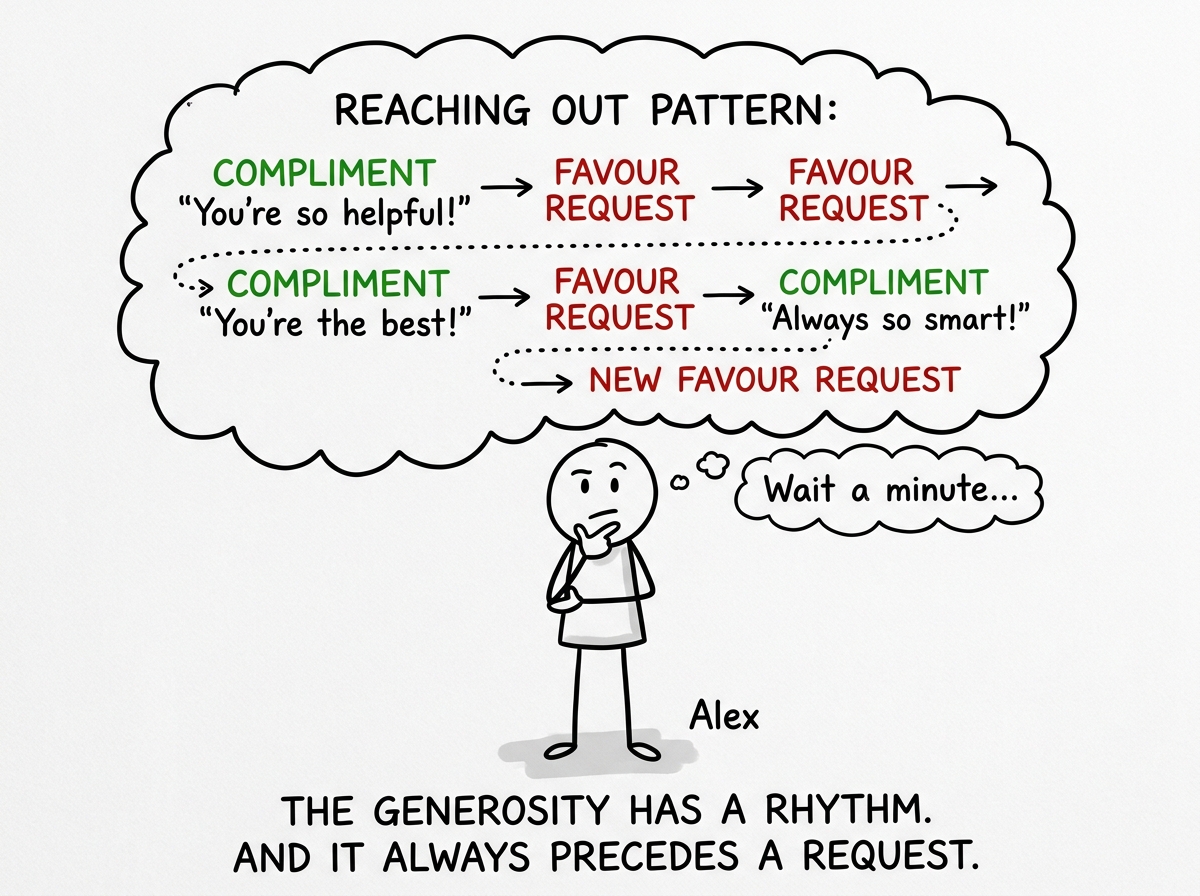
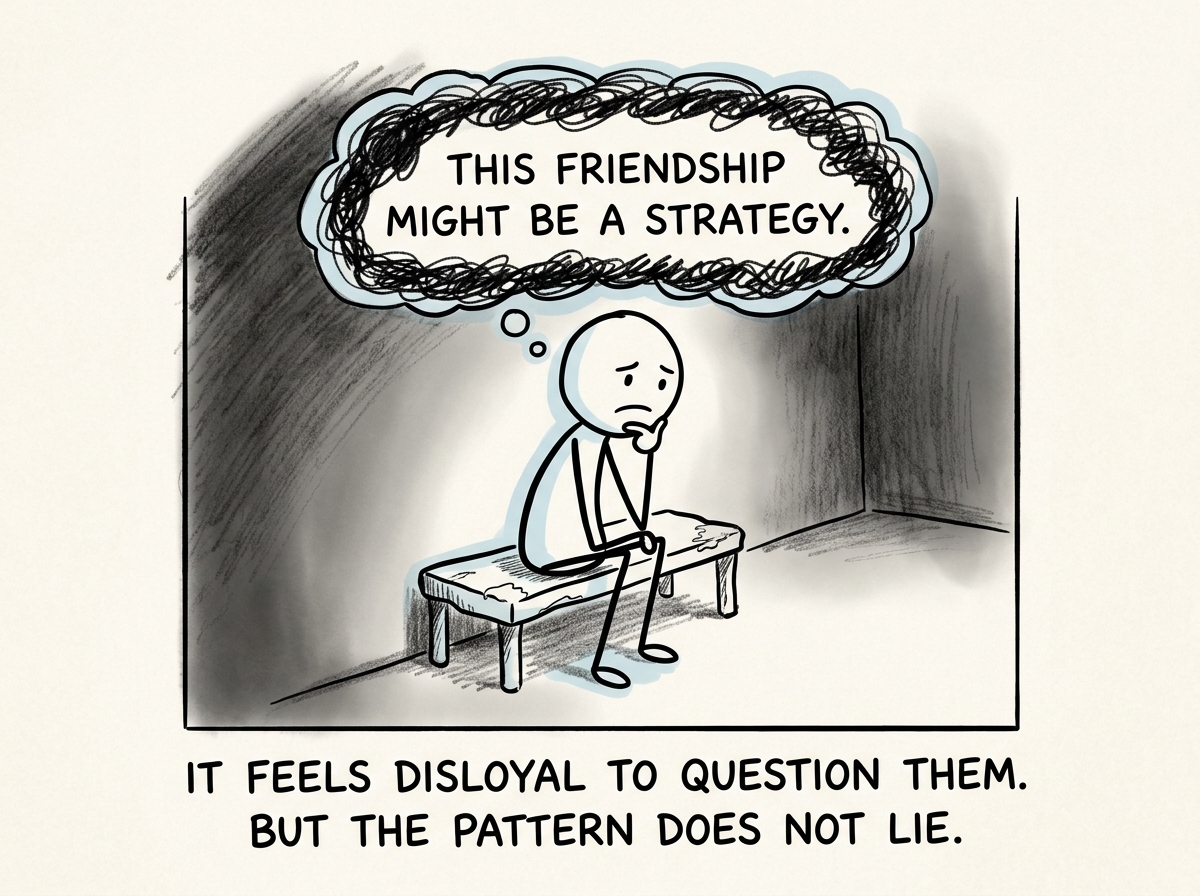
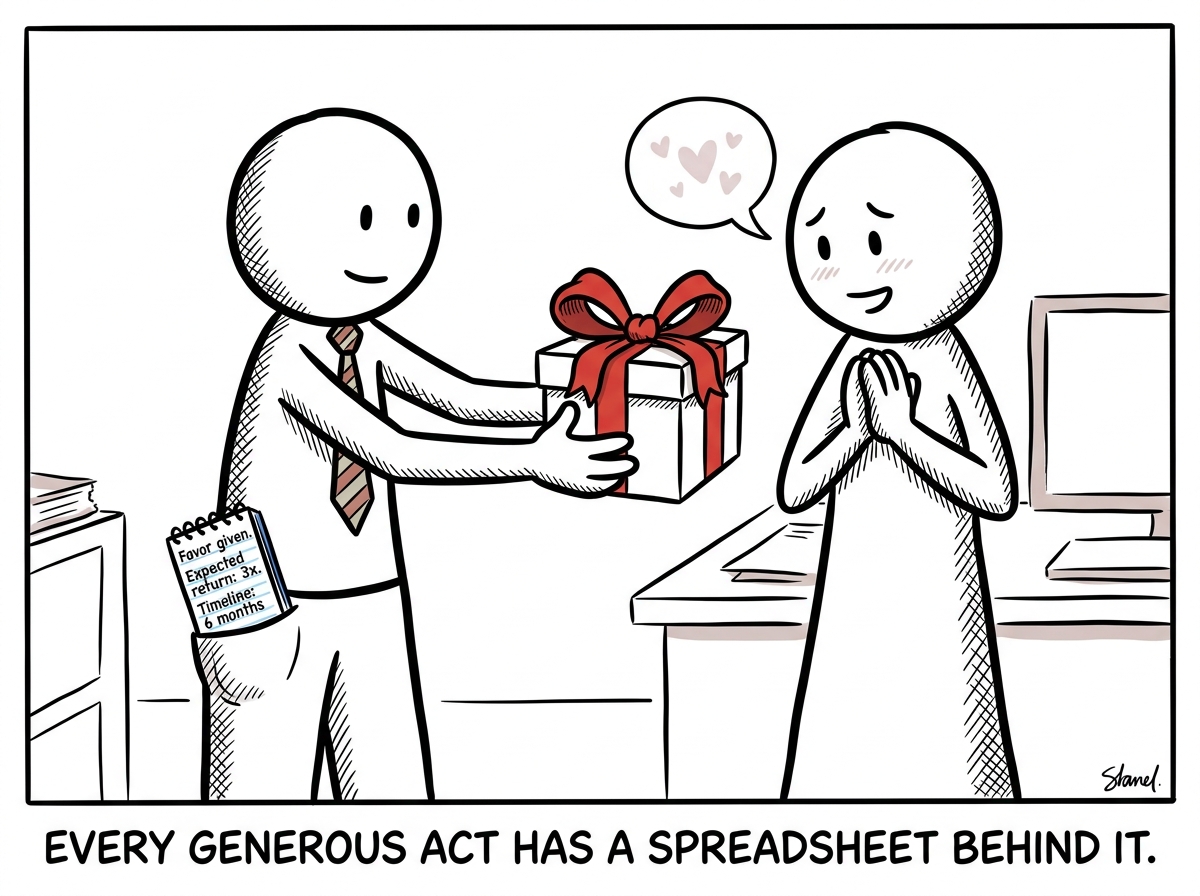
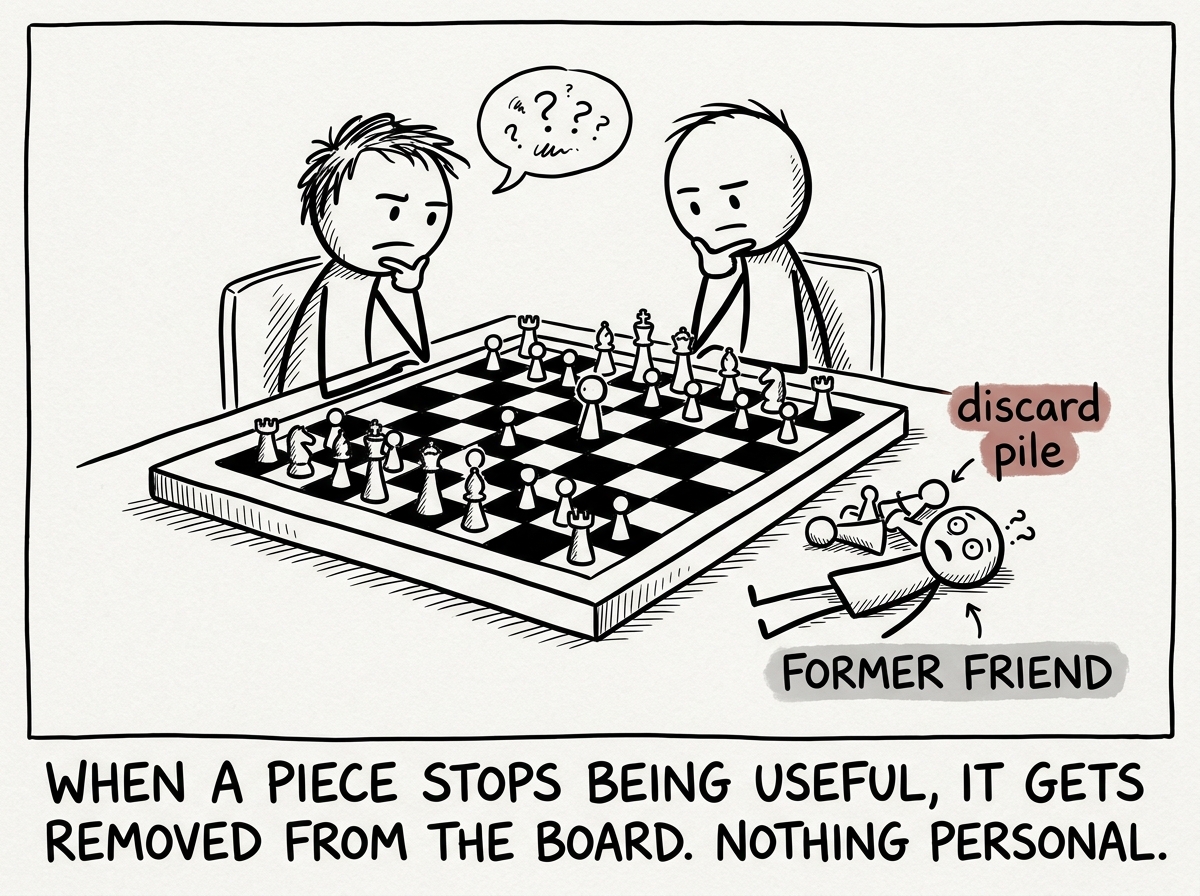
They remember your birthday — not because they care, but because they know it will make you feel indebted. They compliment your boss in front of you — not because they admire them, but because they want your boss to trust them. They tell you a secret about a colleague — not to bond with you, but to see if you will keep it, testing whether you are useful. The Machiavellian mind does not experience relationships the way most people do. Where you see a friend, they see a resource. Where you see trust, they see an opening. Every social interaction is a calculation: what can this person do for me? How can I position myself? What leverage am I accumulating? This is not impulsive selfishness — it is strategic. The Machiavellian is often charming, patient, and socially sophisticated. They know exactly when to be generous, when to withhold, when to flatter, and when to threaten. The chess metaphor is apt because they are always several moves ahead, anticipating your reactions and pre-positioning their responses. The most disorienting part is realizing that what you thought was a friendship was actually a long-term strategy. The warmth was calculated. The favors were investments. And you were never a friend — you were a piece on their board.
Key Takeaway
When someone treats every relationship like a strategy game, the moves that feel like connection are just positioning.