The Phone Between Us
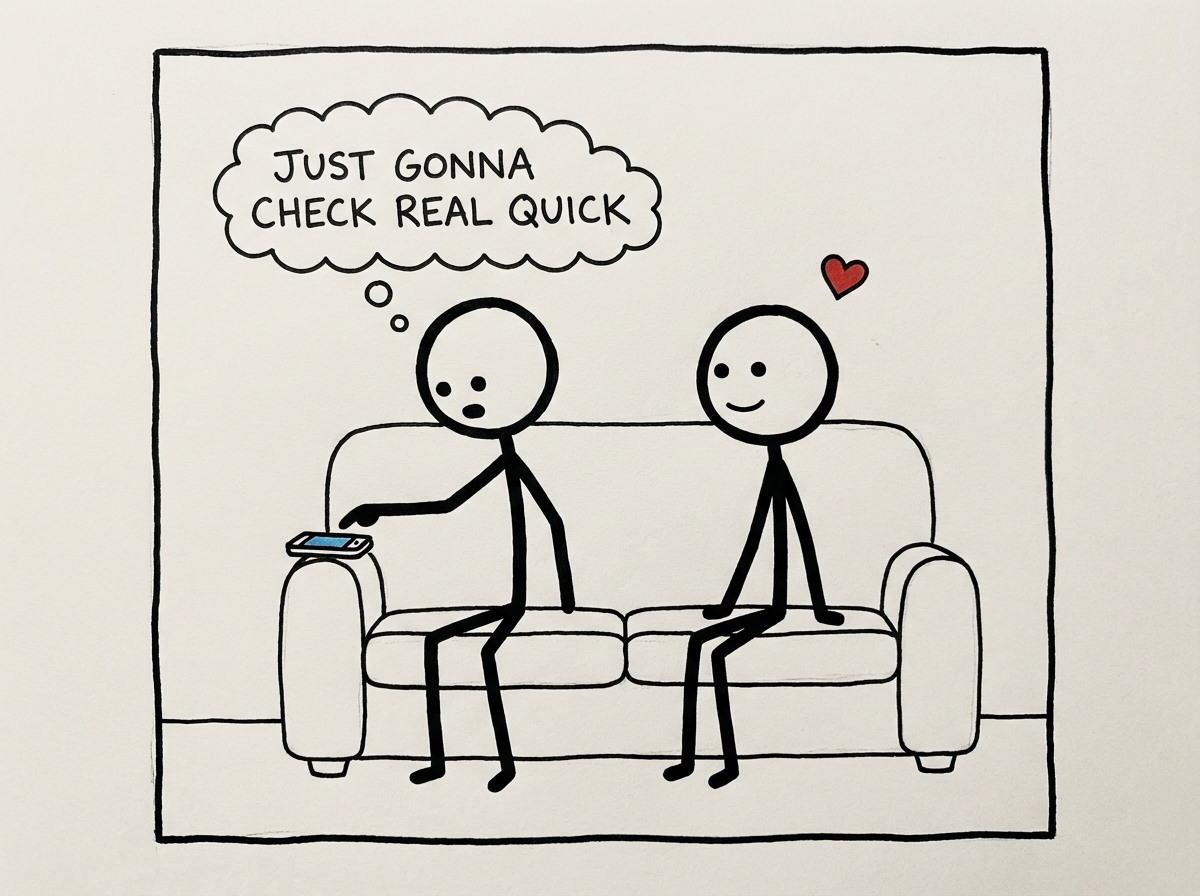
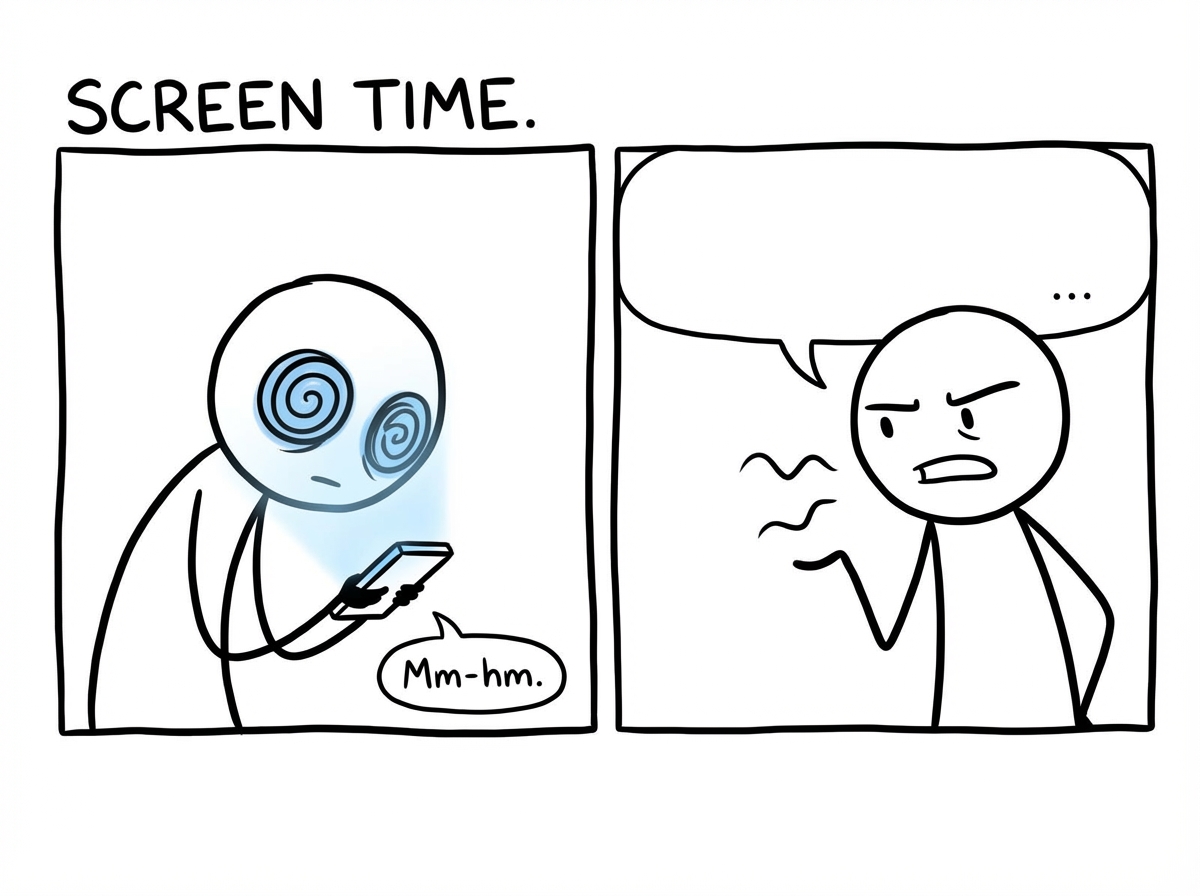
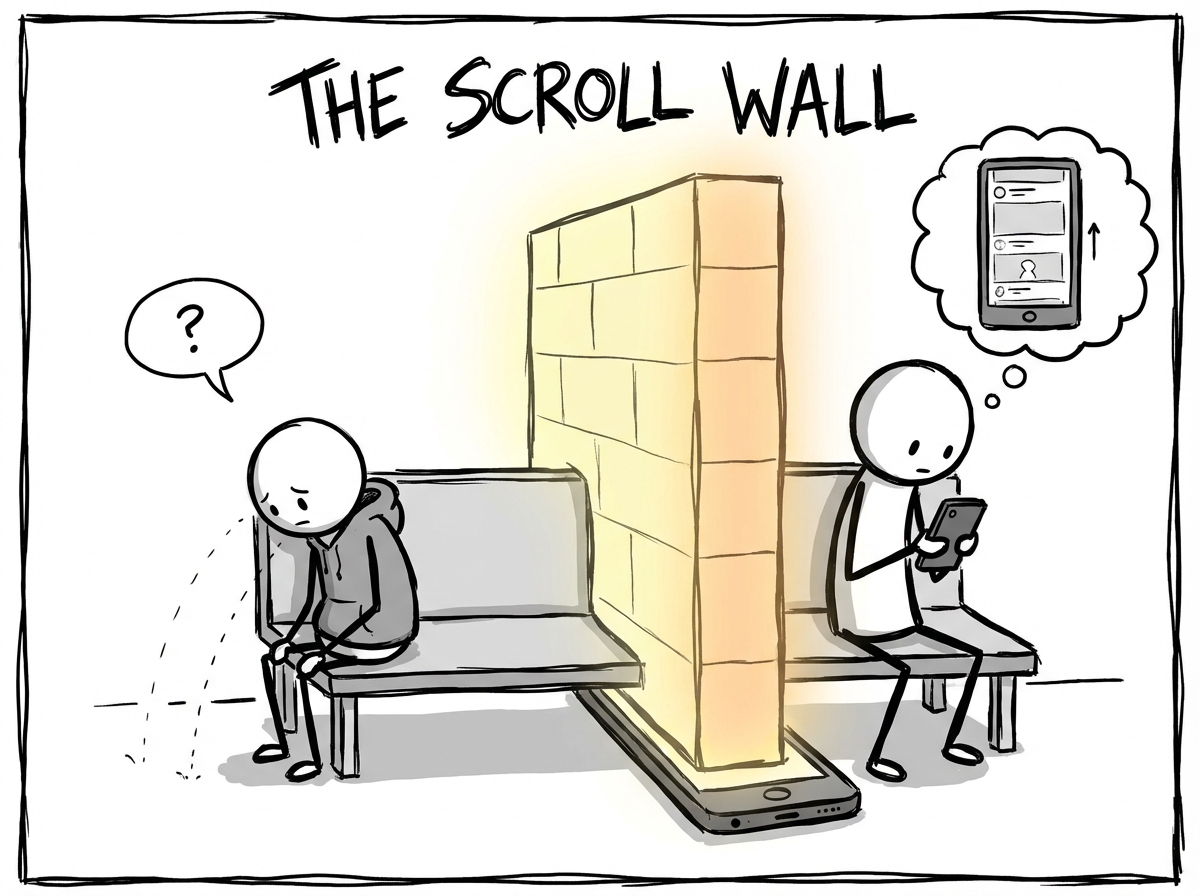
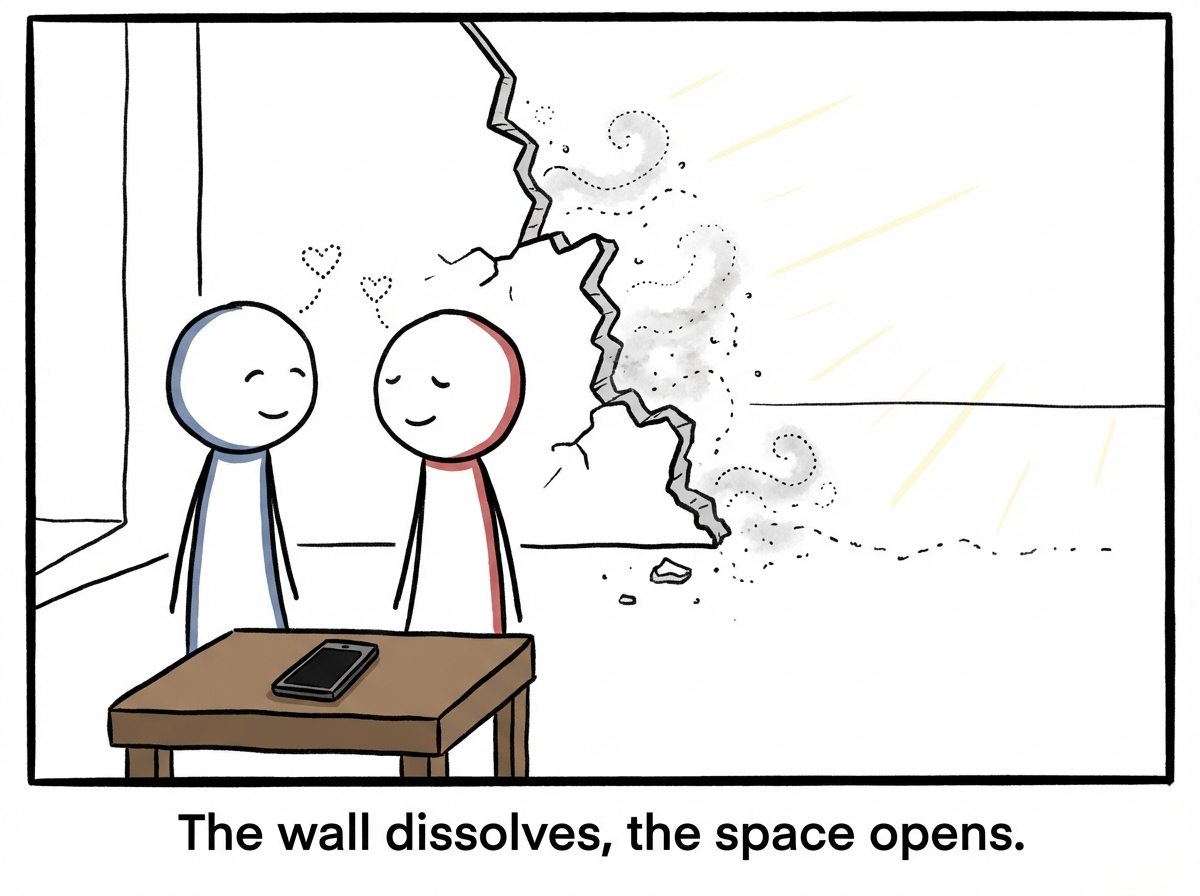
A couple sits together on the couch, but one partner's phone slowly becomes a wall between them -- until it is finally put down and real connection returns.
Explanation
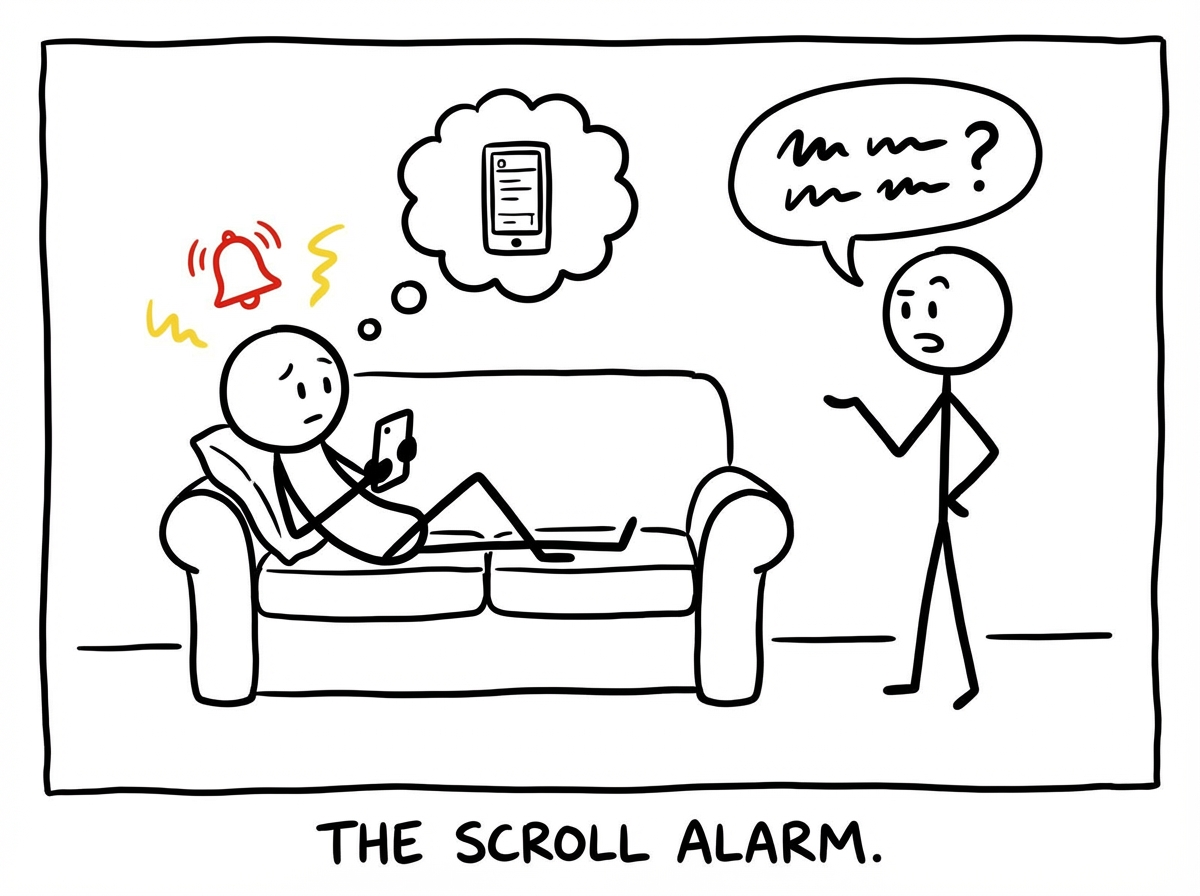
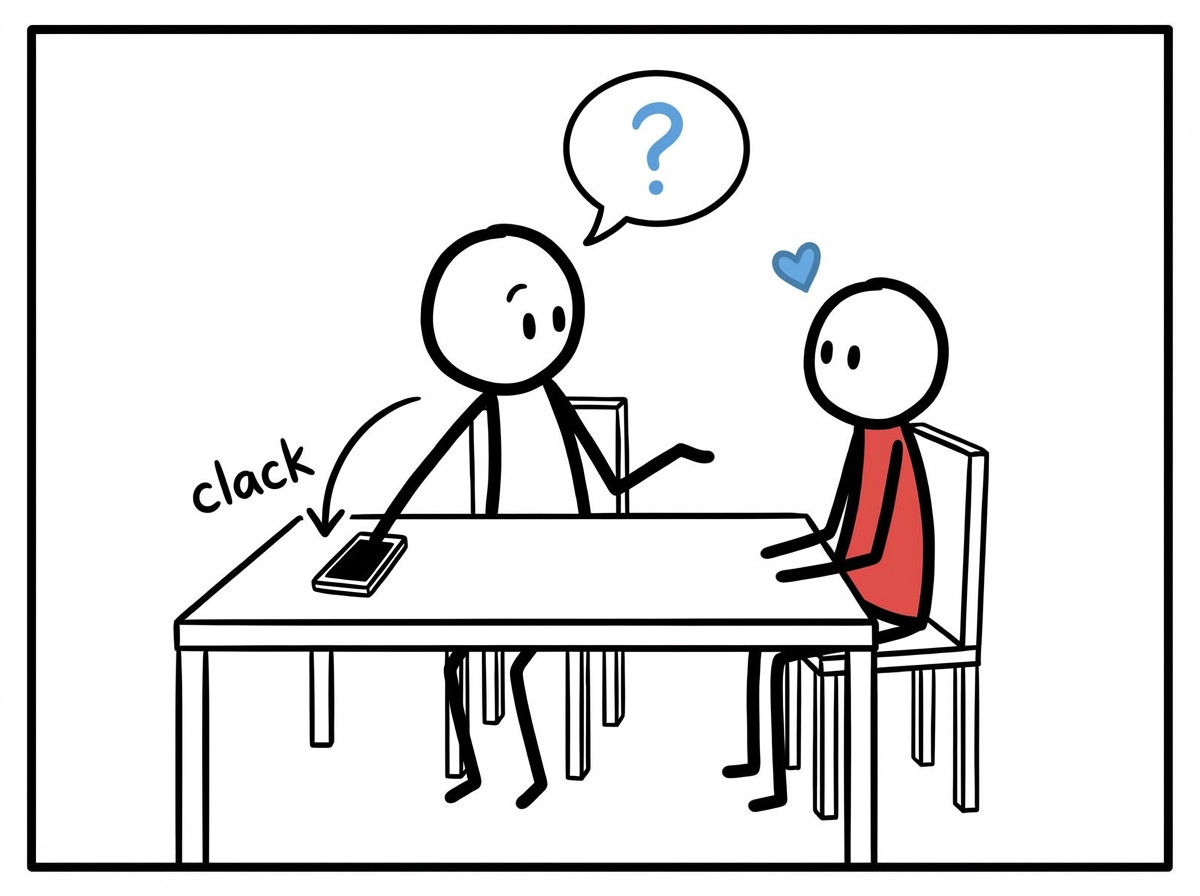
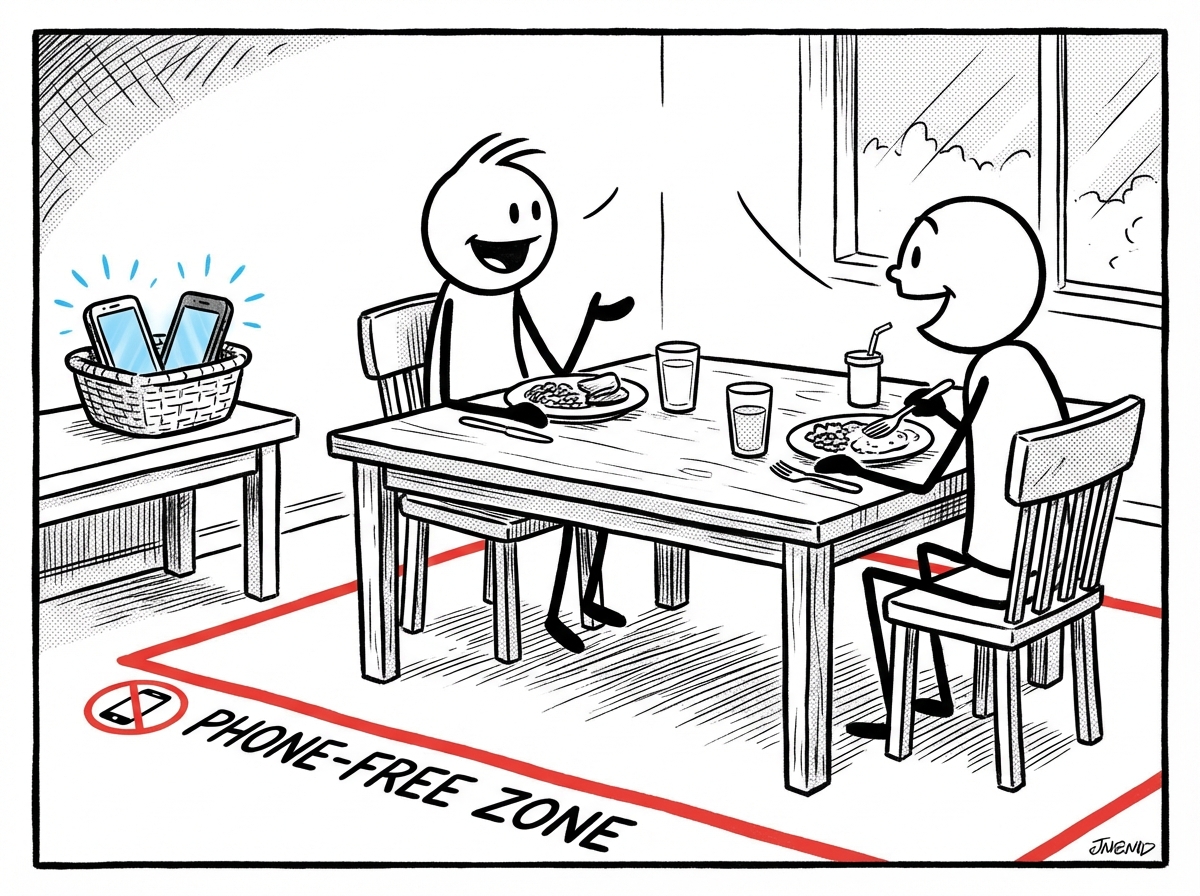
You are sitting right next to someone you love, close enough to touch, and yet they might as well be in another room. This is phubbing -- phone snubbing -- and research by James Roberts and Meredith David at Baylor University found that it is one of the most common sources of conflict in modern relationships. It is not dramatic. There is no slamming of doors or raised voices. It is quieter than that: a partner who is physically present but emotionally checked out, their attention absorbed by a screen while you sit beside them feeling like background noise. What makes phubbing so corrosive is that it sends a message without words. Every time your partner reaches for their phone mid-conversation, your brain registers a micro-rejection -- a small signal that whatever is on that screen is more interesting than you. Over time, these micro-rejections accumulate. Research published in the journal Computers in Human Behavior found that phubbing is associated with lower relationship satisfaction, higher levels of depression, and reduced feelings of intimacy. The partner being phubbed often stops trying to connect, not out of anger but out of learned helplessness -- why bother reaching out to someone who is not really there? The fix is deceptively simple but requires intention: designated phone-free time. Not because technology is evil, but because attention is the currency of love. When you put your phone down and look someone in the eyes, you are saying 'You are more important than anything on this screen.' That message -- delivered through presence, not words -- is one of the most powerful bids for connection you can make.
Key Takeaway
Your partner does not need your perfection -- they need your attention. Put the phone down.