The Spotlight Effect
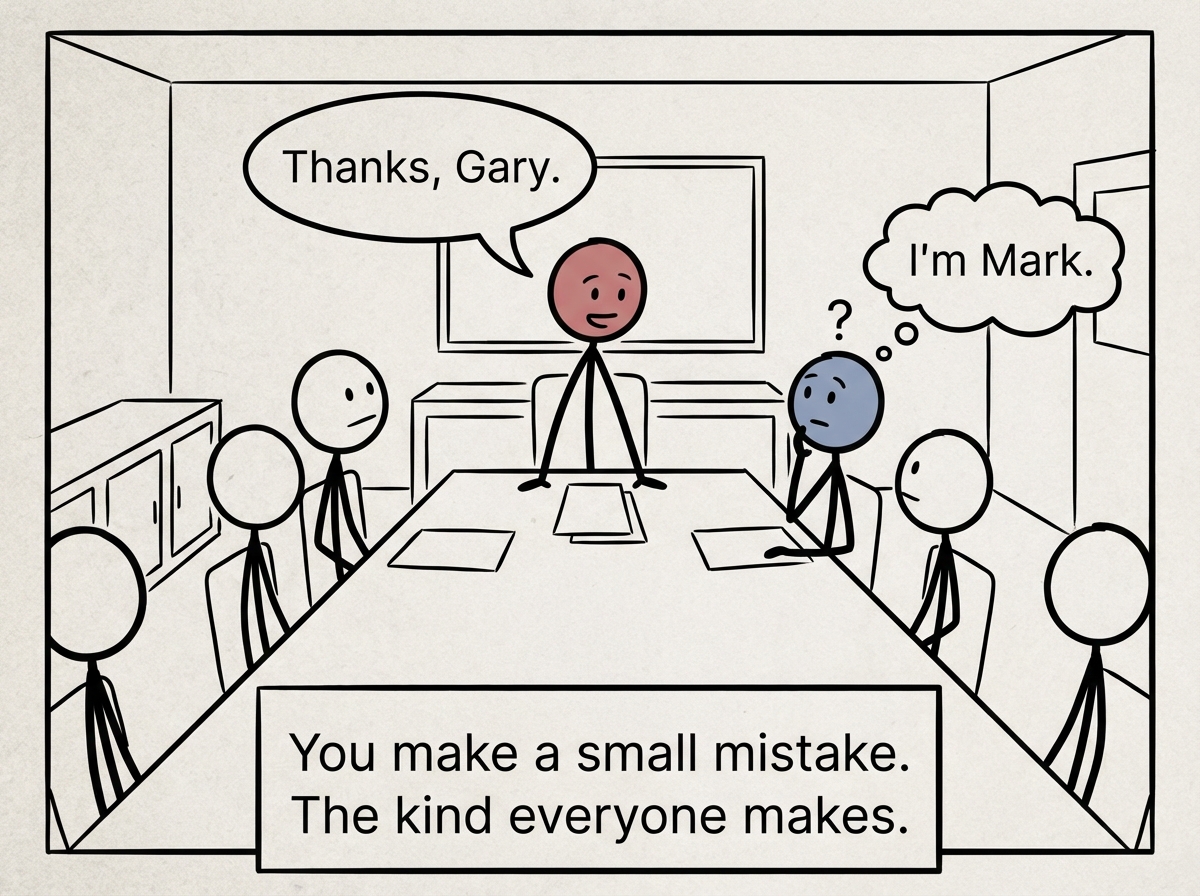
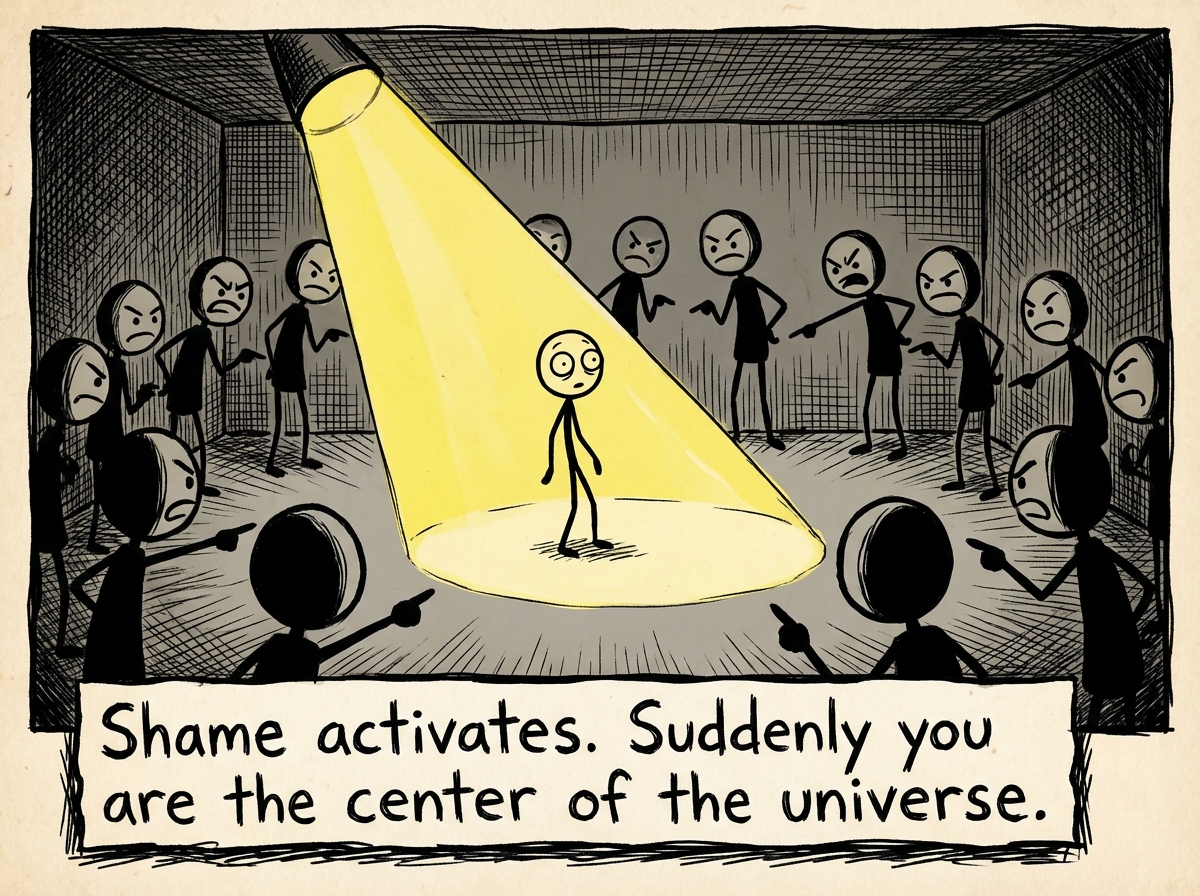
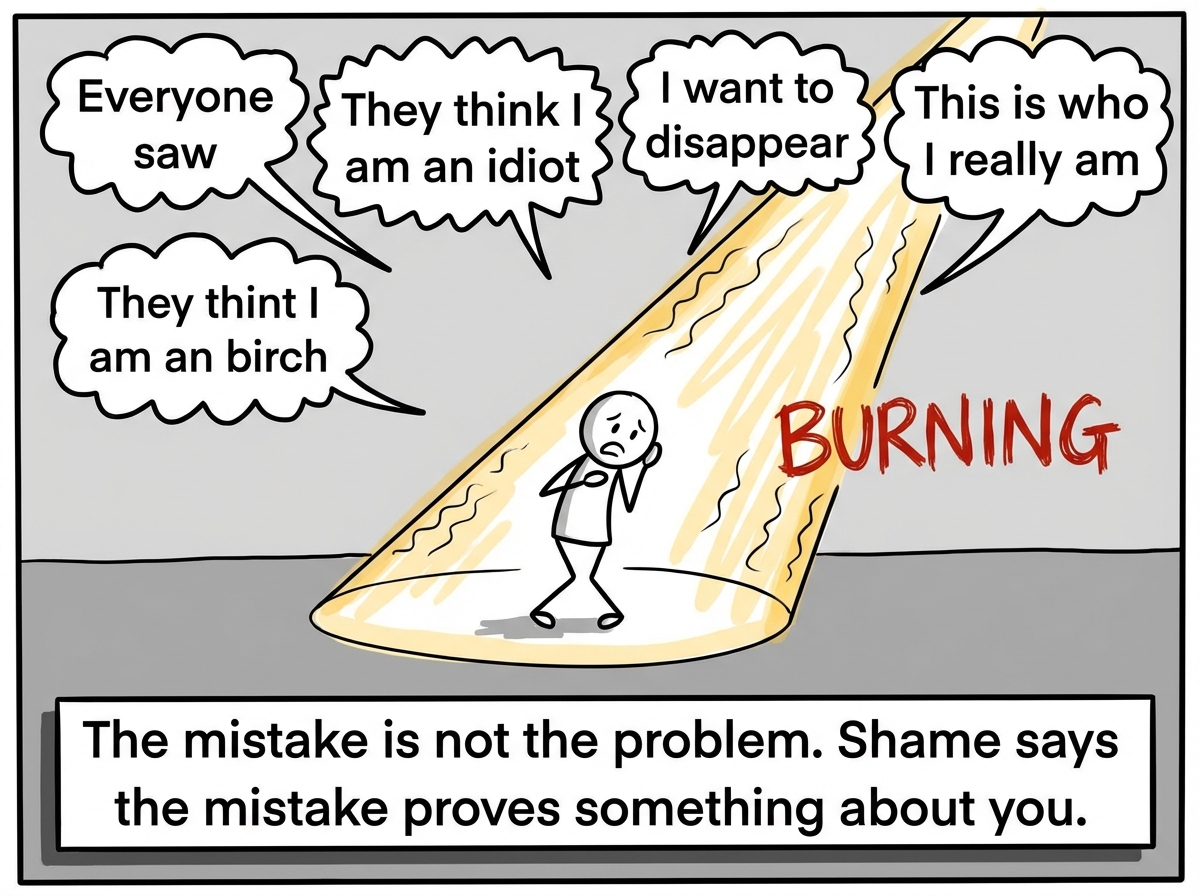
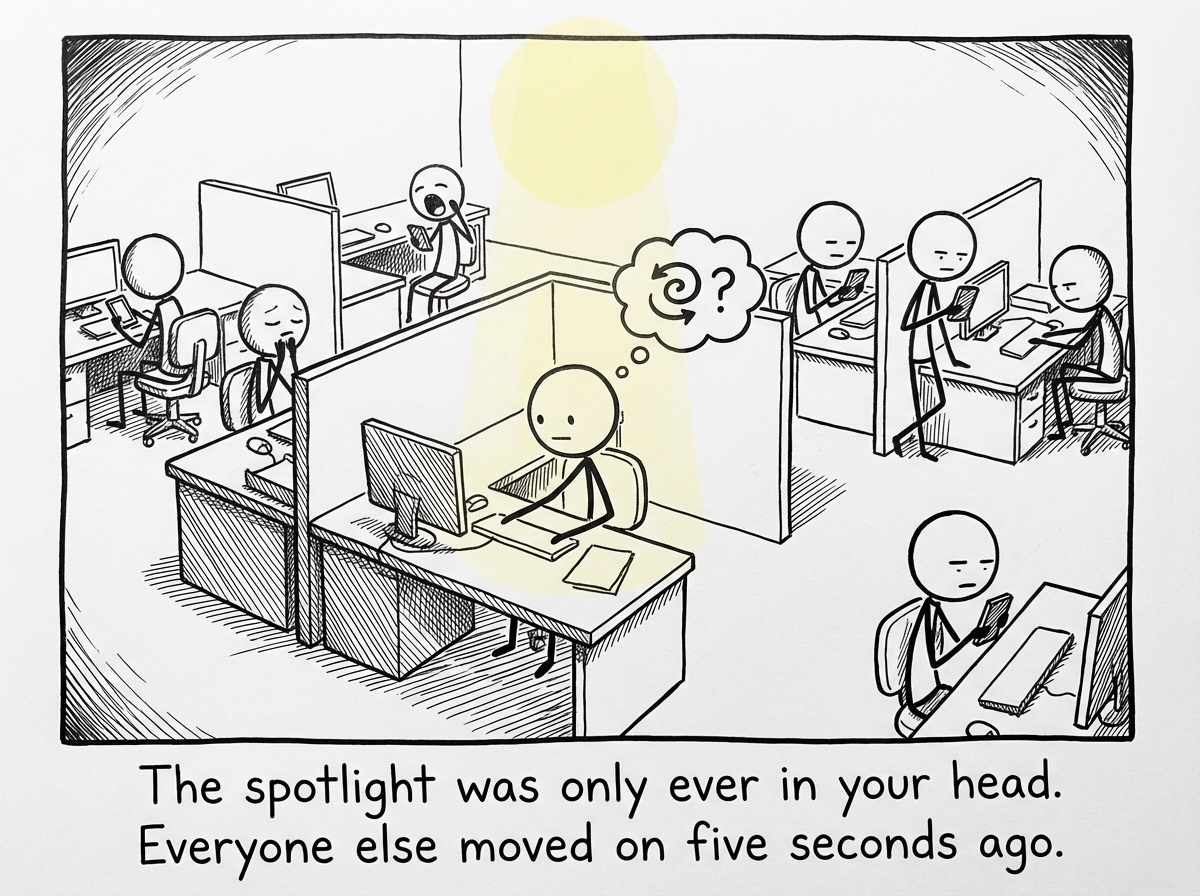
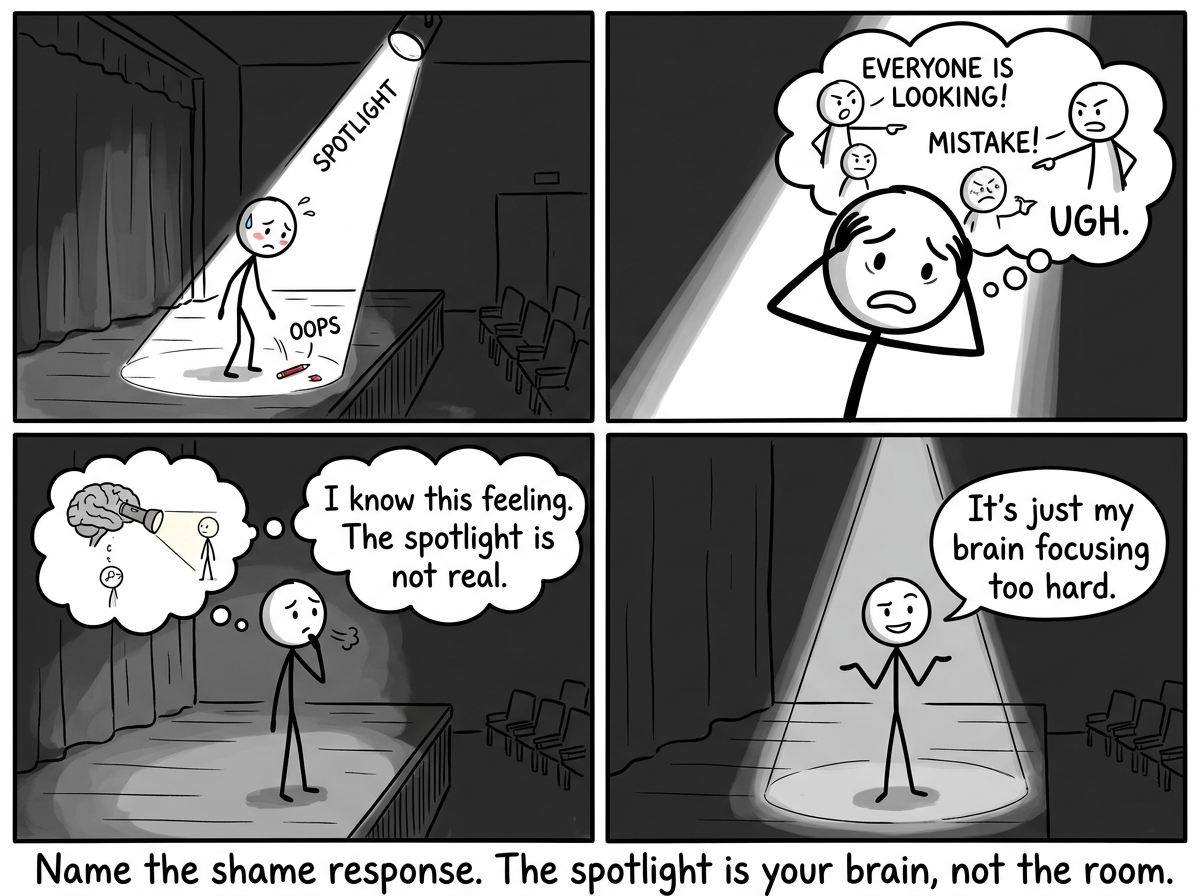
A person makes a small mistake and feels like a literal spotlight turns on them while the entire world stares and judges -- showing how shame magnifies exposure far beyond reality.
Explanation
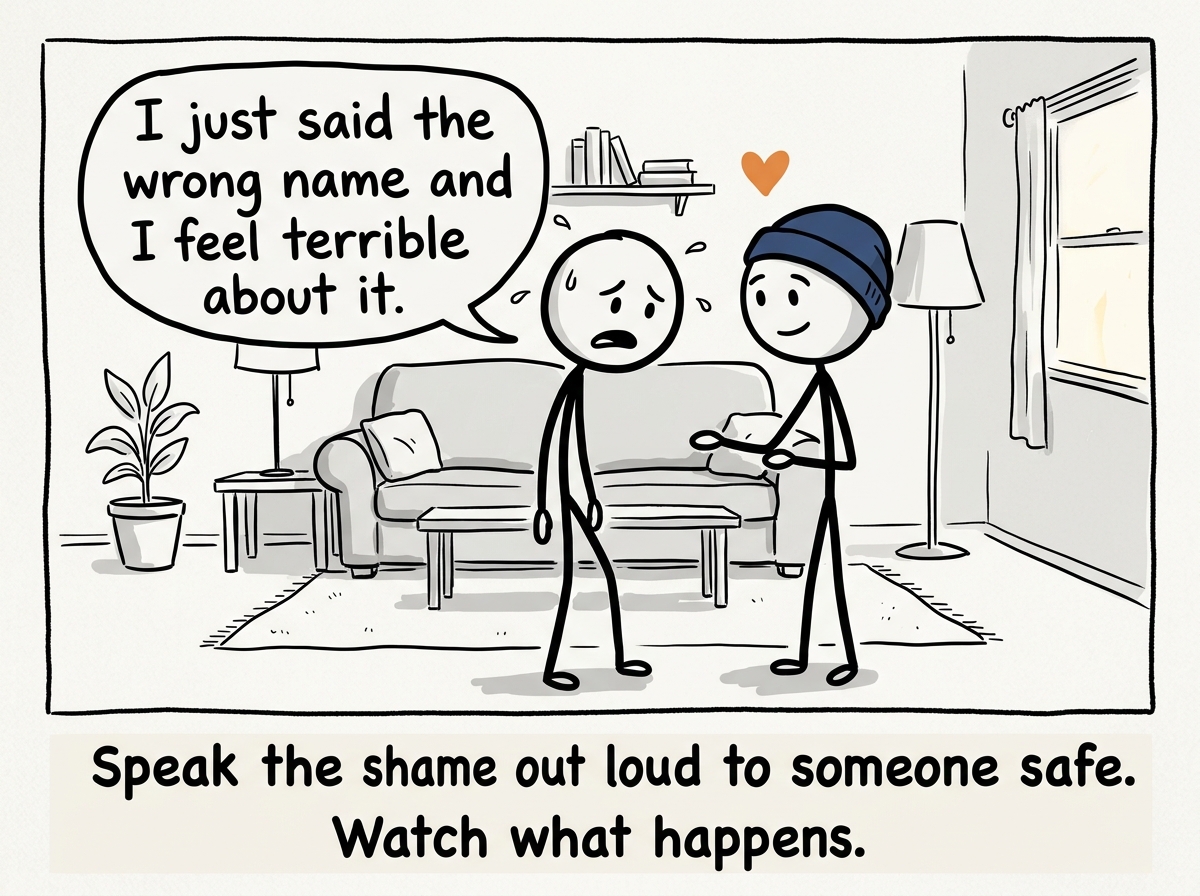
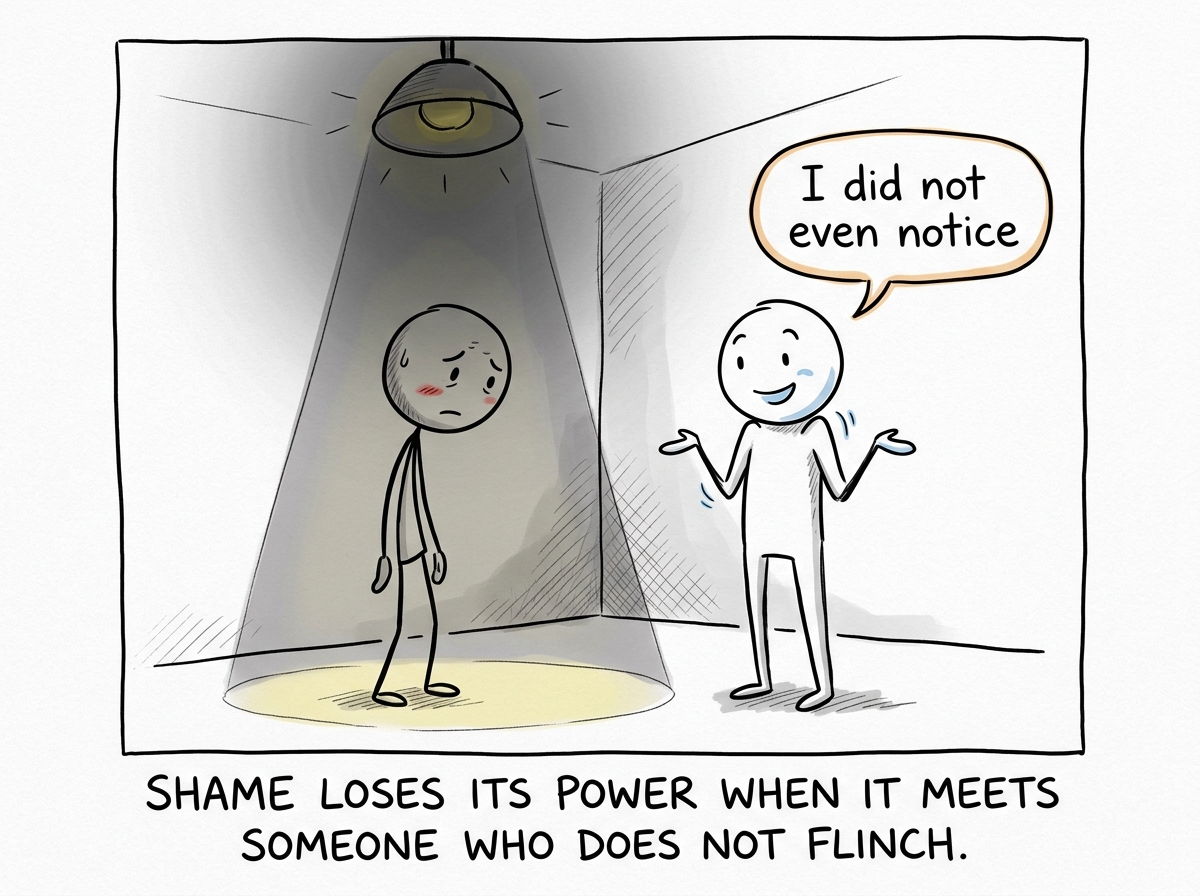
You trip on the sidewalk. You mispronounce a word in a meeting. You send a text to the wrong person. In reality, these are minor, forgettable moments. But when shame is activated, they feel like a spotlight has been turned on you -- a bright, hot, inescapable beam that illuminates every flaw for everyone to see. Suddenly you are the center of a stage you never auditioned for, and the audience is judging. The spotlight effect is a well-documented psychological phenomenon: we consistently overestimate how much other people notice and remember our mistakes. Studies show that people barely register the things we agonize over. But when shame is involved, the spotlight does not just exaggerate attention -- it transforms a moment of embarrassment into evidence of a core defect. A normal mistake becomes proof that something is fundamentally wrong with you. This is the difference between guilt and shame. Guilt says 'I did something bad.' Shame says 'I am bad.' Guilt is about behavior and can motivate repair. Shame is about identity and motivates hiding. When the spotlight turns on, you do not just want to fix the mistake -- you want to disappear, because the mistake feels like it has exposed who you really are. Brene Brown's research shows that shame cannot survive being spoken aloud to someone who responds with empathy. The spotlight loses its power when you stop performing for it and instead turn to someone you trust and say: 'I feel terrible about this.'
Key Takeaway
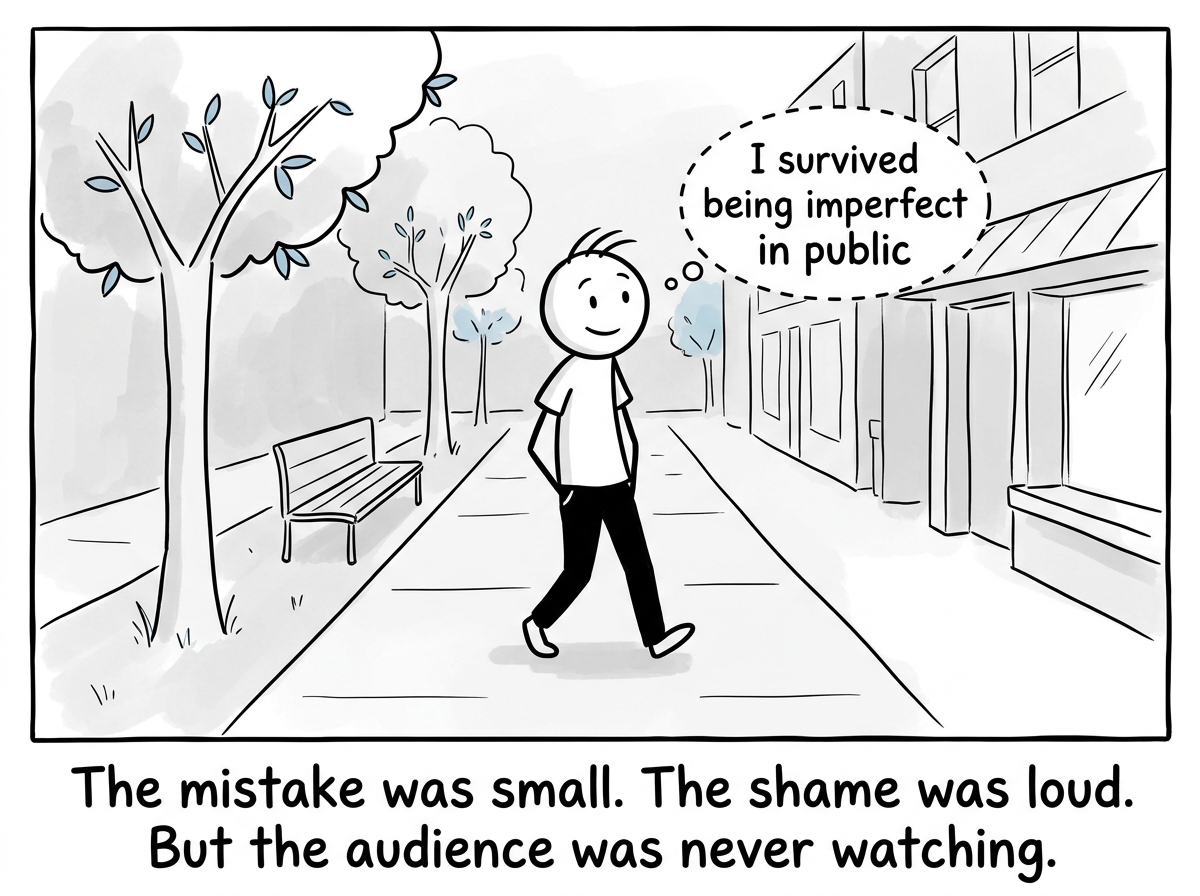
Shame turns a small mistake into a spotlight on your worst fear about yourself -- but the audience is mostly not watching.