6 steps
How to Work Through Shame
Learn to recognize shame when it shows up, understand how it differs from guilt, and build the resilience to move through it instead of being consumed by it.

The painful feeling that convinces you something is wrong with you at your core.
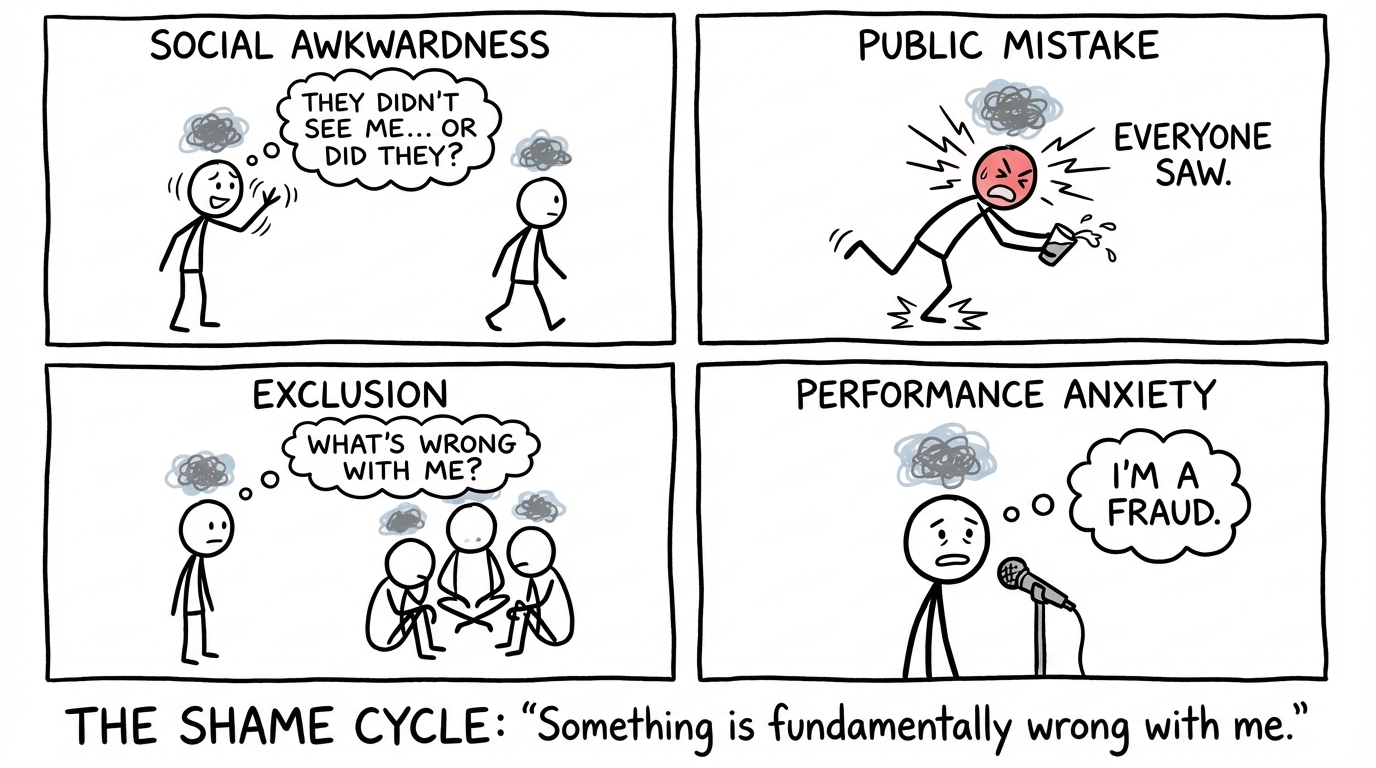
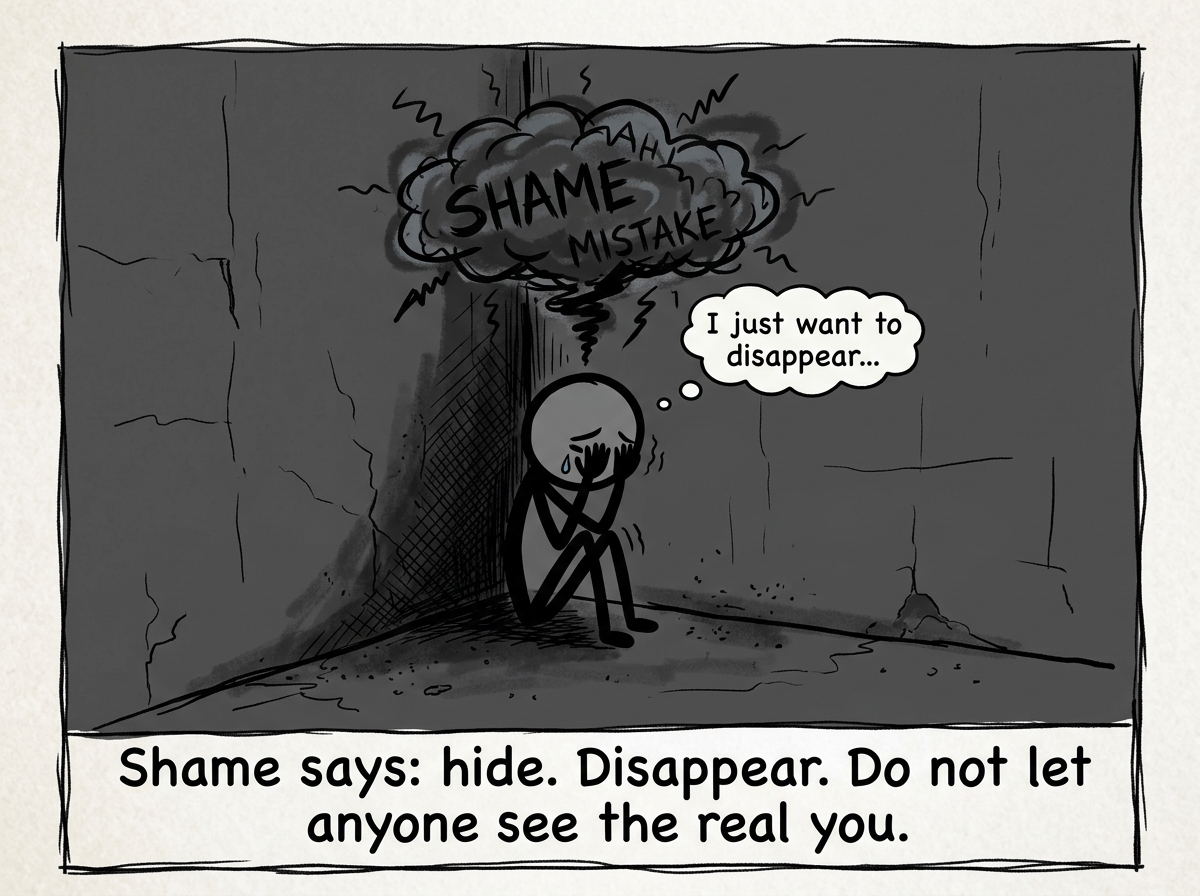
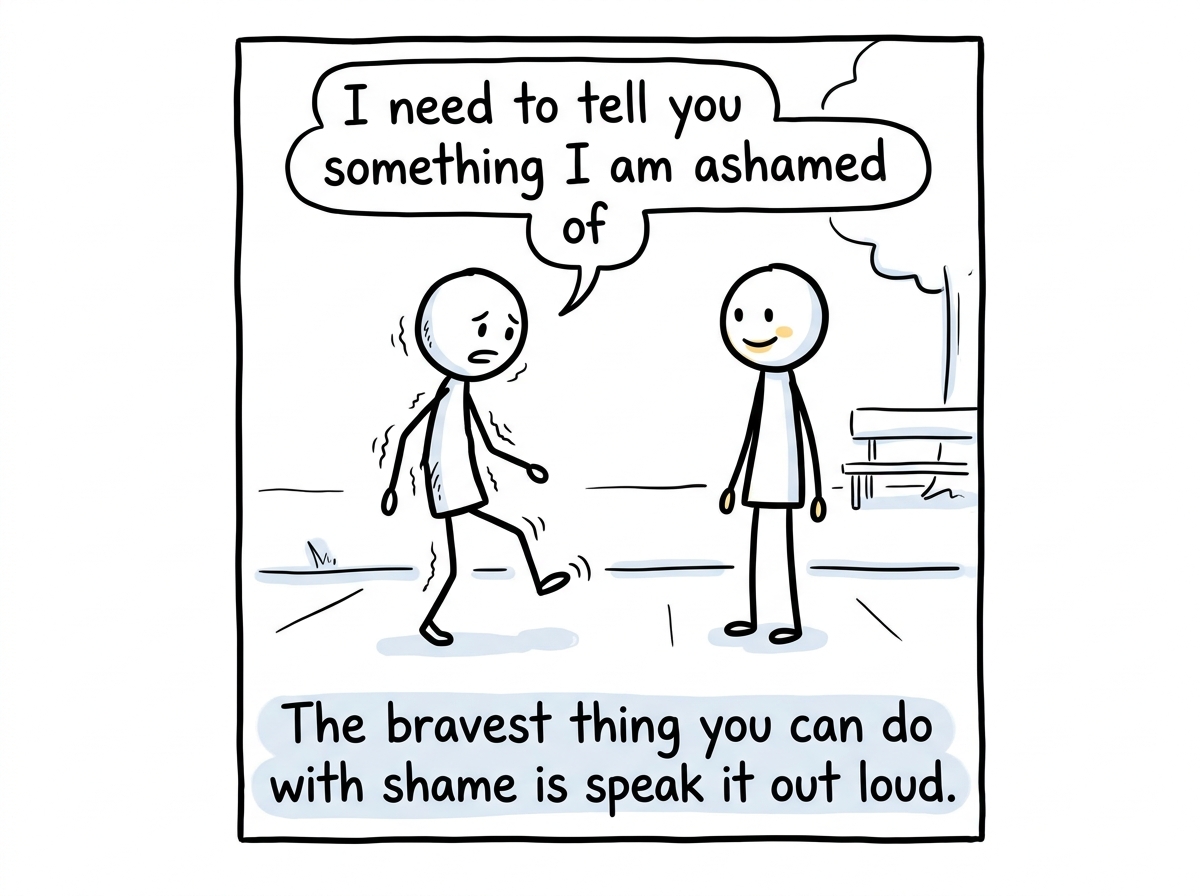
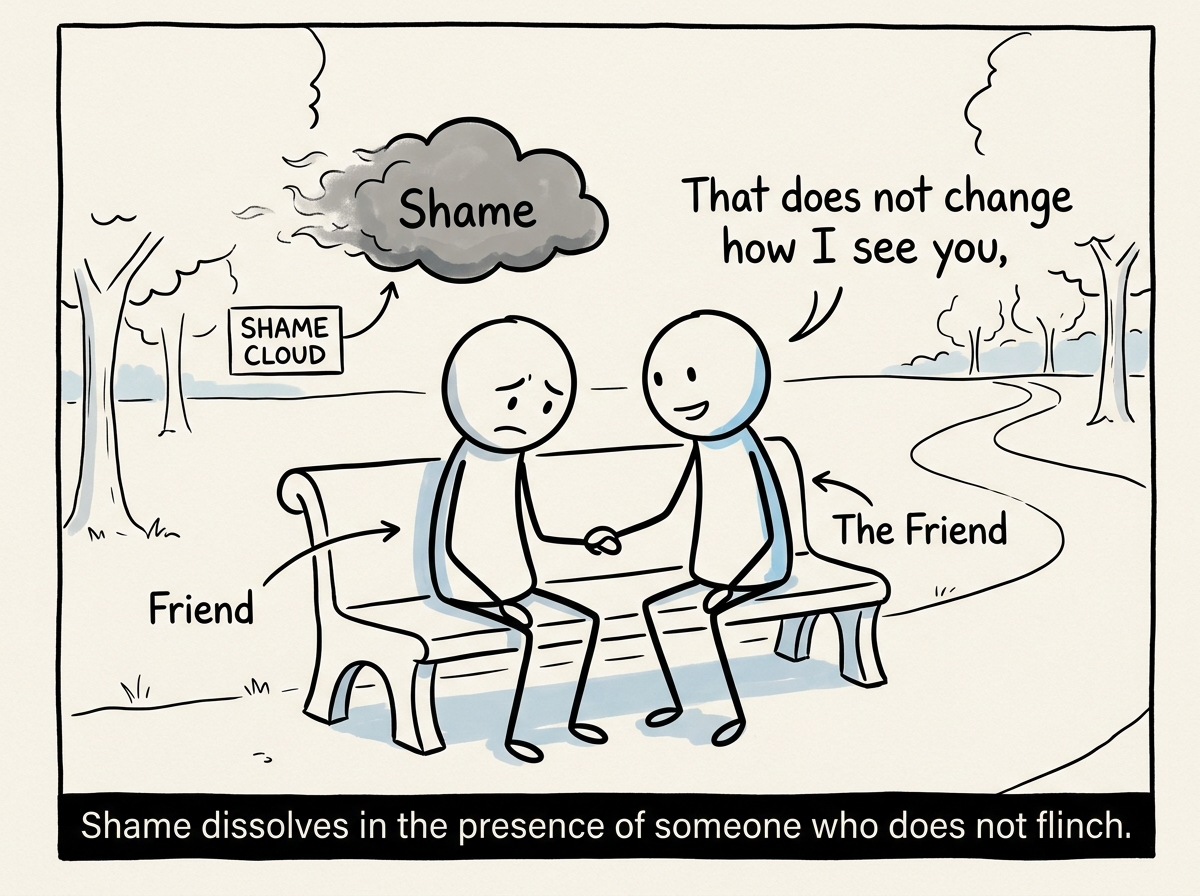
Shame is the deeply painful feeling that there is something fundamentally wrong with you -- not just that you made a mistake, but that you are a mistake. Researcher Brene Brown draws a critical distinction between guilt and shame: guilt says 'I did something bad,' while shame says 'I am bad.' This distinction matters because guilt can motivate change, but shame paralyzes. When you are in shame, you want to hide, disappear, or become invisible. Shame often develops in childhood through experiences of humiliation, harsh criticism, neglect, or conditional love. Over time, it becomes an internal lens that colors how you see yourself and how you interpret the world. Shame drives many destructive patterns: perfectionism (trying to outrun the feeling of being flawed), people-pleasing (earning worth through approval), addiction (numbing the pain), and isolation (hiding so no one sees the 'real' you). The antidote to shame is not willpower -- it is connection. Shame cannot survive being spoken aloud to someone who responds with empathy.
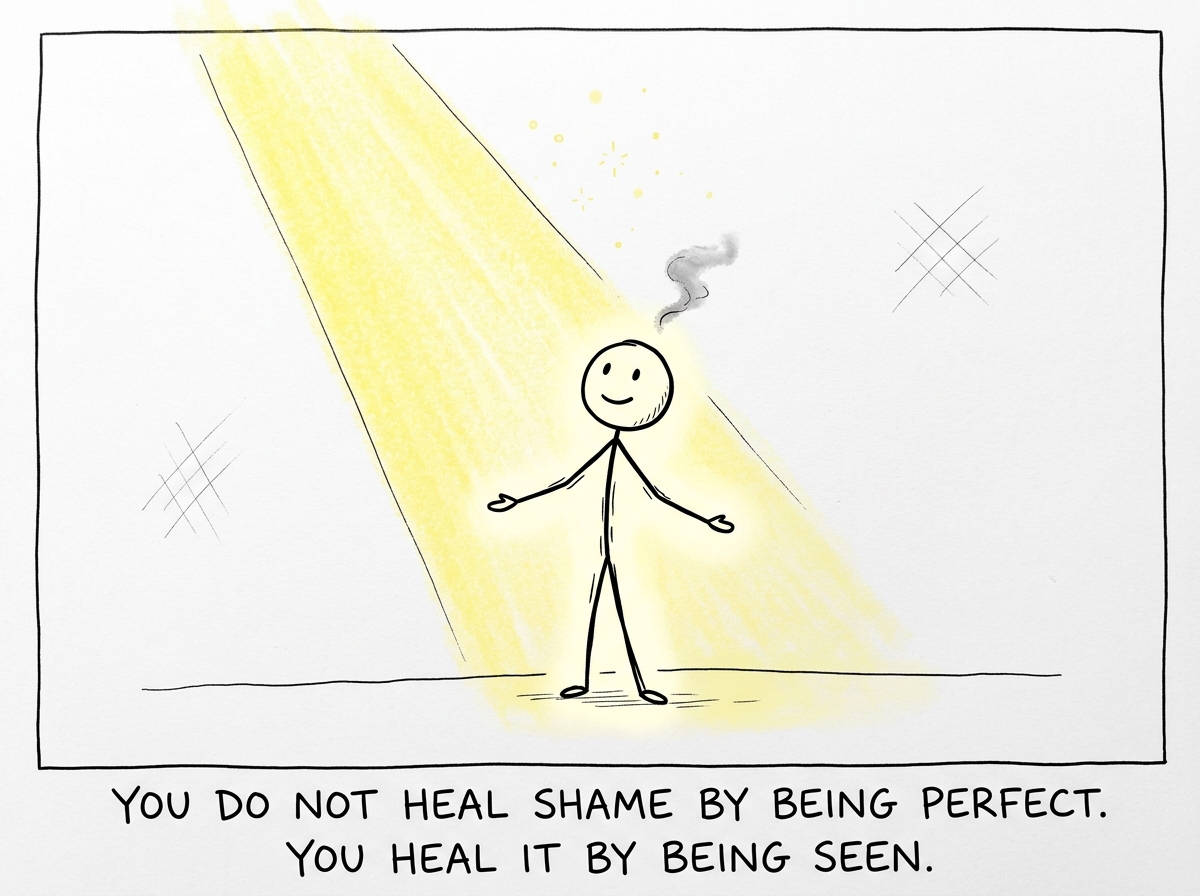
Shame cannot survive being spoken aloud to someone who responds with empathy -- connection is the antidote, not perfection.