The Time Machine You Didn't Ask For
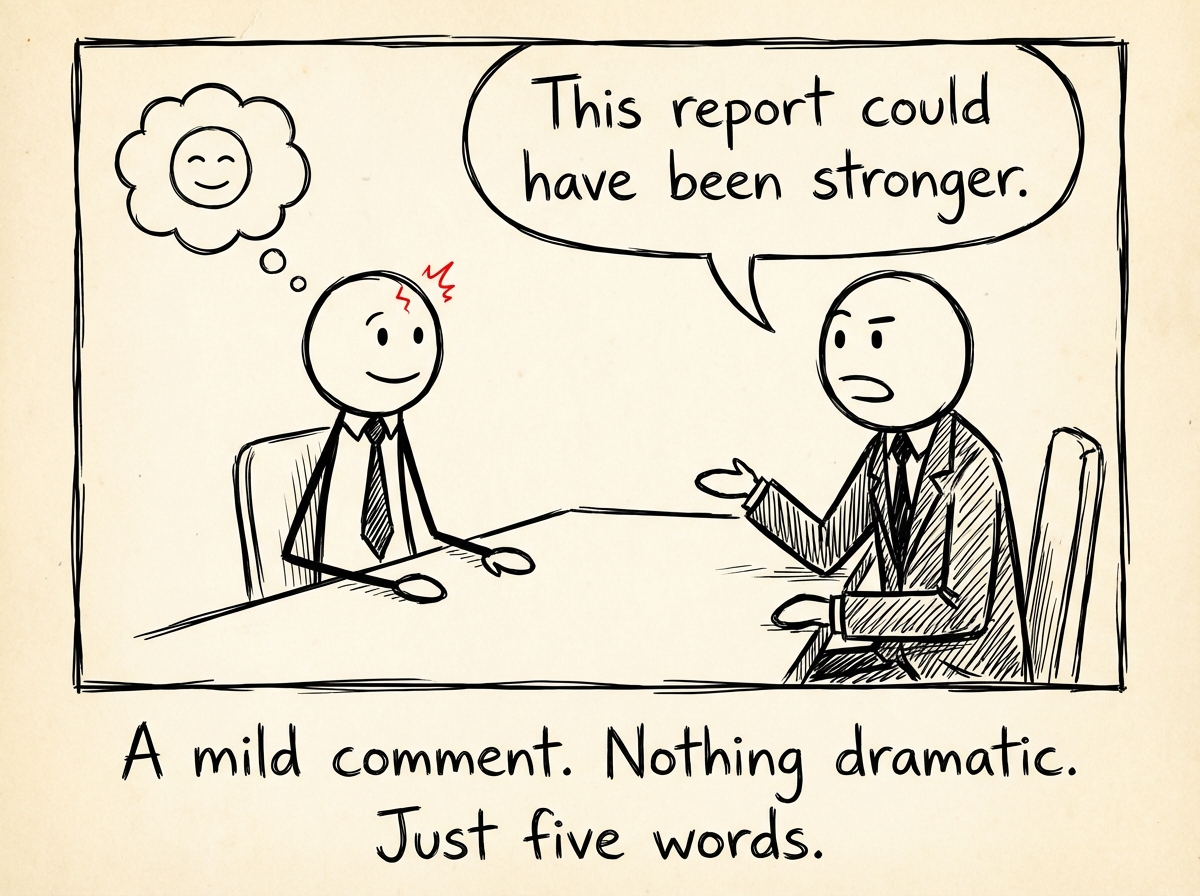
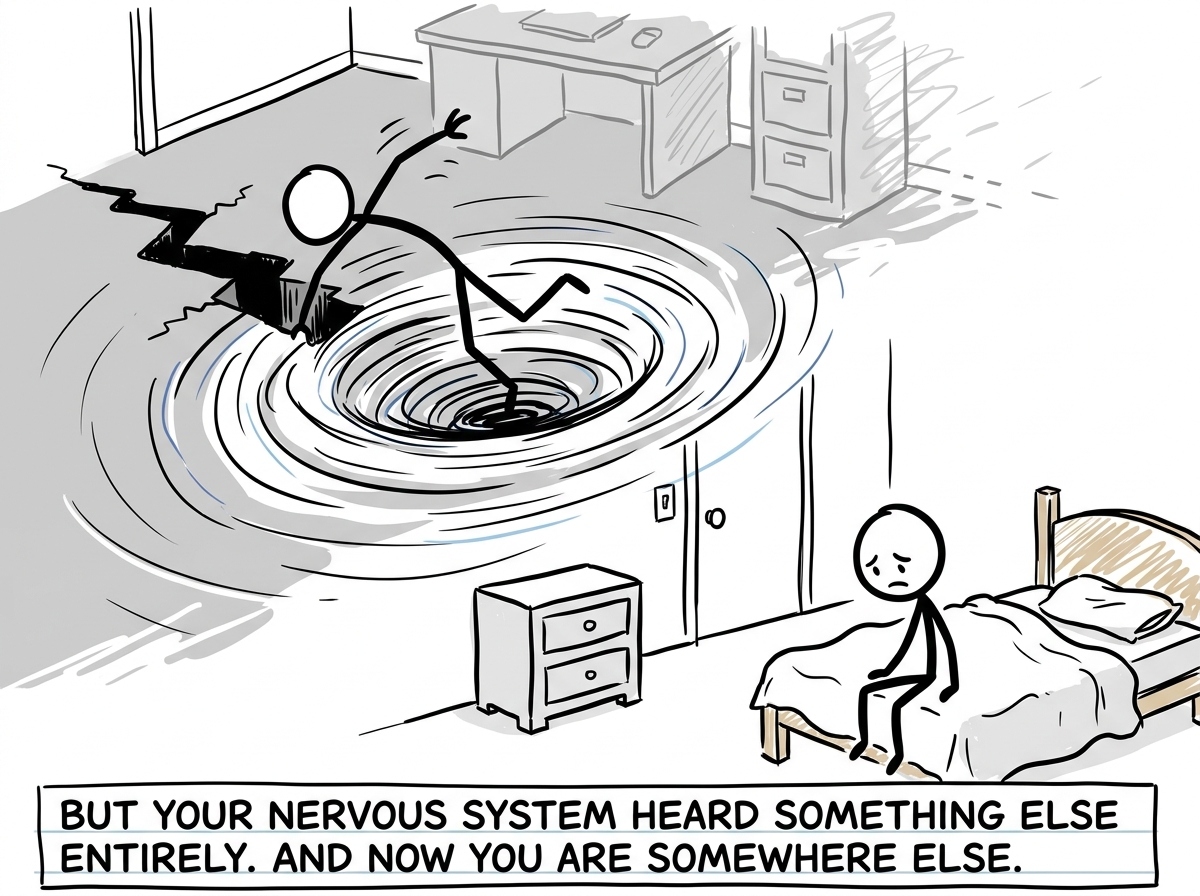
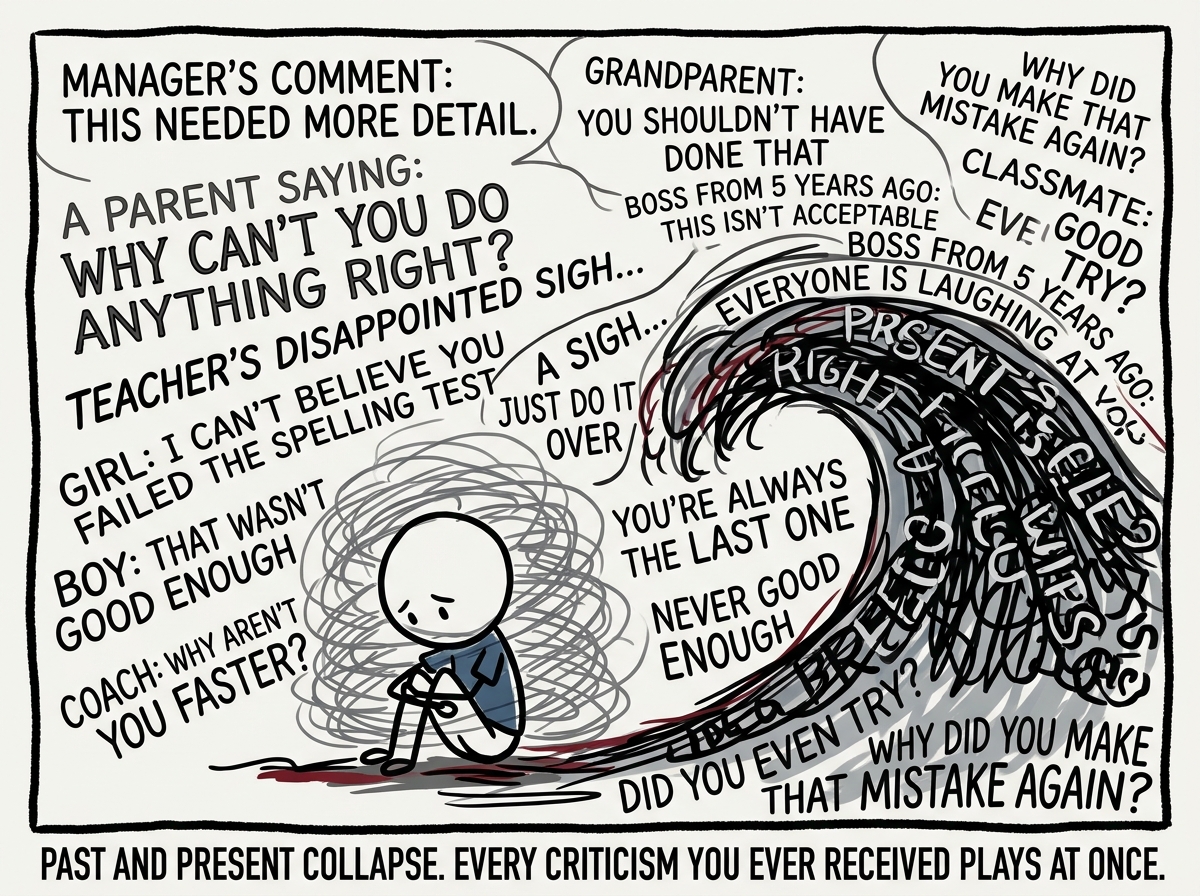
A person receives minor criticism at work and is instantly transported back to the emotional world of their childhood -- overwhelmed, small, and ashamed -- without understanding why a small comment hit so hard.
Explanation
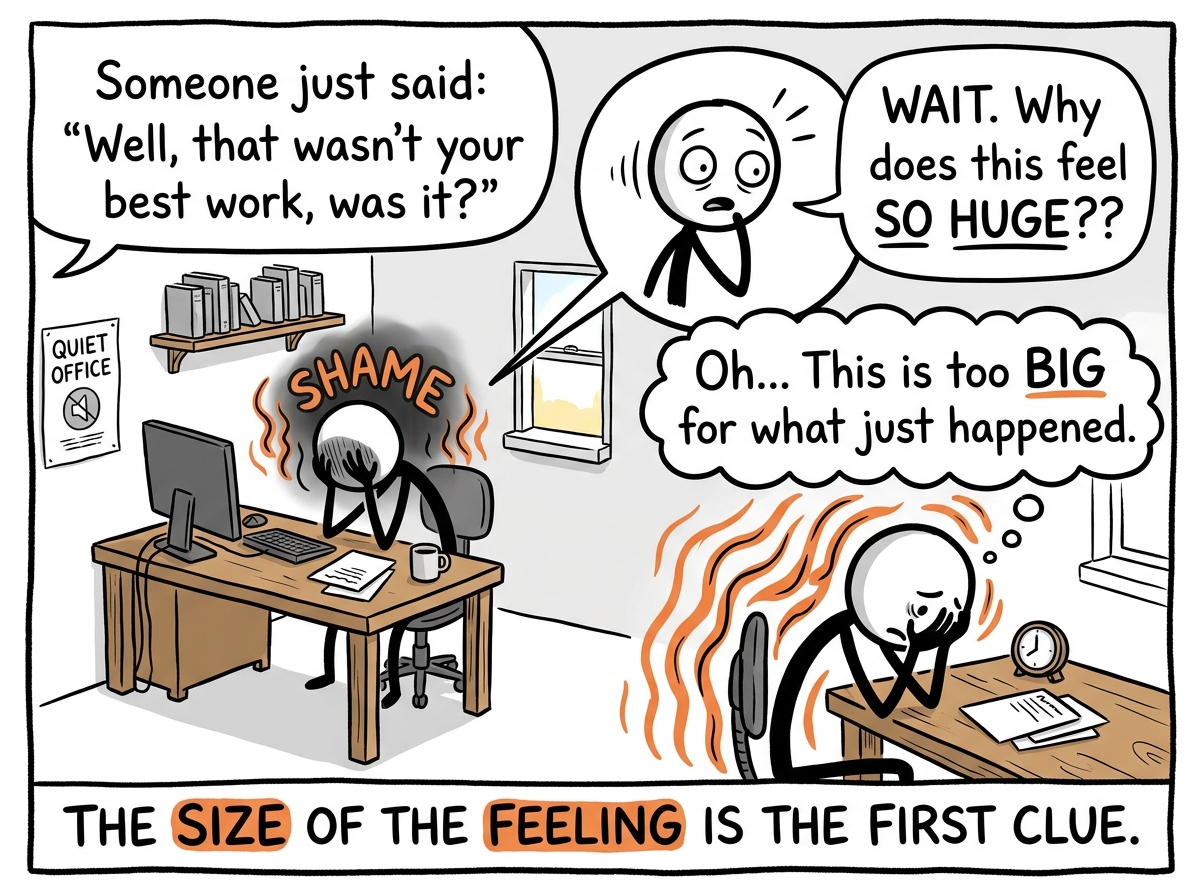
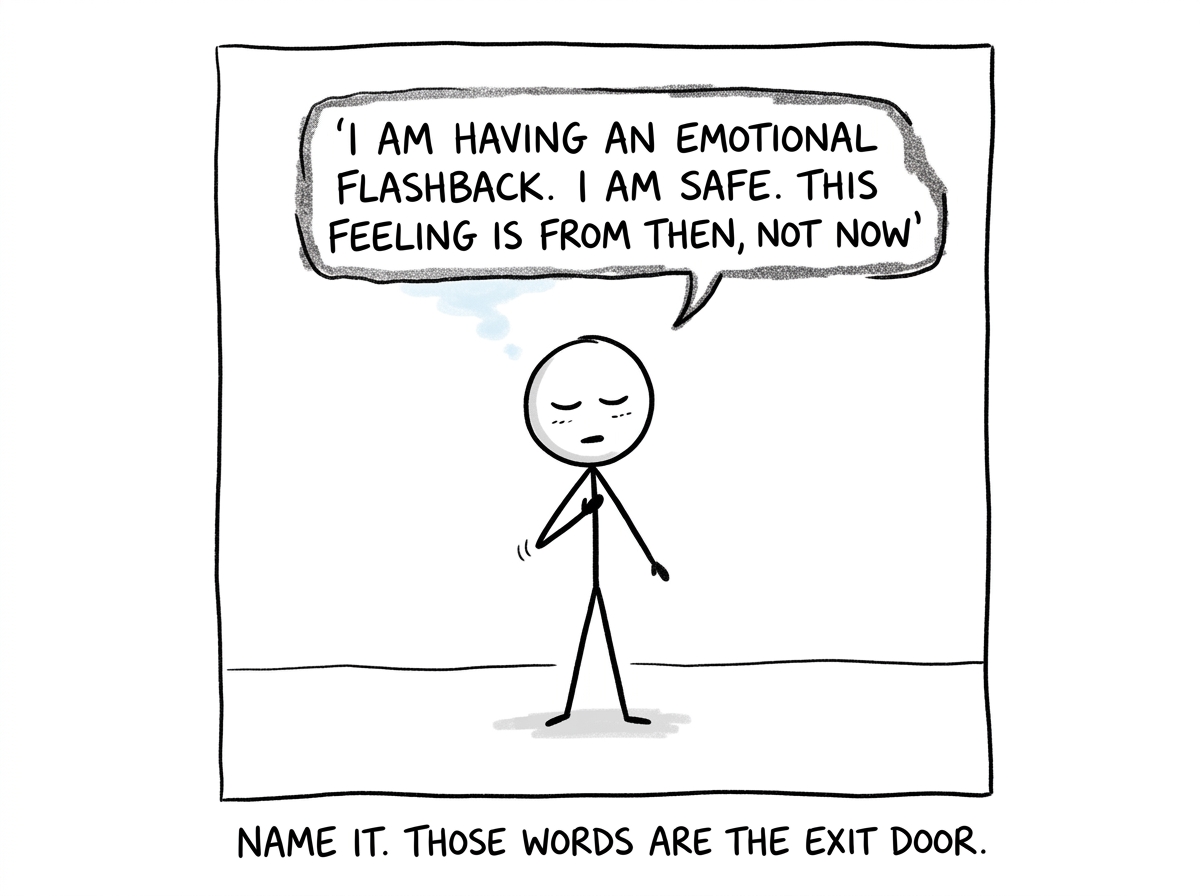
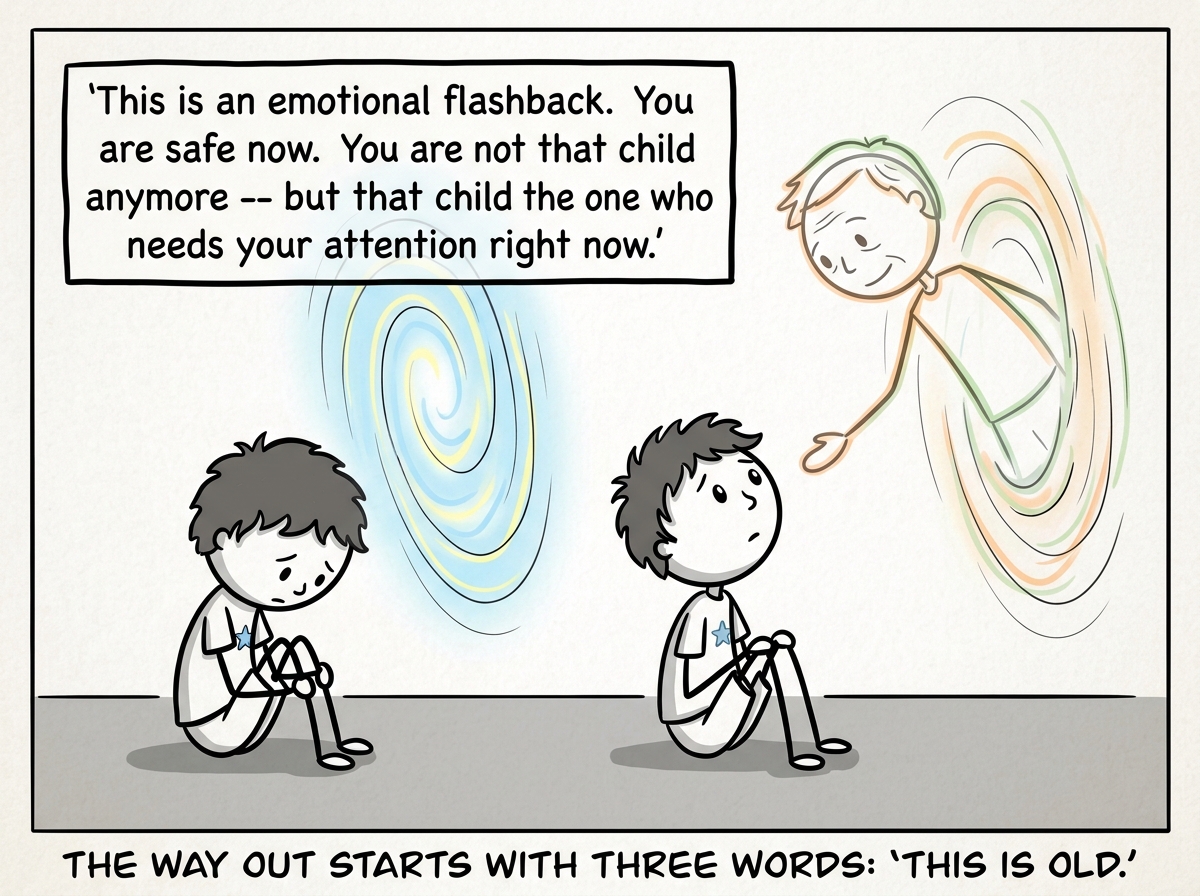
You are in a meeting. Your manager says, 'This could have been better.' It is a mild comment. Objectively, you know this. But within seconds, something shifts. Your chest tightens. Your face flushes. You feel a wave of shame so intense it takes your breath away. You want to disappear. You spend the rest of the day replaying the comment, feeling worthless, and wondering why you are so sensitive. You are not overreacting. You are having an emotional flashback. Pete Walker, a therapist specializing in complex PTSD, coined the term to describe a sudden regression to the feeling states of childhood trauma. Unlike a traditional flashback, there are no visual memories. You do not see a scene from your past. Instead, you are flooded with the emotions you felt as a child when you were criticized, shamed, or made to feel that you were not enough. The present trigger -- a boss's comment, a partner's tone, a friend canceling plans -- activates the old wound, and your nervous system responds as if the original threat is happening right now. The most disorienting part of emotional flashbacks is that you usually do not realize you are in one. You think you are reacting to the present. You think the intensity of your feelings is proportional to what just happened. But the giveaway is the quality of the emotion: if it feels like too much, if it carries a childhood flavor of helplessness or shame, if you suddenly feel very small -- you have likely been pulled into a flashback. The way out begins with recognition: 'I am having an emotional flashback. I am not in danger. I am feeling something old.'
Key Takeaway
When your reaction feels too big for the moment, you are probably not reacting to now -- your nervous system is replaying then.