How to Work With Your Attachment Style
Understand your attachment pattern and begin building more secure ways of connecting with the people you love.
Before You Begin
Your attachment style is not a life sentence -- it is a map of the relationship habits you learned early on, usually before you had any say in the matter. Whether you tend to cling, pull away, or swing between the two, these patterns made sense once. They helped you survive the emotional environment you grew up in. But what protected you as a child can create real problems in your adult relationships. This guide will walk you through identifying your pattern, catching it in action, and gradually replacing reactive habits with intentional choices. The goal is not to become a different person. It is to become someone who can choose how to respond instead of being run by old programming.
-
Identify Your Attachment Style
Before you can change a pattern, you need to see it clearly. Read about the four attachment styles -- secure, anxious, avoidant, and disorganized -- and notice which descriptions make you uncomfortable, not just which ones you relate to. The style that stings a little is often the most accurate.
- Ask yourself: When a partner pulls away, do I chase harder or shut down?
- When conflict arises, do I flood with emotion or go numb?
- Do I feel more anxious when people get close, or when they get distant?
- Consider that you may show different styles in different relationships or shift between two patterns depending on stress levels.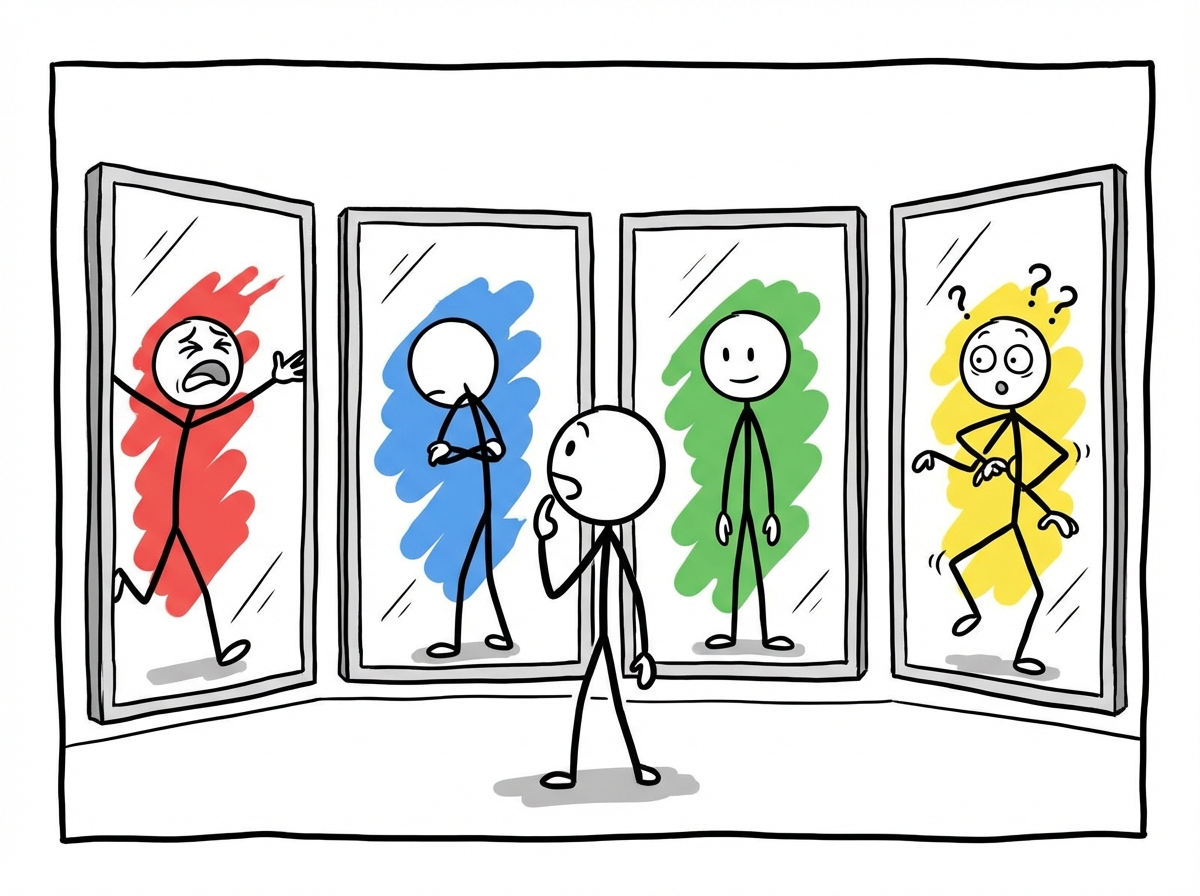
-
Learn Your Triggers
Your attachment system does not activate randomly. It fires in response to specific cues -- a delayed text, a certain tone of voice, a partner making plans without you, or someone expressing a need for closeness. These triggers are echoes of old relational wounds.
- Keep a simple log for one week: when you feel a disproportionate emotional reaction in a relationship, write down what happened right before it.
- Look for themes. Anxious patterns often trigger around perceived distance or rejection. Avoidant patterns often trigger around perceived demands or engulfment.
- Notice the speed of your reaction. Attachment responses tend to be fast, automatic, and feel urgent -- as if something terrible is about to happen. That urgency is a clue that the past is talking.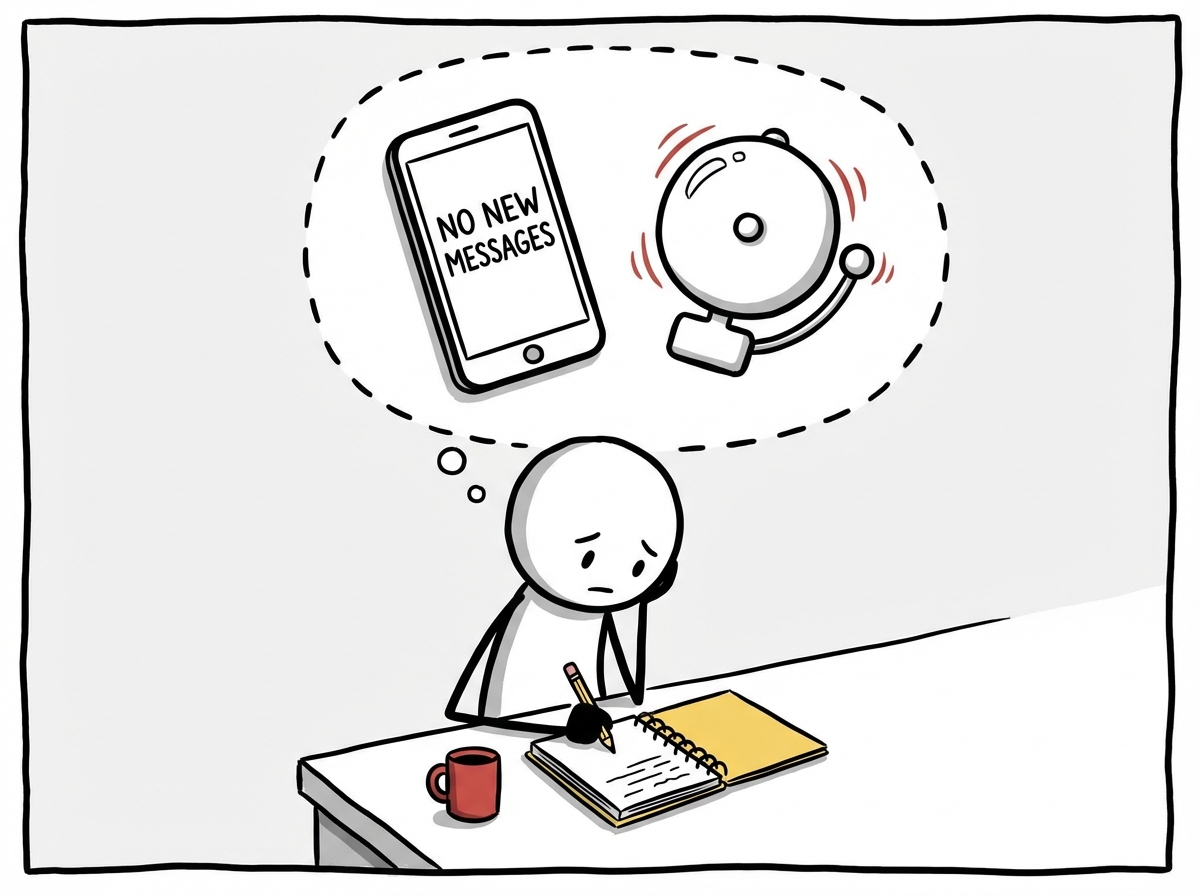
-
Pause Before You React
The space between your trigger and your response is where all the change happens. Anxious attachment wants you to call five times, send the long text, or demand reassurance immediately. Avoidant attachment wants you to shut the conversation down, leave the room, or pretend you do not care. Both are attempts to regulate an overwhelmed nervous system.
- When you feel the urge to act on an attachment impulse, set a timer for ten minutes. You do not have to ignore the feeling -- just delay the action.
- During those ten minutes, name what you are feeling in simple terms: scared, abandoned, trapped, smothered.
- Ask yourself: Is this about what is actually happening right now, or is this an old feeling wearing a new outfit?
- Over time, this pause will grow from ten minutes into a genuine choice point.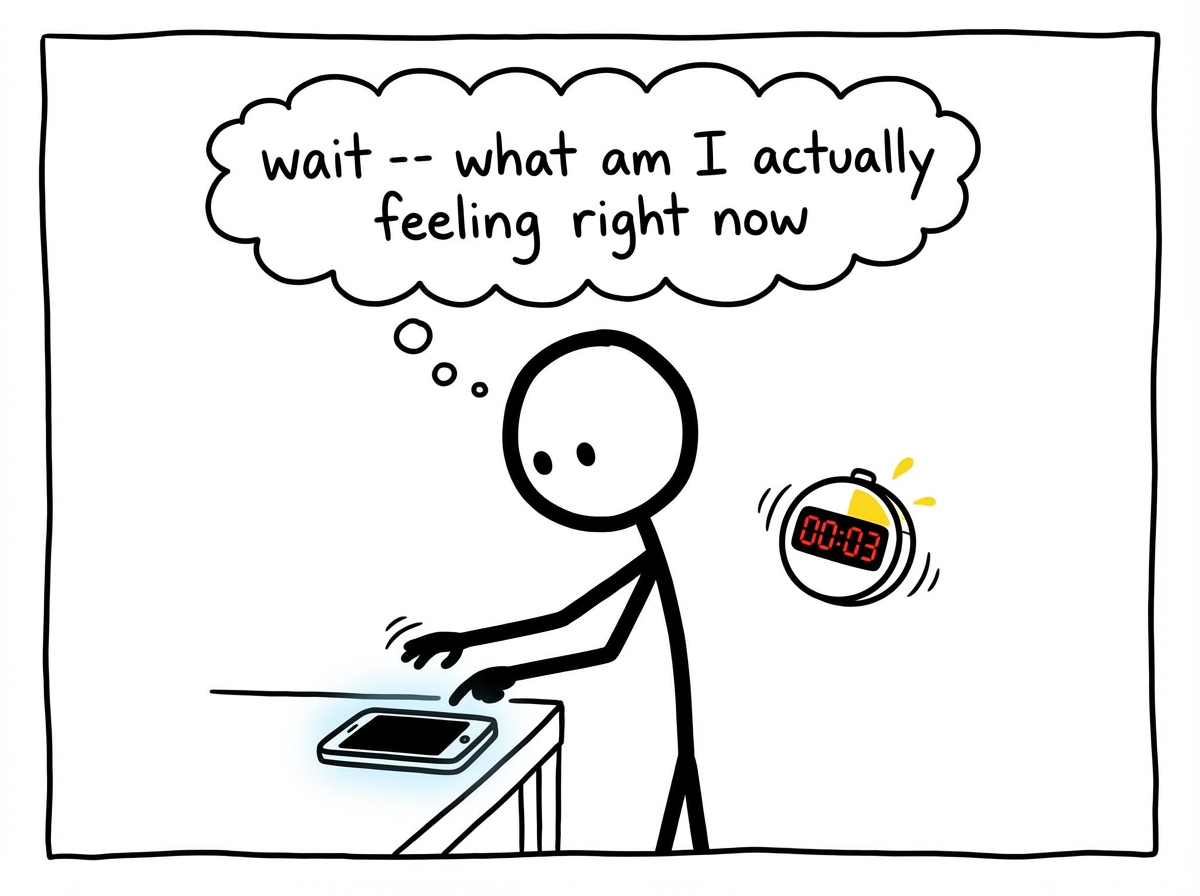
-
Communicate Your Needs Without the Old Script
Insecure attachment styles share one thing in common: they make it very hard to ask for what you need in a straightforward way. Anxious attachment tends to express needs as accusations or tests. Avoidant attachment tends to deny needs exist at all. Neither works.
- Practice using this formula: 'When [specific situation], I feel [emotion], and what I need is [concrete request].'
- For anxious patterns: resist the urge to add urgency, guilt, or worst-case scenarios. Say what you need once, clearly, and then let the other person respond.
- For avoidant patterns: practice admitting that you have needs at all. Start small -- telling someone you would prefer a quiet evening in is a boundary and a need expressed at the same time.
- Notice how it feels to be direct. If it feels dangerous, that is your attachment system talking, not reality.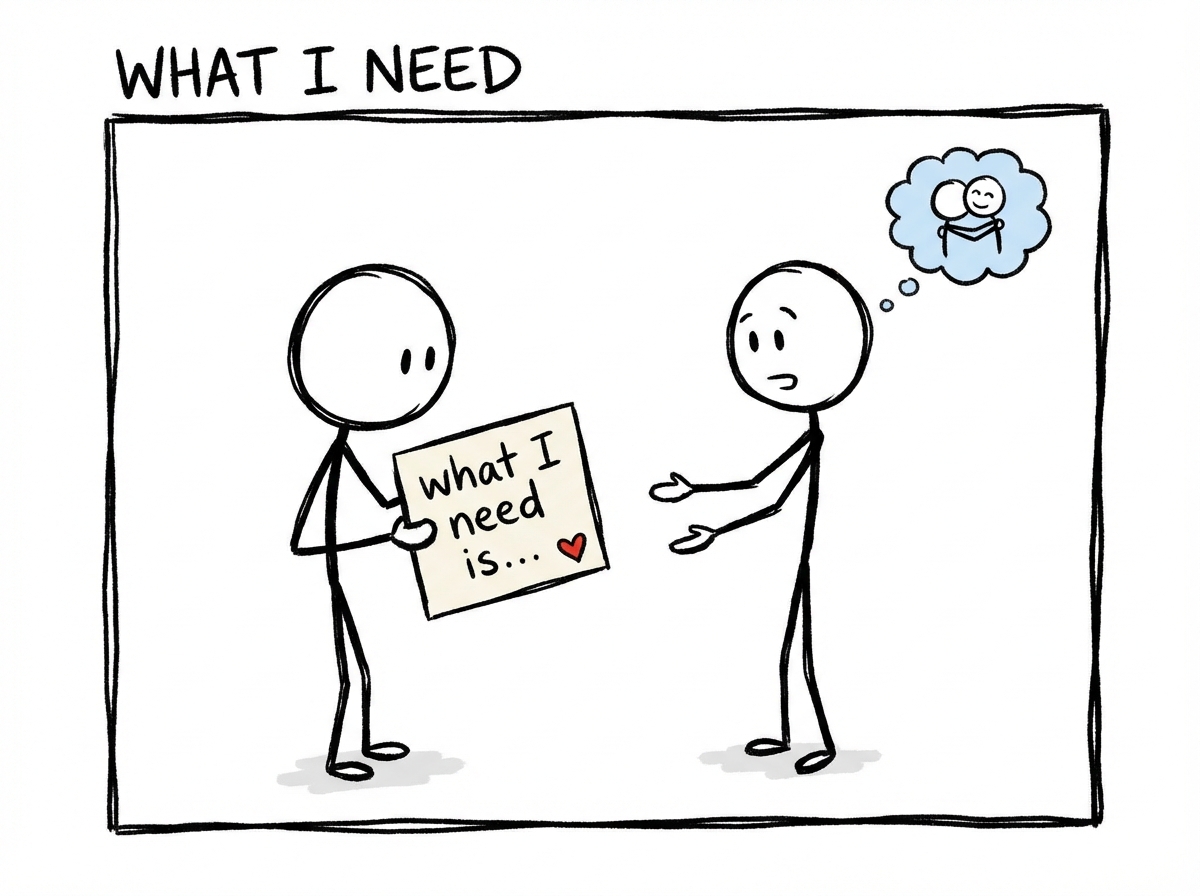
-
Build Earned Security Through Repetition
Earned secure attachment is real and well-documented in research. It means that even if you did not start with a secure base, you can build one through repeated corrective experiences -- moments where you expect the worst and something better happens instead.
- Each time you express a need and someone responds with care, let yourself register that moment. Do not rush past it or dismiss it.
- Each time you give someone space and they come back, notice that too. Let it update your internal model of how relationships work.
- Therapy, especially with a therapist who works relationally, is one of the most powerful ways to build earned security because the therapeutic relationship itself becomes a corrective experience.
- This is slow work. You are rewriting neural pathways that were laid down in childhood. Be patient with yourself the way you would be patient with a child learning something new.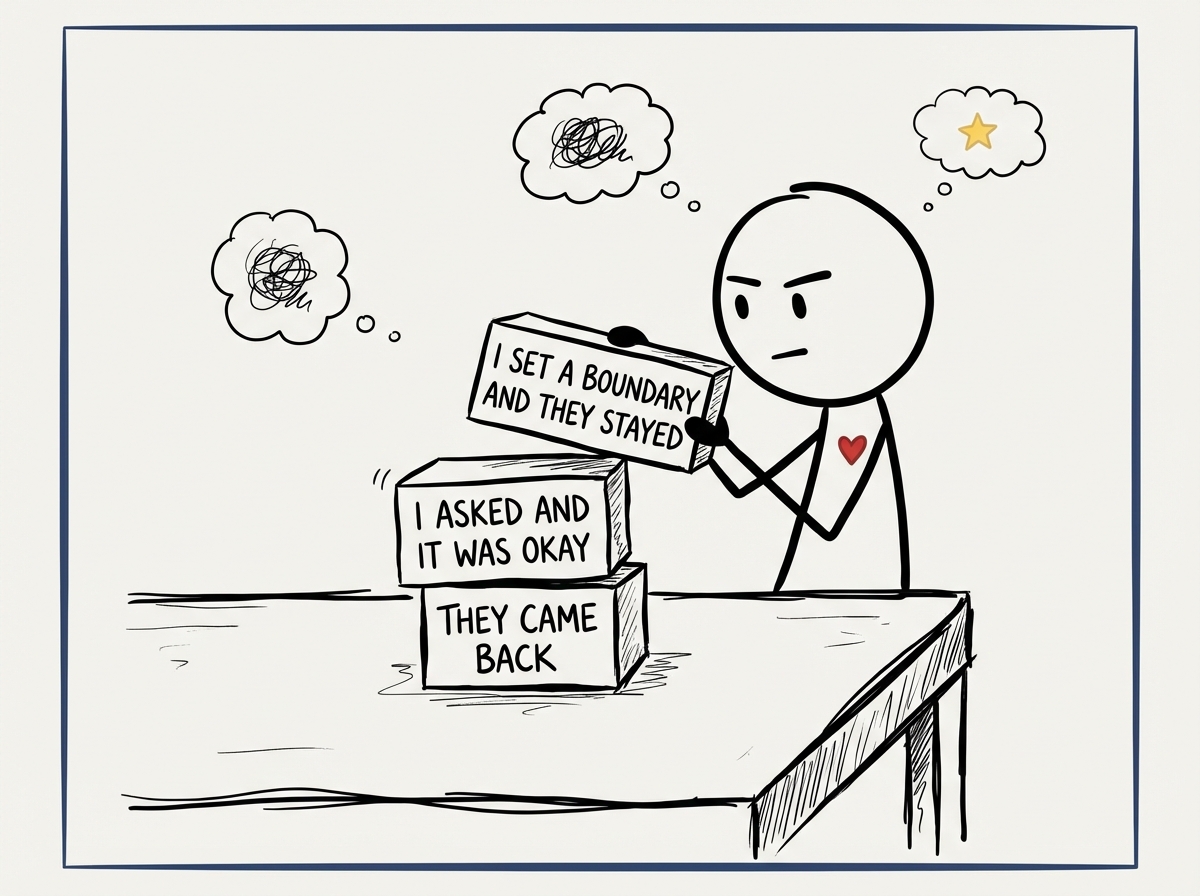
-
Practice With Safe People First
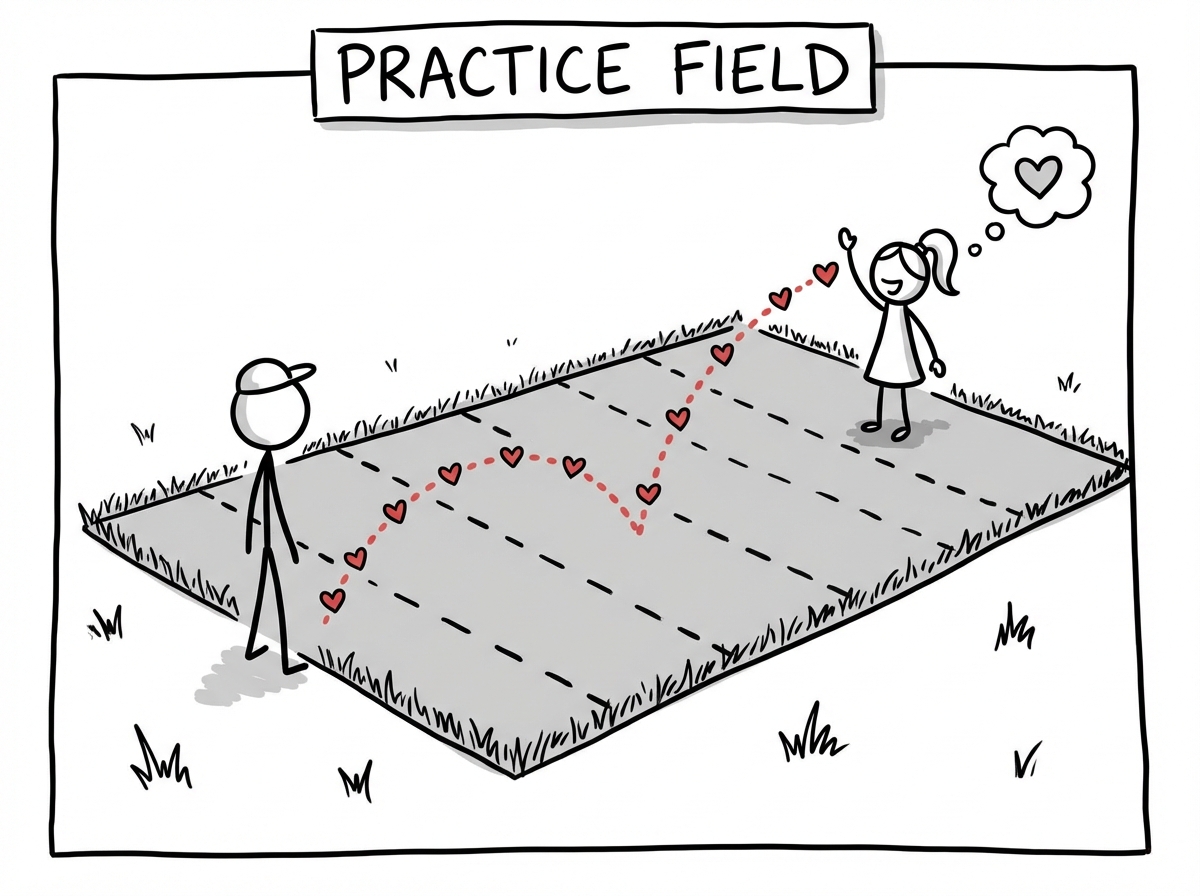
You do not have to overhaul every relationship at once. Start with the people who feel safest -- a close friend, a sibling you trust, a therapist, or a partner who has shown you consistent care. These are your practice grounds.
- Choose one relationship where you feel relatively safe and try one new behavior this week: ask for something directly, share a vulnerability, or let a small conflict exist without rushing to fix it.
- Pay attention to how the other person responds. Safe people will not punish you for having needs or for setting limits.
- If you do not have anyone who feels safe right now, that is important information, not a personal failing. A therapist or support group can be that first safe relationship.
- As your confidence grows in safe relationships, you will naturally begin bringing these skills into harder ones. Trust the process and do not skip ahead.