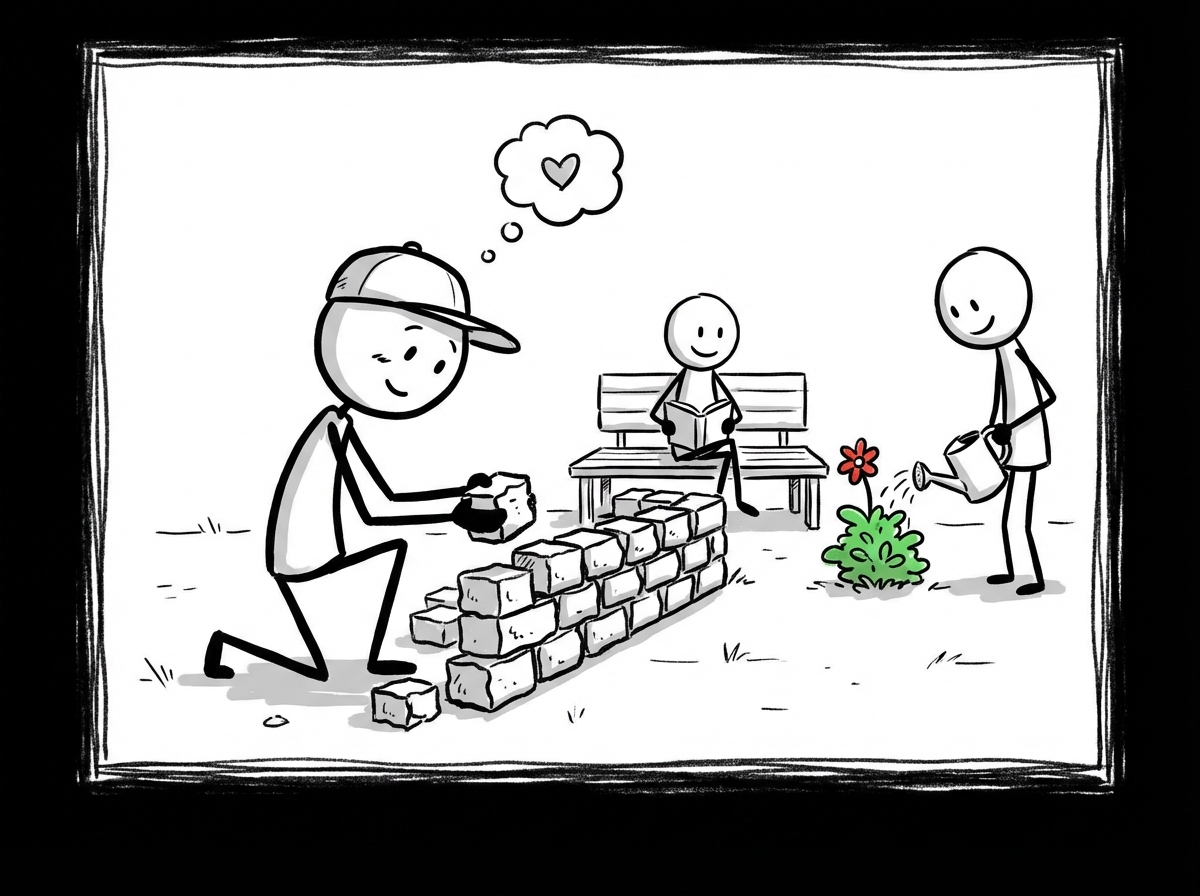
How to Recognize and Reduce Entitlement
Learn to spot your own entitlement patterns, understand where they come from, and shift toward earning respect through contribution rather than demanding it through expectation.
Before You Begin
Entitlement is one of the hardest things to see in yourself because it does not feel like entitlement from the inside. It feels like fairness. It feels like you are simply asking for what you deserve. The problem is that entitlement warps your sense of what you deserve by removing reciprocity from the equation. You expect special treatment, exceptions, or priority -- but you are not offering anything proportional in return. Entitlement can develop from being over-praised as a child, from being chronically under-valued and overcompensating, or from environments where status was everything and effort was invisible. Whatever the origin, the effect is the same: relationships suffer because people feel used, boundaries get violated because rules feel like they should not apply to you, and genuine self-worth never develops because it is always borrowed from external validation. This guide is not about becoming a doormat. It is about becoming someone whose sense of worth is built on what they give, not what they demand.
-
Notice When You Expect Exceptions
Entitlement hides in the small moments -- the flash of irritation when you have to wait in line like everyone else, the assumption that rules are for other people, the belief that your time is more valuable than someone else's. These reactions happen so fast that they feel like facts rather than distortions.
- For one week, pay attention to every time you feel annoyed that something is not easier, faster, or more accommodating for you specifically. Write these moments down without judgment.
- Look for the pattern: Do you expect faster service? Special access? Exemption from policies? Do you get frustrated when you are treated the same as everyone else?
- Notice the internal justification that accompanies each moment. Entitlement always has a reason: 'I am a regular here,' 'I am busier than most people,' 'I should not have to deal with this.' The reason feels valid. That is what makes entitlement so hard to catch.
- You are not trying to change anything yet. You are just building a map of where entitlement lives in your daily life. The map has to come before the change.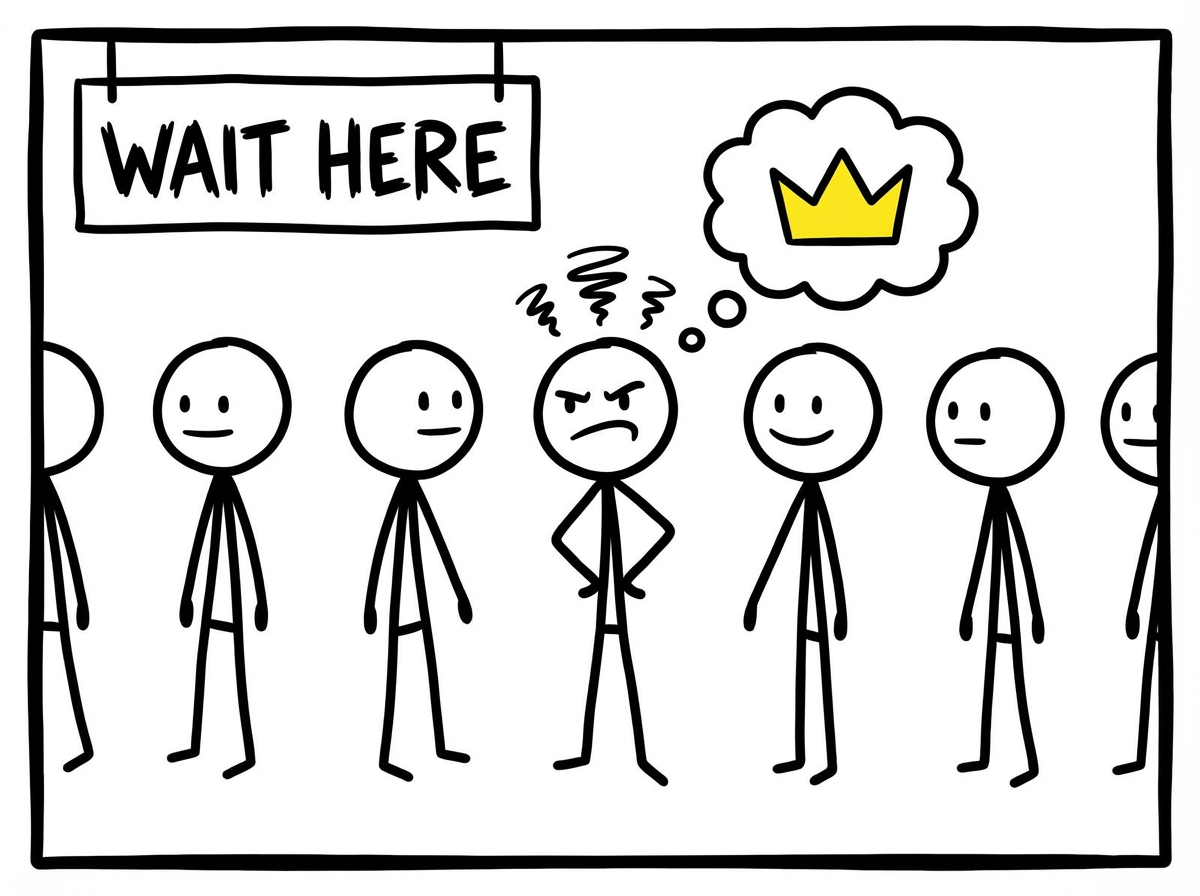
-
Examine Where the Entitlement Came From
Entitlement is almost never a character flaw. It is a learned pattern, and understanding where it came from makes it easier to change. People develop entitlement through very different pathways, and yours matters because it determines what the entitlement is protecting you from.
- If you were consistently told you were special, gifted, or better than others as a child, your entitlement may be protecting you from the ordinary. The terror underneath is: if I am not exceptional, I am nothing.
- If you were neglected or deprived, your entitlement may be compensatory. You are trying to collect now what you were owed then. The anger underneath is: I already paid my dues and the world still owes me.
- If you grew up in a competitive or status-driven environment, your entitlement may be survival-based. You learned that people who do not demand do not receive.
- Understanding the origin is not an excuse. It is information. Knowing why you expect exceptions helps you recognize the moments when the old pattern is running the show instead of your adult self.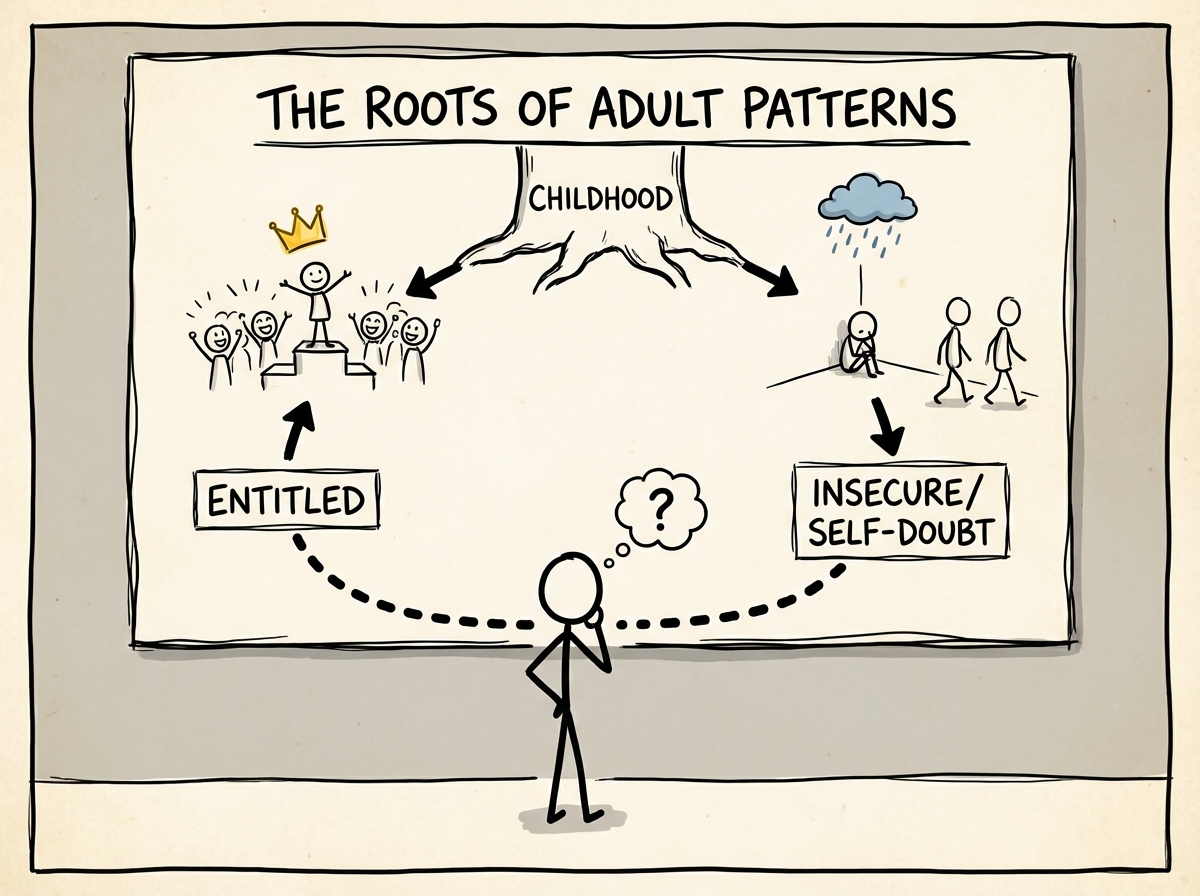
-
Practice Ordinary Effort Without Resentment
One of the clearest signs of entitlement is the belief that certain tasks are beneath you. Doing dishes, waiting your turn, following up on your own paperwork, cleaning up after yourself. Entitled people either refuse to do these things or do them with visible resentment, signaling that this should not be required of them.
- Choose one ordinary task you normally avoid, delegate, or resent, and do it this week without complaint. Not as a performance of humility. Just do it.
- Notice the internal resistance. Entitlement will tell you this is a waste of your time, that someone else should handle it, that you have more important things to do. Let the resistance be there and do the task anyway.
- Pay attention to how it feels to complete something without recognition. Entitled patterns are often fueled by the expectation that effort should always be seen and rewarded. Sometimes effort is just effort.
- Practice this regularly. The goal is not to enjoy mundane tasks. It is to stop believing that you are exempt from them. Everyone does ordinary things. You are not the exception.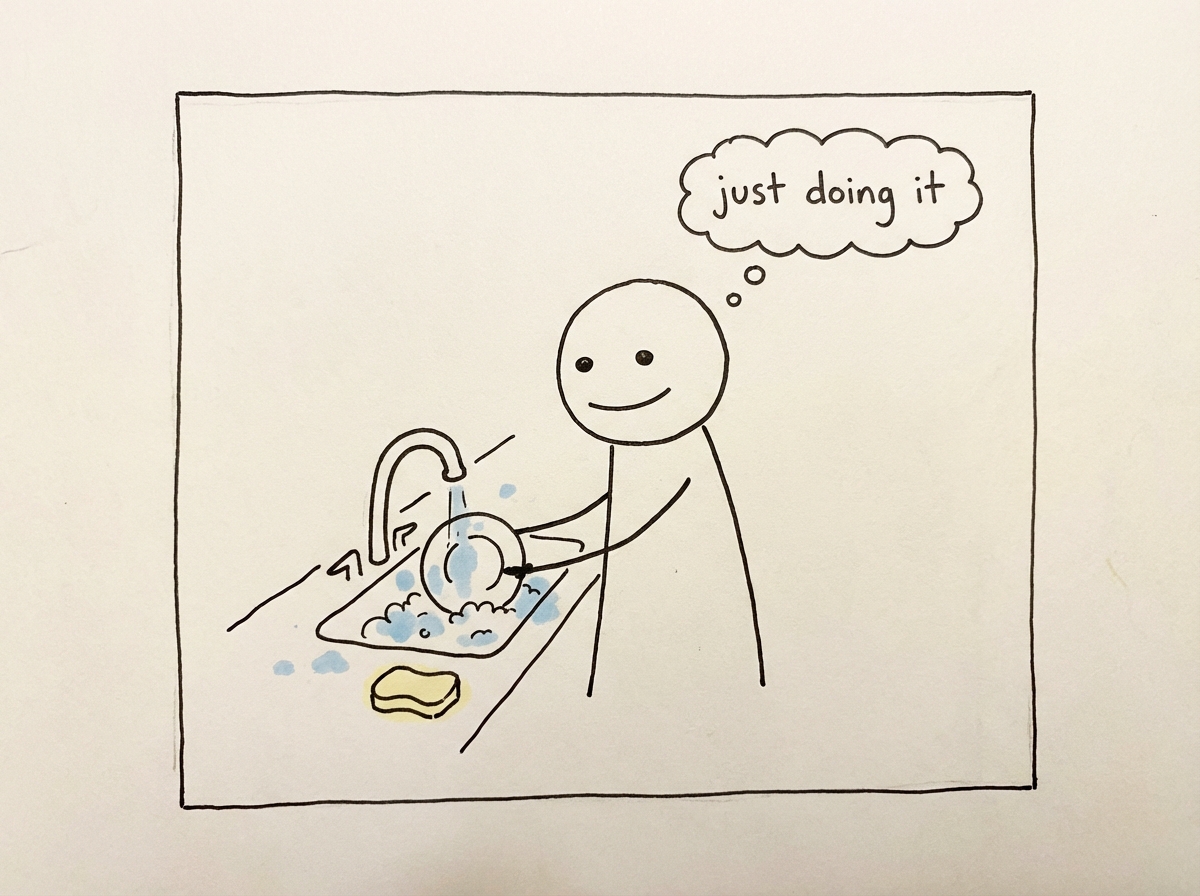
-
Ask What You Are Giving, Not Just What You Deserve
Entitlement keeps the focus on incoming traffic -- what others owe you, what the world should provide, what you have earned. It rarely asks the reverse question: What am I contributing here? What am I offering in exchange for what I expect? Shifting this balance is one of the most powerful moves you can make.
- In your closest relationships, make an honest inventory: What do you give versus what do you expect? Not what you think you give, but what the other person would actually say you contribute.
- The next time you feel entitled to something -- a promotion, gratitude, special treatment -- pause and ask: What have I done that warrants this? If the answer is thin, that is worth sitting with.
- Start looking for ways to contribute without being asked and without keeping score. Hold the door, do the unglamorous task at work, help without announcing it. The point is not to become selfless. It is to break the habit of calculating what you are owed.
- Notice how it feels to give without expectation. If it feels pointless or unfair, that reaction itself is entitlement. Generosity without a return on investment is not weakness -- it is maturity.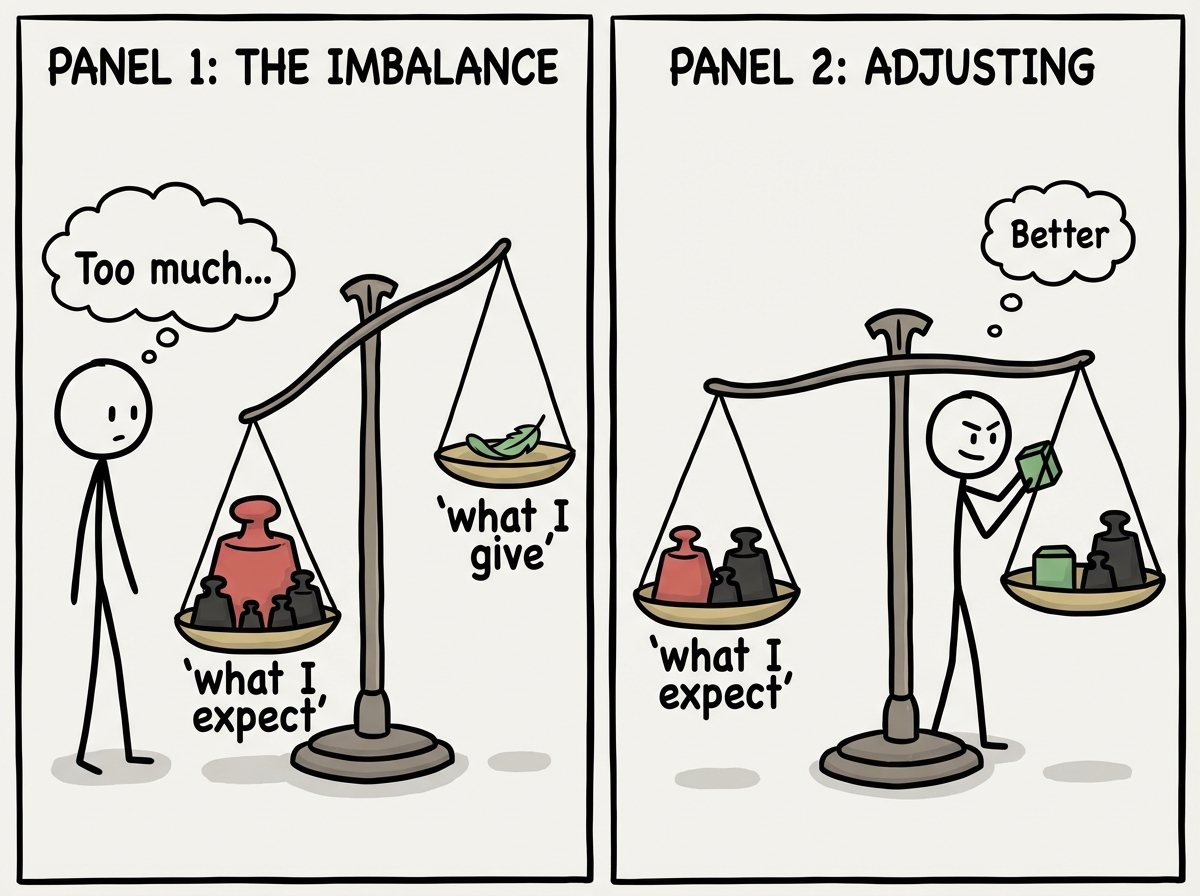
-
Accept Feedback Without Defending
Nothing triggers entitled patterns faster than criticism. If you believe you deserve special treatment, then feedback feels like an attack on your status rather than information about your behavior. Learning to receive feedback without defending, deflecting, or retaliating is one of the most concrete ways to reduce entitlement.
- The next time someone gives you critical feedback, practice this response: 'Thank you for telling me. Let me think about that.' Then actually think about it. Do not respond immediately, do not explain yourself, do not point out their flaws in return.
- Notice your first internal reaction. If it is 'How dare they,' 'They have no right,' or 'They are worse than me,' that is entitlement speaking. Name it and set it aside. Look at the content of the feedback separately from your emotional reaction.
- Ask one trusted person in your life for honest feedback about something specific -- your communication, your follow-through, your behavior in conflict. Make it safe for them to be honest. Then listen without correcting.
- Practice sitting with the discomfort of being wrong or being seen as imperfect. Entitlement insists that you should not have to feel this way. Growth insists that you do.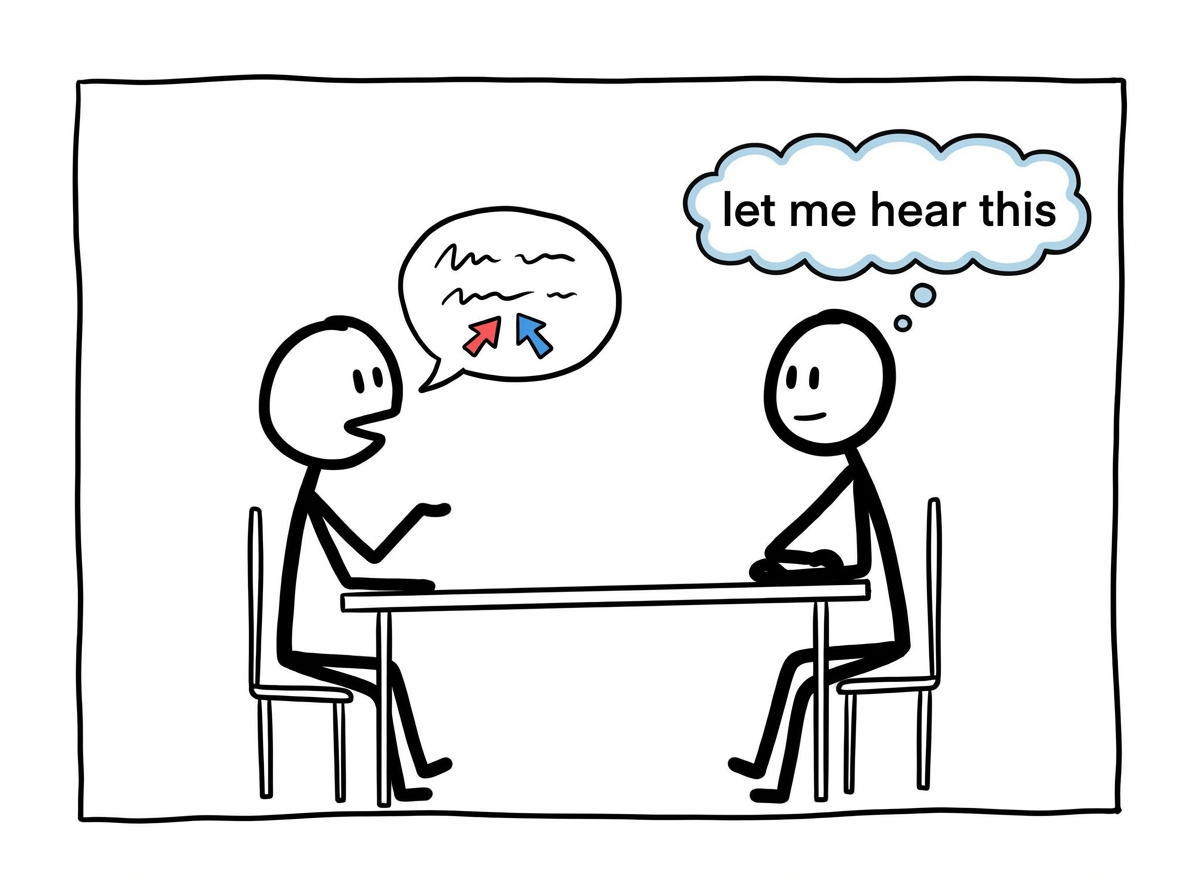
-
Build Worth Through Contribution, Not Demand
The deepest fix for entitlement is building genuine self-worth -- the kind that does not depend on other people treating you as special. Real self-worth comes from knowing you are someone who contributes, who shows up, who adds value to the people and environments around you. It is quieter than entitlement, but it is infinitely more stable.
- Identify one area of your life where you can consistently contribute without recognition. Volunteer work, mentoring, helping a neighbor, supporting a colleague's project. Choose something where the reward is the contribution itself.
- Track how your relationship with yourself changes as you contribute more. Entitled self-worth is anxious and defensive because it depends on external validation. Contribution-based self-worth is calmer because it comes from within.
- Notice when old entitled patterns resurface -- they will, especially under stress. When they do, you now have a choice you did not have before. You can demand, or you can contribute. Both are responses to the same underlying need to feel valued.
- Let the new pattern build slowly. You are not trying to become a saint. You are trying to become someone whose sense of worth can survive a world that does not always give you what you want.