6 steps
How to Recognize and Reduce Entitlement
Learn to spot your own entitlement patterns, understand where they come from, and shift toward earning respect through contribution rather than demanding it through expectation.

The belief that you deserve special treatment, exceptions, and deference -- without the effort, empathy, or reciprocity to earn it.
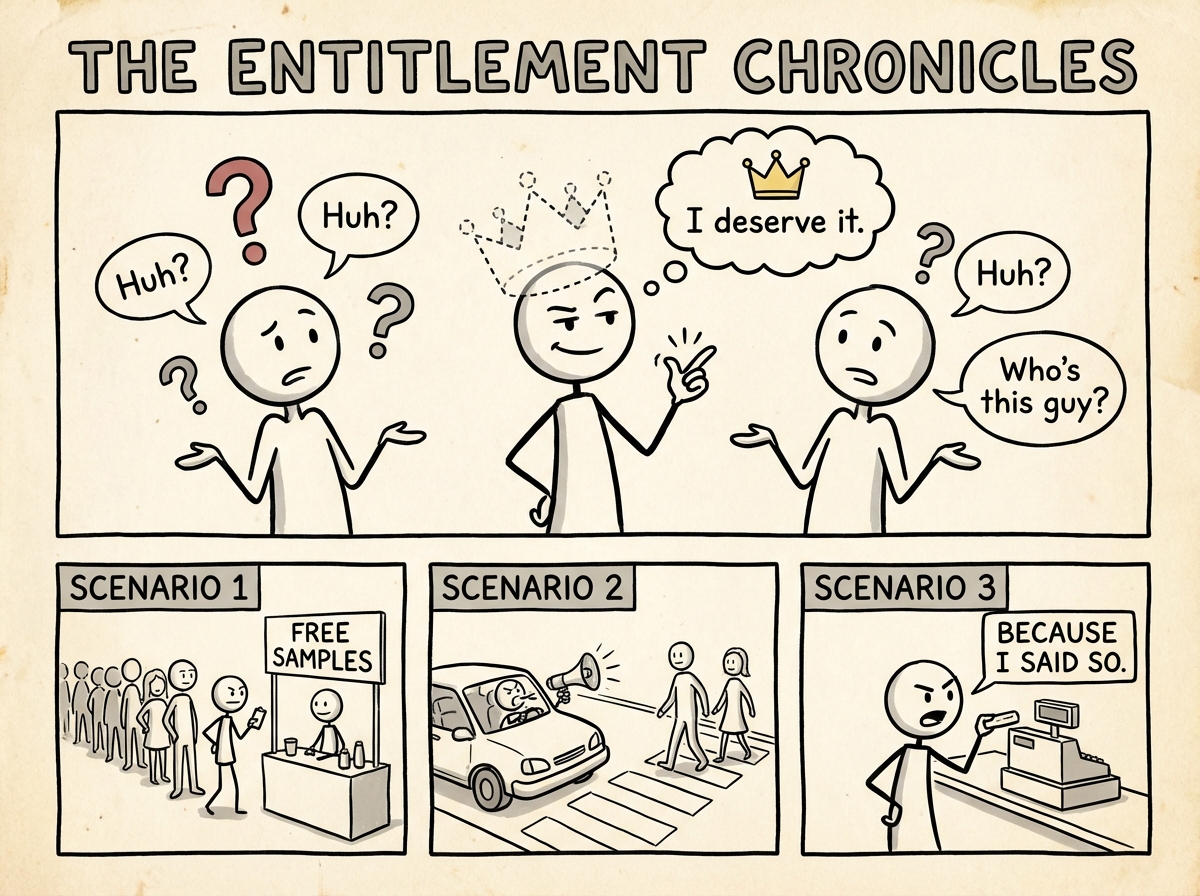
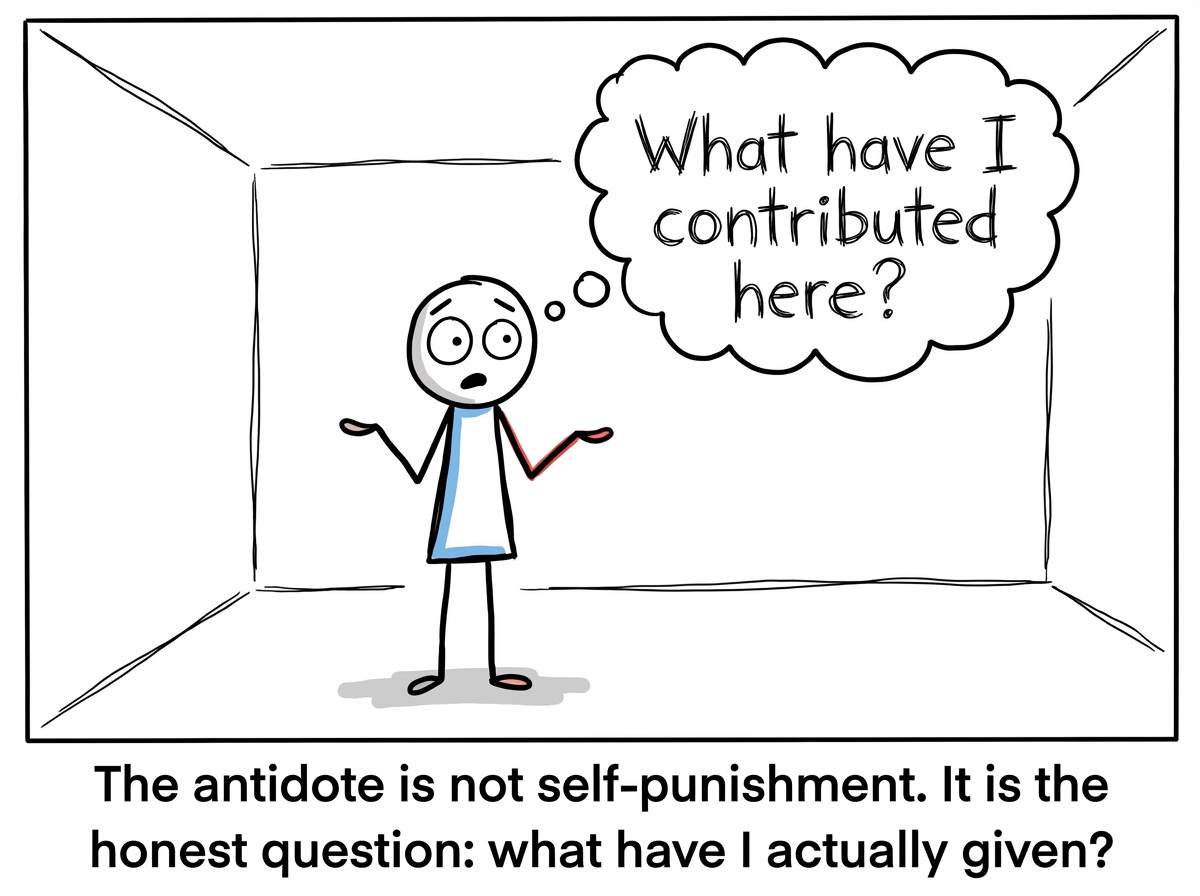
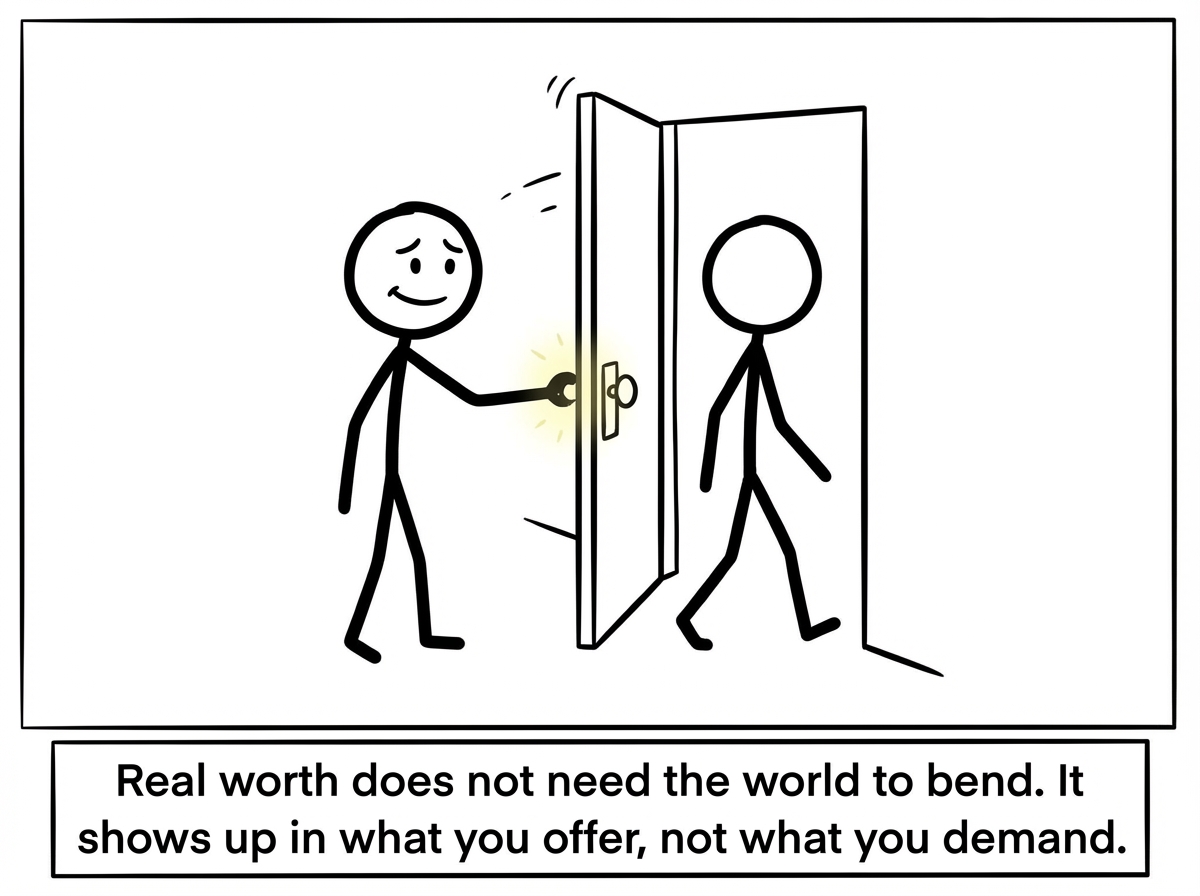
Psychological entitlement is not the same as having standards or knowing your worth. It is the deep, often unconscious belief that the rules that apply to everyone else should not apply to you -- that you deserve more, sooner, and without the effort others put in. Researchers W. Keith Campbell and Joshua Miller define psychological entitlement as a stable, pervasive sense that one deserves more and is entitled to more than others. It shows up in relationships as expecting your partner to prioritize your needs while dismissing theirs, in workplaces as believing promotions and praise should come to you automatically, and in friendships as keeping score of what others owe you while ignoring what you owe them. Entitlement often develops in childhood -- either through excessive praise without accountability (the child who was told they were special but never taught to earn it) or through deprivation (the child who received so little that they decided the world owed them). Both paths produce the same result: an adult who experiences ordinary frustration as personal injustice and ordinary effort as beneath them. The cruelest irony of entitlement is that it sabotages the very things it demands. Entitled people push away the relationships, opportunities, and respect they crave, because no one wants to be around someone who treats reciprocity as optional. The path forward is not self-punishment -- it is learning that your worth does not require the world to bend around you.
Entitlement is not confidence. It is the belief that you should receive without giving, and it quietly destroys every relationship it touches.
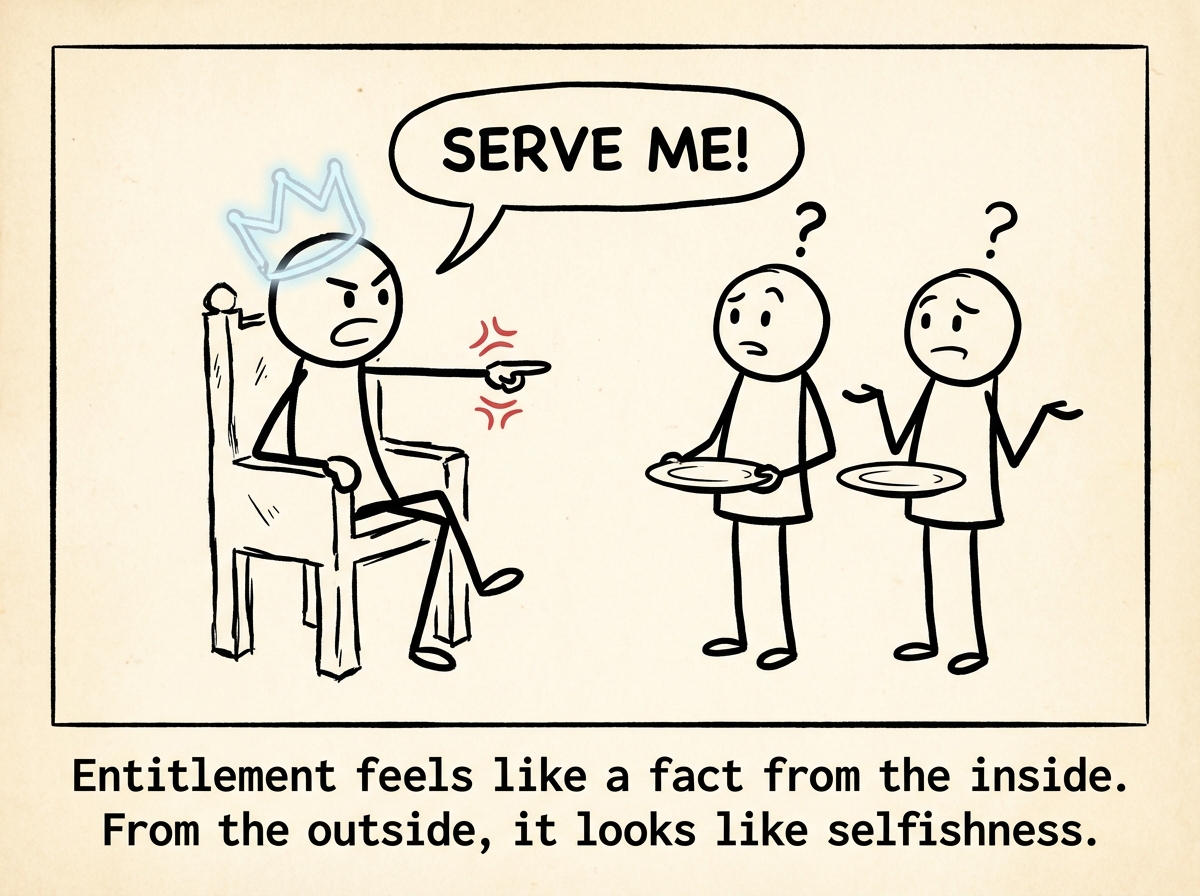
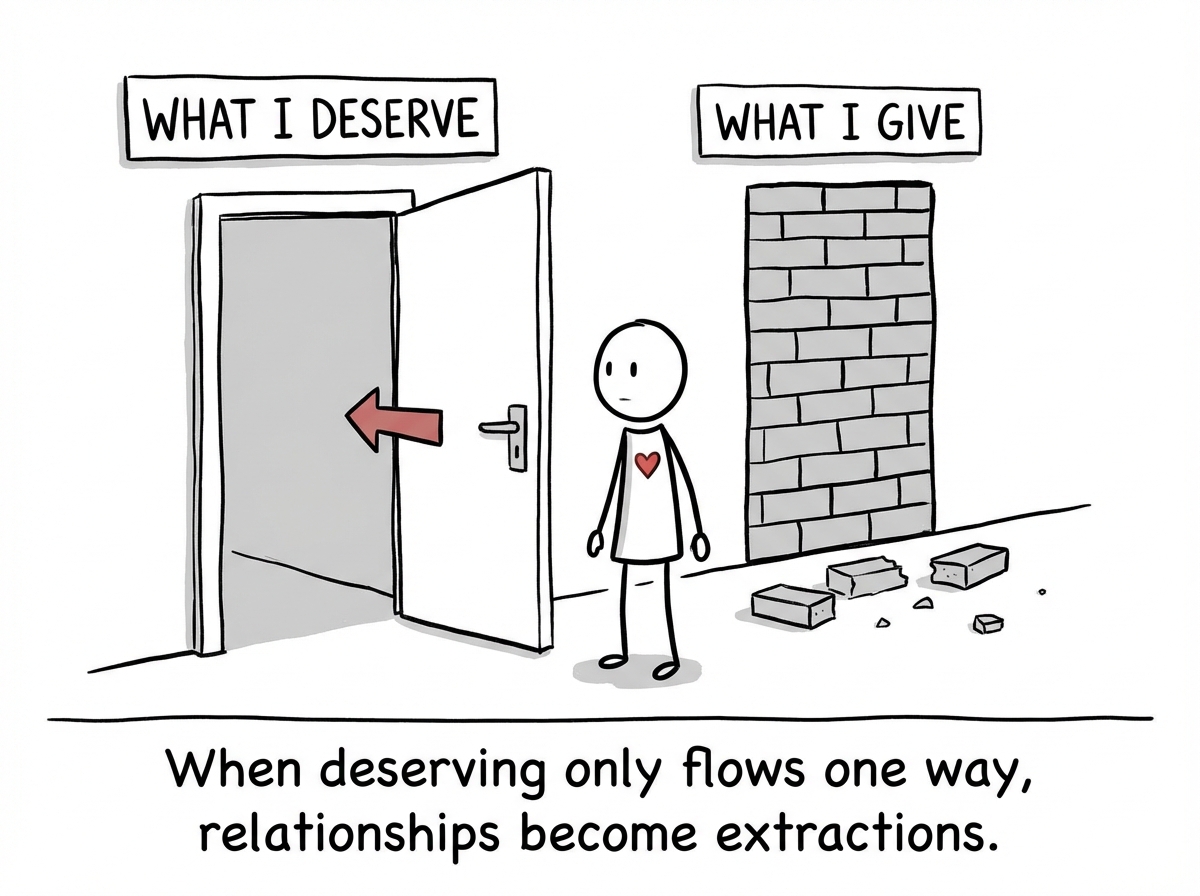
A person walks through life wearing an invisible crown that only they can see -- expecting everyone to bow, serve, and accommodate while offering nothing in return.
A person keeps meticulous track of everything others owe them while conveniently forgetting everything they owe others -- a scoreboard where only one column gets updated.