6 steps
Guide to Moving Beyond Victim Mentality
Honor what happened to you without letting it become the only story you tell about yourself, so you can reclaim agency and build a life defined by more than your wounds.

When past suffering becomes a permanent identity -- used to avoid accountability, justify entitlement, and keep the world owing you something.
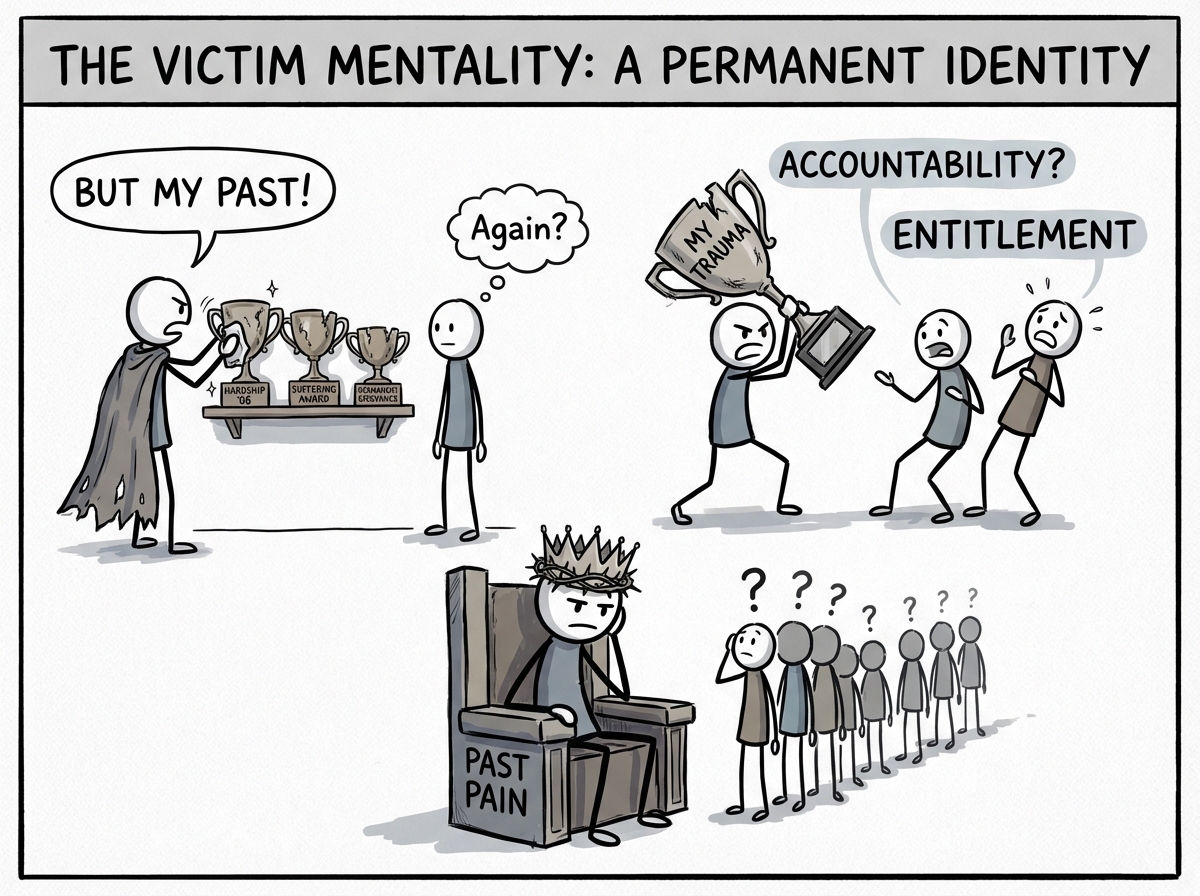
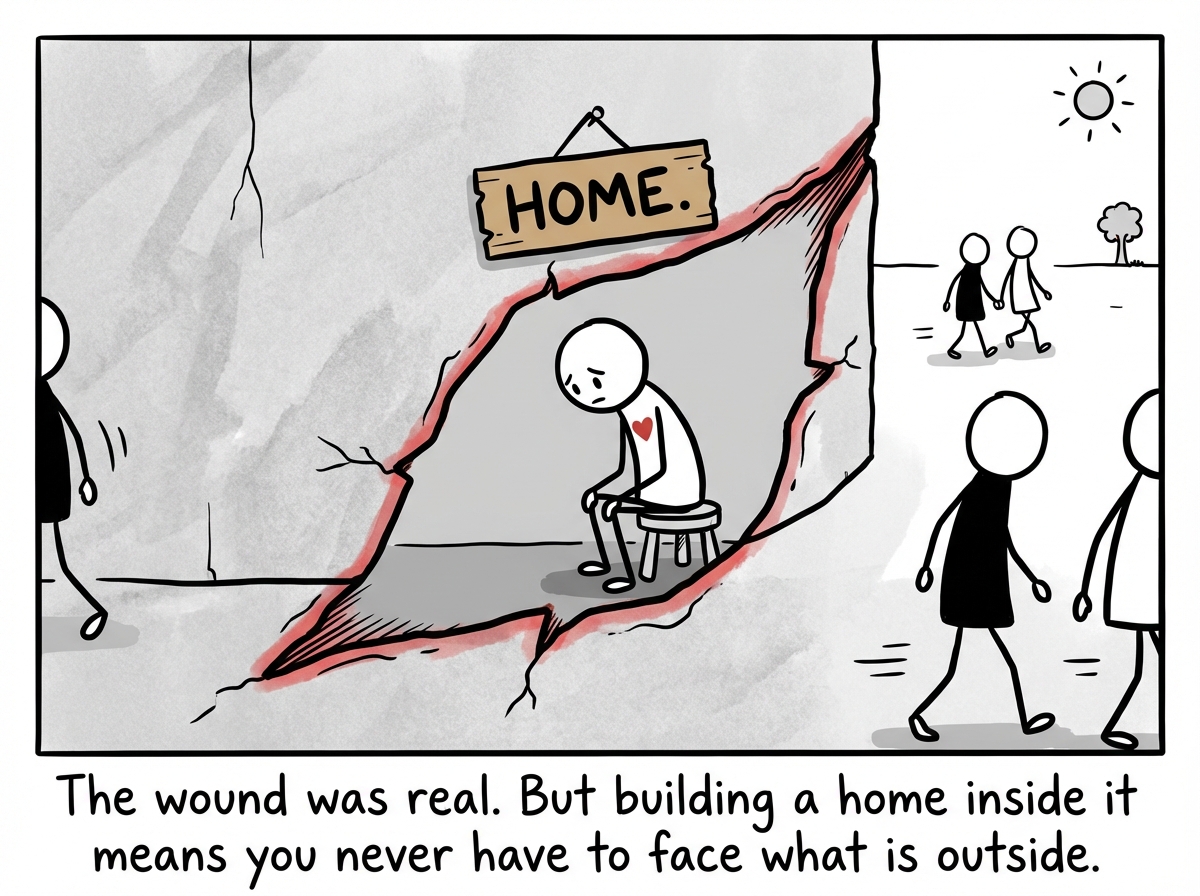
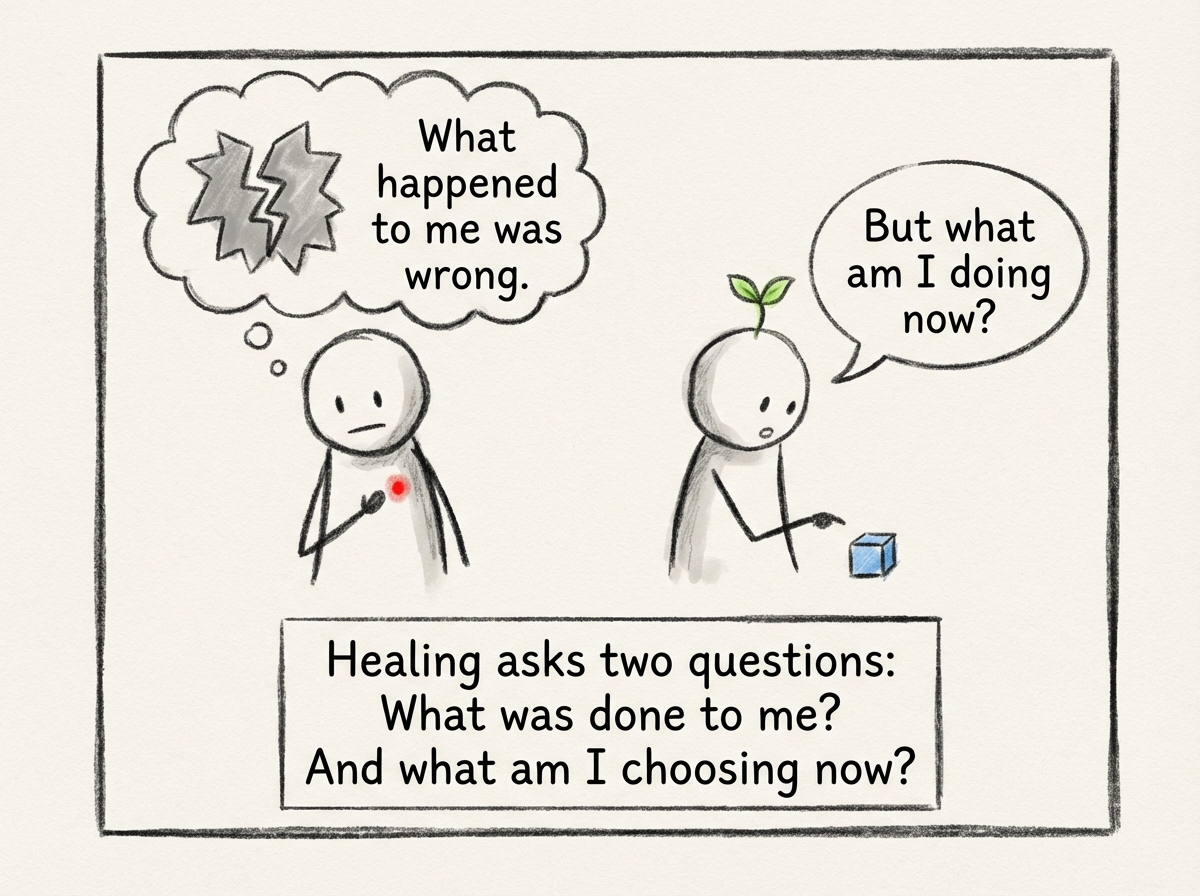
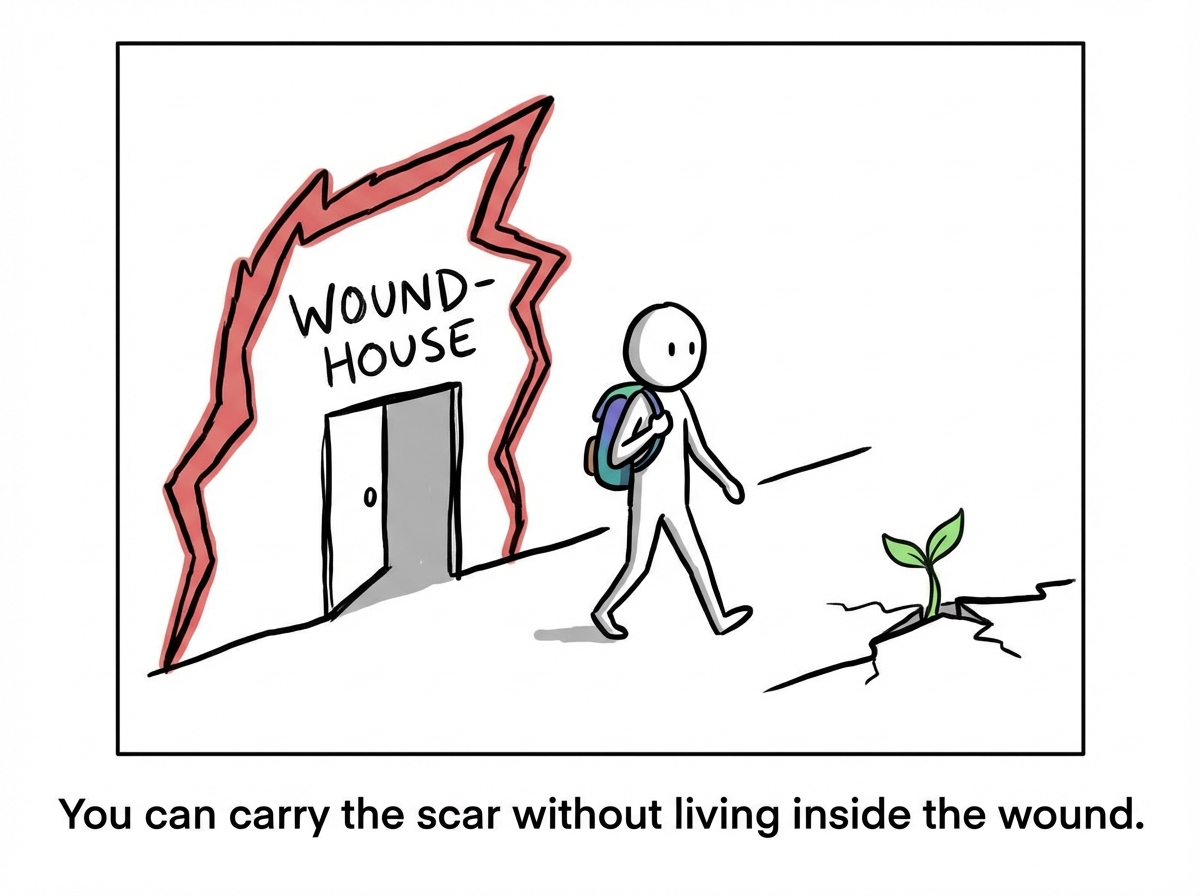
Victim mentality is not the same as being a victim. Being a victim is what happens to you. Victim mentality is what happens when you build an identity around it and refuse to leave. It is the psychological pattern of interpreting every situation through the lens of being wronged, powerless, and owed -- even when the circumstances no longer support that interpretation. Psychologist Rahav Gabay and colleagues identified what they call TIV -- Tendency for Interpersonal Victimhood -- as a stable personality trait characterized by four components: a constant need for recognition of suffering, moral elitism (believing suffering makes you morally superior), a lack of empathy for others' pain, and frequent rumination about past offenses. Victim mentality often develops from real trauma, real neglect, or real injustice. The suffering was genuine. But somewhere along the way, the person discovered that victimhood provided something powerful: moral authority, freedom from accountability, and the right to demand without giving. When you are the victim, you never have to apologize, never have to change, and never have to consider that you might be part of the problem. This is what makes victim mentality so resistant to change -- it serves too many psychological functions to be easily abandoned. The shift is not about denying what happened to you. It is about recognizing that what happened to you does not have to be who you are. You can acknowledge the wound without building a house in it.
What happened to you was real. But if you build your entire identity inside the wound, you will never have to grow -- and you will never be free.
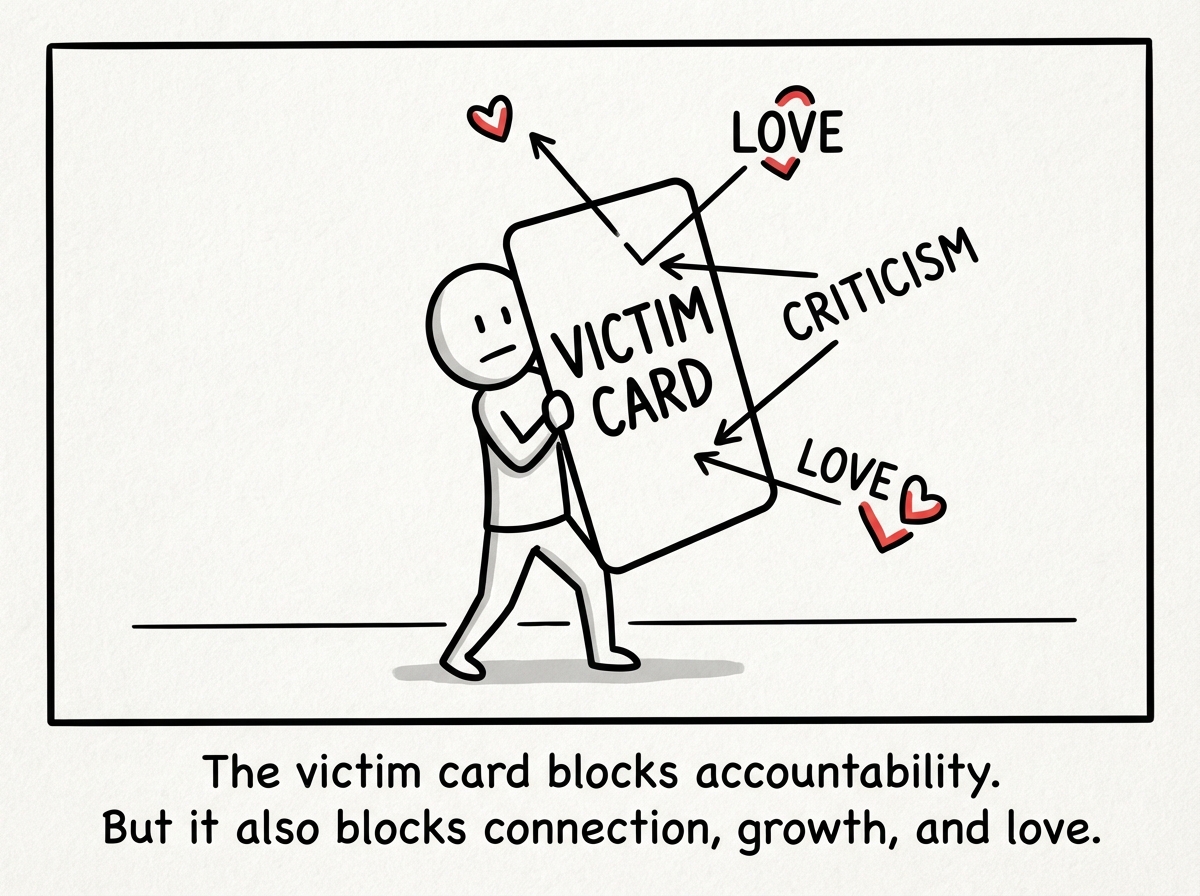
A person plays the victim in every conflict -- past, present, and imagined -- to maintain moral high ground and avoid the terrifying possibility that they might be part of the problem.
A person displays their past hardships like trophies -- not to process them, but to justify entitlement, avoid accountability, and win every argument before it starts.