Guide to Moving Beyond Victim Mentality
Honor what happened to you without letting it become the only story you tell about yourself, so you can reclaim agency and build a life defined by more than your wounds.
Before You Begin
Let's be clear about something upfront: if you were hurt, you were hurt. This guide is not about minimizing your pain, invalidating your experience, or telling you to 'just get over it.' What happened to you matters. But there is a difference between having been a victim of something and building your entire identity around that victimhood. One is a fact about your past. The other is a choice about your present. When suffering becomes the lens through which you see everything, it stops protecting you and starts imprisoning you. This guide is about finding the door out, not by pretending the pain was not real, but by refusing to let it be the final word.
-
Acknowledge the real pain without building a house in it
The first step is not to minimize what happened. It is to fully acknowledge it, clearly and honestly, and then notice whether you have moved from processing the pain to living in it.
Processing sounds like: 'That was devastating and I am still working through it.' Living in it sounds like: 'This is who I am now. This is why everything is hard. This is why I cannot move forward.'
- Write down what happened to you. Be specific. Name the people, the events, the impact.
- Now ask yourself: when was the last time I told this story? To whom? What was I hoping they would give me in return?
- Notice if the story has become rehearsed, almost automatic. If you tell it the same way every time, you may have stopped processing and started performing.
Your pain is real. But pain that never evolves into anything else becomes a cage with the door wide open.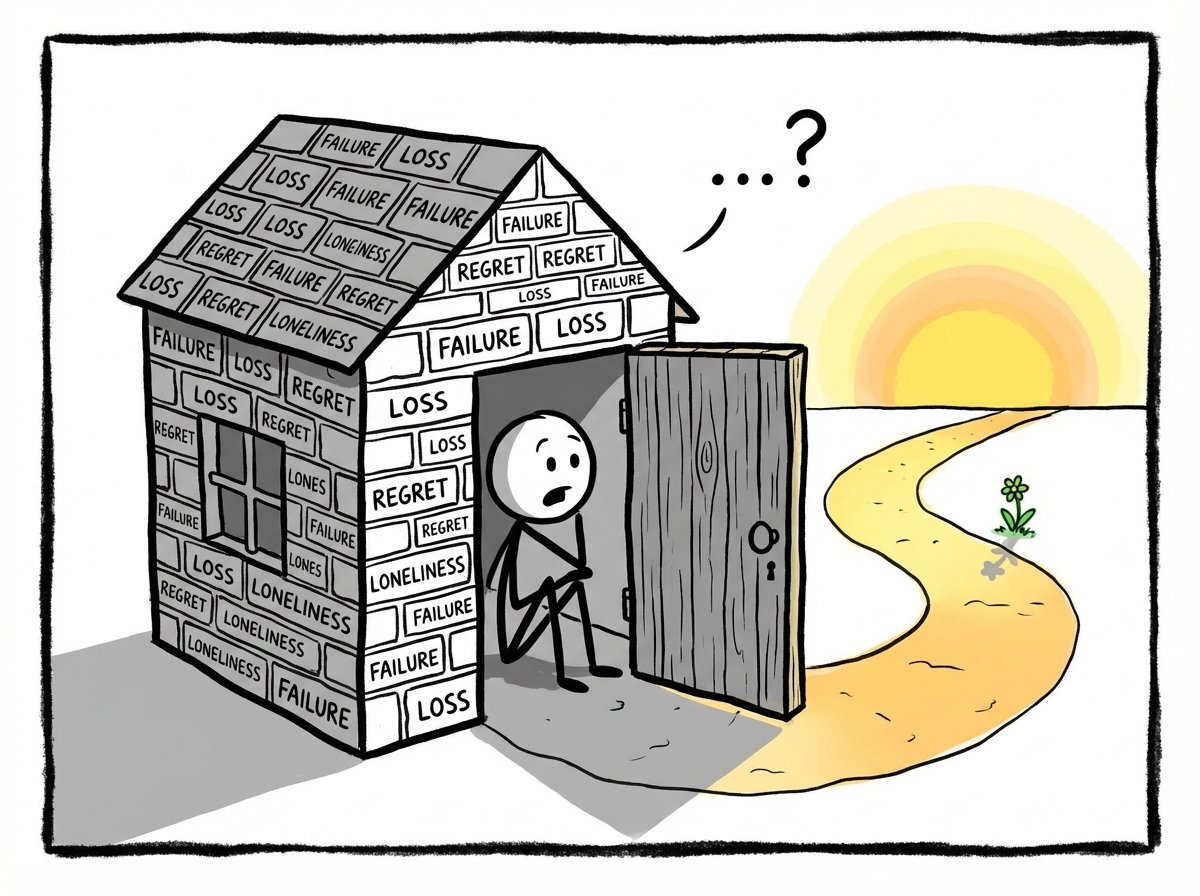
-
Notice when you use suffering as currency
This is uncomfortable to look at, but it is important. When you have been through something terrible, you sometimes learn that your suffering has social value. People give you sympathy, patience, exemptions. They expect less of you. They let you off the hook. And at some point, you start spending that currency on purpose, even if you are not fully aware of it.
- Do you bring up your past to avoid accountability in the present?
- Do you use 'what happened to me' to explain why you cannot do things other people do?
- Do you feel a flash of resentment when someone else's pain gets more attention than yours?
- Do you test people by seeing if they will accommodate your suffering, and resent them when they do not?
None of this makes you a bad person. It makes you a person who found a survival strategy that worked for a while and has now outgrown it. The goal is to notice the pattern so you can choose something different.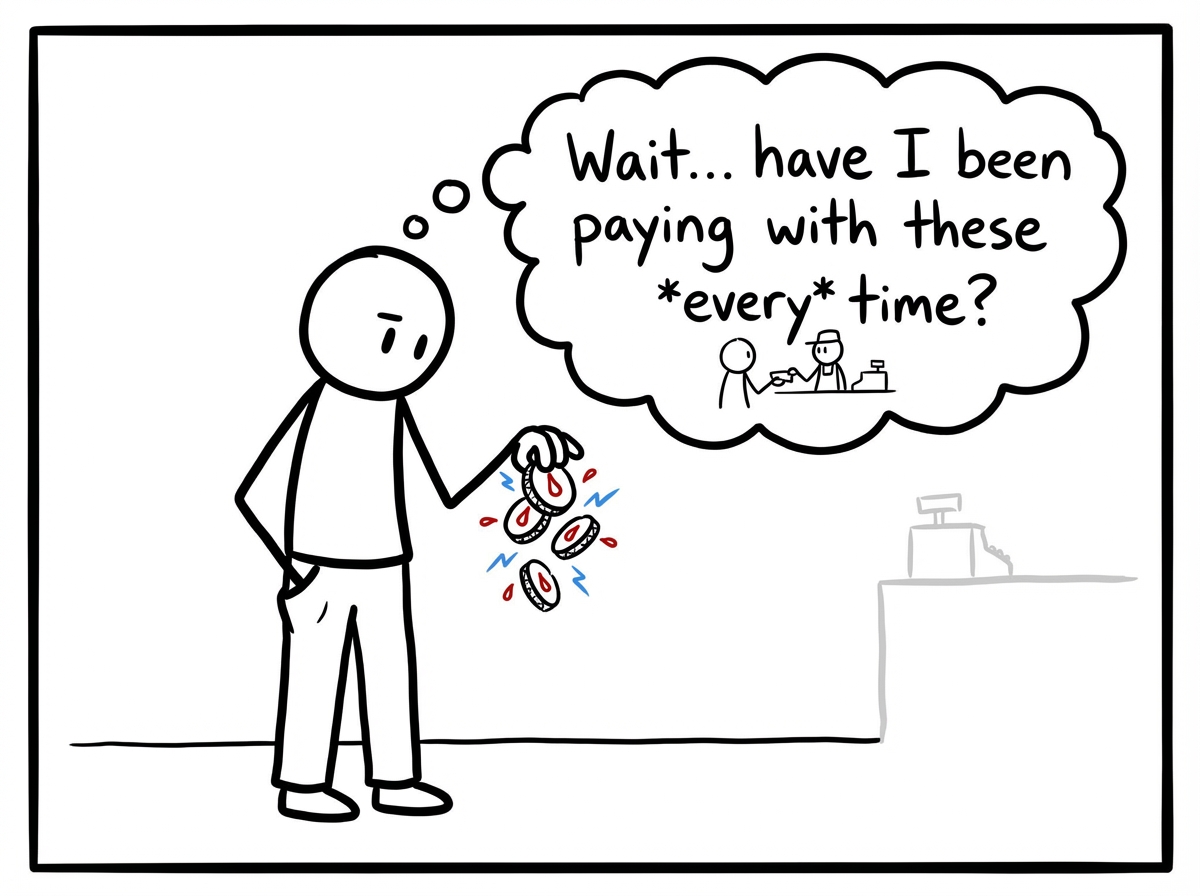
-
Ask 'what can I control here?'
Victim mentality shrinks your sense of agency to almost nothing. Everything happens to you. You are always at the mercy of other people's choices, the system's unfairness, or life's cruelty. And some of that is true. You cannot control other people. You cannot undo the past. But the question is not whether life has been unfair. The question is what you are going to do with the unfairness.
Every time you catch yourself in a helpless narrative, interrupt it with one question: 'What can I control here?'
- I cannot control that they left. I can control whether I use that as proof that I am unlovable.
- I cannot control my childhood. I can control whether I get help to process it.
- I cannot control that the system is broken. I can control how I navigate within it today.
This is not toxic positivity. This is radical pragmatism. You are not pretending the world is fair. You are refusing to let its unfairness be the last word.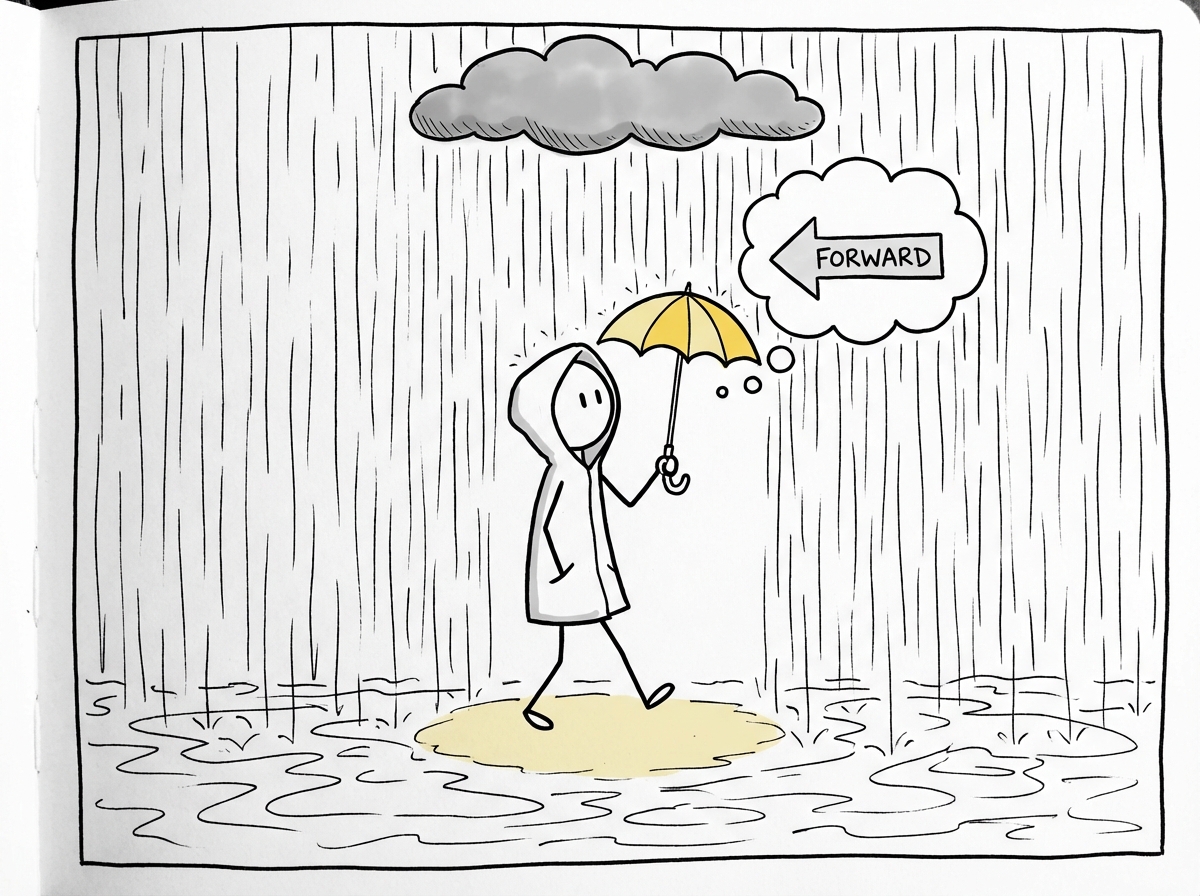
-
Practice accountability without self-blame
There is a space between 'nothing is my fault' and 'everything is my fault,' and emotional health lives in that space. Victim mentality often flips between these two extremes. Either the world is entirely to blame for your problems, or you are entirely to blame and worthless because of it. Neither is accurate.
Accountability is specific. It sounds like:
- 'I did not cause what happened to me, and I am responsible for how I treat people now.'
- 'My trauma explains my behavior, but it does not excuse it.'
- 'I have genuine limitations from my past, and I am still capable of working on them.'
Practice separating these two sentences in your mind: 'This is not my fault' and 'This is my responsibility.' Both can be true at the same time. What happened to you is not your fault. What you do next is your responsibility. Holding both of these without collapsing into either one is the core skill.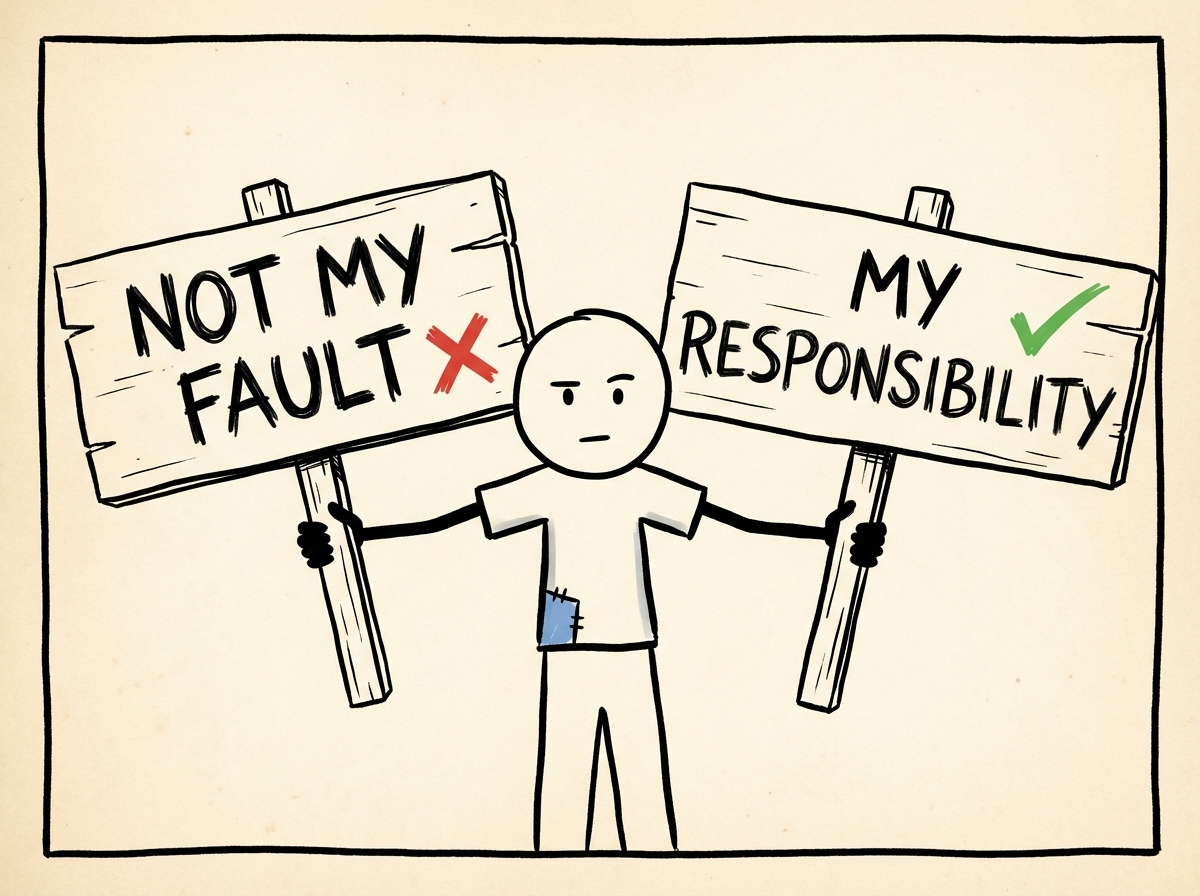
-
Stop waiting for the apology to move on
Many people in a victim pattern are unconsciously waiting for something before they give themselves permission to heal. An apology. An acknowledgment. Justice. Vindication. Someone to finally say 'You were right, and what happened to you was wrong.'
That acknowledgment might never come. The person who hurt you might never understand what they did. They might never apologize. They might be dead. And if you have tied your healing to their behavior, you have given them power over you twice: once when they hurt you, and again every day you wait for them to undo it.
- Healing is not something they give you. It is something you build for yourself.
- Forgiveness, if it comes, is not for them. It is the decision to stop carrying their debt.
- You do not need their permission to move forward. You never did.
This is not about letting anyone off the hook. It is about taking yourself off the hook of waiting.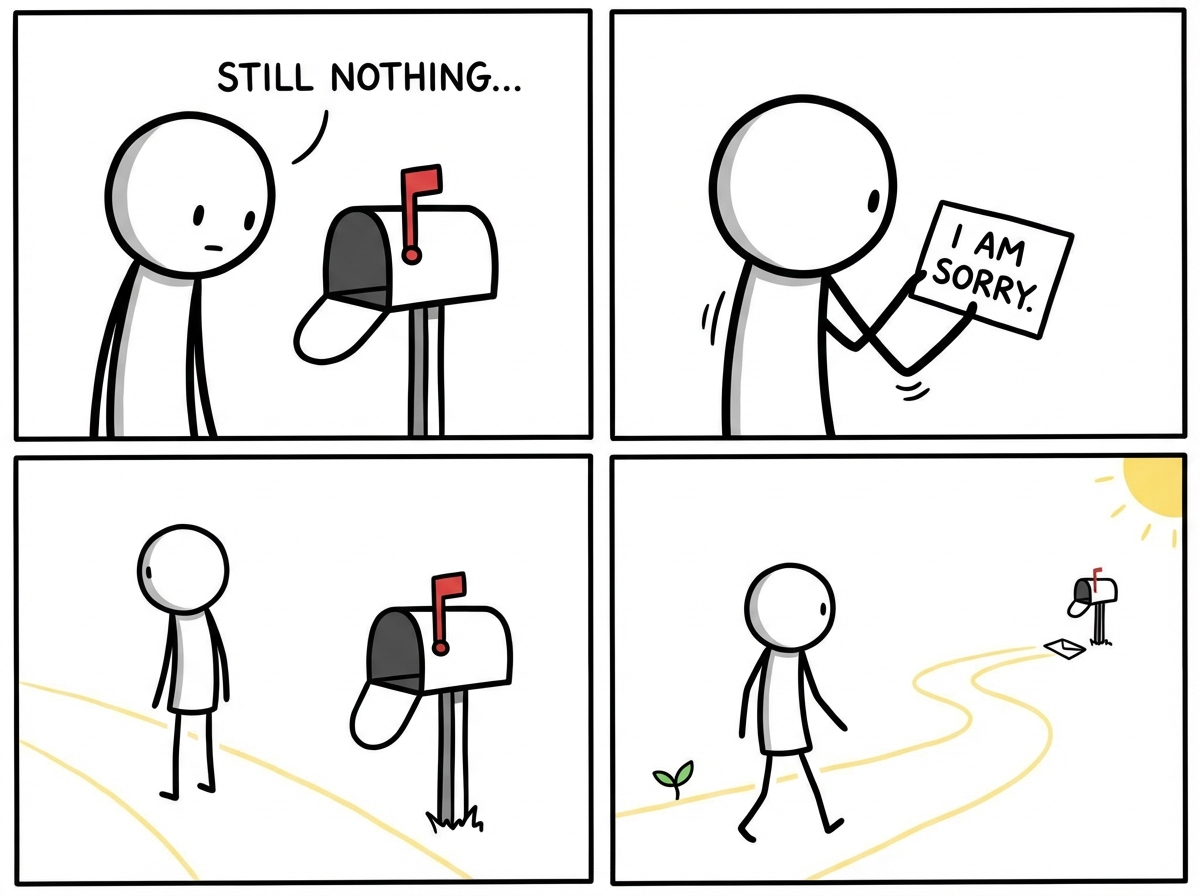
-
Build an identity beyond what happened to you
The final step is the most important and the most ongoing. You need to answer the question: if you are not the person this happened to, who are you?
When suffering has been your identity for a long time, letting it go can feel like a death. Who will you be without the story? What will people know about you if you stop leading with your wounds? This emptiness is not a problem. It is an invitation.
- Start noticing what you are drawn to when you are not in pain. What interests you? What makes you laugh? What are you curious about?
- Invest in relationships where you are known for something other than your trauma. Be the person who is funny, or thoughtful, or good at something, not just the person who survived something.
- Create new stories. Take a class. Start a project. Go somewhere unfamiliar. Every new experience is a brick in a new identity.
- When someone asks how you are, practice answering with something that has nothing to do with your past.
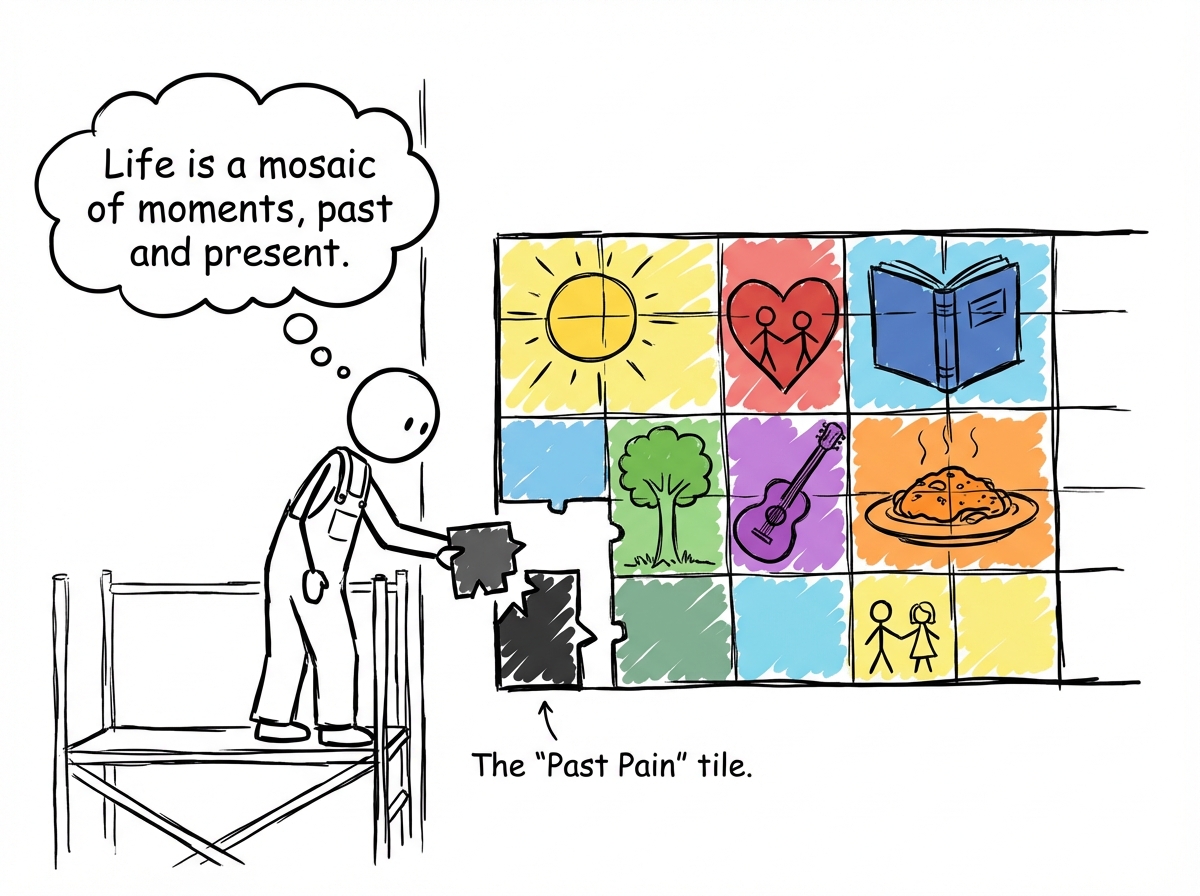
You are not erasing what happened. You are making sure it is one chapter in your story, not the whole book.