6 steps
Guide to Releasing Resentment
Move from silently keeping score to openly addressing what hurts, so resentment stops poisoning your relationships from the inside.

How unspoken hurt, overgiving, and unmet expectations quietly poison relationships.
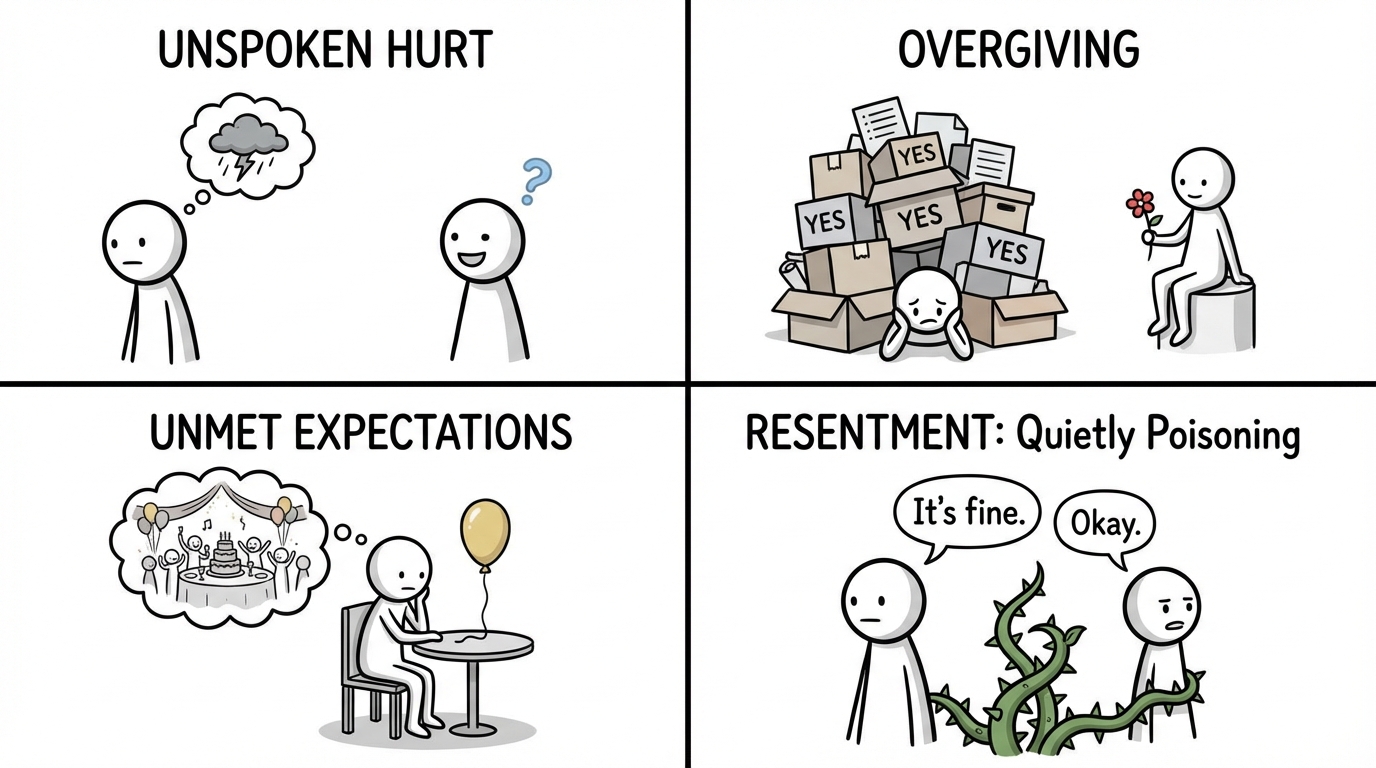
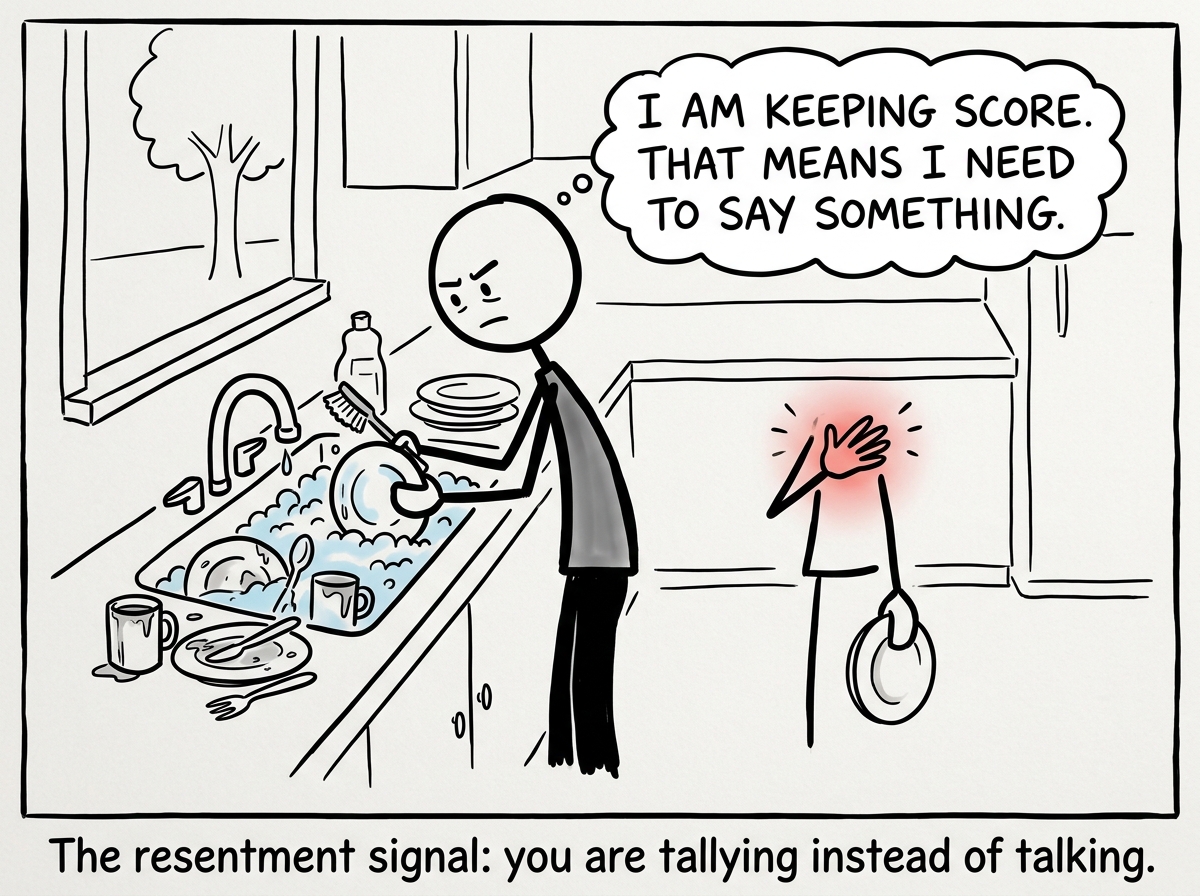
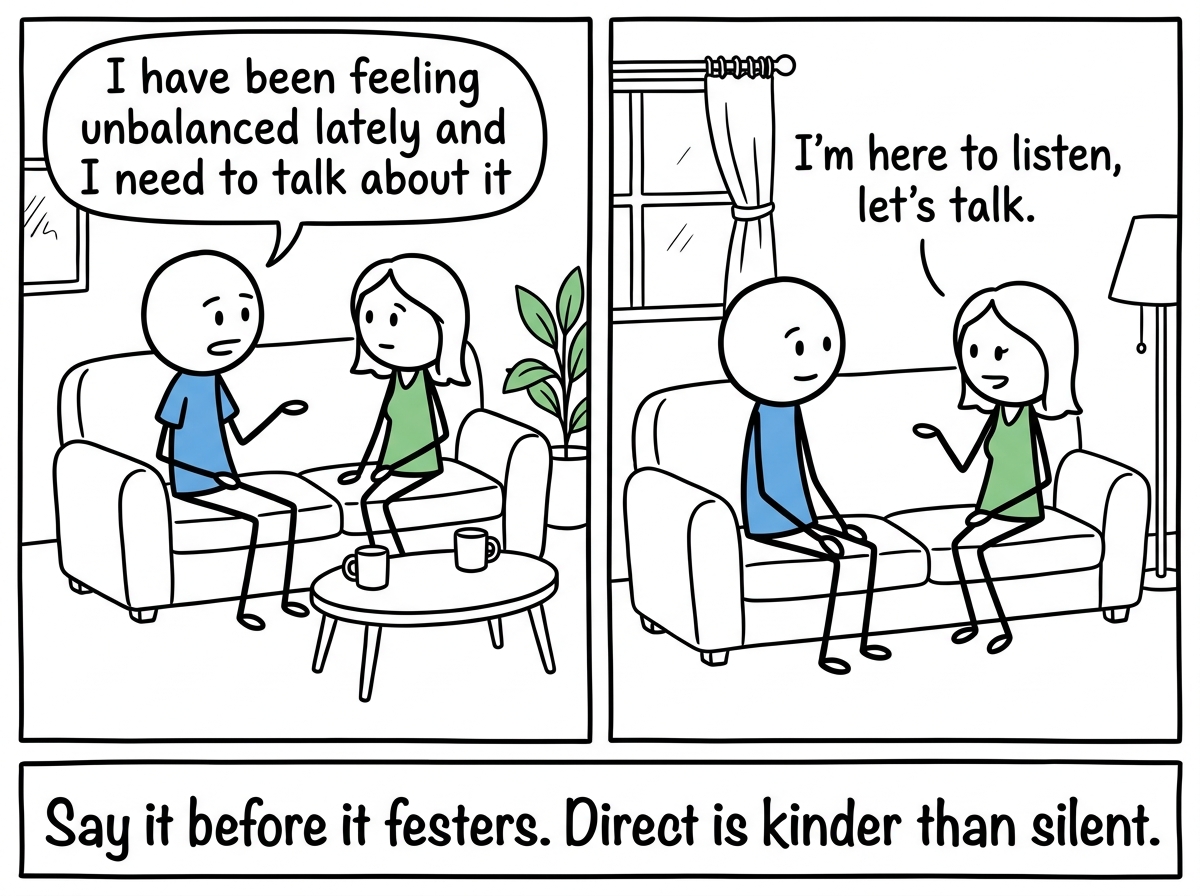
Resentment is the slow-burning anger that builds when you feel hurt, unappreciated, or taken advantage of -- but do not address it directly. It is one of the most common and destructive emotions in close relationships, and it almost always signals that something important has gone unsaid. Resentment often starts small: you agree to something you did not want to do, you give more than you are getting back, or you swallow a hurt to keep the peace. Each unspoken frustration adds a small weight, and over time the accumulated burden becomes unbearable. You may not even realize you are resentful until it comes out sideways -- through sarcasm, passive-aggression, emotional withdrawal, or explosive anger over something minor. Resentment is closely linked to covert contracts, poor boundaries, and people-pleasing. In all three cases, you are silently expecting others to read your mind, repay your sacrifices, or reciprocate without being asked. The antidote to resentment is honest communication before the pressure builds, and the willingness to take responsibility for your own needs rather than waiting for someone else to meet them.
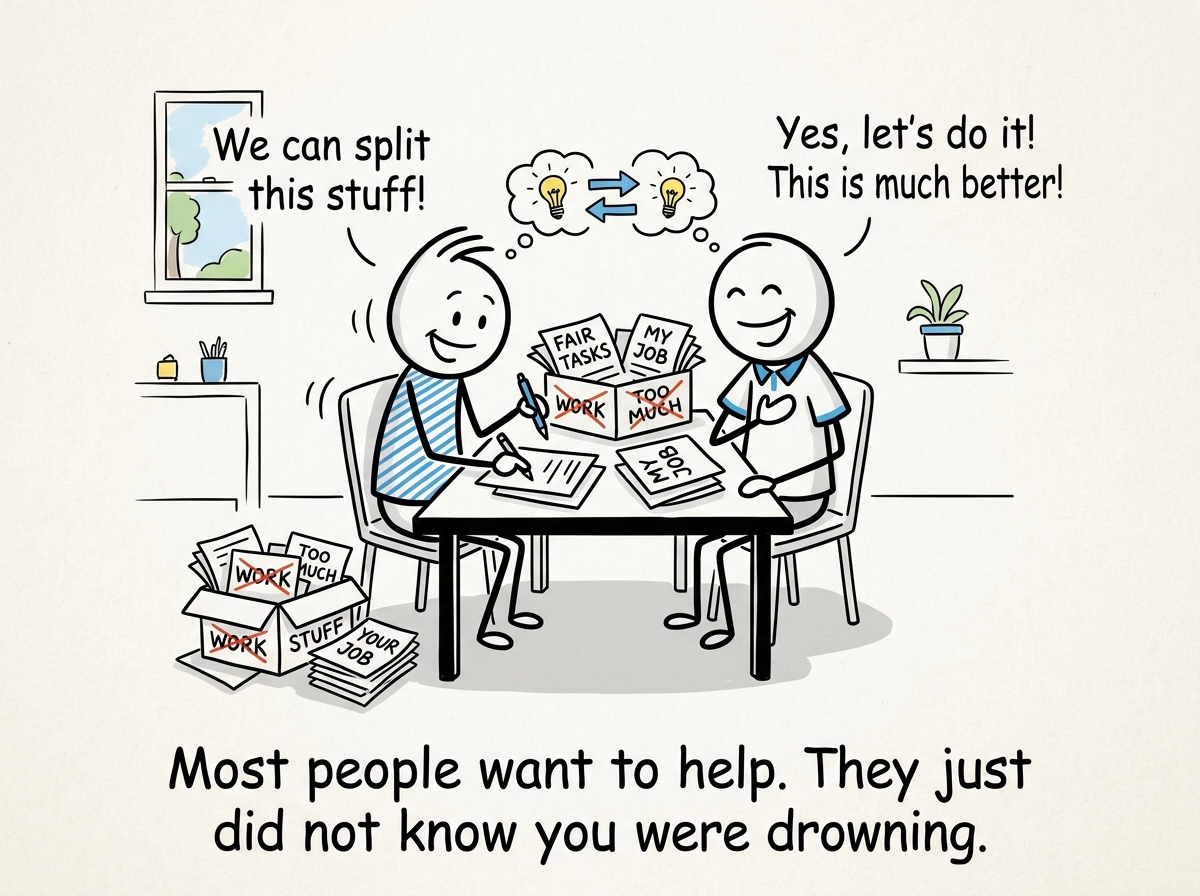
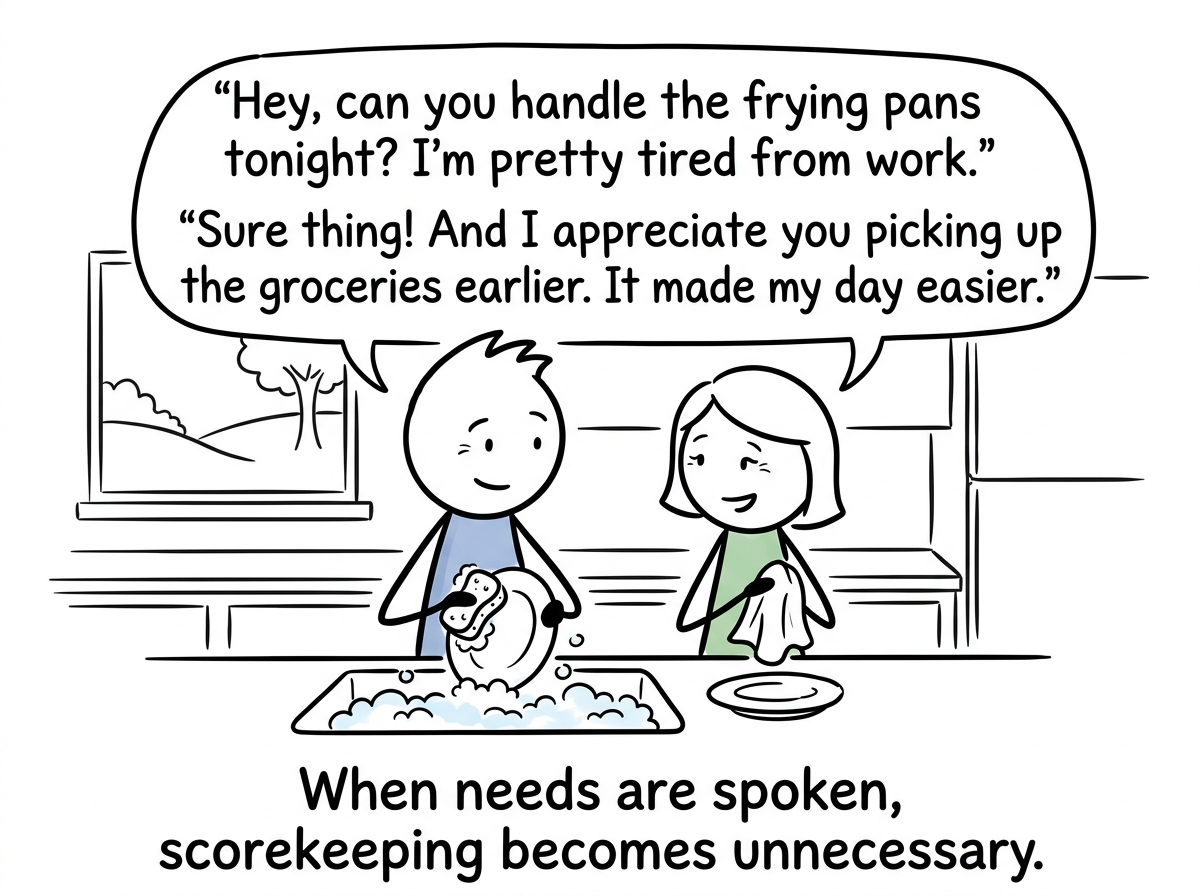
The antidote to resentment is not giving less -- it is speaking up before the silent ledger becomes too heavy to carry.