The Permanent Victim Card
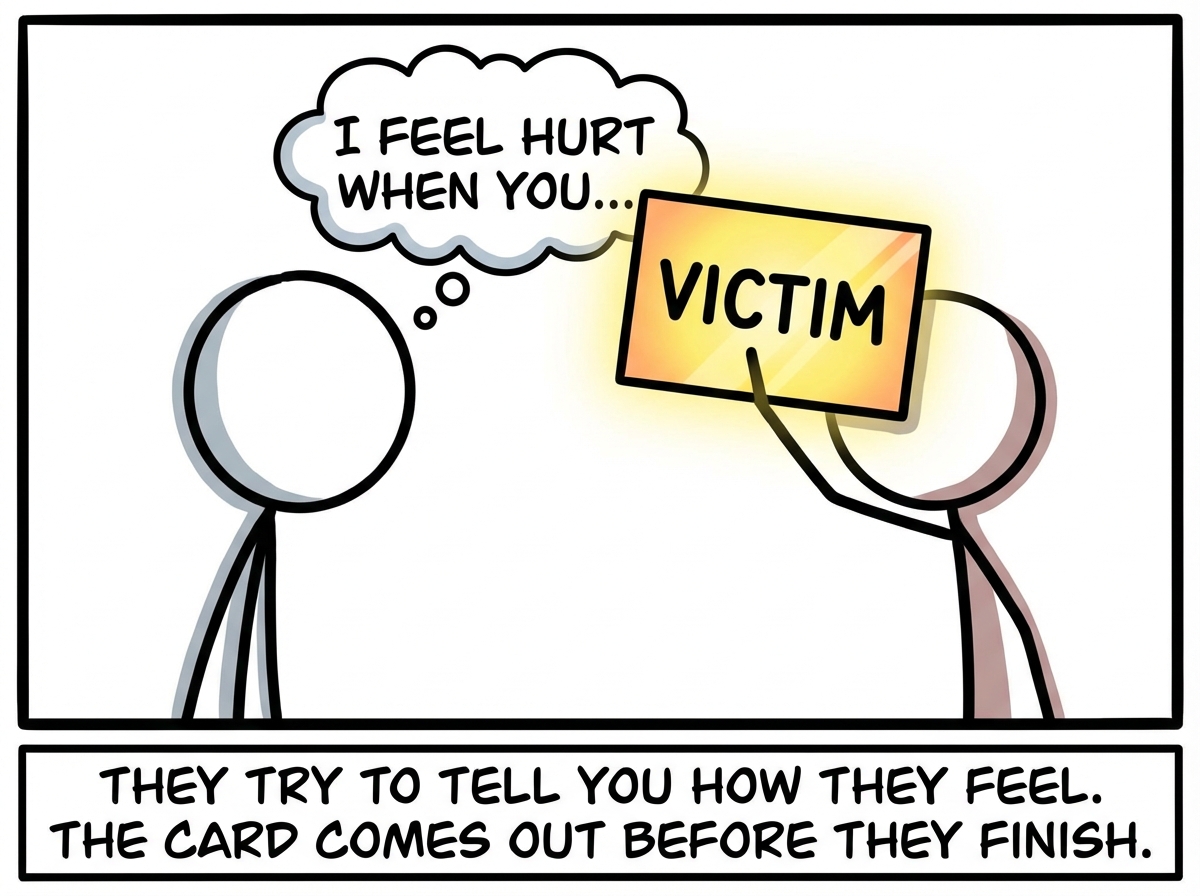
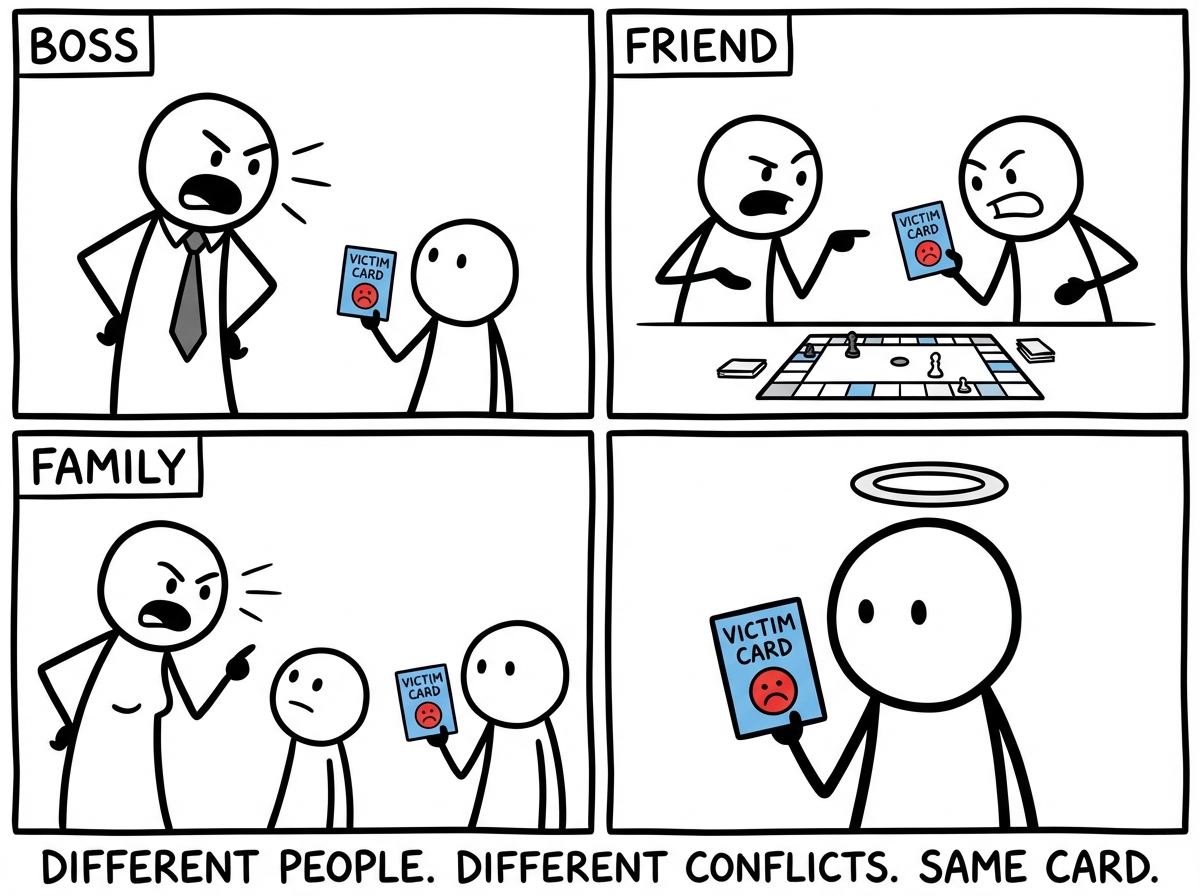
A person plays the victim in every conflict -- past, present, and imagined -- to maintain moral high ground and avoid the terrifying possibility that they might be part of the problem.
Explanation
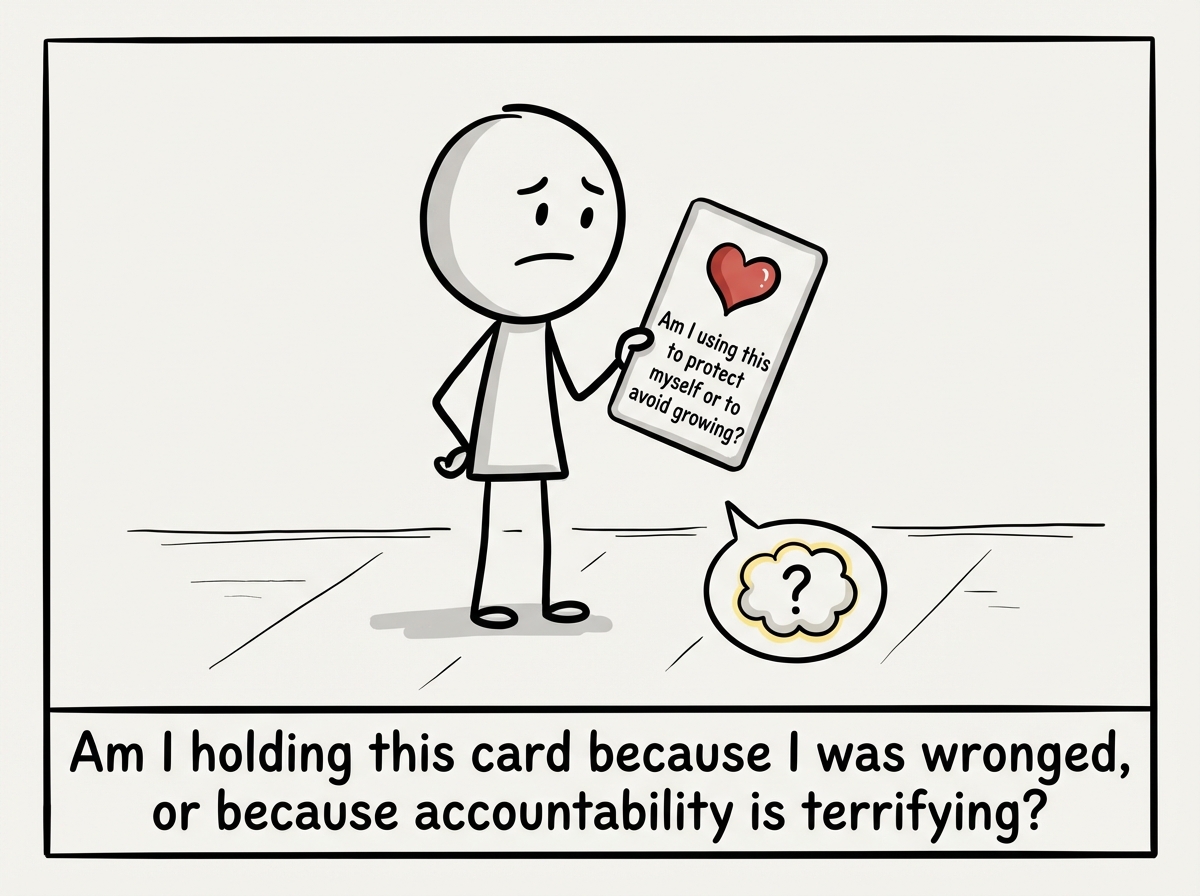
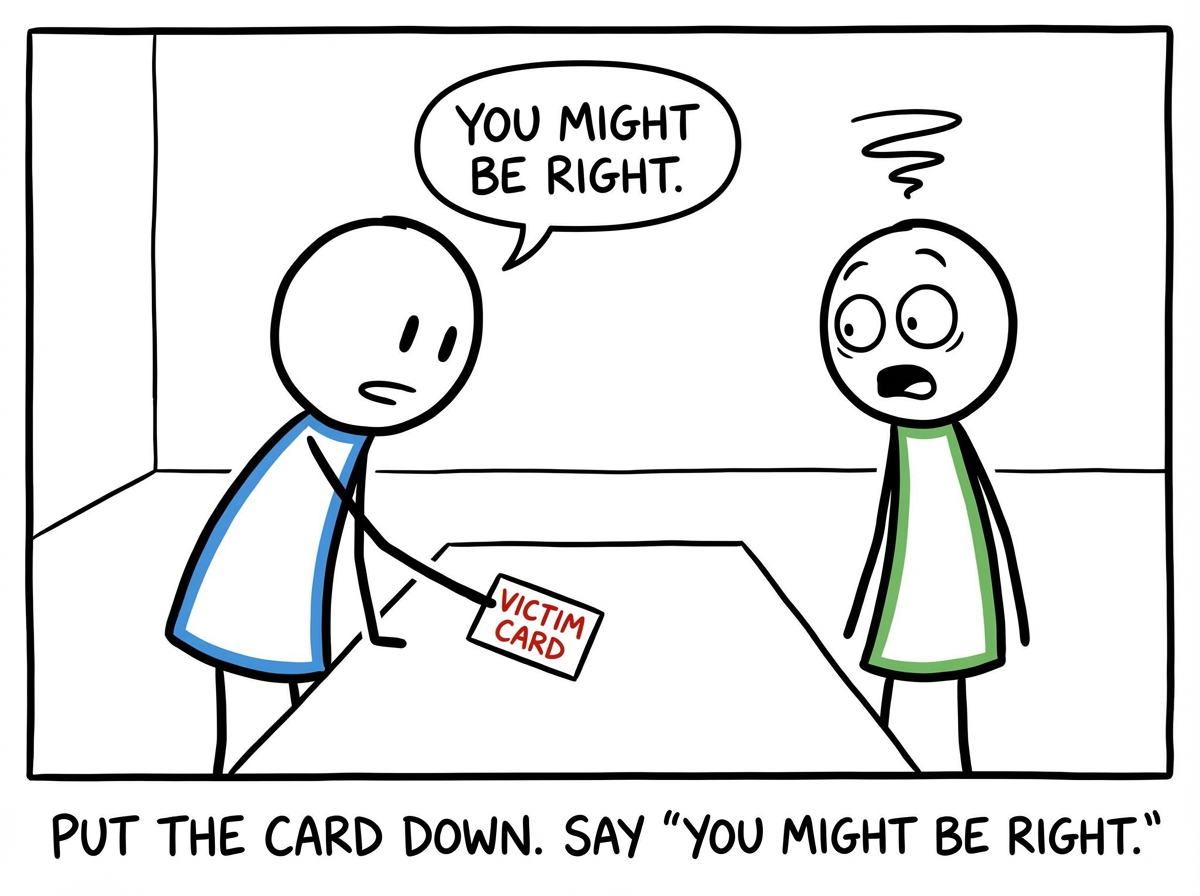
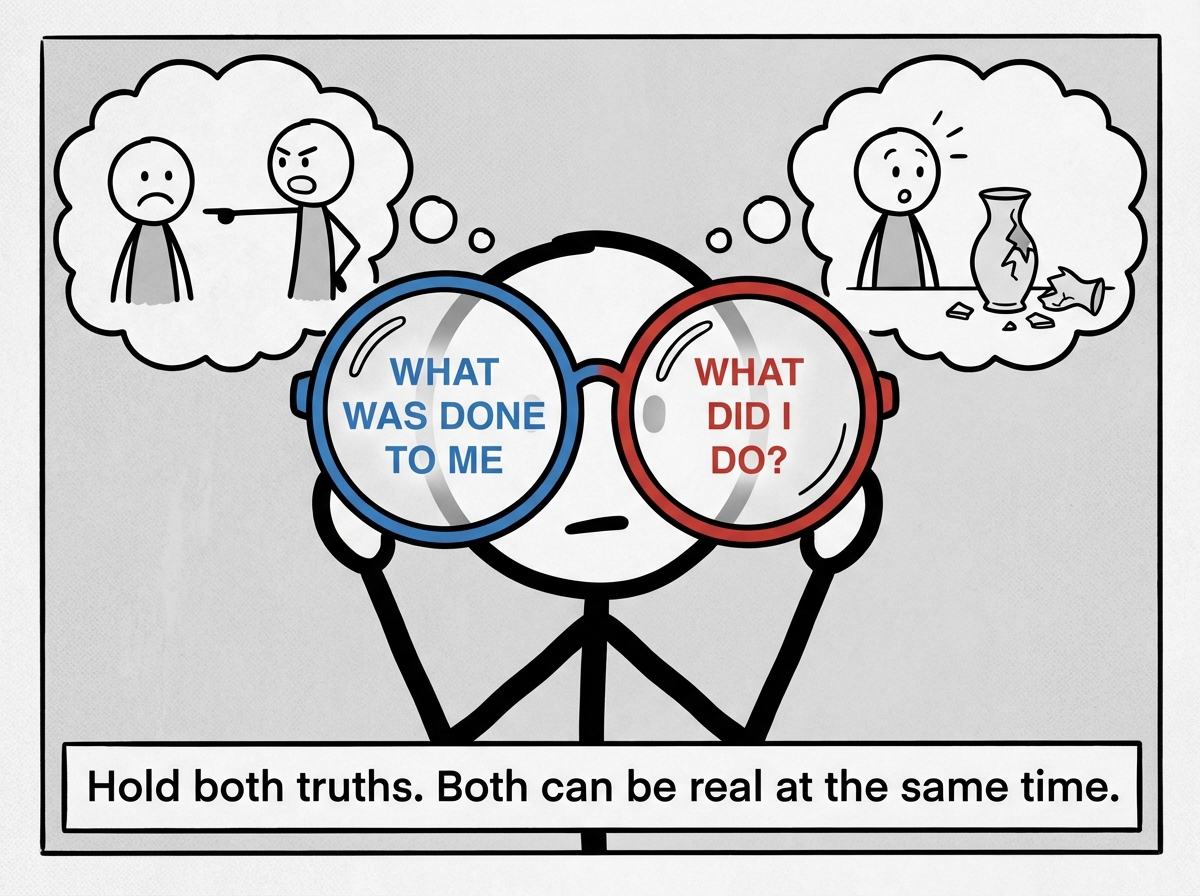
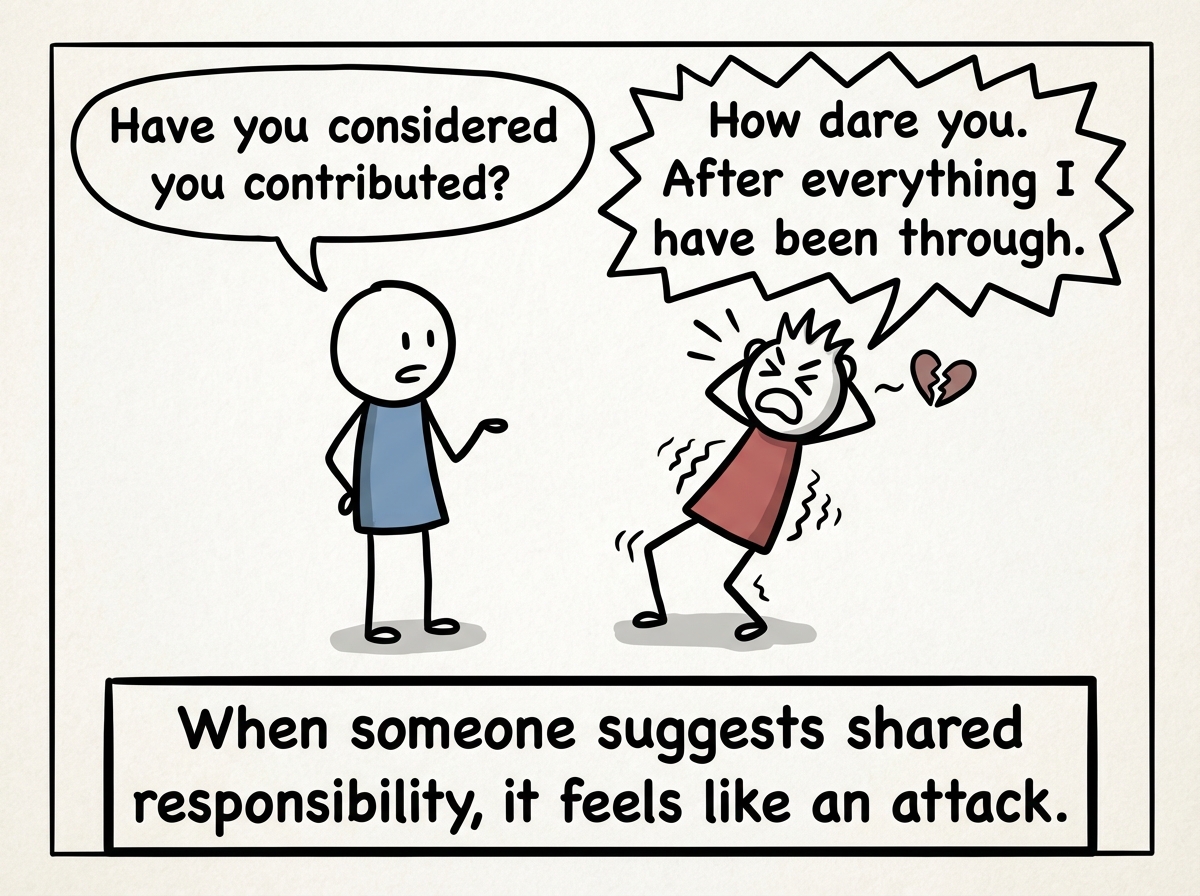
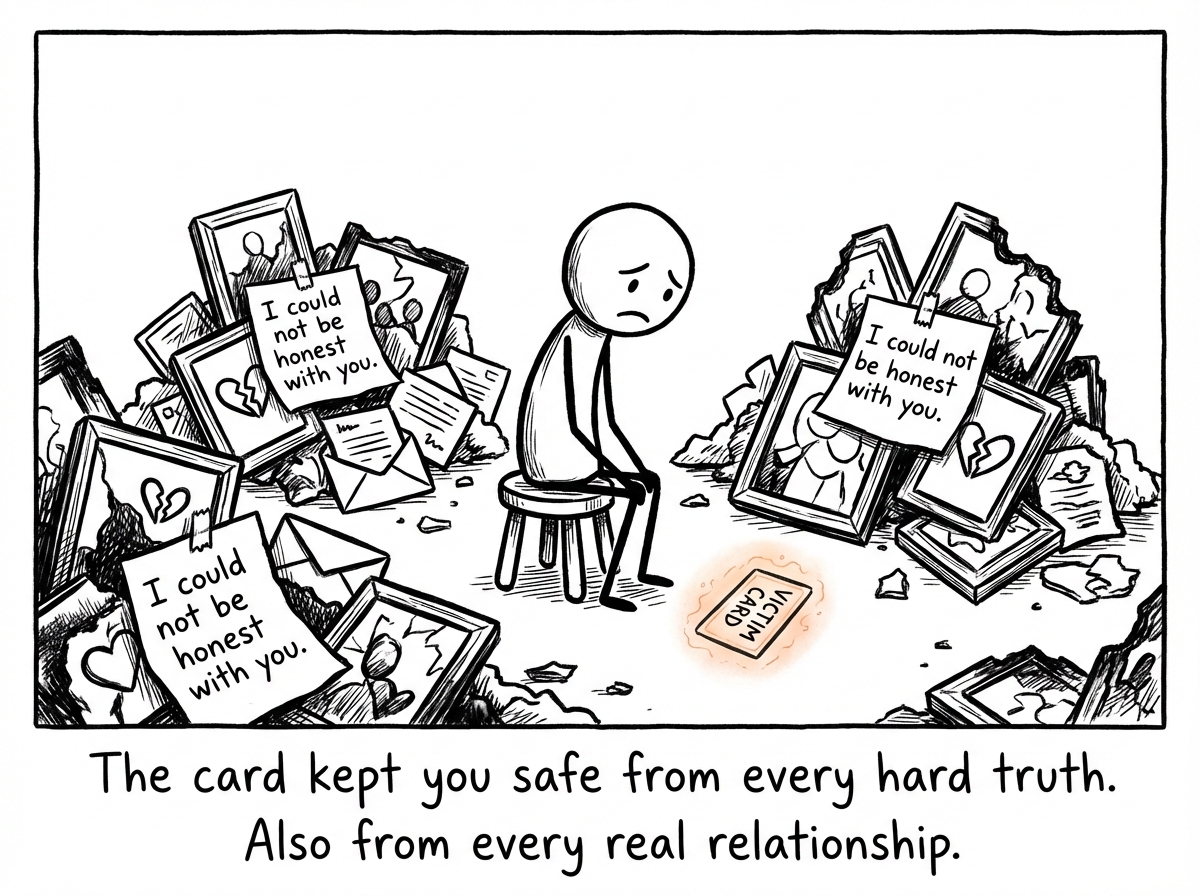
In every disagreement, you are the one who was wronged. In every conflict, you are the innocent party. In every failed relationship, you were the victim and they were the villain. The card comes out so quickly and so consistently that it has become less a response to specific situations and more a permanent orientation -- a default lens through which every interpersonal event is processed. The permanent victim card is not always a conscious strategy. For many people, it is a deeply ingrained cognitive pattern that developed as a survival mechanism. If you grew up in an environment where admitting fault was dangerous -- where saying 'I was wrong' led to disproportionate punishment -- your brain learned to default to victimhood as a form of self-protection. The card is not malicious. It is armor. But armor that was useful at five becomes a prison at forty. What makes the victim card so psychologically seductive is that it offers three things simultaneously: moral superiority (you are always the good person in the story), freedom from self-examination (if you are always the victim, you never have to ask what you contributed to the problem), and social leverage (people tend to side with victims, giving you automatic allies in every conflict). Research on moral self-regard by Aquino and Reed shows that people with a strong moral identity are particularly resistant to acknowledging their own harmful behavior -- because admitting wrongdoing threatens the core of who they believe themselves to be. The victim card protects that identity at all costs. The cost, ironically, is growth. You cannot improve what you will not acknowledge. And you cannot build real relationships with people who are never allowed to hold you accountable.
Key Takeaway
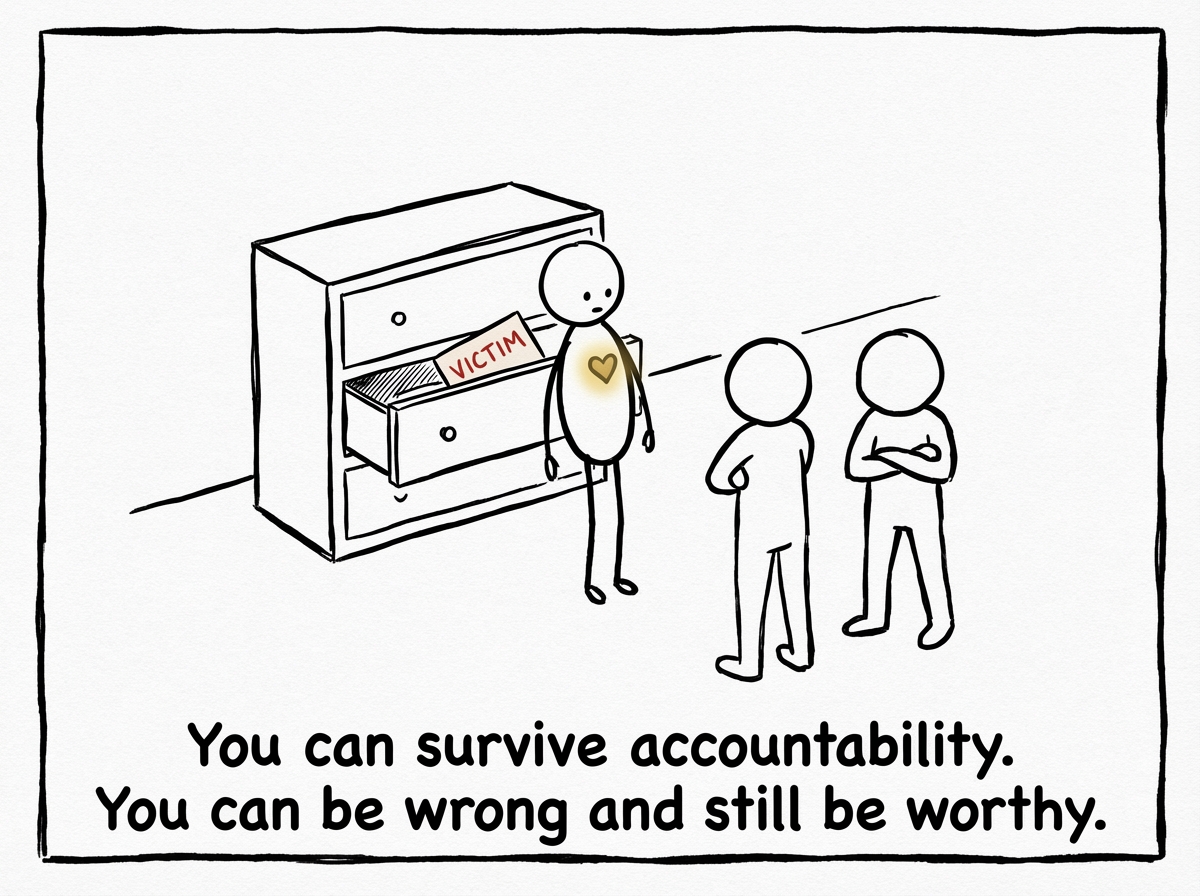
The victim card protects you from accountability, self-examination, and growth -- all at once. That is not safety. That is a trap.