The Suffering Trophy Case
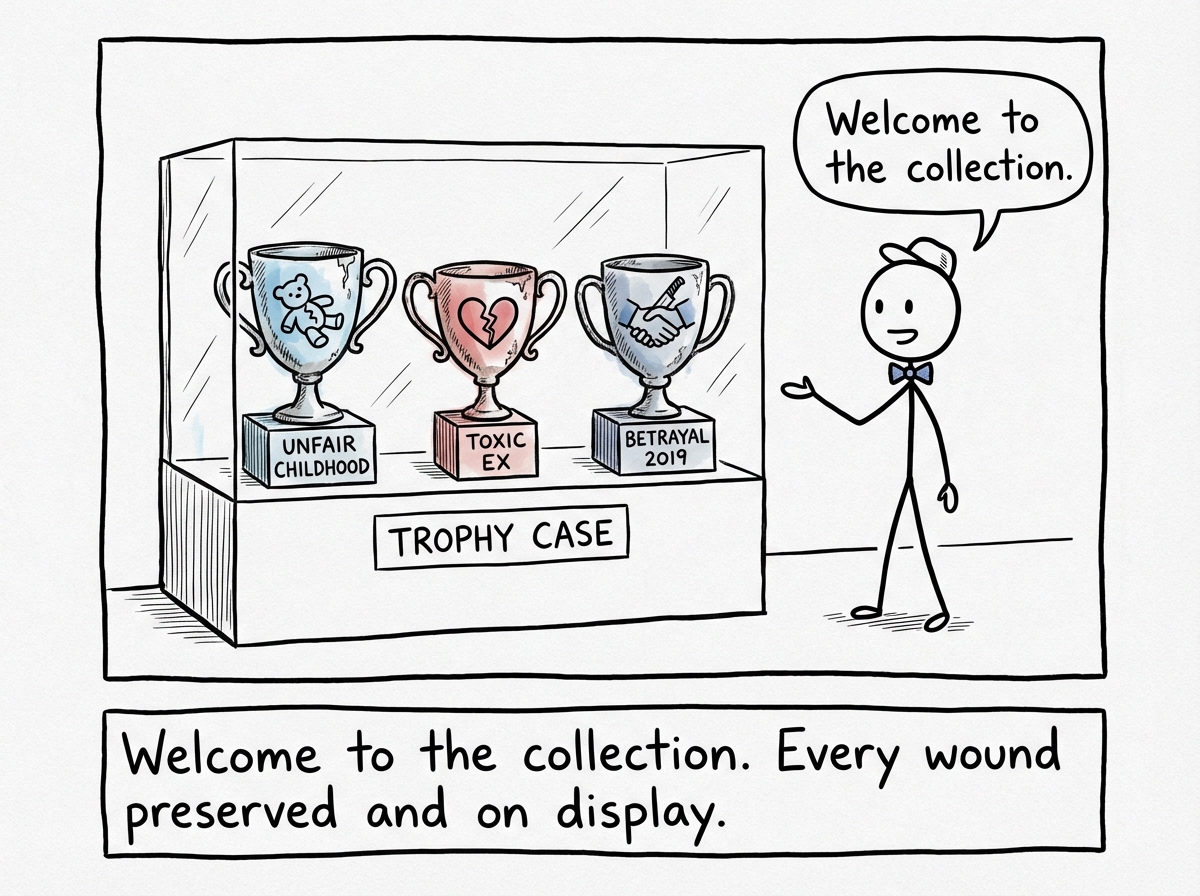
A person displays their past hardships like trophies -- not to process them, but to justify entitlement, avoid accountability, and win every argument before it starts.
Explanation
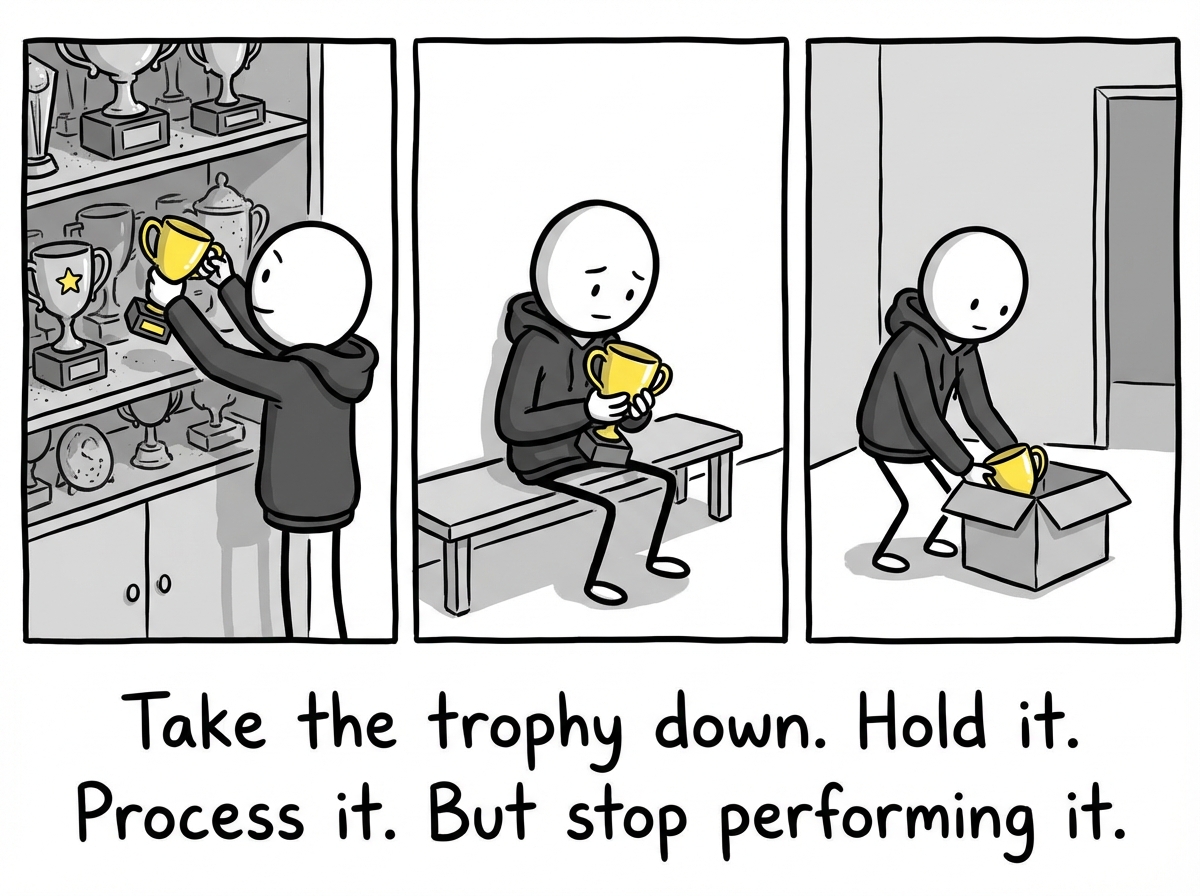
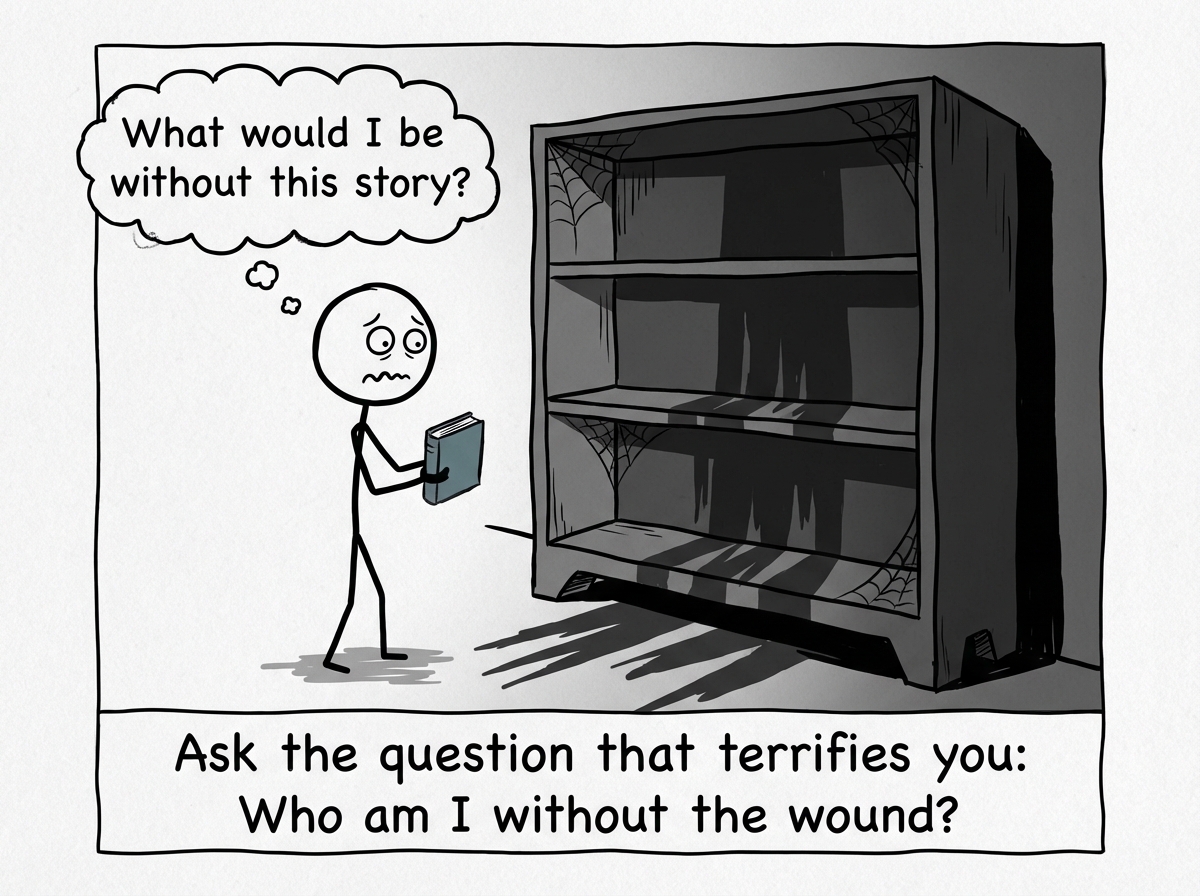
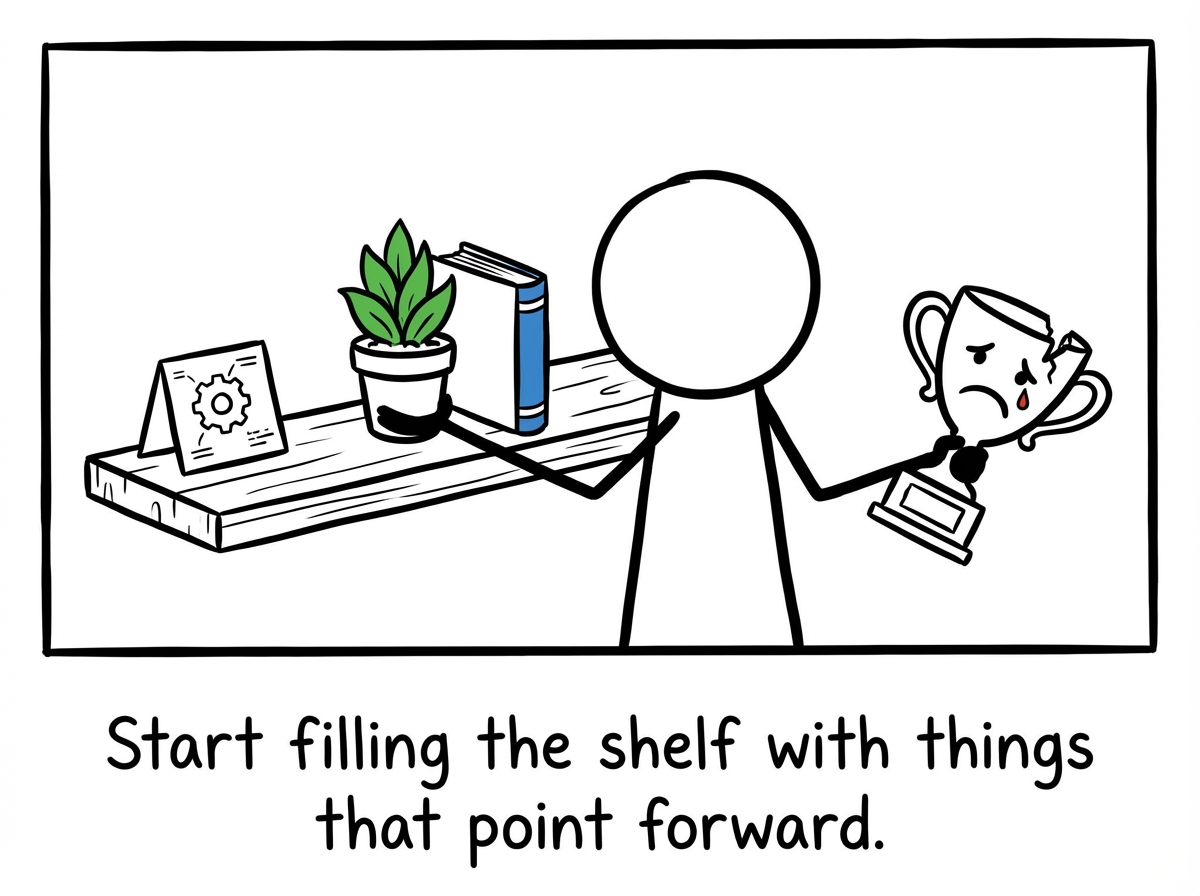
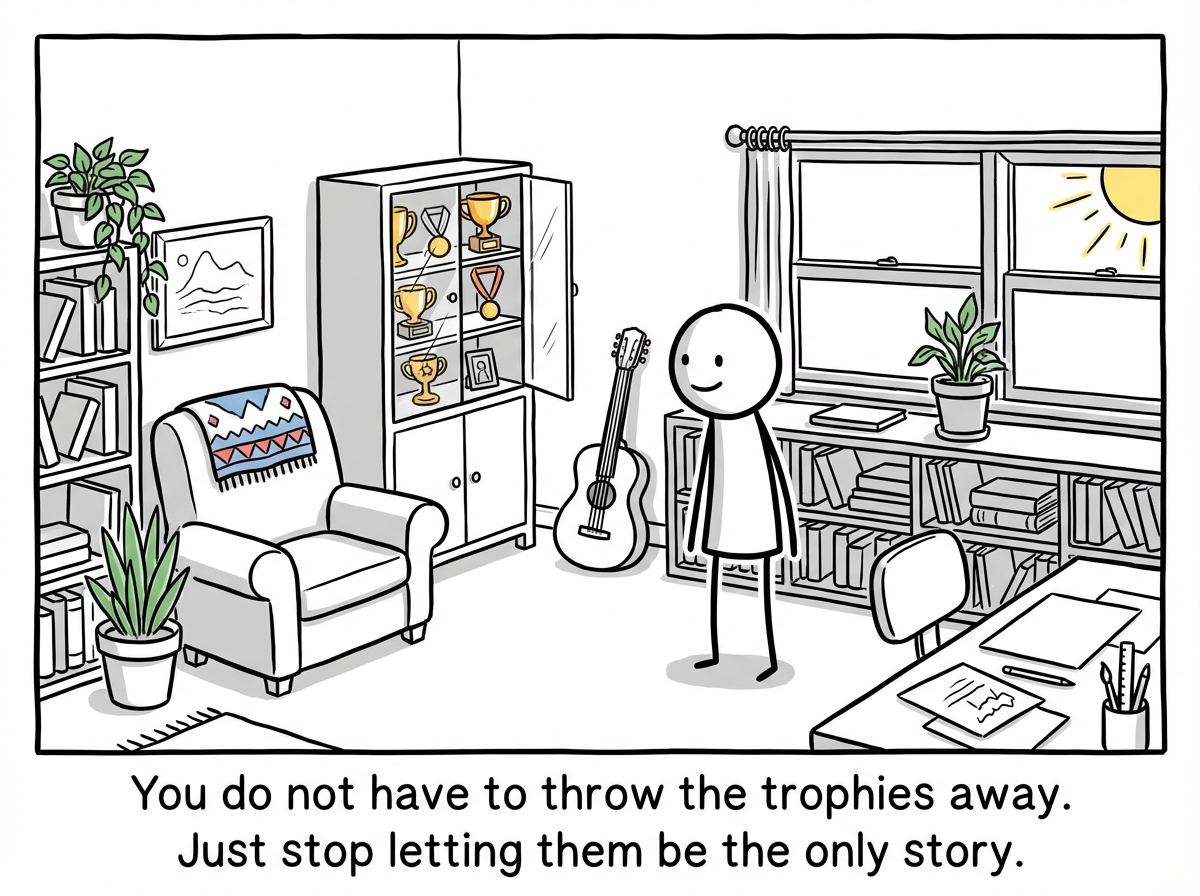
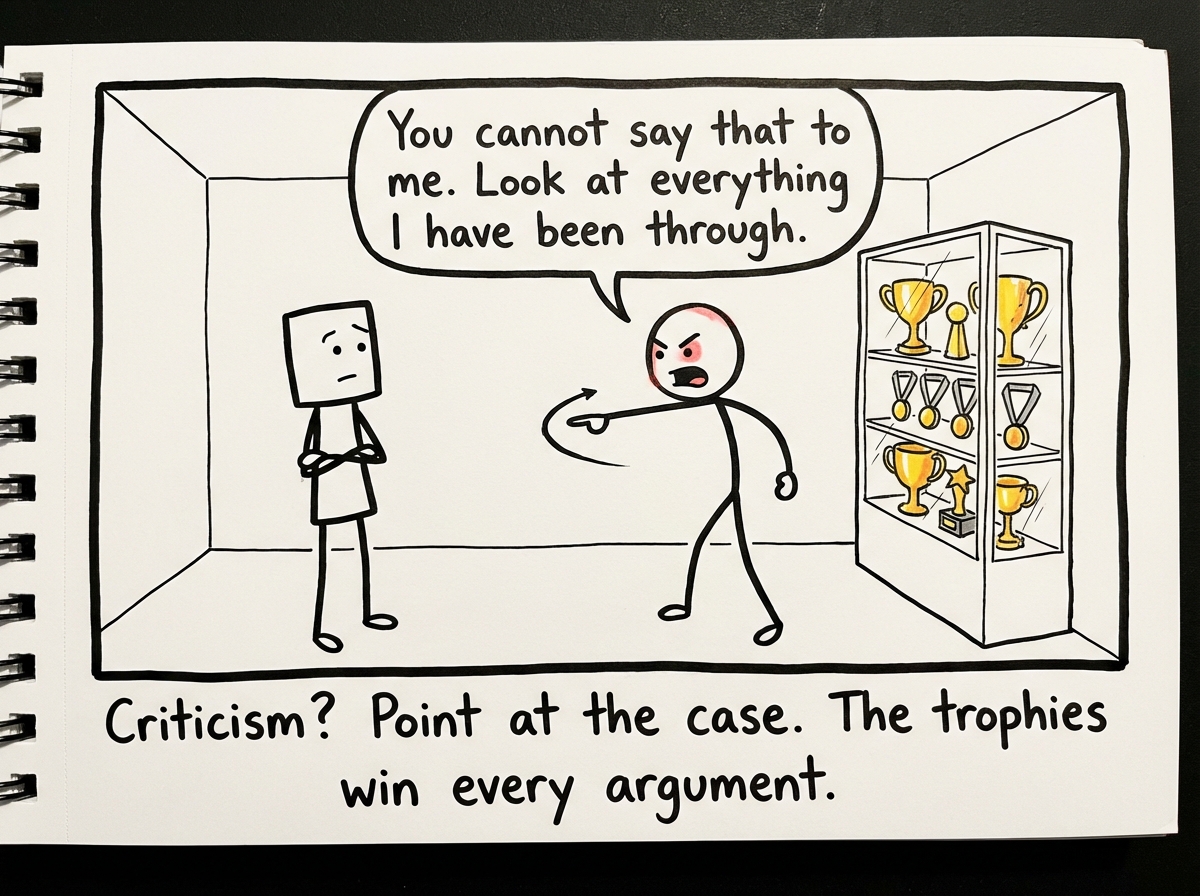
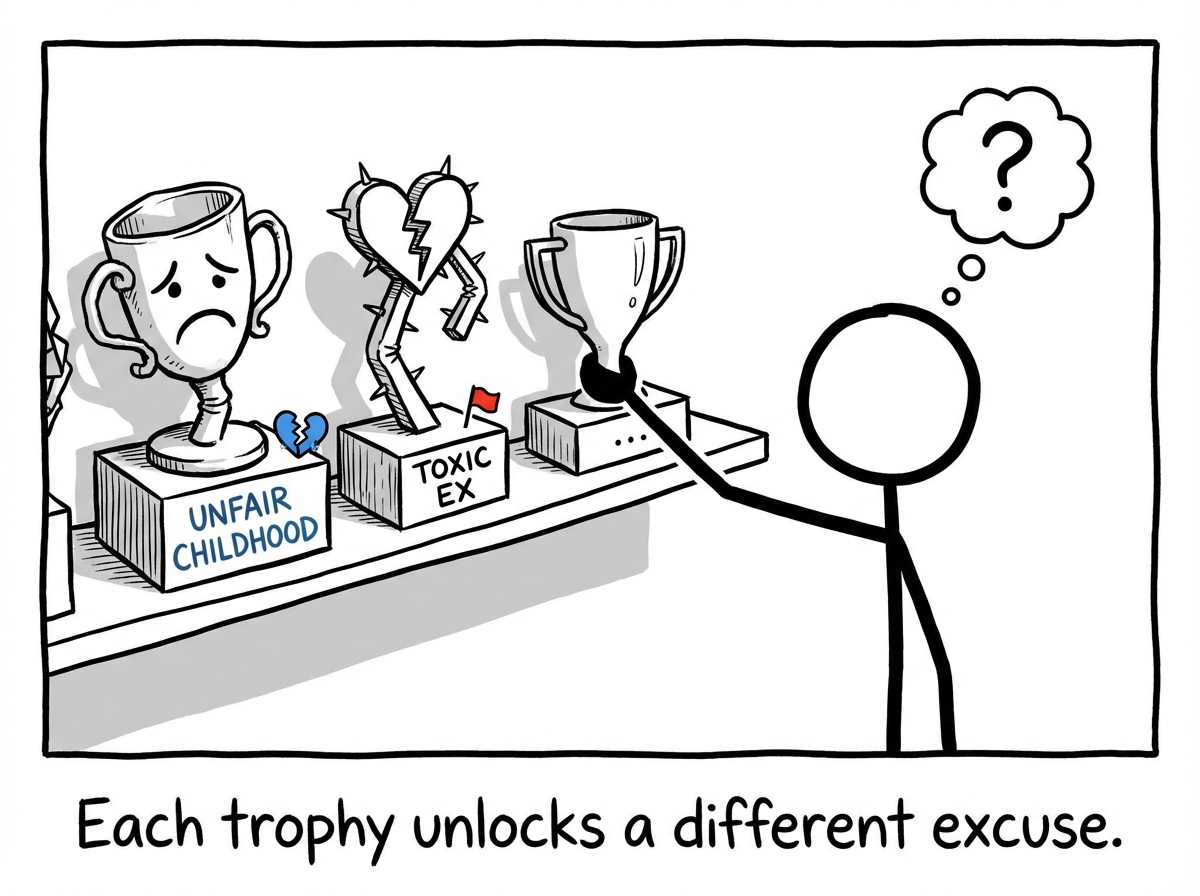
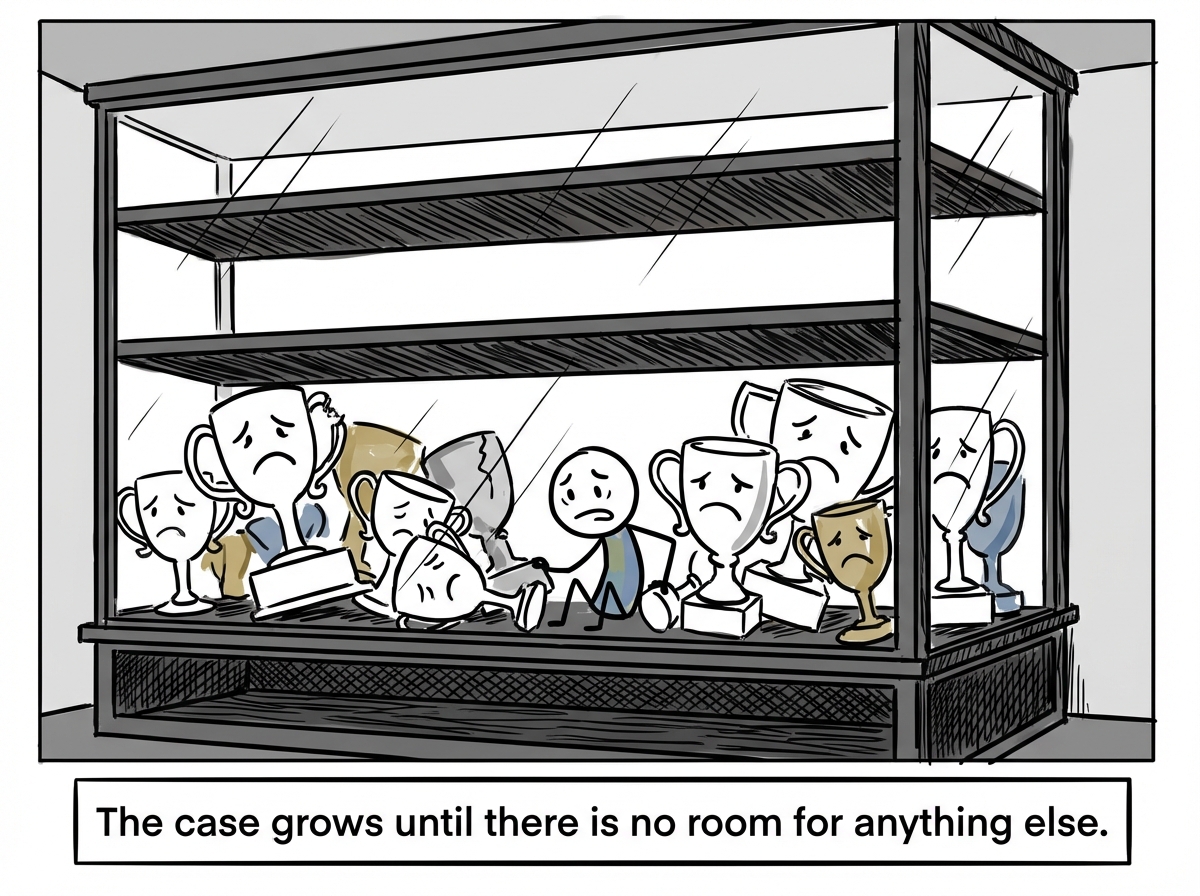
You have a trophy case. But instead of awards for achievement, it displays your wounds. The time you were betrayed. The childhood that was unfair. The job that fired you unjustly. The relationship that broke you. Each one polished, preserved, and positioned for maximum visibility. Not because you are still processing the pain -- but because the pain has become your most powerful tool. The suffering trophy case is the behavioral expression of chronic victimhood identity. It is not about healing. It is about leverage. When your suffering is displayed prominently enough, it accomplishes three things simultaneously: it establishes moral authority (how dare you criticize someone who has been through so much), it preempts accountability (you cannot hold me to the same standards because I have suffered more), and it generates a perpetual debt that others can never fully repay. Research by Gabay and colleagues on the Tendency for Interpersonal Victimhood shows that people high in this trait use their suffering not just defensively but offensively -- as a way to gain social capital, justify aggression, and avoid the vulnerability required for genuine growth. The trophies are real. The suffering was real. But the display is strategic, even if unconsciously so. The cruelest irony is that the trophy case keeps you frozen. As long as your identity is built on what was done to you, you cannot build one based on who you are choosing to become. The trophies do not honor your pain. They trap you in it. Healing means taking the trophies down -- not denying the suffering, but refusing to let it be the only story you tell about yourself.
Key Takeaway
Your pain was real. But when you display it like a trophy, it stops being a wound you are healing and becomes a weapon you are wielding.