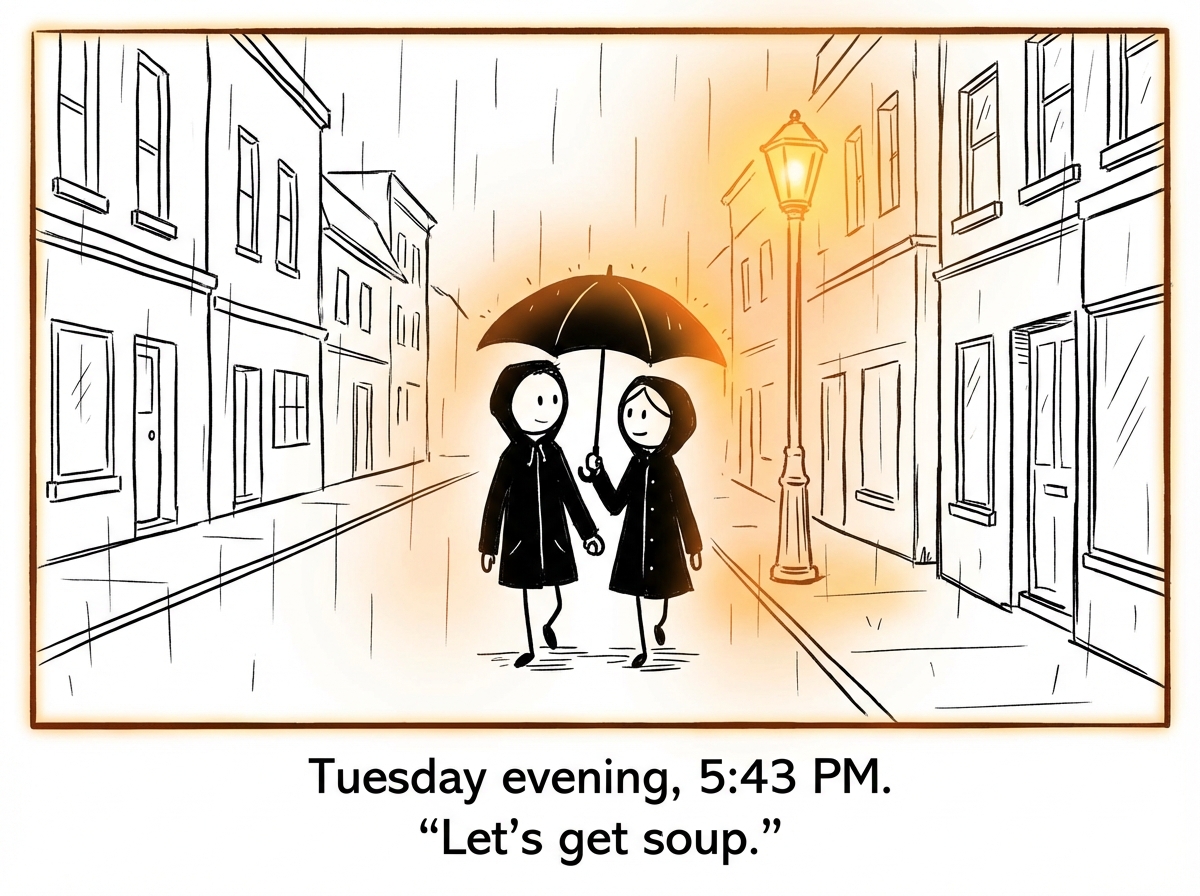
How to Reset Fairy-Tale Relationship Expectations
Release the unrealistic romantic scripts you've been carrying and learn to recognize and appreciate real love.
Before You Begin
Somewhere along the way, most of us absorbed a story about what love is supposed to look like. The grand gesture. The instant connection. The partner who just knows what you need without being told. These fairy-tale expectations feel romantic, but they quietly sabotage real relationships by setting an impossible standard that no human being can meet. If you've ever felt disappointed by a good partner or chased a feeling that always fades, this guide is for you. The goal isn't to kill romance — it's to stop letting a fantasy prevent you from seeing the love that's actually in front of you.
-
Identify Your Fairy-Tale Script
Everyone carries a romantic script — a set of unconscious beliefs about how love is supposed to unfold. Your script might say that true love is effortless, that the right person completes you, or that passion should never fade. These scripts operate in the background, shaping your expectations without you realizing it.
- Write down your beliefs about what a perfect relationship looks like — be specific and honest
- Notice which expectations are about feelings ("I should always feel excited") versus reality ("We should be able to disagree without it meaning something is wrong")
- Pay attention to the word "should" — it almost always marks a fairy-tale expectation
- Ask yourself: Would I recognize good love if it didn't match this script?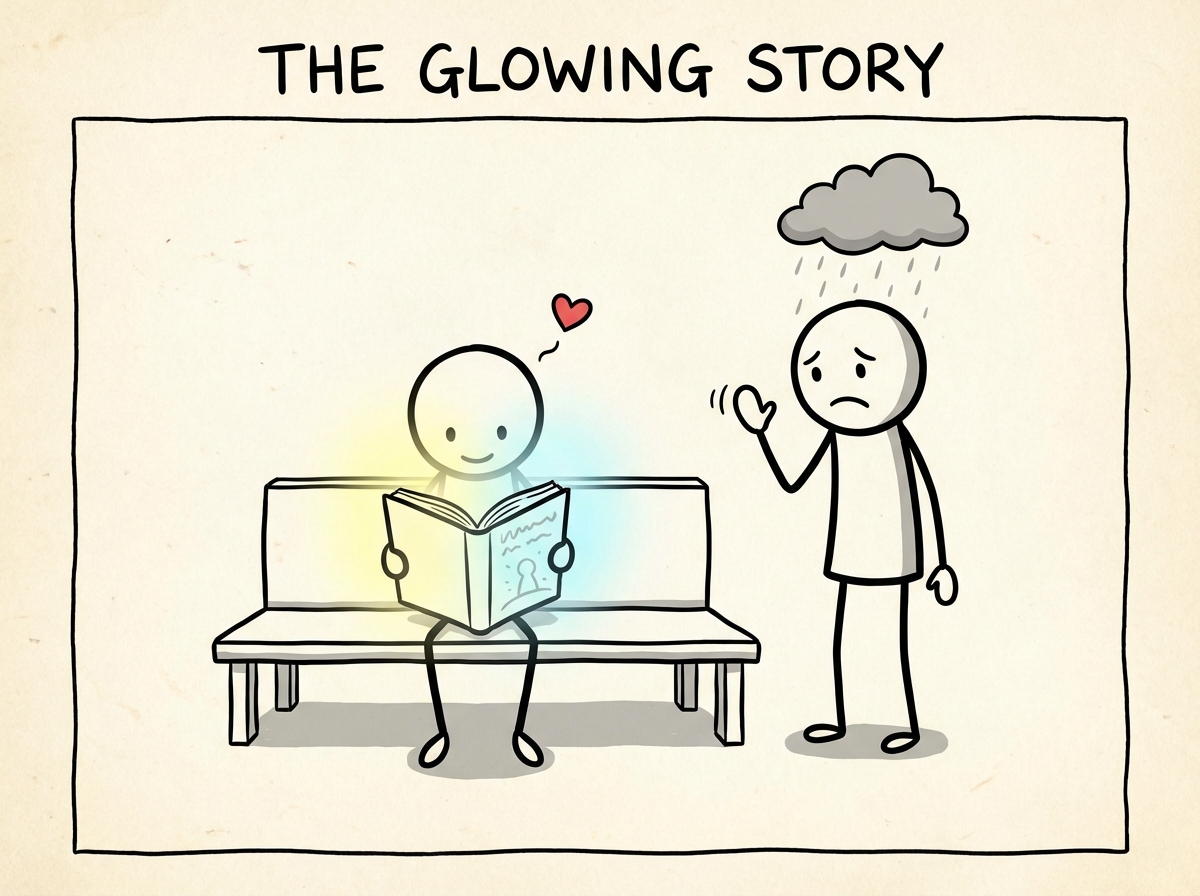
-
Trace Where It Came From
Fairy-tale expectations don't come from nowhere. They're built from movies, songs, novels, social media, and — most powerfully — your early experiences with love and attachment. Understanding the origin of your script takes away some of its invisible authority over you.
- Think about the love stories you absorbed growing up — which ones stuck with you most?
- Consider your parents' relationship: Did you idealize what they had, or build a fantasy to compensate for what they lacked?
- Notice which rom-com moments or song lyrics still make your chest ache — those are clues to your script
- Social media comparison is a modern fairy tale: remember that curated highlight reels are not real relationships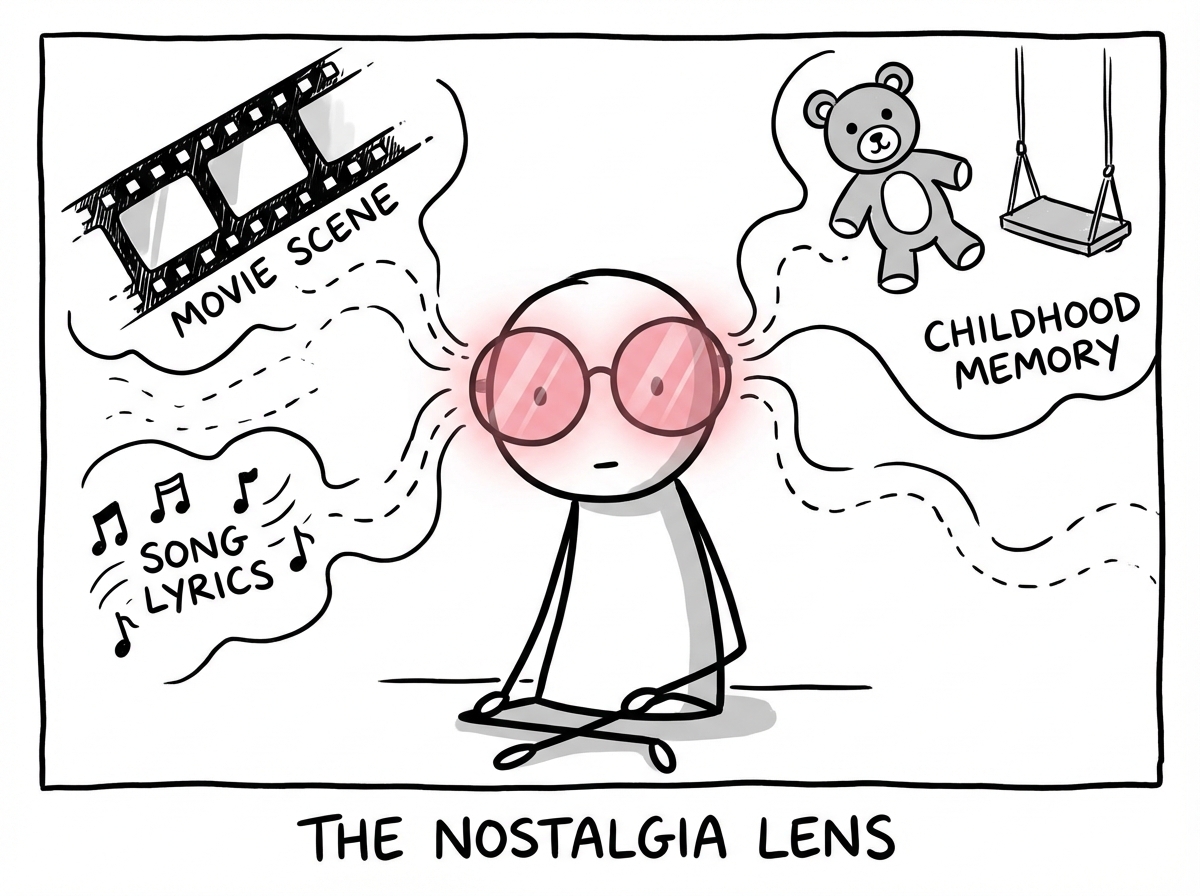
-
Reality-Test Your Expectations
Take your fairy-tale beliefs and run them through a reality check. This isn't about being cynical — it's about being honest. Some expectations are healthy (mutual respect, emotional safety, shared effort). Others are fantasy dressed up as standards (never feeling bored, always feeling butterflies, your partner anticipating every need).
- For each expectation you identified, ask: Has any real couple I know sustained this long-term?
- Distinguish between needs (respect, trust, kindness) and fairy-tale extras (constant excitement, mind-reading, effortless harmony)
- Ask a couple you admire what their relationship actually looks like day-to-day — the answer will probably surprise you
- Remember that difficulty in a relationship is not proof that it's the wrong relationship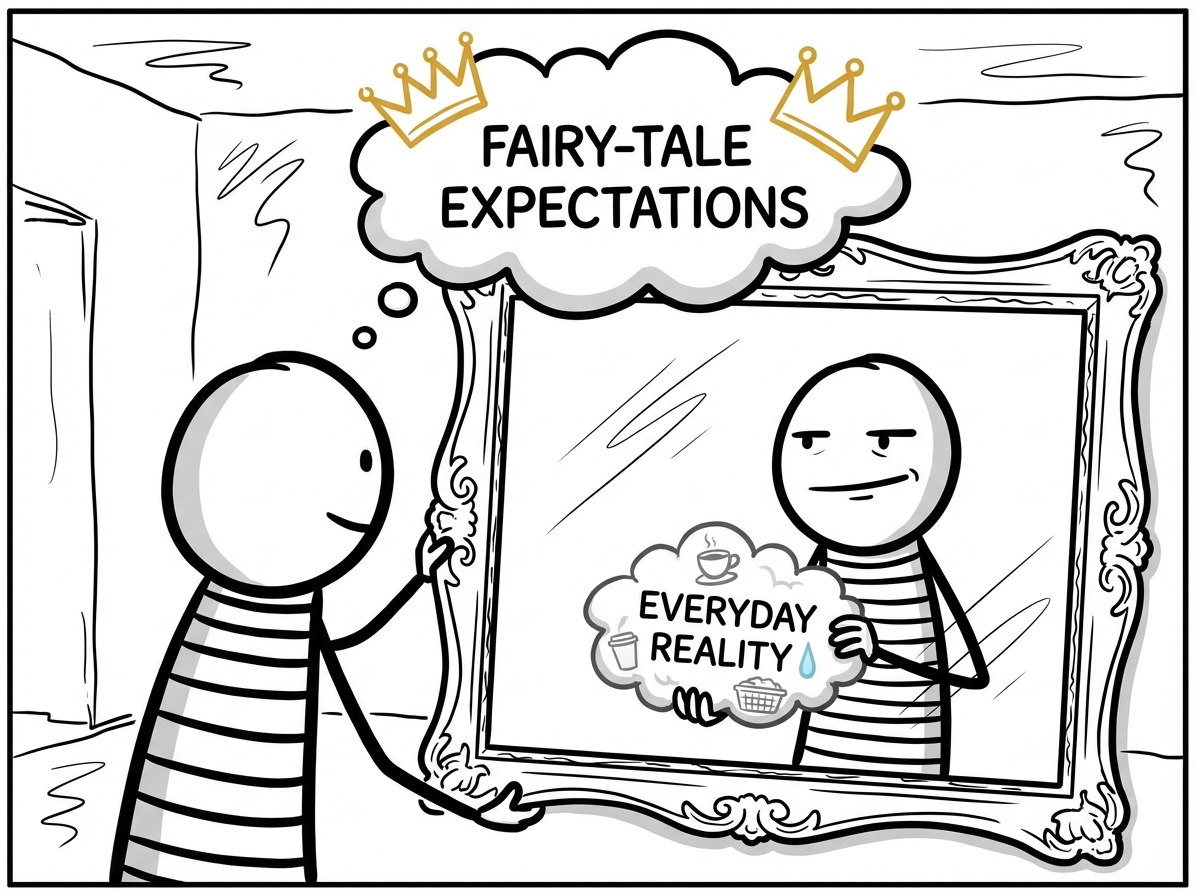
-
Grieve the Fantasy
This step is often skipped, but it matters enormously. Letting go of the fairy tale means losing something you may have cherished for decades — a vision of how your life was supposed to feel. That loss is real, and it deserves to be grieved rather than brushed aside.
- Give yourself permission to feel sad about letting go of the fantasy — it was comforting, even if it wasn't true
- Acknowledge what the fairy tale was protecting you from: the vulnerability of loving a real, imperfect person
- You don't have to grieve all at once — this is a process that unfolds over time as you catch new layers of the script
- Talk to someone you trust about what you're releasing — saying it out loud makes it more real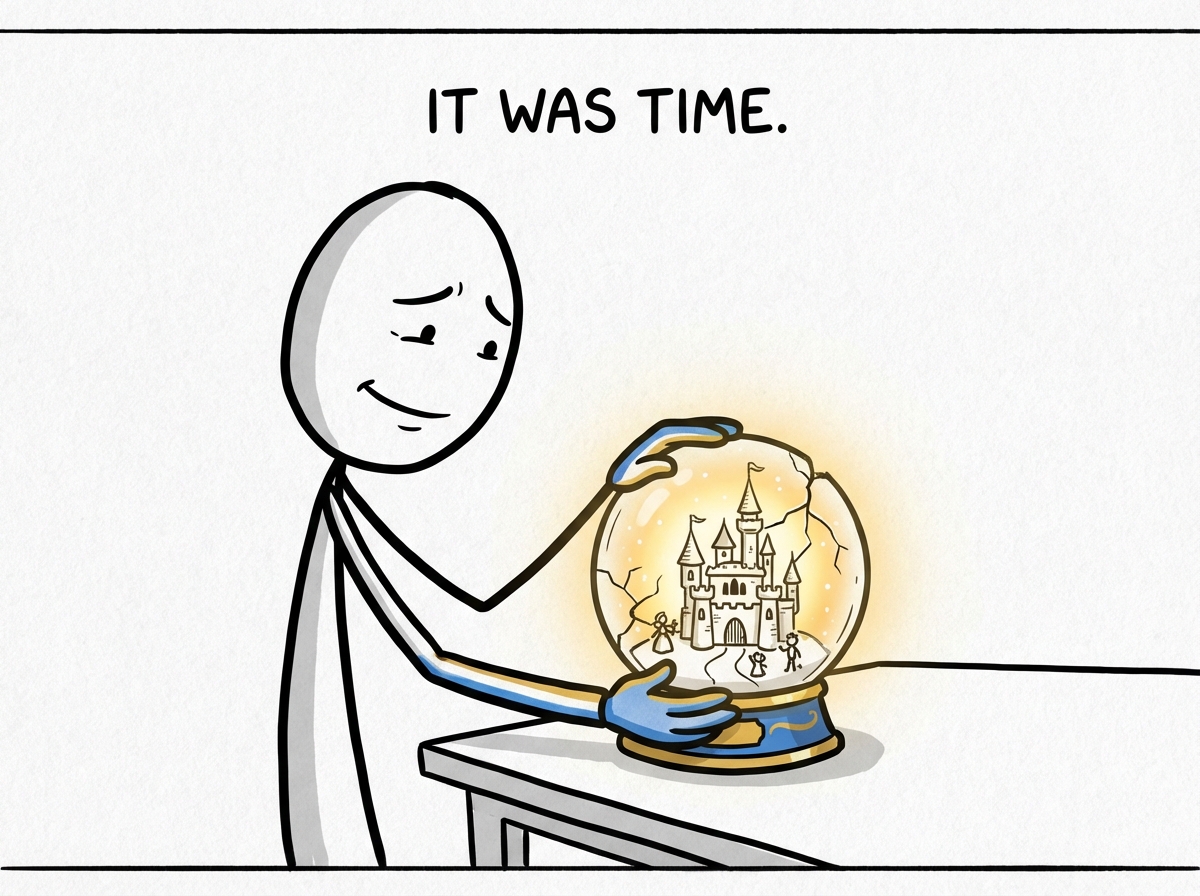
-
Rewrite What Love Looks Like
Now you get to build a new definition of love — one based on what actually sustains a relationship through years and seasons. Real love isn't less beautiful than the fairy tale; it's beautiful in a way that the fairy tale never prepared you for. It's quieter, sturdier, and far more generous.
- Write a new relationship vision that includes imperfection, effort, repair after conflict, and chosen commitment
- Include what you want to give, not just what you want to receive
- Define love in terms of verbs (listening, showing up, trying again) rather than feelings (butterflies, fireworks, constant excitement)
- Let your new script be flexible — real love looks different in different seasons of life
-
Appreciate What Is Real
The final step is a daily practice: training your attention to notice the love that's actually present. Fairy-tale thinking conditions you to scan for what's missing. This step reverses that habit by deliberately focusing on what's there — the quiet, unsexy, profoundly meaningful gestures of real partnership.
- Each day, notice one small thing your partner did that showed care — even if it wasn't dramatic
- Practice saying thank you for the mundane: the errand they ran, the way they listened, the fact that they showed up again today
- When you catch yourself comparing reality to the fantasy, gently redirect: "This is what real love looks like"
- Remember that the couples who last aren't living in a fairy tale — they're living in something better