How to Recognize and Reduce Fawning
Learn to identify your fawning responses, understand them as a trauma pattern, and gradually replace automatic accommodation with authentic self-expression.
Before You Begin
Fawning is the least talked-about trauma response, but it may be the most common one hiding in plain sight. While fight, flight, and freeze are widely recognized, fawning -- the automatic impulse to appease, accommodate, and make yourself agreeable in order to stay safe -- often gets mistaken for being a good person. It is not. It is a survival strategy that developed because at some point in your life, the safest thing you could do was become whatever the other person needed you to be. Fawning keeps you safe in the short term and erases you in the long term. You lose your opinions, your preferences, your anger, and eventually your sense of self. This guide will help you recognize when you are fawning, understand the body signals that drive it, and slowly rebuild the parts of yourself that went underground.
-
Learn What Fawning Actually Looks Like
Fawning does not look like a problem from the outside. It looks like agreeableness, flexibility, and emotional intelligence. That is part of what makes it so hard to spot in yourself -- everyone around you benefits from it and may even praise you for it.
- You agree with opinions you do not hold because disagreement feels dangerous.
- You laugh at jokes that are not funny, compliment things you do not like, and mirror the emotional state of whoever you are with.
- You apologize reflexively -- for taking up space, having needs, or existing in a way that might inconvenience someone.
- You can read a room instantly and know exactly what each person needs from you, but if someone asks what you need, your mind goes blank.
- You feel a spike of anxiety when you sense someone is even mildly displeased, and your first instinct is to fix their mood at any cost.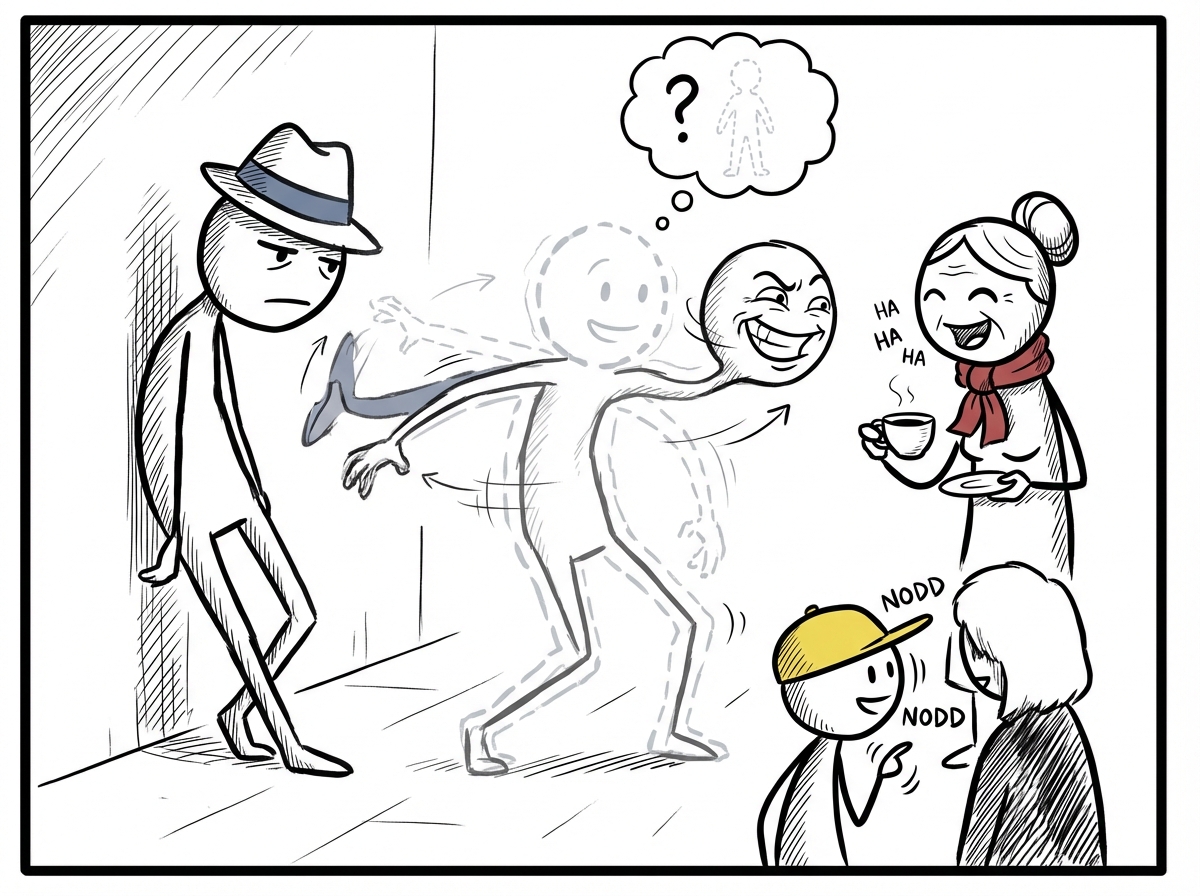
-
Notice the Body Signals
Fawning is a nervous system response, not a conscious choice. It happens in your body before it reaches your brain. Learning to read the physical cues gives you an early warning system so you can intervene before the automatic accommodation takes over.
- Pay attention to what happens in your body when someone expresses displeasure, raises their voice, or shows any sign of conflict. Common fawning signals include: a sudden drop in your stomach, shoulders rounding forward, your voice getting smaller or higher, or an immediate urge to smile.
- Notice the freeze-then-fawn sequence. Many people experience a brief freeze -- a deer-in-headlights moment -- followed immediately by an intense drive to placate, agree, or de-escalate.
- Track which people or situations trigger the strongest fawning response. This often points to dynamics that mirror the original relationship where fawning was learned.
- Start building a simple body awareness practice: pause three times a day and check in with your body. What is your posture? Where is the tension? What does your body want to do right now?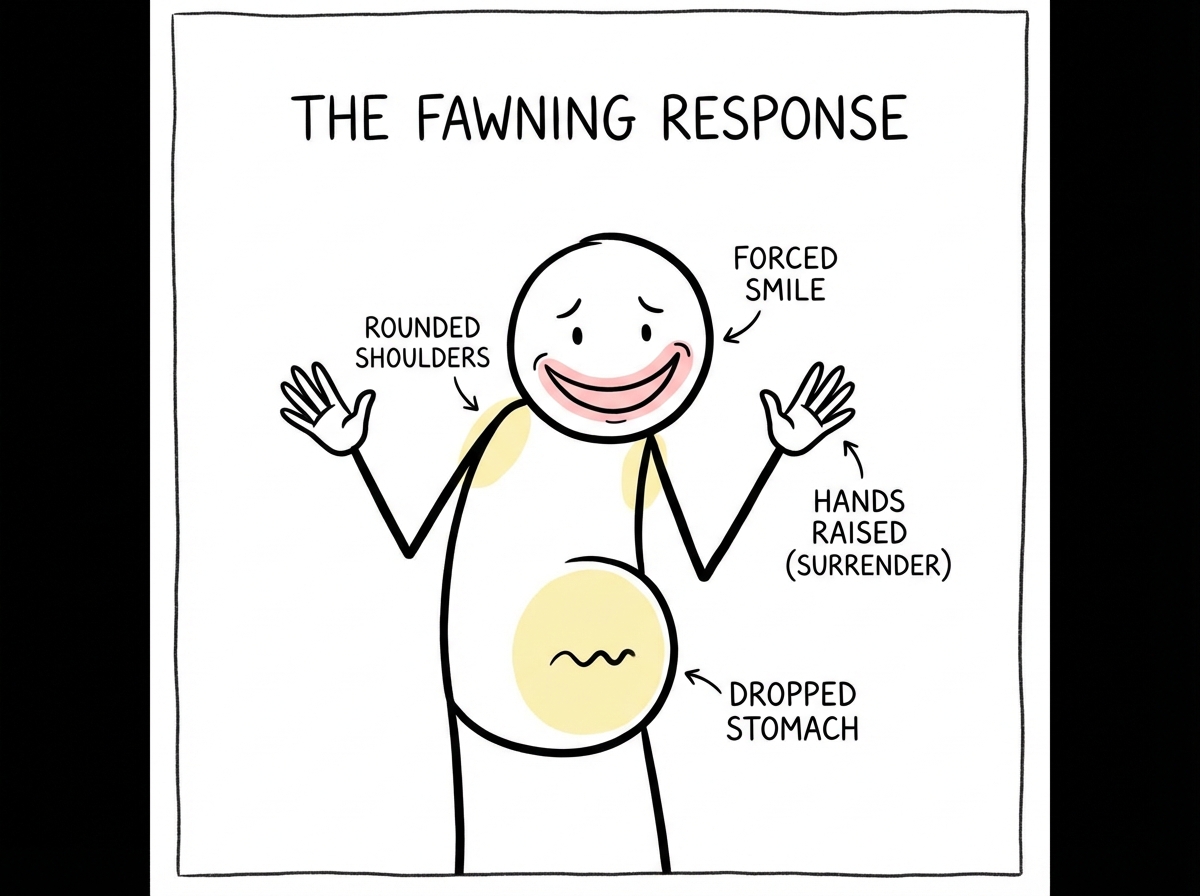
-
Practice Having an Opinion
When fawning has been your default for years, you may have genuinely lost access to your own preferences. The opinions are still in there -- they have just been suppressed so long that retrieving them takes deliberate practice.
- Start with zero-stakes situations. When someone asks where you want to eat, resist the urge to say 'I do not mind, wherever you want.' Pick a place. Any place. The content of the opinion matters less than the act of having one.
- Practice forming opinions silently before you speak. When watching a movie, listening to a song, or reading something, pause and ask yourself: Do I actually like this? What do I honestly think? You do not have to share it yet -- just practice knowing it.
- Notice the internal flinch when your opinion differs from someone else's. That flinch is the fawning reflex activating. You do not have to push through it immediately -- just notice it is there.
- Keep a private journal of your honest opinions, reactions, and preferences. This becomes a record of who you actually are, separate from who you perform being.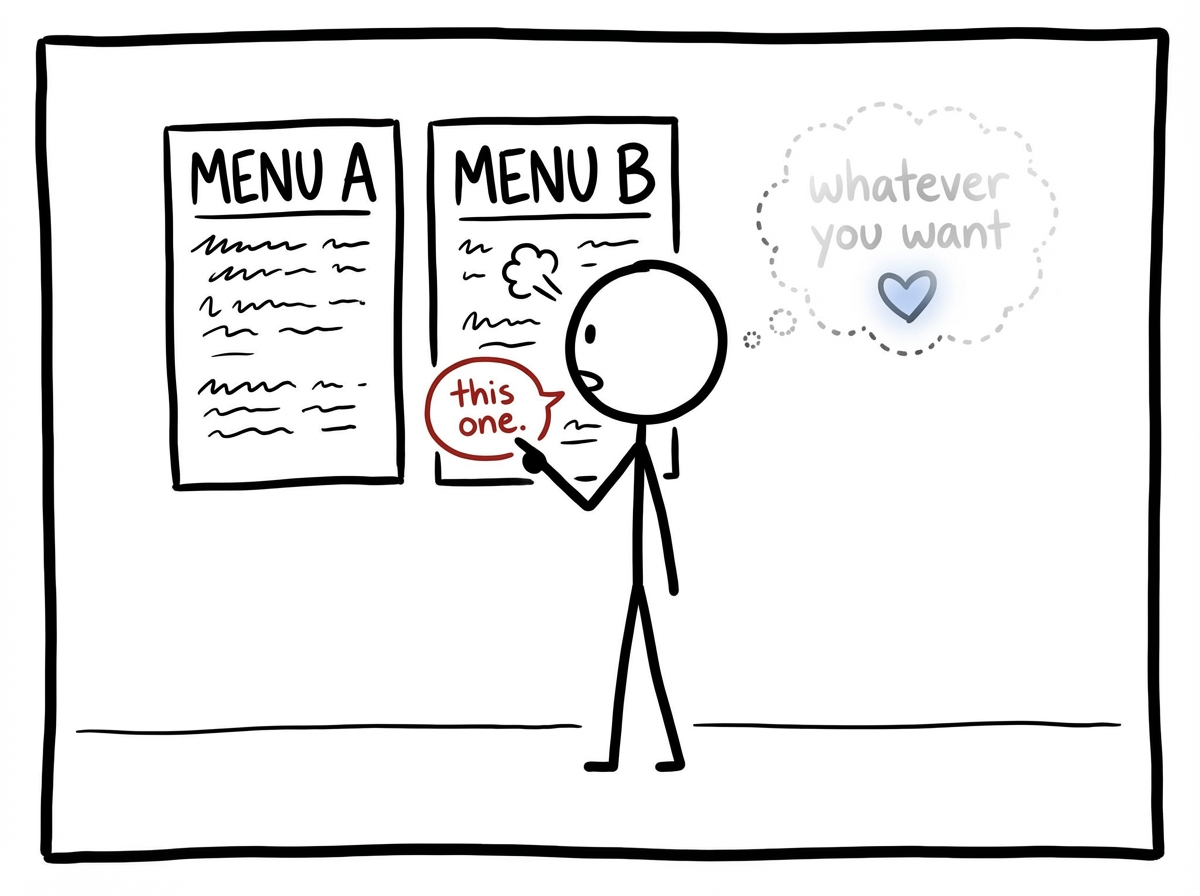
-
Delay Your Agreement
The fawning response is fast. It agrees before you have time to think. One of the most effective interventions is simply slowing down the process -- inserting a gap between someone's request and your response.
- Make 'let me think about that' your new default phrase. It is polite, it is reasonable, and it buys you the time your nervous system needs to check in with what you actually want.
- When someone asks for your opinion, your help, or your agreement, pause for three full seconds before responding. This sounds small, but for a fawner, three seconds of silence feels enormous.
- Use the pause to check in: Am I about to agree because I want to, or because I am afraid of what happens if I do not? Is this a genuine yes or a survival yes?
- If you realize mid-conversation that you agreed to something you do not want, it is okay to come back and change your answer. 'I thought about it more, and actually that does not work for me.' This is not flaky -- it is honest.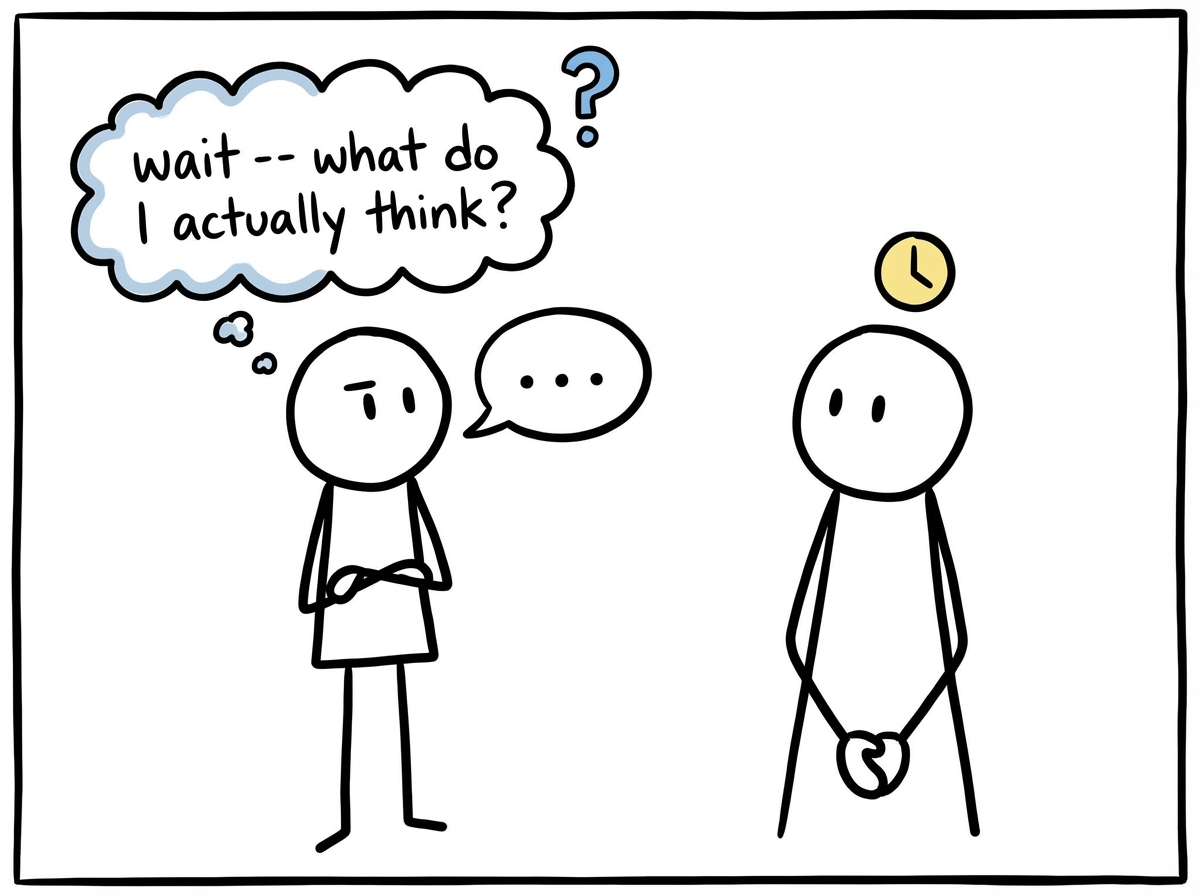
-
Tolerate Conflict Without Collapsing
For fawners, conflict does not just feel uncomfortable -- it feels life-threatening. Your nervous system learned that disagreement equals danger, so it shuts down your authentic self and activates the appeaser. Learning to stay present during conflict without automatically capitulating is transformative.
- Start by staying in mild disagreements without backing down. Someone recommends a show you did not like? Say so. A friend suggests plans that do not work for you? Offer an alternative. These micro-conflicts are your training ground.
- When conflict arises, notice the urge to immediately agree, apologize, or take responsibility for the other person's feelings. Name it: 'My fawning response is activating right now.'
- Remind yourself: conflict is a normal part of healthy relationships. Two people who never disagree are not in harmony -- one of them is disappearing.
- If you feel yourself starting to collapse -- voice getting small, opinions evaporating, reflexive apologies forming -- take a physical action. Stand up, take a breath, put your feet flat on the floor. Ground yourself in your body before you respond.
- You do not have to become combative. You just have to stop abandoning your own position the moment someone pushes back.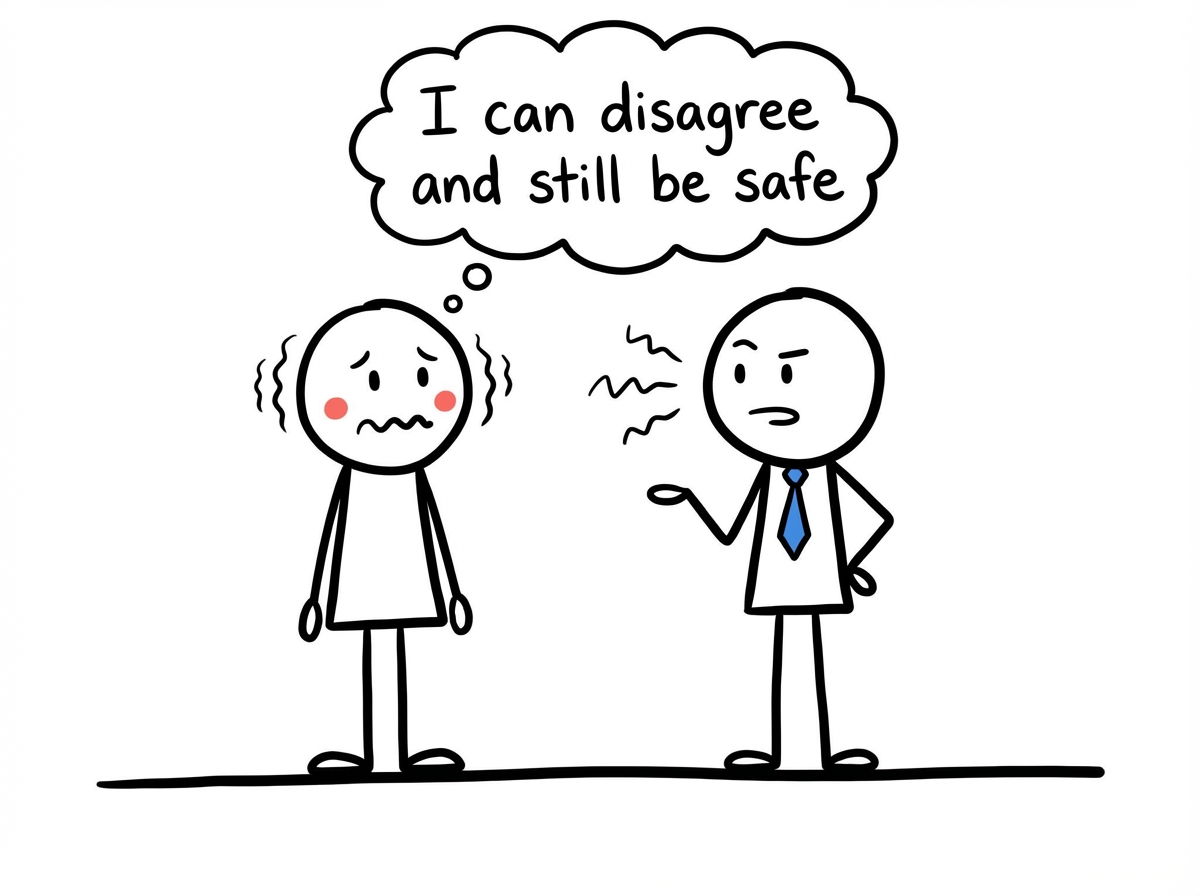
-
Rebuild Your Preferences and Identity
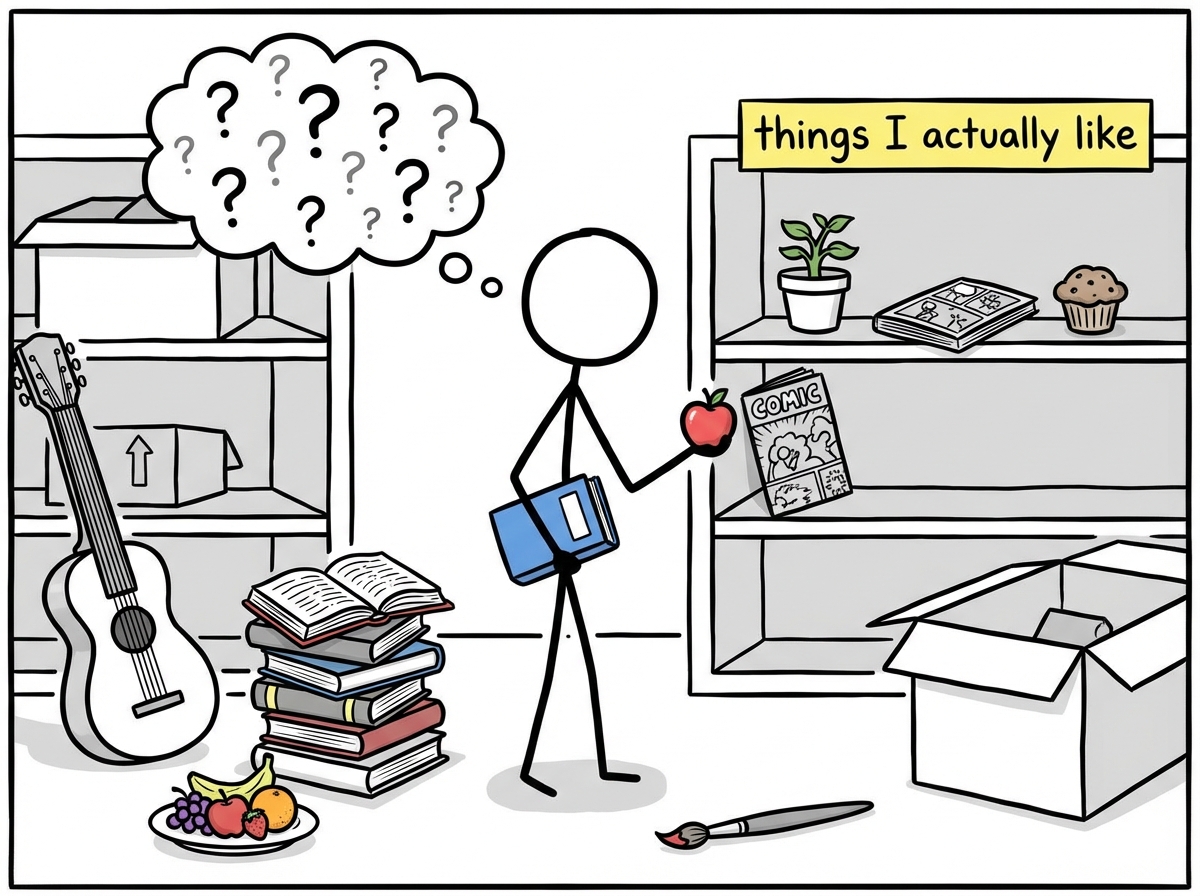
Fawning does not just affect individual moments -- over time, it erodes your entire sense of self. You may not know your favorite color, your political views, what kind of music you actually enjoy, or what you want from your life. Rebuilding these is not trivial. It is the work of reclaiming who you are.
- Approach self-discovery with curiosity, not pressure. You are not behind. You are starting a process that was interrupted a long time ago.
- Experiment widely. Try new foods, activities, styles, and environments. Pay attention to what makes your body relax and what makes it contract. Your body knows your preferences even when your mind has forgotten them.
- Notice who you become around different people. If you are a completely different person with your partner than with your best friend than with your family, fawning is likely shaping each version. The real you is somewhere underneath all of them.
- Give yourself permission to change your mind. Fawners often lock into a preference the moment they find one, terrified of being seen as inconsistent. You are allowed to evolve.
- Be patient with this process. You spent years becoming invisible. Becoming visible again takes time, and it is worth every uncomfortable moment.