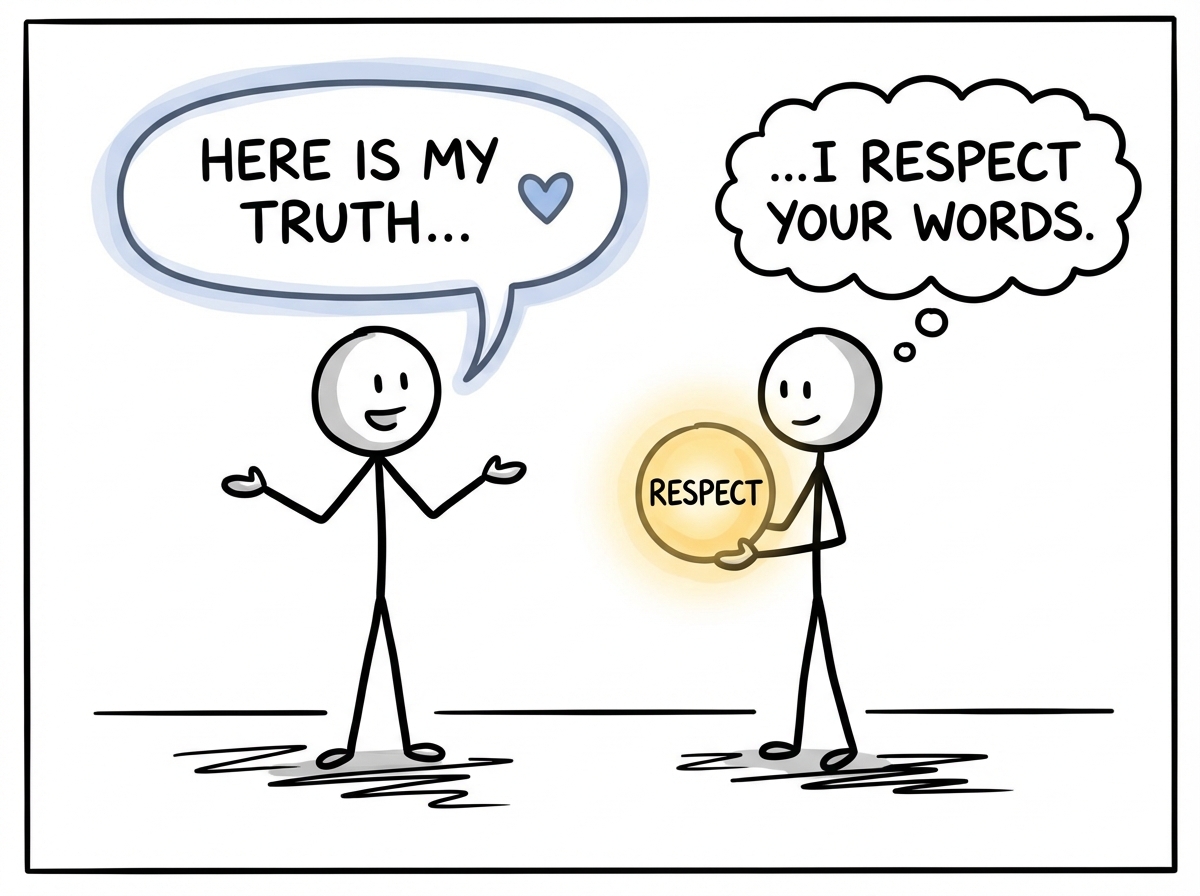
How to Recognize and Respond to Weaponized Vulnerability
Learn to distinguish genuine emotional openness from manipulative vulnerability, and protect your boundaries without shutting down compassion.
Before You Begin
Vulnerability is supposed to be a bridge between people — a moment of honest emotional exposure that builds trust. But some people have learned to use the appearance of vulnerability as a weapon. They cry to shut down your valid complaint. They share their pain to make you feel guilty for having boundaries. They perform brokenness so you'll do what they want. If you've ever walked away from a conversation feeling confused, guilty, and somehow the bad guy despite being the one who was hurt, you may have encountered weaponized vulnerability. This guide will help you see it clearly and respond with both firmness and compassion.
-
Learn the Difference Between Real and Weaponized Vulnerability
Genuine vulnerability is about connection — the person is sharing something painful because they trust you with it. Weaponized vulnerability is about control — the person is performing pain to redirect a conversation, avoid accountability, or pressure you into compliance. The key difference is timing and function.
- Real vulnerability doesn't conveniently appear the moment you raise a concern about their behavior
- Genuine emotional sharing invites closeness; weaponized vulnerability creates obligation
- Ask yourself: Is this person opening up, or are they shutting me down?
- Notice whether their vulnerability consistently functions to end conversations where they'd need to take responsibility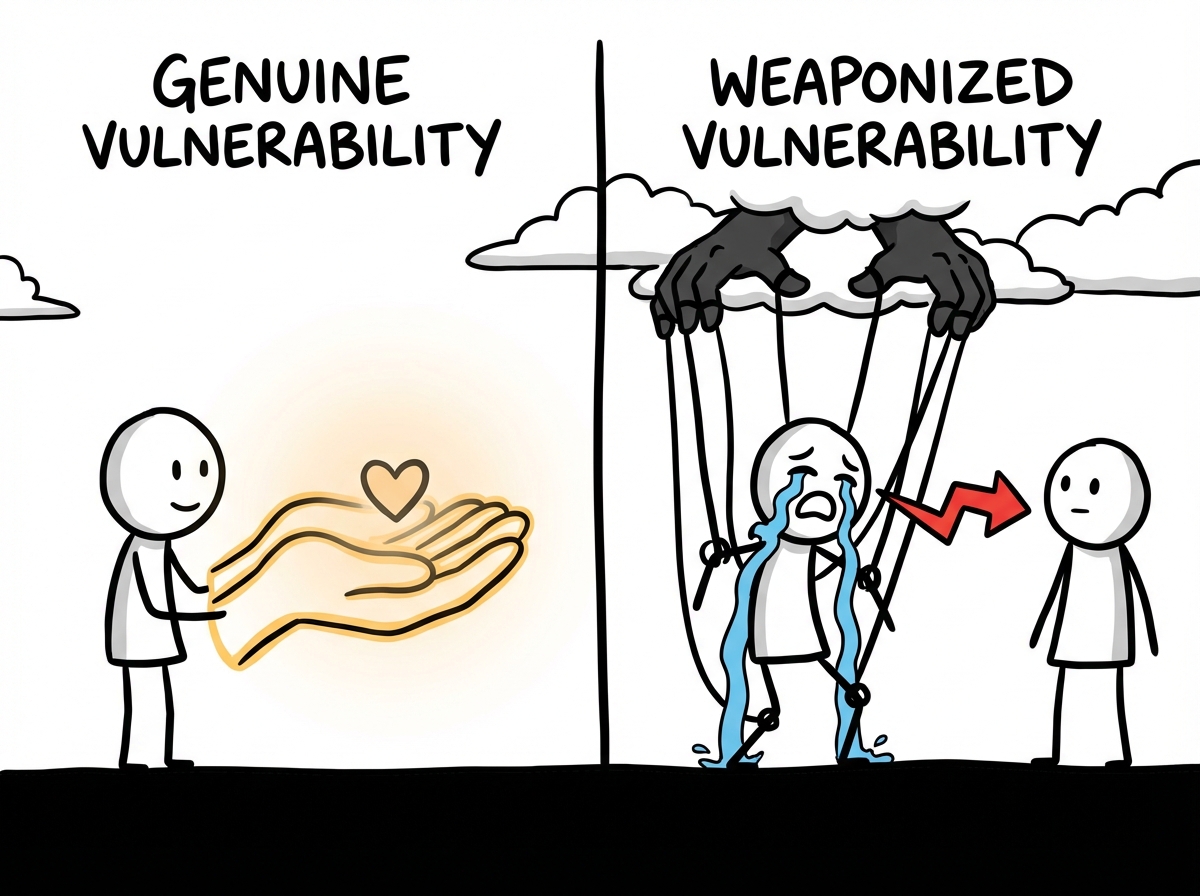
-
Notice the Guilt Pattern
Weaponized vulnerability works because it hijacks your empathy. You came into the conversation with a legitimate concern, and somehow you're now comforting the person who hurt you. Track this pattern in your body and your relationships — it's remarkably consistent once you learn to spot it.
- Notice when you go from "I need to talk about something" to "I'm sorry, are you okay?" within minutes
- Pay attention to the physical guilt — the tightness in your chest, the urge to apologize for having feelings
- Keep a mental note of how often your concerns get redirected to their pain
- Ask yourself: How many of my legitimate needs have I dropped because they got upset first?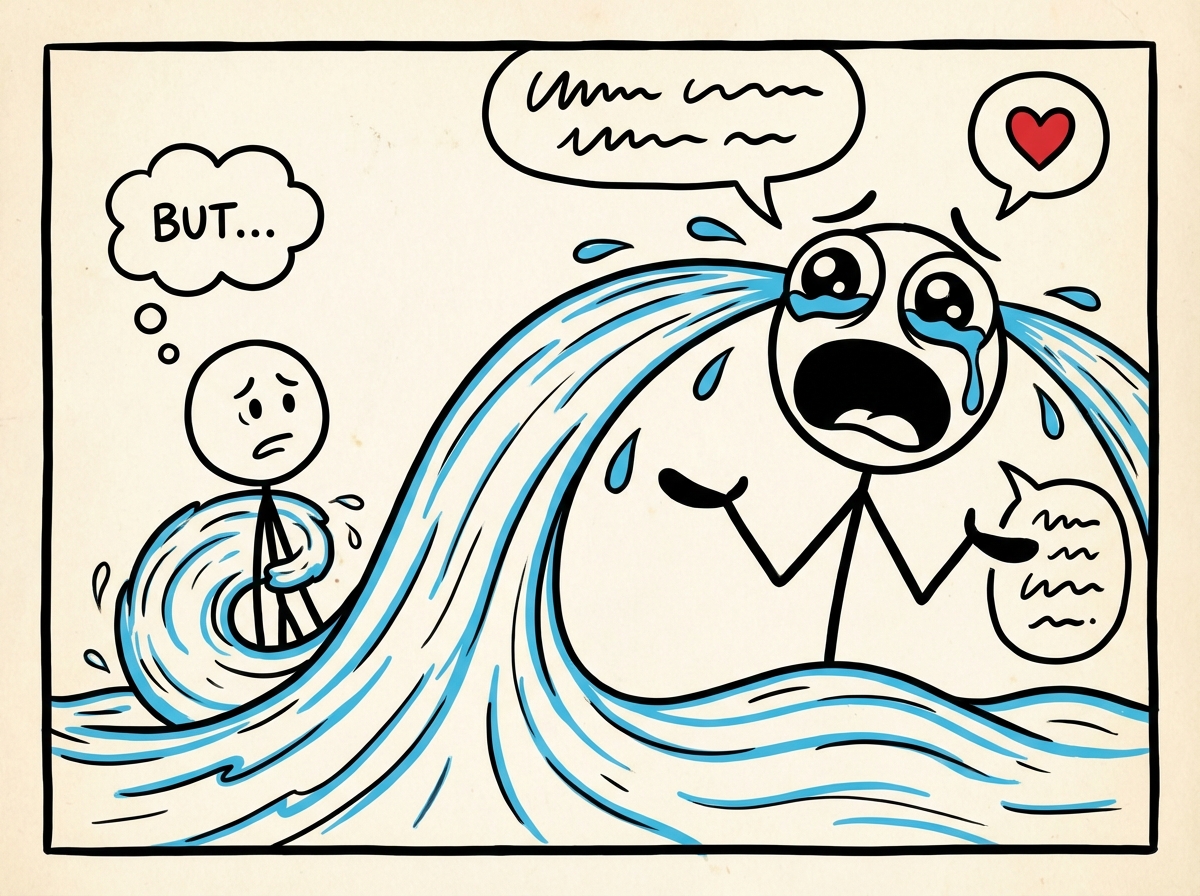
-
Hold Your Boundary Despite the Tears
This is where it gets hard. You can acknowledge someone's emotions without abandoning your point. These two things can coexist: "I see that you're upset" and "We still need to address what I brought up." You don't have to choose between compassion and self-respect.
- Practice the phrase: "I can see this is painful for you, and I still need to finish what I was saying"
- Resist the urge to immediately comfort — sit with the discomfort for a moment and stay on track
- Remember that you are not responsible for managing their emotions, especially when those emotions are being used to manage you
- If the conversation becomes impossible, it's okay to say: "Let's come back to this when we've both had time to settle"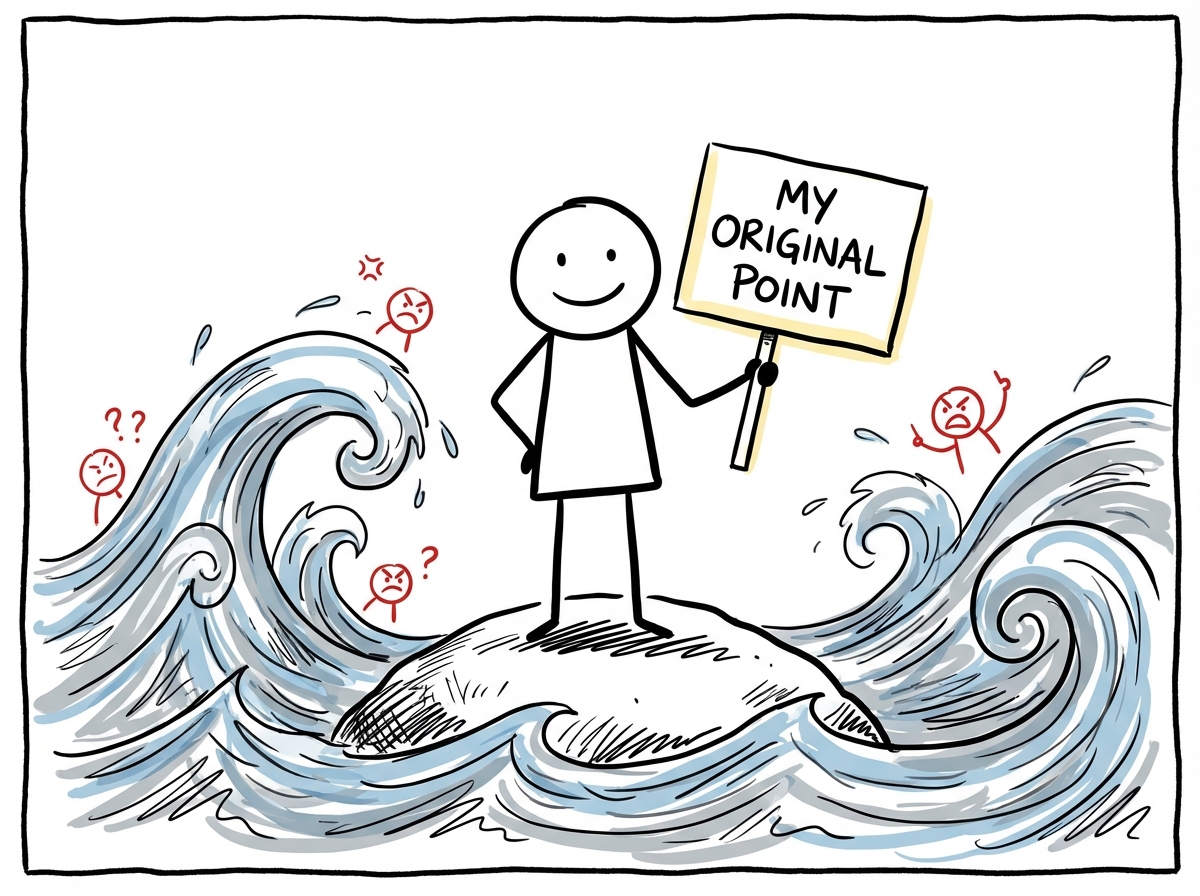
-
Name the Dynamic Without Attacking
At some point, you may need to address the pattern directly. This requires precision — you're naming a behavior, not diagnosing a person. The goal is to make the invisible dynamic visible so it can be discussed honestly. This works best outside of heated moments.
- Try: "I've noticed that when I bring up something that bothers me, the conversation shifts to your pain, and my concern never gets addressed"
- Avoid labels like "manipulative" or "fake" — even if accurate, they trigger defensiveness and go nowhere
- Focus on the pattern and its impact: "When this happens, I end up feeling like my needs don't matter"
- Be prepared for another round of weaponized vulnerability in response — the pattern may try to protect itself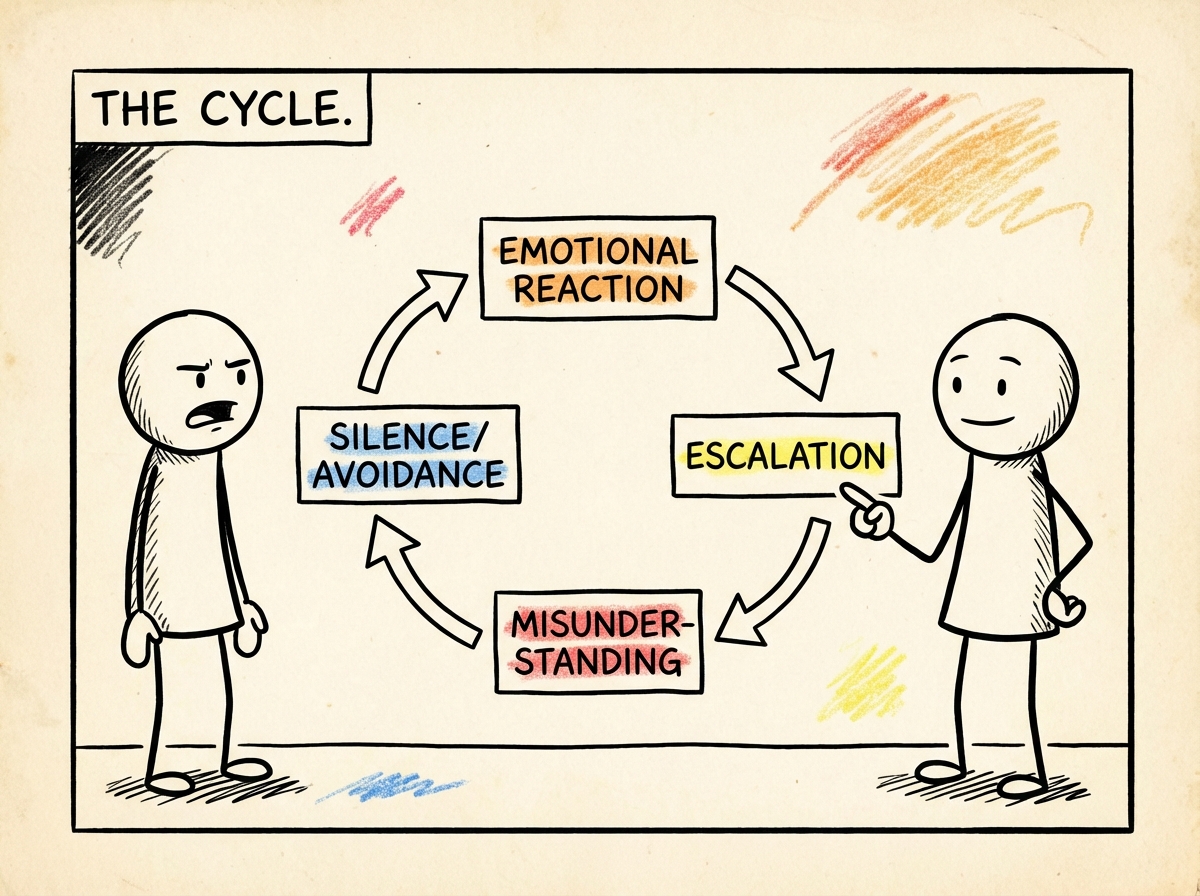
-
Protect Your Own Emotional Clarity
Repeated exposure to weaponized vulnerability can erode your sense of reality. You start doubting your own perceptions, feeling selfish for having needs, or believing you're the problem. Actively protecting your emotional clarity is essential self-care, not selfishness.
- After confusing conversations, write down what actually happened — the facts, not the feelings they left you with
- Talk to a trusted friend or therapist who can reflect reality back to you
- Remind yourself: having boundaries does not make you cruel, and someone else's tears do not automatically make you wrong
- Practice distinguishing between guilt (I did something wrong) and manufactured guilt (someone made me feel wrong for protecting myself)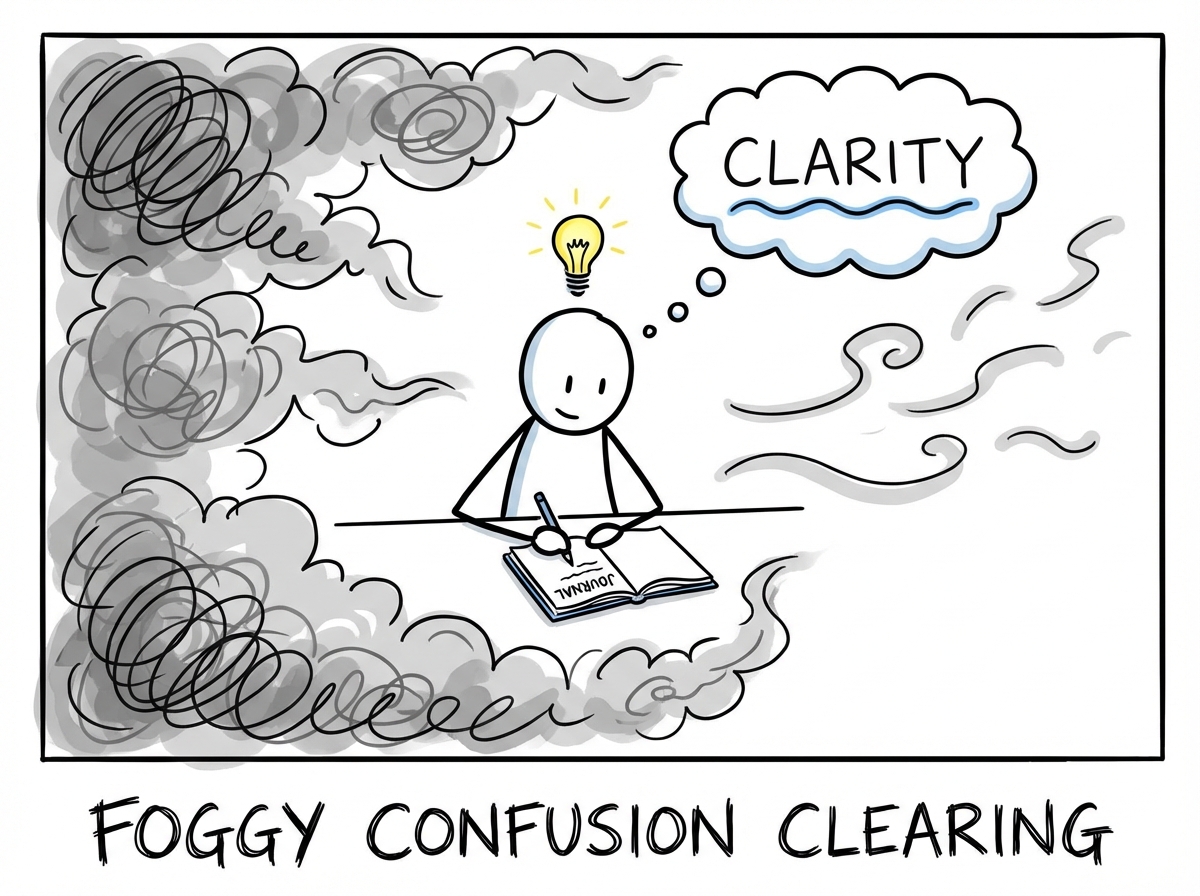
-
Model Genuine Vulnerability Yourself
The best antidote to weaponized vulnerability is the real thing. When you practice honest emotional openness — sharing your feelings without using them as leverage — you create a standard in the relationship. You also give the other person a template for what healthy vulnerability actually looks like.
- Share your own feelings without attaching demands: "I felt hurt when that happened" — full stop, no guilt trip
- Be willing to hear hard truths without collapsing into victimhood
- Show that vulnerability and accountability can coexist: "I was wrong about that, and it scares me to admit it"
- Remember that genuine vulnerability strengthens relationships; weaponized vulnerability slowly destroys them