6 steps
How to Recognize and Respond to Weaponized Vulnerability
Learn to distinguish genuine emotional openness from manipulative vulnerability, and protect your boundaries without shutting down compassion.

When someone uses emotional openness as a tool to manipulate, guilt, or control.
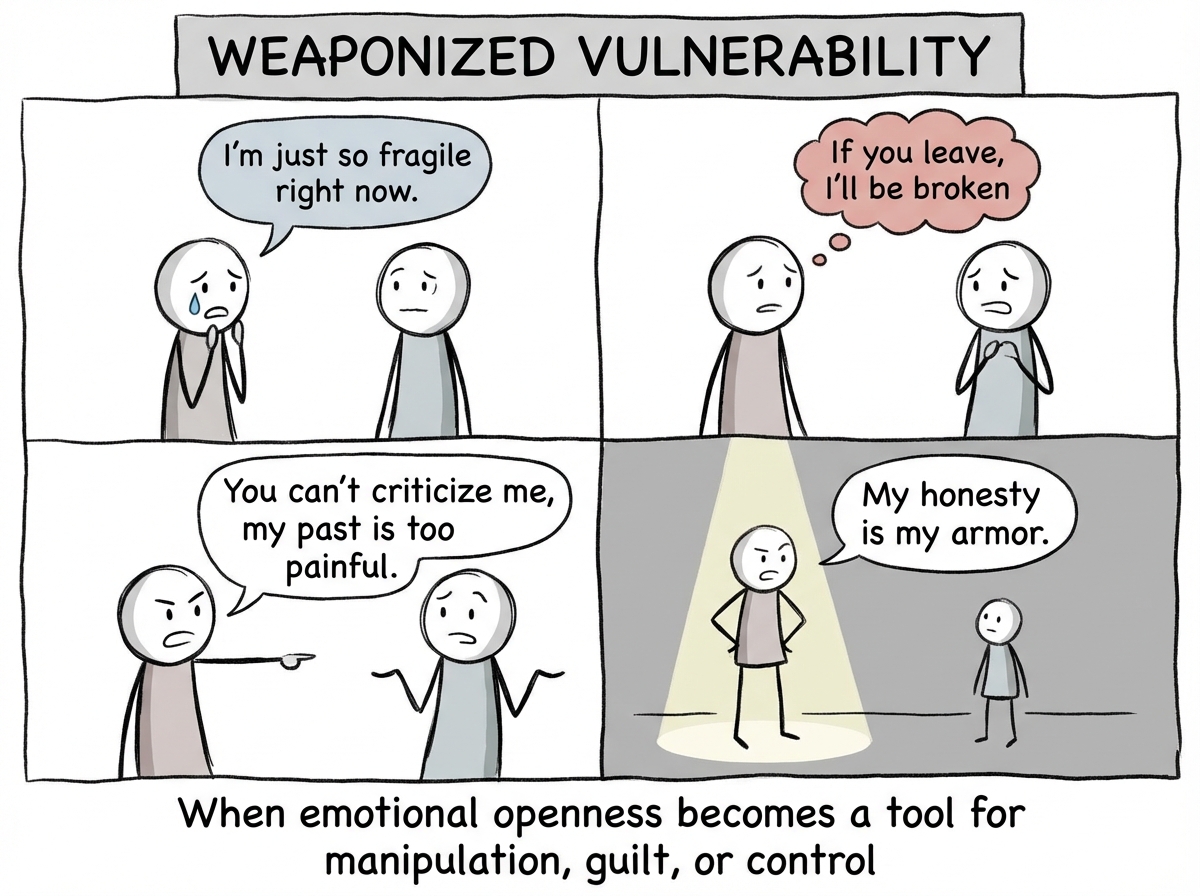
Vulnerability is supposed to be the foundation of deep connection. Brene Brown's research made it mainstream -- the idea that showing your soft underbelly is courageous and necessary for intimacy. But what happens when someone learns the language of vulnerability and uses it as a weapon? Weaponized vulnerability is when emotional openness is deployed strategically -- not to connect, but to manipulate. It sounds like 'I guess I am just too sensitive for you' after you set a boundary, or 'I opened up to you and this is how you treat me' when you try to hold them accountable. The person positions themselves as the wounded party in every conflict, making it impossible for you to address real issues without feeling like a monster. This is particularly insidious because it hijacks therapeutic language. It makes you doubt your own perceptions -- after all, aren't you supposed to be supportive when someone is being vulnerable? The key distinction is intent and pattern. Genuine vulnerability invites connection and does not demand a specific response. Weaponized vulnerability creates obligation and punishes you for not responding the right way.
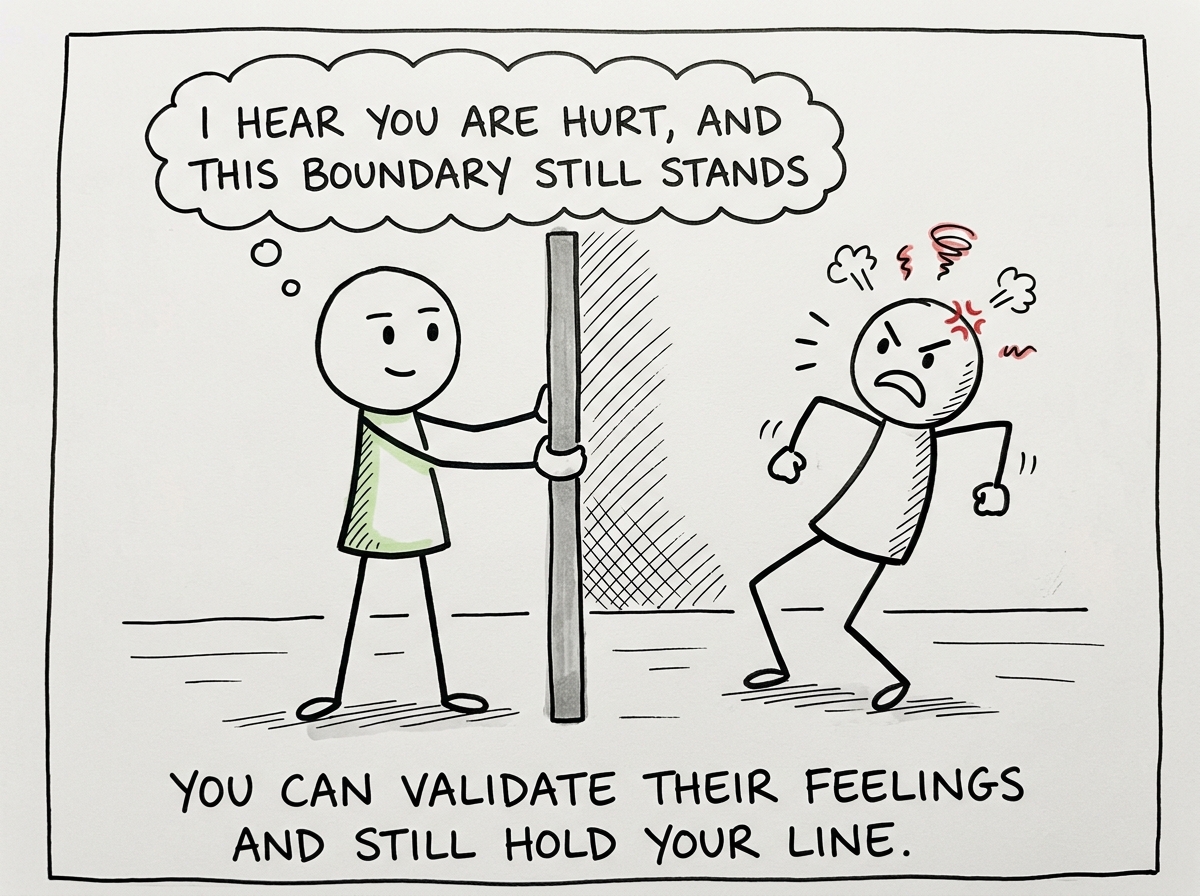
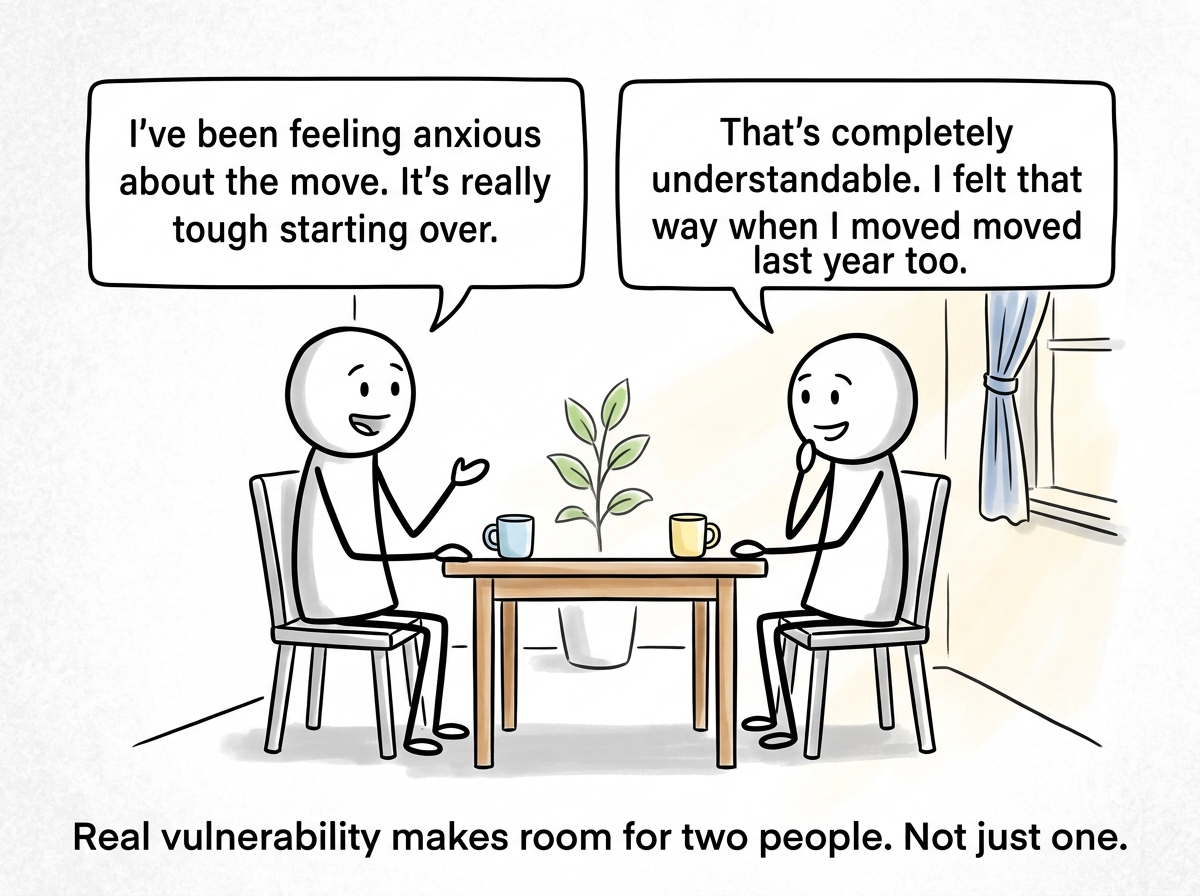
Genuine vulnerability invites connection and tolerates discomfort -- weaponized vulnerability creates obligation and punishes honesty.
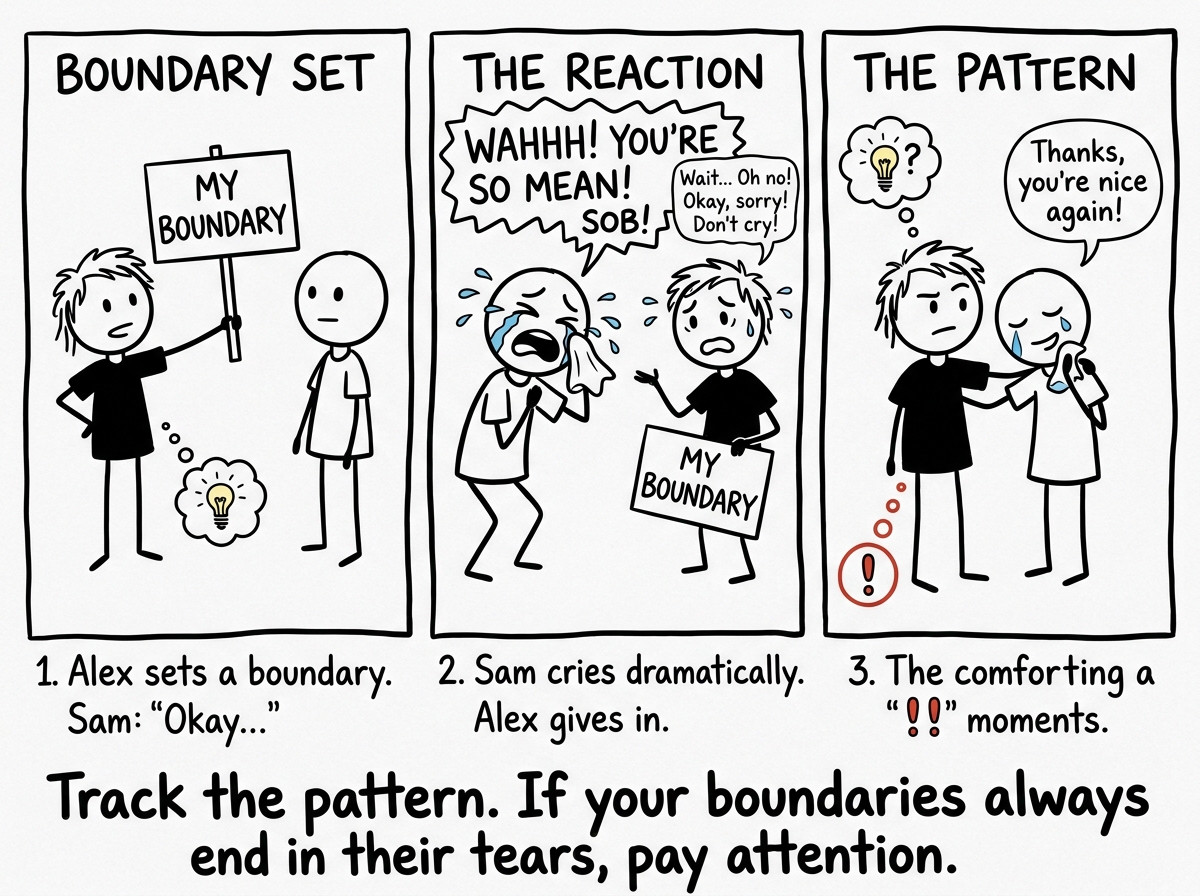
Someone sets a healthy boundary and their partner responds by crying about how hurt they are, flipping the situation so the boundary-setter ends up apologizing.
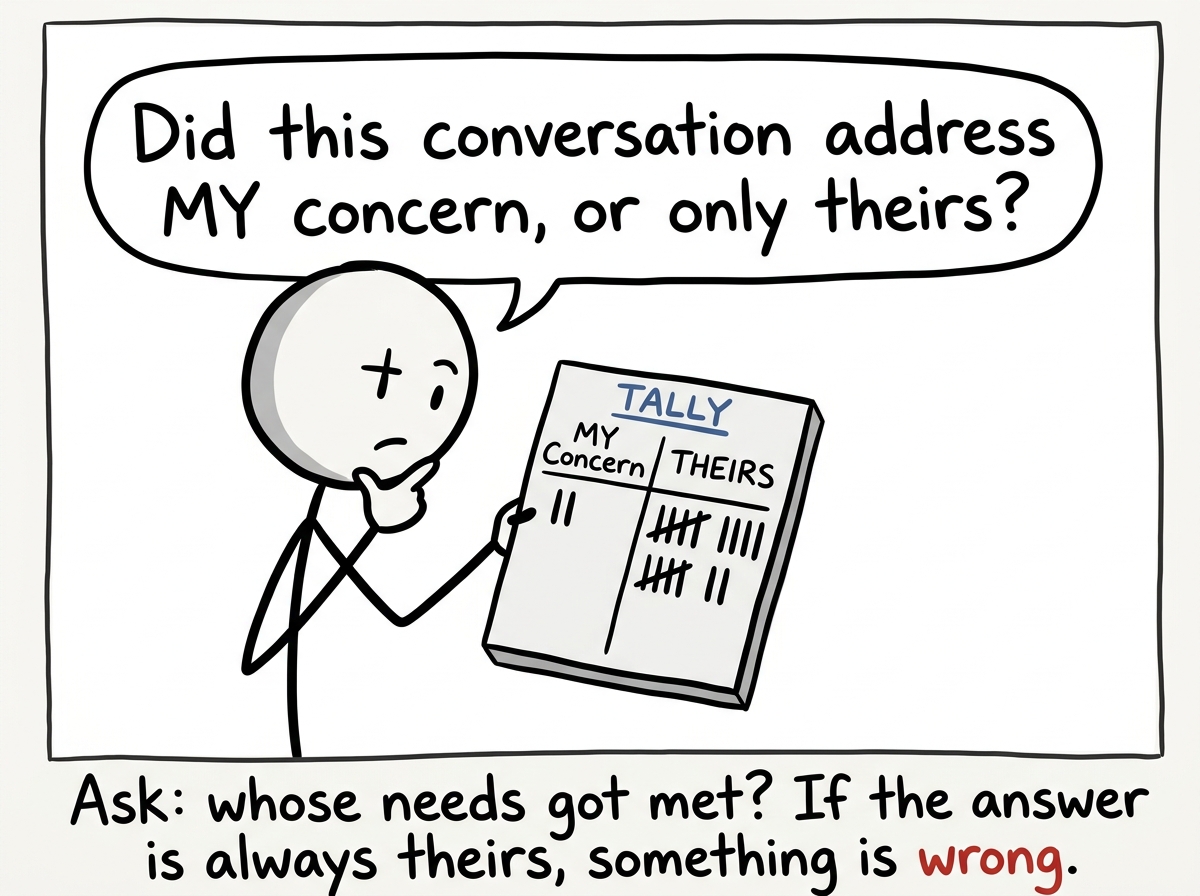
Someone uses perfectly crafted therapy language to deflect accountability, turning every confrontation into a lecture about how their partner is not honoring their emotional needs.