6 steps
Guide to Shifting from Fixed to Growth Mindset
Retrain your brain to see ability as something you build through effort, so failure becomes useful and challenges become interesting instead of threatening.

Carol Dweck's research on whether you believe your abilities can change -- and why it matters.
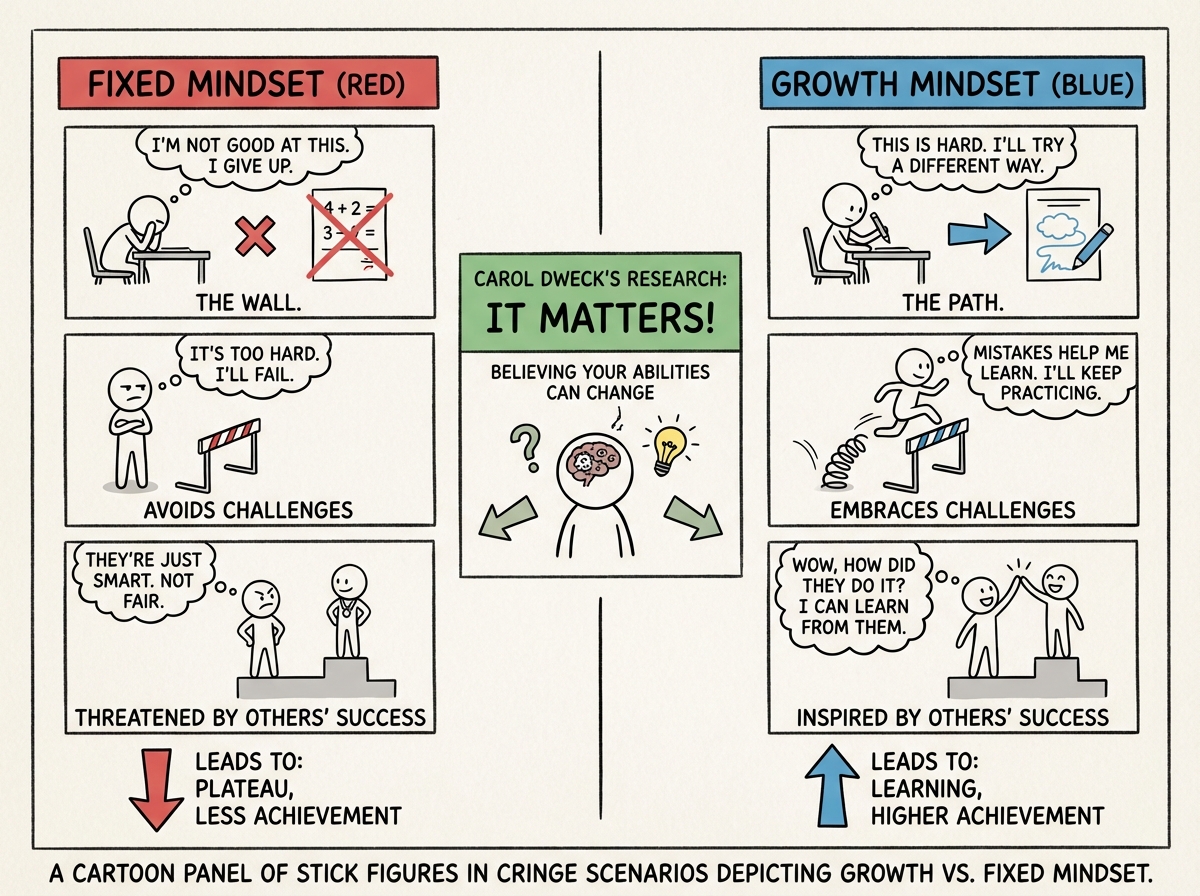
Stanford psychologist Carol Dweck spent decades studying how people think about their own abilities, and she found that people generally fall into one of two camps. Those with a fixed mindset believe their intelligence, talent, and personality are static traits -- you either have it or you do not. Those with a growth mindset believe abilities can be developed through effort, strategy, and learning from failure. This distinction sounds simple, but it has profound consequences. A fixed mindset makes you avoid challenges because failure feels like proof that you are not good enough. A growth mindset lets you embrace challenges because failure is just information about what to try next. The fixed mindset whispers 'if you have to try hard, you must not be talented.' The growth mindset says 'effort is how talent gets built.' What makes Dweck's work especially powerful is that mindset is not a permanent trait -- it is a belief system you can change. You likely have a growth mindset in some areas of your life and a fixed mindset in others. The goal is not to be relentlessly positive but to notice when the fixed mindset shows up and consciously choose a different response.
You can shift from a fixed mindset to a growth mindset by noticing the moment you want to quit and choosing curiosity over certainty.
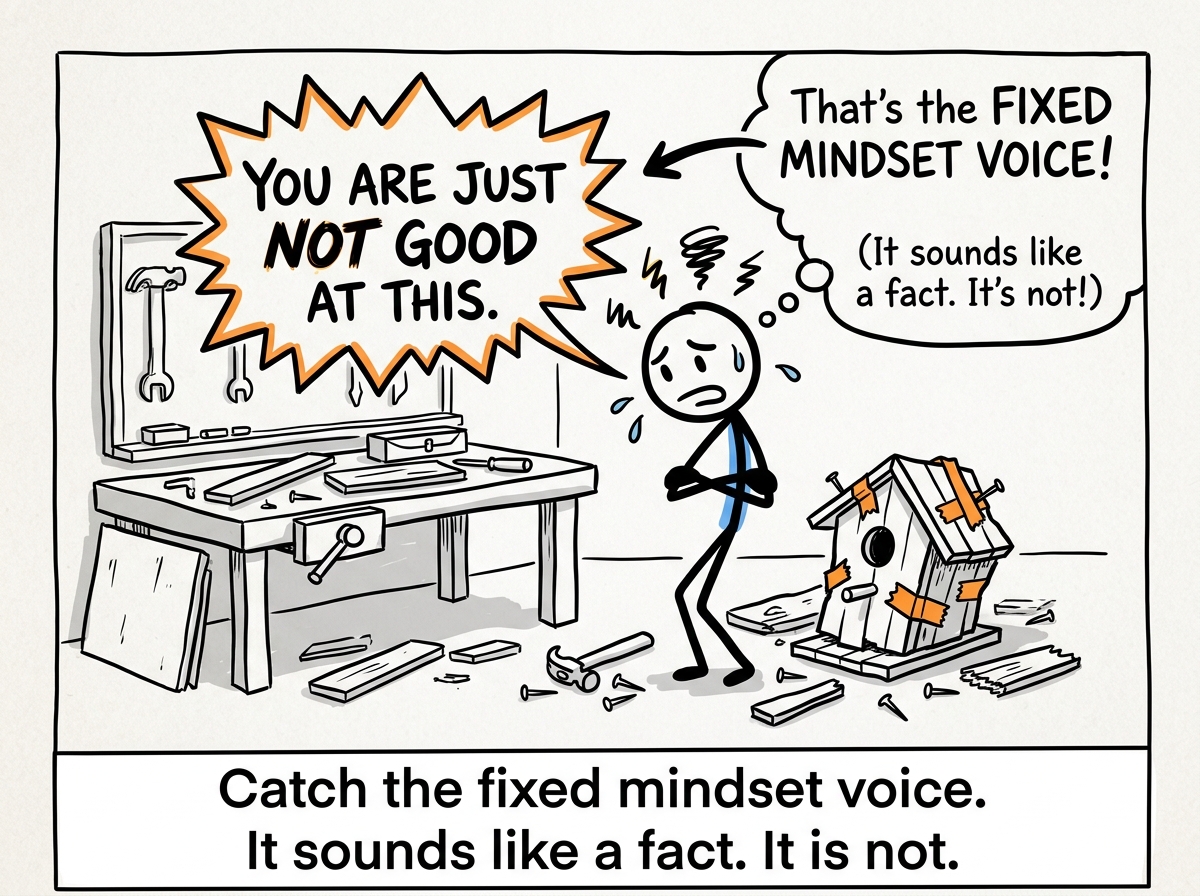
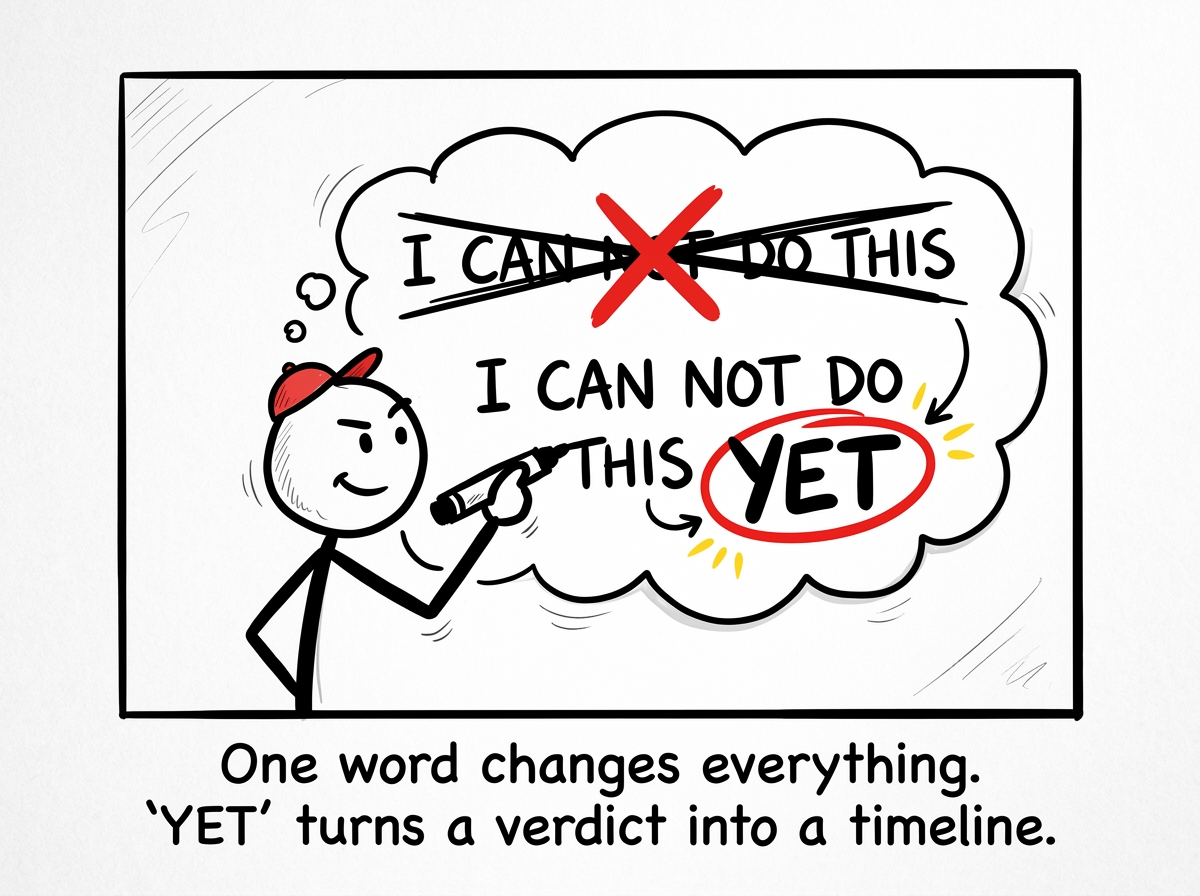
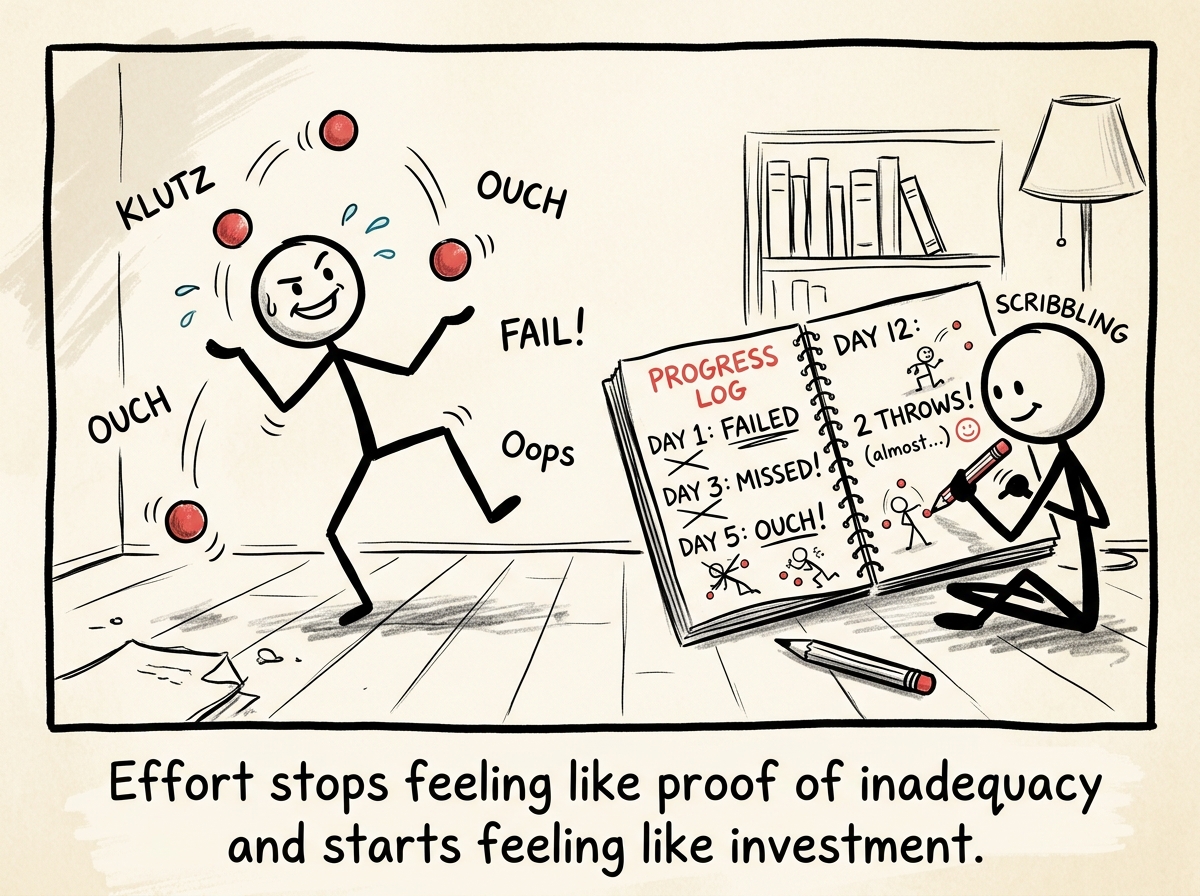
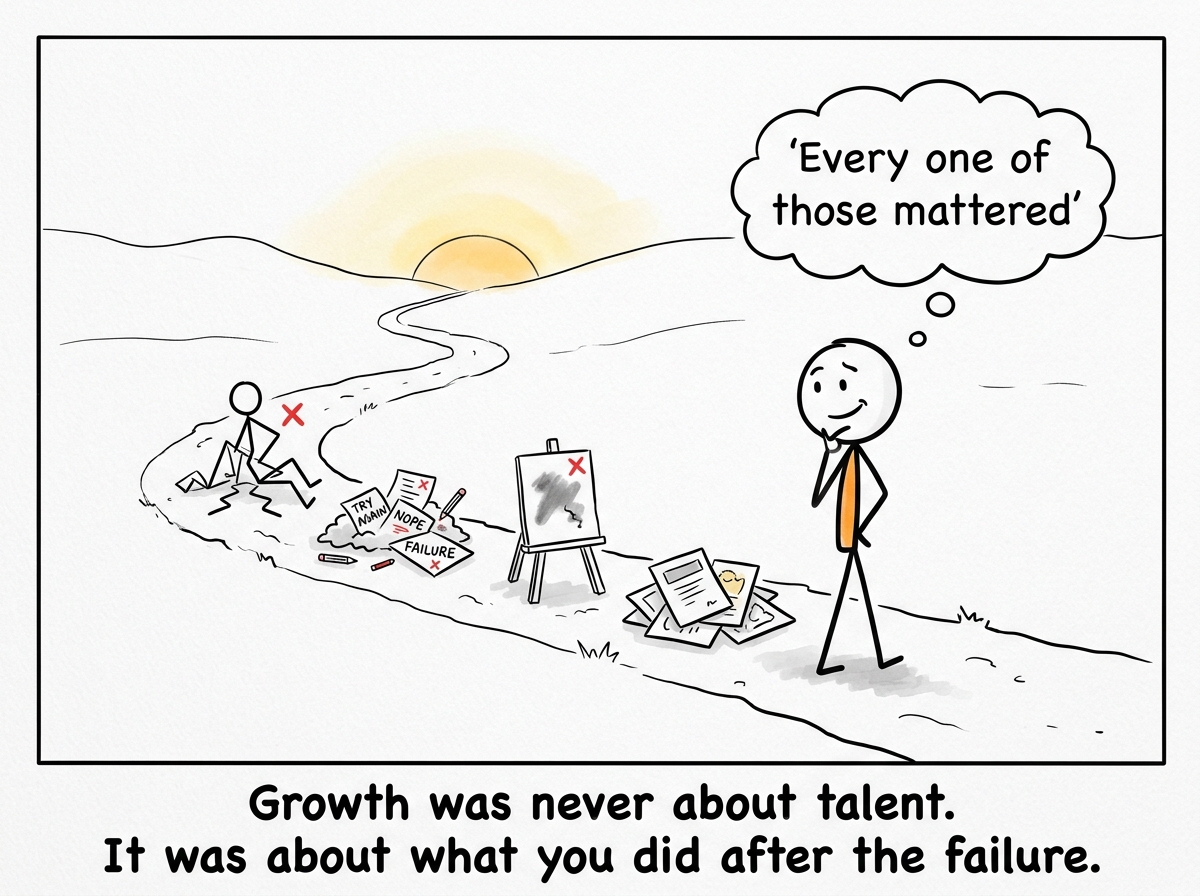
Someone quits a new hobby after one bad attempt because they believe real talent should not require effort, while their friend who is terrible at it keeps practicing and improves.
A person reacts to constructive feedback as if it is a personal attack because their fixed mindset makes criticism feel like a permanent verdict on who they are.