The Meeting That Should Have Been a Conversation
A manager schedules a 12-person meeting to address an issue that required a 10-minute conversation with one person -- because the direct conversation felt too uncomfortable to have.

Why the way a manager communicates determines whether a team thrives, survives, or quietly falls apart.
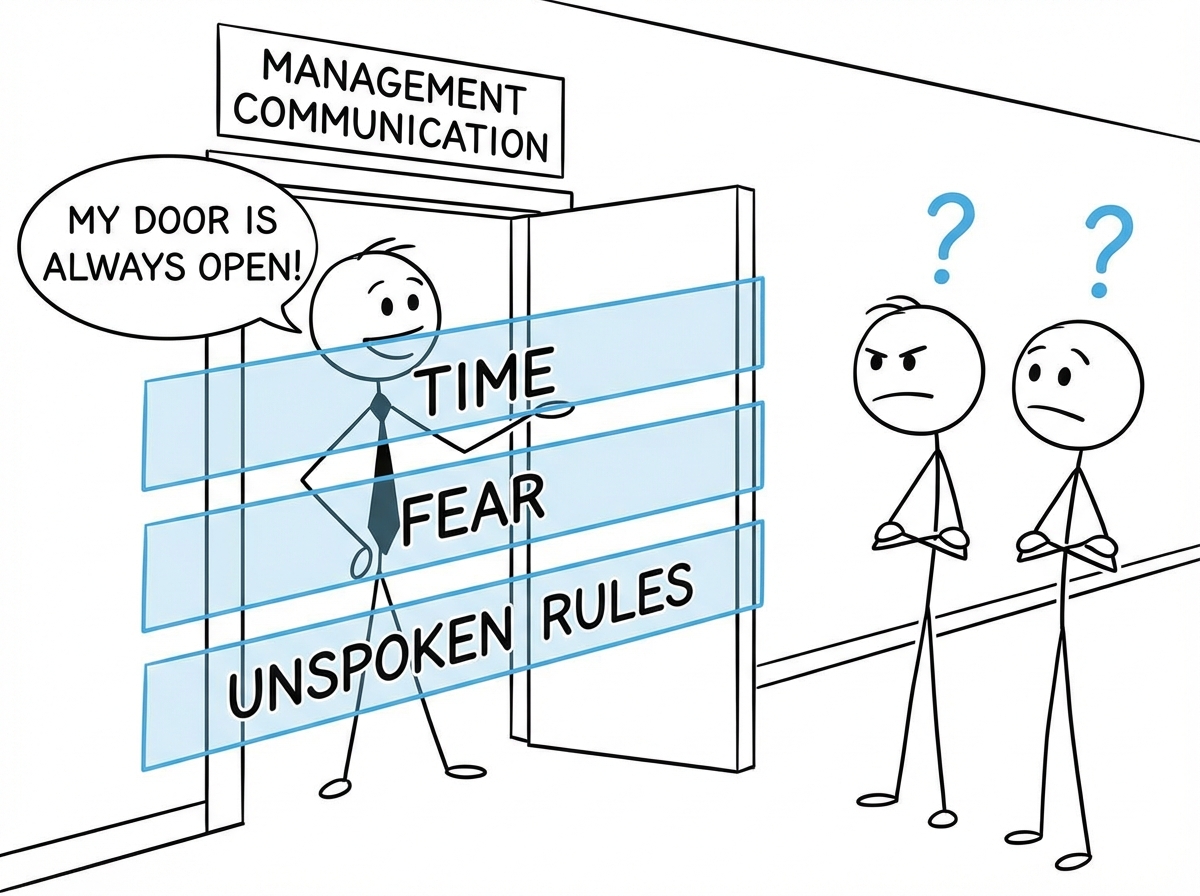
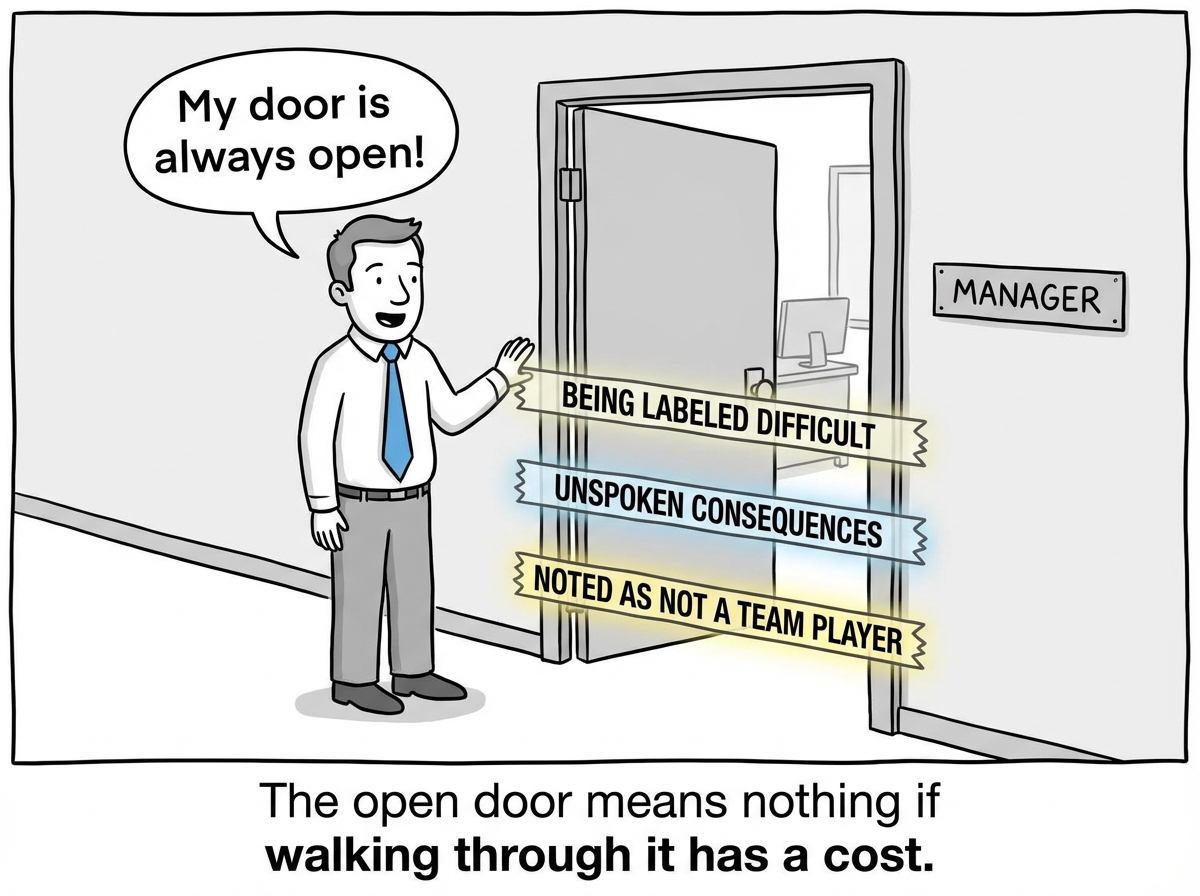
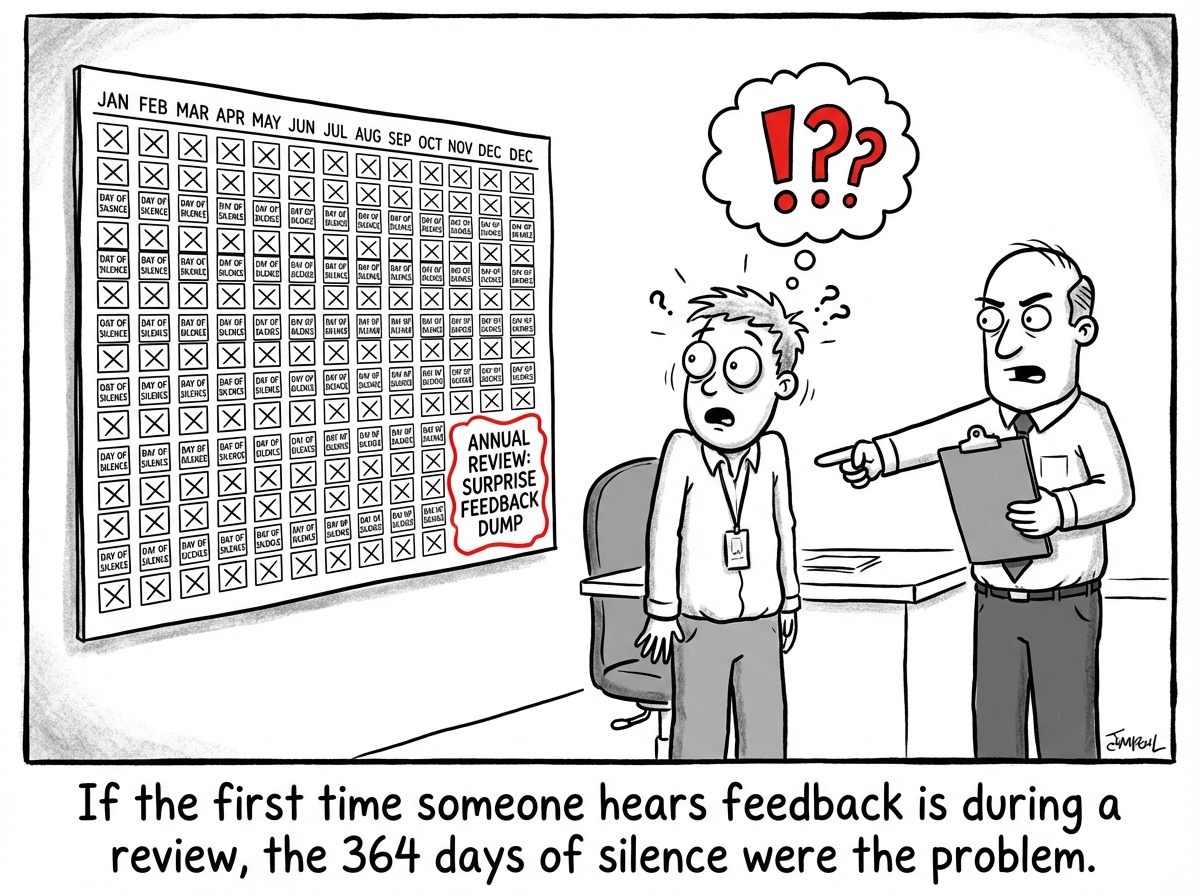
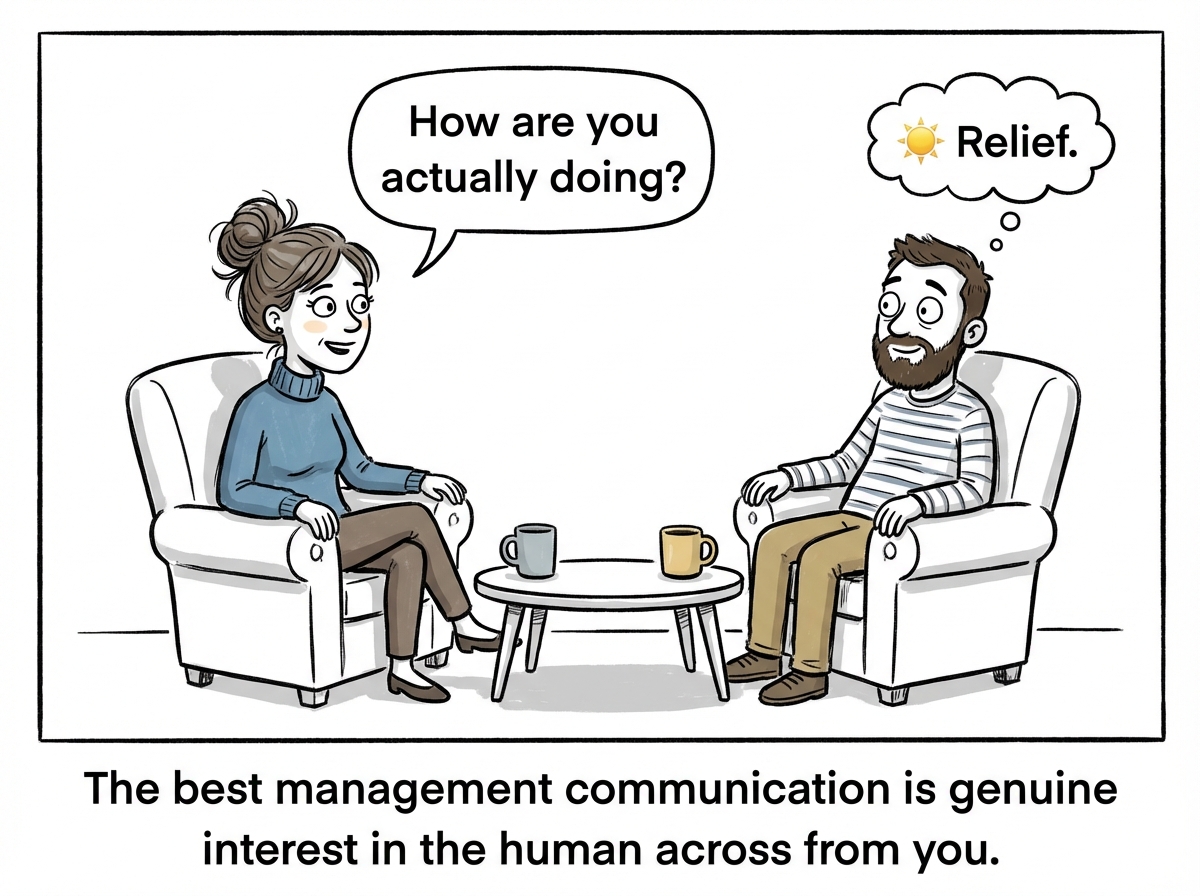
The single biggest factor in whether people stay at a job, perform well, or burn out is not the work itself -- it is their relationship with their manager. And that relationship is built almost entirely on communication. Gallup's research consistently finds that managers account for at least 70 percent of the variance in employee engagement. Google's Project Oxygen identified the top behaviors of effective managers, and nearly all of them are communication skills: being a good coach, empowering the team, expressing interest in team members' wellbeing, listening actively, sharing information, and having career development conversations. Yet most managers are promoted for technical competence and given almost no training in how to communicate. The result is a predictable set of communication failures: feedback that only comes during annual reviews (too late to be useful), the 'open door policy' that everyone knows is actually closed, the meeting that should have been a direct conversation, the vague delegation that sets people up to fail, and the conflict that gets managed around instead of through. Poor management communication does not just hurt performance -- it becomes part of people's psychological history. The boss who never gave feedback teaches you that silence means disapproval. The manager who said 'my door is always open' but punished honesty teaches you that trust is a trap. These experiences shape how people show up in every workplace that follows.
Most managers were promoted for what they know, not how they communicate. The gap between those two skills is where teams quietly fall apart.
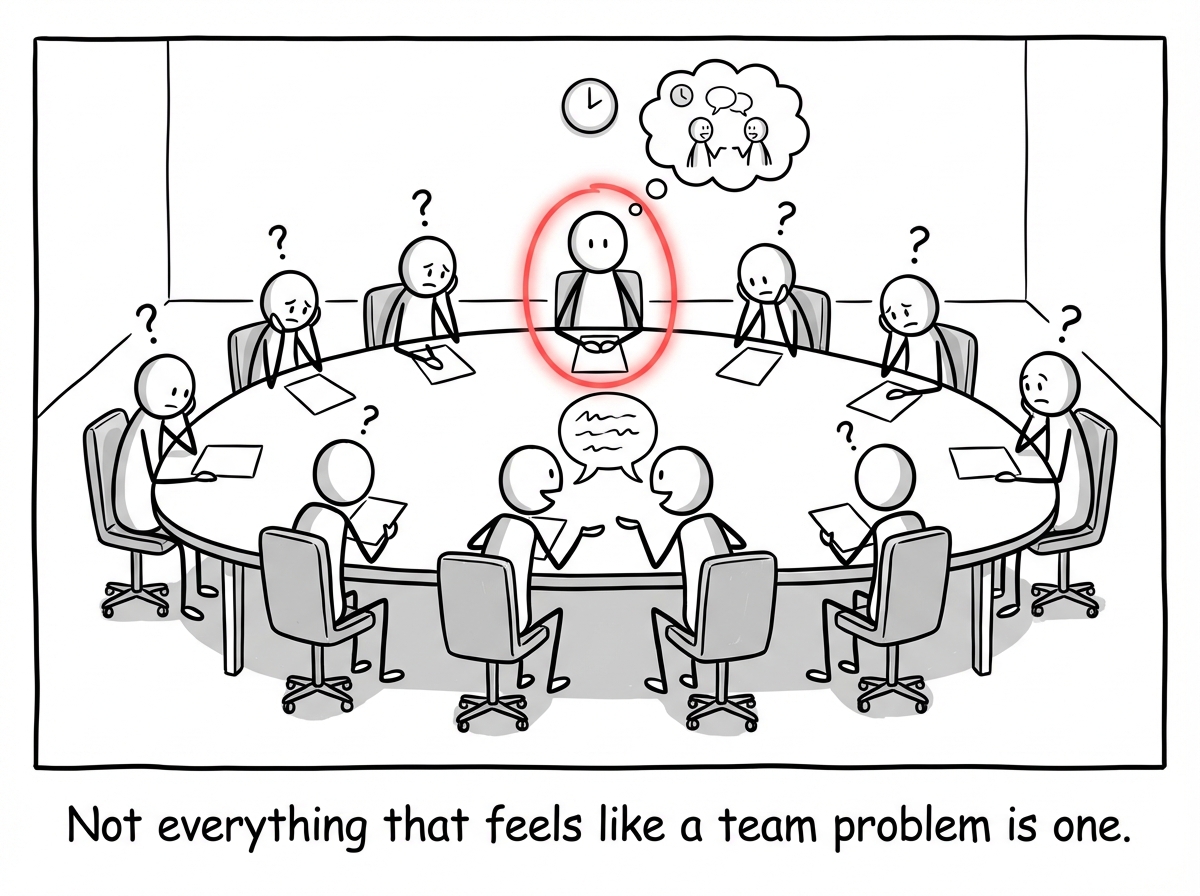
A manager schedules a 12-person meeting to address an issue that required a 10-minute conversation with one person -- because the direct conversation felt too uncomfortable to have.
A manager proudly announces their open door policy, but invisible barriers -- unspoken consequences, being labeled difficult, retaliation -- ensure nobody ever walks through it.