Two Homes, No Home
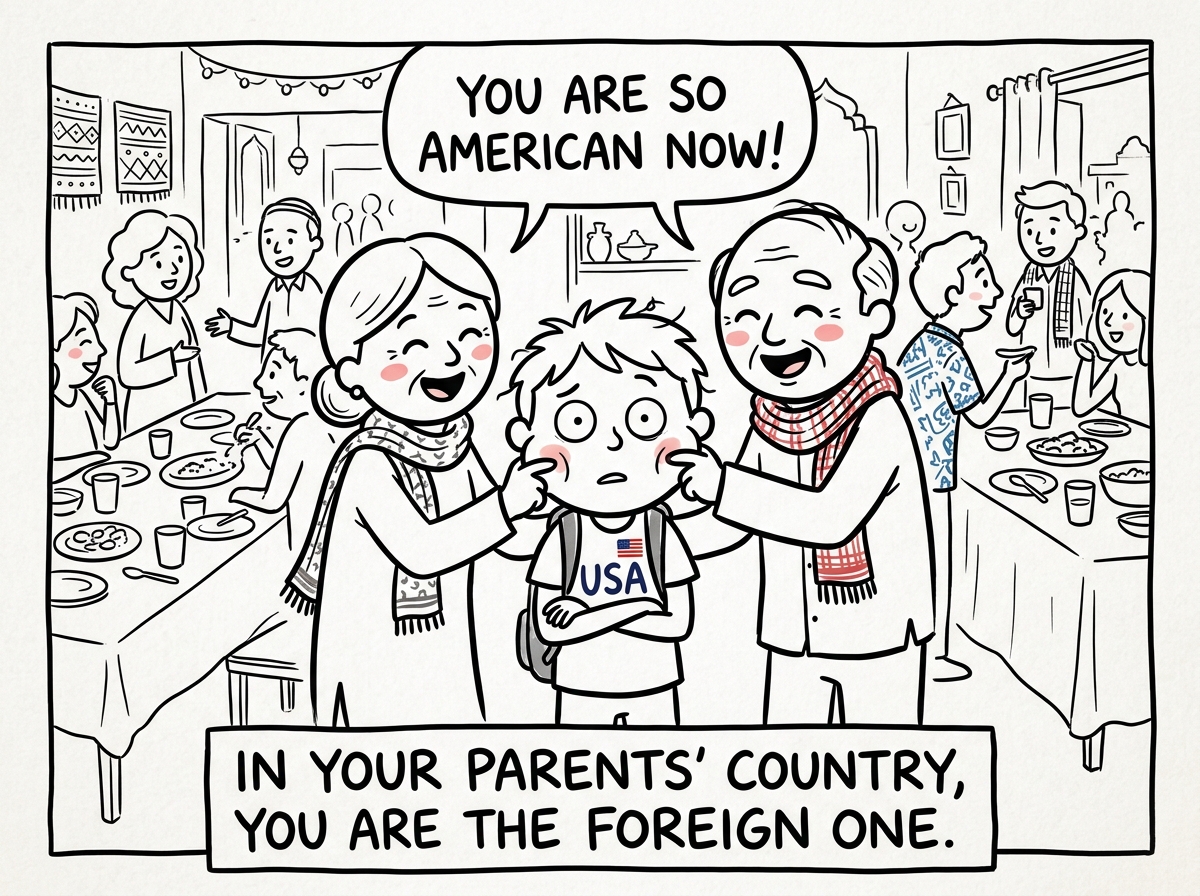
A second-generation immigrant feels like they belong nowhere -- too foreign for here, too changed for there -- while their parent insists they should just be grateful.
Explanation
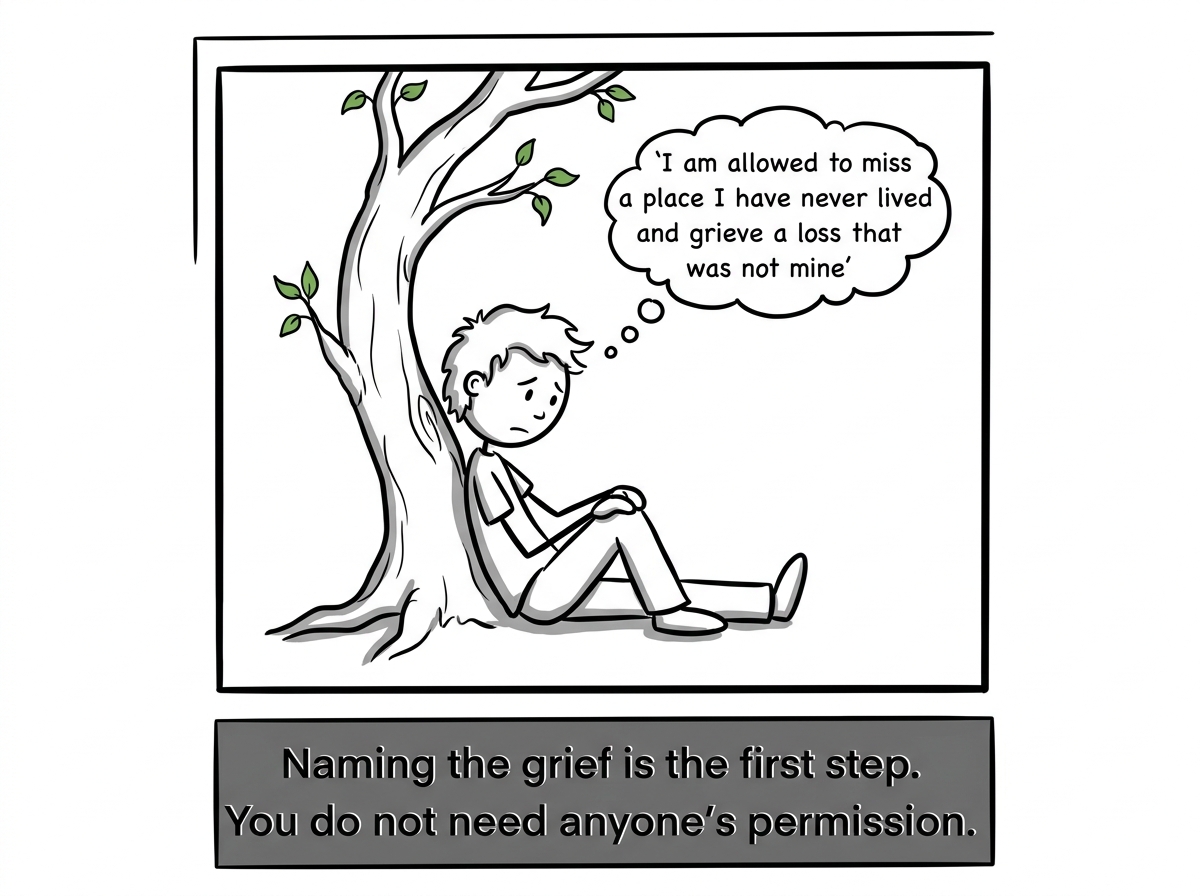
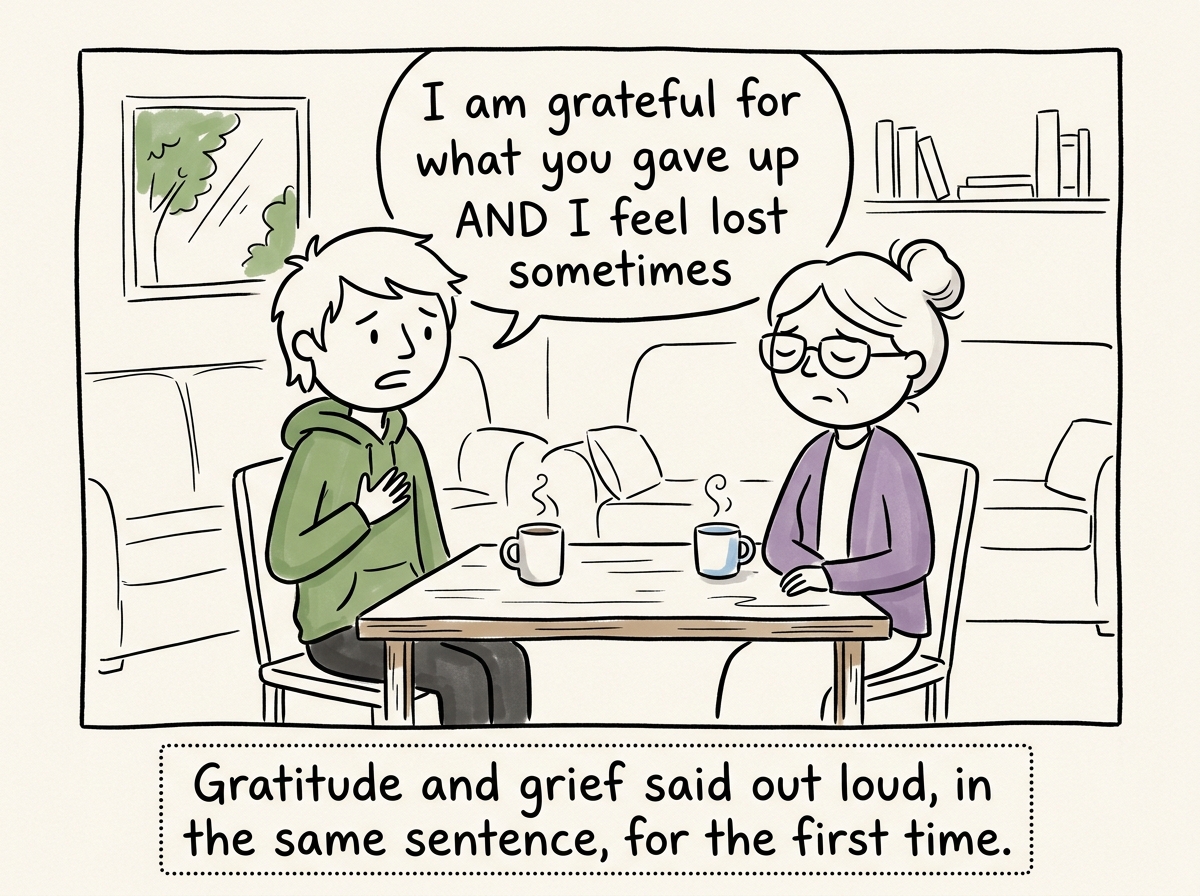
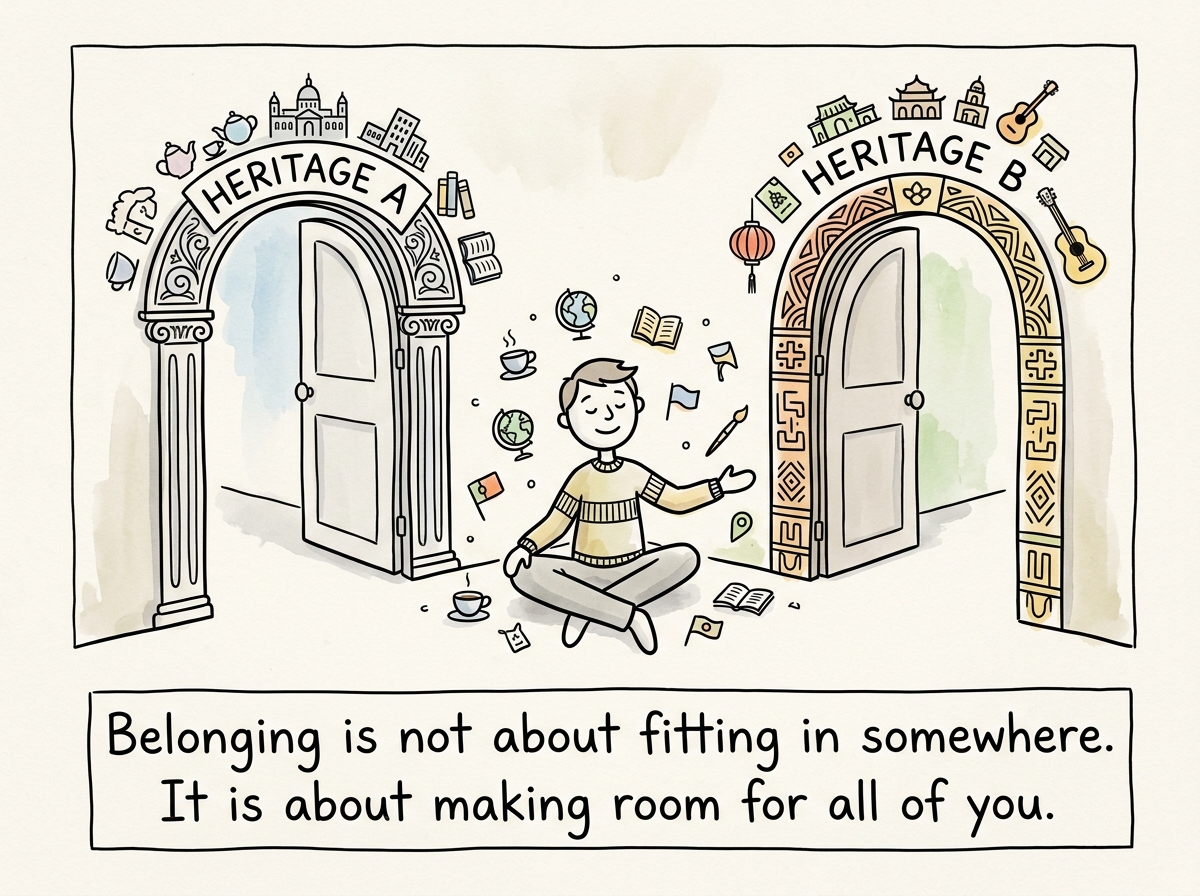
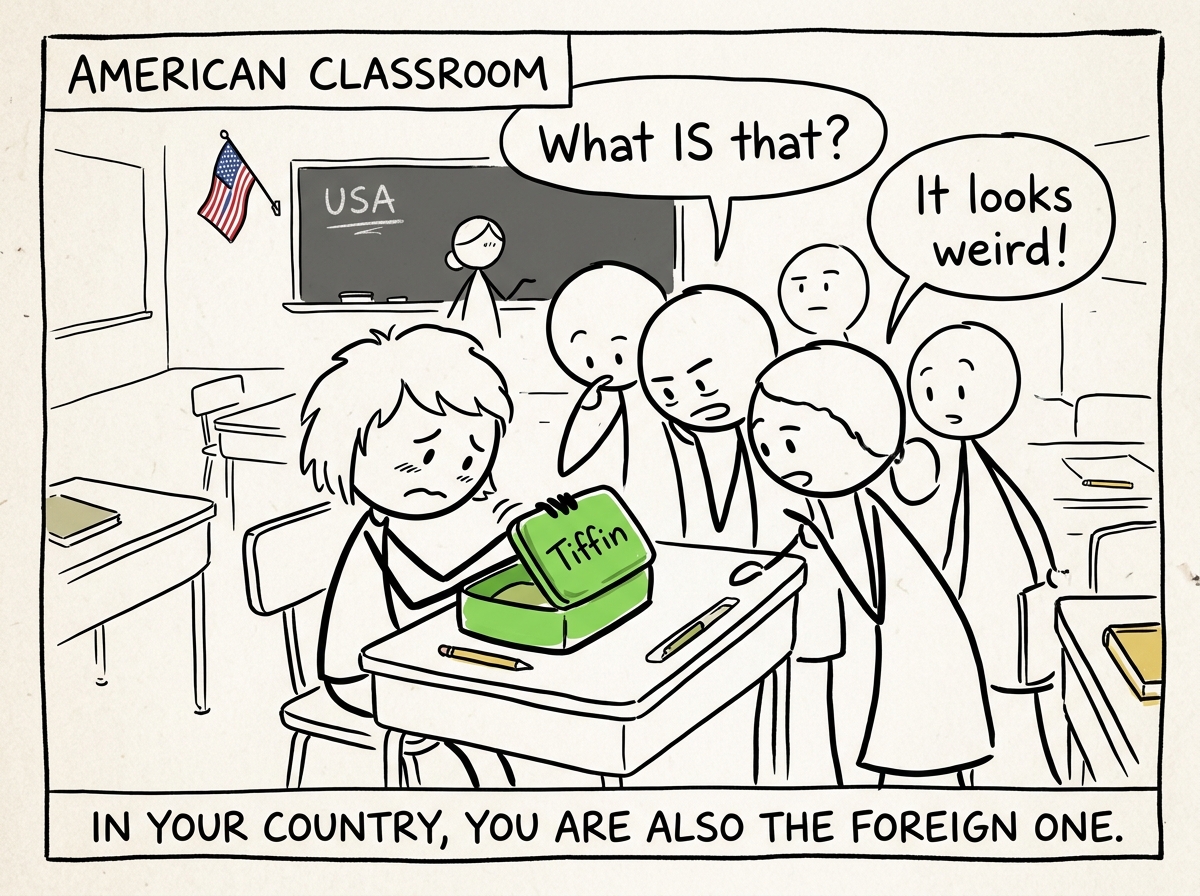
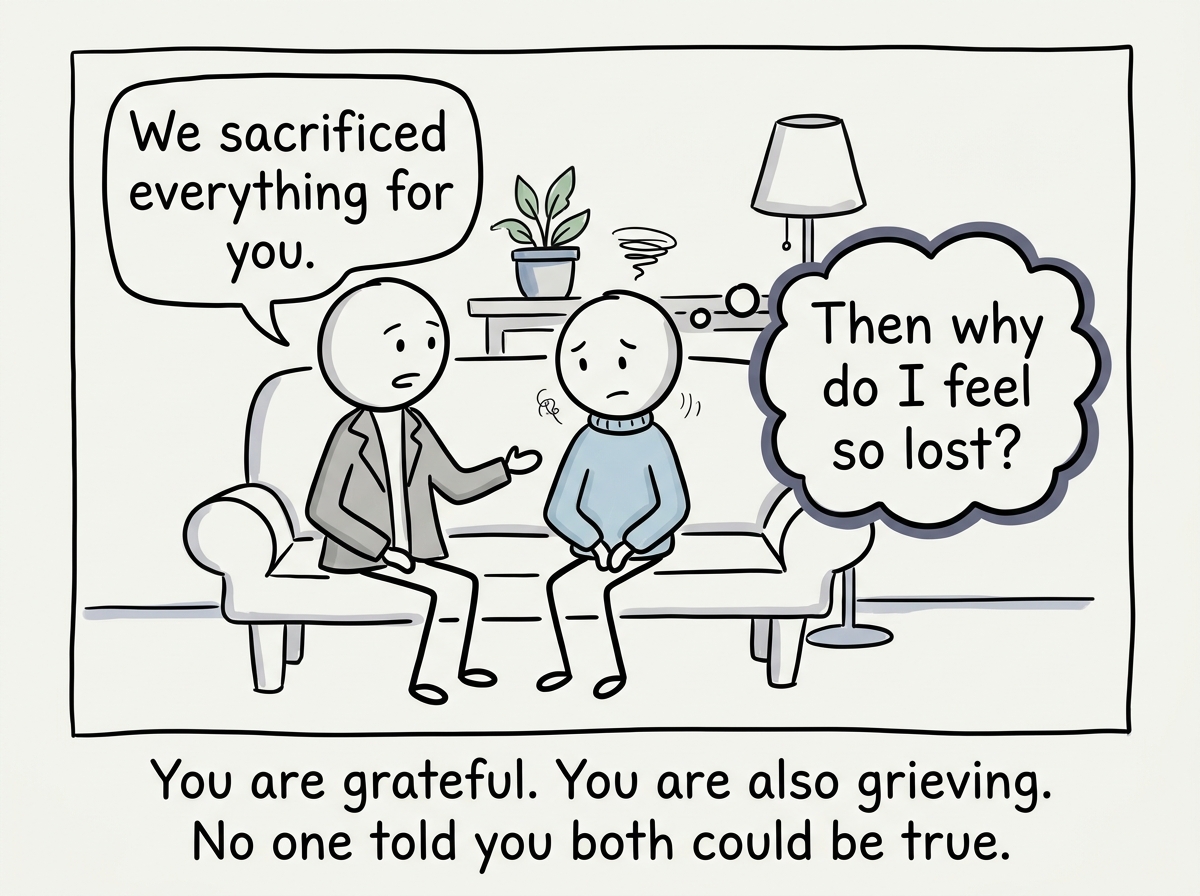
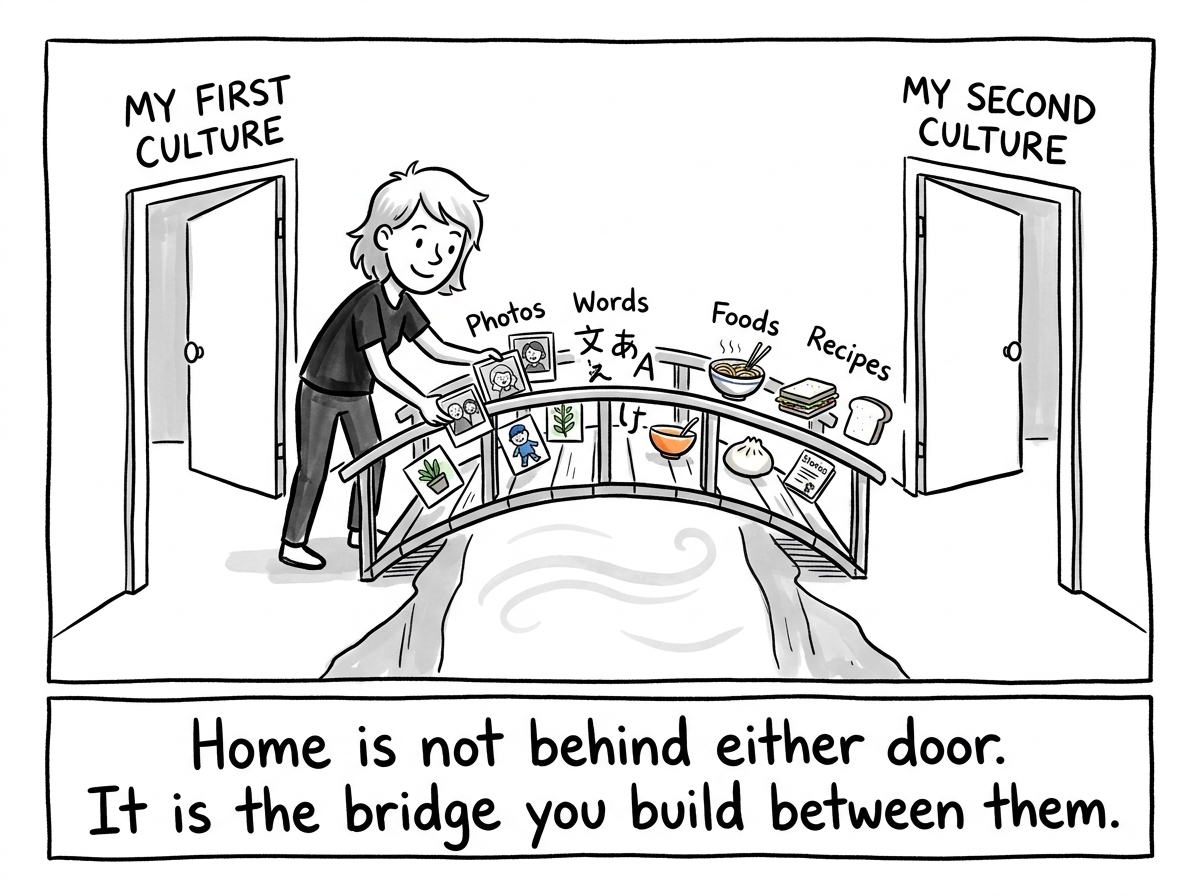
You visit your parents' home country and your cousins say you are too American. You go back to school and your classmates say your lunch smells weird. You exist in the gap between two cultures, fluent in neither one's version of belonging. Your parents tell you to be grateful -- they crossed an ocean so you could have this life. And you are grateful. But gratitude and grief are not mutually exclusive, and no one ever told you that. This is the paradox of second-generation immigration grief. Psychologist Celia Jaes Falicov describes it as a form of ambiguous loss -- the homeland still exists, the family is still connected, but the sense of wholeness is gone. The first generation grieves what they left behind but often suppresses that grief because they chose to leave. The second generation inherits the suppression without the context. They feel a sadness they cannot name, a homesickness for a place they have never lived, and a guilt that whispers they have no right to be struggling when their parents sacrificed so much. The path forward is not choosing one culture over the other -- it is building a third space that holds both. This means giving yourself permission to grieve a loss you did not personally experience, honoring your parents' sacrifice without using it as a reason to silence your own pain, and recognizing that feeling split between two worlds is not a failure of integration. It is the natural, painful, and ultimately creative work of being a bridge between generations.
Key Takeaway
You can honor the sacrifice and mourn the cost at the same time -- gratitude and grief are not opposites.