The Language You Lost
A second-generation person realizes they can no longer fully communicate with their grandparent because they lost the mother tongue, and nobody planned for it to happen.

The invisible mourning that immigrant families carry across borders and generations.
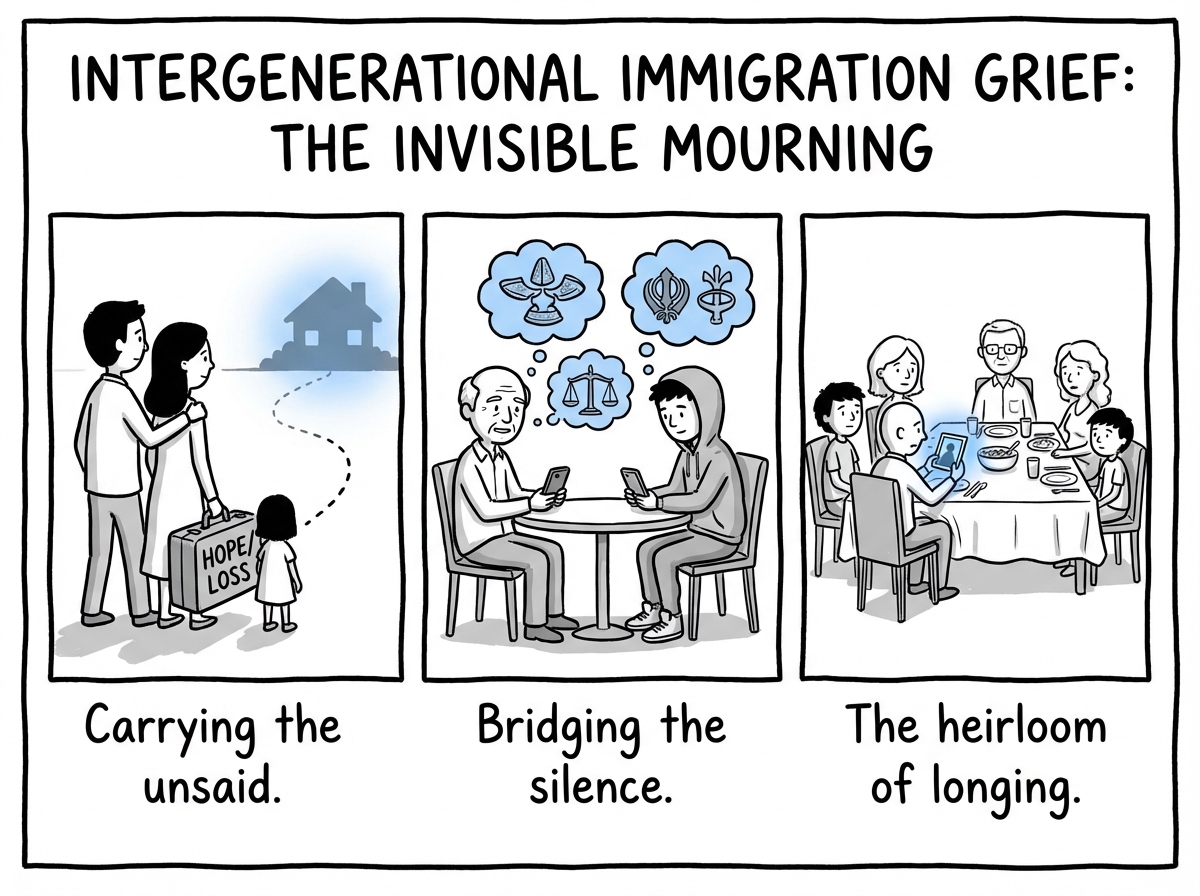
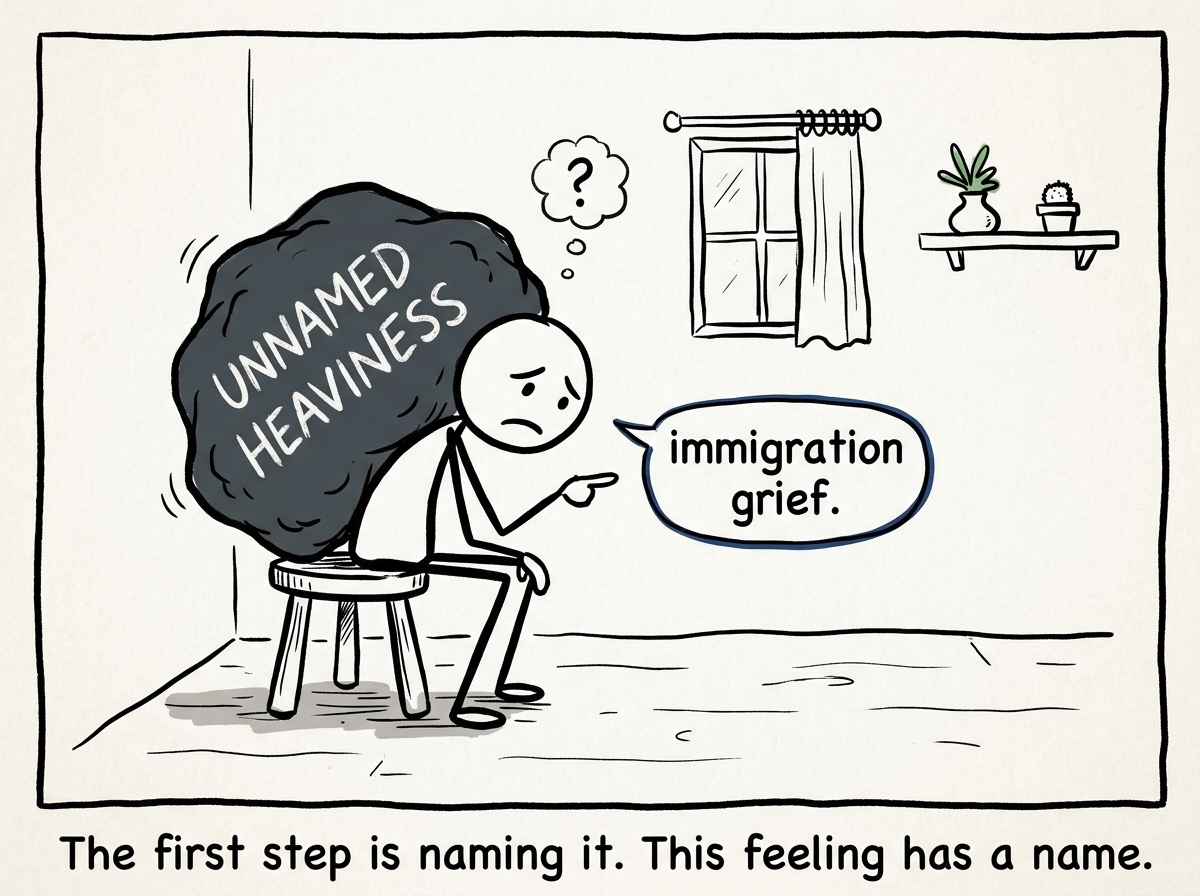
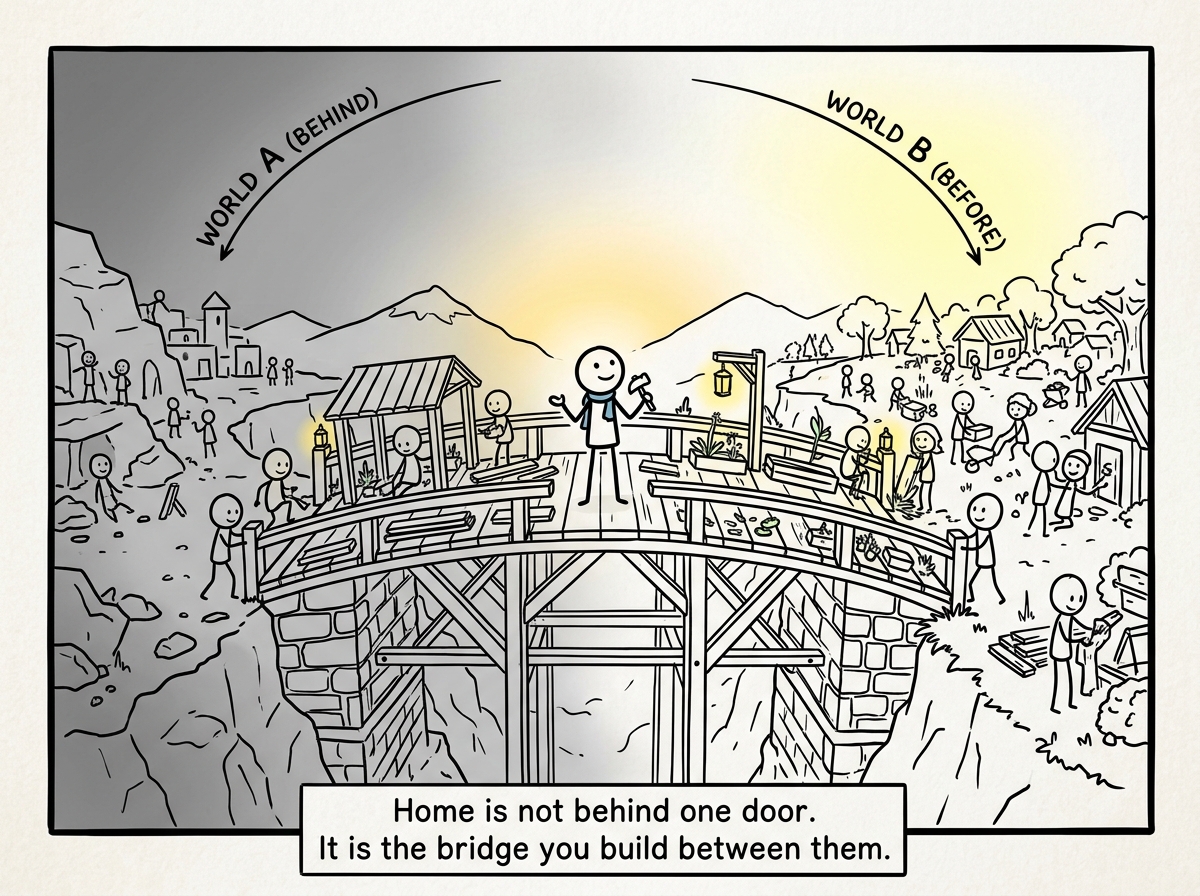
Immigration is often framed as a success story -- a brave leap toward a better life. But beneath that narrative lives a quieter, more complicated truth: immigration is also a profound loss. You lose your language as it was spoken, your food as it tasted, your relationships as they functioned, and sometimes your entire sense of who you are. Psychologists call this cultural bereavement -- the grief of losing your homeland, your social role, and the version of yourself that made sense in the place you left behind. What makes this grief intergenerational is that it does not stop with the person who crossed the border. The first generation carries the loss silently, often believing they have no right to grieve because they chose to leave. The second generation inherits that silence -- they grow up sensing something heavy in the house but never being told what it is. They may feel guilt for wanting things their parents sacrificed for, or shame for not being grateful enough. By the third generation, the grief has become invisible but still active, showing up as a vague sense of not belonging anywhere. Researchers like Celia Jaes Falicov have written extensively about how migration grief is ambiguous -- the homeland still exists, the family still calls, but nothing is the same. Understanding intergenerational immigration grief matters because it names a pain that millions of people carry but few are given permission to feel. You are allowed to honor the sacrifice and mourn the cost at the same time.
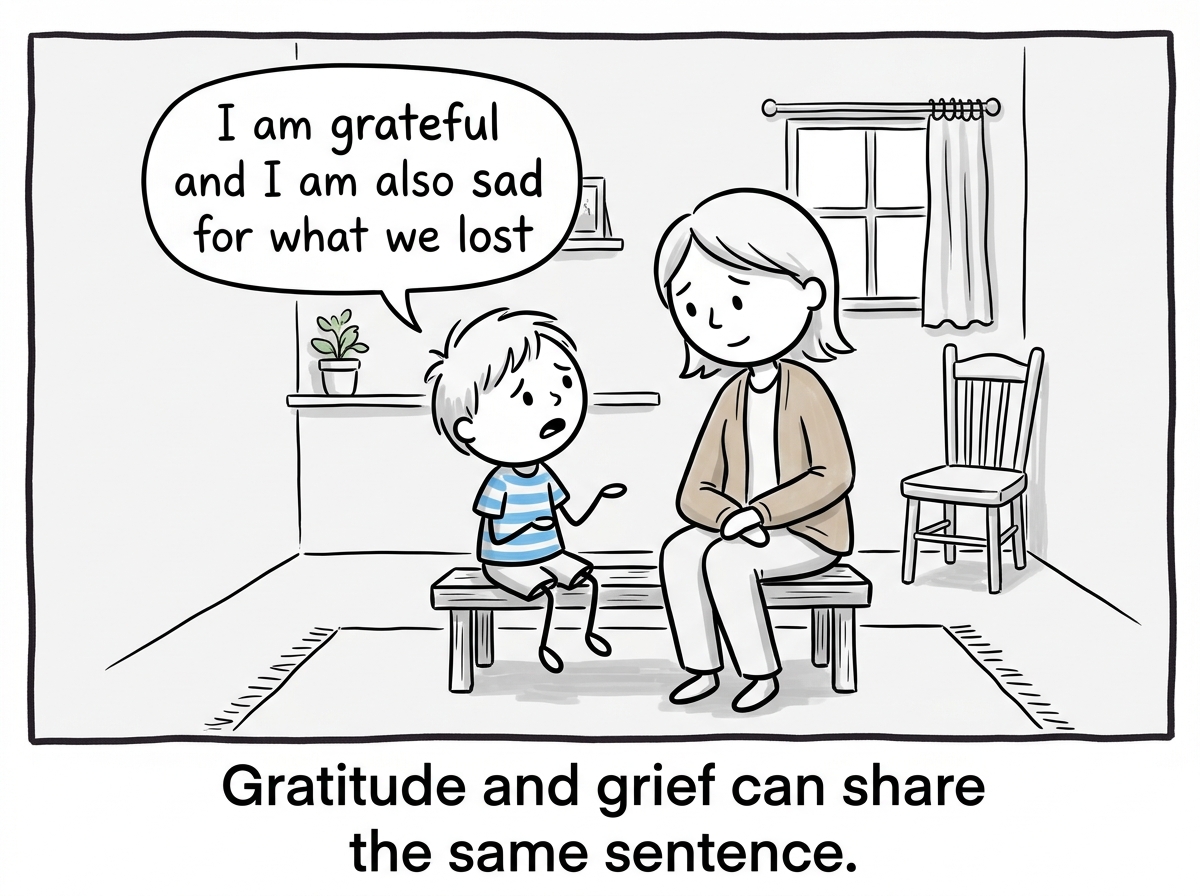
You are allowed to honor the sacrifice and mourn the cost at the same time -- gratitude and grief are not opposites.
A second-generation person realizes they can no longer fully communicate with their grandparent because they lost the mother tongue, and nobody planned for it to happen.
A second-generation immigrant feels like they belong nowhere -- too foreign for here, too changed for there -- while their parent insists they should just be grateful.