Imposter Syndrome: The Promotion Panic
Part of the The Imposter Within series (Part 2)

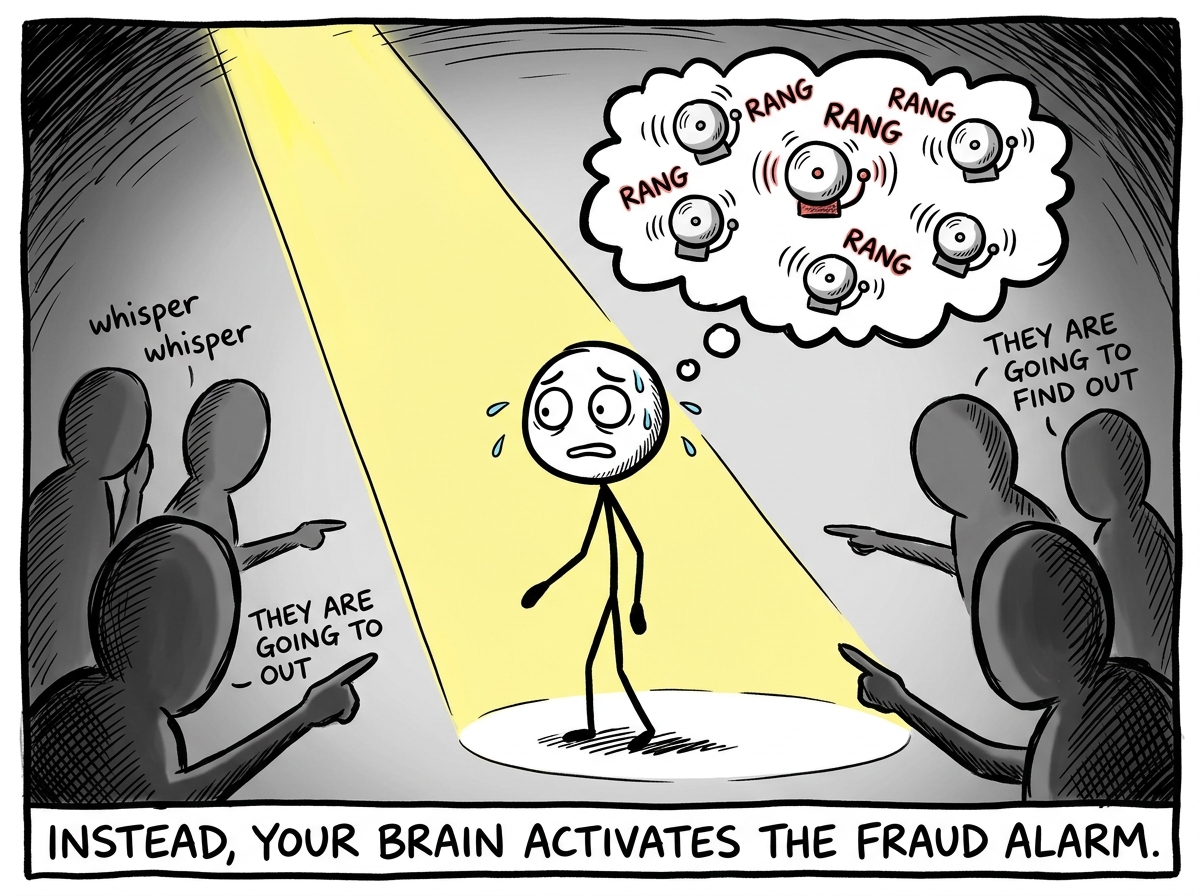

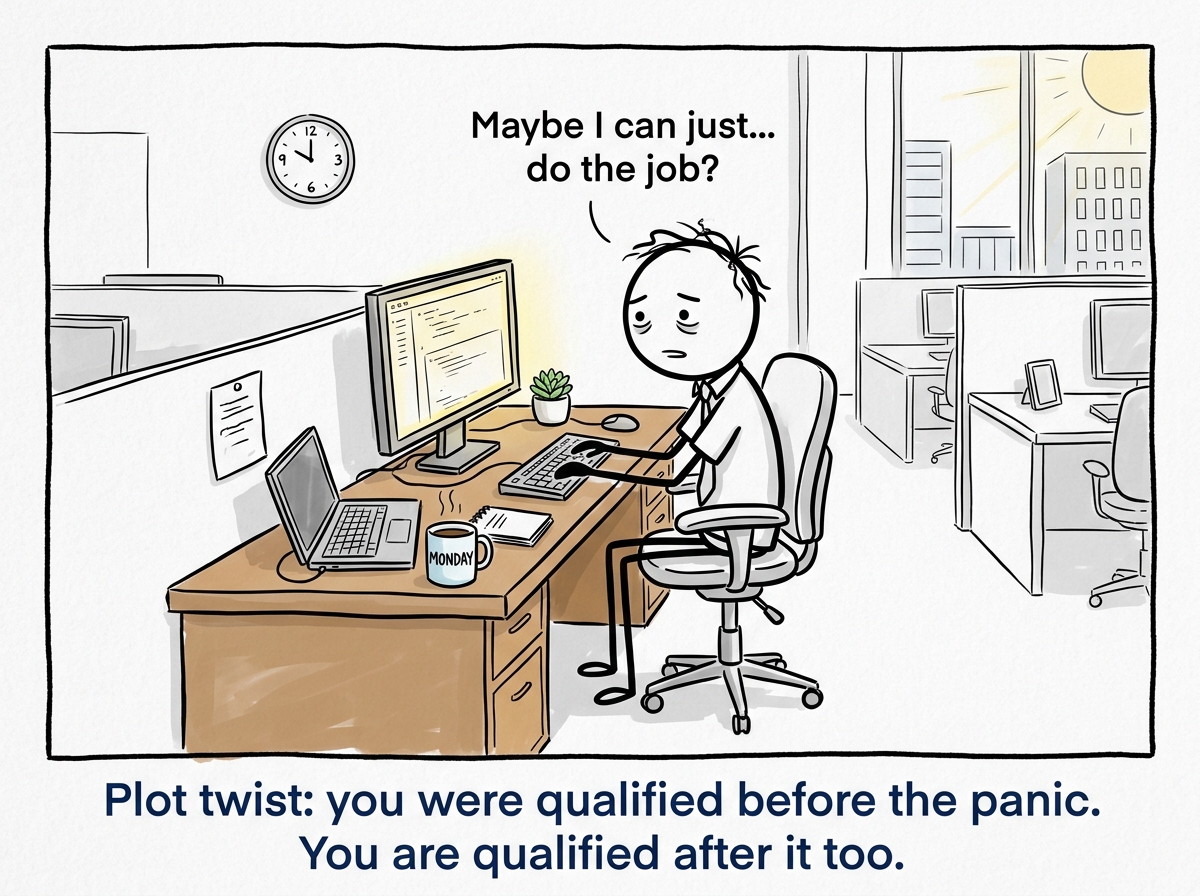
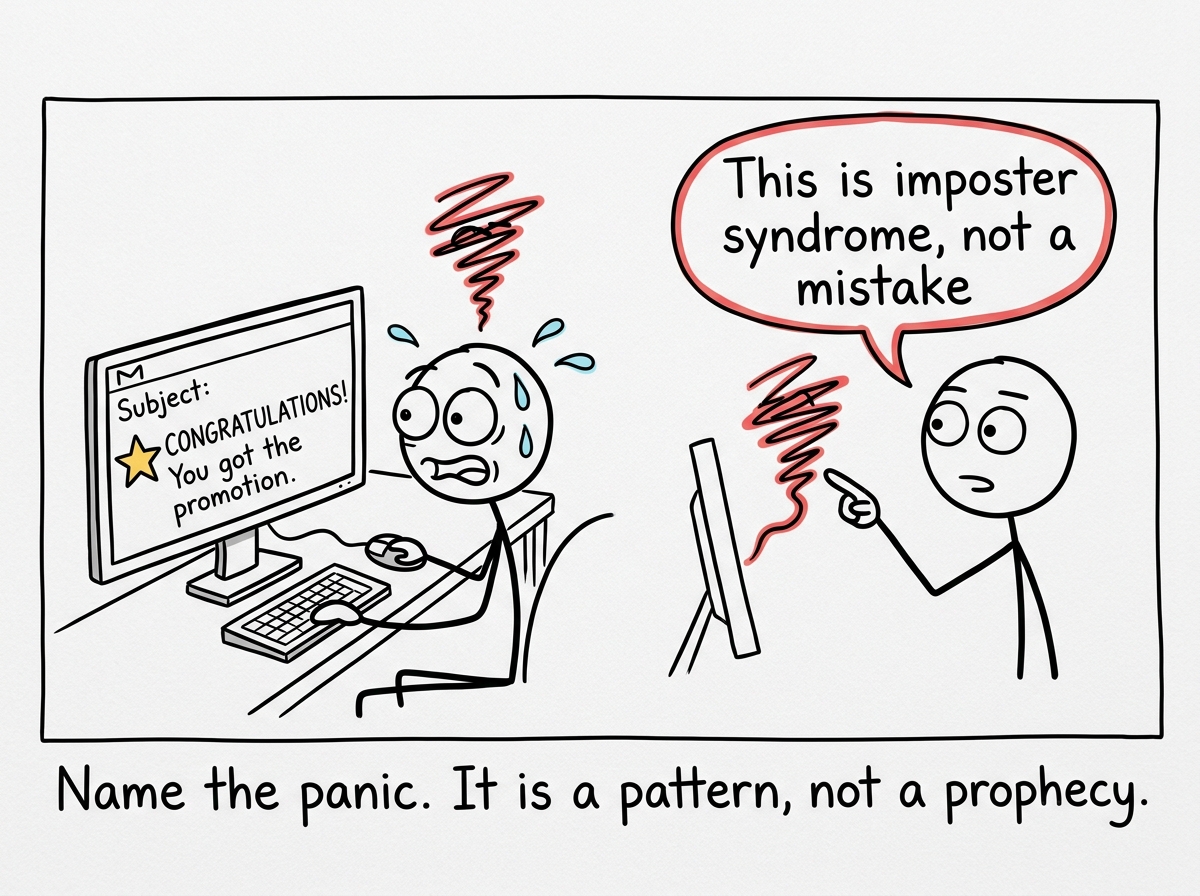
A person gets promoted and immediately assumes it was a mistake, spiraling into panic that everyone will now discover they have been faking it all along.
Explanation
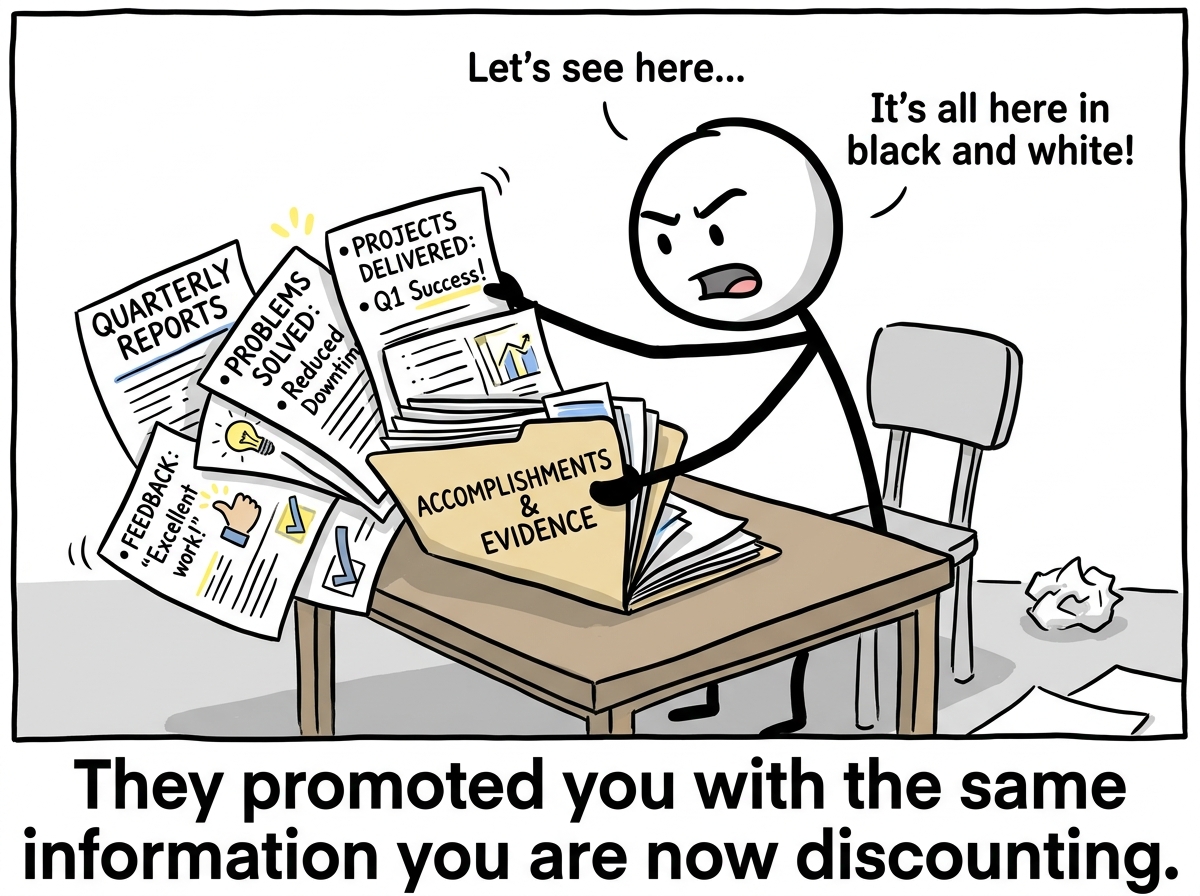
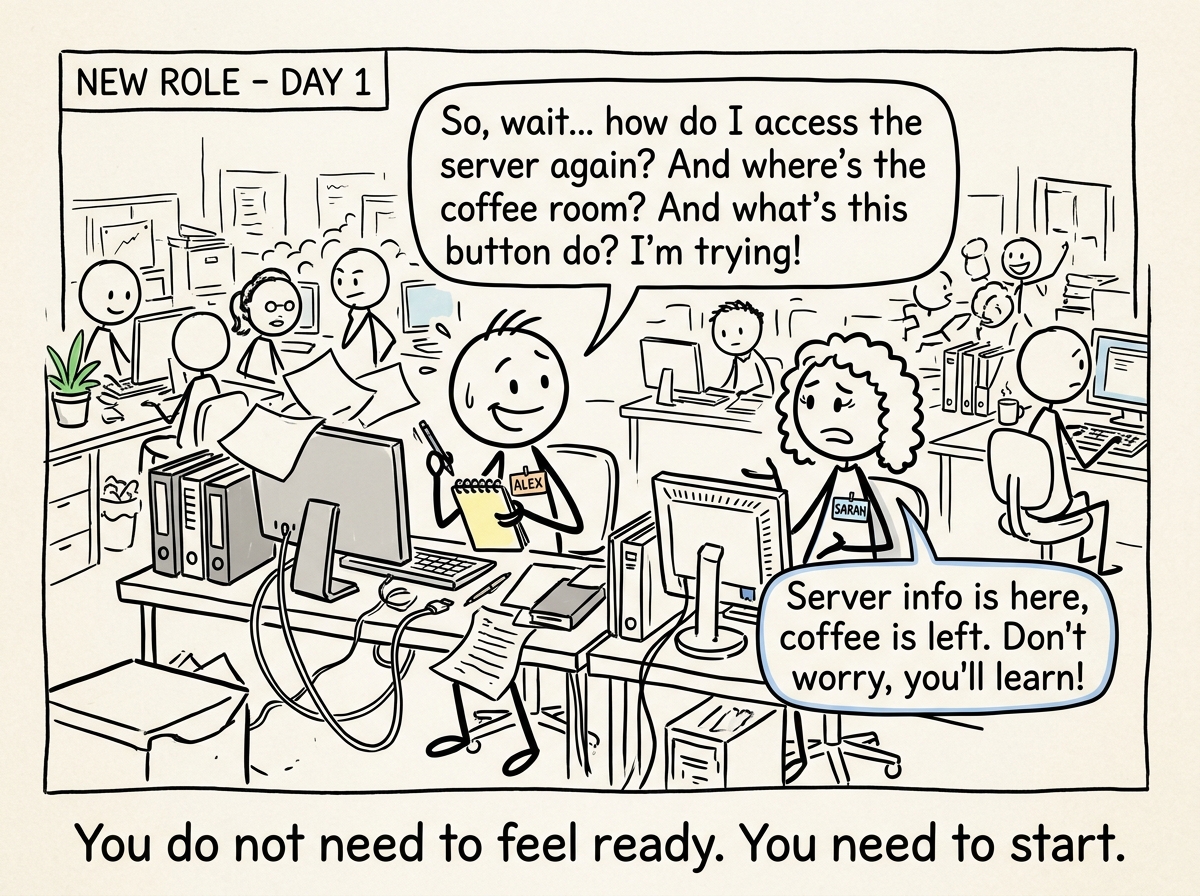
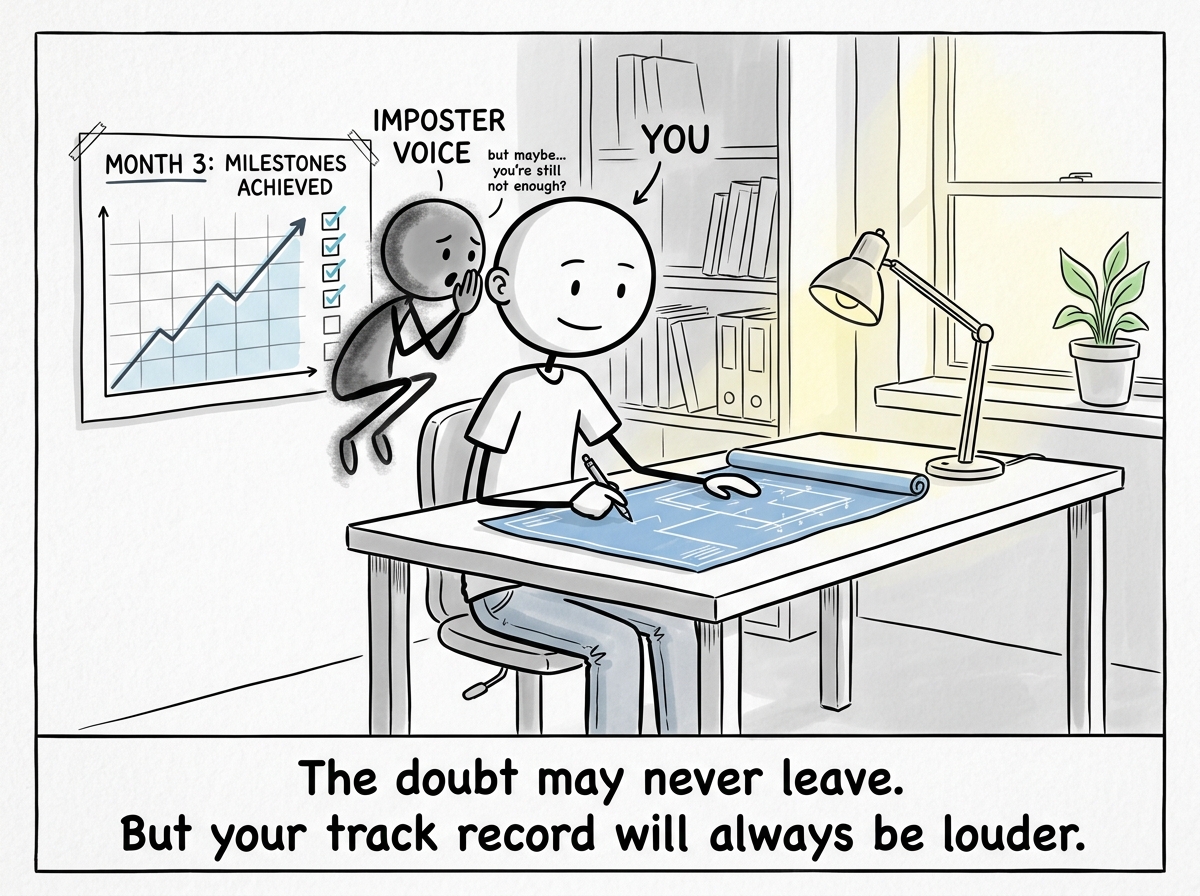
You just got the promotion you worked years for. Your boss shakes your hand, your team congratulates you, and your first thought is not pride -- it is terror. 'They made a mistake. They are going to realize I am not qualified. Everyone in this room knows more than I do.' Instead of celebrating, you spend the weekend memorizing every possible thing someone might ask you on Monday, preparing for an interrogation that exists only in your head. This is imposter syndrome in its most classic form. The promotion is not experienced as validation -- it is experienced as escalation. A higher title means higher visibility, which means a higher chance of being 'found out.' Psychologist Pauline Rose Clance identified this pattern: imposter syndrome does not get better with success. It gets worse. Each new achievement raises the stakes, because now there is more to lose when the 'truth' comes out. Your brain discounts every piece of evidence that you earned this and amplifies every fear that you did not. The healthier response is not to eliminate the doubt -- that may never fully go away. It is to act despite the doubt. Notice the panic, name it as imposter syndrome, and remind yourself that the people who promoted you had the same information you are now discounting. You do not need to feel ready to be ready. Competence is not a feeling -- it is a track record. And yours is the reason you are here.
Key Takeaway
A promotion does not cure imposter syndrome -- it raises the stakes, and the antidote is trusting your track record more than your fear.