Fine. Everything Is Fine.
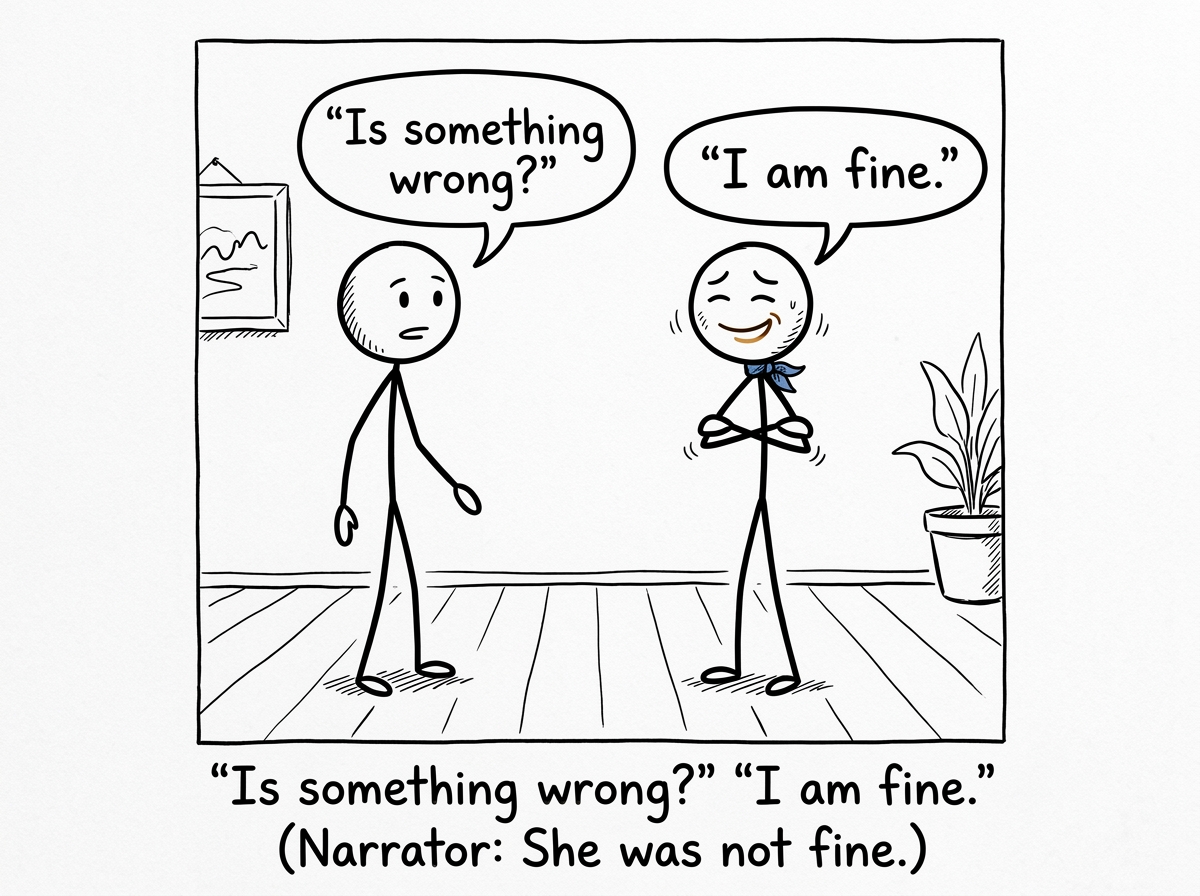
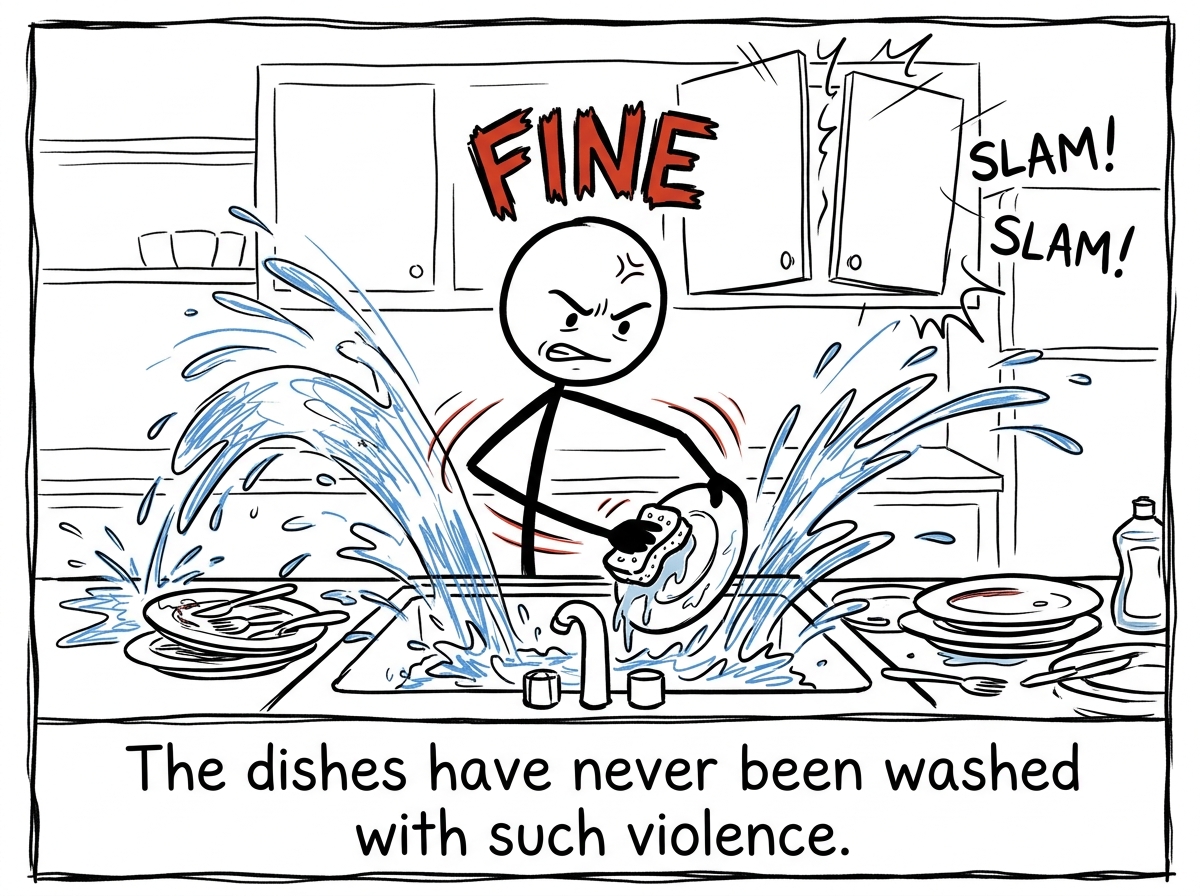
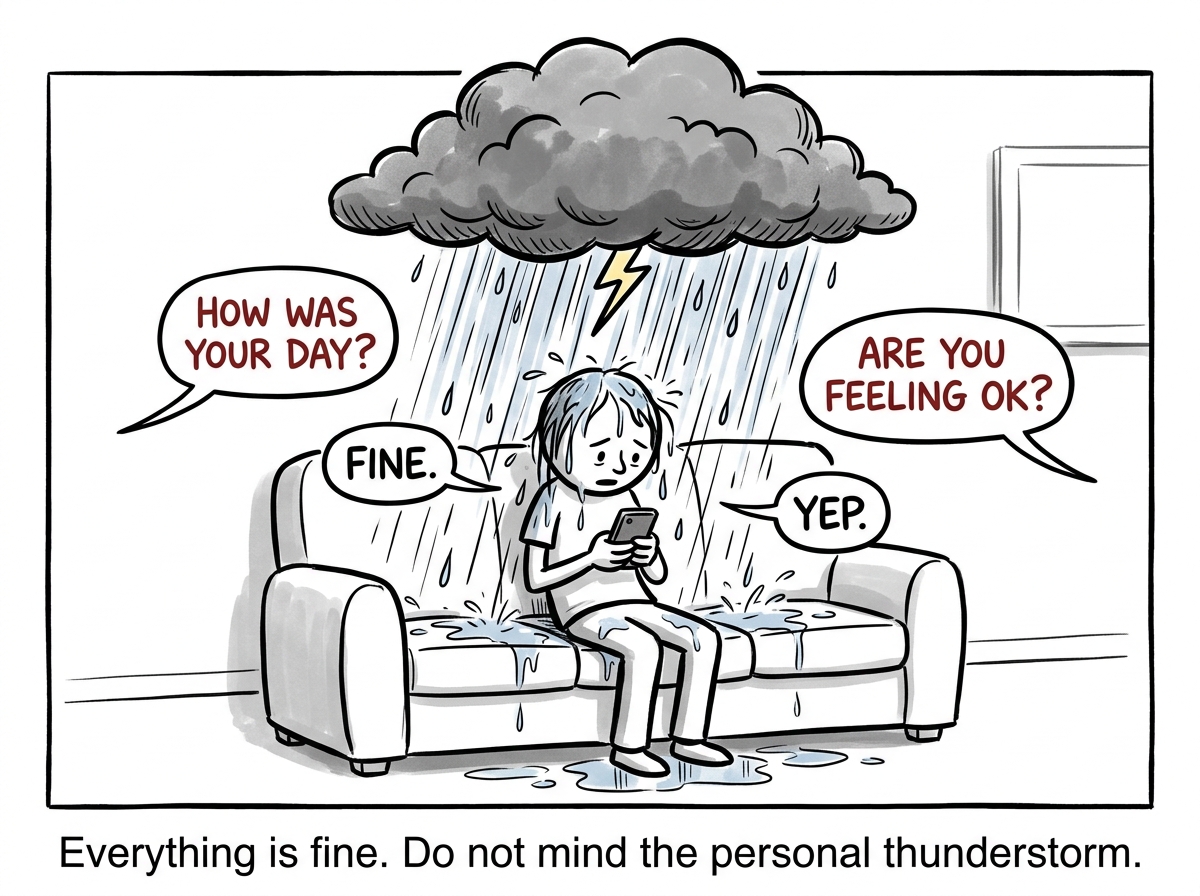
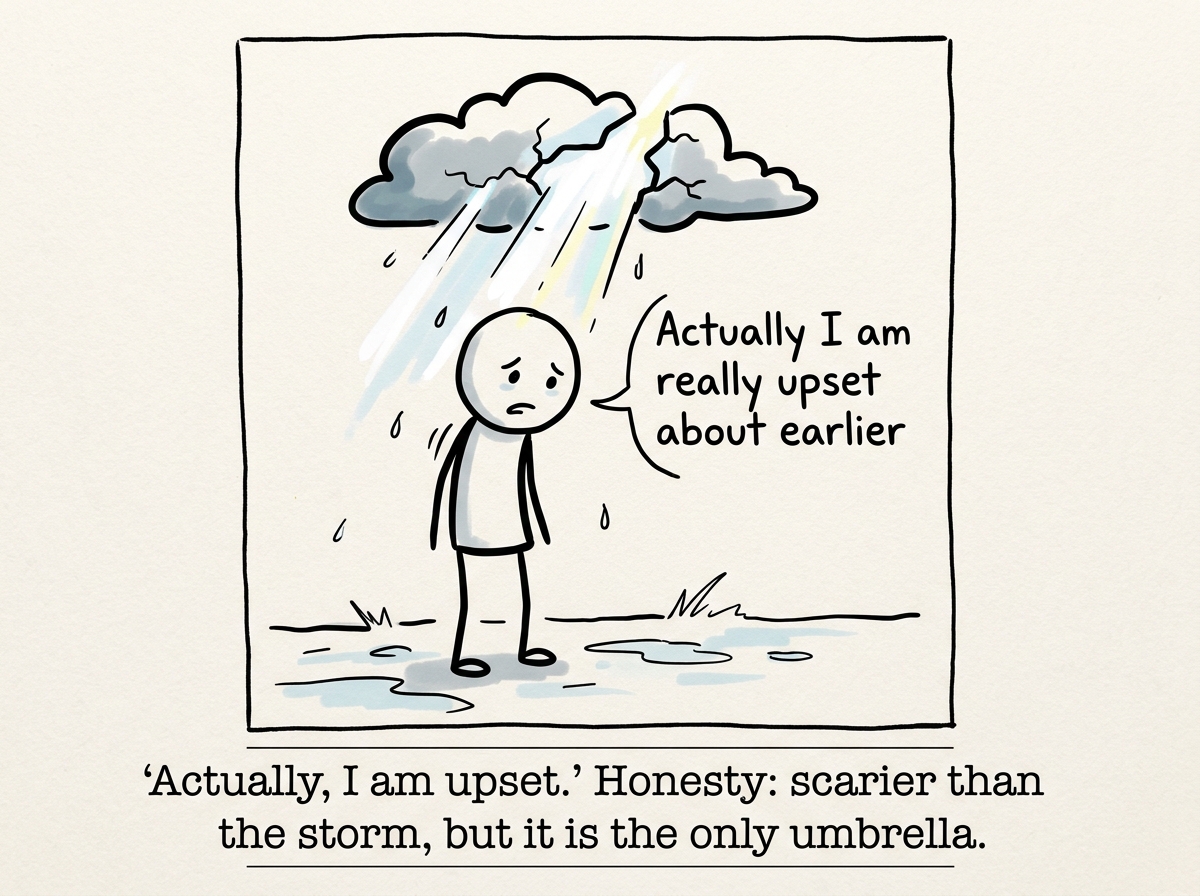
A person insists they are 'fine' while their body language, actions, and the entire atmosphere communicate the exact opposite.
Explanation
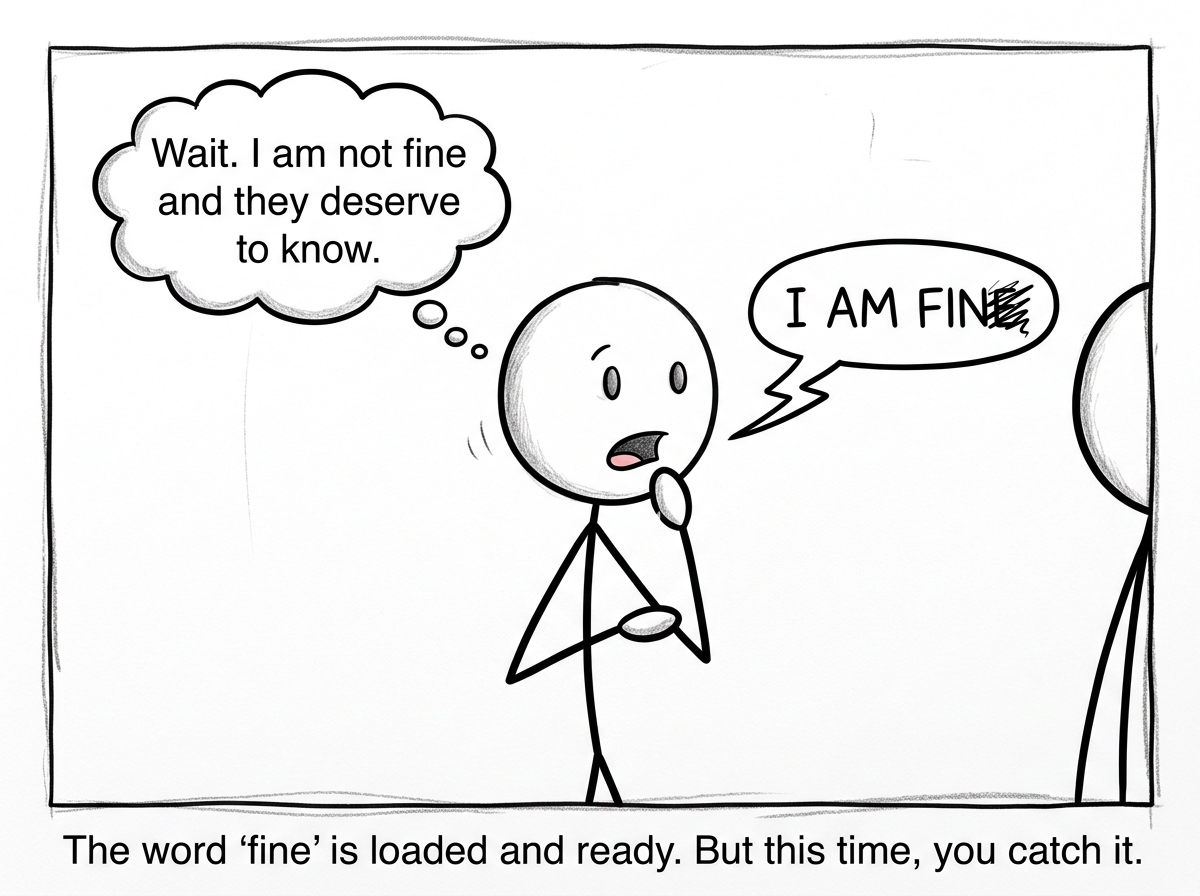
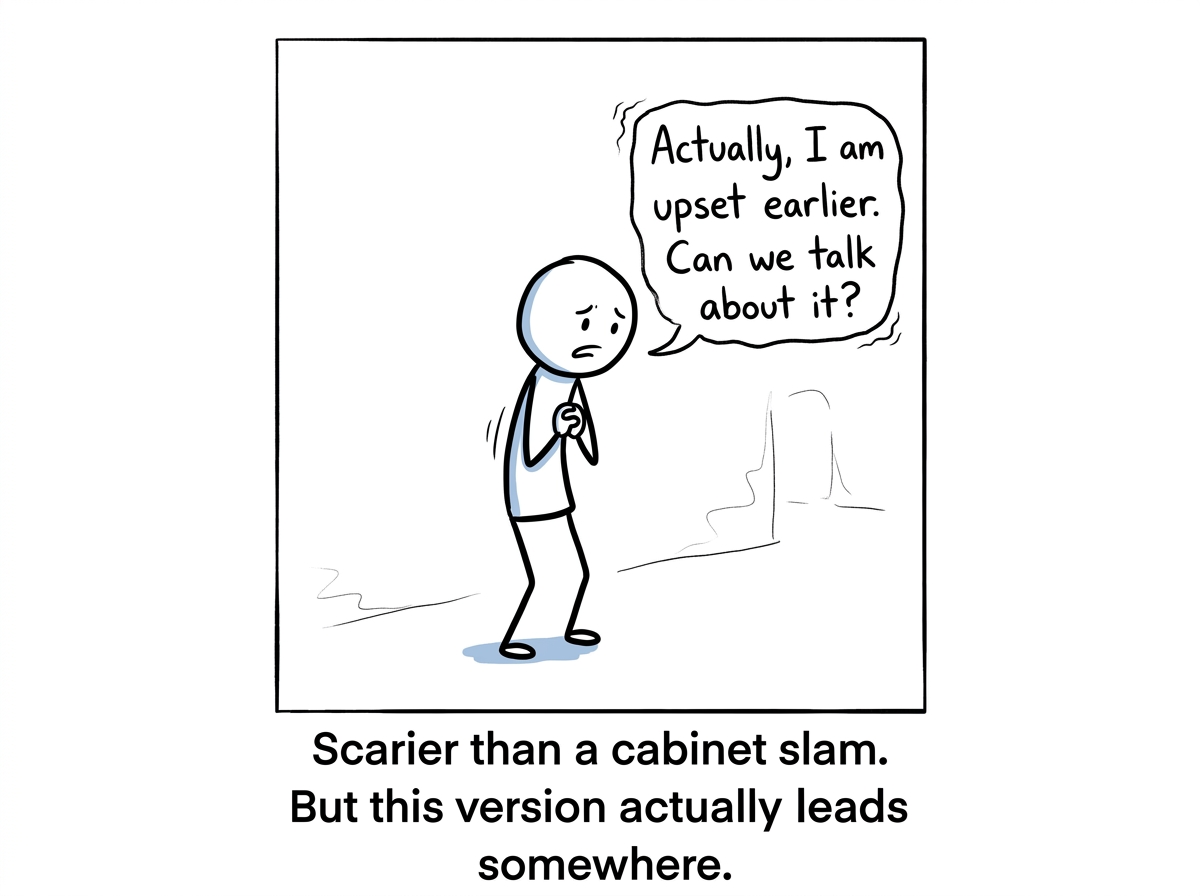
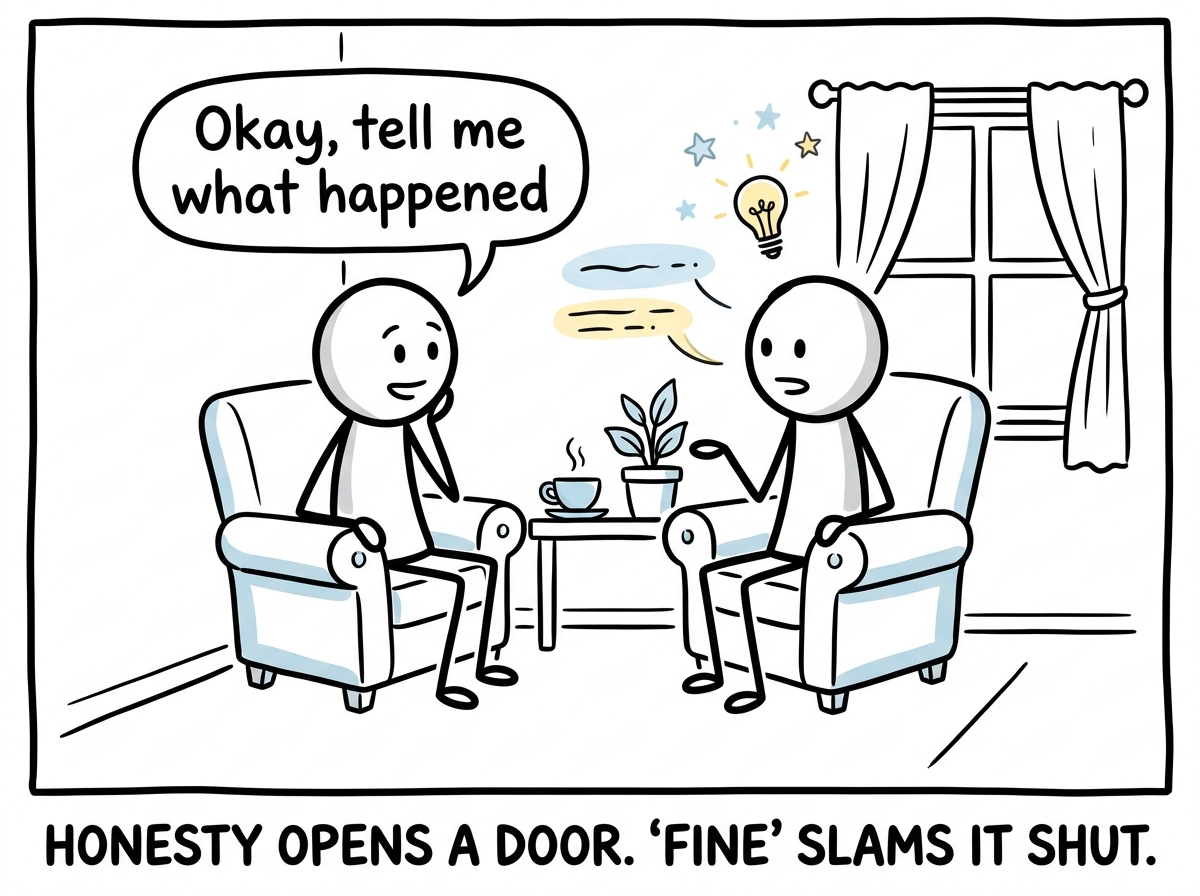
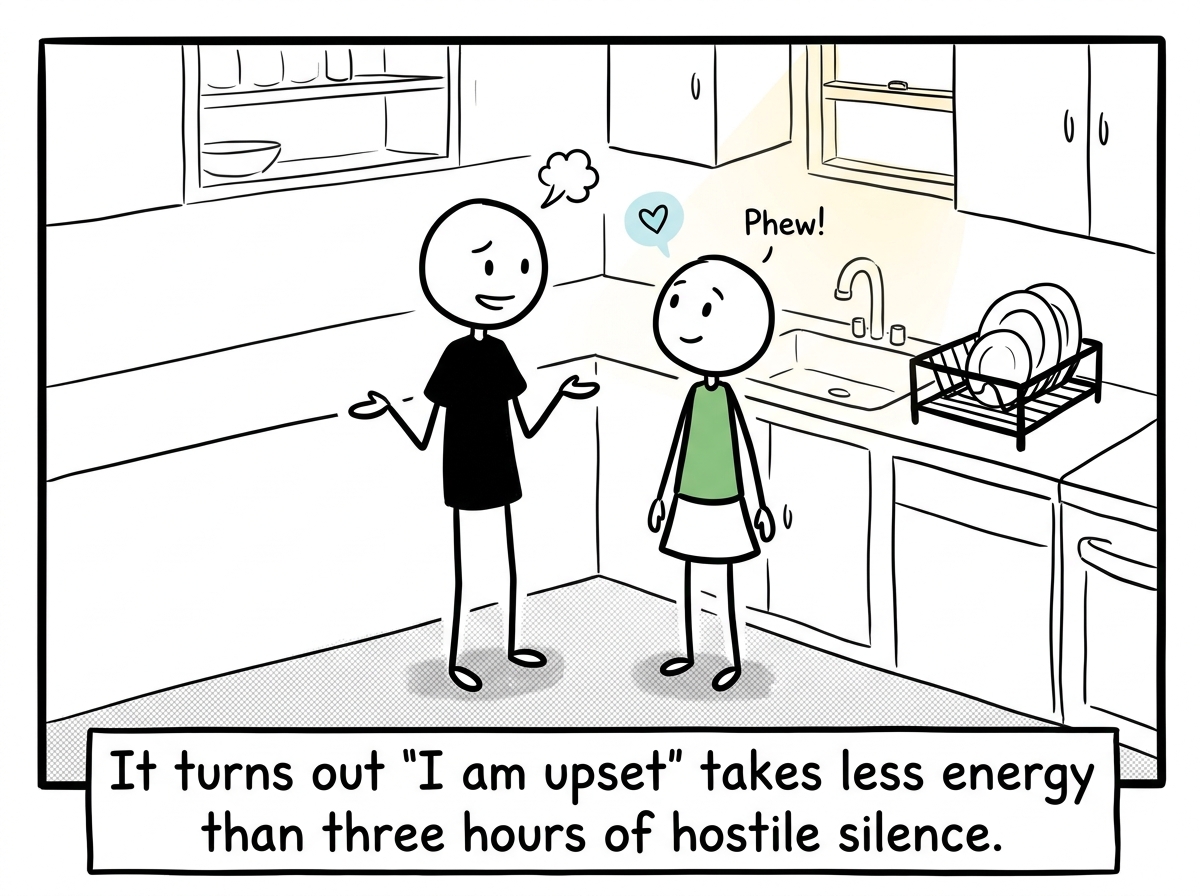
You ask your partner if something is wrong. 'I am fine,' they say, in a tone that could freeze lava. They close the cabinet a little too hard. They answer your questions in single syllables. They sigh loudly enough to register on a seismograph. But they are fine. Everything is fine. If you press further, you get the upgraded version: 'I said I am fine, why do you keep asking?' -- which translates roughly to 'I am absolutely not fine but I would rather communicate through atmospheric pressure changes than use my words.' Passive-aggressive 'fine' is one of the most universal communication breakdowns in relationships. It happens when someone feels angry or hurt but believes -- consciously or unconsciously -- that expressing those feelings directly is either unsafe, pointless, or somehow wrong. So the anger leaks out sideways: through tone, through sighs, through cabinet-slamming, through a coldness that is technically deniable. The person saying 'fine' often genuinely believes they are handling it well because they are not yelling. What they do not realize is that indirect hostility is often more destabilizing than an honest argument because it cannot be addressed or resolved. The alternative is terrifyingly simple and maddeningly difficult: say what you actually feel. 'I am not fine. I am upset about what happened earlier and I need to talk about it.' That sentence requires vulnerability, which is exactly the thing passive aggression is designed to avoid. But vulnerability opens a door. 'Fine' locks it and throws away the key while insisting there was never a door.
Key Takeaway
When 'fine' requires a specific tone of voice to deliver its real message, it is not fine.