The Comment Section Mirror

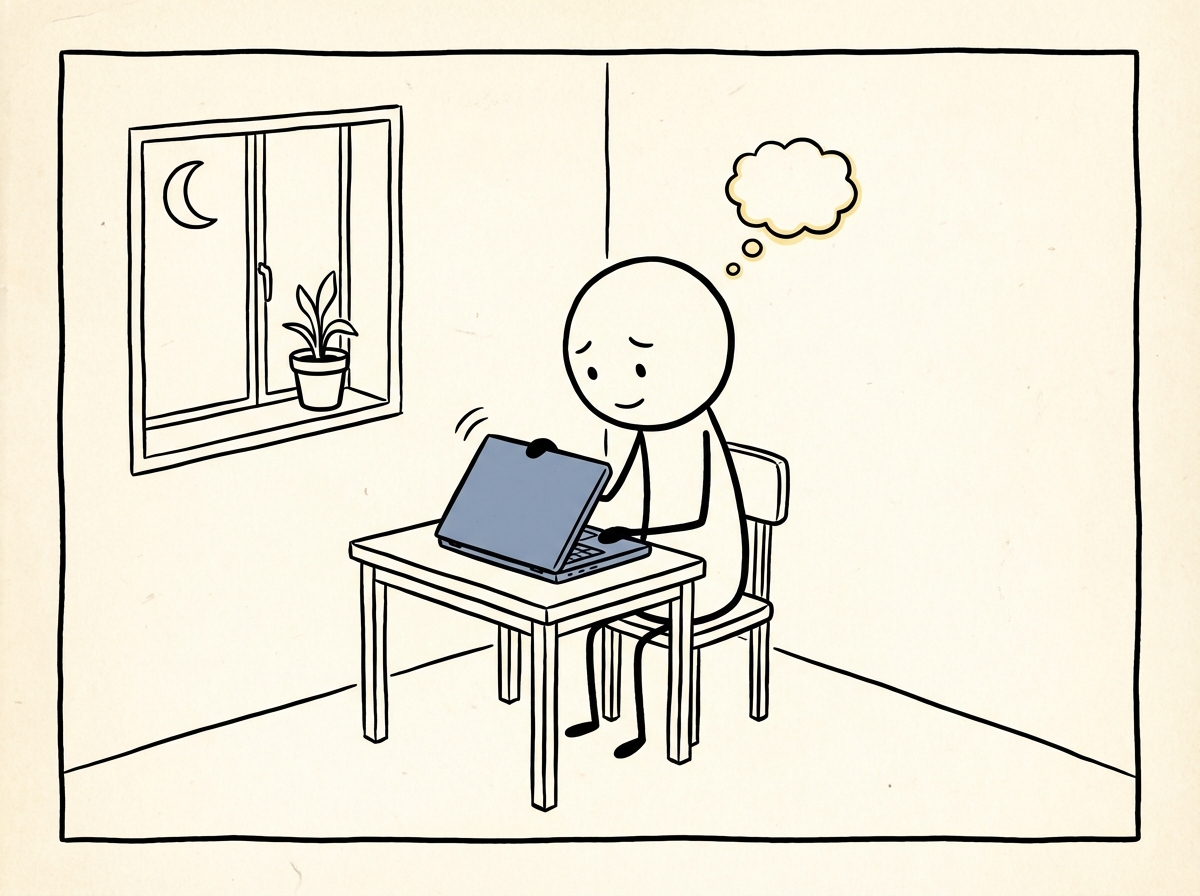
A person posts something personal and lets the comment section become their mirror -- mood soaring with praise and crashing with criticism -- until they reclaim their own self-image.
Explanation
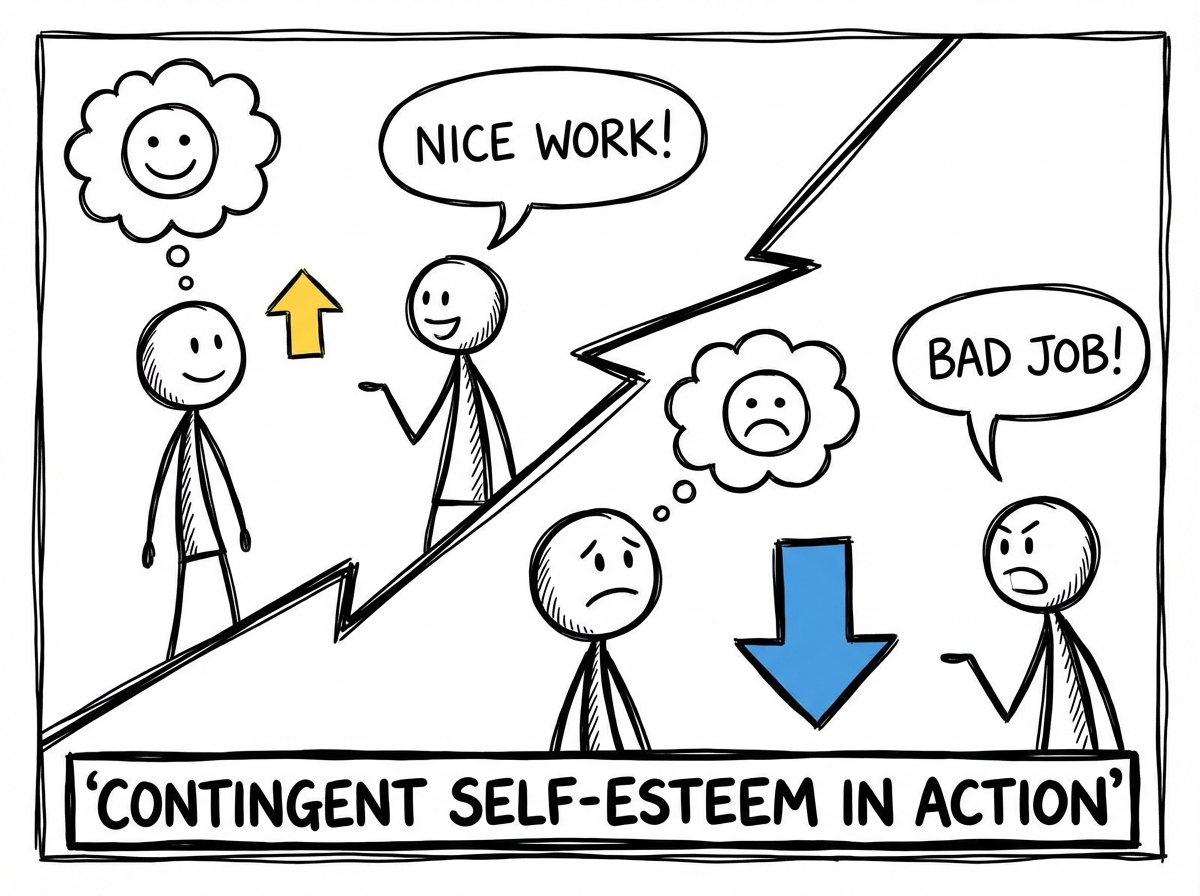
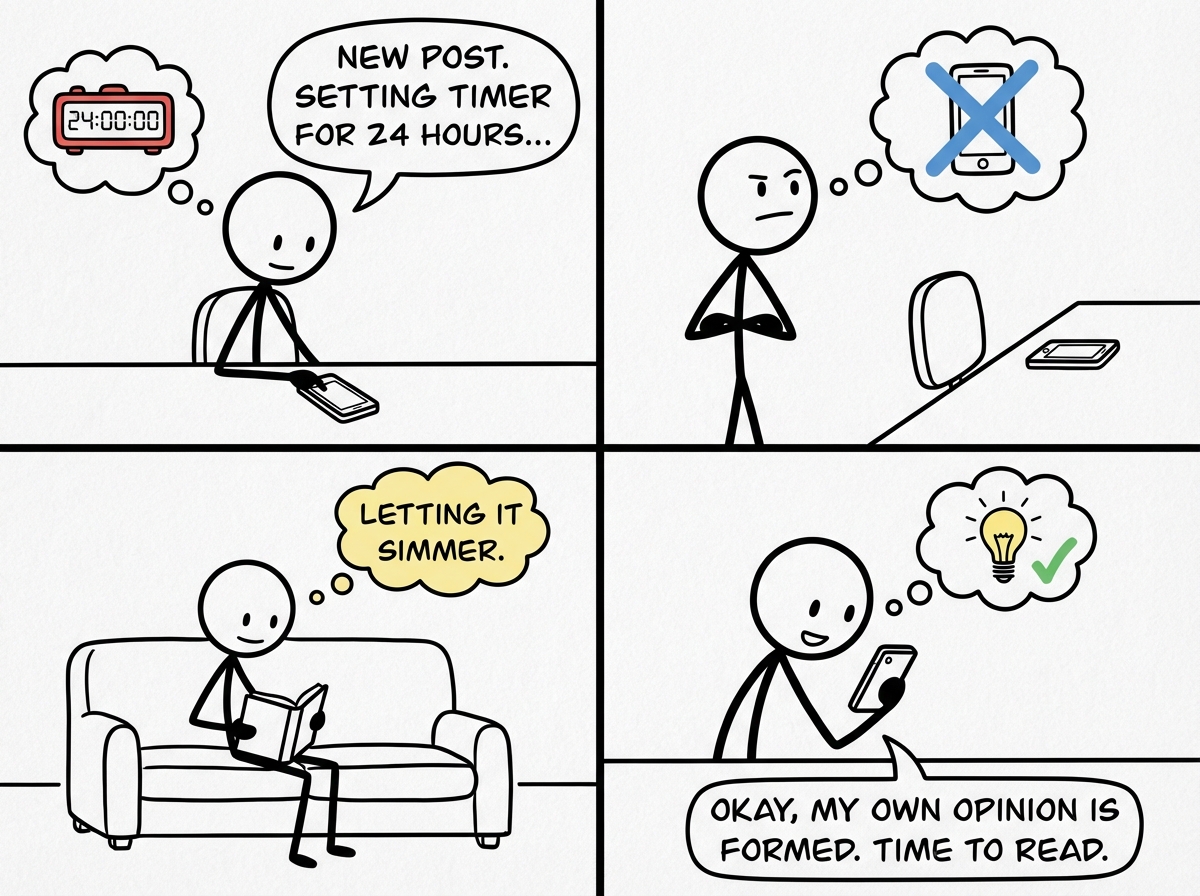
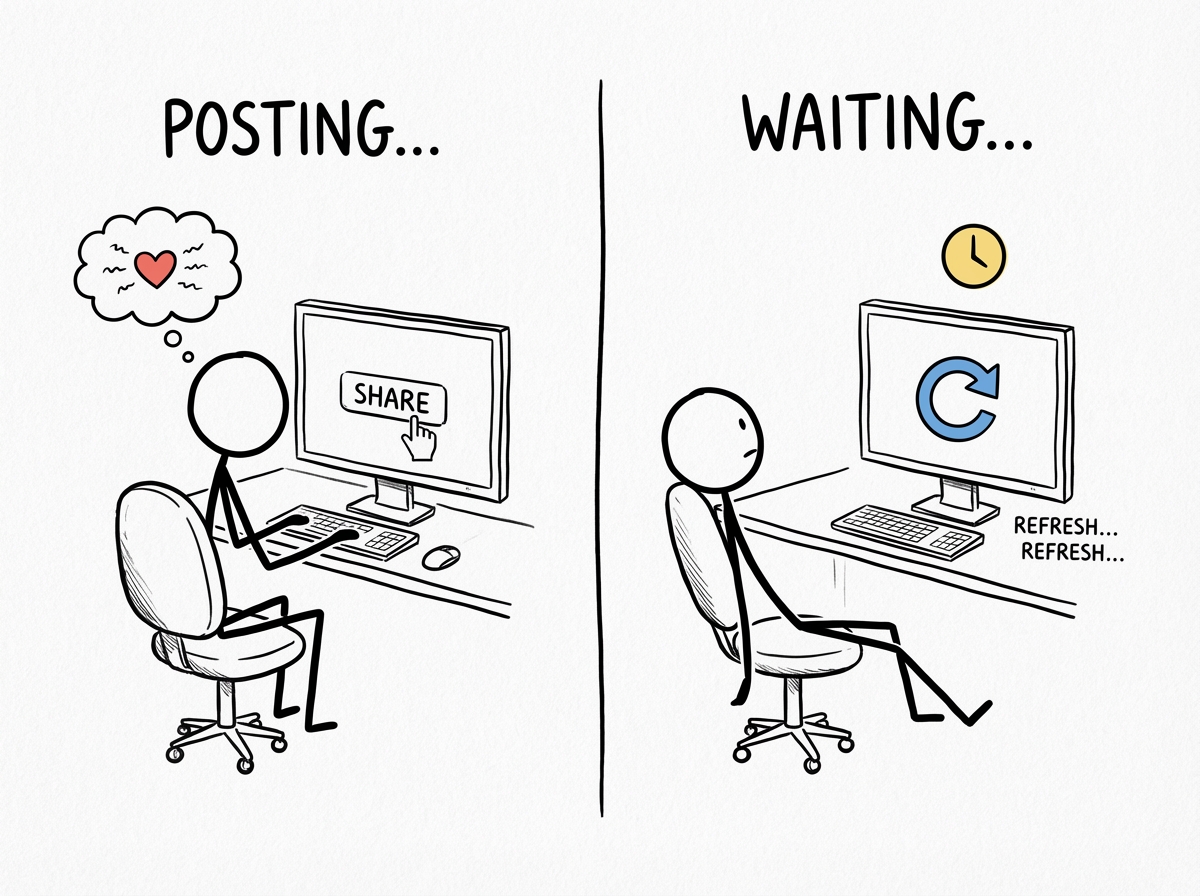
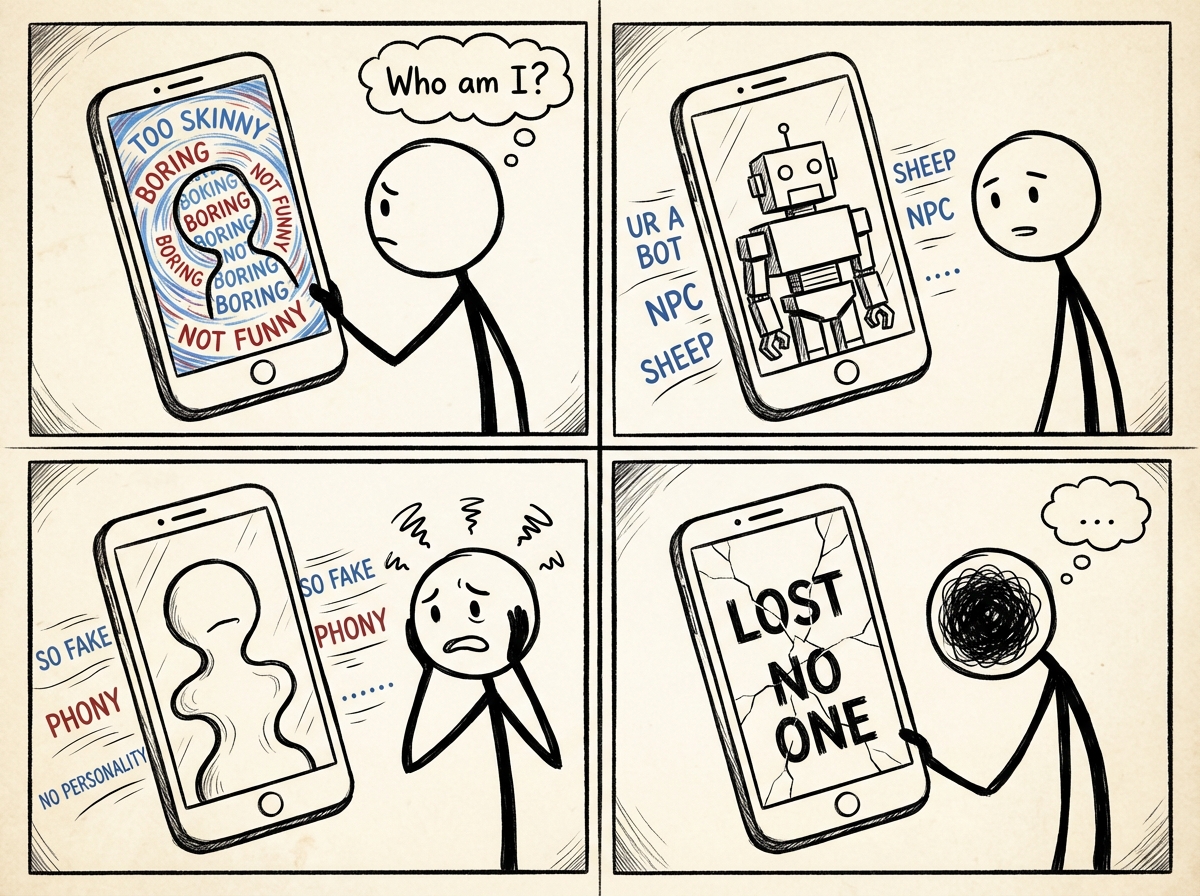
You post something personal. Something that took courage. And then you wait. Refresh. Refresh. The first comment is positive and your chest lifts. The second is critical and your stomach drops. A third piles on and suddenly you are spiraling -- not about the content of the criticism, but about what it means about you as a person. In the span of three minutes, strangers who spent less time forming their opinion than you spent choosing a font have become the arbiters of your self-worth. You handed them the mirror, and now they are deciding what you see in it. This is not a character flaw -- it is a deeply human vulnerability that social media has weaponized. Psychologists call it contingent self-esteem: when your sense of self-worth depends on external validation rather than internal stability. Deci and Ryan's research on self-determination theory shows that people with contingent self-esteem experience more anxiety, more mood volatility, and less genuine well-being than those whose self-worth is internally anchored. Comment sections are the perfect storm for contingent self-esteem because the feedback is immediate, public, and delivered by people who have no context for your life, your intentions, or your humanity. The antidote is not thicker skin. It is a different mirror. Instead of asking 'What do they think of me?' start asking 'What do I think of me?' This is harder than it sounds because many of us were never taught to form a stable self-opinion independent of audience reaction. But that quiet, internal assessment -- even if it is uncertain, even if it wobbles -- is more honest than anything a comment section can offer. Close the comments. Sit with your own opinion of yourself. It is quieter in here. But it is yours.
Key Takeaway
When you let comment sections define your self-image, you hand your self-worth to strangers who spent three seconds forming an opinion -- reclaiming it starts with sitting with your own.