The Curated Self
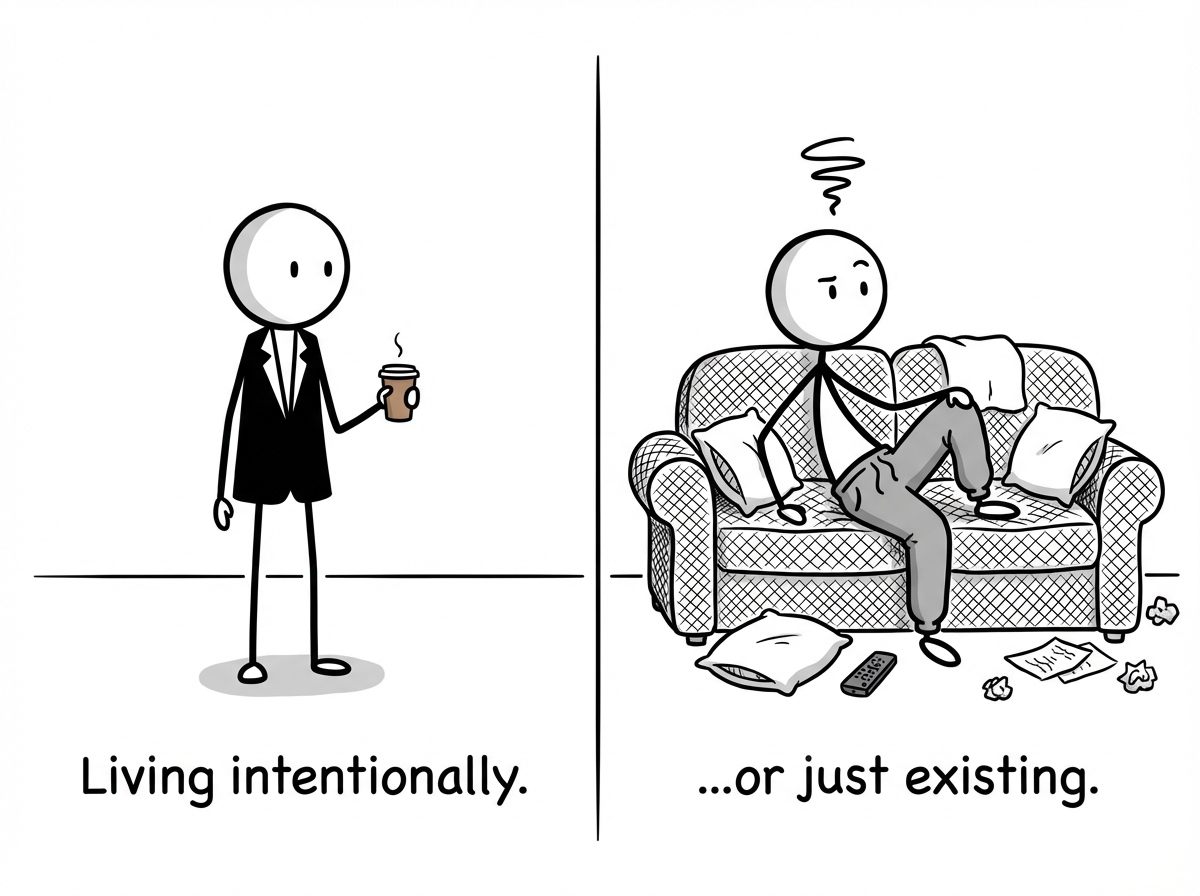
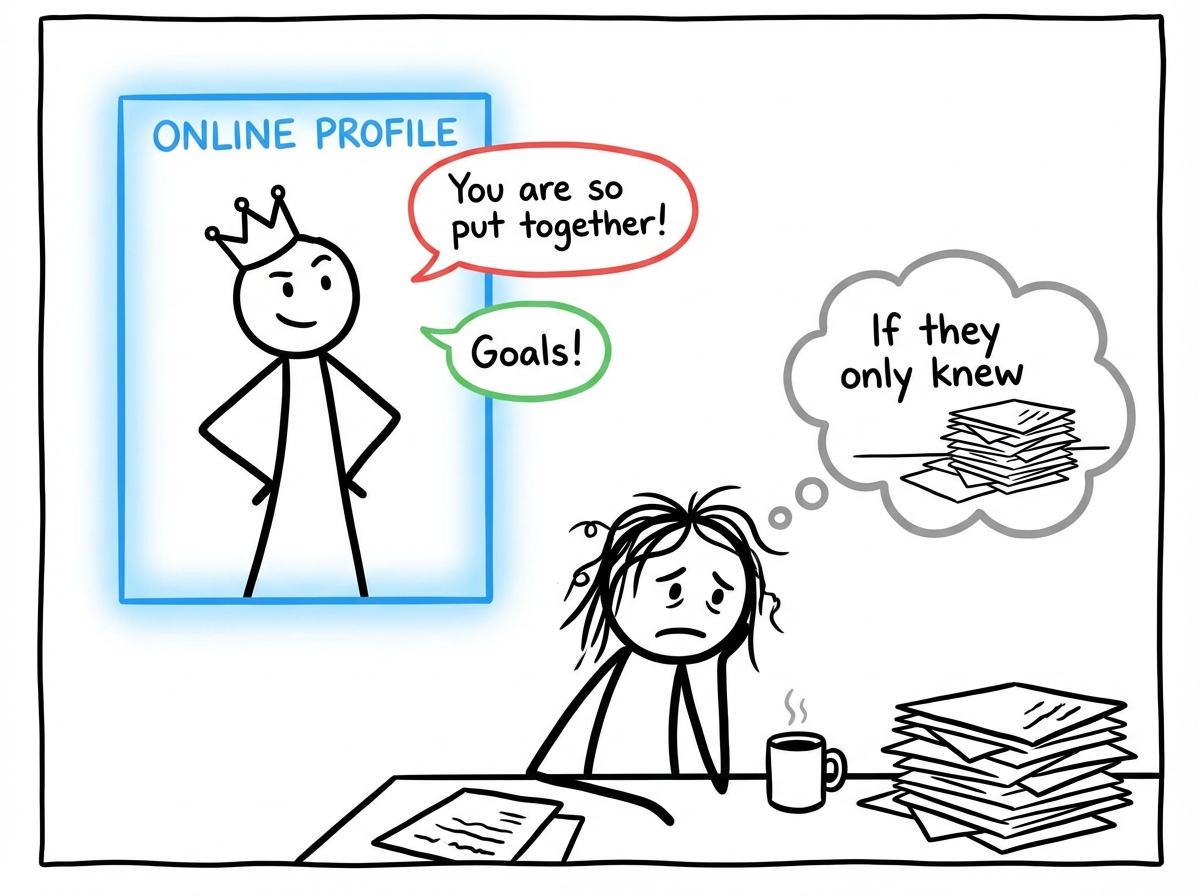
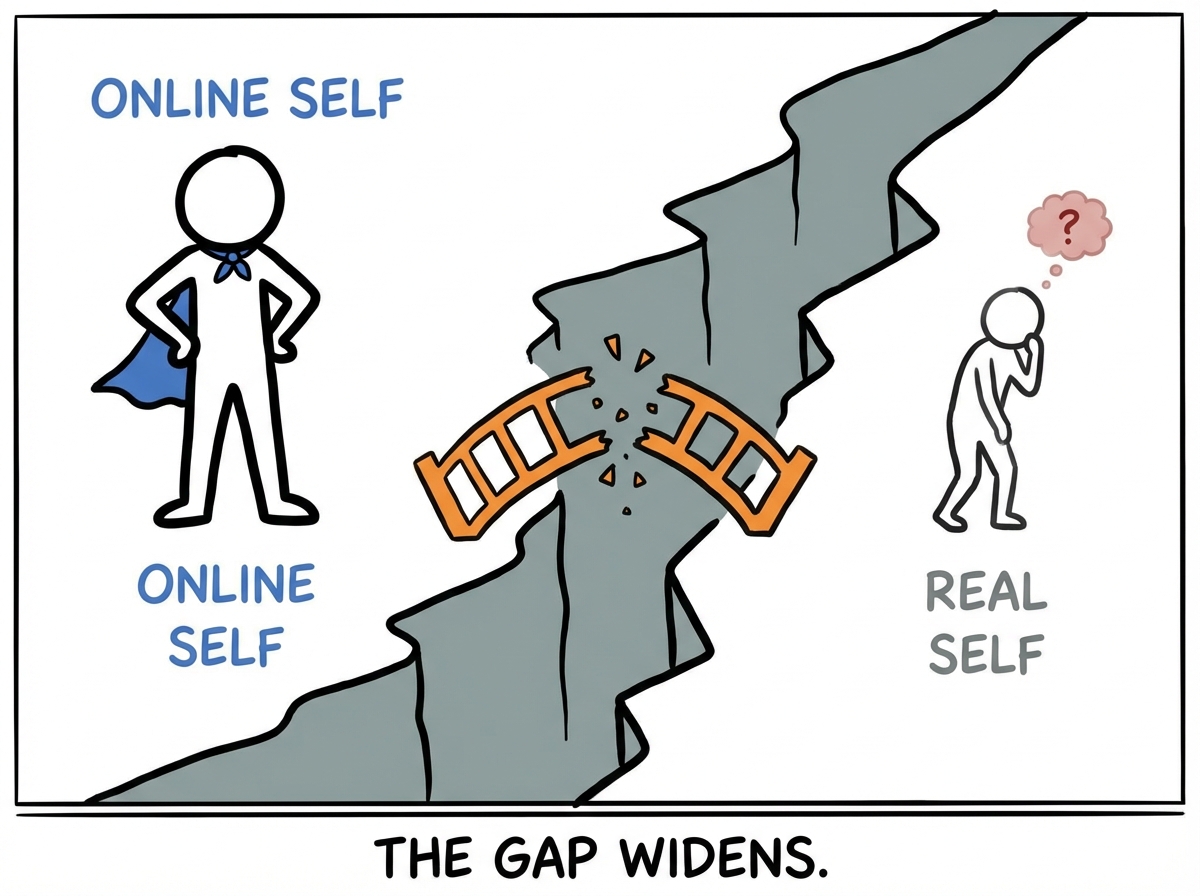
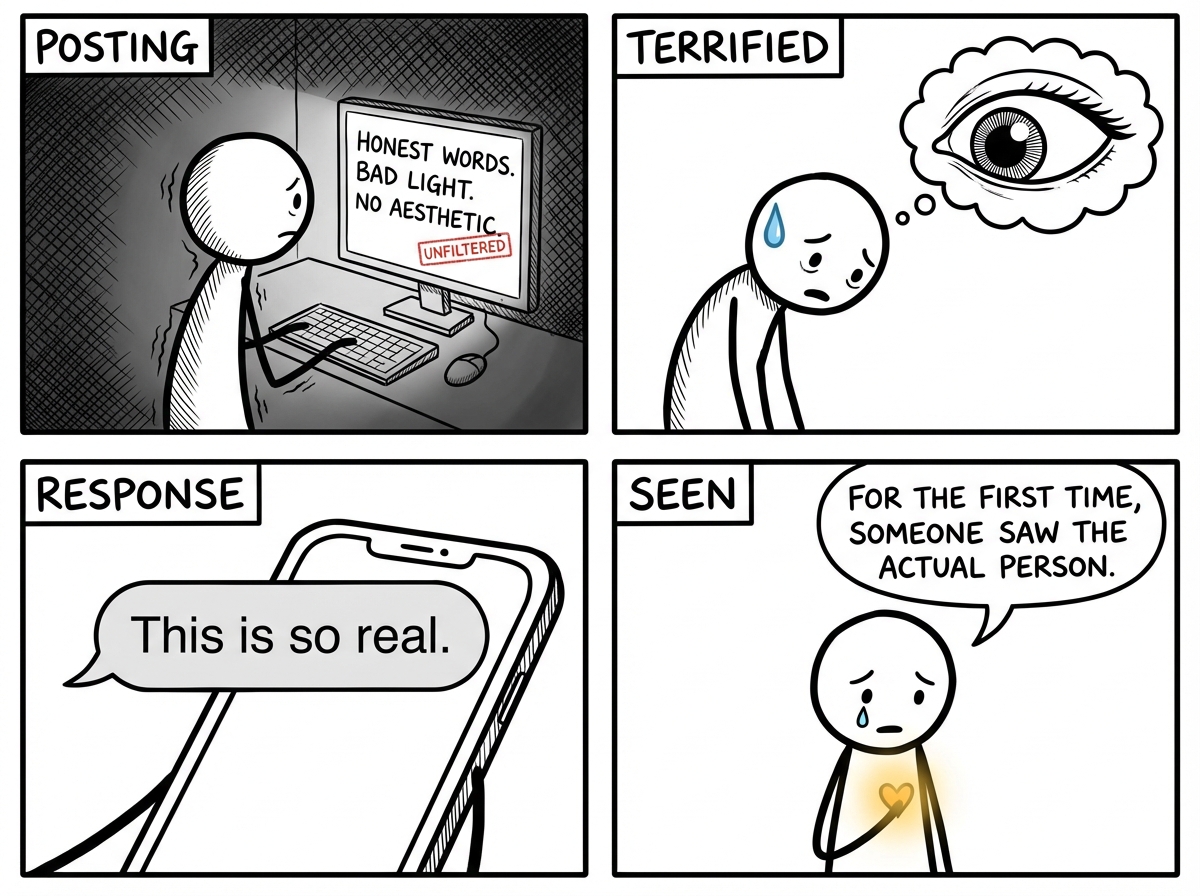
A person maintains two versions of themselves -- the polished online persona and the messy real human -- until the gap becomes so wide that the real self starts feeling like the fake one.
Explanation
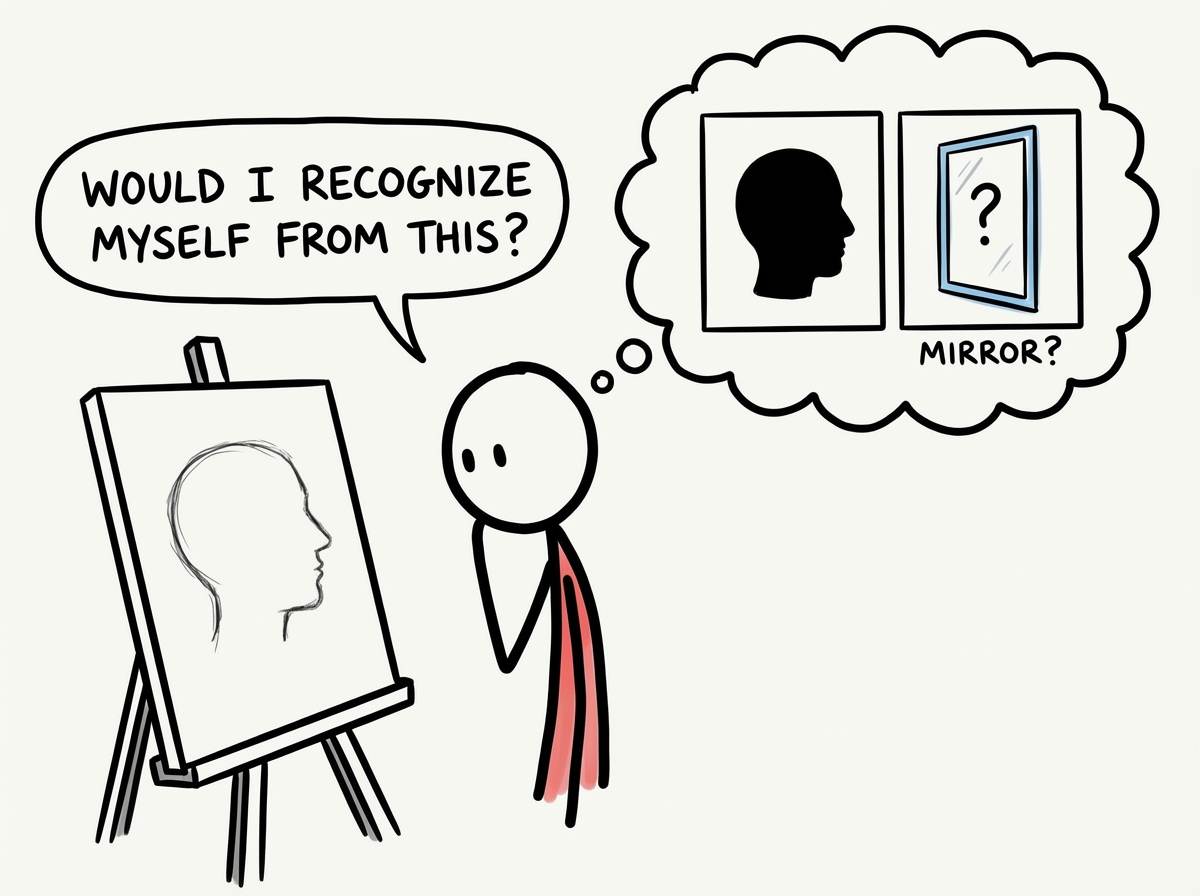
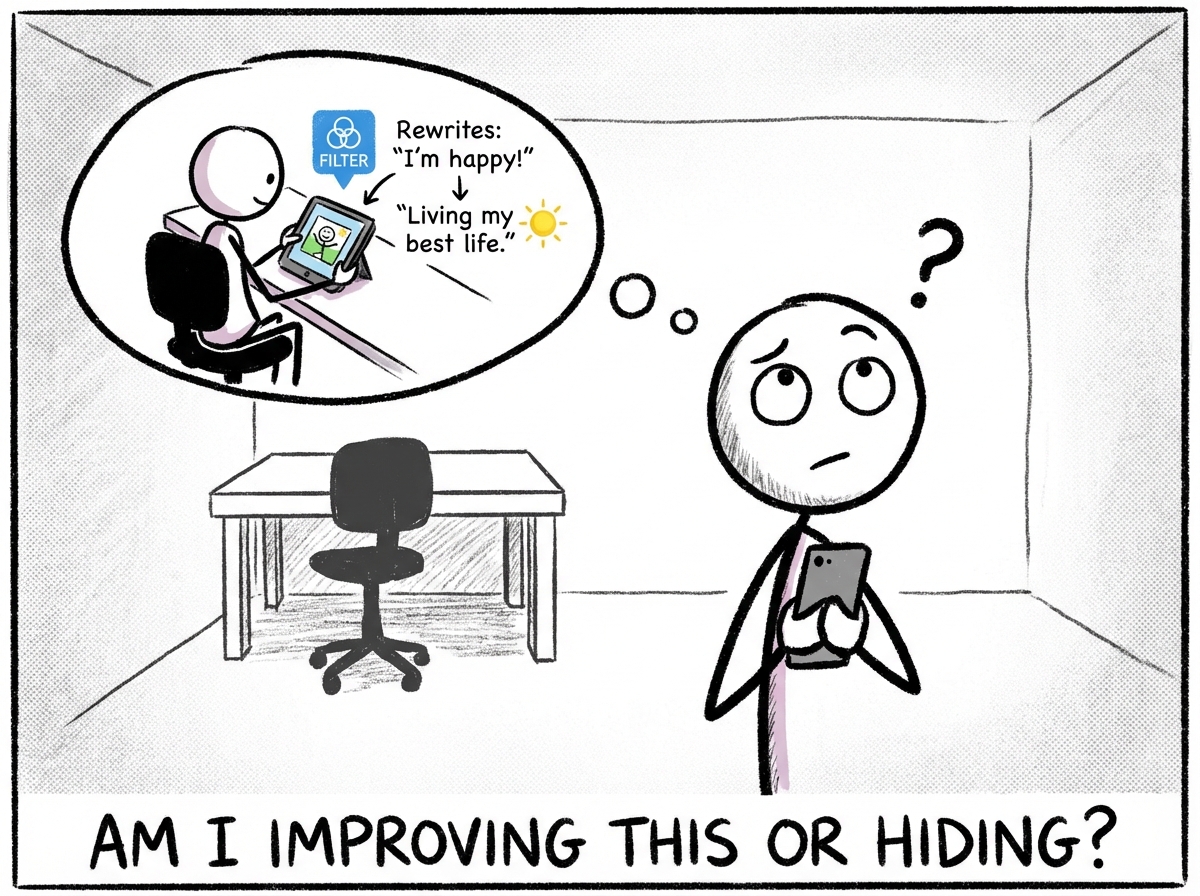
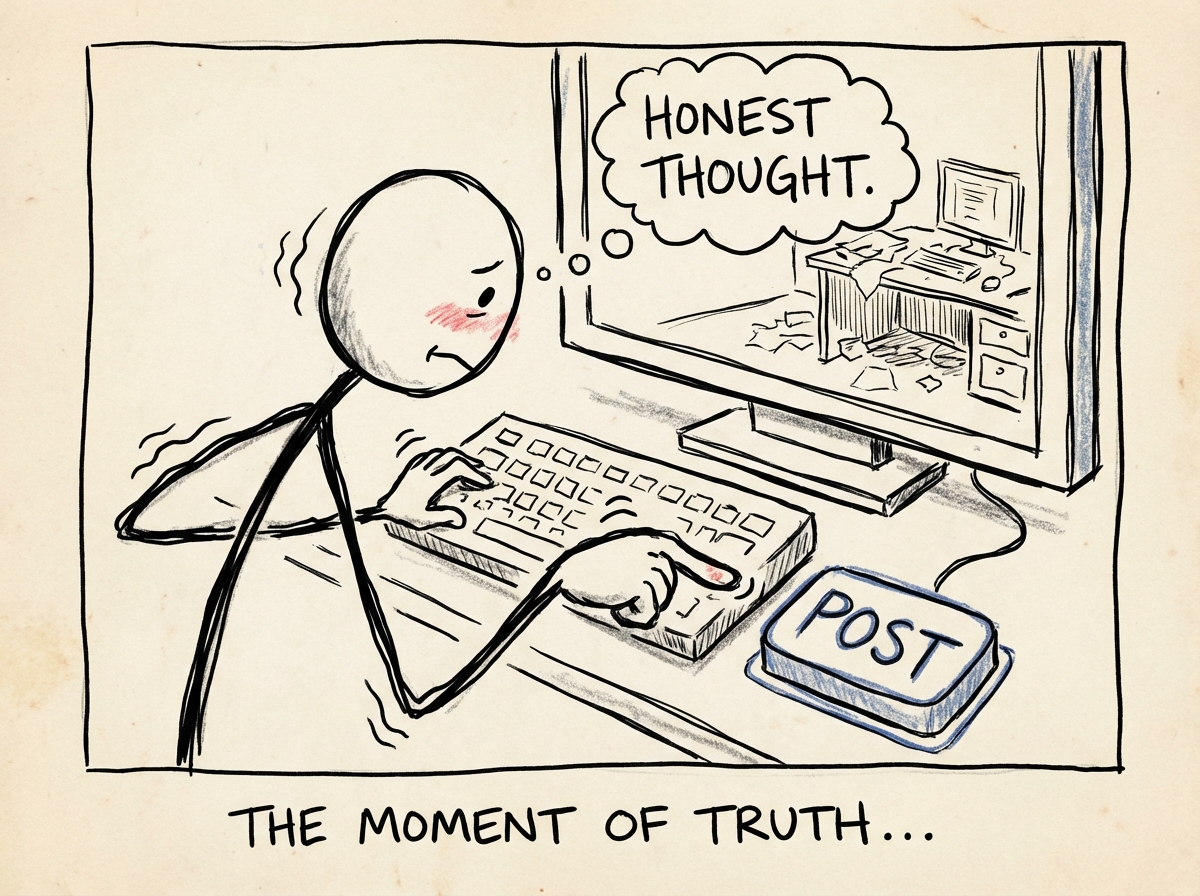
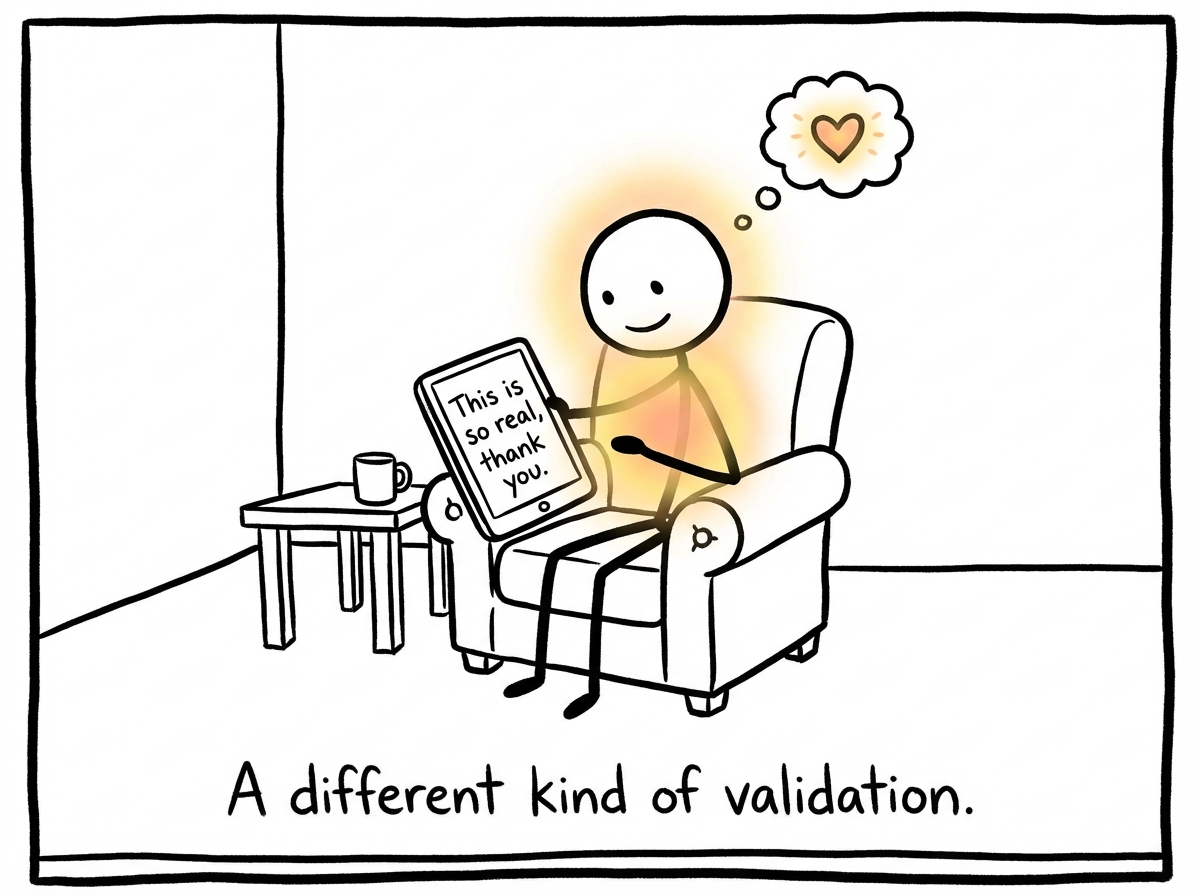
There are two of you. The online version has great lighting, clever captions, and a curated aesthetic that suggests a life of effortless intention. The offline version is in sweatpants, uncertain about most things, and has not done laundry in a week. Both are real, but only one gets shown to the world. Over time, this split creates a psychological phenomenon that Winnicott might have recognized as a digital false self -- a carefully constructed exterior designed to win approval while the authentic self hides behind it, increasingly convinced it is the lesser version. The compliments make it worse. Every time someone says 'You are so put together' or 'I wish I had your life,' it reinforces the online version and punishes the real one. You start to believe that the curated self is the one people actually like, and that if they saw the real version -- the anxious, messy, unsure version -- they would be disappointed. Research on self-discrepancy theory by Higgins (1987) shows that the gap between who you present yourself as and who you actually are generates anxiety, guilt, and shame. The wider the gap, the heavier the emotional cost of maintaining it. The way out is terrifying and simple: post something unfiltered. Not performatively vulnerable -- not a carefully worded confession designed to appear authentic while still being curated. Something genuinely imperfect. The lighting is bad. The thought is incomplete. The aesthetic is nonexistent. And then you wait. What often happens is surprising: someone responds not to the brand, but to the person. And for the first time, you feel seen -- not the version of you that earns approval, but the version that earns connection.
Key Takeaway
The gap between your curated online self and your real self generates anxiety -- and closing that gap starts with the terrifying act of being unfiltered.